Vix Southgate 🦊

25.3K posts

Vix Southgate 🦊 banner
Vix Southgate 🦊

Vix Southgate 🦊

@Victrix75

Consultant . Networker/Connector . Multi-Skilled Entrepreneur . Creative . Children’s Author . Won some awards . Manage:@SpaceMascotUK & @WordenAlfred

Chesterfield, England Katılım Ocak 2009
616 Takip Edilen1.3K Takipçiler
Vix Southgate 🦊 retweetledi

BIS
BIS@BIS_spaceflight·
🛰️ BIS International Space Forum 2026 JOIN US at BIS HQ and online On Saturday 30th May For discussions and reporting on international space activities, exploring the latest insights into critical issues within the space domain from across the globe! Followed by a networking session for all in-person attendees. Book your place and see the full programme 👇 bis-space.com/event/the-bis-…
English
0
2
1
230
Vix Southgate 🦊 retweetledi
No Farmers, No Food
No Farmers, No Food@NoFarmsNoFoods·
You can’t eat solar panels.
No Farmers, No Food tweet media
English
152
655
1.8K
21.6K
Vix Southgate 🦊 retweetledi
World Space Week
World Space Week@WorldSpaceWeek·
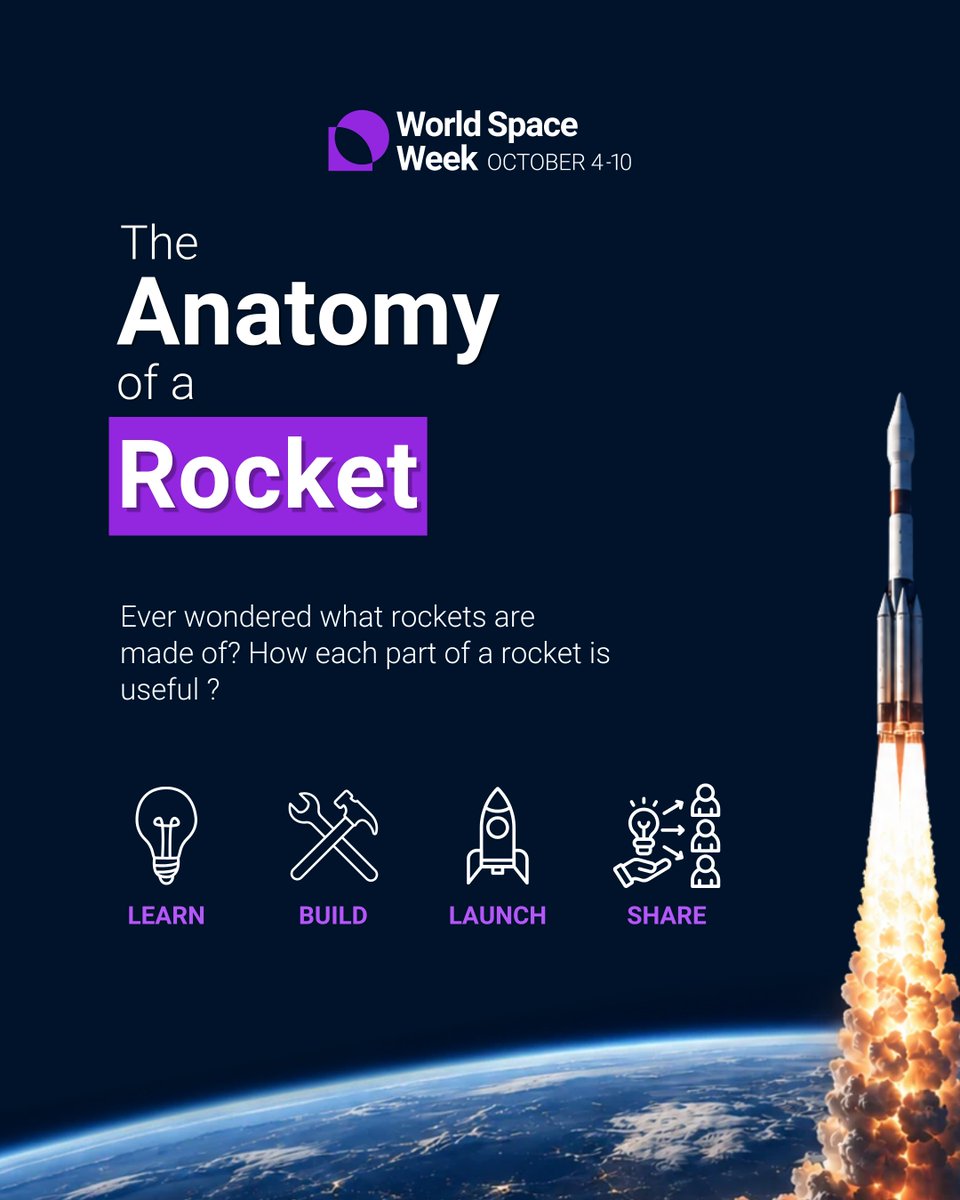
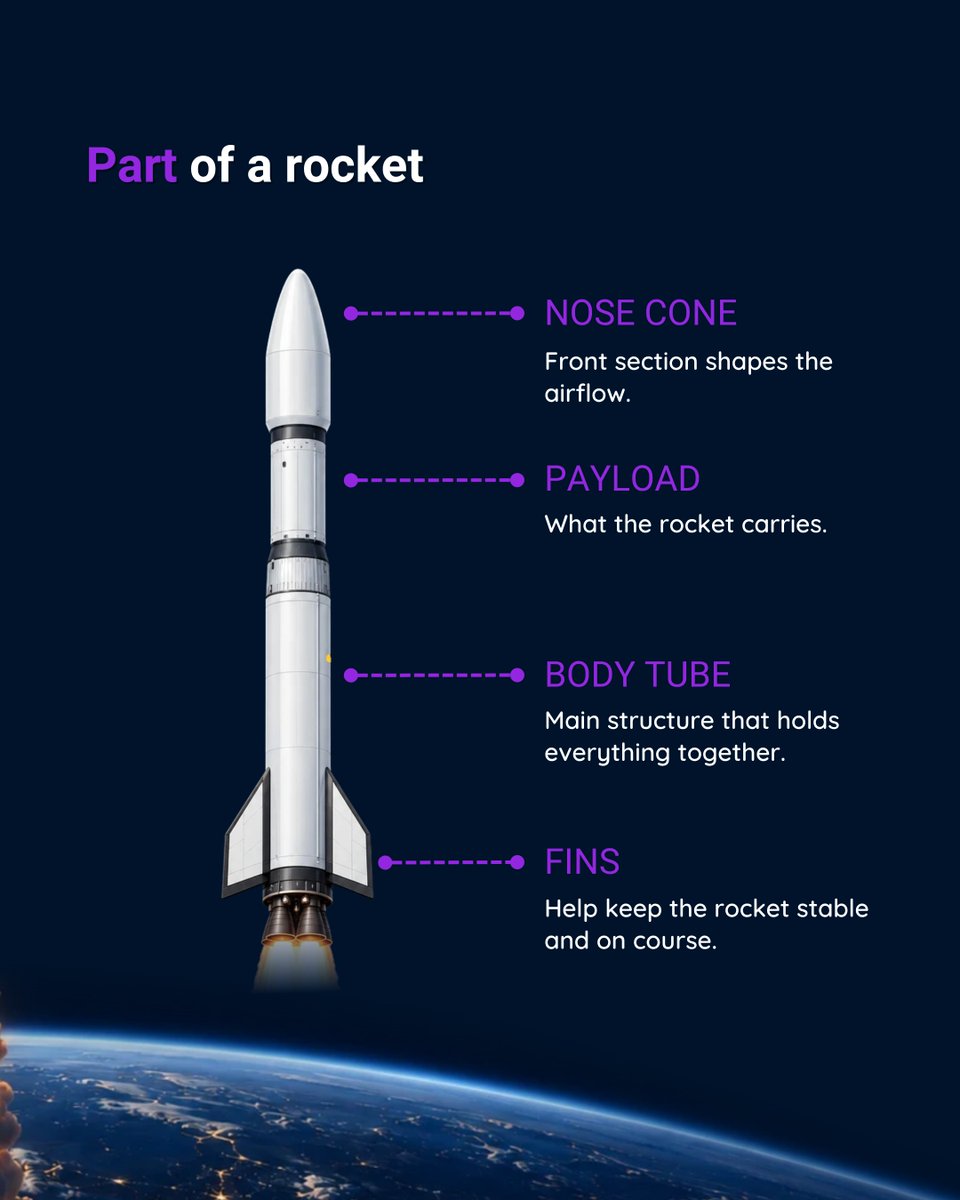
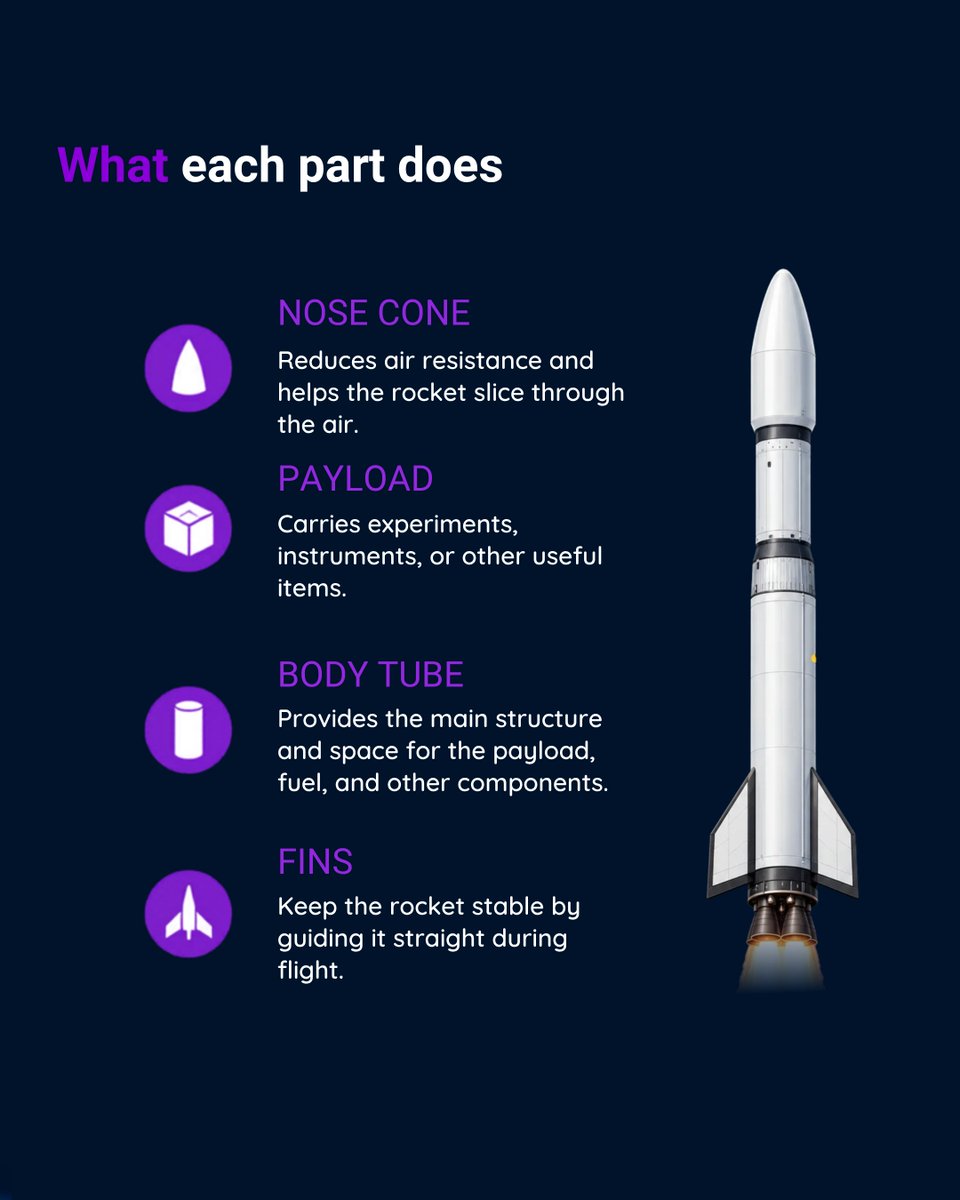
𝑾𝒉𝒂𝒕 𝒅𝒐𝒆𝒔 𝒂 𝒓𝒐𝒄𝒌𝒆𝒕 𝒏𝒆𝒆𝒅 𝒕𝒐 𝒇𝒍𝒚? 🚀 For #WSW2026, we’re sharing simple rocket activities you can try safely, including water bottle rockets, baking soda and vinegar bottle rockets, balloon rockets, and many more! October 4–10: join the #RocketRevolution
World Space Week tweet mediaWorld Space Week tweet mediaWorld Space Week tweet mediaWorld Space Week tweet media
English
0
7
10
276
Vix Southgate 🦊 retweetledi
Rob Coppinger
Rob Coppinger@Rob_Coppinger·
ON SALE 23 MAY. my second book, HOTOL & Skylon: The story of Britain's spaceplanes, will be available on @amazon in Kindle, Paperback and Hardback formats with 268 pages. Spanning more than 40 years, the story follows the engineers whose ideas led to the UK government's 1/2
Rob Coppinger tweet media
France 🇫🇷 English
5
9
42
1.3K
Vix Southgate 🦊 retweetledi
BIS
BIS@BIS_spaceflight·
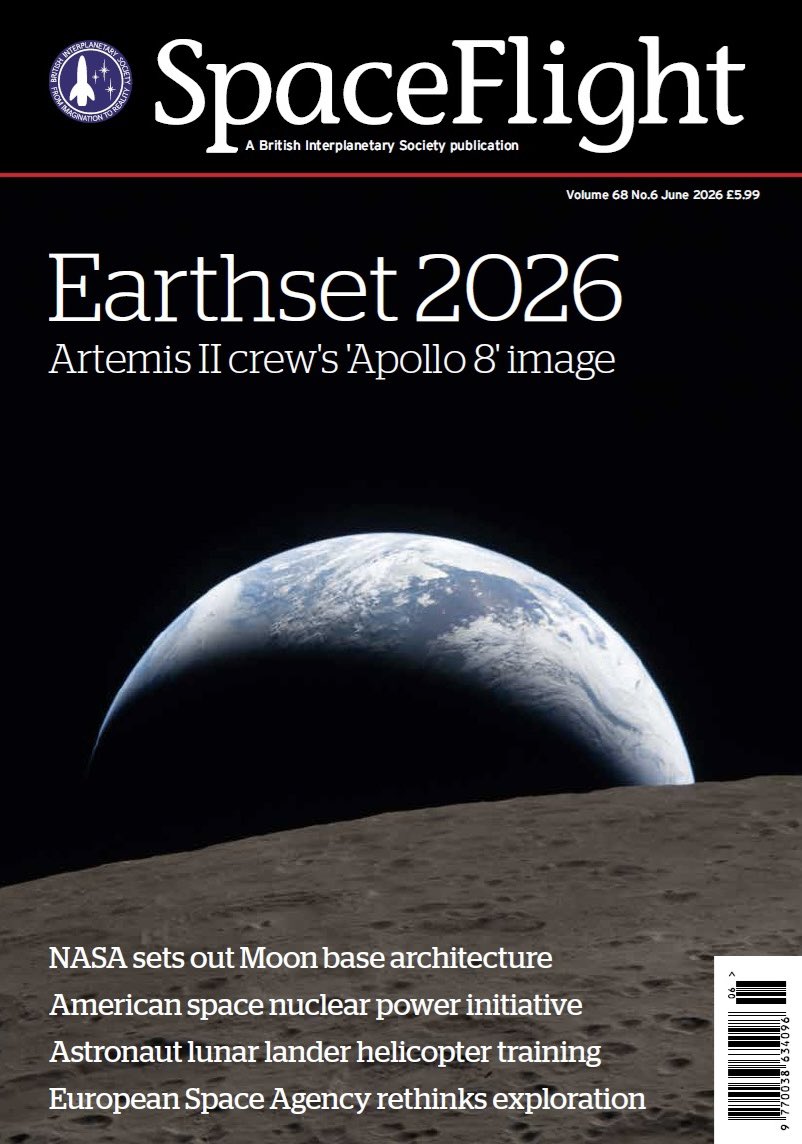
🚀 BIS PUBLICATION ALERT The June edition of SpaceFlight Magazine is out now! 🌌 BIS Members can access their FREE digital copy via the Members Area, and printed copies are available to purchase at 👉 bis-space.com/shop Not yet a member? Join today: bis-space.com/membership You can also find SpaceFlight at selected WHSmith and TG Jones stores nationwide. Interested in contributing? ✍️ Get in touch with our Editor @Rob_Coppinger to #WriteForSpaceFlight. #space #tech #magazine #science
BIS tweet media
English
0
6
6
460
Vix Southgate 🦊 retweetledi
TheArmchairAstronaut
TheArmchairAstronaut@armchair_astro·
There’s something very different about hearing spaceflight stories in person rather than through a documentary, edited clips online or history books. Hearing directly from someone who has actually done it, lived and worked in space. The atmosphere in the room lifts the second the astronaut enters, before they have even started talking about leaving Earth, seeing our planet from orbit, performing spacewalks, or simply describing everyday life aboard the International Space Station. Space stops feeling distant and becomes very real. That’s what our Summer Space Social 2026 is all about. Not a stage show or appearance, but bringing together people who share that same fascination with human space exploration and giving them the opportunity to spend meaningful time with someone who has genuinely experienced it first-hand. NASA astronaut Daniel Tani will be joining us live for a day of talks, Q&As, meet & greet opportunities, industry exhibitors and more. Whether you’ve followed human spaceflight for decades or simply want to experience something genuinely inspiring, we’d love to welcome you. 🚀 Summer Space Social 2026 🎟 Tickets & information: thearmchairastronaut.co.uk/dan-tani
TheArmchairAstronaut tweet media
English
2
3
15
996
Vix Southgate 🦊 retweetledi
VixenInTheCity
VixenInTheCity@NikitaCatSpeaks·
💙
VixenInTheCity tweet media
QME
110
2.6K
21.1K
294.8K
Bobbie
Bobbie@bo66ie29·
Dear Architects, what’s preventing you from designing new builds that look like this?
Bobbie tweet mediaBobbie tweet media
English
1.3K
1.4K
31.2K
2.9M
Vix Southgate 🦊
Vix Southgate 🦊@Victrix75·
I cannot believe how poor mobile reception is on @ThreeUK these days. 4G=1bar if not in a built-up area and when 5G 'is' found it crashes my iPhone 16pro or garbles every word. Anyone tell me what network has UK-wide coverage these days. I feel like I am back in the 1990s!
English
3
1
3
325
the hatter
the hatter@hatter·
@Victrix75 So is there a clause or a way to revert publishing rights to you, either to print a new run yourself or have someone else pick it up ?
English
1
0
0
7
Vix Southgate 🦊
Vix Southgate 🦊@Victrix75·
@Space_Mog Well, @WordenAlfred told me that the moon = greys, blues & browns. Lunar soil (regolith) contains nanophase iron, which can produce brownish or reddish hues under sunlight. & recent impacts, can excavate subsurface regolith, which appears slightly darker or browner.
English
1
0
1
143
Dr Maggie Lieu
Dr Maggie Lieu@Space_Mog·
Does anyone know what the orange band is on this moon image (ART002-E-29224) taken by artemis II? It's on quite a few images in same place on the moon but not in all images... just an lens artefact? (i'm not convinced)
Dr Maggie Lieu tweet mediaDr Maggie Lieu tweet media
English
6
1
15
2.4K
Vix Southgate 🦊 retweetledi
Sama Hoole
Sama Hoole@SamaHoole·
Ruminants, we are told, are ruining the British countryside. They overgraze, they trample, they degrade, they emit. The thesis appears in policy documents, in op-eds, in well-funded campaign briefings. A prominent example, frequently cited in informal conversation, is Keith. Keith is, by every available measure, ruining the British countryside. This morning at 6:14am, in a quiet act of vandalism, Keith ate a bramble. Bramble is the dense thorny scrub that, left to itself, will colonise an open pasture within a decade, choke out the wildflowers, exclude the ground-nesting birds, and reduce a flower-rich meadow to a single-species thicket. Keith ate it without a permit. 7:02am - Keith ate a thistle. Thistles outcompete native pasture species and form dense stands that nothing else will touch. Goldfinches eat the seeds. Keith ate the rest. Keith has not been authorised to do this by any conservation body. 8:45am - Keith ate a section of nettle. Nettles are nitrogen-loving opportunists that flag pasture damage and, left unchecked, will dominate the field margins in two seasons. Keith does not know this. Keith ate them anyway. 9:30am - Keith ate the lower branches of the hawthorn, the section the sheep cannot reach. The hawthorn was, until that point, scrubbing inward toward the open pasture at a rate of approximately 15cm per year. 10:30am - Keith ate a section of bracken. Bracken is toxic to most livestock, supports almost no insect life, releases a chemical called ptaquiloside that suppresses native plant germination, and has been classified as the most damaging single plant species in the British uplands. Keith ate the young fronds with the considered air of a goat performing routine maintenance. 11:00am - Keith ate Himalayan balsam, an actual listed invasive species under the Wildlife and Countryside Act 1981. Keith committed this act in plain daylight. 12:00pm - Keith ate a tin can. Goats are not perfect. The damage Keith has done to invasive scrub on Dave's farm, in three years: Bramble cover: down 71%. Thistle density: down 54%. Bracken on the lower paddock: cleared. Himalayan balsam: not currently present. The damage Keith has done to native grassland, wildflowers, and ground-nesting birds in the same period: None recorded. Keith is destroying the countryside in the same way a dishwasher is destroying the dishes. The countryside, in his absence, would be considerably worse off. The Reverend has noticed. The lapwings have noticed. Steve, next door, has not noticed, because Steve is busy filing his 27th complaint. The countryside is, by every honest measure, fine. Stop blaming Keith. Keith is the cleanup crew.
Sama Hoole tweet media
English
71
555
2K
18.4K
Vix Southgate 🦊 retweetledi
TheArmchairAstronaut
TheArmchairAstronaut@armchair_astro·
🚨 Almost gone… don’t miss this. VIP tickets are nearly SOLD OUT (just 2 remaining), and General Admission is already over halfway gone. Prices will only go up as we get closer, so this is your moment to lock in the lowest price and guarantee your place. Once they’re gone, they’re gone. Secure your ticket now 🚀 Then start thinking… what question would you ask Astronaut Daniel Tani? And what will you get signed?
TheArmchairAstronaut tweet media
English
1
1
3
195
Vix Southgate 🦊 retweetledi
Brian Roemmele
Brian Roemmele@BrianRoemmele·
The Ghost in the Machine: How Player Pianos Sparked Protests, and What They Reveal About Our AI Future In the early 1900s, the player piano was a sensation. These self-playing instruments used perforated paper rolls fed through pneumatic mechanisms to reproduce complex piano performances automatically. By the 1910s to mid-1920s, they outsold ordinary pianos in many markets, filling American parlors, saloons, and theaters with ragtime, marches, and classical pieces. Great artists like Sergei Rachmaninoff and Ignace Paderewski cut rolls, preserving their interpretations for generations. It was automation that brought “live” music into every home, without the need for lessons or live performers. Yet this marvel triggered intense resistance. Composers and musicians saw it as an existential threat. In his fiery 1906 essay “The Menace of Mechanical Music,” bandleader and composer John Philip Sousa warned that player pianos and phonographs would “substitute machinery for the human soul.” He predicted the death of amateur music-making: children would stop learning instruments, families would stop gathering around the piano, and music would lose its emotional depth. Sousa testified before Congress, helping drive the 1909 Copyright Act, which created compulsory licensing so composers could earn royalties from mechanical reproductions, a landmark victory born from protest. As “talkies” and radio displaced theater orchestras in the late 1920s, the American Federation of Musicians (AFM) launched the Music Defense League in 1930. Funded by a tax on members, the union spent hundreds of thousands of dollars (millions in today’s dollars) on a national advertising blitz. Dramatic newspaper ads depicted sinister robots replacing human musicians, with slogans like “Is Art to Have a Tyrant?” and warnings that “canned music” would destroy jobs and degrade culture. The campaign targeted not just records but all mechanical music, including player pianos in public spaces. While there were no Luddite-style riots smashing machines (player pianos were mostly expensive home devices), the opposition was fierce: boycotts, lobbying, lawsuits, and cultural shaming of anyone who chose “the robot” over living performers. The protests did not kill the player piano. Record sales, radio, and the Great Depression did that by the early 1930s. But the episode left a lasting legacy: new copyright rules, heightened awareness of technology’s impact on artists, and a template for how workers respond to automation. We are living through the same story with AI and robotics. Generative models now compose music, write screenplays, generate art, and even perform. Musicians, writers, and visual artists are protesting in eerily familiar ways: lawsuits over unlicensed training data (the modern equivalent of the player-piano royalty fight), demands for “human-made” labels, strikes by Hollywood writers and actors, and public campaigns against “AI slop.” Fears echo Sousa’s exactly: loss of soul, authenticity, jobs, and human connection. “The robot is coming” ads of 1930 could run unchanged today, just swap “canned music” for “AI-generated content.” History’s lesson is nuanced. The player piano did not end music; it briefly coexisted with live performance before giving way to richer ecosystems. Rolls by legends now serve as priceless archives. Protests forced legal compromises that protected creators while allowing innovation. Yet real displacement happened. Thousands of theater musicians lost steady work, and the cultural shift toward passive consumption was real. Today’s AI moment carries higher stakes: it threatens not just one profession but broad swaths of cognitive and creative labor. Robots and AI could augment surgeons, drivers, teachers, and artists, or render many obsolete. The player-piano saga shows that raw Luddism rarely wins, We cannot stop technological progress, The music plays on. The question is: who, or what, plays it?
English
55
317
1.3K
117K
Massimo
Massimo@Rainmaker1973·
The anglerfish is known for its glowing lure: but that’s not even the strangest thing about it.
English
64
440
2K
135.7K