

Viren Inaniyan
330 posts

Viren Inaniyan
@Viren040
📚Engineer @iitbombay | 🗞️Building @ai_asva 🌍 Exploring endless horizons of thoughts
Bangalore, India Katılım Haziran 2018
546 Takip Edilen125 Takipçiler
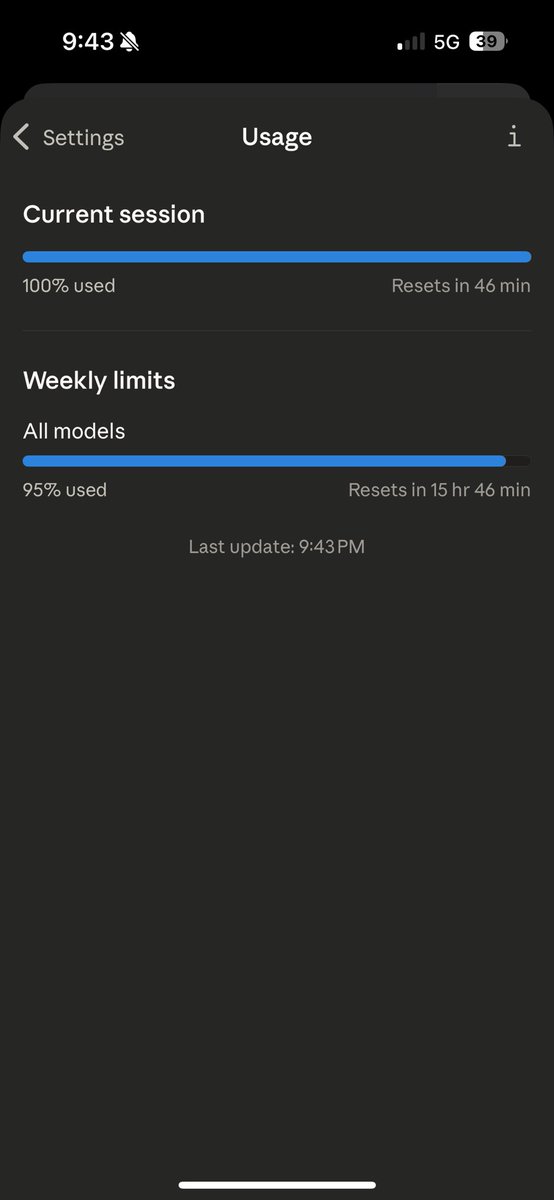
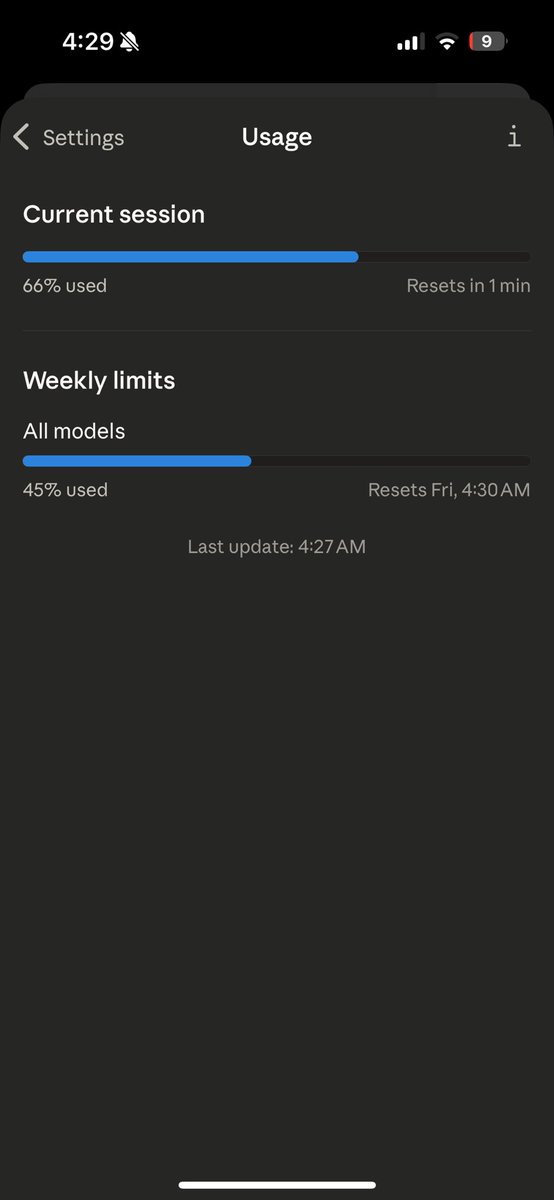
AI was built to save time. But it’s so addictive, we’re all racing to max out Claude Max 20x limits. Last week, I hit 54% of my weekly limit. Next week target: 80%.
English
@aakashgupta uber spent billions to own SF and tony spent dozens to own every town with a chili's, absolute cinema
English

Everyone repeats “don’t compete on their territory” without understanding what Tony actually did.
DoorDash launched in 2013. Grubhub had been operating since 2004. Uber Eats started in 2014 with Uber’s existing driver network, brand recognition, and SoftBank’s billions.
The conventional wisdom said: build network density first. That meant cities. Higher order volume. More restaurants per square mile. Faster delivery times. Better unit economics on paper.
So Grubhub focused on major metros. Uber Eats leveraged urban driver pools. Every incumbent’s spreadsheet model optimized for the same variable.
DoorDash went to the suburbs.
The alternatives to delivery were much worse there. Customers were more affluent. Average order values were higher. And suburbs were home to chain restaurants that customers already loved but weren’t set up for delivery.
The math flipped: DoorDash operates in 4,000 towns. Uber Eats operates in 500 cities.
When COVID hit in 2020, Americans flooded suburbs, exactly where DoorDash had been bringing restaurants online for years. DoorDash’s business more than tripled that year alone. Grubhub’s own exec called it watching a miracle unfold: “a Hail Mary pass in the fourth quarter of the Super Bowl.”
Today DoorDash owns 66% market share. Uber Eats sits at 27%. Grubhub, the original market leader, collapsed to under 10%.
What Tony’s really teaching here: the incumbents’ spreadsheets weren’t wrong. Cities did have better network density. The error was assuming the whole market wanted the same thing.
60% of Americans live in suburban areas. The incumbents built for 40% of the country and called it “the market.“
Startup Archive@StartupArchive_
DoorDash founder Tony Xu: "You can't compete against an incumbent on their territory” Tony argues: “You have to find something where they're not incentivized to do it (Innovator's dilemma)… and you have to find an area where you think you can be advantaged.” For DoorDash, this was end-to-end delivery and focusing on suburbs rather than cities. The incumbents at the time didn’t want to touch end-to-end delivery because it was lower margin. Incumbents also focused on cities because of the network density, but DoorDash realized the market outside of city centers was actually the bigger opportunity because that’s where most people lived. “Knowing where the market is and knowing structurally why that's different and why that might be difficult for a competitor to serve, that's pretty important. Now, you also have to be correct on that bet… [Our bet on serving suburbs] turned out to be correct. But we didn't know that a priori.” Tony’s other piece of advice is that you have to be “super fast”. A key advantage versus incumbents is that they have to make capital allocation decisions across their many businesses. But you probably only have one product so you should be able to move much faster: “Focus is actually really easy… You’ve got to build that one product” Video source: @khoslaventures (2024)
English
@gaganghotra_ me: "what's nearby" gemini: "five starbucks, three more starbucks, and emotional damage"
English

🆕 Gemini is now rolling out in Google Maps!
It's going to enable users to have conversation about their surroundings.
When using navigation for walking or cycling users can ask things like what businesses are in the nearby area ......
Announcement
blog.google/products-and-p…
English
@KonstantinKisin @garrytan the YC application essay prompt nobody asked for: "describe a time you felt personally victimized by progressive taxation"
English

Congratulations, you taxed the rich. Now half a million people have to pay more so you can feel good.
English
Viren Inaniyan retweetledi

Founders: The post-demo email formula that gets responses:
1. Thank you + key insight shared
2. 3 bullet recap of agreed value
3. Specific next step + time
4. 2 available slots
5. Deck attached
5 elements = 80% response rate
English
@shaneparrish @garrytan we're like a cult but with worse exit multiples" is definitely a pitch i've heard on sand hill road
English

"If you were building a cult, and I would say that most successful startups are like cults in many ways, you would never be like, “Let’s not let have the cult leader speak. He might go off the reservation and he’s kind of quirky and eccentric and a little bit weird. Let’s just have somebody who’s really polished and professional and normal speak on his behalf in a way that’ll never offend anybody.”
You would never build a cult that way.
So what the best-communicating companies are doing is having the cult leader, the leader of the enterprise, speak directly about what their vision is. Because if you’re trying to do something different that hasn’t been done before—and in my mind that’s the only thing worth doing because otherwise just go be an employee—if you’re trying to do something original and different that has not been done, it doesn’t exist, it’s very hard to prove to people that it’s going to work, especially in the early days."
— @lulumeservey on The Knowledge Project
English
@garrytan bold of you to assume the AI isn't also writing this reply rn
English

FWIW I like to read the code as the AI writes it
ℏεsam@Hesamation
this 2 hour interview with Peter Steinberger (clawd) is a must-watch and i’m not even kidding. he explains his process, how he codes with AI, even advice for new grads. > he ships without checking the code > uses 5-10 agents in parallel > not vibe coding, “agentic engineering” > it’s mentally more exhausting than coding > the people who care less about how things work internally and are excited to build have more success > he has one main project and a few smaller ones running in parallel > makes agent runs tests and iteratively improve base on them > setting up the validation loop and the tests makes reading the code unnecessary > CLOSE THE LOOP: have the agent validate its code and verify the output > don’t just send a prompt with the model. have a conversation with it. spend time getting to the bottom of what you want before handing it off to the agent. > it’s a different way of thinking and building than traditional coding > instead of getting frustrated at the agent for not behaving the way you want, speak with it to understand how it interpreted the task. learn the language of the machine. > you don’t need to plan for days when you can have the agent build and you can check the results in minutes > no CI, if agents pass the test locally he merges > reading the prompt gives you valuable signals just as much as reading the code amazing talk @GergelyOrosz and @steipete 👏🏻
English
@reed the only thing this car changed was making every tech bro think they understand manufacturing
English


Viren Inaniyan retweetledi

Attended Shopify's catchup on UCP x.com/i/spaces/1rmGP…
- Checkout is complex - custom discounts, delivery rules, age checks, engraving logic. Agents can't rebuild this for every store
- UCP's play: standardise how agents talk to merchants, not commerce itself. Let merchants maintain their checkout complexity
- "Requires escalation" - when the agent hits something it can't handle, hands off to merchant UI seamlessly
- "Small core, large tent" design. Basic building blocks that anyone can extend without permission
- Protocol is open, but integrations aren't - ChatGPT needs Shopify Payments, Gemini doesn't
Excited to be building on top of this
Thank you @igrigorik @mcfazeli @aaronglazer
English
Viren Inaniyan retweetledi
8% of search traffic goes through AI platforms now. Converts at 3-5x Google’s rate.
For OpenAI ads, that’s the whole game. High intent over high volume.
English
Viren Inaniyan retweetledi
ChatGPT doesn’t just "rank products" when you shop. It weighs signals.
Availability > Reviews> Product Tier> Consistency.
Marketing claims come last.
Know where ChatGPT is coming from when you shop.
English
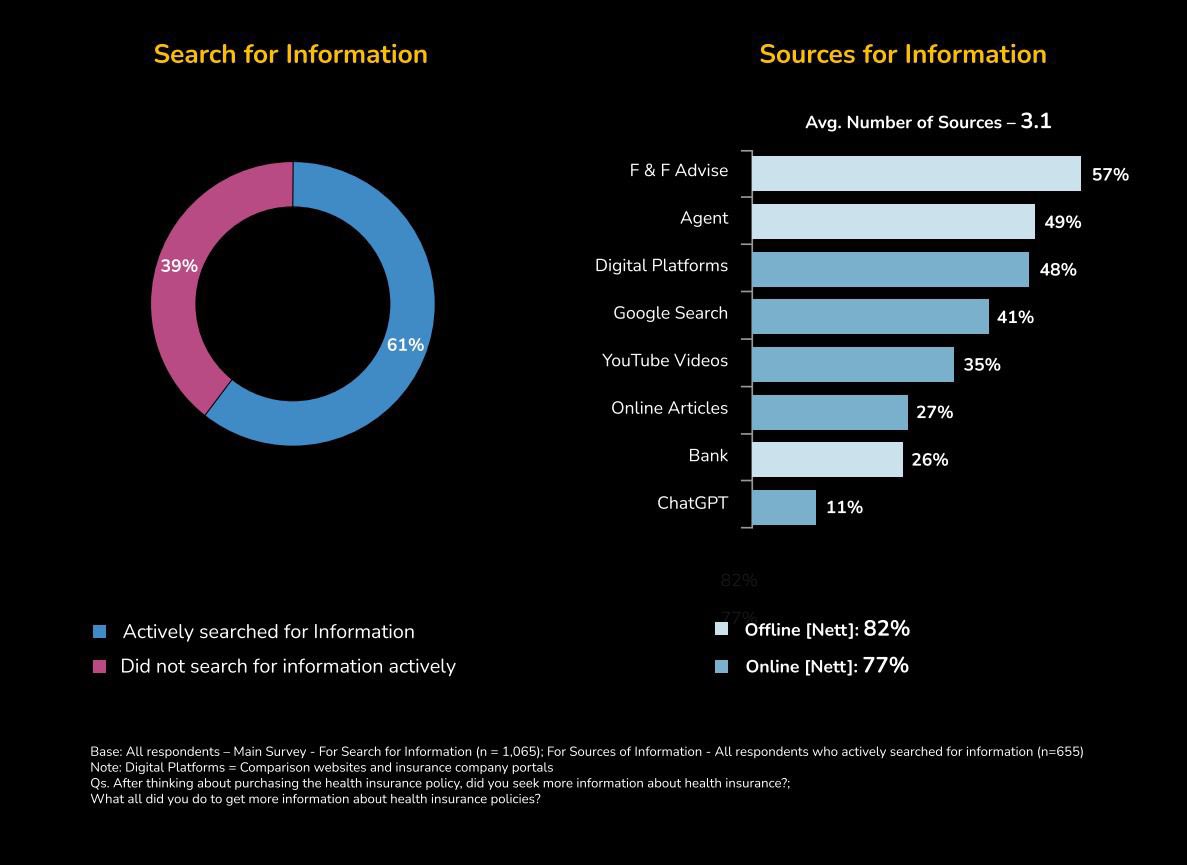
Found this in policybazaar's annual report on how India buys insurance
11% people used ChatGPT to find the best insurance for them. Respondents were split across tier 1/2/3 cities
People are using LLMs to make life changing decisions
2024 Data
English
Quick FAQs
Is this 𝗨𝗦-𝗼𝗻𝗹𝘆? Yes, 𝗨𝗦-𝗳𝗶𝗿𝘀𝘁: the interest form says merchants must fulfill from the U.S. + have a 𝗨.𝗦. 𝗯𝗮𝗻𝗸 𝗮𝗰𝗰𝗼𝘂𝗻𝘁 (for now).
What payments work? Google publishes a 𝗚𝗼𝗼𝗴𝗹𝗲 𝗣𝗮𝘆 payment handler for 𝗨𝗖𝗣 (𝘁𝗼𝗸𝗲𝗻-𝗯𝗮𝘀𝗲𝗱 𝗳𝗹𝗼𝘄).
What’s live vs what’s coming? Google calls out upcoming expansions like multi-item carts + account linking.
English
If you 𝘀𝗲𝗹𝗹 𝗼𝗻 𝗦𝗵𝗼𝗽𝗶𝗳𝘆, watch this 20 seconds.
Shopify merchants sell directly in AI Mode + Gemini, managed via Shopify Admin through their agentic commerce tooling.
This video shows agentic checkout end-to-end:
𝗔𝗜 𝗰𝗼𝗻𝘃𝗲𝗿𝘀𝗮𝘁𝗶𝗼𝗻 → 𝗰𝗵𝗲𝗰𝗸𝗼𝘂𝘁 → 𝗽𝘂𝗿𝗰𝗵𝗮𝘀𝗲 (without the usual tab-hopping).
On Jan 11, 2026, Google announced 𝗨𝗻𝗶𝘃𝗲𝗿𝘀𝗮𝗹 𝗖𝗼𝗺𝗺𝗲𝗿𝗰𝗲 𝗣𝗿𝗼𝘁𝗼𝗰𝗼𝗹 (UCP) an open standard meant to enable buying inside Google’s AI surfaces (𝗔𝗜 𝗠𝗼𝗱𝗲 𝗶𝗻 𝗦𝗲𝗮𝗿𝗰𝗵 + 𝗚𝗲𝗺𝗶𝗻𝗶).
What to do next (10 minutes)
1. Join the waitlist in 𝗚𝗼𝗼𝗴𝗹𝗲’𝘀 𝗨𝗖𝗣 𝗴𝘂𝗶𝗱𝗲.
2. Submit the 𝗨𝗖𝗣 𝗜𝗻𝘁𝗲𝗴𝗿𝗮𝘁𝗶𝗼𝗻 𝗜𝗻𝘁𝗲𝗿𝗲𝘀𝘁 𝗙𝗼𝗿𝗺.
3. Clean up 𝗠𝗲𝗿𝗰𝗵𝗮𝗻𝘁 𝗖𝗲𝗻𝘁𝗲𝗿 𝗳𝗲𝗲𝗱𝘀 (agents fail on messy data).
"𝘠𝘰𝘶 𝘮𝘶𝘴𝘵 𝘦𝘯𝘴𝘶𝘳𝘦 𝘺𝘰𝘶𝘳 𝘱𝘳𝘰𝘥𝘶𝘤𝘵 𝘧𝘦𝘦𝘥𝘴, 𝘣𝘳𝘢𝘯𝘥 𝘢𝘴𝘴𝘦𝘵𝘴, 𝘳𝘦𝘵𝘶𝘳𝘯 𝘱𝘰𝘭𝘪𝘤𝘪𝘦𝘴, 𝘢𝘯𝘥 𝘣𝘶𝘴𝘪𝘯𝘦𝘴𝘴 𝘤𝘰𝘯𝘵𝘢𝘤𝘵 𝘪𝘯𝘧𝘰𝘳𝘮𝘢𝘵𝘪𝘰𝘯 𝘢𝘳𝘦 𝘤𝘰𝘮𝘱𝘭𝘦𝘵𝘦 𝘢𝘯𝘥 𝘶𝘱-𝘵𝘰-𝘥𝘢𝘵𝘦 𝘵𝘩𝘦𝘳𝘦" - Google
Also: this isn’t the first protocol - OpenAI + Stripe’s ACP came earlier. Next post: UCP vs ACP (simple, no holy war).
At @ai_asva , we help brands get agent-ready end-to-end: Merchant Center + Shopify readiness, dataset prep, UCP/ACP implementation, and performance tracking.
#UCP #AgenticCommerce #GoogleAI #Gemini #Ecommerce #Shopify #AEO #GEO #CommerceEngineering
English
The primary user of the internet will no longer be humans.
It will be agents.
Discovery becomes agent-mediated, not search-mediated.
This isn’t just a marketing shift; it’s an internet architecture shift.
Visibility is no longer about ranking links,
but about being eligible for agent decisions.
That’s the depth of the change @vkhosla is pointing to
and it’s already underway.
Vinod Khosla@vkhosla
#6: Internet access will be mostly by agents: Most consumer access of the internet will be agents acting for consumers doing tasks and fending off marketers and bots. Tens of billions of agents on the internet will be normal
English
Viren Inaniyan retweetledi

IndiaMART has moved to court, calling its exclusion from ChatGPT results “catastrophic” to its business—an Icarian bid for algorithmic favour.
Vendors, too, now face displacement: not on price or quality, but how digestible their listings are to chatbots.
Read more:
Mint@livemint
Amazon to Meesho race to crack LLM-powered shopping as AI reshapes ecommerce (@sakshi_sadashiv report) livemint.com/technology/ama…
English
Viren Inaniyan retweetledi
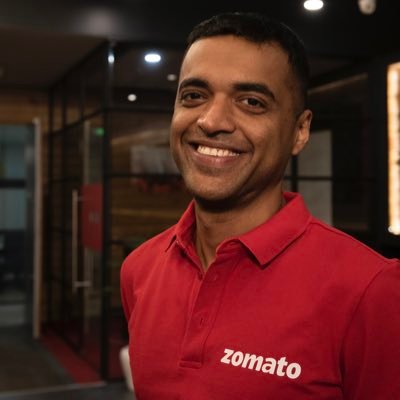
Last one on this topic, and I have been holding this in myself for a while.
For centuries, class divides kept the labor of the poor invisible to the rich. Factory workers toiled behind walls, farmers in distant fields, domestic help in backrooms. The wealthy consumed the fruits of that labor without ever seeing the faces or the fatigue behind it. No direct encounter, no personal guilt.
The gig economy shattered that invisibility, at unprecedented scale.
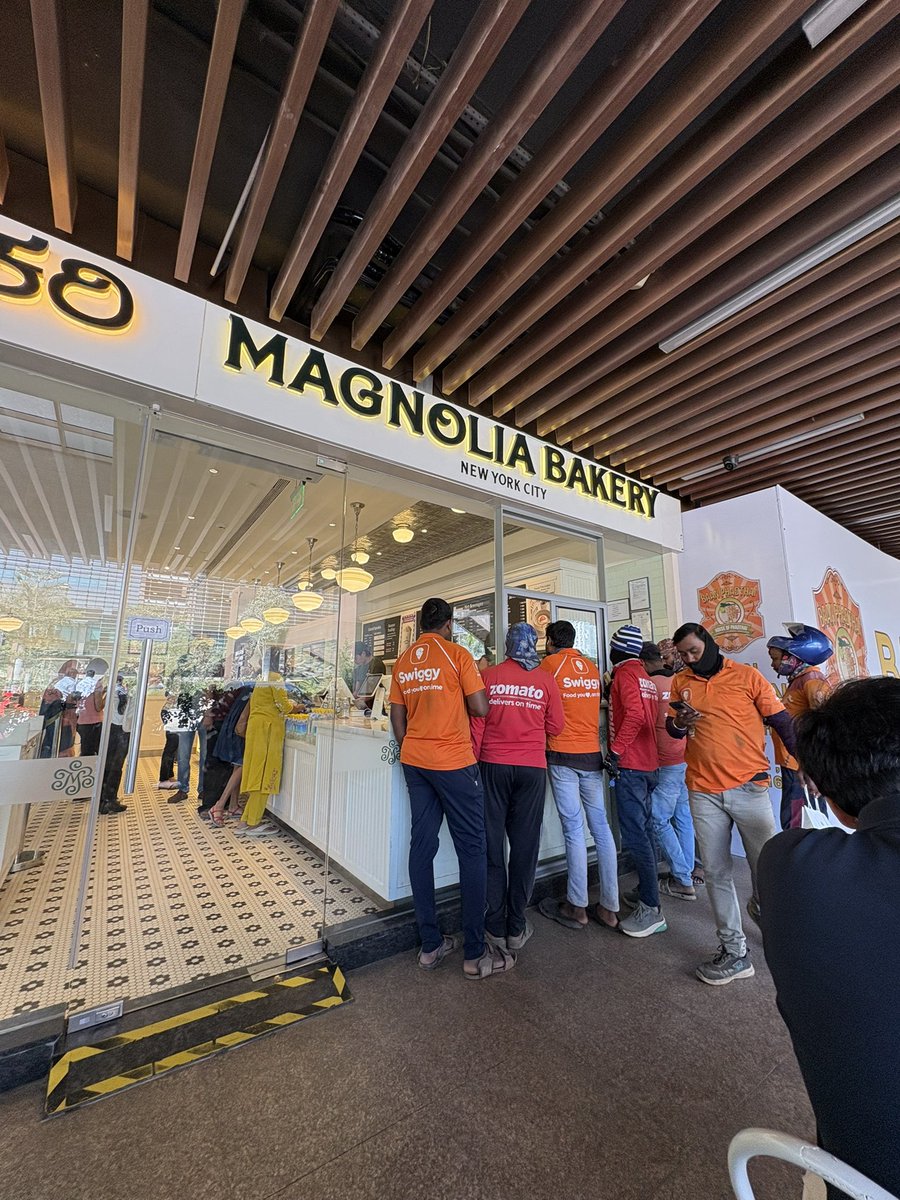
Suddenly, the poor aren't hidden away. They're at your doorstep: the delivery partner handing over your ₹1000+ biryani, late-night groceries, or quick-commerce essentials. You see them in the rain, heat, traffic, often on borrowed bikes, working 8–10 hours for earnings that give them sustenance. You see their exhaustion, their polite smile masking frustration with life in general.
This is the first time in history at this scale that the working class and consuming class interact face-to-face, transaction after transaction. And that discomfort with our own selves is why we are uncomfortable about the gig economy. We want these people to look our part, so that the guilt we feel while taking orders from them feels less.
We aren't just debating economics. We are confronting guilt. That ₹800 order might equal their entire day's earnings after fuel, bike rent, and app cuts. We tip awkwardly, or avoid eye contact, because the inequality is no longer abstract. It's personal.
Pre-gig era, the rich could enjoy luxury without moral discomfort. Labor was out of sight. Now, every doorbell ring is a reminder of systemic inequality. That's why debates explode. It's not just policy. It's emotional reckoning. Some defend the system (“they choose it”), others demand change (“this isn't progress, its exploitation”).
And here’s the uncomfortable twist: the unsaid ask of clumsy ‘solutions’ isn’t dignity. It is about returning to invisibility.
Ban gig work and you don’t solve inequality. You remove livelihoods. These jobs don’t magically reappear as formal, protected employment the next day. They disappear, or they get pushed back into the informal economy where there are even fewer protections and even less accountability. Over-regulate it until the model breaks, and you achieve the same outcome through paperwork instead of slogans: the work evaporates, prices rise, demand collapses, and the people we claim to protect are the first to lose income.
And then what happens?
The rich get their old comfort back. Convenience returns without faces. Guilt dissolves. We go back to clean abstractions and moral posturing from a distance. The poor don’t become safer, they become invisible again: back in cash economies, back in backrooms, back in shadows where regulation rarely reaches and dignity isn’t even debated.
The gig economy just exposed the reality of inequality to the people who previously had the luxury of not seeing it. The doorbell is not the problem. The question is what we do after opening the door.
Visibility is the price of progress. We can either use this discomfort to build something better (which we keep doing continuously as delivery partners are our backbone), or we can ban and over-regulate our way back into ignorance. One of those choices improves lives. The other simply helps the consuming class feel virtuous in the dark.
English
@deepigoyal These metrics miss wrong-side driving and vehicles driving on footpaths.
English
Quick commerce’s 10-minute promise DOES NOT put pressure on gig workers, and it DOESN’T lead to unsafe driving. Why? (3/5)
The most common concern is that faster delivery promises translate into pressure on delivery partners to drive unsafely. That isn’t how the system operates.
Firstly, delivery partners are not shown customer-facing time promises. There is no “10-minute timer” or countdown in the delivery app.
10 mins or faster deliveries are primarily due to our stores being closer to customers and not by higher speeds on the road.
In 2025, the average distance travelled per order on Blinkit was 2.03 km. Average driving time was ~8 minutes, which implies an average speed of ~16 km/h.
On Zomato, where delivery times are longer, average driving speeds in 2025 were ~21 km/h.
As you can see, average driving speeds are broadly similar across Zomato and Blinkit: 10 vs 30 min delivery time is not affected by driving speed.
Road safety, I agree, remains one of the hardest challenges in any logistics ecosystem. Which needs to be solved with shared responsibility across road builders, rule enforcers, customers and delivery partners alike, regardless of the platform they work with.
English
Facts below (1/5):
In 2025, average earnings per hour (EPH), excluding tips, for a delivery partner on Zomato were ₹102.
In 2024, this number was ₹92. That’s a ~10.9% year-on-year increase. Over a longer horizon also, EPH has shown steady growth.
Most delivery partners work for a few hours and only a few days in a month. But if someone were to work for 10 hours/day, 26 days/month, this translates to ~₹26,500/month in gross earnings. After accounting for fuel and maintenance (~20%), the net earnings for the partner are ~₹21,000/month.
Note: Earnings per hour are calculated on total hours logged in, including the time when the partner might be waiting to receive an order. Earnings per “busy hour” will be higher but that’s not the right metric to look at.
On top of this - delivery partners earn 100% of tips given by customers. The average tip per hour in 2025 on Zomato was INR 2.6 and in 2024 was INR 2.4 per hour. Tips are transferred instantly, with zero deductions. We absorb the payment gateway processing cost ourselves. About 5% of the orders get tipped on Zomato; 2.5% on Blinkit.
English