Wayne Crawshaw

166 posts

Wayne Crawshaw banner
Wayne Crawshaw

Wayne Crawshaw

@WCrawshaw17872

Katılım Kasım 2024
50 Takip Edilen7 Takipçiler
Wayne Crawshaw
Wayne Crawshaw@WCrawshaw17872·
@SamaHoole OK, I bought the damn t-shirt. While I accept it can't improve my gains, I'm expecting a significant improvement in my 'standing there, being right' performance metrics.
English
0
0
11
202
Sama Hoole
Sama Hoole@SamaHoole·
I put Gerald, Keith, and Doris on a shirt. Gerald is a Hereford cross who improves every field he touches. Keith is an Anglo-Nubian goat who gets out of every field he's put in. Doris is a Texel ewe who runs a fell ecosystem without instruction or applause. Together they look like a shadowy council planning the downfall of industrial agriculture. They are not. They are just standing there. Being right. jointheruminati.com/ruminati-store/
English
6
32
229
10.6K
Sama Hoole
Sama Hoole@SamaHoole·
Myth: "I only wear vegan fabrics. Better for the animals, better for the planet." Let's check in on Doris's annual contribution. Once a year, in late spring, Doris is sheared. The procedure takes approximately three minutes. Doris does not enjoy it. Doris does not, by any visible measure, suffer from it. Doris is, immediately afterwards, a noticeably more comfortable animal in the British summer. The fleece weighs approximately 3 kilograms. It is sold to the British Wool Marketing Board for, depending on the year, between £0.40 and £2.50 per kilogram. The shearing costs more than the wool fetches. Brian is shearing Doris at a loss. The wool is then: - Naturally flame-retardant - Naturally antibacterial - Moisture-wicking - Biodegradable - Renewable, annually - Carbon-storing while in use The replacement, in performance fabrics: - Polyester - Polyamide - Acrylic - Polypropylene - All petroleum-derived - All shedding microplastics on every wash - All requiring fossil fuel inputs to produce - All non-biodegradable, with a typical landfill lifespan of 200-500 years A single wash of a polyester fleece can release up to 700,000 microplastic fibres into the water system. These fibres are now in: every tested water source on earth, every tested human placenta, every tested rainfall sample, the deep ocean, the Arctic ice, and the lungs of marine mammals. A single wash of a wool jumper releases: nothing. The wool, when eventually disposed of, returns to soil within a few years. The fabric being marketed as the "ethical" alternative to wool is plastic. The plastic is "ethical" because nobody has been asked to slaughter the polymer. The polymer also has not been asked. Doris, by being a sheep on a fell, is producing the most thoroughly sustainable performance fabric humans have ever made. Brian is selling it at a loss. The fashion industry, meanwhile, is selling petroleum at a profit and calling it ethical. Reject plastic. Wear wool. Doris is, this morning, growing next year's batch.
Sama Hoole tweet media
English
264
3.2K
11.6K
170.8K
Wayne Crawshaw
Wayne Crawshaw@WCrawshaw17872·
@SamaHoole Reading the various posts assigning blame anywhere but the sugar beet industry. I think I'm starting to hate all humans. How easily we are fooled. We get what we deserve I guess.
English
0
0
1
30
Sama Hoole
Sama Hoole@SamaHoole·
There is a class of pesticide called neonicotinoids. They were banned for outdoor use in the UK and EU in 2018, because the evidence that even trace amounts disrupt bee navigation, foraging, and reproduction was overwhelming. Then for four years in a row, between 2021 and 2024, the UK government granted “emergency authorisation” for one of them, thiamethoxam, to be used on the sugar beet crop. Each year against the explicit advice of the UK Expert Committee on Pesticides. Each year despite the British sugar industry's own pledge to end neonicotinoid reliance by 2023. By 2024, more than 91,000 hectares of British farmland had been treated with a banned bee-killer to support a single crop. Around a third of the UK bee population is thought to have vanished in the last decade. Britain has lost 13 of its 35 native bee species since 1900. Research published in 2023 found neonicotinoids in more than 10% of English rivers, despite the headline ban. The crop being defended is a root vegetable used to produce industrial sugar. The sugar goes into soft drinks, biscuits, and ultra-processed food. The British Hereford cow grazing in a hedgerow next to the same field has not killed a bee in her life. She has, in fact, been quietly improving the wildflower diversity of her field for as long as she has been on it. When the Telegraph wants to know what is destroying British biodiversity, it will write about her.
Sama Hoole tweet media
English
30
703
1.4K
16.1K
Wayne Crawshaw
Wayne Crawshaw@WCrawshaw17872·
@BasilTheGreat You wouldn't want more than 9 months leading this shit show before the next GE. He goes then.
English
0
0
0
21
Basil the Great
Basil the Great@BasilTheGreat·
Keir Starmer has backed himself so we can expect him to resign shortly
Basil the Great tweet media
English
31
38
225
5.4K
Wayne Crawshaw
Wayne Crawshaw@WCrawshaw17872·
@clim8resistance You might want to make it clear that you don't and have never worked for the agrichemical industry.
English
0
0
0
8
Ben Pile
Ben Pile@clim8resistance·
This one see the BS return again. First the claim fails to take account of the aerodynamics of cars. Second, it relies on anecdote. Third, it asks you to believe that in the 1950s, farmers used less pesticide. Fourth, it asks you to believe that today's pesticides are more toxic. Fifth, it fails to consider that certain insect abundances in the past might have been the anomaly. Sixth, it isn't well supported by insect population studies, which are at best notoriously poor and manifestly ideologically loaded.
Sama Hoole@SamaHoole

If you are old enough to remember driving in Britain in the 1980s, you will remember the windscreen. You could not see through it by July. A journey from Leeds to London in August ended with a front bumper that looked like it had been through a war and a windscreen that needed a proper scrubbing with a sponge at the services. Insects on the headlights. Insects in the wing mirrors. Insects packed into the radiator grille so densely that mechanics had to fish them out. This was simply the weather of the British summer, the cost of moving through a country that was still, in living memory, full of flying things. Get in a car now. Drive the same route. Stop at the services. The windscreen is clean. The Bugs Matter survey, run by Kent Wildlife Trust and Buglife since 2004, has been measuring exactly this. Volunteers clean their numberplate, drive a journey, count the splats on a grid. Between 2004 and 2021, the UK average fell by roughly 59 per cent. England alone: 65. Kent: over 70. The 2024 update found a further 63 per cent drop on top of that. The windscreen phenomenon has the data to back it up now. And not just the insects. Between 1970 and 2024, the UK Farmland Bird Index fell by 62 per cent. Turtle doves down 99. Grey partridge down 94. Tree sparrow down 90. A generation of British children has grown up without ever hearing a turtle dove call, because there are, in functional terms, no turtle doves left to call. Defra's own bulletin lists the causes without embarrassment. Loss of mixed farming. The switch from spring to autumn sowing, which took away the winter stubble the small birds had been feeding on since the Neolithic. The grubbing up of hedgerows to make fields bigger for bigger machines. Increased fertiliser. Increased pesticide. Specifically, the pesticides. Neonicotinoids on oilseed rape. Glyphosate sprayed as a pre-harvest desiccant on wheat and barley. Chemicals applied in combinations and volumes that would have seemed psychotic to a farmer in 1950, applied to grow the crops that feed directly into the plant-based shakes marketed to people who believe they are helping the environment. The insects died in the fields where the crops were grown. The birds that used to eat the insects, starved. The windscreen, accordingly, is clean. None of this happened on the permanent pasture that cattle graze. A herb-rich meadow grazed by cattle has more pollinators, more ground-nesting birds, more beetles, more everything per hectare than the arable field next door. The South Downs and the Welsh uplands and the Cotswold commons where sheep and cattle have been grazing for a thousand years are the places British biodiversity is still, just, holding on. The countryside did not empty because of the cow. It emptied because we replaced the cow with the combine harvester, the meadow with the oilseed rape, and the hedgerow with another half-acre of monoculture that needed spraying fourteen times a season to keep it alive. When someone tells you eating a steak is destroying British wildlife, ask them what was on the field before it became the soy farm, the rape farm, the wheat farm that produced the oat milk in their fridge. It was grass. And on the grass, there were cattle. And when the cattle were there, the windscreen needed cleaning.

English
53
20
191
36.5K
JackPat
JackPat@MrEmeritus013·
@SamaHoole Another AI written post and picture.
GIF
English
3
0
1
267
Sama Hoole
Sama Hoole@SamaHoole·
Brian has been keeping a log of Doris's incursions into his field since March. Brian's log, selected entries: - March 4th. Doris. Through the gap by the ash tree. Ate rank corner. Noted. - March 9th. Doris again. Same gap, repaired Tuesday. Method unknown. Ate more rank corner. Gap repaired again. - March 17th. Doris. Different gap. How. Grazed the tussocky section I've been meaning to sort. Left. - March 23rd. Doris. Back through the ash tree gap. I repaired this. I watched myself repair it. Grazed the area round the old wall. Seems fine. - April 1st. Doris. Three times. Different entry point each time. Beginning to wonder if she's teaching the others. - April 7th. Doris plus two gimmer ewes. The gimmers don't know the gaps yet. Doris led them in. This is deliberate. I have no other explanation. - April 14th. Rang the farmer. Farmer said Doris has been doing this for two years. Farmer did not sound worried. Farmer said the rank corner 'needed something' and he'd run out of ideas. Farmer said this in the tone of a man who has made peace with it. - April 19th. Doris. Alone. Grazed the tussocks, the rank corner, the area by the old gatepost. Left. Back through the ash tree. - April 19th, addendum. Checked the rank corner properly for the first time in a year. Tormentil coming through. Also harebells. Brian has added a column to the log. The column is headed: Net Outcome. Every entry in the Net Outcome column reads the same. Brian has not told Doris this. Doris is in Brian's field.
Sama Hoole tweet media
English
9
97
788
7.9K
Wayne Crawshaw
Wayne Crawshaw@WCrawshaw17872·
@stephenehorn Good diet and height are correlated, if a people are short then their diet is poor. Demographic change included.
English
0
0
0
28
Stephen Horn
Stephen Horn@stephenehorn·
Wow, it looks like the height of the average 18-year-old in America peaked shortly after 1965 I wonder what happened in 1965 which would be expected to affect the height of the youth in America... It certainly wasn't anything to do with dairy products, as this poster claims It is factual malpractice to analyze historical trends like this with a complete blindspot in regards to demographic change
Sama Hoole@SamaHoole

In 1776, when the American colonies broke from the British Empire, the average American man was 5'9". This was three inches taller than the average Englishman. It was taller than the Dutch, taller than the French, taller than the Swedes. George Washington, at 6'2", was tall by any standard, but his soldiers were not the Lilliputians the popular image suggests. At 5'7" the average Continental Army private was significantly taller than a typical European soldier, because he had grown up on a diet that the typical European soldier had not. The diet was meat. Dairy. Eggs from the back garden. Game from the woods that belonged to nobody. The abundance of colonial America, where the protein was not controlled by a landlord or rationed by a church or restricted by a forest law, had produced a population that was, by the skeletal standards of the eighteenth century, the tallest on earth. Americans stayed the tallest people in the world for nearly two hundred years. Then they stopped. American height plateaued in the 1950s. It has not meaningfully increased since. The average American man born in 1996 is approximately 5'9", which is the same height as the average American man born in 1950, and roughly the same height as the average American man in 1776. In the same period, the Dutch grew six inches. The Scandinavians grew five. The Germans grew four. The South Koreans grew nearly four. One by one, the European populations that had been shorter than Americans in 1900 overtook them. The Dutch, who had been among the shortest Europeans in 1860, are now the tallest people on earth at an average of 6 foot for men. Americans have dropped to 37th. Thirty-seventh. The richest country in the history of the world, spending more per capita on food than almost any other nation, is now shorter than the Dutch, the Danes, the Norwegians, the Swedes, the Germans, the Croatians, the Czechs, the Estonians, the Latvians, the Lithuanians, the Slovenians, the Montenegrins, the Bosnians, the Serbs, the Icelanders, the Belgians, the Austrians, the Swiss, the Australians, the New Zealanders, the Canadians, the Bermudans, and the Finns. The conventional explanation blames inequality. Healthcare access. Poverty. These are real factors. They are also downstream of something more fundamental. The American diet changed. In the 1950s, the average American ate butter, whole milk, eggs, and red meat as the nutritional backbone of the diet. By the 1990s, the average American was eating margarine, skimmed milk, egg whites, chicken breast, and a long list of processed foods that had been reformulated to remove animal fat and replace it with sugar and seed oil, because the dietary guidelines had told them to. The Dutch, in the same period, continued eating dairy. Full-fat dairy. Roughly a kilogram per person per day. Cheese for breakfast. Cheese for lunch. Milk with dinner. Butter on everything. The Dutch ignored the American dietary guidelines and kept eating the food that was making them tall. The Americans followed the guidelines and stopped growing. The Dutch ignored the guidelines and became the tallest people on earth. The experiment has been running for fifty years. It is running in real time. The results are in the conscription records and the school growth charts and the anthropometric surveys that are published every year and that nobody in a position to update the dietary guidance appears to be reading. America was the tallest country on earth when it was eating butter. America is the 37th tallest country on earth now that it is eating the guidelines. The guidelines have not been updated. The Dutch are still eating the cheese.

English
81
182
3.1K
180K
Wayne Crawshaw
Wayne Crawshaw@WCrawshaw17872·
@Gasino11 Ignores the things that matter until it doesn't. Probably just wishful thinking on my part though.
English
0
0
2
131
Gasino
Gasino@Gasino11·
#natgas weather accounts quiet this weekend. The delta is bearish. Everything else geopolitically is bullish. Gas obviously ignores the things that matter and just looks at the weekend TDD delta, so gap down
English
2
0
13
2.4K
Wayne Crawshaw
Wayne Crawshaw@WCrawshaw17872·
@SamaHoole Nice community note. Botulism is the illness caused by consuming the toxin produced by the bacteria. You can kill the bacteria but the toxin could still be present. I guess if we wiped that specific bacteria from the earth, we could claim we killed botulism.
English
0
0
0
10
Sama Hoole
Sama Hoole@SamaHoole·
Stomach acid pH across species: Sheep: 5.0 - dedicated herbivore Horse: 5.5 - dedicated herbivore Gorilla: 4.5 - dedicated herbivore Dog: 2.0 - carnivore Wolf: 2.0 - carnivore Lion: 2.0 - carnivore Human: 1.5 - more acidic than all of them Vulture: 1.0 - obligate scavenger Hyena: 1.5 - bone-crushing scavenger We didn't evolve as herbivores who occasionally ate meat. We evolved as scavengers who moved up the food chain. That pH 1.5 isn't designed to digest salad. It's designed to kill the botulism in a three-day-old carcass. You have the stomach of something that ate whatever was dead and available. Your ancestors were not fussy. They were alive.
English
350
1.1K
9.6K
1M
Wayne Crawshaw
Wayne Crawshaw@WCrawshaw17872·
@Orillacosmica @SamaHoole And the length of time spent in the stomach acids is 8 to 16 times longer for dogs. Some great points made here but the pH argument isn't a clear win for a carnivore only diet. It does indicate that we have adapted to be regular periodic meat eaters during the last 10,000 years.
English
0
0
0
34
G.O.U
G.O.U@Orillacosmica·
@WCrawshaw17872 @SamaHoole Because human ph is really between 1.5 and 3.5 and dog is between 1 and 2. And then you have intestine lenght that is shorter in dogs
English
1
0
0
100
Wayne Crawshaw
Wayne Crawshaw@WCrawshaw17872·
@MakeAScreamVid @SamaHoole Suggesting an adaptive nature to our digestion. Capable of eating different food sources at different times of year dependent upon availability and risk/reward ratio.
English
0
0
14
1.8K
California Screamin’
California Screamin’@MakeAScreamVid·
@WCrawshaw17872 @SamaHoole Eating carbs all the time will lower your stomach acid. It takes time to get it back and you need to eat fatty meat regularly to get that acid up again.
English
1
0
9
2K
Wayne Crawshaw
Wayne Crawshaw@WCrawshaw17872·
@TriarKooiker @SamaHoole Ph of the stomach acid is still not the whole answer and neither is adaptation. Time spent in the stomach acid and then the rest of the digestive tract is a factor. Bacteria have less chance to survive and less time to multiply before being evacuated.
English
1
0
0
54
Sarah the Vet
Sarah the Vet@TriarKooiker·
@WCrawshaw17872 @SamaHoole If your dog is anything like mine, he’s eaten a lot of shit in his life. He’s had a lifetime to build up resistance that you and I have deliberately avoided. Reddit? As a source of information? Really?
English
1
0
2
51
Wayne Crawshaw
Wayne Crawshaw@WCrawshaw17872·
@SamaHoole Agreed that the gut adapts. Following an infection I was left lactose 'sensitive'. Took me a year to slowly reintroduce my body to dairy and am now perfectly fine with it.
English
3
0
15
3K
Sama Hoole
Sama Hoole@SamaHoole·
@WCrawshaw17872 Much of that will be due to the fact that we haven't been practicing.
English
7
1
206
29.8K
Wayne Crawshaw
Wayne Crawshaw@WCrawshaw17872·
@TriarKooiker @SamaHoole My dog can drink from dirty streams without ill effect. I've had a giardia infection and won't be volunteering to experience that again. It's evident that my dog can handle bacteria that leave me violently ill. If you need a SOURCE! Go back to reddit.
English
1
0
1
221
Sarah the Vet
Sarah the Vet@TriarKooiker·
@WCrawshaw17872 @SamaHoole How do you know? Have you tried? The reality is that your dog is more willing to try than you, because you understand the risks and avoid them and your dog doesn’t care.
English
1
0
4
433
Wayne Crawshaw
Wayne Crawshaw@WCrawshaw17872·
@SamaHoole Just had 250g 15% beef mince, fried and then 3 eggs thrown in the pan. Washed down with a pint of milk. First meal of the day. Thanks for the recommendation, even steak can get a little dull.
English
0
0
2
396
Sama Hoole
Sama Hoole@SamaHoole·
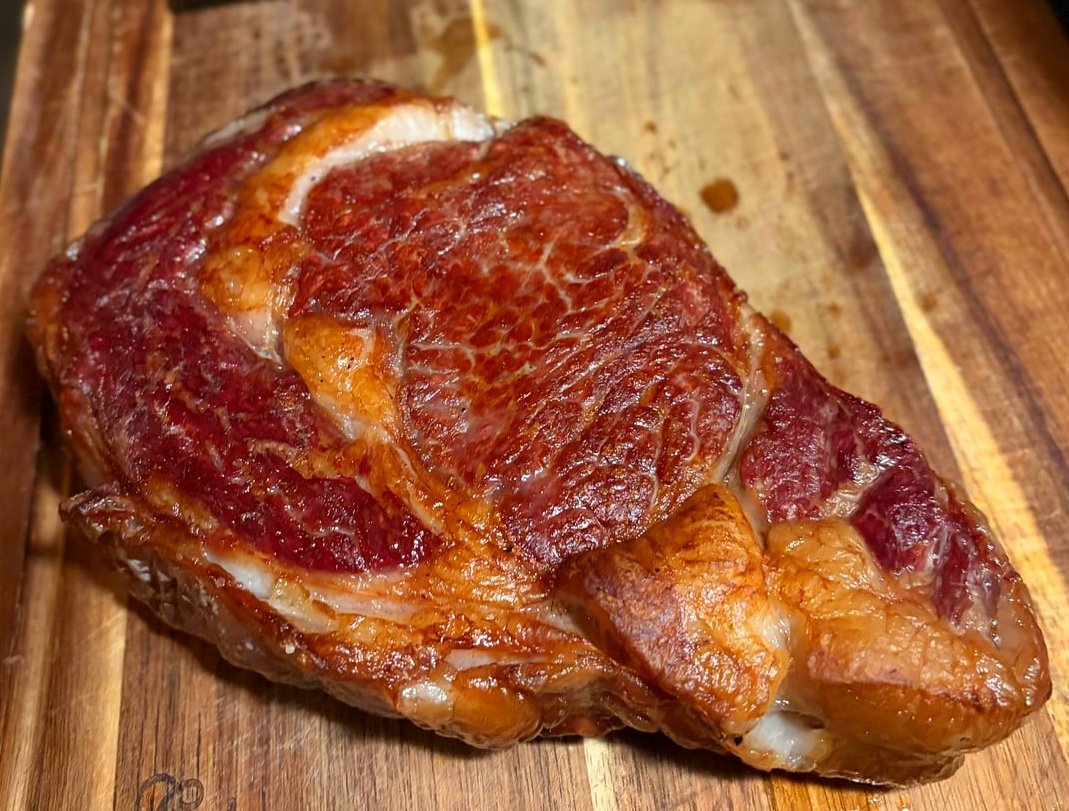
The fatty cuts. Learn them, use them. Beef: ribeye, brisket, chuck, short ribs, 20-30% fat mince. Not sirloin, not fillet. Lamb: shoulder, breast, neck. Not leg. Pork: belly, shoulder, spare ribs, cheek. Bacon: preferably without the sugar cure, but life is short. Chicken: thighs and drumsticks with the skin. Not breast. Never just breast. Eggs: the whole egg. The yolk is the point. Egg white omelettes are a different religion. Butter: in everything, on everything, after everything. The lean cuts are fine as part of a mixed plate. They are not sufficient as the whole plate. Fat is not the garnish. Fat is the fuel. Build meals around fat first.
English
9
34
242
6.4K
Sama Hoole
Sama Hoole@SamaHoole·
If you're just starting carnivore, or you're thinking about it, here is the only thing you actually need to know: Fat is not optional. Fat is not a concession. Fat is not something to nervously add a little of and see how it goes. Fat is the entire mechanism. Your body runs on glucose or it runs on fat. These are genuinely different fuel systems with different hormonal environments, different energy characteristics, and different downstream effects on your mood, hunger, and body composition. You cannot run the fat system on lean meat. You will feel terrible and blame the diet. Choose the fattiest cuts you can find. Ribeye over sirloin. Lamb shoulder over lamb leg. 20% mince over 5% mince. Chuck over fillet. If you're cooking ground beef and there's fat in the pan at the end, stir it back in. Add butter. Add tallow. Add double cream to scrambled eggs. Don't drain the fat away and then wonder why you're hungry in two hours. This is the fuel source that made us human. Literally. The archaeological record is very clear on this: our brains grew, our guts shrank, and our cognitive capacity expanded in direct proportion to our access to large, fatty ruminant animals. We are, in a very specific biological sense, the product of animal fat. The fear of it is recent. The food pyramid is sixty years old. Your genome is two and a half million years old. Trust the older document.
Sama Hoole tweet media
English
159
1.1K
5.2K
103.1K
Wayne Crawshaw
Wayne Crawshaw@WCrawshaw17872·
@SamaHoole It's like we're shaking off a societal fugue state. Slowly reclaiming the wisdom we once took for granted.
English
1
4
37
2.3K
Sama Hoole
Sama Hoole@SamaHoole·
Activist: "You should grow crops here instead of raising sheep." Farmer: "On this slope?" Activist: "Yes." Farmer: "At nine hundred feet." Activist: "With the right approach." Farmer: "With the right approach you get crops that die and grass that laughs." Activist: "Something would grow." Farmer: "Grass grows. That's what's growing." Activist: "Something humans can eat." Farmer: "Humans can eat the sheep." Activist: "I mean plants." Farmer: "Plants need soil deeper than four inches and a summer that lasts past June." Activist: "There must be something." Farmer: "There is. You're standing on it."
Sama Hoole tweet media
English
34
453
3K
38.3K
Sama Hoole
Sama Hoole@SamaHoole·
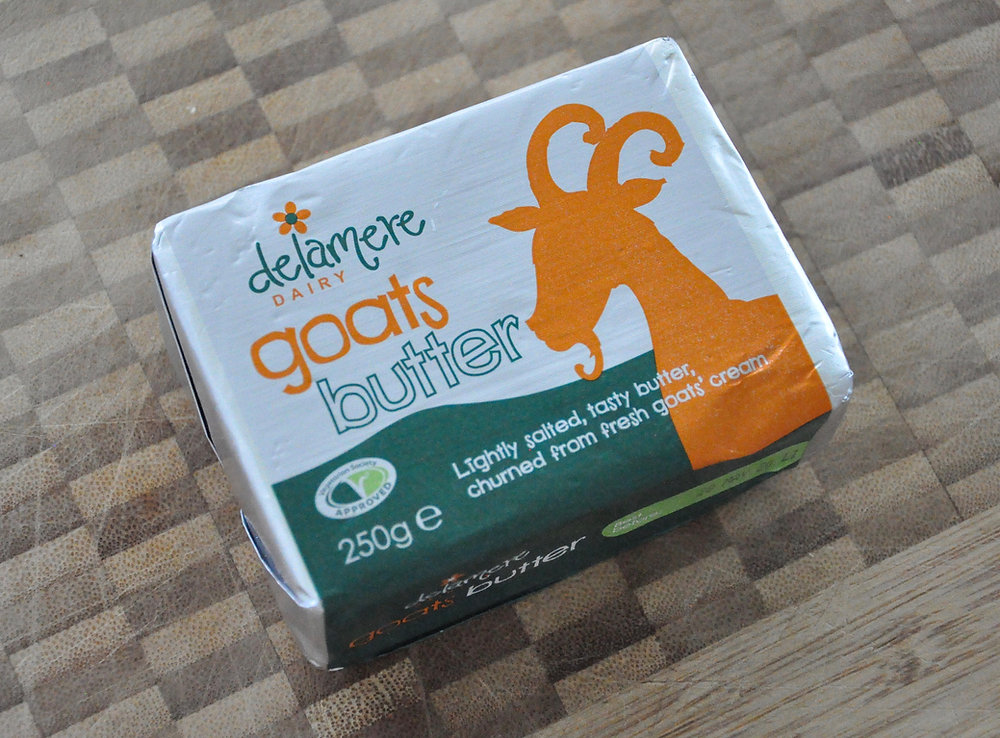
Goat butter. I know you haven't tried it. I know because if you had tried it, you wouldn't have led with that expression. Goat butter has a higher proportion of medium-chain triglycerides than cow butter: absorbed more rapidly, converted to energy more efficiently, less likely to be stored as body fat. The fat globules are smaller and naturally homogenised, which is why it's significantly more digestible for people whose relationship with dairy has historically been complicated. The flavour is cleaner and creamier. More rounded. The kind of fat that doesn't need anything added to it because it is already, on its own, the point. It is available in exactly the same aisle as cow butter. It costs slightly more. It is worth it. I am not asking you to upgrade your entire dietary framework. I am asking you to spend an extra 80 pence. Try the goat butter. Report back. You'll be annoyed you waited this long.
Sama Hoole tweet media
English
125
134
1.2K
24K