WHO Lebanon
4.8K posts

WHO Lebanon
@WHOLebanon
Official Twitter account of the World Health Organization Lebanon Office.
Beirut, Lebanon Katılım Mart 2014
233 Takip Edilen21.9K Takipçiler

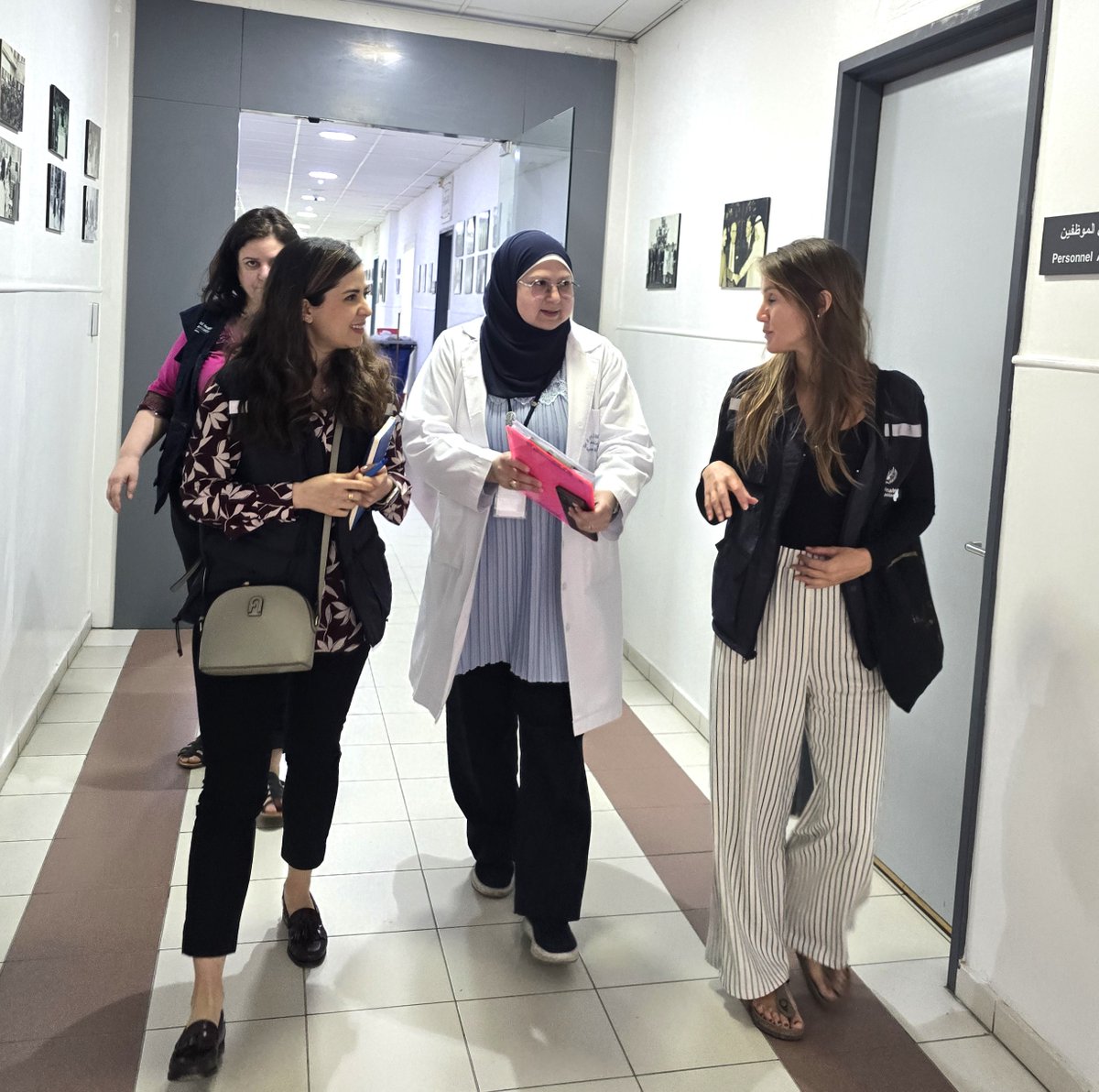
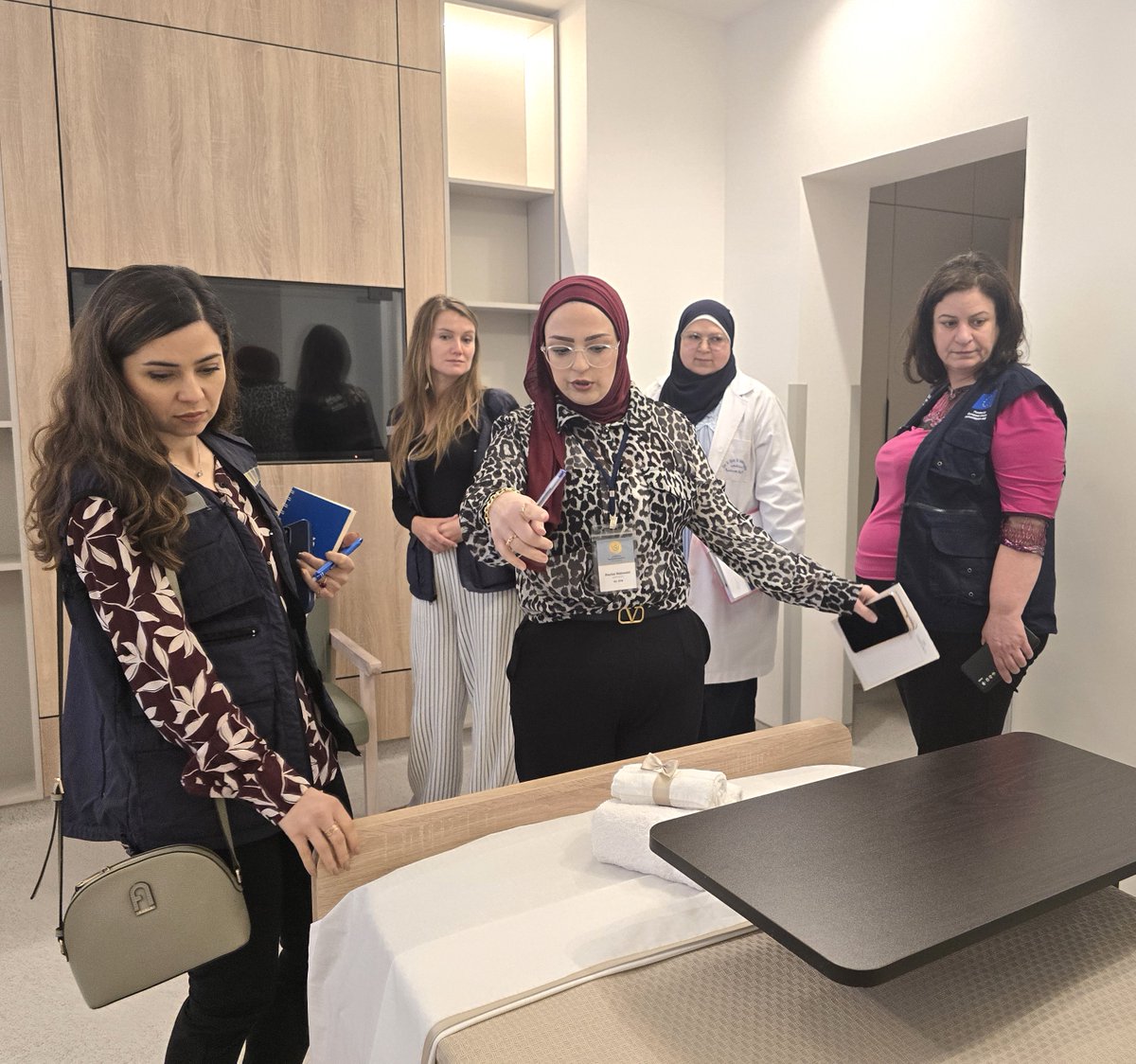
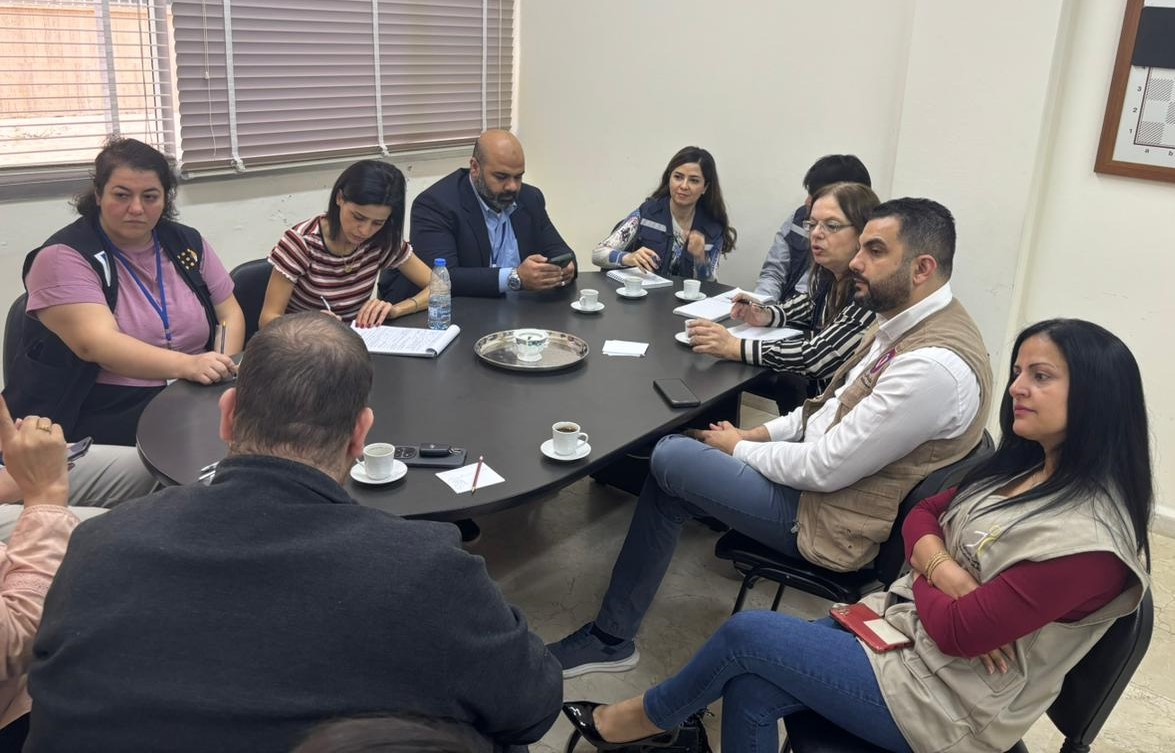
WHO visited the Command & Control Center (CCC), part of the PHEOC under the @mophleb at @rhuhhospital. Behind the scenes, teams work 24/7 to save lives—coordinating pre-hospital care, dispatching casualties, and supporting evacuations in times of crisis.


English
WHO Lebanon retweetledi

The killings in the last 24 hours of 14 health workers in southern #Lebanon mark a tragic development in the escalating Middle East crisis.
@WHO has confirmed that 12 doctors, paramedics and nurses were killed in a strike late last night on the Bourj Qalaouiyeh primary healthcare center. Just hours earlier, two paramedics lost their lives in attacks on a health facility in Al Sowana.
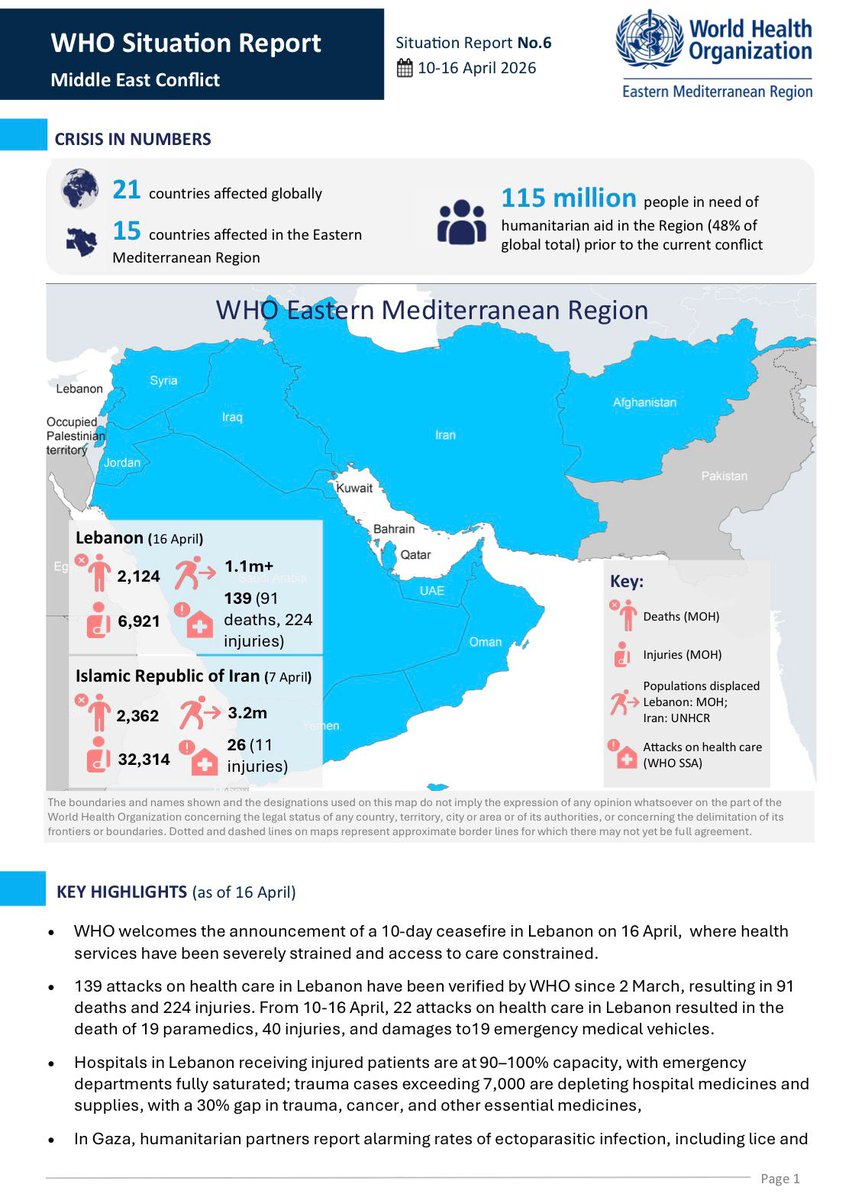
These incidents highlight the ongoing assault on Lebanon’s healthcare system, which is crucial for the populations it serves. Since March 2, WHO has verified 27 attacks on healthcare in Lebanon, resulting in 30 deaths and 35 injuries, including the horrifying events of Friday.
WHO condemns this tragic loss of life and emphasizes that health workers must always be protected. According to international humanitarian law, medical personnel and facilities should never be attacked or militarized.
The intensification of conflict in Lebanon and the broader Middle East increases the likelihood of such tragedies. Urgent action is required to de-escalate the crisis and protect the health of people throughout the region.

English
WHO Lebanon retweetledi

I have just landed in Beirut for a visit of solidarity with the people of Lebanon.
They did not choose this war. They were dragged into it.
The @UN & I will spare no effort in striving for the peaceful future that Lebanon & this region so richly deserve.
English
WHO Lebanon retweetledi

More than ten days into the recent escalation of conflict in the Middle East, health systems are under immense strain. Reports indicate over 1,300 deaths and 9,000 injuries in Iran, at least 570 deaths and over 1,400 injuries in Lebanon, and 15 deaths with 2,142 injuries in Israel.
Attacks on health care are increasing, with WHO verifying 18 attacks in Iran, 25 in Lebanon, and 2 in Israel since February 28, resulting in tragic losses among health workers. These attacks not only claim lives but also deprive communities of critical care when they need it most.
Public health risks are soaring, with over 100,000 people in Iran and up to 700,000 in Lebanon displaced under deteriorating conditions, facing limited access to clean water and sanitation. Vulnerable populations, especially women and children, are at heightened risk of illness.
The situation is compounded by numerous health facility closures. In Lebanon, 49 primary health care centers and five hospitals have shut down due to evacuation orders, while access to medical services is severely restricted in the occupied Palestinian territories and Gaza.
Disruptions in medical supply chains due to airspace restrictions are leading to significant backlogs in essential health supplies for over 1.5 million people across 25 countries.
WHO calls on all parties to protect civilians and health care, ensure unimpeded humanitarian access, and work toward de-escalation. The urgency for action is critical to prevent the collapse of already fragile health systems and to support the recovery of impacted communities.
Peace is the best medicine!

English
WHO Lebanon retweetledi

I am deeply concerned by the growing health consequences of the latest escalation of conflict across the Middle East.
Hospitals are under pressure, health workers have been killed, and access to essential care is increasingly disrupted.
This escalation comes at a time when humanitarian needs in the Eastern Mediterranean Region were already among the highest in the world.
Without protection for health care, sustained humanitarian access, and stronger financial and operational support for the health response, the strain on vulnerable populations and fragile health systems will only deepen.
@WHO calls on all parties to protect civilians and health care, ensure unimpeded humanitarian access, and pursue de-escalation so communities can recover and move towards peace.
emro.who.int/media/news/con…

English
WHO Lebanon retweetledi

يساورني قلقٌ بالغ إزاء التداعيات الصحية المتزايدة للتصعيد الأخير للصراع في أنحاء الشرق الأوسط.
فالمستشفيات تحت وطأة ضغوط شديدة، وقد قُتل عاملون صحيون، كما تتزايد معدلات تقييد الحصول على الرعاية الصحية.
ويأتي هذا التصعيد في وقت كانت فيه الاحتياجات الإنسانية في إقليم شرق المتوسط من بين الأعلى عالميًا بالفعل.
وفي غياب حماية سبل تقديم الرعاية الصحية ومرافقها والعاملين فيها، ودونما ضمان لاستمرار إتاحة المساعدات الإنسانية بشكل مستدام، ودون تعزيز الدعم المالي والتشغيلي للاستجابة الصحية، ستظل الضغوط على الفئات السكانية الضعيفة والنظم الصحية الهشة بالأساس آخذة في الازدياد.
لذلك، تناشد منظمة الصحة العالمية جميع الأطراف حماية المدنيين ومرافق الرعاية الصحية، وضمان وصول المساعدات الإنسانية دون عوائق، ومواصلة السعي إلى خفض التصعيد لكي تتمكن المجتمعات المحلية من التعافي والمضي نحو السلام.
emro.who.int/ar/media/news/…

العربية
WHO Lebanon retweetledi

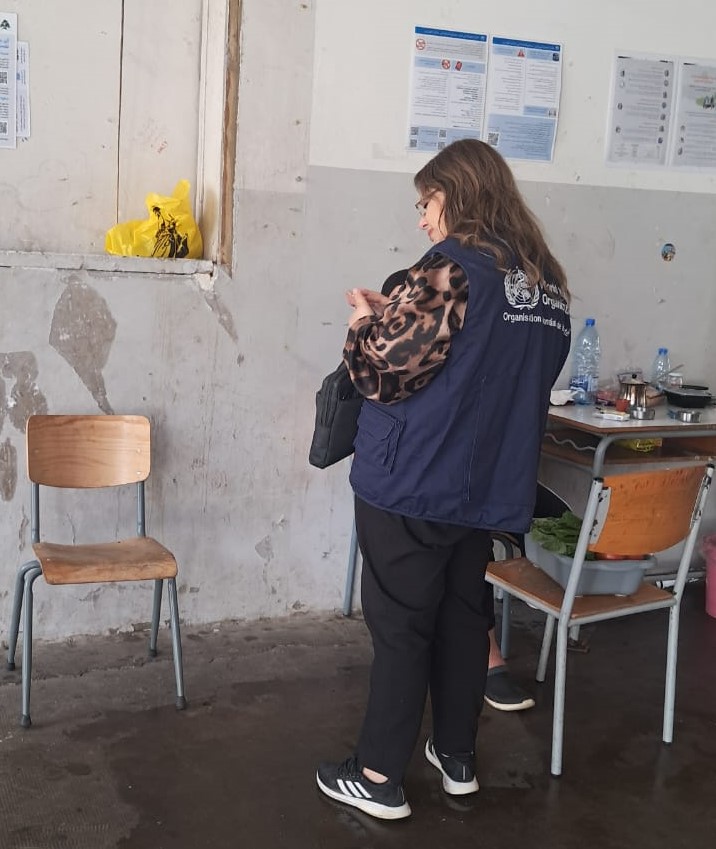
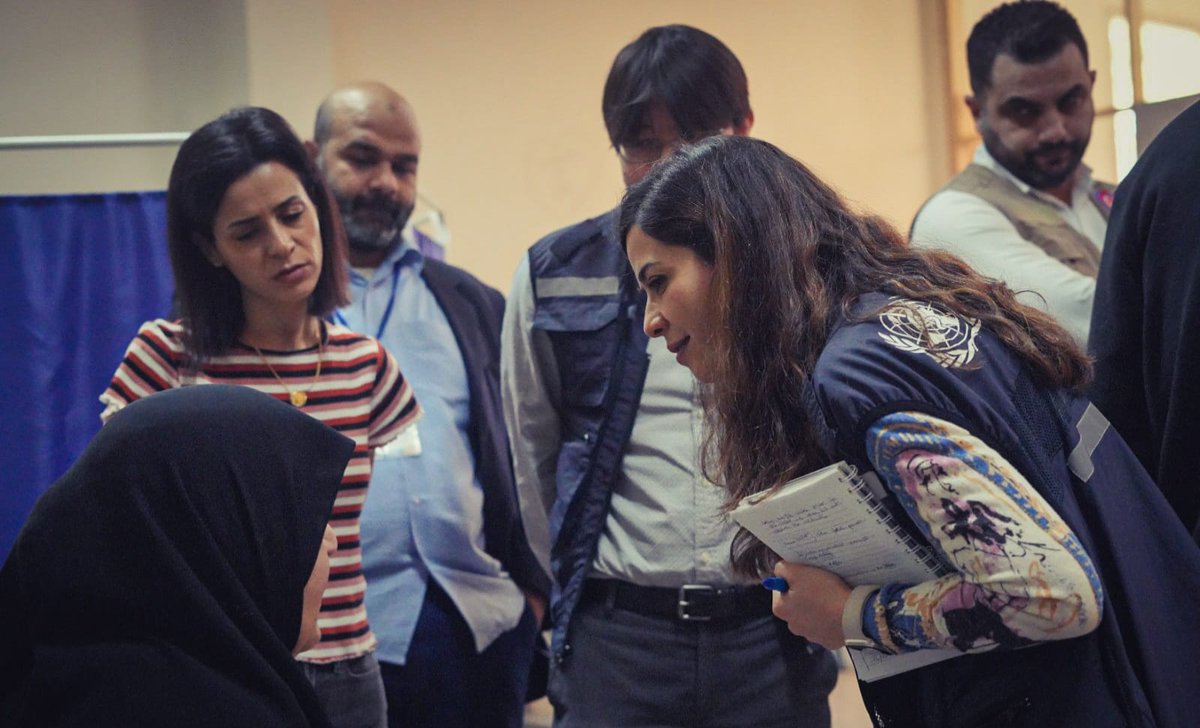
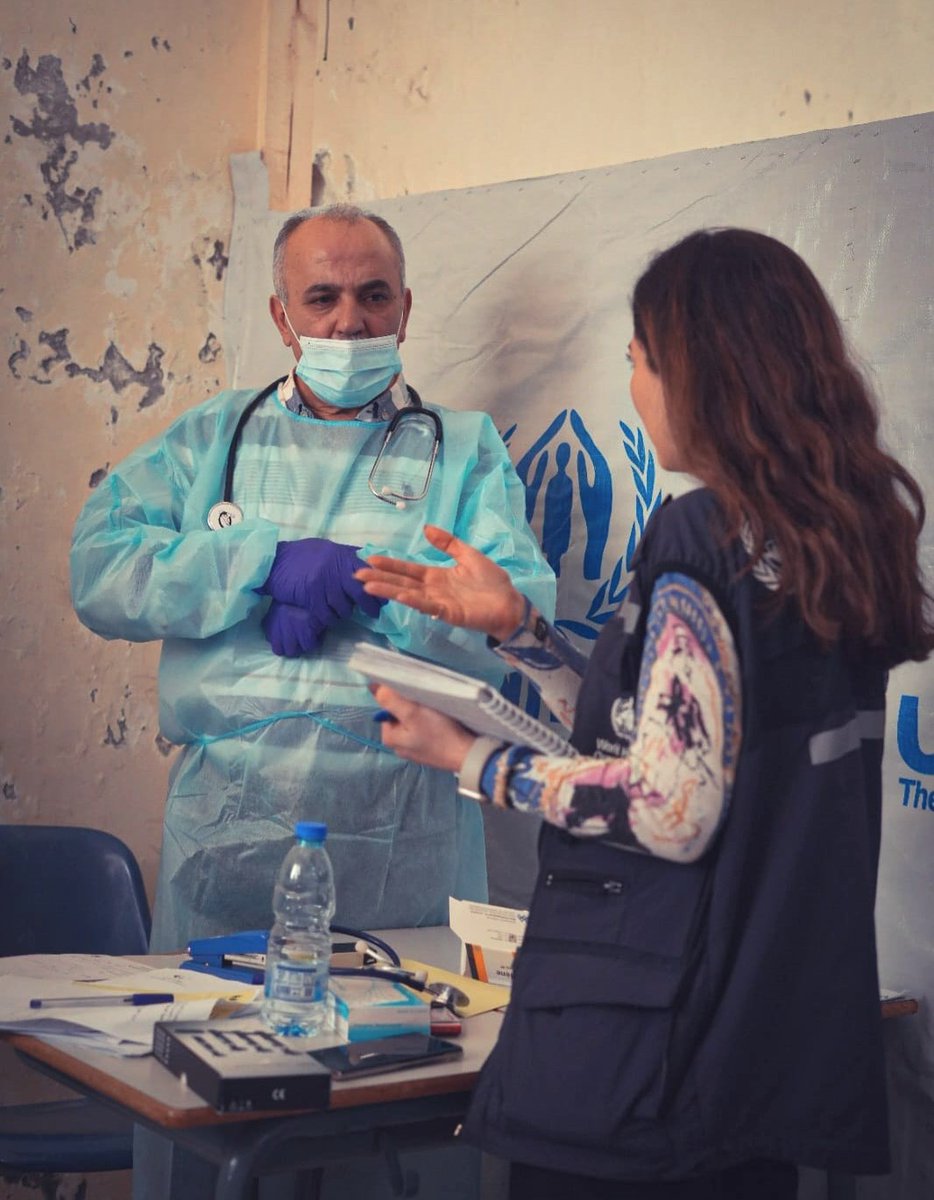
A few days ago, our WHO Representative in Lebanon @abdinasirgole and team visited the Dekwaneh shelter in Beirut, where families displaced by the latest escalation are seeking refuge. The shelter is operated by our health partner @Caritaslb.
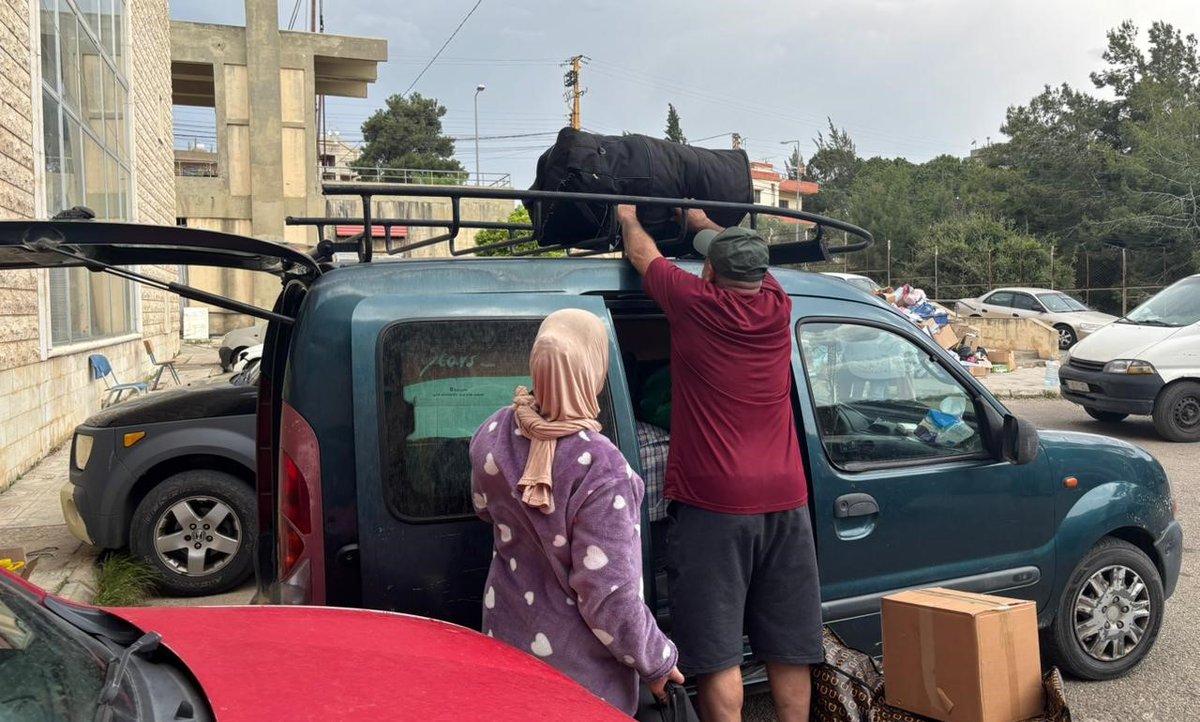
Up to 700,000 people have been displaced across #Lebanon since 2 March—many of them several times over. Overcrowding and inadequate water and sanitation in shelters can significantly increase public health risks, including the potential for disease outbreaks. Displaced people living in shelters are experiencing interruptions to routine health services, and disruptions of care for chronic diseases, maternal health, and mental health disorders.
The conflict is unfolding while Lebanon’s health system is already severely weakened by years of economic crisis, loss of health workers, and damage from previous conflicts.
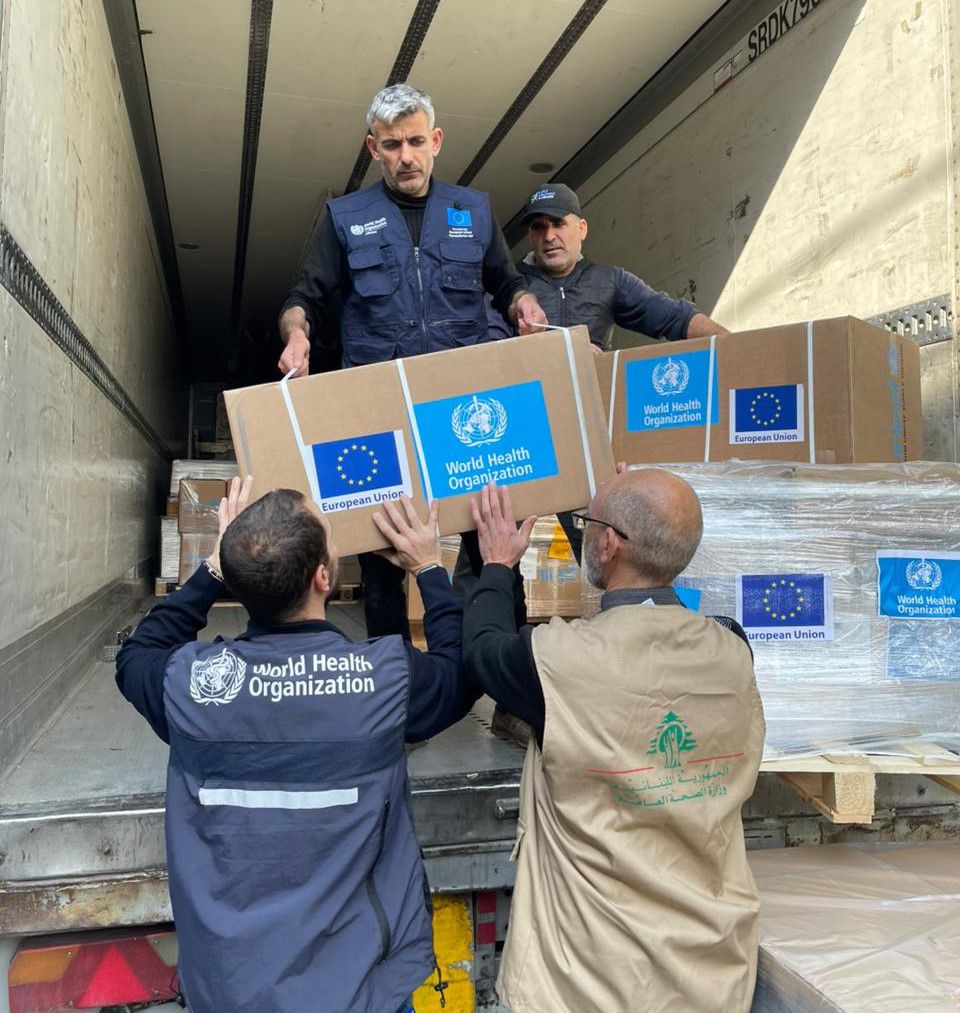
@WHO is working with national health authorities and partners to support the emergency health response—strengthening disease surveillance, supporting mass-casualty management, and ensuring that all people, including Syrian and Palestinian refugees, can access the care they need.


English
WHO Lebanon retweetledi

Civilians across #Lebanon continue to bear the brunt of escalating hostilities.
Latest Flash Update ⬇️
tinyurl.com/yrsc7pp3

English