Sabitlenmiş Tweet

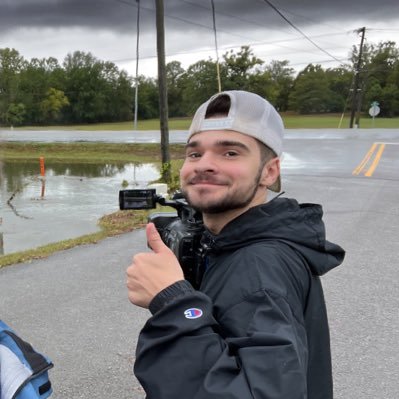
Yesterday I got the amazing chance to be on @foxweather with @juststormchasin and @LucyWx24 a big thanks to @BrandonCopicWx for getting us on!

English
Weather Chicken
7.6K posts

@WeatherChickenx
(Maddie) based out on NWI - skywarn spotter for @NWSchicago - 🌪️=1





yea dude! we’re gonna dig up ky- DIG UP KYLES DEAD GRANDMA???


2:27pm CDT #SPC Day3 Outlook spc.noaa.gov/products/outlo…





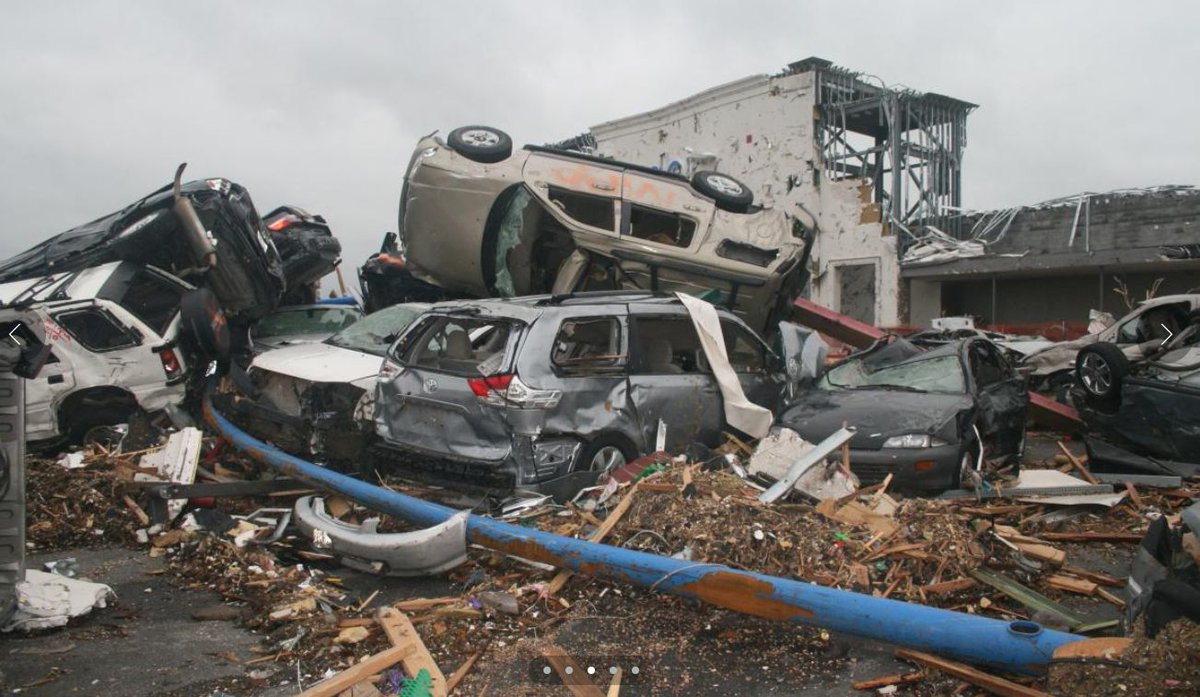
On this day in 2011 – 15 years ago – the deadliest tornado since 1947 leveled a large swath of Joplin, Missouri. 158 people were killed by the mile-wide EF5 tornado. The disaster was the product of a worst-case scenario on multiple fronts: a high-end meteorological setup on a graduation Sunday in May coupled with cascading failures/lapses at multiple levels. Though the Storm Prediction Center had included Joplin in a red zone "moderate risk" (the second highest category) AND warned of possible "strong tornadoes," local warnings were handled differently. No tornado emergency was ever issued by the National Weather Service in Springfield, Missouri. The Joplin area had been under numerous false-alarm tornado warnings in the years prior, which peer-reviewed research asserts contributed to public complacency. Moreover, frequent siren tests/activations by emergency management lead to "siren fatigue." Moreover, the Joplin area was under multiple simultaneous conflicting tornado warning polygons for different cells, leading the public to believe the tornado threat was passing north of town. That also lead to confusing siren activation during the event. Ultimately, about 25% of Joplin was destroyed. The St. John's Regional Medical Center sustained EF5 damage, and had to be torn down due to deformation of its foundation. (It was moved as much as 4 inches.) 3,734 buildings (3,181 homes and 553 businesses/municipal buildings) were destroyed. In all, the episode showed that – despite technological advancements – expanding population centers are increasingly vulnerable to rare, high-end tornadoes.
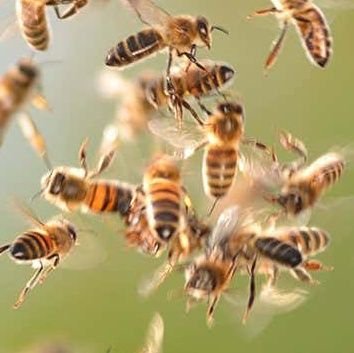
The Trump administration is closing the nation's primary bee research laboratory.