Christopher Kowalewski

54.6K posts

Christopher Kowalewski banner
Christopher Kowalewski

Christopher Kowalewski

@Xrystoffer

Ethical AI 🤖 | Exploring ancient mysteries 🗿 | Diet & Nutrition | Nature shots 🪻 📸 | Music 🎵 | My unfiltered takes | Let's connect 🤝

Paris Katılım Ocak 2010
9.7K Takip Edilen17.3K Takipçiler
Christopher Kowalewski
Christopher Kowalewski@Xrystoffer·
@drtonyhampton Bacon is delicious & healthy with quality protein & fats. However, as it can have a high omega-6 content (essentially for grain-fed meat), enjoy a tin of sardines or mackerel (in water) at another moment of the day to balance out the omega 6:3 ratio.
English
0
0
0
25
Tony Hampton, MD, MBA, CPE, ABOM, MS-HNFM
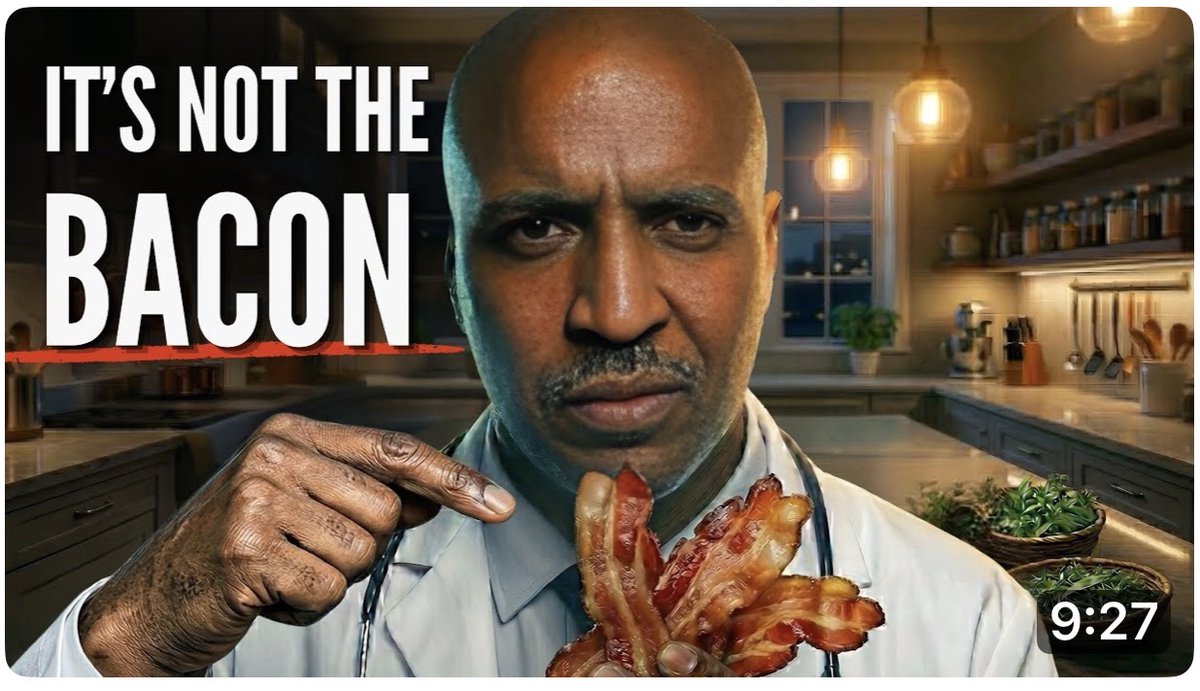
They lied to you about eating bacon. 🥓 In my new video I break down: where bacon fear came from what WHO/IARC actually said why relative risk ≠ absolute risk why metabolic health matters more than headline panic Bacon may not be the real breakfast villain. Watch and decide.
Tony Hampton, MD, MBA, CPE, ABOM, MS-HNFM tweet media
English
4
2
28
943
Christopher Kowalewski
Christopher Kowalewski@Xrystoffer·
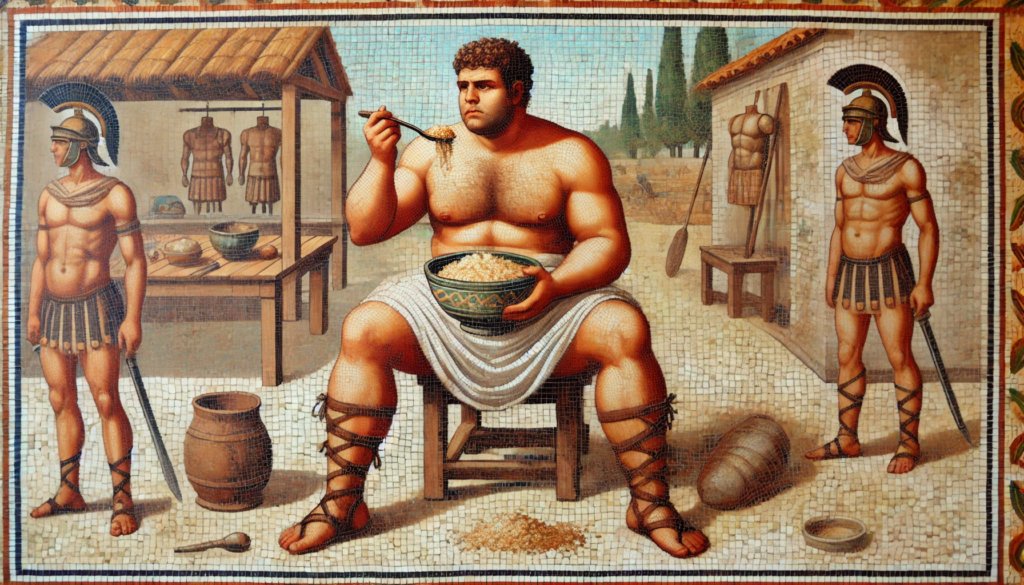
Love the fun gladiator 'barley men' fact! 👍 Romans called them hordearii because they ate tons of barley + beans for cheap energy and a layer of fat that cushioned shallow arena wounds. Bone studies from Ephesus confirm their mostly plant-based, carb-heavy diet. 👉 But quick clarification: modern science doesn't show barley heals wounds or builds tissue faster than quality animal proteins (meat, eggs, dairy, fish). Those provide complete amino acids that are more efficient for collagen production and recovery. Gladiators used barley for sustained training fuel + protective padding in a budget setup not because it was a superior healing superfood. Their mineral-rich plant-ash tonic probably helped bones too. Stay strong and eat your 🥩 🐟 🧀 🥚
English
0
0
1
20
Did You Know? | hukiju
Did You Know? | hukiju@HukijuHacks·
@sciencegirl Ancient Roman gladiators picked up the nickname barley men after loading up on the grain to fuel their savage training sessions and recover from battle wounds quicker. The unique protein and mineral combo in barley turned out to be their secret weapon so eat your grains mortals.
Did You Know? | hukiju tweet media
English
2
0
3
1.1K
Science girl
Science girl@sciencegirl·
Protein comparison of food
English
74
378
1.8K
221.4K
Bryce Hanna
Bryce Hanna@photobiogenesis·
Red meat intake is linked to poor health outcomes via excess methionine, iron, phosphorus, long-chain saturated fats, nitroso-compounds, and heterocyclic amines It also provides activated B-vitamins, zinc, and beneficial factors like taurine and choline The best of both worlds is moderate lean meat, like goat or wild game, cycled with poultry, organs, fish, and shellfish
Bryce Hanna tweet media
English
45
9
153
21.9K
Christopher Kowalewski
Christopher Kowalewski@Xrystoffer·
Calling red meat 'linked with poor health' sounds scary, but let's be precise: you’re building an explanation on an association from observational studies. There’s no proof of causation. These studies track what people say they eat (often via flawed questionnaires) and spot correlations with disease. Heavy red meat eaters also tend to smoke more, exercise less, eat fewer veggies, or follow overall worse diets. Stats can adjust for some confounders, but residual ones linger plus reverse causation and measurement error. It's like building a house on sticks: the foundation looks solid until you realize it's not concrete. Real causation needs RCTs. When researchers isolate unprocessed red meat in randomized trials, effects on key cardiometabolic markers (lipids, blood pressure, inflammation) are often weak, null, or highly dependent on the replacement food — e.g., worse than high-quality plant proteins for LDL in some analyses, but neutral or better versus mixed animal proteins or carbs. Plausible mechanisms exist (iron, methionine, etc.), sure but so do nutrients that make red meat nutrient-dense (B12, zinc, creatine, heme iron). Note that some mechanisms (e.g., heme iron driving oxidative stress) don't consistently show up in human feeding trials at realistic intakes, and glycine-rich foods or good B-vitamin status can help buffer methionine-related pathways. Weak associations + no strong experimental backing = bad science to begin treating it as settled truth. Correlation ≠ causation.
English
0
0
6
262
Nicholas Fabiano, MD
Nicholas Fabiano, MD@NTFabiano·
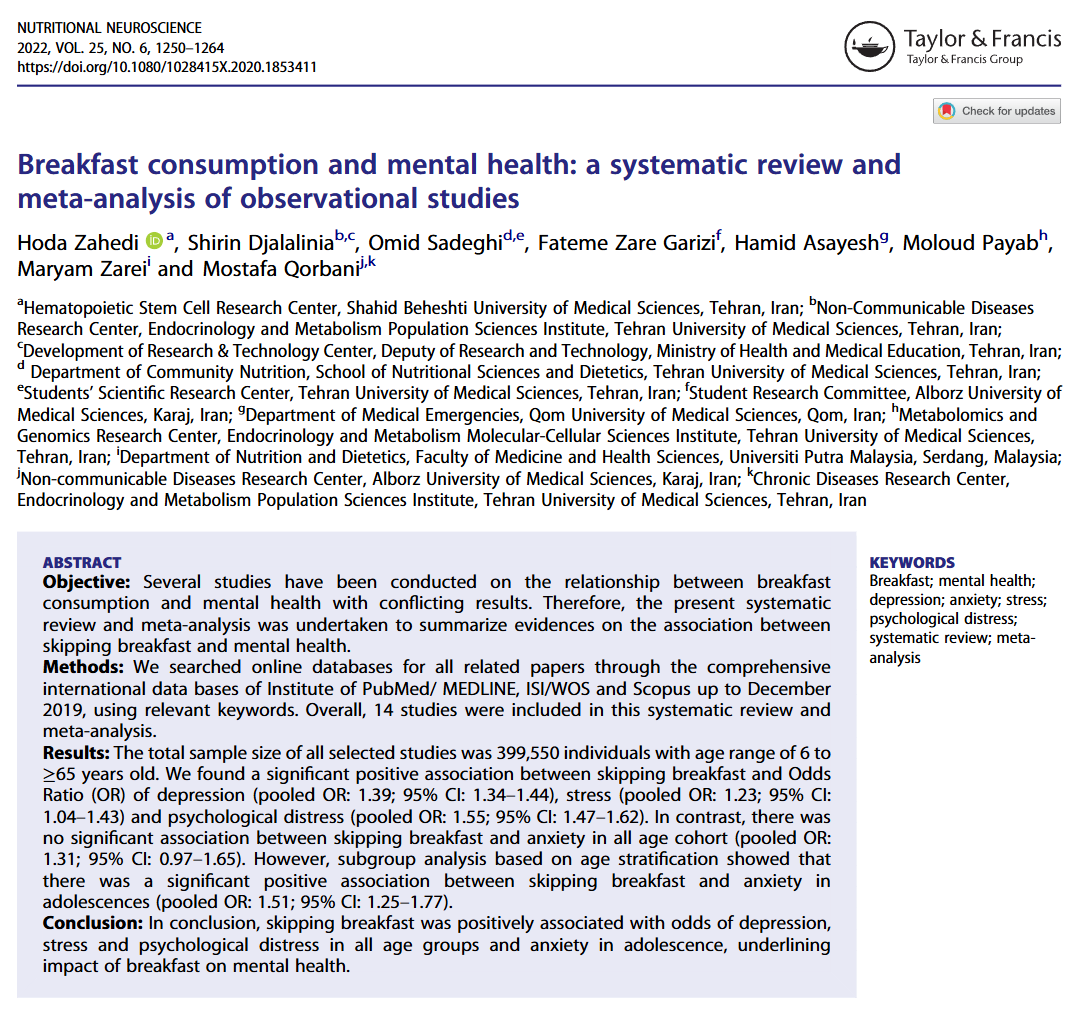
Skipping breakfast is associated with an increased odds of depression.
Nicholas Fabiano, MD tweet media
English
203
947
6.7K
2.9M
Christopher Kowalewski
Christopher Kowalewski@Xrystoffer·
@SamaHoole Pork is a delicious & healthy food: lots of protein & quality fat. To balance out the omega 6 content, just enjoy a tin of sardines or mackerel (in water) at another moment in the day😉
English
0
0
1
835
Sama Hoole
Sama Hoole@SamaHoole·
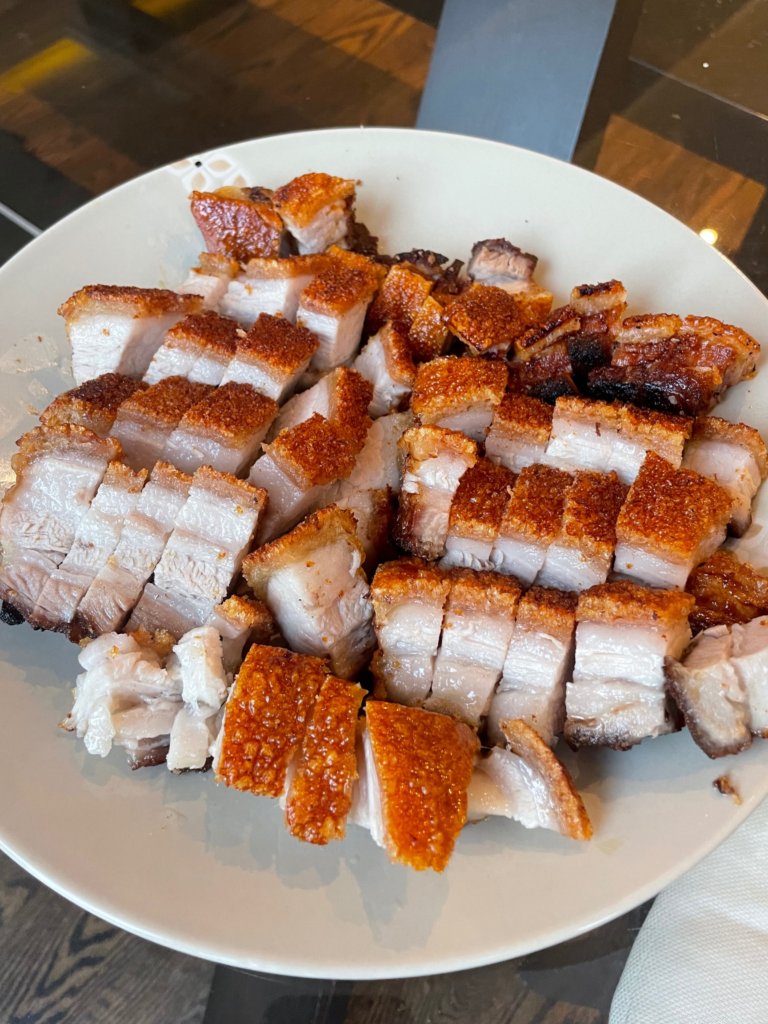
Pork gets a lot of grief in carnivore circles. It's not beef, which counts against it. It has PUFAs, which sounds damning. And it carries two thousand years of religious taboo, from Leviticus to the Quran, which has a way of embedding itself in cultural intuition long after the theology has left the room. So let's be fair about what pork actually is. Pork is a superfood. Not in the way that word has been debased by bags of goji berries in health food shops. A genuine, nutrient-dense animal food that has sustained entire civilisations. Thiamine: pork is the richest common dietary source of vitamin B1. More than beef. More than lamb. Thiamine is critical for glucose metabolism, nerve function, and cardiac health: and its deficiency, beriberi, was historically catastrophic in populations eating refined rice. The traditional populations eating whole pork alongside their rice didn't get beriberi. The ones eating polished white rice without the pork did. The pork was doing work. Selenium. Zinc. Complete protein. Choline for liver function and brain development. Carnosine. B vitamins across the board. It is an animal food. It does what animal foods do. Now the PUFA question, because it deserves a direct answer rather than a dismissal. Yes, pork fat contains more linoleic acid than ruminant fat. This is real. The pig, unlike the cow, has a simple stomach and cannot biohydrogenate polyunsaturated fat, cannot take the problematic seed fat and convert it into saturated fat the way a rumen can. What goes in largely comes out. Pigs raised on grain and soybean meal will have fattier, more linoleic acid-rich tissue than pigs raised on a more natural diet. Here's the context that changes everything. If you have already removed seed oils, you have already removed the industrial cooking oils. If you have removed legumes, you have removed soybean-derived everything. If you have removed nuts, you have removed the other major linoleic acid sources. You have, in the process of cleaning up the obvious problems, already addressed the bulk of your PUFA load. In that context, pork's linoleic acid content is not the marginal straw that breaks the metabolic camel's back. It is a manageable contribution from a whole food that was never the issue. The issue was always the bottle on the kitchen counter. The bottle is gone. And then consider: pork is the staple meat of Asia. The cooking traditions of China, Vietnam, Korea, Japan, Thailand: cuisines built on pork belly, slow-braised shoulder, trotters, ears, offal, these are not the cuisines of populations historically defined by metabolic disease. The metabolic disease arrived with the industrial food, the refined carbohydrates, the vegetable oils. Not with the pig. The religious prohibition on pork is ancient, contextual, and pre-refrigeration. The carnivore prohibition on pork is aesthetic, recent, and optional. Eat the belly. Render the lard. Use the lard to cook the rest of the pig. Beef is exceptional. Pork is not beneath it. They're different tools. Both animal. Both complete. Both doing what no bag of seeds ever managed.
Sama Hoole tweet media
English
273
711
4.8K
716.7K
.
.@Boa_Dupczyciel_·
@Marcial321 @MeowMeowWorld7 It is a living tank that weighs 2 tons and has no natural enemies, the only threat to it are people.
English
2
0
0
1.5K
Animals Planet 🐱🐾
Animals Planet 🐱🐾@MeowMeowWorld7·
Removing a rhinoceros’s horn is one of the most effective ways to protect it from poachers.
English
228
95
2.1K
1.6M
Christopher Kowalewski
Christopher Kowalewski@Xrystoffer·
The video overstates "Sunlight and vitamin D supplements take completely different routes" while cherry-picking a K2- and magnesium-free trial 👎 It's only partially true for initial delivery (skin's gradual, regulated release + potential sulfation vs. gut bolus + lipoproteins). But the molecule is identical. Both convert to 25(OH)D in the liver, then to active 1,25(OH)2D — same downstream pathways for calcium absorption, bone signaling, immune function & organ support. The cited Burt 2019 JAMA RCT (healthy adults, ~30+ ng/mL baseline) found high-dose oral D3 (4,000 or 10,000 IU/day for 3 years) led to lower radial bone density vs. 400 IU. 👉 Key flaw: No vitamin K2 nor magnesium was supplemented. Vitamin D increases demand for K2 to activate proteins (osteocalcin, matrix Gla) that direct calcium to bones/teeth instead of soft tissue. Without those cofactors, the study basically forced an imbalance. Real-world: Sun exposure self-regulates (no toxicity, plus nitric oxide, circadian benefits, cholesterol sulfate per Seneff). Supplements correct deficiency well when needed. Prioritise sensible sun (arms/legs/torso, no burn). Supplements are a useful tool during those months sunlight is not available.
English
0
0
7
943
no.mind
no.mind@the_no_mind·
High dose vitamin D supplementation might be doing more harm than good. Stephanie Seneff, MIT researcher: Vitamin D is a signalling molecule, not a nutrient to megadose. It mobilizes calcium — but doesn't control where calcium goes. High dose vitamin D drives calcium into the arteries, leaching it from bones. A 3-year study comparing 400 IU/day, 4,000 IU/day and 10,000 IU/day found the highest dose group had statistically significantly worse bone mineral density. A 2006 study found that calcitriol supplementation (the active form of vitamin D) in young adults with kidney disease increased artery calcification — because calcitriol is taken up directly by cells in the artery wall. Artery calcification is one of the strongest risk factors for cardiovascular disease. An Indian study compared vitamin D supplementation to 20 minutes of daily sunlight in 100 men with severe deficiency. Remarkably — the supplement group had a larger increase in serum vitamin D than the sunlight group. Yet opposite effects on cholesterol: Sunlight group — cholesterol dropped. Supplement group — cholesterol increased. Why? Sunlight and vitamin D supplements take completely different routes through your body. Vitamin D supplements are fat-soluble. The liver has to synthesize cholesterol and release LDL particles just to transport them through the blood. Sunlight stimulates cholesterol sulfate synthesis directly in the skin. The sulfate component makes the molecule water-soluble — transported freely in the blood without being packaged inside an LDL particle. Because cholesterol sulfate is both water-soluble and fat-soluble, it can transfer from skin cell membranes to HDL particles or red blood cells and deliver cholesterol directly to tissues that need it. No LDL carrier required. When you get vitamin D from a supplement instead of the sun, you don't get the simultaneous increase in cholesterol sulfate. The pill doesn't just fail to replicate sunlight. It uses a completely different biological pathway. Seneff: "Vitamin D wants to be subtle. Get out in the sun." "People answer: oh yeah I know, vitamin D is important." "No. Not vitamin D. The sun.” Vitamin D is a proxy for sunlight exposure. The proxy isn't the mechanism.
English
154
209
1.1K
233.6K
Christopher Kowalewski
Christopher Kowalewski@Xrystoffer·
At the start of carnivore or if you’re coming from a high-carb diet where satiety signals are often blurred and the only cue is a painfully full stomach, then, yes, this ‘over-eating’ can be a real phenomenon. However, after a couple of months on carnivore, your body will let you know immediately when it’s time to stop. Food loses its appeal, and true hunger often doesn’t return for many hours (or longer to the next day).
English
1
0
1
49
James Ruport
James Ruport@JamesRuport·
Carnivores are full of shit fat addicts… I just ate 800 calories of brisket and could eat 4-6 times that, like I feel ravenous right now. fatty meat is the most addictive food. I could never eat that much potato in a sitting.
James Ruport tweet media
English
16
1
22
1.3K
はむ🍊
はむ🍊@hamunmun·
原種シクラメン hyb イエローフラワーです。 ペルシカムとヘデリフォリウムのハイブリッドとされていますが、遺伝子解析できていないので、真偽は不明です。
はむ🍊 tweet media
日本語
2
0
34
664
Christopher Kowalewski
Christopher Kowalewski@Xrystoffer·
The "essential therefore good" fallacy is real — water is essential, drowning isn't healthy. Brain cholesterol is synthesized locally behind the BBB; circulating LDL doesn't cross to "feed" the brain. That's accurate. ApoB particles drive plaque in the artery wall, and lowering them reduces events in high-risk patients (e.g., Ez-PAVE <55 vs <70 mg/dL target in ASCVD; VESALIUS-CV in high-risk diabetes). Still, heterogeneity matters. In lean, metabolically healthy people with diet-induced high LDL (LMHR phenotype), some imaging data show no accelerated plaque despite very high levels. LDL particle retention and oxidation likely depend on inflammation, insulin sensitivity, etc. "ApoB causes plaque" explains a lot, but context (metabolic health) still influences risk. Not every high-LDL state is equivalent. What’s your view on the KETO-CTA findings?
English
0
0
0
79
Dr Terry Simpson
Dr Terry Simpson@drterrysimpson·
Your brain makes its own cholesterol. It doesn’t borrow LDL from your steak. This is the oldest trick in the book: “cholesterol is essential” → “therefore high LDL is healthy.” Water is essential. Drowning still happens. ApoB causes plaque. Lower it, and events fall. The brain isn’t “made of cholesterol.” It’s largely polyunsaturated fat—especially DHA—and it makes its own cholesterol behind the blood–brain barrier. Your LDL doesn’t nourish your brain. It feeds plaque.
Sama Hoole@SamaHoole

Your brain is 25% of your body's total cholesterol supply. Cholesterol is: - The structural material of every cell membrane in your body - The precursor to every steroid hormone (testosterone, oestrogen, cortisol) - The raw material for vitamin D synthesis - The basis of bile acids, without which you cannot digest fat Your body makes most of its own cholesterol. The liver produces it. If you eat less, the liver makes more. This is the behaviour of an organism that absolutely requires cholesterol and cannot function without it. So we ended up with three generations of people deliberately eating less of a compound their brains are literally made of, and wondering why they felt foggy, anxious, and hormonally depleted. The brain requires cholesterol. It is not confused about this.

English
29
32
265
19.2K
Christopher Kowalewski
Christopher Kowalewski@Xrystoffer·
VESALIUS-CV diabetes subgroup and Ez-PAVE are solid RCTs showing aggressive LDL-C lowering (via PCSK9i or targets <55 vs <70) reduces events in high-risk diabetes (no known ASCVD) and established ASCVD patients. They strengthen "lower is better" in those groups. However, they don't "prove" LDL is the sole cause across all contexts. -Drug-based lowering (pleiotropic effects possible) -Selected high-risk populations -Don't address metabolically healthy high-LDL phenotypes (e.g. LMHR on keto with no plaque progression on imaging) Important data for high-risk patients, but heterogeneity and metabolic context still matter. The debate on causality isn't over; it's refined. What’s your take on KETO-CTA style data in lean insulin-sensitive people?
English
0
0
2
330
Pablo Corral MD
Pablo Corral MD@drpablocorral·
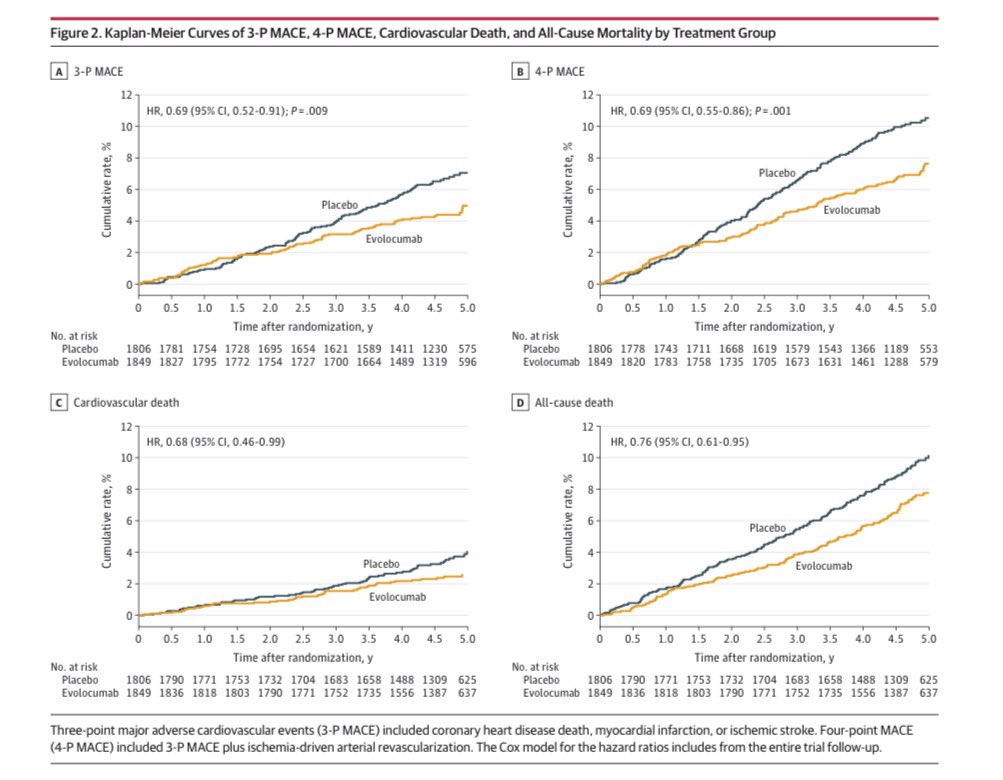
ACC 2026 | Two Trials, One Message: Lower LDL-C Targets Deliver Superior CV Outcomes 👉Two landmark trials presented today at #ACC26 in New Orleans converge on the same conclusion: being aggressive with LDL-C lowering saves lives and prevents events — whether in secondary or high-risk primary prevention. 📌 VESALIUS-CV Diabetes Subgroup (JAMA, March 28, 2026) 👉Evolocumab in high-risk primary prevention — no prior MI/stroke, no known significant atherosclerosis, diabetes ∙3,655 patients, median follow-up 4.8 years ∙LDL-C achieved: 52 mg/dL (evolocumab) vs. 111 mg/dL (placebo) at 48 weeks ∙3-P MACE: 5.0% vs. 7.1% — HR 0.69 (95% CI 0.52–0.91), p=0.009 ∙4-P MACE: 7.6% vs. 10.5% — HR 0.69, p=0.001 ∙All-cause mortality: HR 0.76 (95% CI 0.61–0.95) ∙Benefit emerged after year 1 — consistent with atherosclerosis prevention rather than plaque stabilization ∙Median achieved LDL-C at 96 weeks: 44 mg/dL — approaching the extreme-risk threshold 📌 Ez-PAVE (NEJM, March 28, 2026) 👉LDL-C target <55 vs. <70 mg/dL in established ASCVD — a head-to-head RCT ∙3,048 patients, 3-year follow-up, 17 Korean centers ∙Median LDL-C achieved: 56 vs. 66 mg/dL ∙Primary composite (CV death, MI, stroke, revascularization, UA hospitalization): 6.6% vs. 9.7% — HR 0.67 (95% CI 0.52–0.86), p=0.002 ∙Nonfatal MI: HR 0.46 | Any revascularization: HR 0.63 ∙No signal of harm: no excess diabetes, myopathy, or liver toxicity; creatinine elevation was actually lower in the intensive arm ∙Critical gap: only 60.8% reached <55 mg/dL at 3 years; PCSK9i used in only 2.3% — underscoring the implementation crisis in real-world practice 🔑 The Integrated Message ∙The “lower is better” paradigm now has direct RCT support across the CV risk continuum — from primary prevention with diabetes to established ASCVD ∙VESALIUS-CV challenges the binary secondary/primary prevention framework: a diabetic patient without clinical ASCVD already benefits from PCSK9i-level LDL-C reduction ∙Ez-PAVE validates ESC/EAS 2025 guideline targets with hard outcome data — no longer just extrapolated from drug trials ∙The real-world gap remains unacceptable: <25% of ASCVD patients reach <55 mg/dL; <10% receive ezetimibe; ~1% receive PCSK9i ∙Together, these data support a universal aggressive approach: early combination therapy, lower thresholds, and broader access to non-statin agents DOI: 10.1056/NEJMoa2600283 DOI:10.1001/jama.2026.3277 @society_eas @nationallipid @LipidJournal @ACCinTouch
Pablo Corral MD tweet mediaPablo Corral MD tweet media
English
11
65
200
58.3K
Christopher Kowalewski
Christopher Kowalewski@Xrystoffer·
The Ference 2017 EAS consensus is a strong synthesis arguing for LDL causality based on genetics, Mendelian randomization, cohorts & RCTs. But it is in no way.proof in itself. No single review (even a well-cited one) is definitive "proof." It relies heavily on: -Observational data (vulnerable to confounding/reverse causation) -MR studies with assumptions that can be violated (e.g., horizontal pleiotropy) -Statin/etc. trials where benefits aren't always cleanly attributable to LDL reduction alone Recent data like the KETO-CTA study in lean, metabolically healthy people with very high LDL on keto (mean ~272 mg/dL for ~4.7 years) showed no greater plaque burden vs. matched controls with much lower LDL with no correlation between LDL/apoB and plaque. Science is iterative. The LDL hypothesis is compelling and explains a lot, but heterogeneity (metabolic context, particle quality, duration) keeps the debate alive. Dismissing questions as "denialism" doesn't advance understanding. What do you make of the LMHR phenotype data?
English
0
0
2
172
Michael Albert, MD
Michael Albert, MD@MichaelAlbertMD·
I'm tired of watching people die from preventable heart disease. The cholesterol wars are over. LDL causes atherosclerosis. That's not a pharmaceutical talking point—it's the convergent conclusion of genetics, Mendelian randomization, and 170,000+ patients across 26 randomized trials. Next week, we put diet tribalism and LDL denialism aside and go straight to the science that saves lives. Sign up to receive my newsletter: substance-over-noise.beehiiv.com
Michael Albert, MD tweet media
English
47
30
233
25.5K
Christopher Kowalewski
Christopher Kowalewski@Xrystoffer·
I wonder if this isn’t just Paul navigating dietary genetics. As likely an APOE3, he may now tolerate carbs like potatoes well after an initial deep healing phase on carnivore, which, yes, he promoted dogmatically. For those of us, though, with at least one APOE4, the data suggests caution: refined carbs and high glycemic loads are linked to greater risks of weight gain, insulin resistance and dementia. And his animal-based period was perfect advice for e3 carriers. Individual variation matters. His transparency in experimenting is valuable, but nuance helps everyone
English
1
0
0
178
Christopher Kowalewski
Christopher Kowalewski@Xrystoffer·
Could this be Paul navigating dietary genetics? As likely an APOE3, he may now tolerate carbs like potatoes well (after an initial deep healing phase on carnivore). For those of us with at least one APOE4, though, the data suggests caution: refined carbs and high glycemic loads are linked to greater risks of weight gain, insulin resistance, and dementia. Individual variation matters. His transparency in experimenting is valuable, but nuance helps everyone
English
0
0
0
16
Wendi A. Irlbeck MS, RDN, LD, CISSN
lol 😆 You have made so many posts and videos over the years that potatoes "bad" because they are nightshades containing potentially inflammatory compounds like lectins and alkaloids, which he argues can damage 🤦‍♀️. Now potatoes are elite by your standards? You flip your diet dogma more often than a short-order cook flips pancakes at a busy diner except the pancakes keep turning into ribeyes, then bananas, then protein bars, and now potatoes are back on the griddle. At this rate, his next book drops as The Carnivore Code: Now With Fries. “Get my tallow fries! They’re clean with no junk ingredients.” 😆 🍟 Many of us have held firm to the actual science without crazy extremes. A emphasis on Whole Foods has including meat, fruits, veggies, dairy and quality carbs. Your “diets” have been interesting to follow over the years from when I was an undergraduate dietetics student to now as a registered dietitian . 👇 2010–2012: Raw vegan experiment (6–7 months). Lost 20 lbs muscle, dealt with major gas & fatigue. Lesson learned: plants weren’t sustaining. Mid-2010s–2020: Full strict carnivore era. Zero plants. Launched as “Carnivore MD,” dropped The Carnivore Code, called plant compounds “toxins/poisons.” Meat, organs, salt only = optimal human fuel. Heavy promotion on Joe Rogan. 2021–2022: Personal issues hit (low energy, sleep problems, cramps, dropping testosterone). Pivoted to Animal-Based Diet (“Carnivore 2.0”): meat + organs + fruit + honey + raw dairy (if tolerated). Fruit & honey = “the parts of plants that want to be eaten.” Still anti-most veggies, grains, nuts, seeds, and nightshades including potatoes. 2022–2024: Doubled down on Animal-Based as the evolutionary sweet spot. Fruit & honey in, leaves/stems/seeds/grains out. Potatoes? Generally avoided as problematic nightshades with defense chemicals. 2024–2025: Started experimenting more openly. Briefly tried (and sometimes reported issues with) rice & white potatoes, but began warming to “meat and potatoes” as a practical, ancestral-style combo in certain contexts. 2025–2026 (now): Launched Lineage Provisions real-food protein bars (grass-fed whey/collagen, raw honey, beef tallow, freeze-dried fruit, cocoa20g protein, <200 cal, no junk). I see your flips as convenient product launches to make a profit.
English
11
6
116
12.9K
Paul Saladino, MD
Paul Saladino, MD@paulsaladinomd·
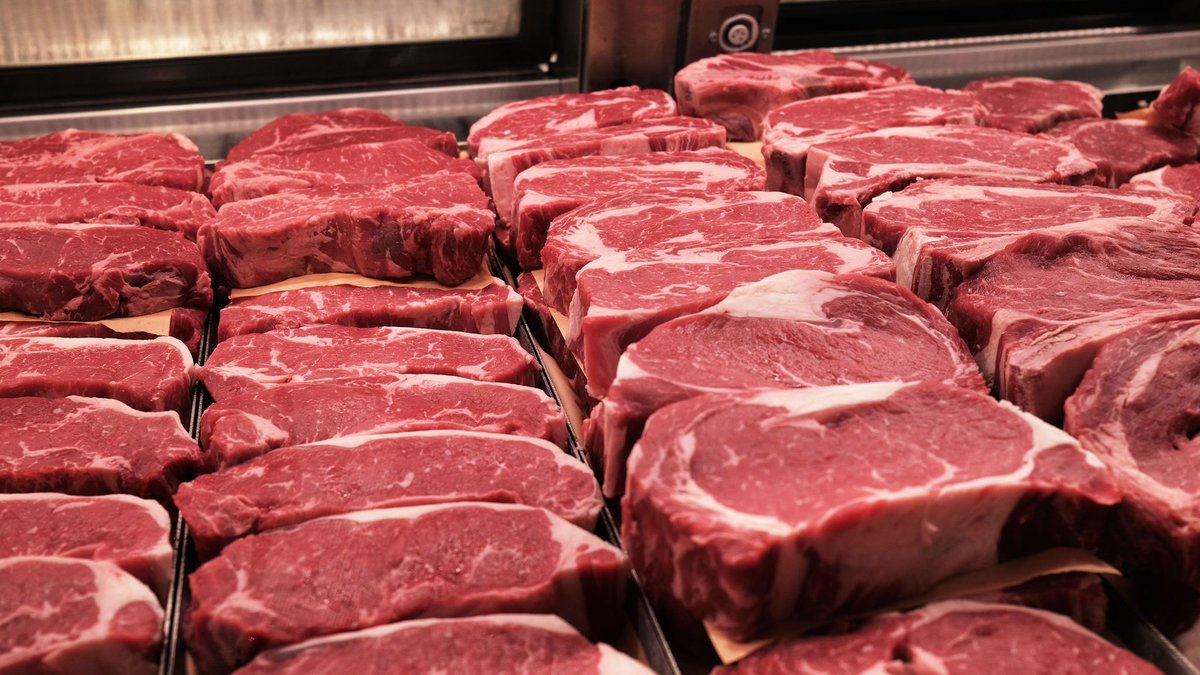
Meat and potatoes have always been elite. You father knew this, your grandfather knew this... You could almost live on these two foods. Throw in a little fruit for vitamin C, what else do you need?
Paul Saladino, MD tweet media
English
325
148
2.5K
587.1K