

Musonda.
9K posts

It's advantage @Arsenal, but there's still more to come in the title race...
Who are you backing to lift the trophy? 🏆

English


@KellyLako @FMwenge 4K is nothing. People spent 15K on Davido, and the only contacts they made were one night stands.
English

This sounds like a really good networking opportunity but tickets nw K4, 000. Even making connections need money. As @FMwenge says, #NoDignityInPoverty

English

Diggers have never covered Yo Maps ever since mai ma nsima started dating the editor, not even when Yo Maps won Afrima, which was a big story. Now that it's an embarrassing story its news! 🤣

English


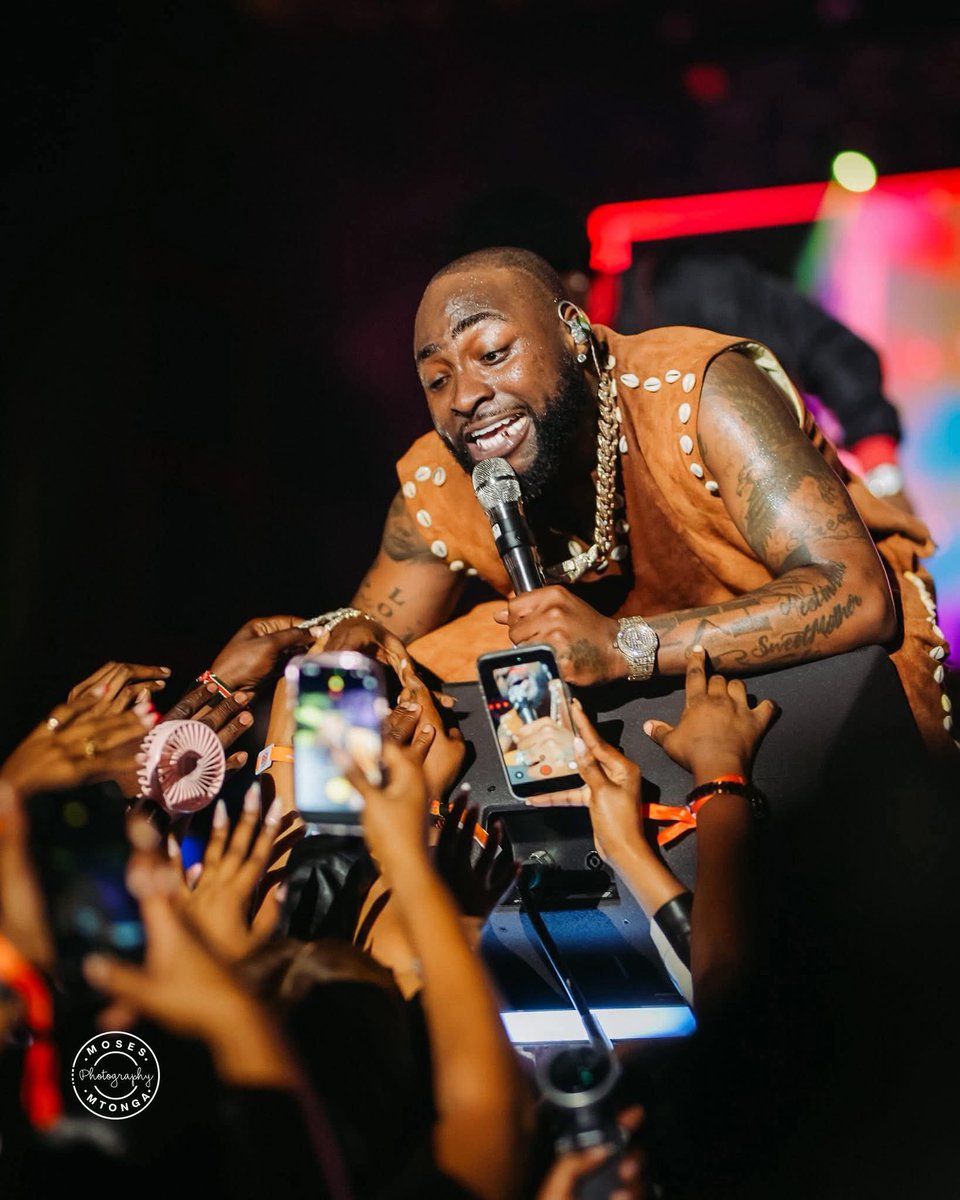
Nigerian Afrobeats star Davido last night donned the traditional Lubemba outfit, the signature cultural attire of the Bemba-speaking people of Northern Province, during his performance at the Lusaka Showgrounds. The outfit is commonly worn during the Ukusefya pa Ng’wena ceremony.


English
@ssishuwa This concerns me, agreed. Does it concern you, Doc, when a mineral deal is being forced upon us? A deal that proposes obtaining citizen's data and is also said to be tied to minerals, with an "or else" we stop helping with aid for HIV treatment? Why aren't you writing on this?
English

@ZaBiggie x.com/ssishuwa/statu…
Corruption is not an agenda of “the outgoing ambassador”. It is your agenda, my agenda, our agenda. It affects you and I. A report produced by a government body said Zambia is losing $4bn annually in illicit flows. Does this corruption not concern you?
Sishuwa Sishuwa@ssishuwa
Hichilema’s anti-corruption fight is a sham. Here is why By Sishuwa Sishuwa Corruption is thriving on a massive scale under President Hakainde Hichilema. The reason is simple. President Hichilema lacks any serious commitment and the political will to fight corruption in a meaningful way. Any effective or serious fight against corruption requires three crucial elements. The first is supportive or empowering legislation. There will be no serious fight against corruption in Zambia as long as the law that establishes the Anti-Corruption Commission (ACC) is not amended to address its longstanding weaknesses. The Anti-Corruption Act is not equipped to fight corruption. It is so flawed that one must be out of one’s mind to accept an appointment to the board because there is nothing serious that they are going to do. The Act provides for the board and the director general to be appointed by the president. This is an anomaly because it makes those in the ACC management feel answerable to the president, not the board. This limitation helps explain why former ACC director general Gilbert Phiri and his successor, Thom Shamakamba, showed contempt for the Musa-Mwenye board because they knew that there was nothing that the board could do to them, even if they failed to discharge their responsibilities. This should not happen. The ACC should be an independent body that must not be under the supervision of the president — himself a prime candidate for high-level corruption. What is needed is to empower the board to choose the director general and the deputy so that the management officials are answerable to the appointing authority: the board. The board itself should be made answerable to the National Assembly, not to the president. This can only be possible with amendments to the existing law. As it stands, the ACC board has no control over the ACC management. The board can neither discipline nor fire those in the executive leadership. If Hichilema was committed to fighting corruption, the president would have first changed the law to address these structural inadequacies that undermine the work of the board before he appointed a new board in January 2025 to replace the Musa Mwenye-led ACC board that he dissolved in panic after one of his presidential aides is said to have informed him that the anti-graft body was preparing to arrest Solicitor General Marshal Muchende. After all, such a change requires a simple majority in the National Assembly and can easily be passed by ruling party MPs alone. After three and half years in office, and with a sufficient majority in parliament, what excuse does Hichilema have for his failure to enact the necessary changes to the anti-corruption law? Any president of Zambia who is committed to fighting corruption would also have no problem amending the law to increase the sentences for those convicted of corruption. Currently the law provides for very short sentences for corruption offences, generally ranging from two to five years. The net effect of this lack of stiffer punishments is that potential offenders feel emboldened to engage in acts of corruption because they know that even if they are convicted and sent to jail, it would not be long before they are out to enjoy the loot, stolen from poor Zambians. Again, if Hichilema had the will to fight corruption, the president would have changed the law to ensure that corruption offences attract a life sentence or a minimum of at least 20 years in prison. This would serve as an effective deterrent because potential offenders would know the huge cost to pay for being corrupt. Since Zambia’s experience shows that most of those who engage in high-level corruption are members of the executive, we may understand the reluctance by Hichilema to enact stiffer penalties for corruption as entirely self-serving or deliberate. The second element of a successful strategy of fighting corruption is the presence in anti-corruption bodies of people with proven integrity. Individuals who are appointed to the ACC board and management positions should be professionals with a clear track record of fighting corruption. This explains why the appointment of Mwenye as ACC board chairperson was met with widespread approval, given his distinguished record of opposition to corruption. What successive Zambian presidents have done is to appoint pliable executive heads of the ACC and seemingly strong-minded individual board members who cannot effectively supervise the pliable heads because of the structural constraints cited earlier. This is the strategy that Hichilema has now perfected. In appointing highly regarded professionals like Mwenye to the ACC board, Hichilema’s objective was never to fight corruption — noticeable evidence suggests that the president retains an extraordinary fear for competent and independent-minded people and has a penchant for surrounding himself with “yes people” — but rather to hoodwink Western actors into believing that he is committed to fighting corruption by hoisting a strong board that is however rendered ineffective by legal constraints and a pliant ACC executive leadership. This strategy might explain why Hichilema recently appointed Daphne Chabu, a member of the ruling United Party for National Development (UPND), as the ACC director general while giving a veneer of seriousness to the anti-graft campaign by appointing individuals with generally respectable characters such as governance activists Engwase Mwale and Nalucha Ziba as board members. Until her appointment, Chabu was permanent secretary in the Ministry of Lands. Successive surveys by Transparency International Zambia (TIZ) have shown that the most corrupt ministries in Zambia are health and lands. How does anyone who is serious about fighting corruption appoint a controlling officer from one of the country’s most corrupt ministries — and potentially a corruption suspect herself — to head an anti-corruption body? Given her well known political ties to both Hichilema and the ruling party, can the new ACC director general be expected to prosecute her fellow party members including ministers involved in corruption? Simply put, what anti-corruption credentials does Chabu have that made her a suitable choice for the role she has been assigned? What is needed for a successful anti-corruption fight, in addition to structural reforms, is having non-partisan individuals with a proven commitment to anti-corruption and moral wealth of character in both the board and the executive roles of the ACC. The best way of finding or recruiting such talent is through an open and transparent system of appointment where vacancies on the ACC board or management are advertised and interested people are invited to apply. This way, only the most qualified, competent professionals, and individuals known to be committed to the fight against corruption will be hired into the commission. For this to happen, the government needs to first create a merit-based system that would provide for formal qualifications and requisite qualities that interested candidates must possess. This approach would allow anti-corruption bodies to fill existing vacancies only after a thorough interview and public vetting process in which the presidency is hardly involved. It is one that I have consistently advocated, even when it comes to the appointment of other public officials such as judges. Again, if Hichilema had the will and commitment to fighting corruption, he would have first established such a system, as opposed to maintaining the status quo and packing the ACC with his loyalists. It is difficult to know what non-subjective criteria is used to identify the ACC board members and management leaders for appointment. Where, for instance, is the evidence that the individual members who were recently appointed by Hichilema to lead the ACC have, both in their personal and professional lives, the DNA that is required to fight corruption? What track record does retired supreme court judge Evans Hamaundu, who succeeded Mwenye as chairperson of the ACC board, have of fighting corruption? If Hichilema was serious about anti-corruption, he would have considered creating merit-based systems that would ensure that those who end up in bodies such as the ACC represent the best talent available for the roles. There is surely no shortage of competent, impartial, and professional Zambians who can serve both on the ACC board and in the executive. Any person who agrees to serve on the ACC board, as currently constituted by law and despite their knowledge of the challenges that the Mwenye-led board encountered, is potentially corrupt. This is because they are, in effect, accepting to be drawing public funds in form of allowances for doing nothing meaningful. I know that board members get very little money, but the main issue is the principle, not the amount. How does any self-respecting professional accept an appointment to a role where they know — ignorance is an even more serious defect — that they cannot make any meaningful change because of structural limitations? What exactly are they going to do? The point is that even if the ACC board and management positions are filled with professionals of proven integrity, they cannot do much about the fight against corruption if the law remains unchanged. Anyone who is seriously committed to fighting corruption will first check the enabling law and, once they realise that the law sets them up to fail, respectfully decline the appointment. The third element of a successful anti-corruption campaign is having a president who shows a clear or demonstrable will to fight past and especially present corruption. Such political will can be demonstrated in several ways. One is to strengthen anti-corruption laws. Two is to deal decisively with the corruption of their officials or associates including those in the inner circle. The other is leading by example. A brief review of Hichilema’s record over the last three and half years shows remarkable failure on all three examples. The president has not initiated any meaningful changes to the Anti-Corruption Act. Neither has he sought to align the Act with Article 216 of Zambia’s Constitution that provides for the guiding principles relating to commissions: “A commission shall — (a) be subject only to this Constitution and the law; (b) be independent and not be subject to the control of a person or an authority in the performance of its functions; (c) act with dignity, professionalism, propriety and integrity; (d) be non-partisan; and (e) be impartial in the exercise of its authority.” Since the Anti-Corruption Act was enacted before the 2016 constitutional amendment, it should have been amended to bring it in line with these constitutional principles. Hichilema has failed to preside over such changes while some of the officials he has appointed to executive roles in the ACC have, in subordinating themselves to his authority and acting in a manner that conveys partisanship or partiality, shown a clear lack of respect for these constitutional principles. Furthermore, Hichilema has failed to lead the anti-corruption fight using personal examples. The president, who boasts of extensive business interests in several sectors of Zambia’s economy, has refused to publicly declare his assets and liabilities as a show of his commitment to transparency and accountability. This makes it difficult to work out to what extent his policies are benefiting companies in which he has an interest. Hichilema and his supporters like arguing that there is no law that requires him to publish their declarations, but as the US ambassador to Zambia, Michael Gonzales, correctly noted recently, “Leadership is not about only doing the bare minimum that is absolutely required by law, but going beyond and doing what is right and needed to lead and shape reforms.” In any case, if Hichilema truly has the political will to fight corruption, and after three and half years in office, what exactly has stopped his administration from passing a law that would make assets declaration and publication — both for his office and other senior government officials — an annual requirement? Hichilema has also shown an incriminating reluctance to dismiss ministers and other senior government officials accused of involvement in corruption. The recent decision by the United States to cut aid to Zambia’s health sector due to systematic theft of donated drugs and medical supplies does not come as a surprise. It is a culmination of Hichilema’s cavalier attitude towards anti-fight corruption and his tolerance of high-level government officials who are involved in corruption. Recently, after Hichilema, having previously sold the country’s food reserves left by his predecessor, embarked on begging assignments, donors gave Zambia money to buy food and address the adverse effects of drought on food security. Hichilema’s officials bought maize from Tanzania at 40 percent more than the actual price. No senior government official has been dismissed from their position for this blatant corruption. There are also several credible reports of ministers and other public officials who buy votes or use government resources to campaign for the ruling party in parliamentary or ward level by-elections. These include reports from civil society organisations such as TIZ and the Christian Churches Monitoring Group. None of the errant senior officials serving in Hichilema’s administration have to date been dismissed from their roles or prosecuted for this blatant abuse of authority of office — an offence under the Anti-Corruption Act. As Gonzales argued, “There must be consequences for individuals who abuse their public positions for personal gain. They must lose their jobs, their assets, and/or their freedom. The costs of corruption must exceed the financial gain if we are going to stem corrupt practices.” Given this abbreviated history of Hichilema’s poor record on fighting corruption including in his government, it is fair to conclude that Hichilema is himself potentially corrupt. If there is anything that Hichilema has done well over the last three and half years, it is to throw away any pretence that he is serious about the fight against corruption. I just wish the president could go a step further and change the name of the Anti-Corruption Commission to the more appropriate Pro-Corruption Commission (PCC). I repeat: Hichilema lacks serious or demonstrable political will to fight corruption. His strategy on this subject appears to be covering his tracks and hiding corruption. The president knows voters despise graft — a key reason they ejected his predecessor — and he is determined to prevent not so much corruption itself but the perception of it under his administration or among his senior officials. I made this point as early as two years ago when I noted that Hichilema’s anti-corruption fight was nothing but a sham. See here: africanarguments.org/2023/06/zambia…. At the time, not many people paid attention, perhaps because they wanted to give the President more time, while his vociferous supporters such as University of Zambia law lecturer O’Brien Kaaba and Privilege Hang’angu, a Senior Policy Advisor at the Canadian Institutes of Health Research, publicly rose – as they have repeatedly done to my criticism of Hichilema’s leadership actions – to his defence. See here: africanarguments.org/2023/06/the-za… Well, there you have it!
English
'I ask those of you whose country it is: Is this the Zambia you want?'
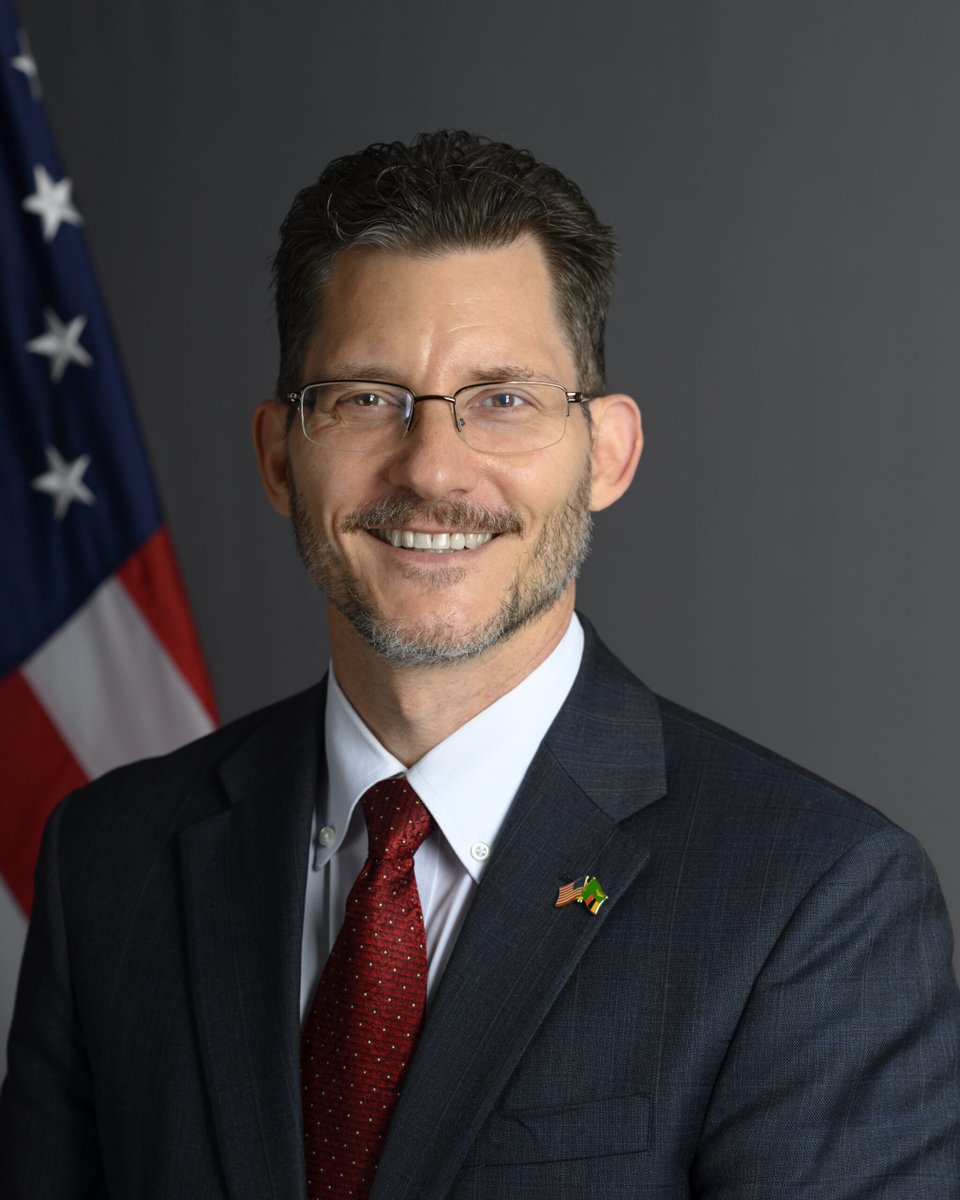
Too often, people in the diplomatic community move from one duty station to another with little concern for the problems of the countries that briefly host them. Not Michael Gonzales, the United States Ambassador to Zambia who is leaving the country to take up a deserved promotion in Washington.
I have never met Gonzales in person, but developed a liking for him, based on his work in Zambia and what I unearthed about him in the course of my academic research in other countries such as Zimbabwe and Malawi where he previously worked. He has a consistent track record of holding governments accountable for their actions in violation of their own laws and for harming the interests of their people and countries for personal benefit.
Over time, I discovered the key to understanding Gonzales: His character. It radiates sharp focus, care and respect for the dignity of other people, and capacity to speak one's mind. Gonzales is a forthright, upstanding, and authentic human being with basic decency, integrity, and rectitude.
The outgoing US Ambassador, who took up his appointment in August 2022, is leaving the same way he led: with care, courage, compassion, candidness, and affection for Zambia. For him, Zambia was not simply a duty station; it was a place he genuinely loves and cares for, one that has been let down by successive government leaders including the current ones. On 30 April, he delivered his parting words. They were as pointed as his nose.
Below are excepts form his farewell speech, followed by the complete text of his remarks.
On the insanity of appointing corruption accused suspects to lead anti-corruption bodies
“But appointing a Director General of the Anti-Corruption Commission who was actively under investigation by the ACC, and her admonishment to her intentionally under-resourced agency not to investigate senior government officials, only cripple hopes that clean business can be done.”
On the lawlessness of the government and its consequences
“When Parliament ignores the Constitutional Court’s ruling that the process used to ram through a constitutional amendment was itself unconstitutional, investors rightly ask “If they can do that to the constitution, what does that mean for the sanctity of my contract?” They rightly wonder if the next constitutional amendment which the Attorney General has already announced is really just a guise for resetting term limits.”
On the selective application of the law:
“The rhetoric of “no sacred cows” is rubbish when there aren’t any cows except those who are deemed to be disloyal. When only opponents are arrested, but not those in office engaged in the very same practices, the hollow rhetoric of “rule of law” only further keeps investors away, preventing the creation of growth, jobs, and tax revenues to pay for public service commitments.”
On the need to fight corruption including illicit financial flows:
“The Zambian government’s own reports reveal that every year Zambia loses over $4 billion in dirty money flows to East Asia. That is Zambian money that does not benefit the Zambian people or contribute to the budget. If taxed, that would bring an additional $1 billion for the government to fund healthcare, education, social services, and development.”
On how corruption has become a norm with no consequences for the perpetrators
“Every year, hundreds of millions of dollars of government funds are lost to the Zambian people through corruption. Certainly, it’s not just U.S. taxpayers’ support that is stolen. Every year, the country loses out on hundreds of millions of dollars in new investment and growth because they are hijacked by unmitigated petty corruption, blocked because law-abiding investors refuse to pay kickbacks to Zambian bureaucrats or leaders who are never held accountable.
"Even the Chinese government convicted AVIC’s Chairman to death for corruption. AVIC’s Chingola-Chililabombwe Road was washed out last month, its negligence disrupting Zambia’s trade with the region. AVIC’s fraud in a $320 million police housing tender in 2014 is well documented. Despite that, this government ignored the competitive bid by renown Zambian investors only to award AVIC the $650 million Lusaka-Ndola Dual Carriageway project, subsidizing this notoriously fraudulent and corrupt company with $300 million from the public pension scheme. How does this happen? Can law-abiding investors do clean business here? Will donors be asked to backfill the loss when the pension money too is wiped out?”
On confirming reports that President Hichilema's officials unsuccessfully asked the US State Department in 2024 to recall Gonzales over his strong criticism of corruption in government:
“Attacking the messenger who dares to name these dynamics out loud is not limited in targeting the U.S. ambassador and asking Washington for his removal. Today, 10% of my diplomats have family members who still haven’t received basic residency permits from the Zambian government. Several have received court summonses as a result. Like Zambians themselves experience, ZRA staff shake down my departing diplomats for fees that don’t apply to them too. When
elevated, their supervisors double down on the demand.”
On the duty of active citizenship:
“So, as I prepare to leave this country that I love, I ask those of you whose country it is: Is this the Zambia you want? Are you on course to achieve it? If not, what action will you take to contribute to making that become a reality?”
Below is the complete text of Gonzales' speech.
Remarks by Amb. Michael Gonzales Farewell Reception – April 30, 2026
Good evening.
For decades, the U.S. relationship with Zambia was one centered around aid. The United States has provided billions of dollars of assistance to Zambia, helping the country reach HIV epidemic control, contributing to a 20-year increase in life expectancy, slashing malaria deaths, and truly impacting the lives of every Zambian alive today.
When we paused funding to review our assistance programs last year, so much of Zambia’s health system began to crumble almost overnight. Despite over $7 billion in U.S. health assistance since 2000 and the hard work of many Zambians alongside us, that crumbling system revealed that while we thought we were building capacity, successive Zambian governments had not built systems. Too often, Zambian officials and leaders abdicated their responsibilities, letting the United States pay for healthcare while officials diverted government funds to their own pockets.
Last year I shed tears before the world when I announced a $50 million cut in US health assistance. After years of pleading, I could no longer standby while the Zambian government refused to stop or take action to hold people accountable for the systematic and nationwide theft of U.S. provided medicines while the Zambian citizens for whom those were intended went without.
One year later, not a single notable person has been arrested since last February. Not a single notable prosecution has even begun.
After last year’s pause, we resumed almost all of our health assistance: over $400 million including over $75 million in medication. We continue to pay the salaries for over 23,000 healthcare workers, as we have for decades. Such is the legacy of America’s support to the Zambian people.
Now, I know there have been alarmist allegations recently. But let me be clear, any suggestion that the United States would withhold critical life-saving healthcare support from those Zambians whose lives and health depend on it unless we get critical minerals is disgusting and patently false!
In reality, since October, my government has offered over $2 billion in additional health and economic assistance to Zambia. But we can no longer accept empty promises. The future must look different. The Zambian government must also increase Zambian funding, staffing, and genuine ownership of its systems. This is not to impose our will; it is the only way we know for Zambia to truly own a sustainable healthcare system and to enable robust growth. It’s the only way we know to ensure that system serves the people while finally breaking the cycle of foreign aid dependency.
Since January, however, like with so many of our other overtures to the Zambian government, we have had effectively zero substantive engagement from Zambian officials to move these efforts forward. Our calls go ignored, questions unanswered, meetings cancelled, leaving us without even opportunities to speak, much less engage in substantive deliberations. Instead of continuing to languish without engagement, the actual funding under our Health MOU should have started this month. Instead, we have reached April 30 still cobbling together funds for mismatched projects without an implementation plan to guide us forward under Zambian leadership, much less a finalized MOU that guides our strategic approach.
We know that the Zambian budget cannot even afford to pay for public services today, not to mention the increased healthcare funding or the myriad other huge budget commitments that seem to get pledged daily. So, something has to change if Zambia will ever meet its full potential or be able to sustainably provide services to its own people.
At the same time, the Zambian government’s own reports reveal that every year Zambia loses over $4 billion in dirty money flows to East Asia. That is Zambian money that does not benefit the Zambian people or contribute to the budget. If taxed, that would bring an additional $1 billion for the government to fund
healthcare, education, social services, and development.
Every year, hundreds of millions of dollars of government funds are lost to the Zambian people through corruption. Certainly, it’s not just U.S. taxpayers’ support that is stolen. Every year, the country loses out on hundreds of millions of dollars in new investment and growth because they are hijacked by unmitigated petty corruption, blocked because law-abiding investors refuse to pay kickbacks to Zambian bureaucrats or leaders who are never held accountable.
The narrative of the U.S.-Zambia relationship is adorned with flowery words of “partnership,” “collaboration,” “strategic,” or “mutual.” Regrettably, the reality of our unrequited relationship for decades has been starkly different.
For years, the United States funded programs and sent technical advisors to help achieve Zambia’s development objectives. As we have for these past four months, we have often struggled to get successive governments to even bother answering the phone. It takes months to get a meeting that yields nothing. Officials draft policies they have no intention of implementing, invoking them in only speeches to sound like they are taking action. MOUs decay on the shelf among the others before the signing ceremony even ends, never to be implemented because the ministry won’t even meet to discuss implementation. Why? Because generations of Zambian officials and leaders gain from the dysfunction.
The non-responsiveness on our availed funding and efforts to truly build a Zambian-owned health system that serves the Zambian people is sadly the norm. The theater of commissioning a report to get a scandal out of the news cycle but taking no substantive action on accountability is all too common. Of course, the systematic theft of public resources is not unique to American-provided medicines. Attacking the messenger who dares to name these dynamics out loud is not limited in targeting the U.S. ambassador and asking Washington for his removal.
Today, 10% of my diplomats have family members who still haven’t received basic residency permits from the Zambian government. Several have received court summonses as a result. Like Zambians themselves experience, ZRA staff shake down my departing diplomats for fees that don’t apply to them too. When elevated, their supervisors double down on the demand.
Zambia’s institutionalized and refined corruption does not only dissuade transparent and law-abiding investors from the United States. The inaction, corruption, and intimidation of opponents also harms American citizens, it undermines American organizations, NGOs, companies, and philanthropies. Zambians and so many other global friends of Zambia are also hampered by these very same dynamics, often bearing far more of the brunt of their effects.
America’s support to Zambia is long-standing. Our goodwill runs through the veins, the hearts, and the dreams of millions of Zambians. Our hands remain open, outstretched in a genuine, transparent offer of true, tangible, and meaningful collaboration for mutual benefit. But there must be change.
Going forward, the benefits of our relationship must be mutual. Empty promises must be replaced with tangible action. Commitments must be honored, laws must be implemented and enforced consistently and equally. The decades of paying for healthcare while national resources are pocketed must give way to ownership and systematic improvements that enable growth, development, and accountability.
Since President Hichilema and I committed to reset the U.S.-Zambia relationship last July, America has re-doubled our efforts to support robust Zambian agency. We have availed billions of dollars to support tangible investments and reforms to catalyze Zambia’s success. We have offered expert support to inform reforms that would systematically benefit both the Zambian people and their many friends from around the world, without bias or favor.
Sadly, so many of our overtures and goodwill have been met with … to use the most persistent and notorious of the Zambian government’s responses … “Noted. With thanks.”
But, appointing a Director General of the Anti-Corruption Commission who was actively under investigation by the ACC, and her admonishment to her intentionally under-resourced agency not to investigate senior government officials, only cripple hopes that clean business can be done.
Last May, multiple senior government officials shared with me and have confirmed that the government has a 500-page expert report detailing the irreversible harm and risk of generations of birth defects, cancers, heart and liver disease caused by carcinogenic heavy metals unleashed into the Kafue River ecosystem by last year’s Sino Metals’ tailings dam disaster. But, my heart broke when on July 29th last year, one of the country’s seniormost leaders vehemently denied that the government even had the report, much less would act on it until the polluter themselves provided it. I pleaded with her to take action to protect the Zambian people and I again offered U.S. assistance, which the Foreign Ministry had already formally declined.
While so many American prospective investors leave, put off by bureaucratic drudgery, inaction, and corruption, the Zambian government recently approved Sino Metals to expand its operations. Did this happen in the face of Zambia’s myriad impediments, or because of them? Today, Sino Metals is scarring game management areas abutting the Kafue National Park. When that tailings dam breaks, I will not be alone shedding tears.
Punctuating this, apart from the truly exceptional cases, too many American companies cannot get licenses, approvals, or action on basic administrative matters without being shaken down to give the Sino-brown envelopes of cash. The Zambian people suffer the consequences of these dual offenses: exploitation and foregone opportunity.
When Parliament ignores the Constitutional Court’s ruling that the process used to ram through a constitutional amendment was itself unconstitutional, investors rightly ask “If they can do that to the constitution, what does that mean for the sanctity of my contract?” They rightly wonder if the next constitutional amendment which the Attorney General has already announced is really just a guise for resetting term limits.
Even the Chinese government convicted AVIC’s Chairman to death for corruption. AVIC’s Chingola-Chililabombwe Road was washed out last month, its negligence disrupting Zambia’s trade with the region. AVIC’s fraud in a $320 million police housing tender in 2014 is well documented. Despite that, this government ignored the competitive bid by renown Zambian investors only to award AVIC the $650 million Lusaka-Ndola Dual Carriageway project, subsidizing this notoriously fraudulent and corrupt company with $300 million from the public pension scheme. How does this happen? Can law-abiding investors do clean business here? Will donors be asked to backfill the loss when the pension money too is wiped out?
The rhetoric of “no sacred cows” is rubbish when there aren’t any cows except those who are deemed to be disloyal. When only opponents are arrested, but not those in office engaged in the very same practices, the hollow rhetoric of “rule of law” only further keeps investors away, preventing the creation of growth, jobs, and tax revenues to pay for public service commitments.
Zambia does not need money. It needs leaders who govern for the people with integrity. It needs the political will to put Zambia first.
But, of course, you don’t need me to say this. Dambisa Moyo, herself a daughter of the soil, made these same arguments 17 years ago.
What America is trying to do here is both bolster Zambia’s sovereignty and catalyze Zambia’s growth. We are offering a transparent and open hand to join the Zambian people for mutual progress. We know that while you pursue a Zambia First agenda and we pursue America First, we are still able together to achieve something notably better for both of our countries, and we can do so without it coming at anyone’s expense, anyone’s exclusion, fully transparently, and legally.
Now, of course the United States will absolutely continue to honor our long-standing commitment to the Zambian people to provide critical life-saving healthcare support. We will not leave Zambians without access to ARVs. We are redoubling our support to ensure that babies are not born HIV-positive.
But,
· Against the unmitigated systematic theft of U.S. assistance,
· Against the refusal by the Zambian government to engage and to own or enable a sustainable healthcare system that serves the people,
· In an environment where only the most exceptional of American investors can do clean business, and
· Where Zambian government officials often can scarcely be bothered to take meetings with American officials or companies, not to mention capture the billion dollars of its own money secreted out of the country to east Asia, or hold accountable the company that unleashes generations of cancer and birth defects onto the people…
without fundamental change, as the American Ambassador to the Republic of Zambia, how can I ask American taxpayers, Congress, or President Trump to continue the massive aid budgets that have been the hallmark of our relationship for decades?
The United States remains intent to work with Zambia toward our mutual objectives, but how Washington responds to silence, inaction, aversion to accountability, and lack of ownership remains to be seen. That said, I am confident that it will depend on fundamental changes by the Zambian government to take action to do right by the Zambian people. It will depend on actions to foster and enable the Zambian people – and their partners who abide by the rule of law – to be able to tangibly contribute to a mutually beneficial future.
Washington’s hand remains open and outreached for transparent, accountable collaboration enabling tangible action to benefit both of our countries. But we can no longer own the projects more than the Zambian government. We can’t justify continuing to prioritize funding where the Zambian government also does not deploy its own resources. No longer will we lead, while Zambian officials sit back unresponsively. Quite simply, America can best support Zambia’s sovereignty, agency, and success, if we finally abide by the maxim and refrain from wanting development more than the Zambian government does.
That said, what happens between governments and embassies is important, but it is only a small fraction of the broader relationship between countries. The ties between Zambia and America are profound, strong, and everlasting. The connections between churches and civil society; the linkages between students, artists, and researchers; the bonds between communities; the union of our peoples – these are the essence of the U.S.-Zambia relationship, and these will never fade.
Too often people hope for change. They note what others should do. But, hope is not a strategy, and we cannot control the actions of others, only our own.
So, as I prepare to leave this country that I love, I ask those of you whose country it is: Is this the Zambia you want? Are you on course to achieve it? If not, what action will you take to contribute to making that become a reality?
I first stepped foot in Zambia in 1995. My daughter took her first steps in Livingstone. As I prepare to depart, I take with me beautiful memories of Zambia and the Zambian people, but I depart with a heavy heart wondering if realization of the Zambian dream will be deferred for yet another 64 years while even more Zambians fall into poverty instead of being able to rise into the brilliant future that is possible.
But my role here is not about this little guy with a big heart for Africa. It is about America and Zambia. America will continue reaching out to the people of Zambia, offering our support, seeking as much to learn as to share, doing so openly and transparently, and eager to help enable the realization of that Zambian dream and the creative future that benefits, and can only be discovered through, our sincere partnership.
I thank you.
English
Zambia has not rejected the US health deal. The country is simply yet to make a decision. The passage of the deadline that was set by the US for signing the deal does not change this position. It is possible that Hichilema is not opposed to the deal but merely afraid of signing it before the election. Let Hichilema say he has rejected the deal today and I will be among those praising him for the decision.
English
@ssishuwa you're right when you say successive governments should have found a way 30 years down the line. My issue is why our minerals are being connected to aid. Why aren't you calling out the ambassador on this? Maybe he's been recalled because he failed to make this deal.
English
@ZaBiggie x.com/ssishuwa/statu…
What matters is not who has access to our minerals; it is the policies we implement in the mining industry to ensure sufficient revenue collection; the ownership structure; the strength of our anti-corruption laws; and their effective enforcement.
Sishuwa Sishuwa@ssishuwa
@hashjenni Just to add that Zambia has been independent since 1964. It is the responsibility of my government, the Zambian government, not Trump or the United States, to keep Zambians healthy. x.com/ssishuwa/statu…
English
The Hilux is idling outside.
Her:
Ibrahim Koros@Ibrahkiprotich
Your loyal girlfriend's tomorrow, preparing to go to their Aunt for the long weekend.
English

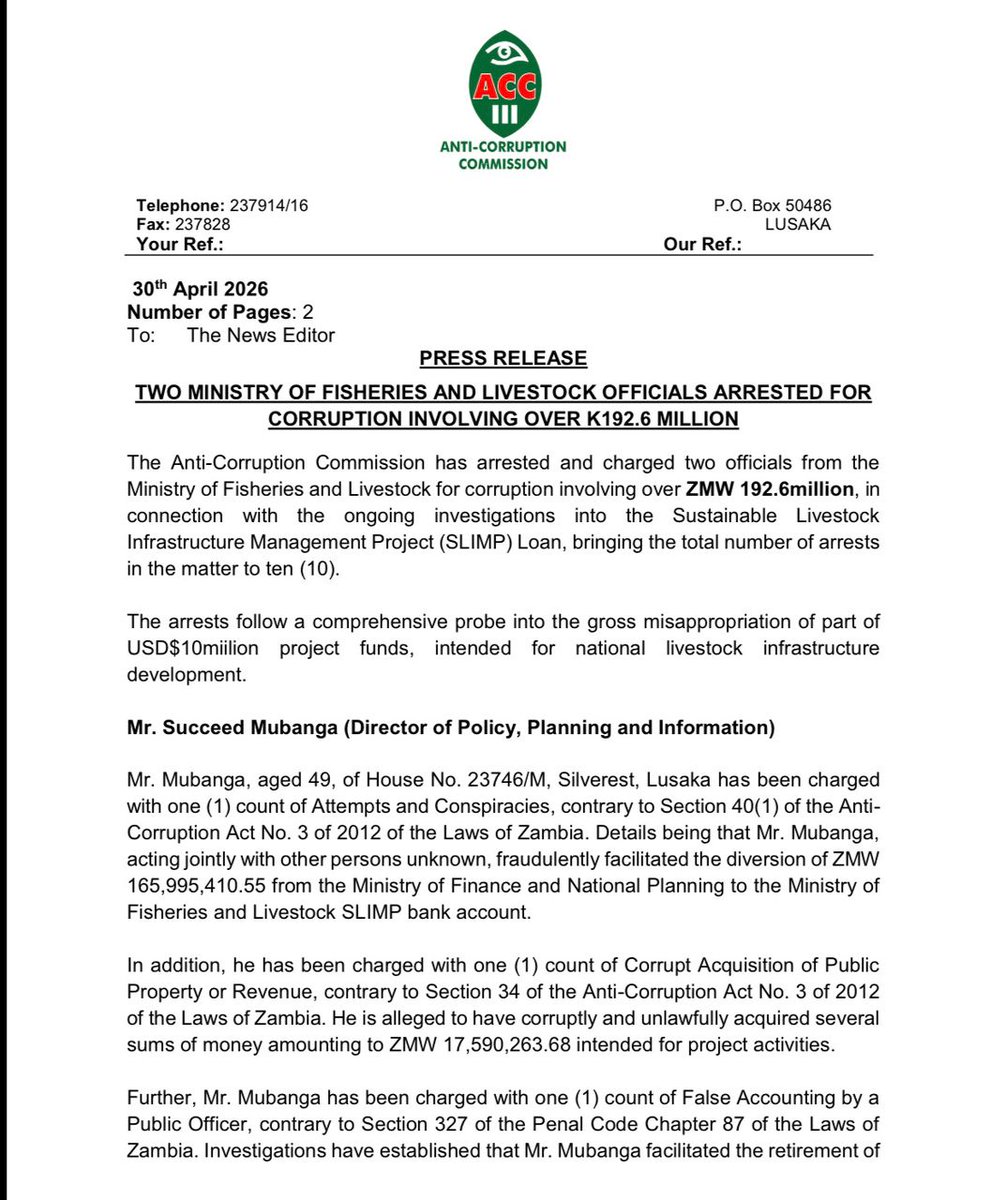
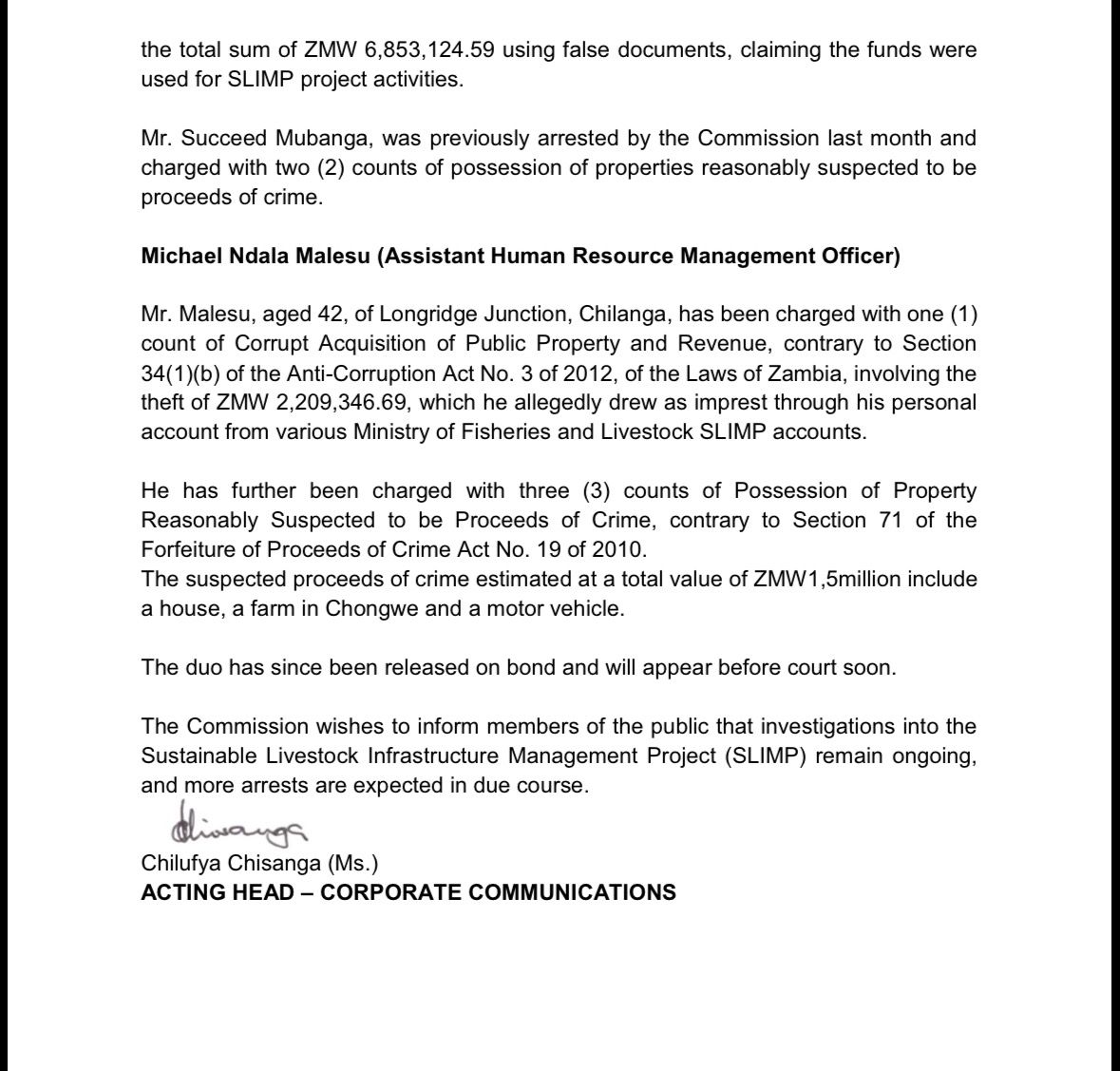
Two Ministry of Fisheries & Livestock Officials Arrested for Corruption Involving over 𝗞𝟭𝟵𝟮.𝟲 𝗠𝗜𝗟𝗟𝗜𝗢𝗡
English

I swear those kinds of car washes were designed attract cheating husbands 😭. As a wife, imagine catching your man there… what would your reaction even be?


English


@OwusuSamG Why did they wait? Was there no inspection during building?
English


Someone tell Mr. HH that Edgar Lungu died at Mediclinic Medforum Hospital in Pretoria. There’s no reasonable suspicion of foul play to warrant cutting his body into pieces.
Diamond Media@diamondtvzambia
A postmortem is standard practice, especially when a death is suspected to be unnatural, says Hakainde Hichilema.
English
@Malik_ZMB Raphael said the family suspected foul play, and he said this on public TV in South Africa.
English
@FootballEra_ Why Odegaard didn't take it the first time is unbelievable!
English

The reason this clip isn’t trending is because it doesn’t suit agenda.
Gyokeres singlehandedly manufactured a big chance for Odegaard by carrying the ball across the entire length of the pitch. No other Arsenal striker is capable of doing this.
English

🚨🚨| On his way to the tunnel, Ben White stepped on Atletico Madrid’s badge, and Diego Simeone immediately WENT AT HIM 😳
English

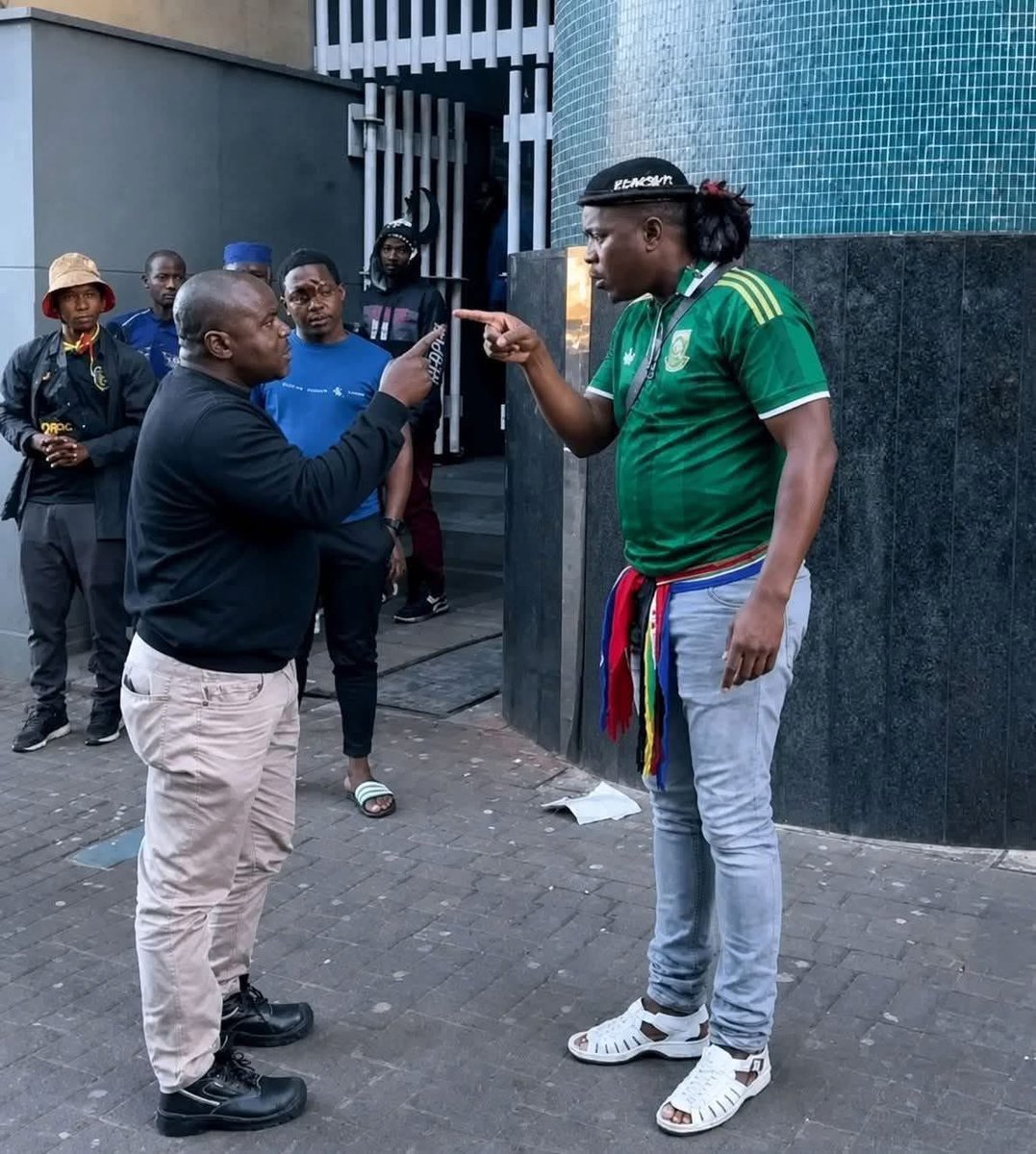
We need more strong guys like Phakela uthakathi and Ngizwe Mchunu
These are our heroes
Sandton, South Africa 🇿🇦 English