YouTube
Català
B.B
92 posts
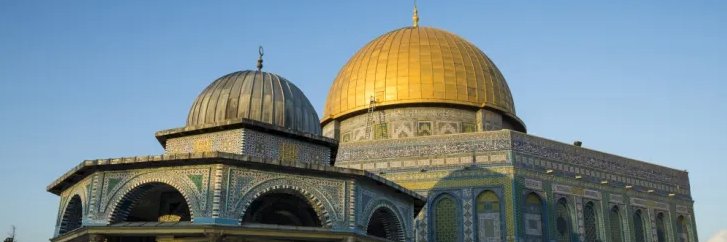



According to a study conducted by Tel Aviv University, 75% of Arab citizens in Israel are in favor of volunteering for non-defense civilian service. Half of the survey participants (53.3%) indicated that their sense of belonging to the country is currently strong. 👇Read more here: i24news.tv/en/news/israel…


the UAE may be the first post-ideological state in history. Every other country on earth, even cynical ones, has some residual ideology it has to perform democracy, Islam, nationalism, something. The UAE performed Islam until it became inconvenient, performed Arab solidarity until it became unprofitable, and is now performing liberalism for the same reason Dubai performs architecture: to attract capital, not because it believes it. They don’t believe in anything

"Jabal Amel in Lebanon is the third major Shia center after holy Qom in Iran and holy Najaf in Iraq. Our silence in the face of its fall to the Zionist enemy shows what we will do when Najaf and Qom themselves come under threat in the existential war of Shia...." - Fatimi Sadr
The NYTimes reports that Israel uses dogs to rape Palestinian prisoners. Is there any country more evil than this?


Imam Khomeini refuted these kinds of delusions when he named Israel as only the Little Satan and the US as Great Satan. The Jewish world controllers have many projects and Israel is just one. Though they love Israel their base is in the US and these power fantasies are just cope

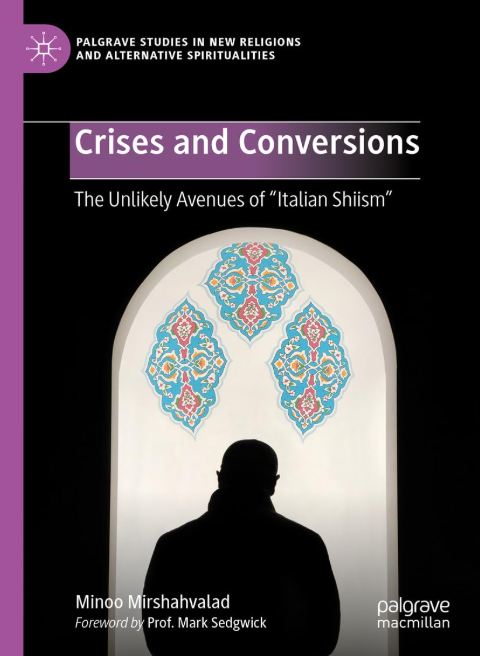

Imam Khomeini most likely didn't even know Sayyid Qutb. This is false. However, I have a massive chapter in my book (chapter 2, called "Qutb and Khomeini: The Hostile Brothers") in which I examined the ideological parallels between the two and the interconnected history of the Egyptian Ikhwan and Iranian Islamists. Although Imam Khomeini came from a completely different ideological tradition, Ayatollah Khamenei and many Iranian revolutionaries were massively influenced by Qutb. That's why, I argued, Salafi Jihadism and Shia Islamism during the 1980s were nearly identical. All that said, Velayat-e Faqih is one thing, and the Qutbian vanguard is another—even though they are 90% similar. In that chapter, I elaborated in detail on their similarities and differences, and it's only in one major aspect—the legitimation of power—that they differ from each other. Much more could be said, but I'll keep it short here. Also check the comment section.