Zhitenev Vladislav

847 posts

Zhitenev Vladislav

Zhitenev Vladislav

@Zhitenev_

Archeologist, Ph.D., Doctor of History; Lomonosov Moscow State University; South Ural archeological expedition


Katılım Nisan 2017
567 Takip Edilen252 Takipçiler
Zhitenev Vladislav retweetledi
Cecilia Padilla-Iglesias
🚨NEW PAPER!🚨 Led by the great James Clark - We present the Tool Systems Approach: A method to calculate cultural complexity in a way that allows comparisons between the archaeological, ethnographic and primatological records, hence tackling big Qs in CE #citeas" target="_blank" rel="nofollow noopener">link.springer.com/article/10.100…
English
0
6
21
2K
Zhitenev Vladislav retweetledi
Isabel Mathias
Isabel Mathias@IsabelMathiasPR·
"The fantastical beasts and make-believe medieval galleons on his tiles were inspired by Lewis Carroll’s nonsense poem ‘Jabberwocky’ and Alice’s Wonderful Wonderland." @DeMorganF William De Morgan #TilesOnTuesday
Isabel Mathias tweet media
English
3
28
107
2K
Zhitenev Vladislav retweetledi
Anatolian Archaeology
Anatolian Archaeology@Anatolian2023·
Rare views from the 1932 restoration of Hagia Sophia… Led by Thomas Whittemore, the team worked for 18 years to uncover the long-hidden Byzantine mosaics beneath layers of plaster. 📸 From the archive of Dmitri Kessel
Anatolian Archaeology tweet media
English
0
8
36
734
Zhitenev Vladislav retweetledi
Asun Martínez
Asun Martínez@EducadoraenMdA·
El Museo de Altamira utiliza drones en sus trabajos de conservación preventiva en la #cuevaDeAltamira. Gracias a los drones se logrará la reconstrucción en 3D de espacios inaccesibles en la sala de La Hoya, en lo profundo de la cueva. rtve.es/noticias/20260…
Asun Martínez tweet media
Español
1
6
21
162
Zhitenev Vladislav retweetledi
Egypt Museum
Egypt Museum@egyptomuseum·
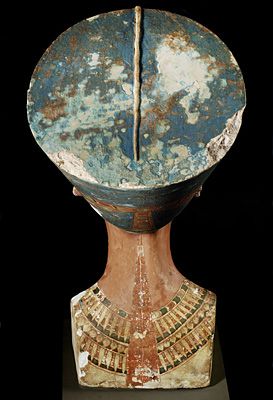
A rare glimpse of the top and back of the Bust of Nefertiti (c. 1345–1340 B.C.)
Egypt Museum tweet media
English
8
103
648
11.5K
Zhitenev Vladislav retweetledi
Florian Louis
Florian Louis@flr_louis·
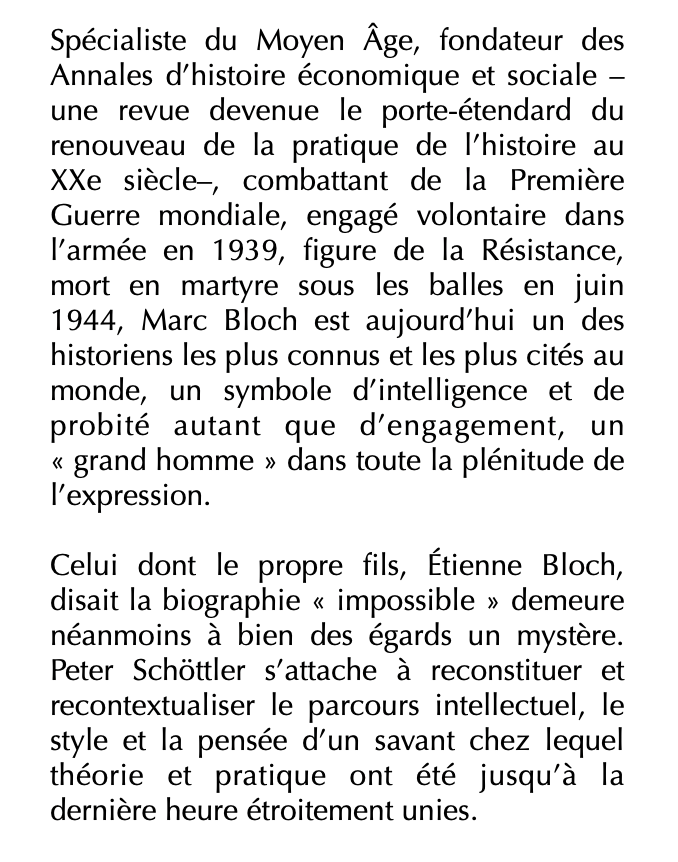
Peter Schöttler - Marc Bloch, une biographie intellectuelle À paraître en mai chez Gallimard
Florian Louis tweet mediaFlorian Louis tweet media
Français
0
33
117
6.4K
Zhitenev Vladislav retweetledi
Morphofem 3D
Morphofem 3D@morphofem3D·
Reconstruction of Brassempouy Venus by Champion
Morphofem 3D tweet media
Français
1
3
7
249
Zhitenev Vladislav retweetledi
Alicia Sanz Royo
Alicia Sanz Royo@aliciasanzroyo·
Did Neanderthals use rhinoceros teeth as tools? 🚨We are pleased to share the 1st multidisciplinary research on this topic, combining taphonomic analyses with various microscopic techniques and archaeological experiments on rhinoceros teeth 👉doi.org/10.1016/j.jhev… 🧵1/9
Alicia Sanz Royo tweet media
English
1
36
138
6.9K
Zhitenev Vladislav
Zhitenev Vladislav@Zhitenev_·
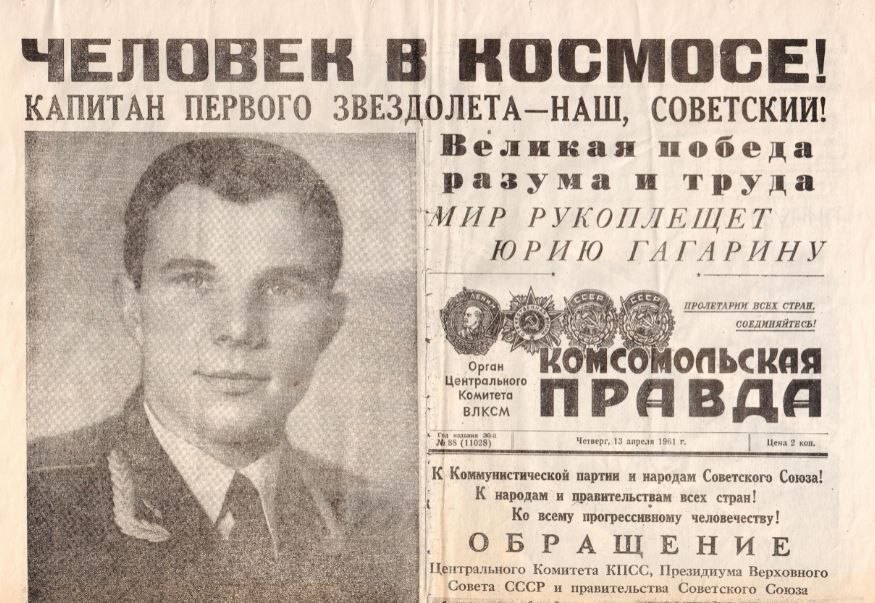
65 years since the first human spaceflight. Video: Yuri Gagarin at the beginning of his flight
Zhitenev Vladislav tweet media
English
0
0
1
33
Zhitenev Vladislav retweetledi
Románico en España
Románico en España@RomanicoEspana·
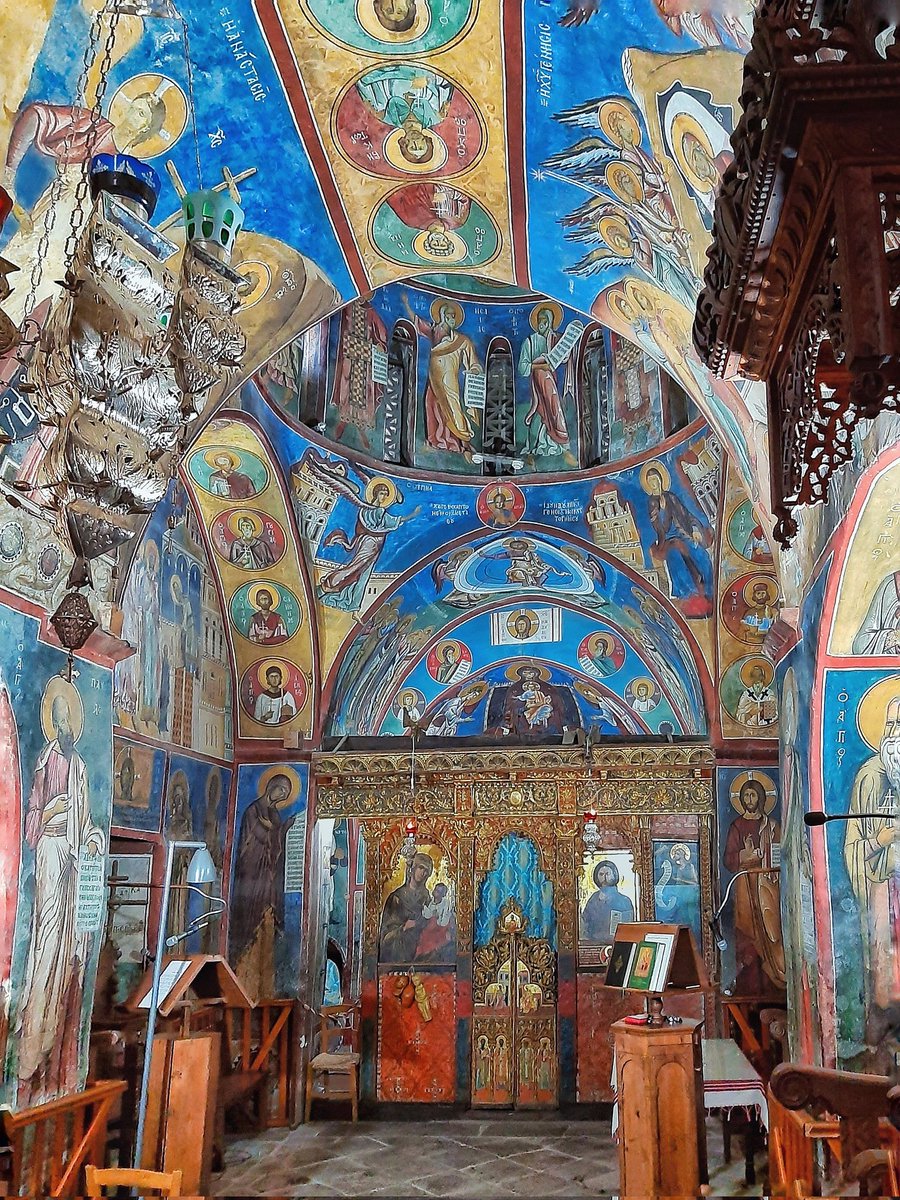
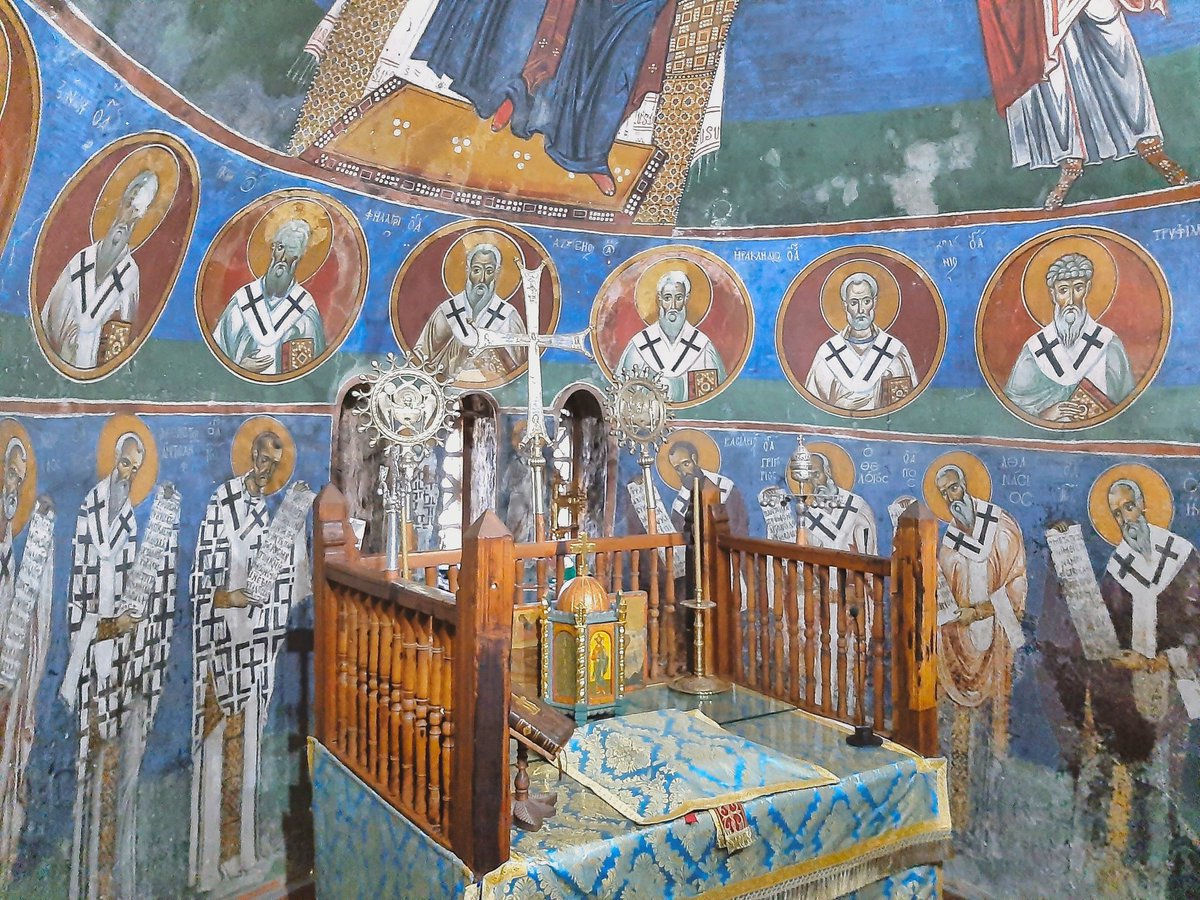
🕯Los mejores deseos de un feliz Día de la Pascua Ortodoxa 2026. 📍Iglesia de la Panagia tou Araka de Lagoudera (Chipre 🇨🇾). 🏛Patrimonio de la Humanidad #FelizDomingo
Románico en España tweet mediaRománico en España tweet mediaRománico en España tweet media
Español
2
44
233
5.3K
Zhitenev Vladislav retweetledi
Dr. M.F. Khan
Dr. M.F. Khan@Dr_TheHistories·
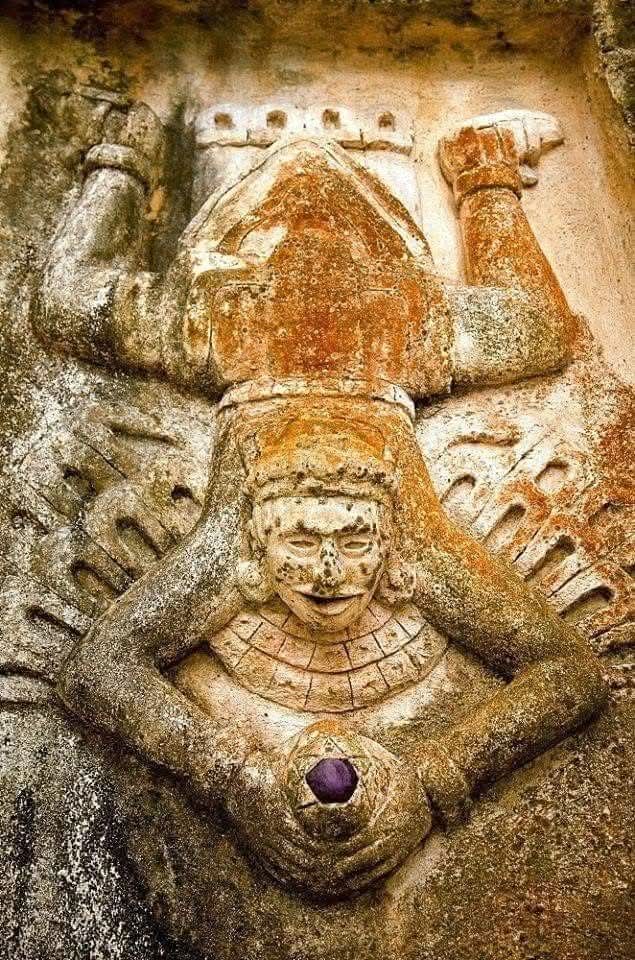
This image shows a stone carving of the Descending God ("Diving God"), dated 250-900 AD, one of the most iconic figures in the Tulum archaeological zone in Quintana Roo, Mexico 🇲🇽 This deity is characteristic of the Maya culture of the east coast and is depicted in an inverted position, falling or "diving" from the sky. It is known as the Descending God and is the emblematic figure of the Costa Maya region. Similar sculptures are found on several buildings in Tulum, notably in the Temple of the Descending God (Building 5) and on the frieze of El Castillo. #drthehistories
Dr. M.F. Khan tweet media
English
4
66
362
11.3K
Zhitenev Vladislav retweetledi
Alison Fisk
Alison Fisk@AlisonFisk·
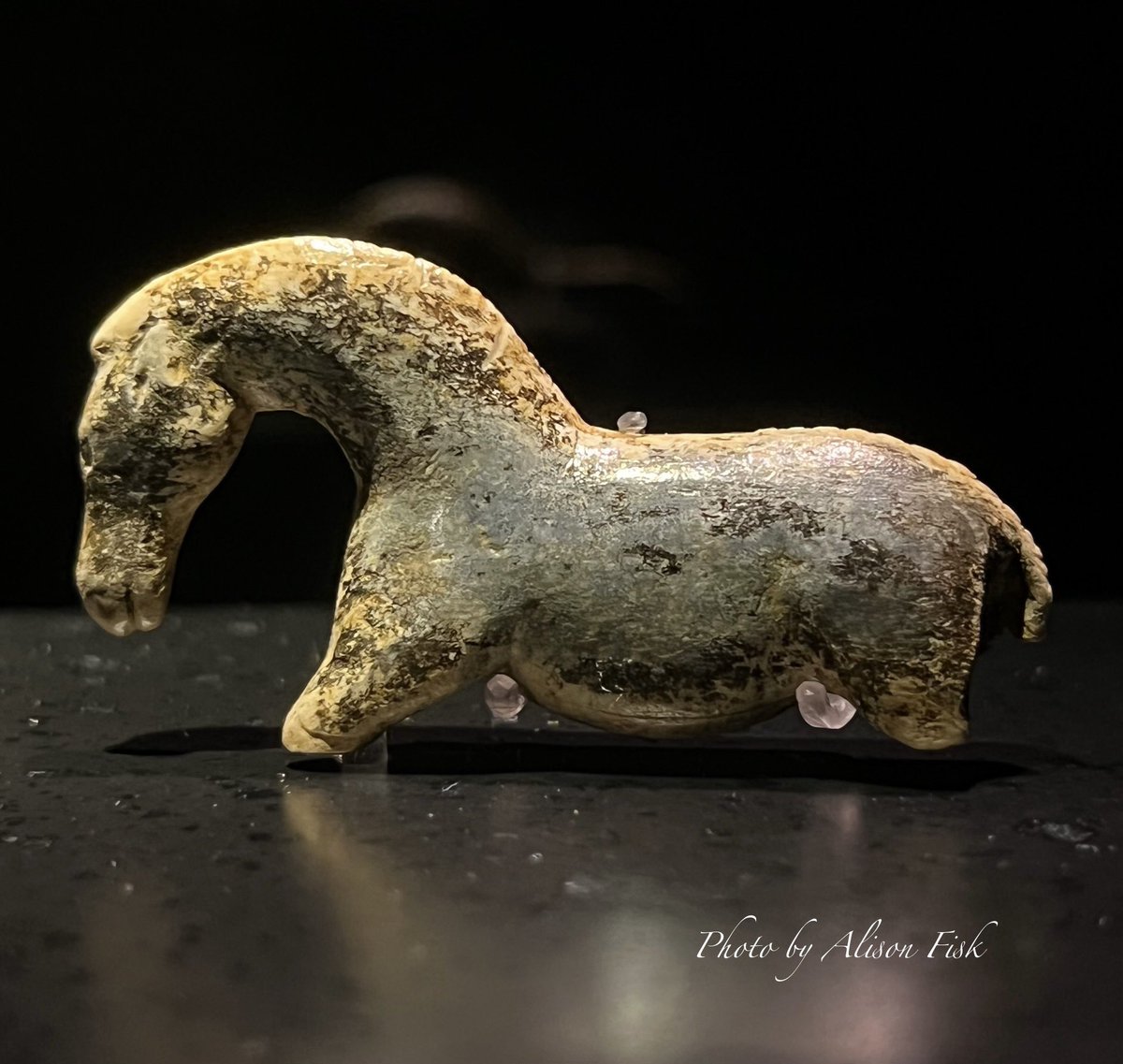
Something ancient and wonderful for the weekend! A tiny horse figurine carved from mammoth ivory about 40,000 years ago! Imagine the #IceAge artist at work, sitting by the warmth of a fire, creating what is the world’s oldest known figure of a horse! 📷 by me #Archaeology
Alison Fisk tweet media
English
28
329
1.5K
25.1K
Zhitenev Vladislav retweetledi
Lee Clare
Lee Clare@drleeclare·
There are three big (PPNA/PPNB) sites in the Taş Tepeler; Göbeklitepe and Karahantepe are under excavation; work at the third (Ayanlar) starts soon. Many others are smaller, dating only to the PPNB. This short 🧵 is about one of them: Harbetsuvan Tepesi. 1/4
Lee Clare tweet media
English
9
37
181
12.5K
Zhitenev Vladislav retweetledi
ArchaeoHistories
ArchaeoHistories@histories_arch·
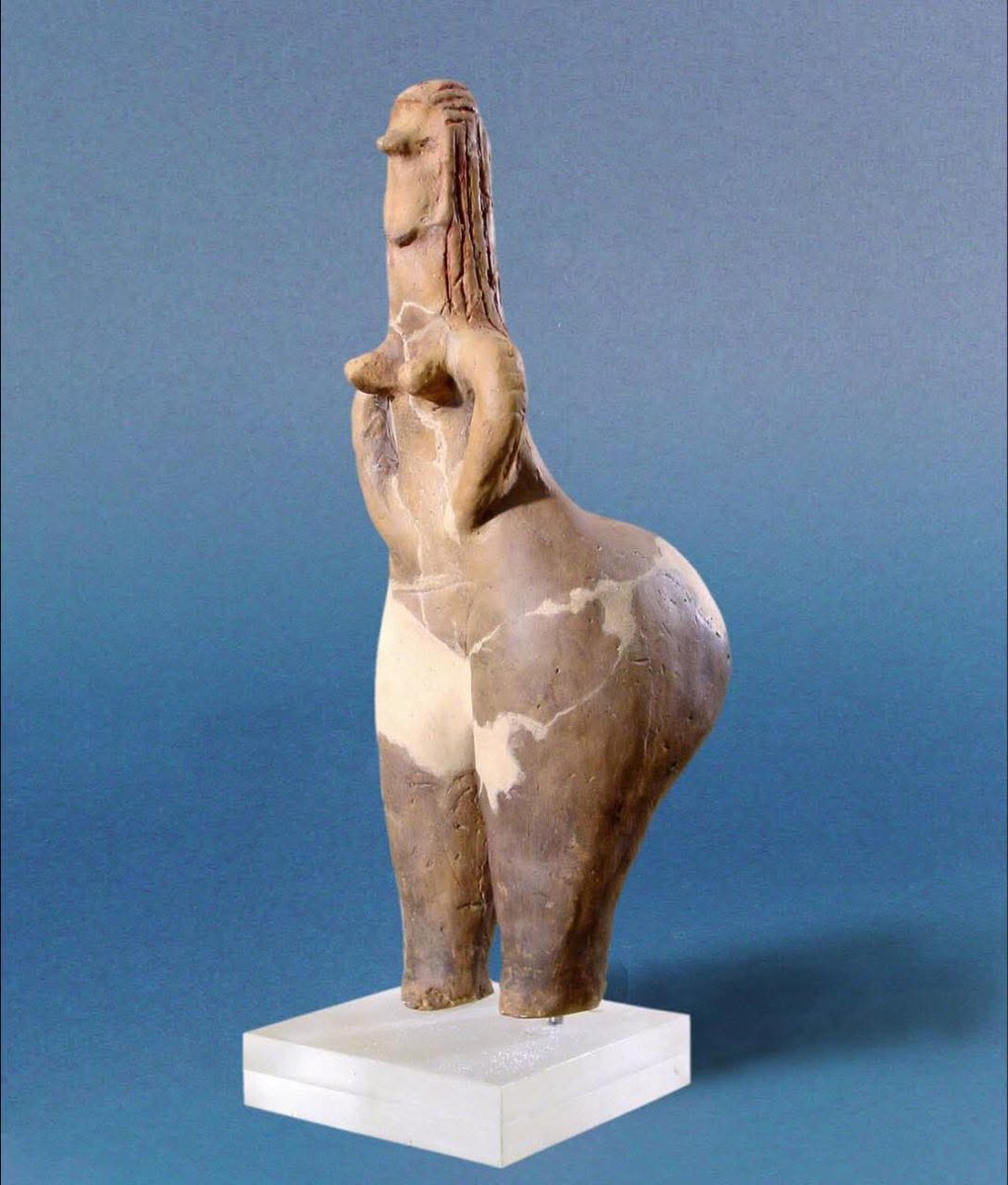
"Red-Haired Goddess", one of the most iconic Neolithic terracotta (baked clay) figurine from the Starčevo culture (early Neolithic period in the Balkans), dated to approximately 6000–5500 BC, (some sources cite a slightly broader range of 6300–5500 BC). Starčevo culture represents one of earliest farming communities in Europe, part of the wider Starčevo–Körös–Criș complex that spread agriculture across the region. Excavated in 1989 at the Donja Branjevina archaeological site near Odžaci in Vojvodina, northern Serbia, not in a temple or shrine, but in a refuse pit ("Neolithic garbage"). The site itself is a protected cultural monument and provides key evidence of early agriculture in Europe. About 38cm (one of the largest known prehistoric figurines from Serbia). Standing female figure with highly exaggerated breasts, wide hips, and prominent buttocks (a steatopygous form common in many "Venus figurines" of the era, often interpreted as symbols of fertility, motherhood, or abundance). Stylized face with a prominent nose; long hair (originally painted with red pigment, hence the name) shown as detailed braids or plaits cascading down the back. One hand placed on or supporting a breast; other arm positioned similarly or across the torso. Visible cracks and white restoration patches (modern conservation work) are clearly visible in your image, especially on the torso and legs. Scholars generally interpret these figurines as representations of a mother goddess or fertility deity tied to the agricultural revolution and early settled life. The Starčevo culture bridged earlier hunter-gatherer societies (like those at Lepenski Vir) and later ones (like Vinča culture). Similar stylized female figures appear across Neolithic Europe and the Near East, though this one stands out for its size, preservation, and the vivid red hair detail. National Museum of Serbia, Belgrade 🇷🇸 #archaeohistories
ArchaeoHistories tweet media
English
4
25
108
5.4K
Zhitenev Vladislav retweetledi
Bernadette Arnaud
Bernadette Arnaud@NarudaaArnaud·
Le chercheur qui a récemment identifié une page perdue du palimpseste d’Archimède au Musée des beaux-arts de Blois revient sur sa découverte et propose des pistes pour retrouver deux autres feuillets encore manquants. theconversation.com/palimpseste-da…
Français
1
20
57
1K
Zhitenev Vladislav retweetledi
🅰ntiquity Journal
🅰ntiquity Journal@AntiquityJ·
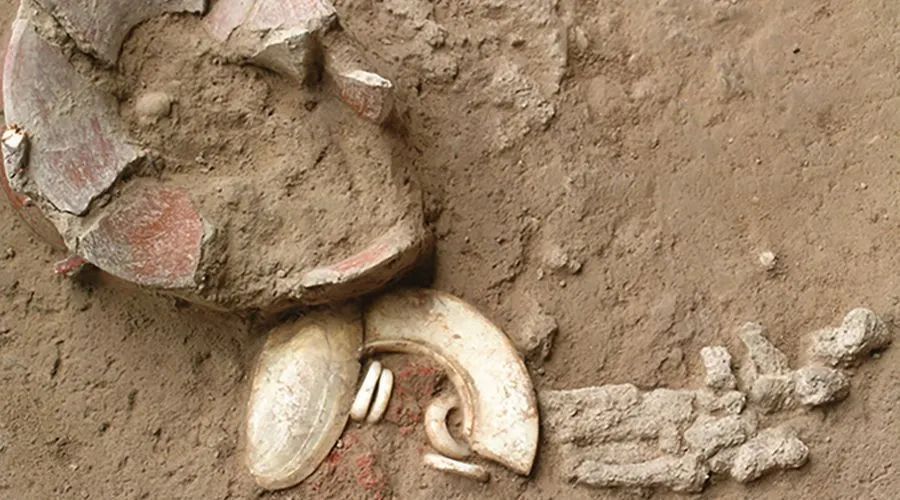
From the Neolithic to the Iron Age, ochre acted as a powerful marker of identity and belief in prehistoric Thailand. Examination of how its use in elaborate funerary rituals changed over time reveals over three millennia of shifting culture. 🆓 doi.org/10.15184/aqy.2…
🅰ntiquity Journal tweet media
English
0
3
28
1.1K
Zhitenev Vladislav retweetledi
HerodotusWave
HerodotusWave@HerodotusWave·
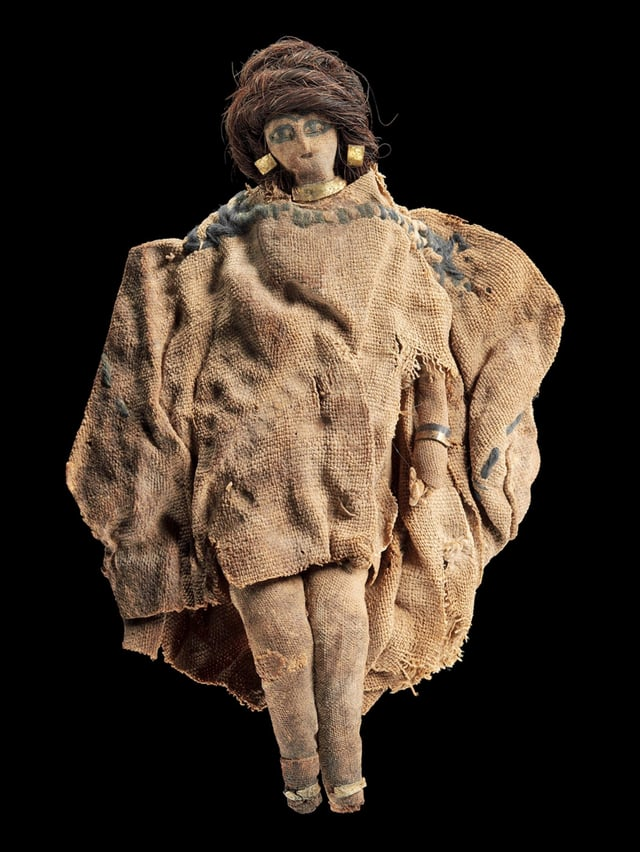
The 2nd-century AD Roman-era Egyptian textile doll, sometimes referred to as the "Egyptian Barbie".
HerodotusWave tweet media
English
40
821
4.6K
95.4K
Zhitenev Vladislav retweetledi
Cartoon Fun Times
Cartoon Fun Times@funcartun·
They don't make cartoons like this anymore 😛🎬
English
46
637
16.2K
6.7M
Zhitenev Vladislav retweetledi
Fascinating History
Fascinating History@Fascinate_Hist·
Art Nouveau lamp titled "Bats at Dusk" by French artist, Émile Gallé.
Fascinating History tweet media
Français
5
87
410
6.8K