
Sabitlenmiş Tweet

TheCondemned🇵🇸🇷🇺🇨🇳🇻🇪🇮🇷🇸🇾🇨🇺🇾🇪
14.7K posts
@ZimInSeattle
Realistic Eco-Socialist, anti-Zionism, anti-imperialist, anti-Russo/SinoPhobia, sustainability geek, pinhead, substacker, geopolitics, Sci-Fi.


The DOJ's deadline to charge Fauci for lying under oath about funding gain-of-function research in Wuhan is in 6 days. We can’t allow the statute of limitations to run out. He MUST be charged! Agree? RT.


I don't get greed. If I had Bezos cash, I'd be fixing a problem every week. Homelessness? Not on my watch. Hungry kids in school? No way. Animal shelters full? I'll build 10,000 more.


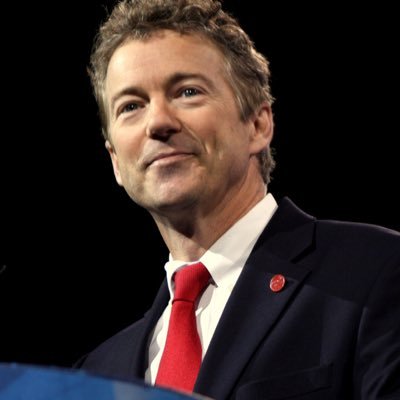



Trump says at request of Pakistan and other nations he’s suspending so-called Project Freedom “for a short period of time to see whether or not the Agreement [with Iran] can be finalized and signed.” Naval blockade, he says, will remain in place.


For the record. Iran’s Historic Mistake Carl von Clausewitz wrote that war is “the continuation of politics by other means.” President Trump grasped this from the start: Operation Epic Fury exists to stop Iran’s nuclear march and restore deterrence, not to pursue the familiar neocon fantasy of occupation and nation-building. Epic Fury is peace through strength in action: credible force applied decisively when adversaries mistake restraint for weakness. By weaponizing the Strait of Hormuz, Iran committed a strategic blunder of historic proportions. Tehran meant to punish America. Instead, it exposed every power built on imported energy, vulnerable sea lanes, and the delusion that globalization repealed geography. China is exposed. Europe is exposed. Britain is exposed. Iran has created a world where hard resource power decides outcomes. Start with China. Beijing’s industrial machine depends on imported oil and gas moving through vulnerable maritime chokepoints, the old Malacca dilemma in modern form. A great power reliant on long, exposed sea lines cannot be secure, regardless of economic scale. The Hormuz shock forced China to scramble for alternatives, proving that size is not resilience. Europe and Britain face the same problem. After escaping Russian dependency, they traded one vulnerability for another, leaning on imported LNG and maritime flows exposed to coercion. When chokepoints tighten, they absorb shocks rather than project strength. European criticism says less about American failure than about discomfort with a world where hard power still matters. Iran’s mistake is that once Hormuz becomes structurally unreliable, the world builds around it. That means bypass corridors, revived pipeline politics, and urgent planning for routes linking Aqaba to Mediterranean outlets near Gaza and the long-stalled Basra-to-Aqaba pipeline. The old energy order is cracking. The UAE’s OPEC exit signals cartel discipline giving way to national advantage under pressure. Trump deserves credit, not European scolding. Operation Epic Fury struck thousands of targets, degraded Iran’s offensive capabilities, and shattered assumptions that the West would absorb escalation without response. The administration acted while others lectured. It restored deterrence in the only language Tehran understands. The larger lesson matters more. Secure natural-resource hard power is what the Western Hemisphere possesses in abundance. The United States, Canada, and the Americas command hydrocarbons, LNG, farmland, freshwater, critical minerals, and strategic depth on a scale import-dependent Europe and Asia cannot match. This crisis clarified, not weakened, the Americas structural position. The financial dimension reinforces the point. Demand for Federal Reserve swap lines during crisis proves King Dollar remains supreme. When stress hits, governments run toward dollar liquidity, not away from it. Hard resource power and monetary power reinforce one another, and the United States sits at the center of both. That is Epic Fury’s real significance. Clausewitz wrote that “the political view is the object, war is the means.” Trump understood that. Iran tried to weaponize geography, Trump turned the confrontation into a demonstration of who is exposed and who is not. The Trump administration deserves far more praise than it has received, and history will likely judge that Iran’s greatest miscalculation was not merely closing Hormuz, but revealing which powers still command the real sources of strength.
SECRETARY RUBIO: If Iran had a nuclear weapon and they decided to close the Strait and make our gas prices $9 a gallon, there would be nothing we could do about it. This is another example why Iran cannot have a nuclear weapon.
🤡🌎 The Imaginary "Project Freedom" Ends with a Whimper The mountain of American humiliation heaps higher with each passing day. We are witnessing a shockingly decisive strategic defeat.



Two US 🇺🇸 destroyers confirmed to be inside Persian Gulf after transiting Strait of Hormuz by satellite image TODAY 👇 Spotted doing UAE 🇦🇪 ship anchorages missile defense at 25.4042, 54.7606 25.4562, 54.7382

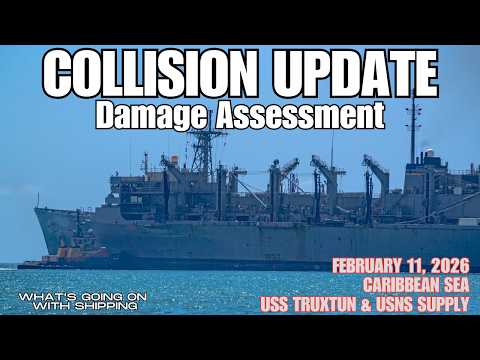



⚡️🇮🇷🇺🇸🇦🇪 CBS: Two U.S. Navy destroyers, the USS Truxtun and USS Mason, have transited the Strait of Hormuz and entered the Persian Gulf after navigating an Iranian barrage. The ships, supported by Apache helicopters and other aircraft, faced a series of coordinated threats during the passage, including small boats, missiles and drones, but neither U.S. vessel was struck.


