Mario Billiani 🚀

32.3K posts

Mario Billiani 🚀 banner
Mario Billiani 🚀

Mario Billiani 🚀

@_starbase_

Future astronaut, @Unistellar ambassador, exoplanet explorer, KBO co-discoverer, wannabe rocket scientist, occasional palaeontologist – boldly fighting entropy

In orbit around a G2V star Katılım Aralık 2010
417 Takip Edilen1K Takipçiler
Isar Aerospace
Isar Aerospace@isaraerospace·
We are joining forces with @maritimelaunch to develop orbital launch readiness from Nova Scotia, Canada. Spaceport Nova Scotia is strategically located to support access to mid- to high-inclination and polar orbits for Earth observation and communication satellites. Read more: isaraerospace.com/press/isar-aer…
Isar Aerospace tweet media
English
23
104
673
47K
Mario Billiani 🚀 retweetledi
Space Domain Awareness
Space Domain Awareness@shell_jim·
Not a good story. Over the past year, China continues to abandon numerous upper stages in long-lived low earth orbit,* counter to best practices for the long term sustainment of space. I initially sounded the alarm on this issue in April 2025, and further highlighted the issue in an August 2025 article and...the update is that things only continue to get worse. For those not familiar, the total orbital debris mass is a key variable for the long term sustainment of space. There is broad agreement that abandoning rocket body upper stages in long-lived orbits is NOT a best practice. In fact, all the major space-faring nations have acknowledged this (e.g., IADC signatories). However, as China's "mega constellations" launch rate increases, so does the number of abandoned rocket bodies in long-lived high LEO orbits. Russia and the US dominate the number of rocket bodies remaining in such long-lived orbits, rooted in historical practices from decades ago with minimal orbital debris concerns (graphic, bottom panel). HOWEVER, China's upper stages are estimated to have much higher masses on average. Although the US has almost double such objects, China's total mass of such objects is 252 metric tons and increasingly rapidly vs the US total of 57 metric tons (and holding steady). It's acknowledged there are some uncertainties in PRC upper stage dry mass values (Graphic, top panel). No matter, things are not going well. * "Long-lived LEO" is defined here as having a min perigee height of 600 km and an orbit height less than 2000 km (to preclude HEO rocket bodies) ** Object mass estimate use @planet4589 's dry mass from the GCAT *** Orbit data from U.S. Space Forces – Space (S4S) via space-track.org, used with permission per ODR 24-002-4.
Space Domain Awareness tweet media
English
4
15
37
2.7K
Jasmine 🌌🔭
Jasmine 🌌🔭@astro_jaz·
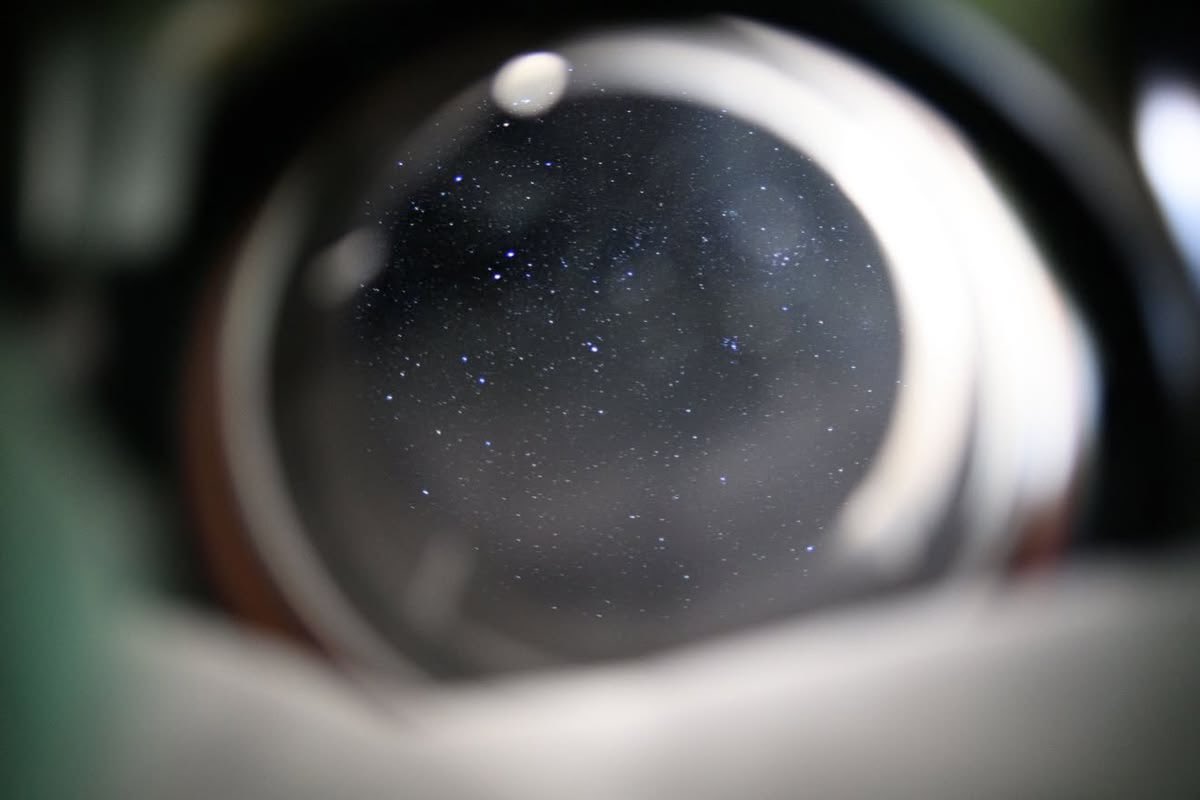
this is such an underrated photo from artemis ii. you’re literally looking out the window at the universe. it’s absolutely beautiful.
Jasmine 🌌🔭 tweet media
English
12
342
4.5K
180.5K
Mario Billiani 🚀 retweetledi
SPACE.com
SPACE.com@SPACEdotcom·
DARPA has a plan to keep geosynchronous satellites going for years beyond their expiration date. The agency aims to test it with a mission launching as soon as this summer. space.com/space-explorat…
English
2
22
76
9.1K
Arianespace
Arianespace@Arianespace·
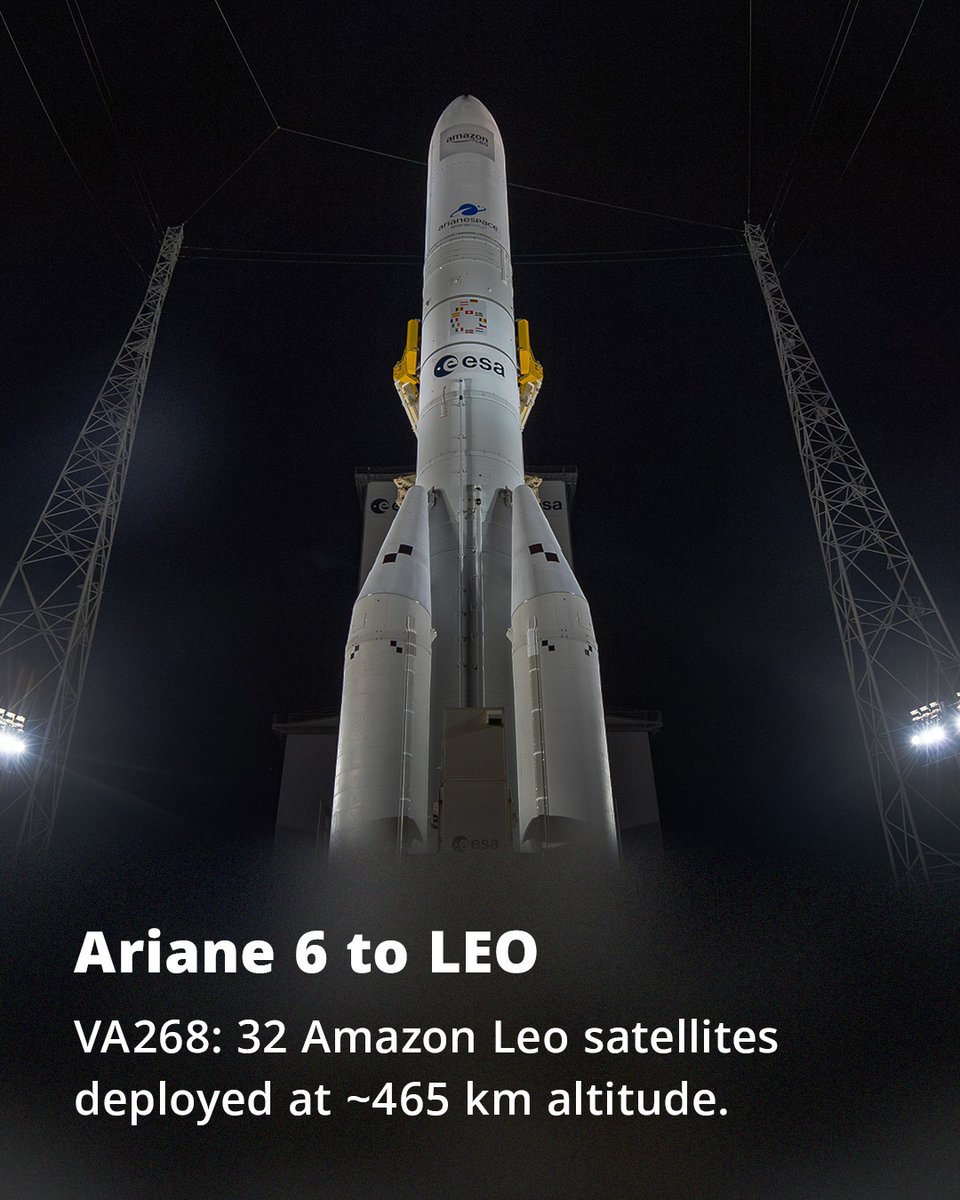
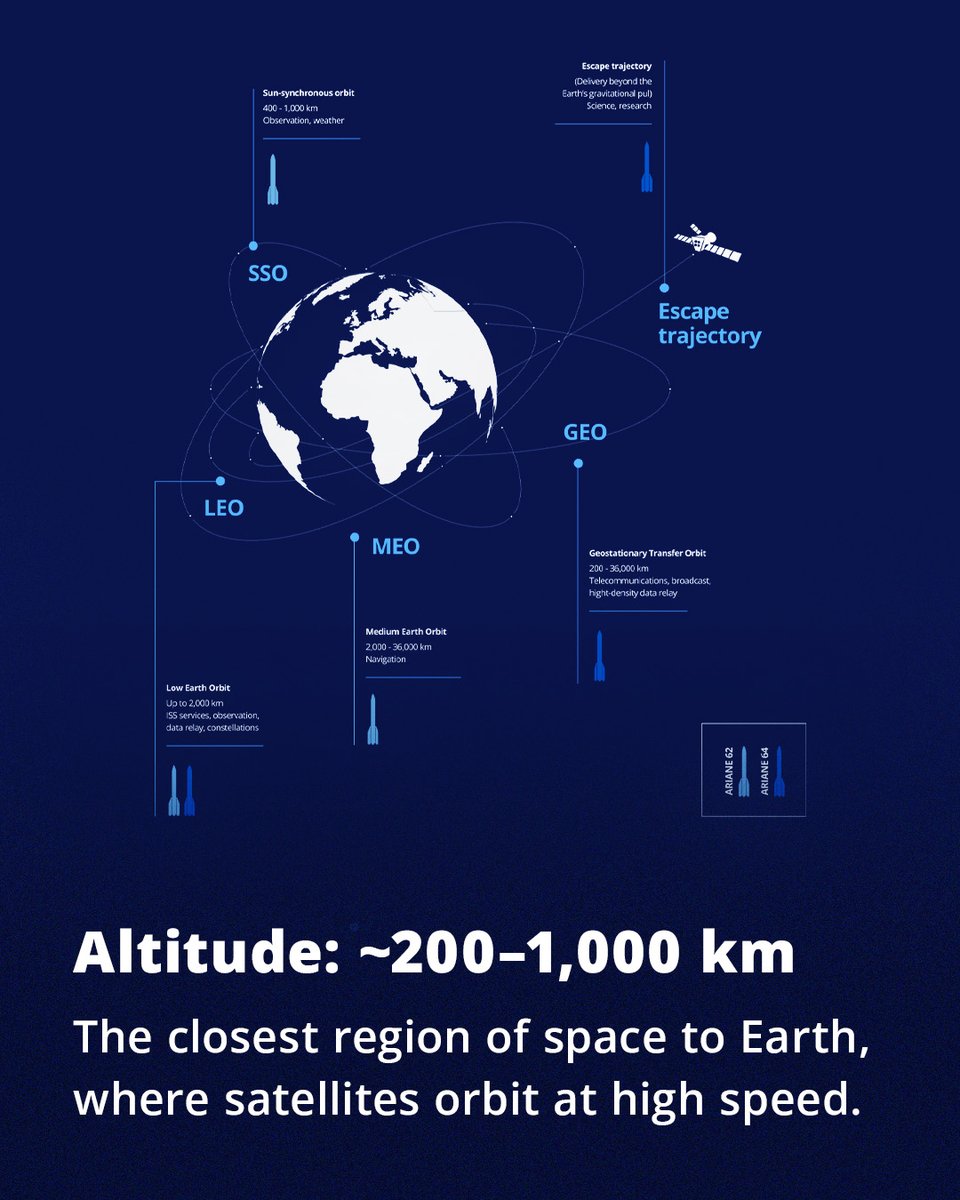
Because this is where space meets Earth, every single day 🚀 👉 Do you know another satellite launched by Arianespace in LEO? #LaunchingAmbitions
Arianespace tweet mediaArianespace tweet media
English
1
1
28
1.8K
Arianespace
Arianespace@Arianespace·
Closer than you think 🌍✨ Low Earth Orbit (LEO) begins just a few hundred kilometers above us. And yet, it plays a role in our everyday lives. 📡 Staying connected 🌦️ Forecasting the weather 🌍 Monitoring our planet in near real time
Arianespace tweet mediaArianespace tweet media
English
3
7
57
4.2K
Mario Billiani 🚀 retweetledi
SpaceX
SpaceX@SpaceX·
Starship flip and landing burn at the end of its twelfth flight test
English
1.1K
3.8K
29.3K
2.8M
Mario Billiani 🚀 retweetledi
Michael Cain
Michael Cain@mdcainjr·
At 7:48am ET this morning #SpaceX launched their Falcon 9 rocket from launch pad SLC-40. 53 seconds into the launch the rocket transited in front of the sun from the exact location I was setup at. Just as I captured this split second shot a shock collar around the rocket’s fairings formed. #Starlink
Michael Cain tweet media
English
6
14
69
1.6K
Mario Billiani 🚀 retweetledi
Asher B.
Asher B.@asherbphotos·
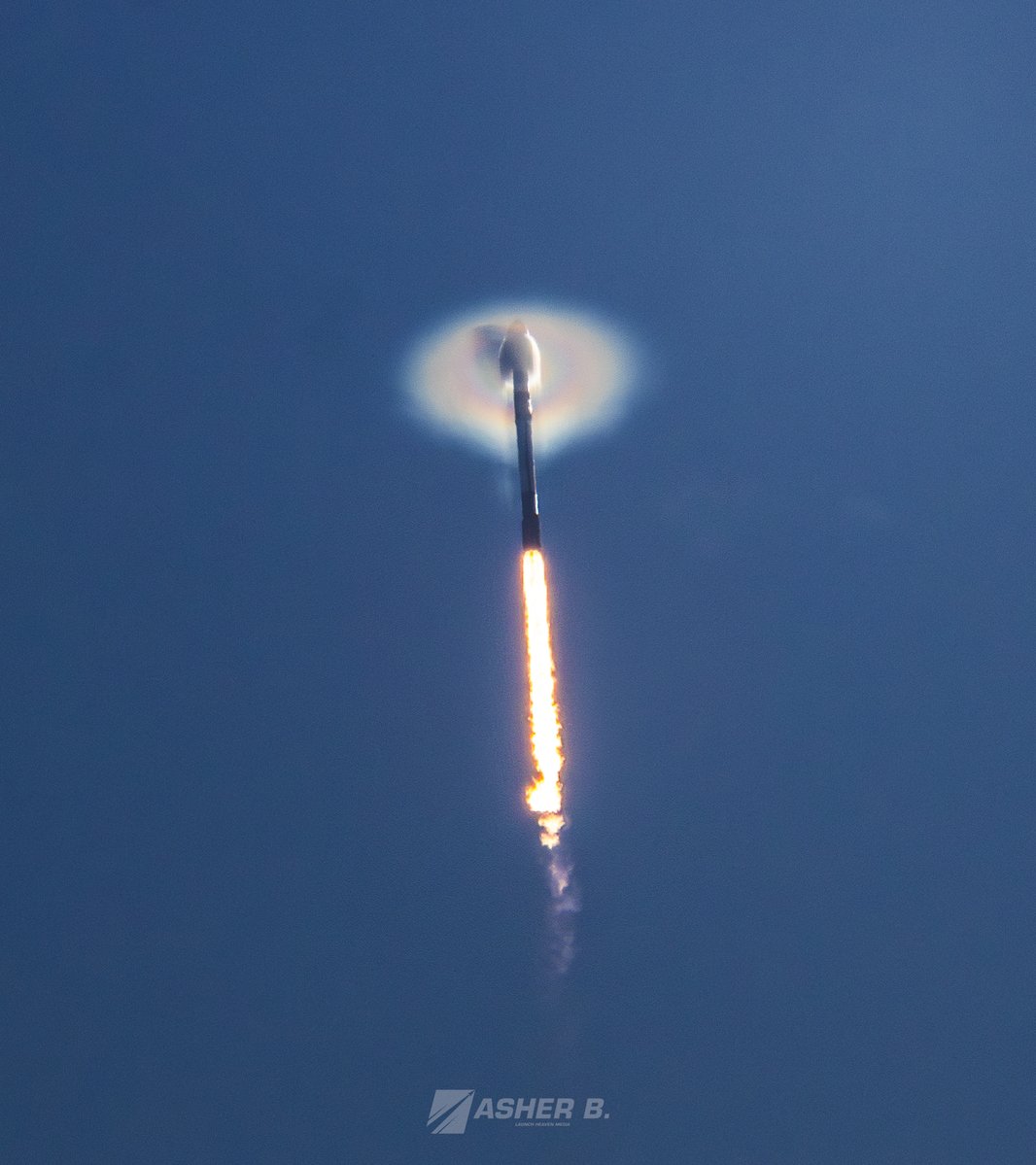
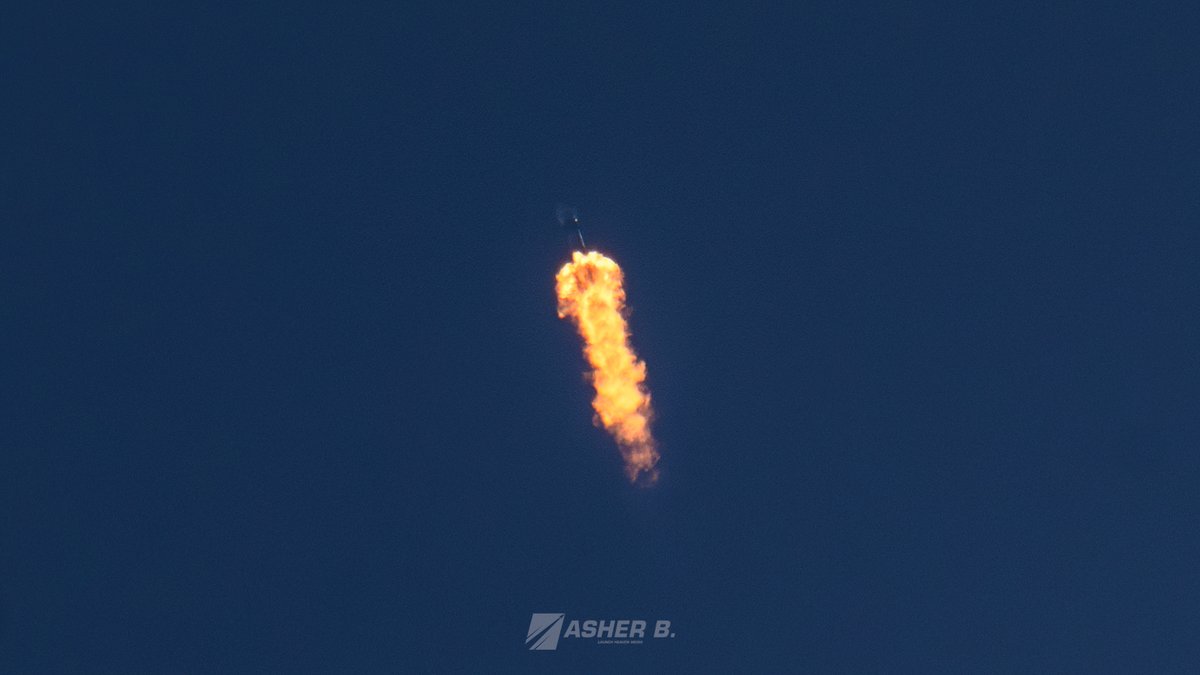
Some crazy vapor for Falcon 9 on the way to orbit this morning during the launch of Starlink 10-47. 📸 - @LaunchHeavenX
Asher B. tweet mediaAsher B. tweet mediaAsher B. tweet media
English
6
30
296
7.4K
Mario Billiani 🚀 retweetledi
Spaceflight Now
Spaceflight Now@SpaceflightNow·
A spectacular shock collar enveloped the nose of a SpaceX Falcon 9 rocket as it thundered away from Cape Canaveral Monday morning, carrying 29 Starlink satellites to orbit. 🎥 @ABernNYC
English
9
52
573
34.6K
Mario Billiani 🚀 retweetledi
Orbital Focus
Orbital Focus@OrbitalFocus·
Rassvet launch - Mar 3 Has split into two groups, heading for multiple orbit planes Six sats raising orbit, now at 360-400 km Nine 'parked' below 320 km One 'dead' - could it be carrying the OZBP payload that ceased transmitting after 3 days? #061" target="_blank" rel="nofollow noopener">orbitalfocus.uk/2026#061
English
1
4
13
1.9K
Mario Billiani 🚀 retweetledi
HEO
HEO@heospace·
When HEO acquired Continuum-1, we committed to using it to catalogue objects in low-Earth orbit (LEO). Part of that work means turning attention to derelict hardware. As noted in the recent issue of the @IntegrityISR Flash, CZ-6A upper stages are a growing concern to the sustainability of LEO as they have produced some of the largest fragmentation clouds in LEO in recent years. These rocket bodies are left in orbits that will take years to decay, with no means of manoeuvre and no plan for removal. This is one of them. Continuum-1 imaged this CZ-6A rocket body in orbit. It is the upper stage from the October 31, 2023 launch that carried the Tianhui 5A and 5B satellites. It appears largely intact and is gravity-gradient stabilised. Images like these establish a baseline. If the object's state changes, that deviation is observable and comparable against something real. Attribution is rarely straightforward after a fragmentation event. A prior record can make the difference between knowing something happened and knowing why. Reference: #body" target="_blank" rel="nofollow noopener">isruniversity.com/2026/05/19/iss…
HEO tweet media
English
1
15
76
4.4K