Alex Björling

103 posts

Alex Björling

Alex Björling

@a_bjorling

Beamline scientist NanoMAX @MAXIVLaboratory

Katılım Kasım 2020
150 Takip Edilen83 Takipçiler
Alex Björling
Alex Björling@a_bjorling·
Changed jobs and completely forgot to advertise this preprint! In it, we raise some (big) problems with applying nanobeams to chemical systems. chemrxiv.org/engage/chemrxi…
English
1
0
4
429
Alex Björling
Alex Björling@a_bjorling·
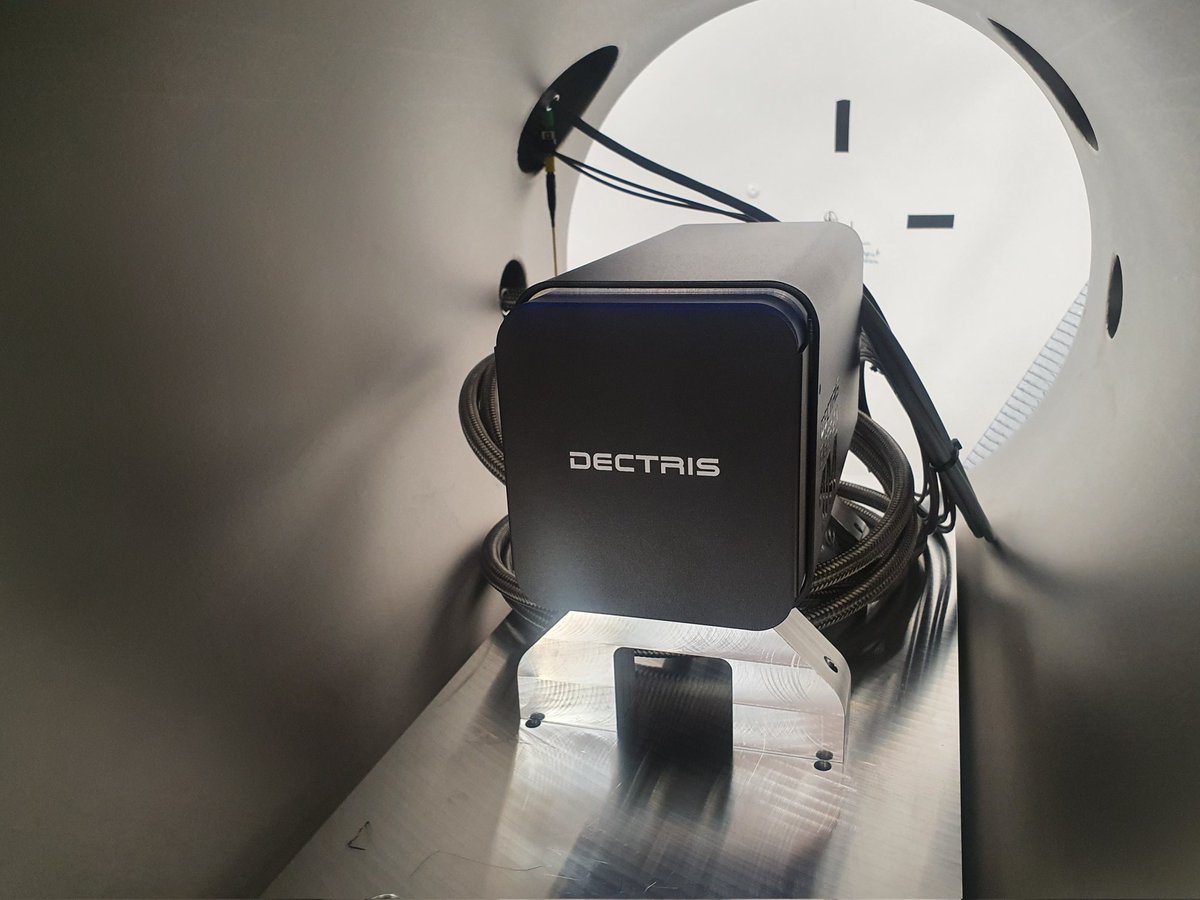
Say hello to my little friend
Alex Björling tweet media
English
1
0
16
0
Alex Björling
Alex Björling@a_bjorling·
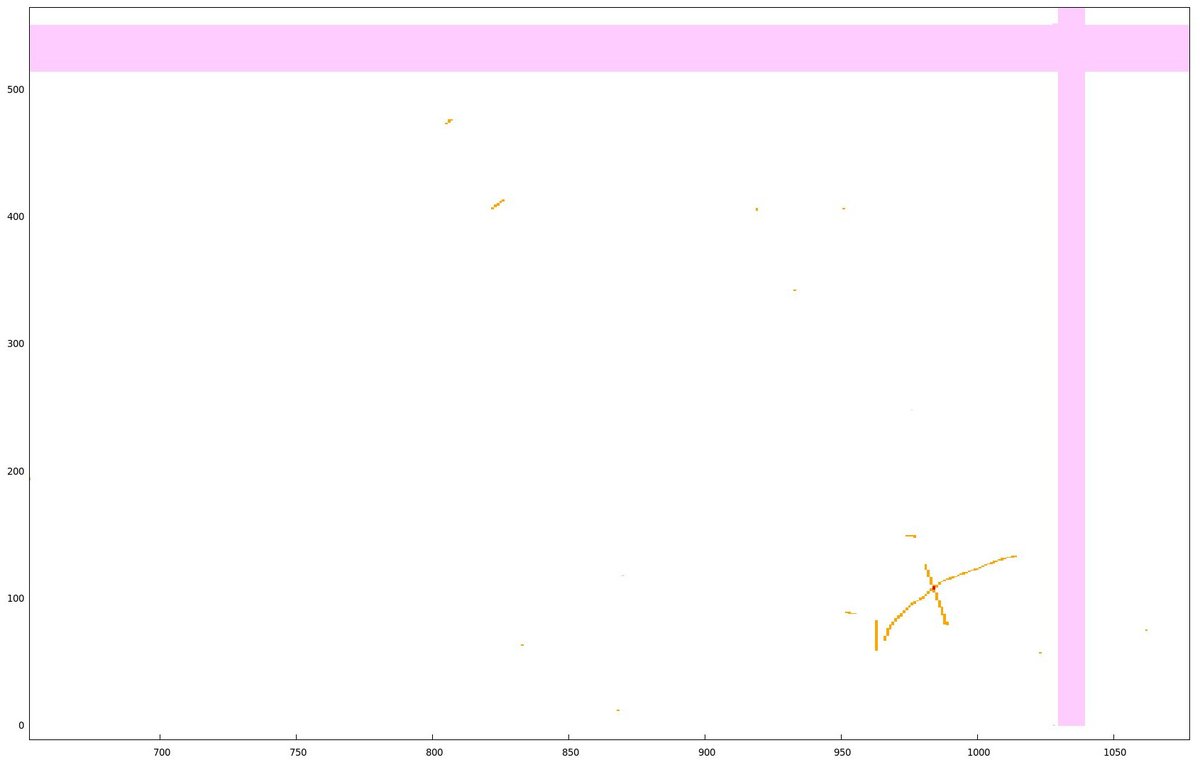
@sci_photos Cool! Long exposure, or could they be spurs from the same cosmic ray?
English
1
0
0
0
Sam Horrell 🗿
Sam Horrell 🗿@DrHorrell·
After receiving many #Mugshots from people, synchrotrons, and even an XFEL, I am excited to announce the first ever #SynchrotronMugMadness! Where light sources will compete to determine, once and for all, who has the best mug! Now let's meet the contestants.
Sam Horrell 🗿 tweet media
English
19
44
233
0
Julio Cesar da Silva
Julio Cesar da Silva@jcesar_dasilva·
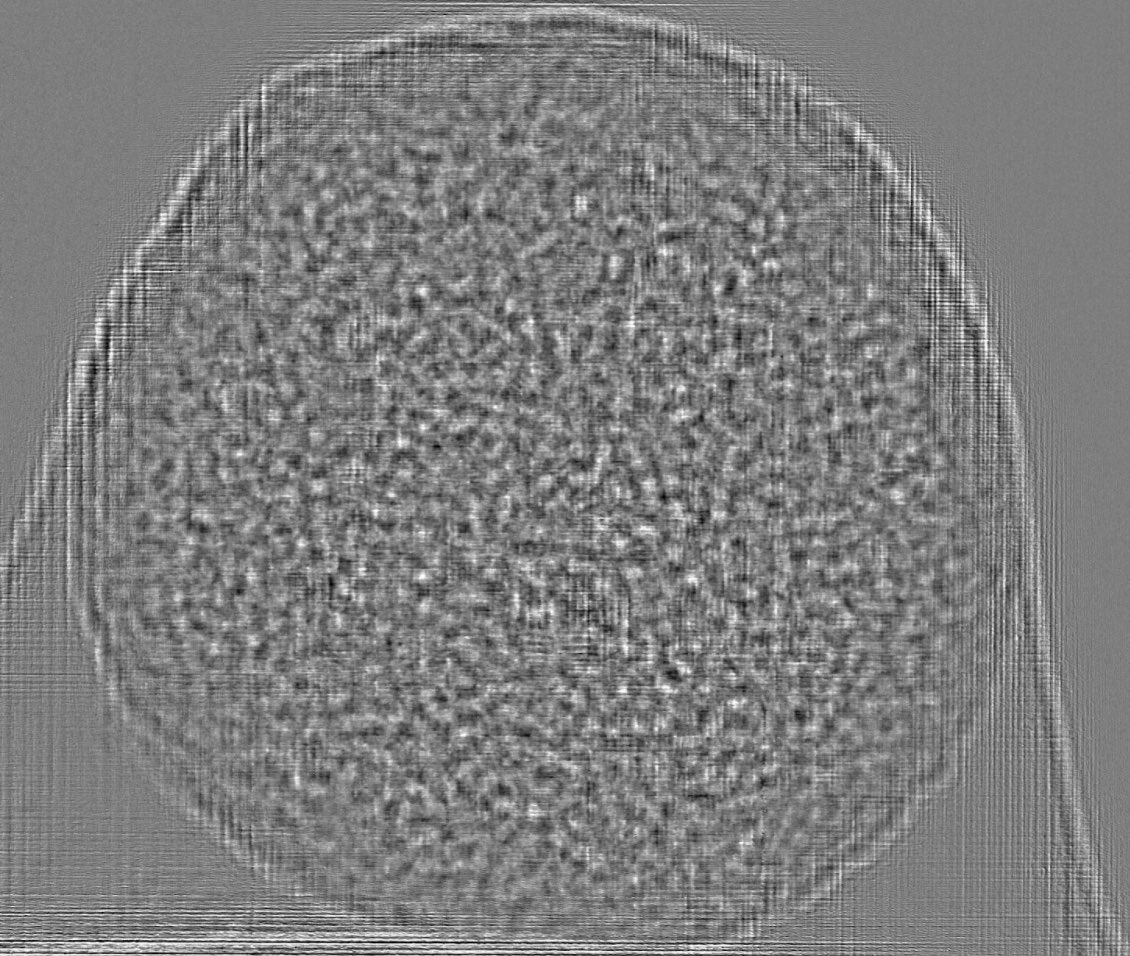
The work is calling again. Time to perform some near-field ptychographic-tomography imaging. I won’t tell you what it is, but it is happening right now at @id16a @esrfsynchrotron 👨🏻‍💻 Also, a way to fill my mind after all.
Julio Cesar da Silva tweet media
English
2
1
18
0
Alex Björling retweetledi
Daniel Spiro
Daniel Spiro@DanielSpiro1·
To EU leaders I’m 🇸🇪 To stand with🇺🇦I’m willing to suffer great inconvenience & economic costs if it hurts Putin’s Russia. Willing to stay cold, eat less, drive 90% less and much more if needed to cut addiction of Russian energy. If you agree, let our leaders know!
English
106
885
5.8K
0
Alex Björling
Alex Björling@a_bjorling·
@nattyover We do this routinely to align our nanofocusing mirrors @MAXIVLaboratory and at other synchrotrons, using piezos to achieve better than 10 nm. But I imagine it's more difficult in space!
English
0
0
2
0
Natalie Wolchover
Natalie Wolchover@nattyover·
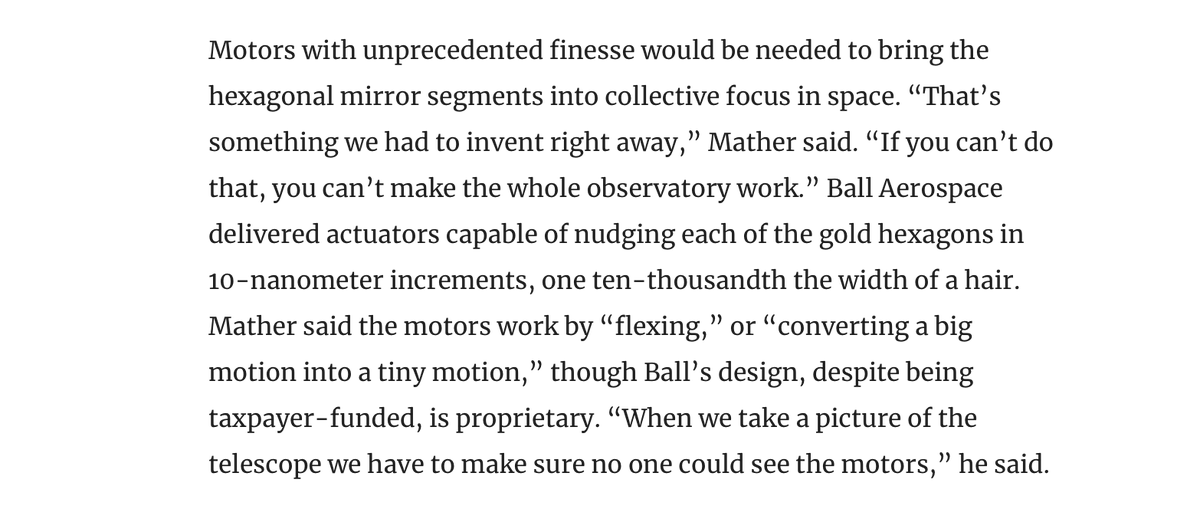
All I could find out about these secret actuators capable of moving JWST's 18 mirror segments by 10s of nanometers(!!) is that they work by "flexing," or "converting a big motion into a tiny motion." Can anyone say what that might mean? quantamagazine.org/why-nasas-jame…
Natalie Wolchover tweet media
Stephen Clark@StephenClark1

Jane Rigby, NASA’s Webb operations project scientist, says the next step is to precisely align all 18 mirror segments. “We're driving them to be aligned to within less than the size of a coronavirus … like 10s of nanometers."

English
14
4
18
0
Alex Björling
Alex Björling@a_bjorling·
@WKCosmo @skdh @Quasilocal But aren't there lots of practical situations where truth is too much to ask for? The perfect gas law, for example, is empirically useful but no truth about the world.
English
0
0
2
0
Will Kinney
Will Kinney@WKCosmo·
@skdh @Quasilocal No matter what statement one makes, it's possible to stroke one's chin wisely and say. "Well, it depends what you mean by <X>!" The fact that one can undermine any statement about the wold with a tautology is boring, and exactly the trap science frees us from.
English
3
1
2
0
Will Kinney
Will Kinney@WKCosmo·
It is a short step from "science doesn't need to be empirically tested" to "science doesn't need to be true".
English
24
10
147
0
Alex Björling
Alex Björling@a_bjorling·
@PKoppenburg Ouch, my alma mater. Shared a lab space with this person 15 years ago, at that time he was working on something called Rydberg matter which I think nobody else believed in.
English
0
0
1
0
Alex Björling retweetledi
MAX IV Laboratory
MAX IV Laboratory@MAXIVLaboratory·
Don't forget to tune in to the Joint ESS-MAX IV Science Colloquium webcast with Prof. Ian Robinson today 15 December at 15:15 CET Importance of Nanostructure in Ferroelectric Devices linxs.se/related-events…
English
0
2
5
0
Will Kinney
Will Kinney@WKCosmo·
It's a good thing scientists are not properly trained in the philosophy of science, because if they were they would get nothing done.
English
26
13
129
0
Alex Björling
Alex Björling@a_bjorling·
@GuizarSicairos I am also sympathetic, but tend to assume that for society journals, the question "where does that money go" probably has good answers.
English
0
0
1
0
Manuel Guizar-Sicairos
Manuel Guizar-Sicairos@GuizarSicairos·
I get where this sentiment comes from. But note there is an important distinction between journals that are for-profit and those from scientific non-profit societies. Both have publishing costs but only in the former this public money goes to line the pockets of publishers
English
2
1
3
0