
Sabitlenmiş Tweet
Stride
8.7K posts

Stride
@a_strider_again
graduated from mgmt consulting to become a landlord. and occasionally other things
Los Angeles, CA Katılım Ocak 2021
2.9K Takip Edilen365 Takipçiler
@exrabb @joni_askola @R_JonAnderson It’s good they can change course on a certain mistake when they recognize it’s hurting their brand.
But it absolutely doesn’t prove they are smart enough or high integrity enough to not do it again when the incentives are there.
English


1/6 Look at the absolute disaster unfolding right now, and remember exactly who told you to vote for Trump in 2024.
The people who sold you this catastrophe should be discredited forever, and you should never listen to their political advice again🧵

English
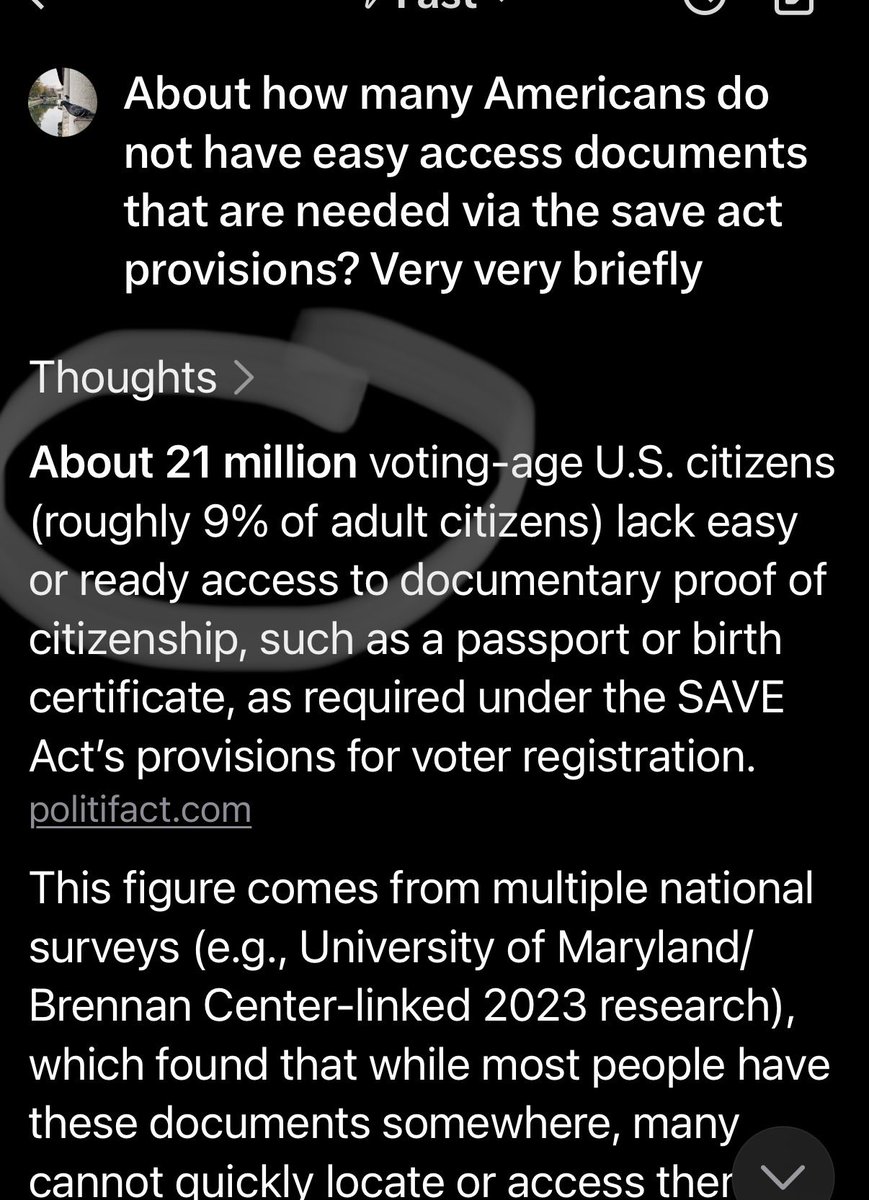
@deans2beans @HQNewsNow Lie. The strict save act provisions make it hard for 21 million legal voters.
Lie. It’s not just wrong, it’s specifically unconstitutional for a president to demand compliance with a national voter registry.
These are literally facts. I’m already tired of fact checking you.

English

Proof of citizenship is required to vote. Thats common sense - and it’s easy to access if here legally.
Again - nothing wrong with registering to vote nationally to ensure elections are accurate.
Purging state voter rolls???
It is part of the federal gov to ensure elections are accurate and true. Hence ICE and federal laws pre existing Trump. This is nothing new, it’s just a new outrage your being fed.
English

The White House has removed this video from their social media channels.
But not before we could post it.
Headquarters@HQNewsNow
Trump: We can't take care of daycare. We're a big country, we have 50 states, all these people, we're fighting wars. It's not possible for us to take care of daycare, Medicaid, Medicare, all these things
English
@deans2beans @HQNewsNow By:
-proof of citizenship and ID to vote (docs at least 12 million people don’t have easy access to)
-a national voter registry (that also manipulates USPS mail)
-purging state voter rolls
English
@1414Maple @HQNewsNow @Stephmking32 Wait until you find out how many republicans love their Medicare, Medicaid, and VA
English

@HQNewsNow @Stephmking32 Healthcare is not a Republican priority. I don’t care if you a Democrat or a Republican. If you don’t understand this. You are the idiot Trump is looking for.
English
@deans2beans @HQNewsNow Like Trump illegally trying to federalize state elections? State level things like that?
English
@HQNewsNow We need to get back to states doing state level things and federal focus on federal things.
English

Notice how Trump has the ability to have introspection, unlike everyone attacking him. He sees the country's problems as everyone's. These problems existed before him. Its true. We cant afford entitlement spending and also be taking care of the world. That was his entire argument for getting elected.
We subsidized Europe's free healthcare and education as I have been saying for years. They mocked us for not having it for years before Trump. Well, reap what you sow.
English

@kjorgeson @moseskagan Another good way to optimize for fun!
Stride@a_strider_again
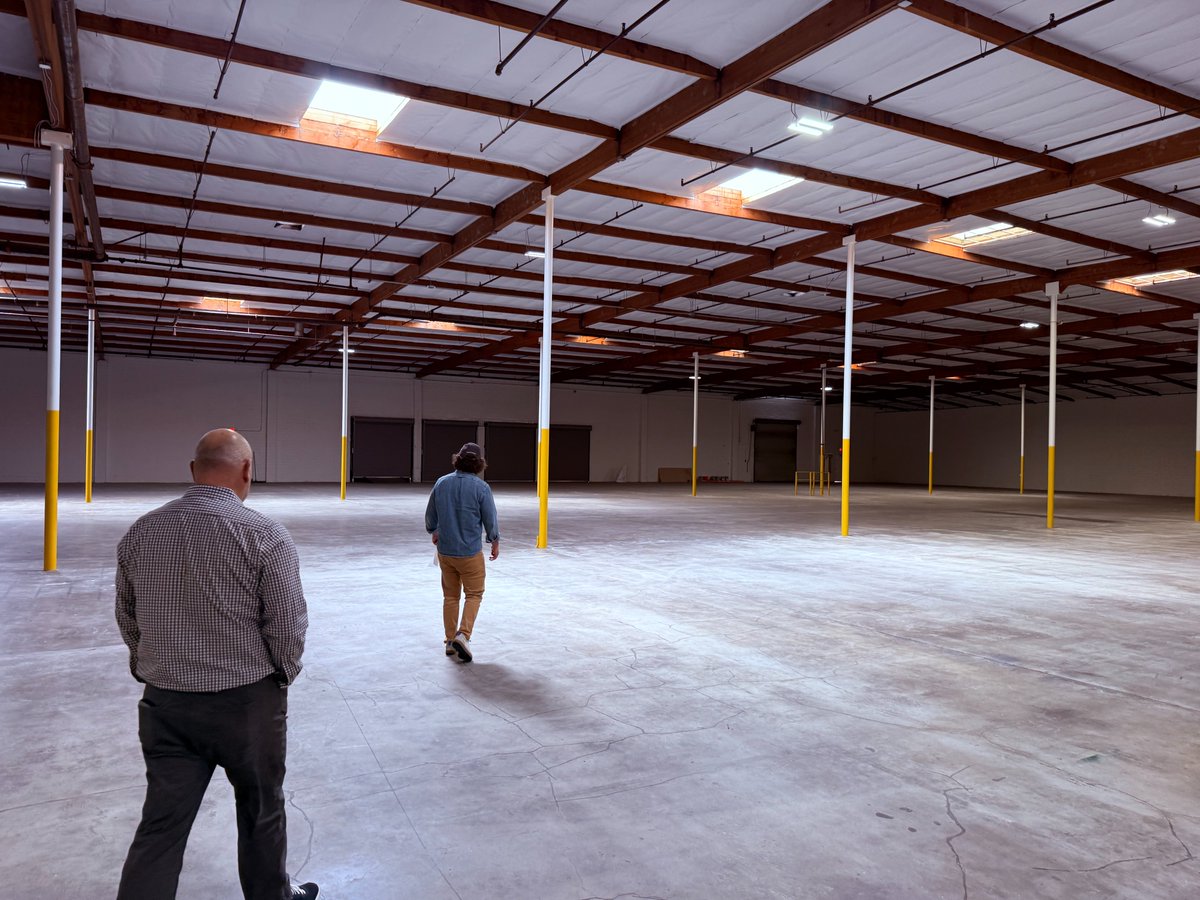
@moseskagan The multifamily property developer’s mind cannot comprehend how to assess all the open space… my first thought is really tall shelves to monetize vertically. Or a go-kart/bumper car course to optimize for fun
English

Closed our first industrial deal with some long-term partners of ours a few weeks ago.
Now on the hunt for another.
[Apologies to the broker whose backside is prominently featured below]
English

I'm always complaining about credit in my C areas, so this is how the RE gods decided to mess with me today:
Applicant has 710 credit and 3X income:rent.
But (1) 4 arrests over the last 7 years, including battery, corporal injury on a cohabitant, and a hit & run while driving w/o a license, and (2) her boyfriend has posted a picture of himself on Instagram holding an AR-style rifle pointed at the camera.
English
@CreativeDeduct @aestheticsguyy As a counterpoint, the Salona Roman ruin sites are some of the least crowded and most walkable I’ve seen. And Split as a city is mostly just the palace and a jumping off point for ferrys to the many locals island.
English

@aestheticsguyy Split, Croatia. But it is so overrun by tourists that it has very little charm.
English

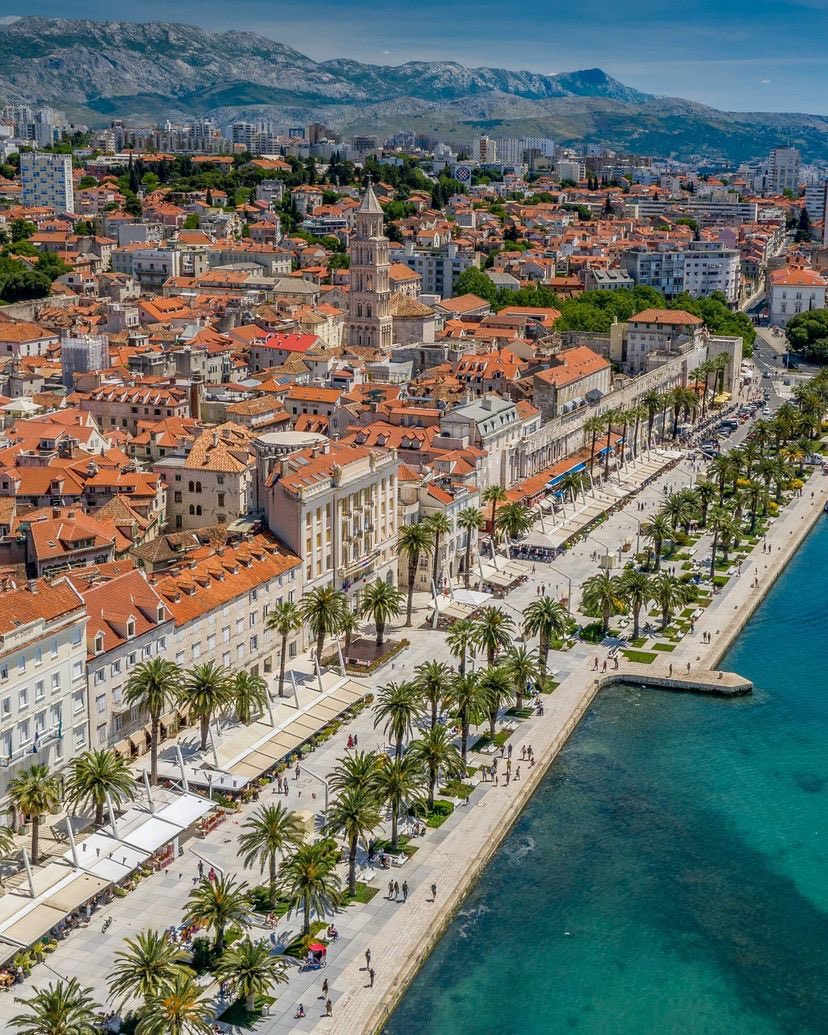
@Chronocivilis @aestheticsguyy I was going to say Croatia or Montenegro. They both have some very similar waterfronts like this.
English

@aestheticsguyy Waterfront areae known as Riva in Split, Croatia. With the bell tower of the Cathedral of Saint Domnius rising above the old town.

English
@CaseyMericle @baldridgecpa Damn. I was hoping it was real. Back to hinge…
English


🚨 ANNOUNCEMENT! 🚨
We've been building something in stealth for 18 months.
Today it's live.
Here's the problem we're solving.
High earners buy rental properties.
They get cost seg studies.
They generate $200K+ in depreciation.
Then their CPA says:
"The losses are passive. You can't use them."
Meanwhile their buddy who's a real estate agent pays zero in federal taxes.
Same strategy. Same properties.
The difference?
He qualifies as a Real Estate Professional.
So I thought to myself, "There has to be a better way!"
The most powerful tax strategy in America is not a deduction. It's a relationship.
Here's why.
If your SPOUSE qualifies as a Real Estate Professional and you file a joint return, their status unlocks your passive losses. Your depreciation offsets your W-2 income.
Dollar for dollar. All of it.
A surgeon making $1M married to a real estate agent with three rentals and a cost seg study can take their federal tax bill to zero.
Legally.
The problem was never the strategy. The problem was you were filing alone.
So we built a matchmaking service, Recaptured Love TM.
Think Raya meets Redfin.
High earners meet Real Estate Professionals. You fall in love.
You file jointly.
Your tax bill goes to zero.
47 couples matched in beta.
$127K average first-year tax savings per household.
Now accepting applications.
recapturedlove.com

English
@seandsweeney Love to see it.
Would probably be more hesitant to take it on to own/manage because of the increased complexity? Like, there must be some non-traditional parts and skills involved?
English

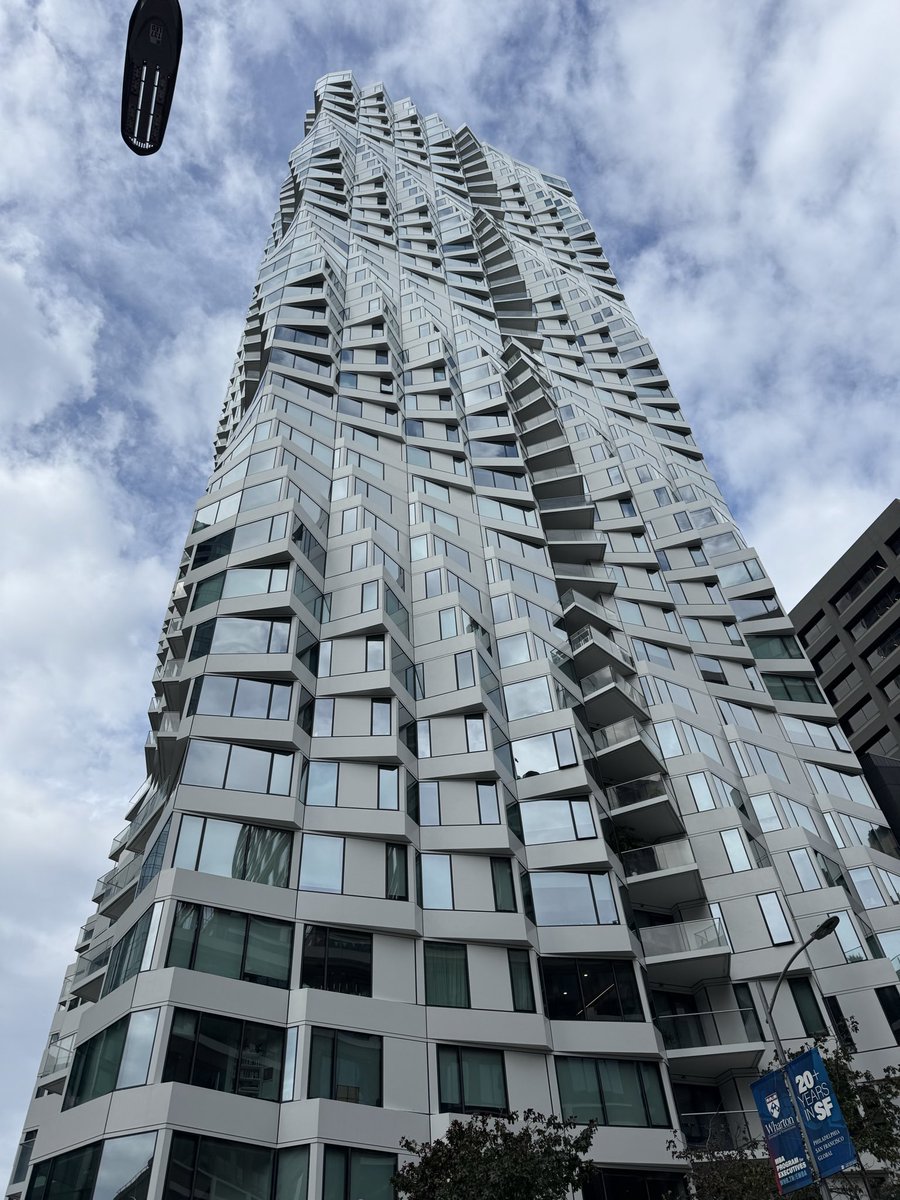
@moseskagan The multifamily property developer’s mind cannot comprehend how to assess all the open space… my first thought is really tall shelves to monetize vertically. Or a go-kart/bumper car course to optimize for fun
English
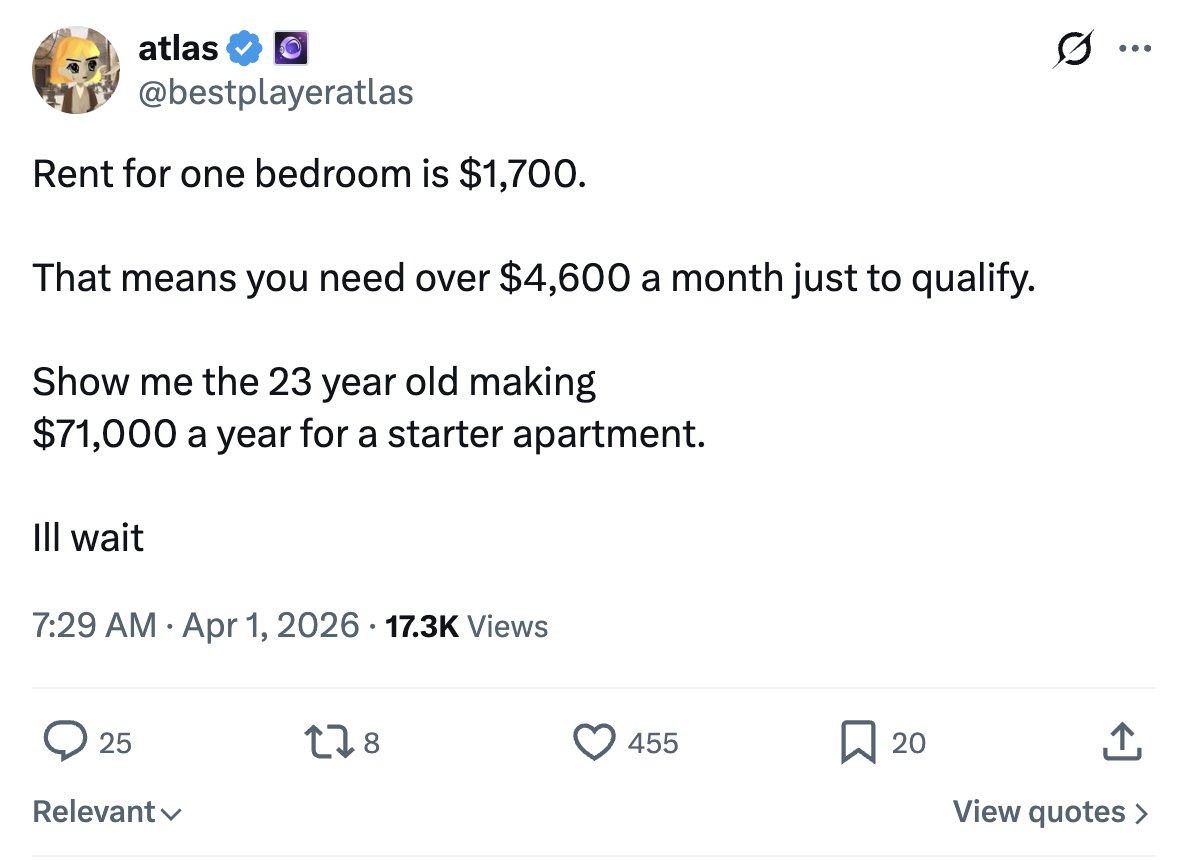
@moseskagan The oft cited Asian math skills are apparently not as evenly distributed as we were led to believe
English
@a_strider_again Also the inability to multiply $4600 x 12 is very upsetting
English
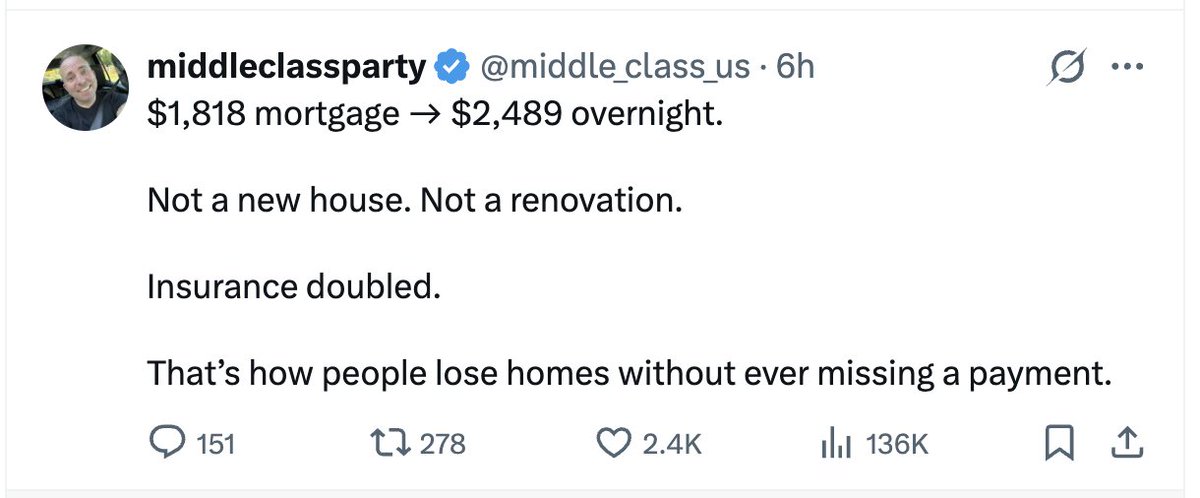
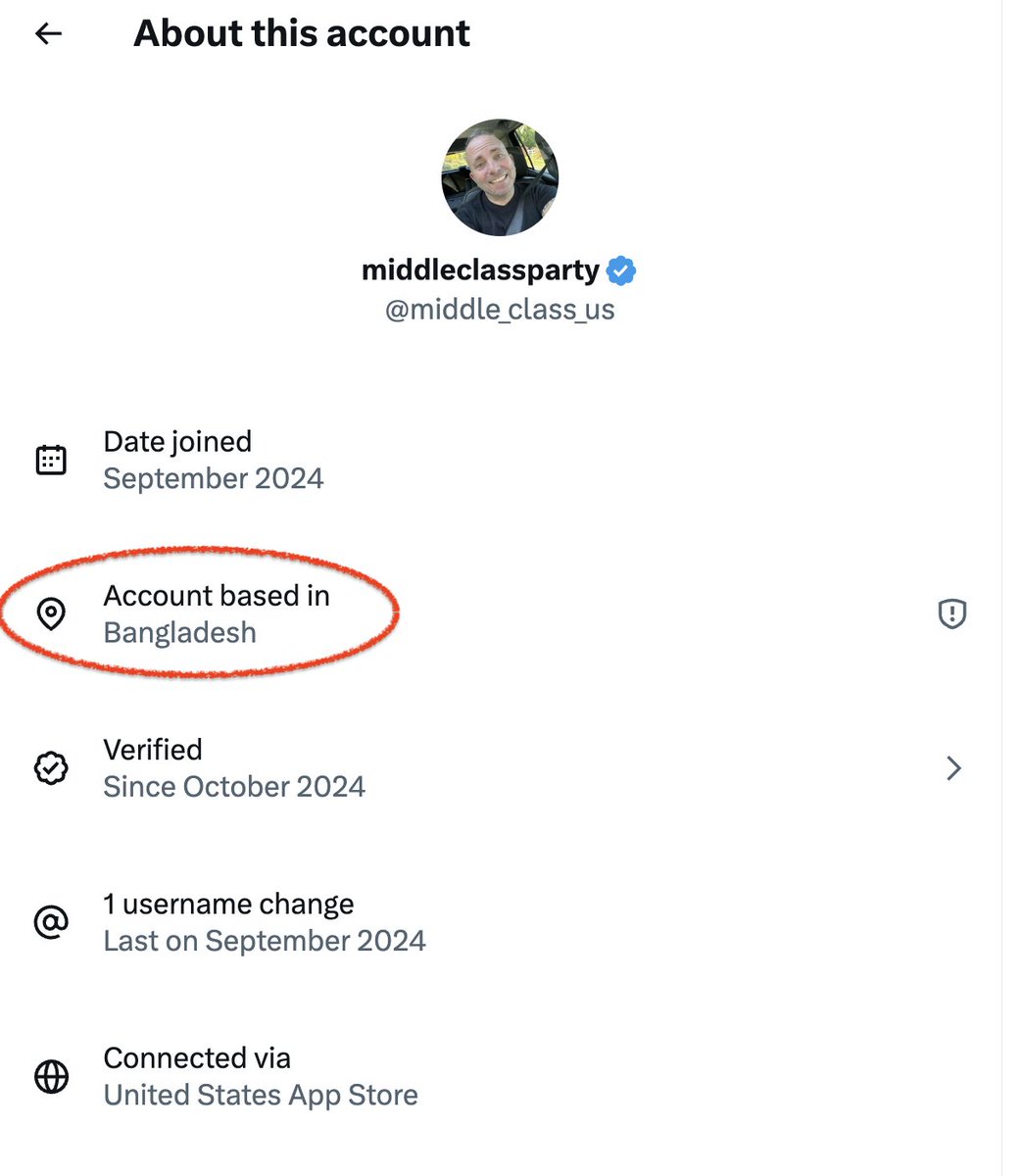
The daily discussion on X helps shape the national mood, which in turn shapes purchasing decisions, corporate capital allocation, votes (and, thereby, economic policy, war and peace, etc.) and so on.
(This is a big part of Elon's rationale for buying it: To seize the Memetic High-ground.)
And yet we let accounts like this pump poison into our national discussion every day, all to earn $234.37 / month or whatever (which, of course, goes much further in Bangladesh).
@nikitabier: Respectfully, you all have to fix this.
English
@moseskagan It’s annoying when foreign “agents” attempt to foment political resentment, seemingly trying to encourage a civil war.
But I take it more personally when those people are trying to make more friction between landlords and tenants. DSA is already doing well enough without help…
English
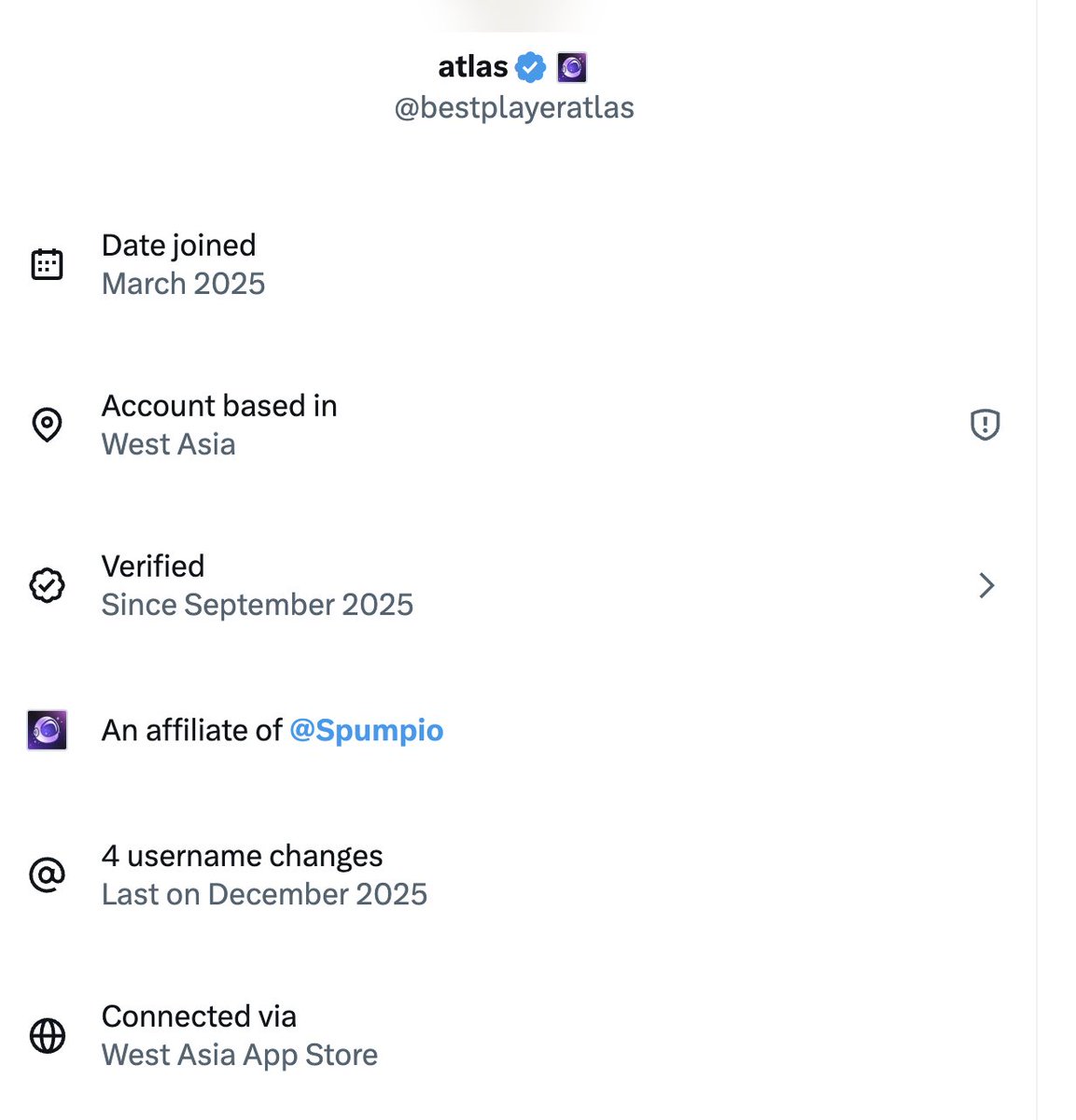

@Smemu4 @Mikethejohnson @AngelicaOung @MarsAlexandre1 @TerryGlavin @kevincarrico Yep. Then he asked me a question and immediately blocked me so I couldn’t answer it, lol

English

@a_strider_again @Mikethejohnson @AngelicaOung @MarsAlexandre1 @TerryGlavin @kevincarrico The question isn't about Iran. It's about China. Guy is a crazy tankie
English

This is disgraceful. It is accepting Uyghur concentration camps as simply "the world as it is."
Mackenzie Gray@Gray_Mackenzie
Asked if he believes there is forced labour in China, Mark Carney first went on about his housing announcement, then didn't answer the question. "There is existence of child labour and force labour around the world ... there are parts of China that are higher risk" #cdnpoli
English

It's amazing that the lesson these morons are drawing from this fiasco is that Trump was somehow vindicated on Greenland. There is literally no argument so stupid they aren't willing to make it as long as it can make Trump look good.
John Ʌ Konrad V@johnkonrad
Trump said we need Greenland because we can’t trust NATO to let us use it in a war. He said we need a battleship 100x more powerful to keep straits open. Europe laughed. Trump was right.
English
@RadioFreeTom Indiscriminate tariffs, threatening NATO, now undermining the petrodollar architecture.
Trump is weakening the US global dominance so he can personally look stronger at home.
It’s the worst trade off in history.
English

It took a almost a century for the United States to build a global system of trade, security, and cooperation, and these guys are going to throw it away because they screwed up and have to save face.
Aaron Rupar@atrupar
Hegseth indicates reopening the Strait of Hormuz is not a core US objective: "We've been willing to lead, President Trump has led the entire time, but it's not just us. You might want to start learning how to fight for yourself."
English
@sahu42750 @shanaka86 Not true. Trump already fumbled the supposed security guarantees and handed the SoH to Iran.
So the only option is negotiations with Iran. Trump owns this failure entirely. Former allies will not forget.
English

This is not ideology — it is cold transactional arbitrage.
Friends of Washington pay; nations showing diplomatic flexibility or alignment with Tehran/Beijing pass free.
The IRGC didn’t just build a blockade — it built an alignment detector that is sorting the emerging world order in real time.
Washington will remember, as Trump said.
But the toll booth is revealing a harsher truth: in a multipolar world, $2 million has more immediate power over national alignment than 80 years of security guarantees.
English

BREAKING: Malaysia called the US-Israeli strikes on Iran “barbaric” and a “violation of international law.” It declared its US reciprocal trade agreement “null and void” after the Supreme Court struck down Trump’s tariffs. And then it picked up the phone, called Tehran, and secured toll-free passage for seven Petronas tankers through the Strait of Hormuz. Transport Minister Anthony Loke confirmed on March 31 that no toll is being imposed on Malaysian vessels because Malaysia has been designated a “friendly nation” by the IRGC. The strait that charges $2 million per crossing to everyone else lets Malaysian ships through for free.
This is the new sorting algorithm. The IRGC is not just filtering by cargo type. It is filtering by geopolitical alignment. China transits free because China buys Iranian oil and hosts the peace talks. India transits free because India maintains backchannels and refuses to condemn. Pakistan transits free because Pakistan is brokering the five-point framework in Beijing. And now Malaysia transits free because Malaysia condemned the war, nullified its American trade deal, and positioned itself as a Muslim-majority nation aligned with neither aggressor. The toll booth is not charging for passage. It is charging for allegiance. And the nations that pay nothing are the nations that owe Washington the least.
Malaysia imports 70 percent of its crude through Gulf routes. Without the exemption, Petronas tankers would face $2 million tolls plus war-risk insurance that would collapse refining margins and spike domestic petrol prices. Prime Minister Anwar thanked President Pezeshkian personally. The Iranian ambassador confirmed the designation. Seven tankers have clearance. Petronas has assured domestic fuel stability through May.
The US trade deal nullification adds the second dimension. On March 15, Malaysia’s trade minister declared the American Reciprocal Tariff agreement “null and void” after the Supreme Court ruling. Within two weeks, Malaysia secured toll-free passage from the country America is at war with. The timeline is not coincidental. It is transactional. Malaysia calculated that the cost of American displeasure is lower than the cost of $2 million per tanker crossing multiplied by every Petronas vessel for the duration of a war with no visible end date. The math chose Tehran over Washington. The math was correct.
And this is the pattern that should alarm every strategist in the Pentagon. Malaysia is not an adversary. It is a US security partner in Southeast Asia, a semiconductor packaging hub, a Five Eyes intelligence-adjacent nation, and a TPP signatory. If Malaysia can nullify a US trade deal, condemn the war as barbaric, secure free passage from the IRGC, and maintain diplomatic relations with both sides simultaneously, then the American alliance system is not being challenged by enemies. It is being arbitraged by friends. The toll booth is revealing who actually needs whom. And the answer is that a $2 million crossing fee has more immediate power over national alignment than 80 years of American security guarantees.
The IRGC did not build a blockade. It built an alignment detector. Ships that belong to nations aligned with Washington pay. Ships that belong to nations aligned with neutrality or Beijing pass free. The strait is sorting the world order in real time, and the sorting criterion is not military power. It is diplomatic flexibility.
Malaysia chose flexibility. The tankers are sailing. And Washington, as Trump promised on Truth Social, will remember.
open.substack.com/pub/shanakaans…


Shanaka Anslem Perera ⚡@shanaka86
JUST IN: Malaysia just declared the U.S.-Malaysia trade deal null and void. Not suspended. Not under review. Null and void. “It is not on hold. It is no longer there.” Those are the words of Malaysia’s Investment, Trade and Industry Minister, Datuk Seri Johari Abdul Ghani. On the record. This week. The deal was signed five months ago in Kuala Lumpur by President Trump and Prime Minister Anwar Ibrahim at the ASEAN Summit. It cut tariffs from 47 percent to 19 percent. It was presented as proof that reciprocal trade works. It was the template. It no longer exists. The trigger was a Supreme Court ruling on February 20 in Learning Resources, Inc. v. Trump. The Court held that the International Emergency Economic Powers Act does not authorise presidential tariffs. IEEPA was the legal foundation beneath virtually every reciprocal tariff deal the administration signed. The Court pulled the foundation. Malaysia looked at the structure standing on nothing and walked away. No other country has done this yet. But fifteen nations are now under new Section 301 investigations launched March 11 and 12, covering structural excess capacity across sixteen economies and forced labour practices across sixty. The USTR pivoted to Section 301 within weeks of the ruling because it is the only remaining statutory vehicle for broad tariff authority. The pivot tells you the administration knows the legal ground shifted. The question every trade desk should be asking this morning is not whether Malaysia matters. Malaysia covers 12 percent of its exports to the US under the deal. The question is who follows. Every reciprocal trade agreement signed under IEEPA authority between 2025 and February 2026 now sits on the same voided legal foundation. Every counterparty government has the same option Malaysia just exercised. Every trade minister in every capital that signed one of these deals is reading the same Supreme Court opinion and asking the same question: is our agreement still enforceable? The answer, as of February 20, is that the legal basis no longer exists. The deals were signed under authority the Court has since ruled the President did not have. Malaysia is the first government to say that out loud. It will not be the last. The cascade risk is not theoretical. Roughly $500 billion in annual US trade flows run through the nations now under Section 301 investigation or bound by IEEPA-era reciprocal agreements. If even a fraction of those counterparties follow Malaysia’s precedent, the result is a simultaneous renegotiation of America’s trade architecture during a period when the Hormuz crisis is already driving energy and food inflation, the Fed is trapped at 3 percent core PCE with no room to cut, and US farmers cannot afford $900-per-ton ammonia. Carl Quintanilla posted the headline with the kind of brevity that tells you even CNBC does not know how to frame this. Because the frame is uncomfortable. The administration built a tariff architecture on a legal authority the Supreme Court ruled it never had. The first country to notice just tore up the deal on live television. The trade architecture, the fertiliser supply chain, the insurance market, the naval coalition, the planting calendar. One by one, the systems the global economy assumed were stable are revealing themselves as fragile. Malaysia just pulled another thread. open.substack.com/pub/shanakaans…
English