Deeksha

8.7K posts

Deeksha banner
Deeksha

Deeksha

@aaaudacity

Loki's pet project ✨ | SaaS marketing, books, blogs & movies

Katılım Mayıs 2022
1.4K Takip Edilen1.7K Takipçiler
Deeksha
Deeksha@aaaudacity·
@Maanvi2501 Oh yes! Just went through the list and how could I have missed that. Naipaul felt like a welcome addition but again, not a native Indian voice. Narayan's brand of literature deserves its accolades.
English
1
0
4
865
Maanvi
Maanvi@Maanvi2501·
Perhaps the most definitive end to the debate of Indian writing in English only being deemed worthy if it's marketed to an Anglophone audience is the absence of RK Narayan from Guardian's 100 best English language novels of all time.
English
7
15
234
10K
Adarsh
Adarsh@Adarshrjha·
Before the 1990s, theatres in India had monopoly over film entertainment. The rise of cable television threatened cinema halls and their vast infrastructure, pushing the industry to return to its core strength: selling an immersive experience. And PVR won that race fair & square.
Playbook@Playbook_PB

Every generation gets to watch movie theatres die. Ours has OTT. Endless libraries, zero commute, a screen in every pocket. The theatre, they say, is losing. And maybe it is. But somewhere in the 1990s, a different generation watched the same funeral. Cable television. VCRs. CDs. DVDs. The living room had swallowed the dark hall. The projector was flickering out. It didn't die then either. But not because theatres are invincible. Someone simply transformed it to changing times. India in 1990s didn't look like a country on the edge of a cinema revolution. Cable television was entering urban homes at a great pace. VCRs made Bollywood available on demand. Single-screen theatres, dark, crumbling, often unsafe, were losing the one thing they had always counted on: there was simply nowhere else to watch a film. That monopoly was gone. And with it, the logic that had kept 25,000 ageing theatres alive across India started to quietly collapse. Most theatre owners saw a dying industry. Ajay Bijli saw a mistimed one. Bijli hadn't come from cinema. His family built their wealth in road freight. Amritsar Transport Co., founded in 1939, was a North India logistics operation that had nothing to do with screens or stories. Cinema entered the picture only in 1978, when his father acquired Priya Cinema in Delhi as a diversification move. A single-screen theatre in South Delhi. Unremarkable. One of thousands. When Bijli took over at 22, with no formal background in entertainment, Priya Cinema had weak film access, outdated interiors, and the kind of customer experience that made staying home feel like the better option. Then his father died in 1992. Then a warehouse fire destroyed the family's transport business in 1994. Every fallback was gone. What happened next is the part that gets misread as desperation. It wasn't. Bijli made a deliberate bet, not on cinema surviving, but on cinema being reframed. He poured money into Priya Cinema: Dolby sound, proper air conditioning, cleaner interiors, an upgraded lobby. The transformation thesis was that affluent urban Indians weren't abandoning cinema because they preferred television. They were abandoning it because cinema had stopped respecting them. The response confirmed it. Audiences from Vasant Vihar, Saket, RK Puram, South Delhi's prosperous belt, came back. Not out of nostalgia. Out of genuine preference. In 1995, Bijli had taken the thesis global. PVR entered a 60:40 joint venture with Village Roadshow, one of the world's leading multiplex operators. India had zero multiplexes at the time. The partnership brought capital, international operational standards, and a model that had already transformed cinema-going in Australia and Southeast Asia. In 1997, PVR Anupam opened in Saket. Four screens. Computerised ticketing. Multiple simultaneous screenings. India's first multiplex. The number that tells the real story isn't the screen count. It's what happened to the industry around it. From one multiplex in 1997, India crossed 100 multiplex properties by the mid-2000s. Ticket yields at multiplexes ran significantly higher than single screens. Food and beverage became a revenue line, not an afterthought. Cinema stopped being mass entertainment and started being a social occasion, something you dressed for, planned around, paid more for. This is the part that matters beyond the business history. PVR didn't succeed because it built something new. It succeeded because it read something true, that India's urban consumer was not the same person she had been a decade earlier. Liberalisation had raised disposable incomes. Global exposure had raised expectations. The Indian middle class had seen what a night out could feel like elsewhere, and was quietly measuring everything at home against that standard. Single-screen theatre owners looked at cable TV and saw competition. Bijli looked at the same moment and saw a consumer waiting to be taken seriously. India was changing faster than the industry understood. PVR just understood it first. Then came September 11, 2001. As hijacked planes rammed into the Twin Towers. The world froze. Everything was about to change. But that story is for next time...

English
1
0
4
212
Deeksha
Deeksha@aaaudacity·
@SanketJha6 But would books even retain their purpose after such monstrosity has been committed on them?
English
0
0
0
7
Sanket Jha | Building BookR
@aaaudacity Good things to ponder upon! If books have to be part of ad ecosystem, then capitalists will ensure every human is reading! Prolly good for us!
English
1
0
0
12
Sanket Jha | Building BookR
Books are the only content that are Ads free! But, some of the biggest website are making fun of it by showing Ads, left, right and centre!
English
2
1
2
174
Tushar Mehta
Tushar Mehta@tushaarmehtaa·
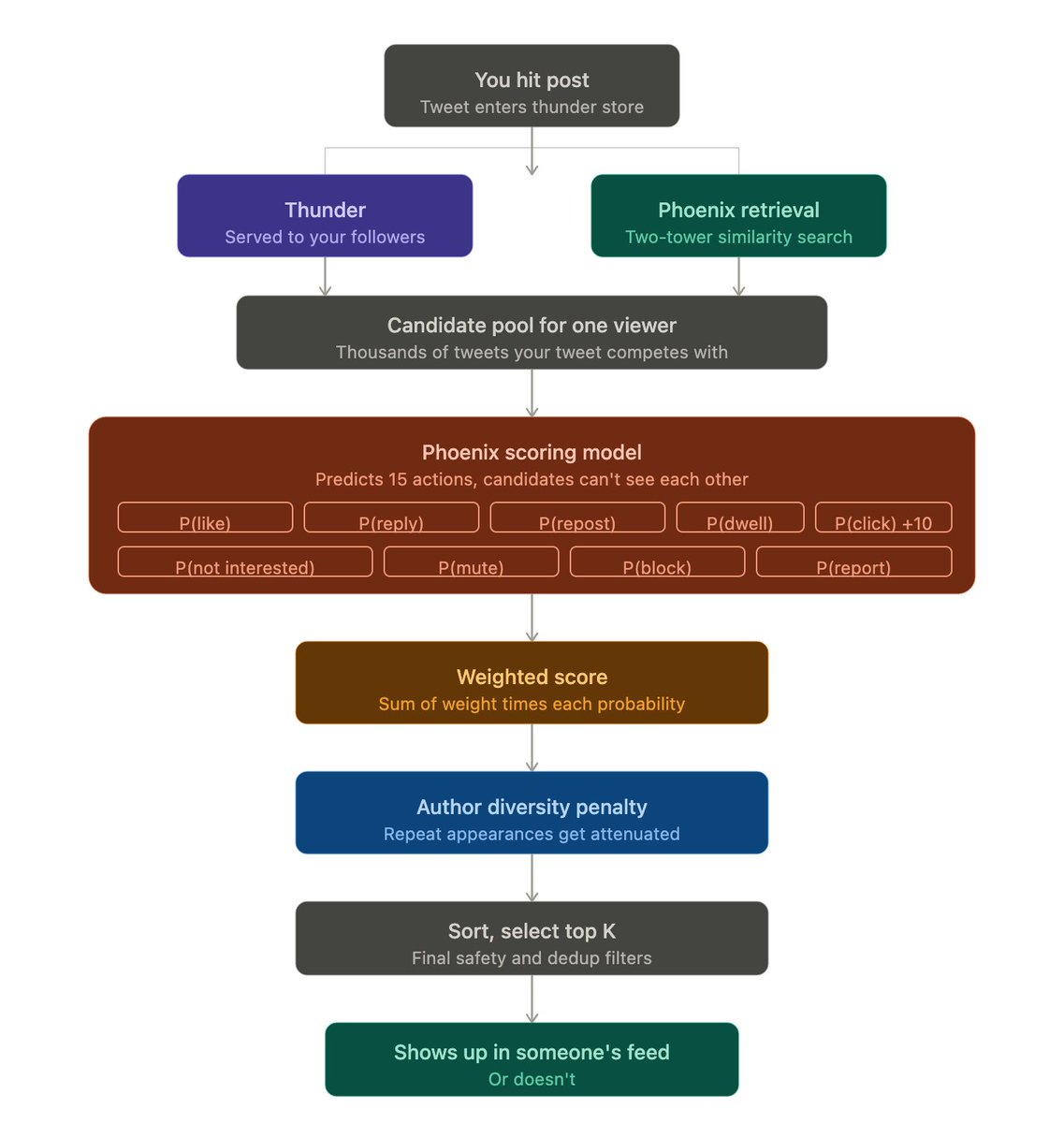
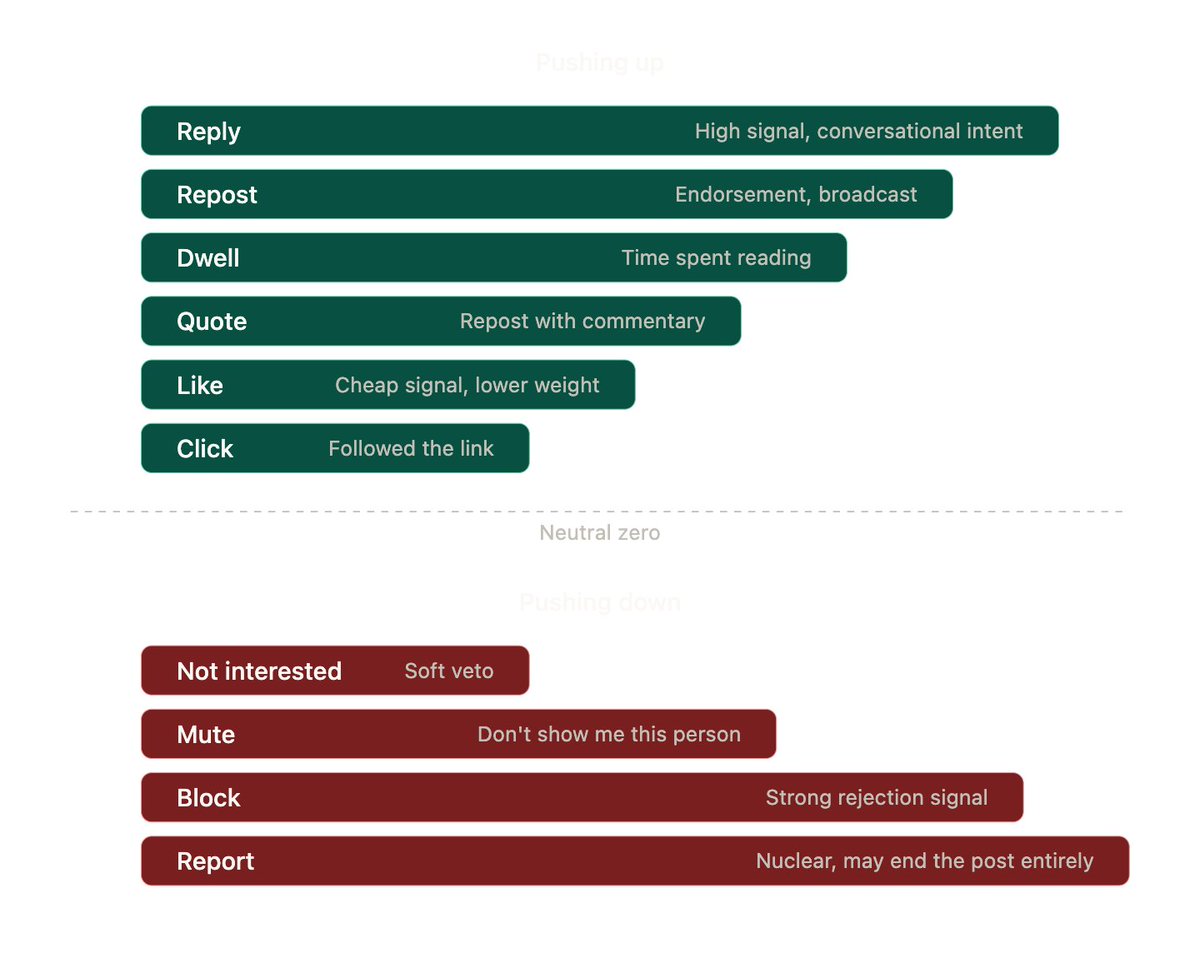
summarised and visualised the playbook behind the new 𝕏 algorithm. here’s what actually matters now ↓ 1/ stop optimizing for likes. replies, reposts, quotes, and dwell time matter way more. write tweets people stop scrolling for. or feel compelled to respond to. 2/ watch block/mute rates, not engagement rates. one mute probably hurts more than dozens of likes help. if a tweet gets high impressions but suddenly flatlines, the algo likely learned people didn’t want more of it. 3/ out-of-network is where the upside is. 𝕏 no longer just pushes to followers. it pushes to relevance. a 200 follower account can outperform a 200k account if the right people engage with it hard enough. 4/ don’t spam-post. your tweets literally compete against each other. 8 tweets in 30 mins = your own reach cannibalizing itself. spread things out. 5/ the first few viewers matter the most. the model learns insanely fast. if early viewers scroll away instantly or hit “not interested,” your tweet dies before it properly spreads. post when your audience is active, not when generic “best time to post” charts say so. 6/ there is no hashtag trick, formatting hack, or magic tweet length anymore. the model doesn’t care about your formatting. it cares about how people react to what you wrote. so write things that make a very specific kind of person stop, think, and engage. everything else follows from there.
Tushar Mehta tweet mediaTushar Mehta tweet media
Elon Musk@elonmusk

The latest 𝕏 algorithm has been published to GitHub github.com/xai-org/x-algo…

English
3
3
42
3.5K
Chelsi
Chelsi@cmchelsimehta·
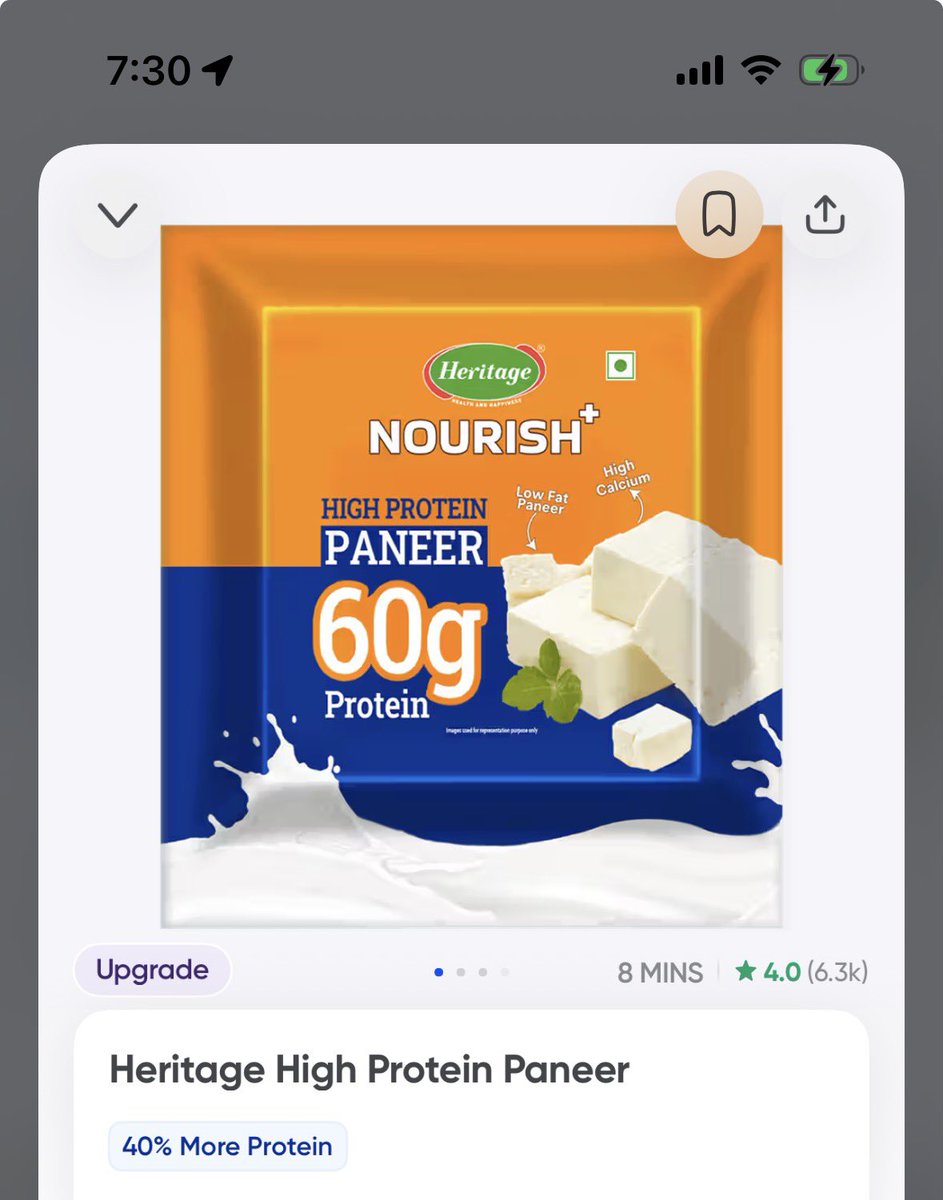
is this high protein paneer good (for curry)
Chelsi tweet media
English
2
0
4
527
Deeksha
Deeksha@aaaudacity·
@NedBertz Do post a review, I've had this on my mind since a while but haven't gotten around to reading it
English
0
1
5
175
Ned Bertz
Ned Bertz@NedBertz·
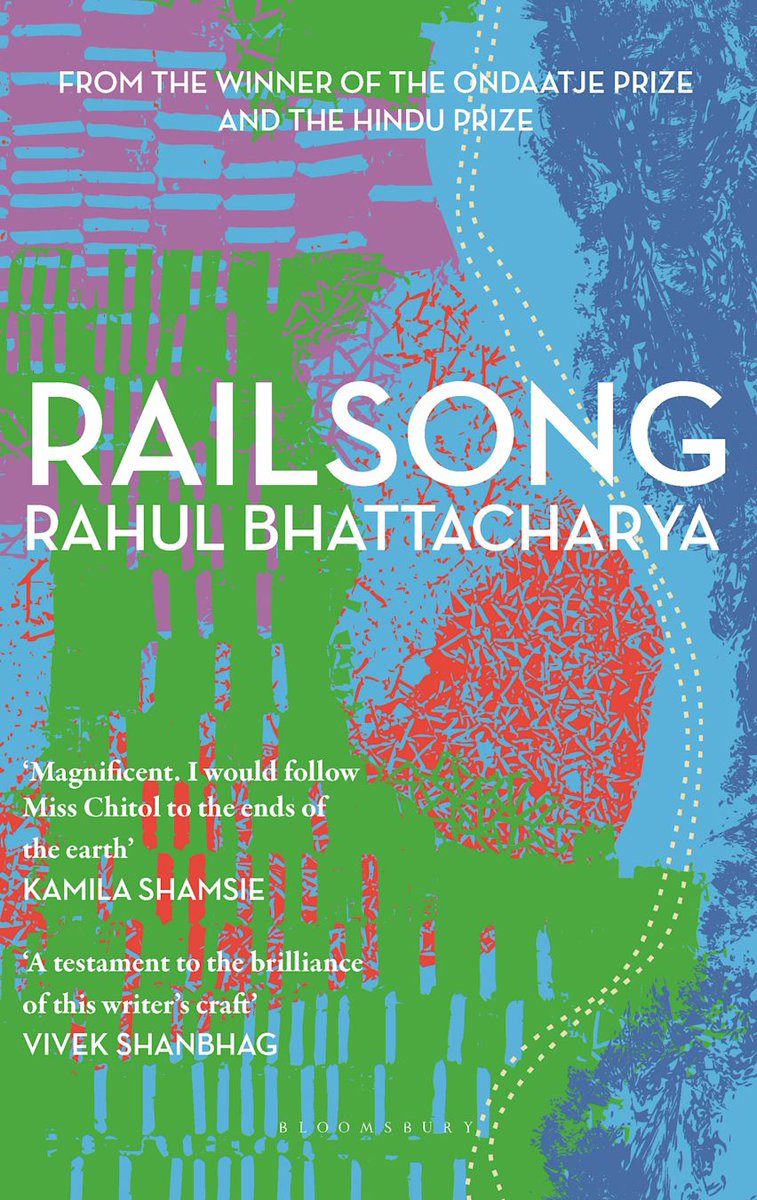
Very excited for my next read! I loved Bhattacharya's first two books, the cricket reportage 'Pundits from Pakistan' and the evocatively named novel 'The Sly Company of People Who Care'. Would love to compare notes with anyone who has read 'Railsong'.
Ned Bertz tweet media
English
7
4
100
2.9K
www.sidin.co
www.sidin.co@sidin·
Just finished reading a history of Sony. Decent book. But just full of so many stereo types.
English
12
3
163
9.7K
Deeksha
Deeksha@aaaudacity·
@mybookr I would've, had I not been trying to make others read
English
1
0
1
83
BookR
BookR@mybookr·
Long night, are you still reading?
English
1
0
2
134
Deeksha
Deeksha@aaaudacity·
@il3ven afaik, i have not checked qcom etc
English
0
0
0
38
Deeksha
Deeksha@aaaudacity·
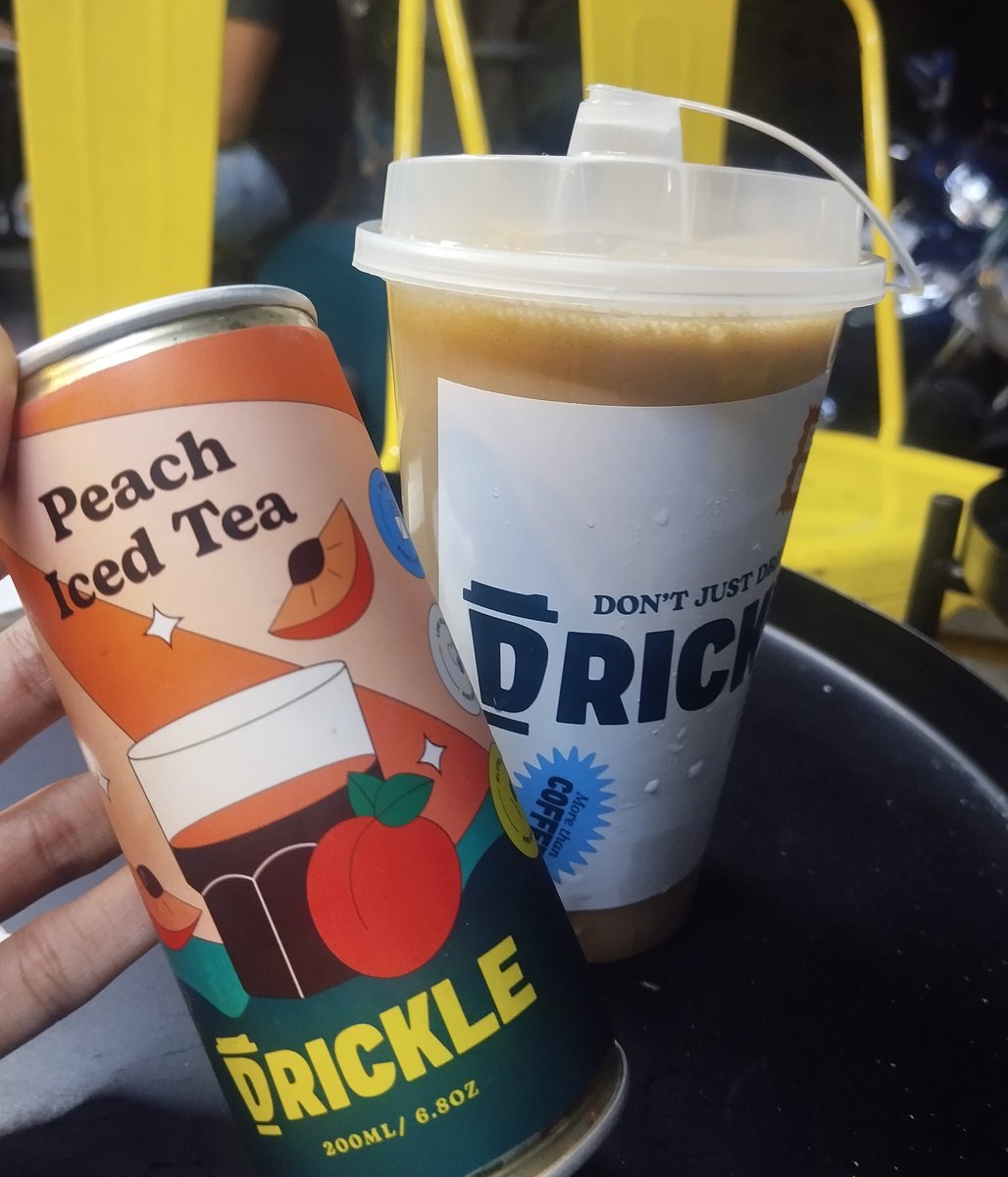
spotted and tried drickle finally! they are not playing about the hazelnut fr, but I'd have preferred a stronger hit of coffee
Deeksha tweet media
English
6
1
26
920
Vardhman Jain
Vardhman Jain@lightroastguy·
@aaaudacity Thank you for trying out, you could add an extra shot of espresso to your coffee. This is a standard double shot.
English
1
0
0
296