
Abdullah Al Nahid retweetledi
Abdullah Al Nahid
2.6K posts


Abdullah Al Nahid
@abdnahid_
code x bio @usc
Los Angeles, CA Katılım Aralık 2015
1.2K Takip Edilen388 Takipçiler

Abdullah Al Nahid retweetledi
One thing that gets lost in the discussions and debates about AI for science is the burden of the masses.
Just because a method is popular, doesn't mean it's good. And teasing apart good/bad from popular/unpopular can be very difficult.
sina@sinabooeshaghi
9. Strangely enough, when you ask Claude Code or ChatGPT what normalization method to use, it tells you sctransform (ChatGPT) or the shifted log (Claude Code), the method favored by the AE&H benchmark. Ask why, and it says they satisfy the criteria listed above. But they don't!
English
Abdullah Al Nahid retweetledi
A puzzle in gene expression:
Theory predicted a universal positive correlation between mRNA and protein levels.
But prior single-cell experiments in E. coli reported almost no correlation at all.
So where is the problem — the theory, the experiments, or both...? 1/5

English
Abdullah Al Nahid retweetledi

My hot take against "AI will solve Bio + Drug Development", after burning $14,000 worth of AI tokens myself in 2mo:
AI could make drug development more crowded before makes it better. Because of the "Anti-Scaling Law" in biology.
Full write-up below⏬
liangchang.substack.com/p/the-anti-sca…

English
Abdullah Al Nahid retweetledi

This new paper is probably the most prominent example to date of how linking genetic variation to cell-level, rather than tissue-level, gene expression can transform the interpretation of GWAS signals.
The study generates a single-cell eQTL resource from intestinal biopsies and blood samples from 421 individuals, including 125 with inflammatory bowel disease (IBD)👇

English
Abdullah Al Nahid retweetledi
🚀 We are introducing PerturbPair (with @TakaKud0) — a platform that combines parallel Perturb-seq and optical pooled screening (OPS/PerturbView) in primary cells to systematically map at massive scale how genetic perturbations reshape cellular states across modalities.
With wonderful collaborators @TakaKud0, @AnaMeireles, @AntRios, @jchuetter, @MinOta, @ORozenblattRosen, @LeviAGarraway, @KGeiger, @avtarsingh, @jkpritch, and Aviv Regev.
Paper link: biorxiv.org/content/10.648…

English
Abdullah Al Nahid retweetledi
This is beautiful.
A previously undruggable target was finally properly drugged, doubling the survival time for a very deadly form of pancreatic cancer.
The profession gave it the standing ovation it deserved.

Rod Wong, MD@docrodwong
a standing ovation for daraxonrasib at asco. over 40k oncologists, entrepreneurs, investors, and patient advocates together celebrating revmed's breakthru in the fight against pancreatic cancer. u never forget these moments. it's what innovation is all about.
English
Abdullah Al Nahid retweetledi

Eli Lilly released retatrutide Phase 3 data yesterday. 28% weight loss in 80 weeks. The most powerful obesity drug that’s ever been tested.
And today the cancer signal drops.
12,112 patients. Seven tumor types. GLP-1 users had half the lung cancer metastasis rate (10% vs 22%). Breast cancer: 43% cut. Colon cancer five-year mortality in a separate study: 15.5% vs 37.1%.
Cancer joins a list that already includes heart disease (SELECT, 20% MACE reduction), kidney failure (FLOW, 24% slower decline), sleep apnea (SURMOUNT-OSA, FDA-approved), addiction (BMJ, 600K veterans, 18-25% reduction across substances), and liver disease (86% fat clearance).
Tumors express GLP-1 receptors. Activate them and NF-kB drops, apoptosis rises. The drug isn’t just shrinking fat. It’s talking directly to the cancer.
One drug class. Designed for blood sugar. The biology keeps finding uses the designers didn’t predict.
The Wall Street Journal@WSJ
The world’s most popular weight-loss and diabetes drugs are linked to a powerful new possible benefit: better outcomes for cancer patients. on.wsj.com/3RBfcXO
English
@de3ug @PMinervini false. i have seen people upload fake ai content pdfs and upload it to osf and it gets indexed in google scholar as a paper even though the underlying contents are completely hallucinated and garbage.
English

@PMinervini If you can find the paper in scholar, then it’s not hallucinated and you have an alibi. Nobody is getting banned for bad formatting.
English

My main concern about this is that many students use e.g. Google Scholar, which is riddled with bad bibtex entries
Thomas G. Dietterich@tdietterich
The penalty is a 1-year ban from arXiv followed by the requirement that subsequent arXiv submissions must first be accepted at a reputable peer-reviewed venue. 4/
English
Abdullah Al Nahid retweetledi

We built an AI system that discovers health biomarkers from wearable data.
One of its first findings: "late-night doomscrolling" is a statistically validated predictor of depression severity (ρ = 0.177, p < 0.001, n = 7,497).
The AI named the feature. No human guidance.

English
Abdullah Al Nahid retweetledi

Happy to share our new preprint from @SashaGusevPosts and @nmancuso_ labs! We introduce Mr. PEG, a framework integrating perturbational screens, eQTL, and GWAS data to identify mediating genes for complex traits. (1/n) medrxiv.org/content/10.648…
English
Abdullah Al Nahid retweetledi

For predicting genetic perturbation response, some researchers scale vertically with more perturbation data; we chose to scale horizontally -- connecting to DNA.
A memorable milestone for my first postdoc project at @marinkazitnik's ZitnikLab!
Marinka Zitnik@marinkazitnik
Perturbations have an address. AI should read it. STRAND: sequence-conditioned transport for single-cell perturbations, led by @Boyang1995 Most models treat perturbations as gene identifiers STRAND conditions on regulatory DNA at the targeted locus and models the shift from control to perturbed cells as generative transport This enables zero-shot prediction at unseen loci and expands coverage beyond predefined gene lists. We can reason about perturbations anywhere (more broadly) in the genome, not just at gene names Sequence to cell state, directly. Given a stretch of DNA, the model predicts how the full transcriptional state of a cell changes arxiv.org/abs/2602.10156 @HarvardDBMI @harvadmed @Harvard @broadinstitute @KempnerInst
English
Abdullah Al Nahid retweetledi
Thrilled to see this finally out! What started out as a chat several years back with @DrFejzo about leveraging publicly available data on hyperemesis gravidarum GWAS turned into a wonderful collaboration with April Shu, @mvaudel, @xwang505 and many others!
Waggoner Lab@LabWaggoner
Multi-ancestry genome-wide association study of severe pregnancy nausea and vomiting reveals potential roles for candidate genes in appetite, insulin signaling and brain plasticity @NatureGenet @DrFejzo @KeckMedicineUSC @nmancuso_ nature.com/articles/s4158… 🇺🇸🇳🇴
English
Abdullah Al Nahid retweetledi

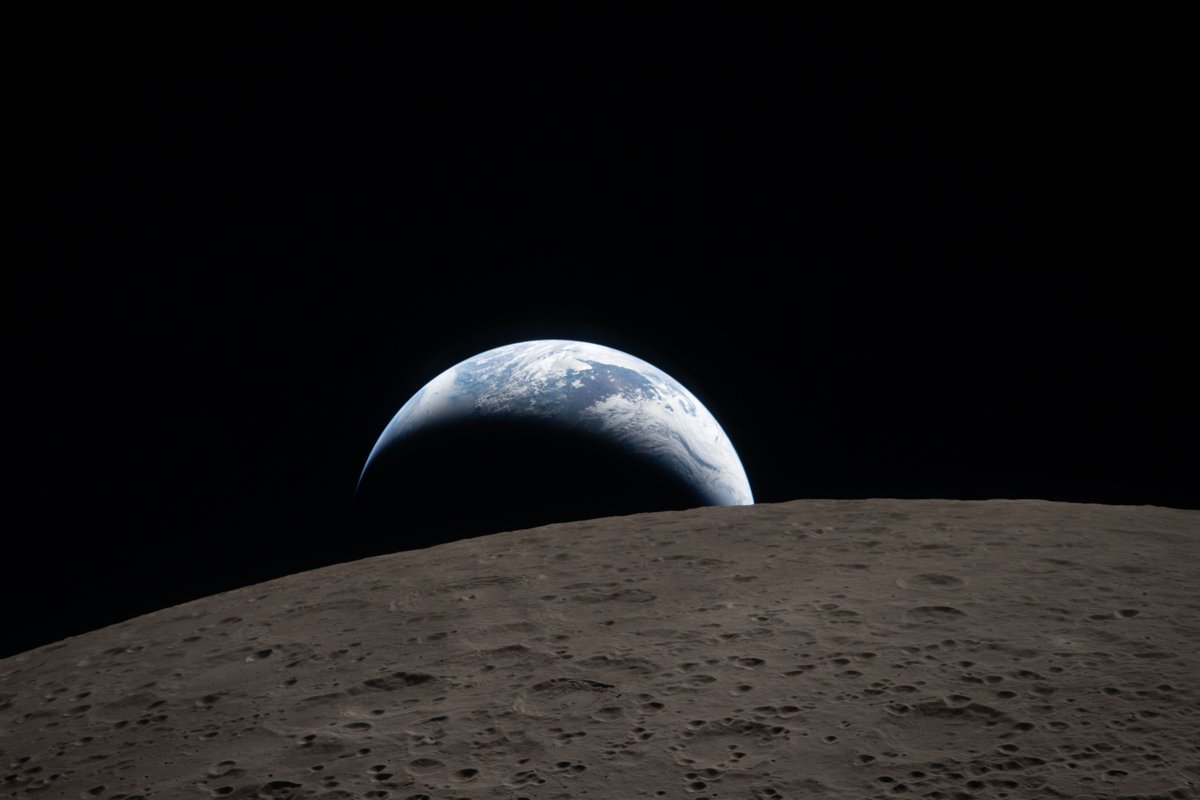
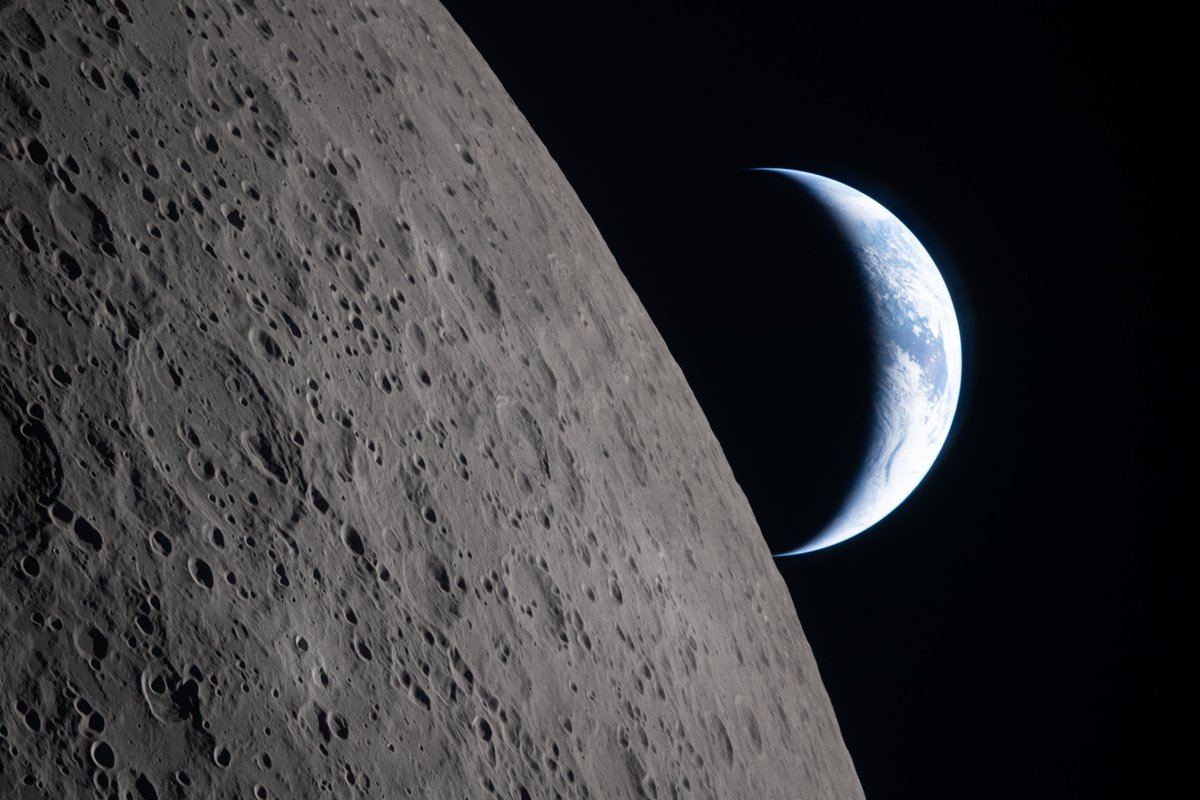
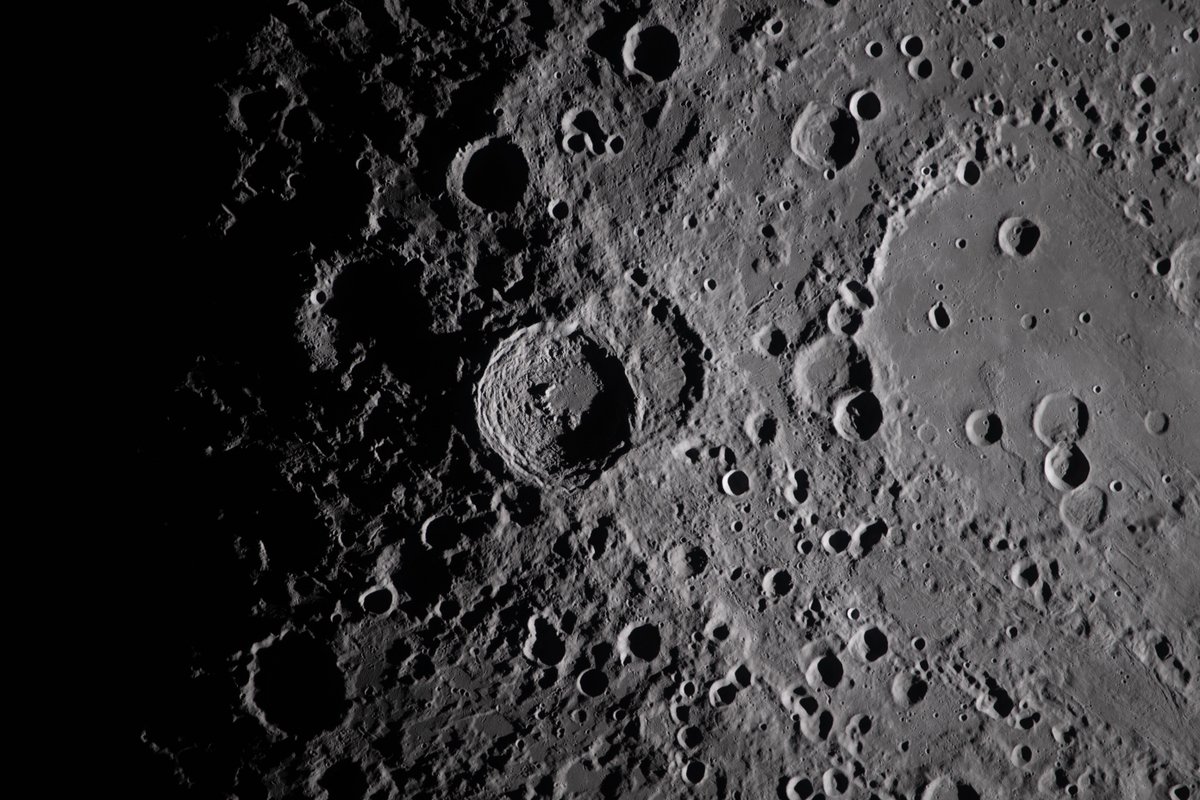
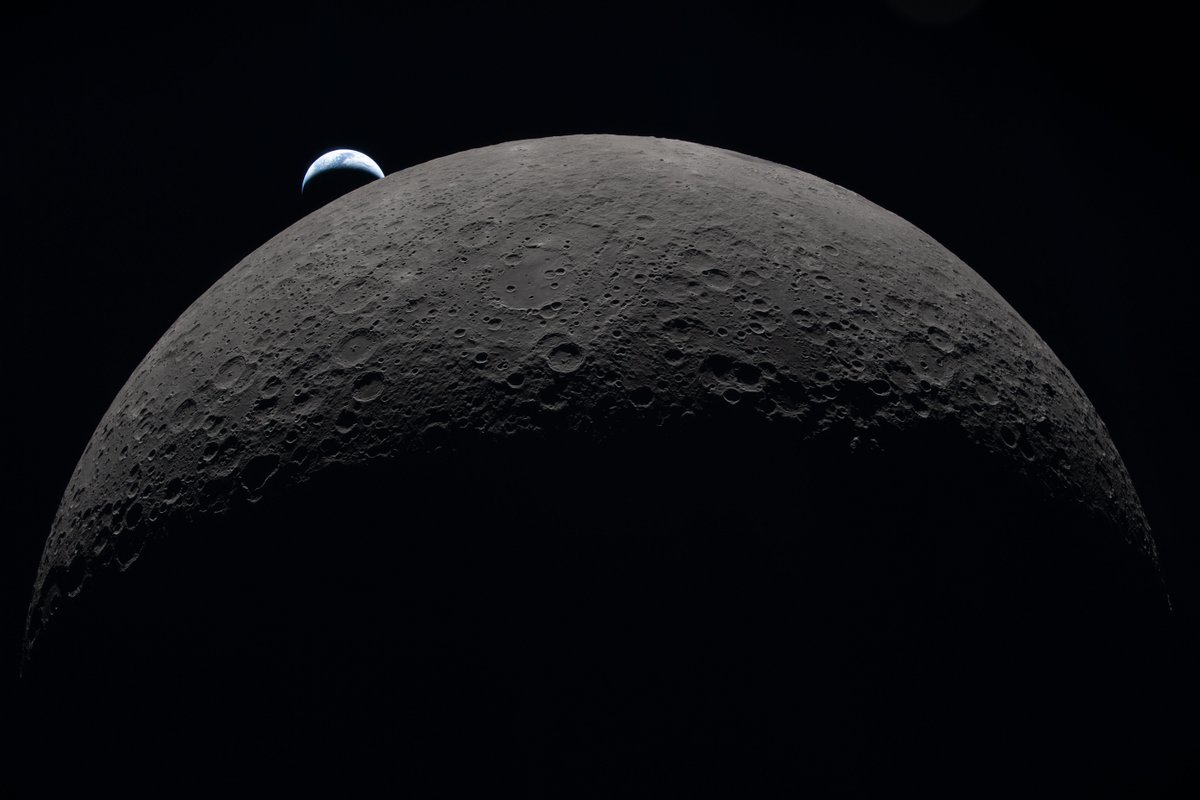
Hello, Moon. It’s great to be back.
Here’s a taste of what the Artemis II astronauts photographed during their flight around the Moon. Check out more photos from the mission: nasa.gov/artemis-ii-mul…
English
Abdullah Al Nahid retweetledi

Great to the see the flurry of single gene knockdown Perturb-seq like atlases from cell-lines, mouse brain etc over the last few days. These are undoubtedly very valuable datasets. I just want to re-iterate a few other very important expt. design considerations 1/
English
Abdullah Al Nahid retweetledi

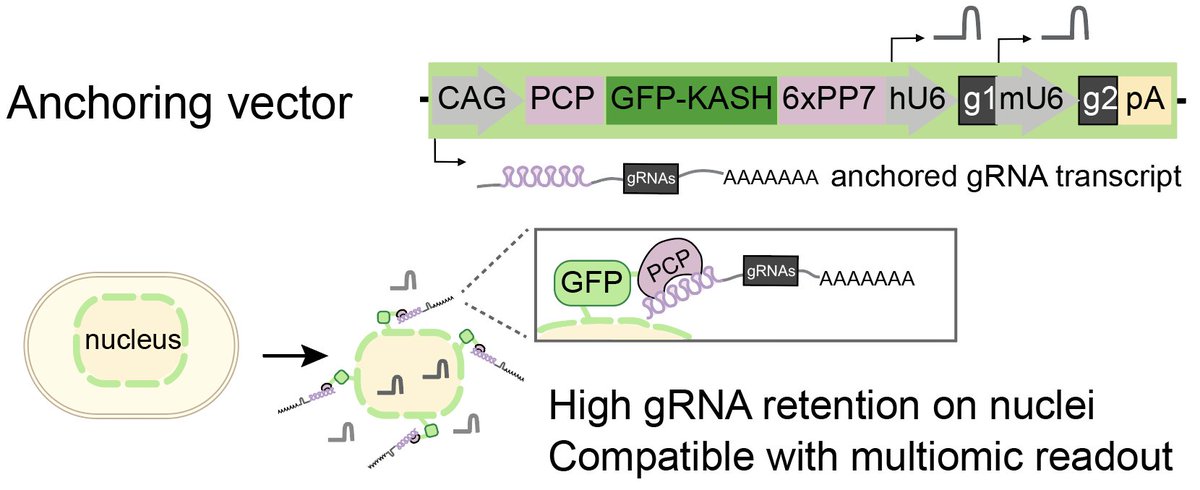
Excited to share: enhanced capture in vivo multiome Perturb-seq!
Worried about low gRNA recovery and waste reads on cells that can’t assign a perturbation? We engineered gRNA transcripts to stay in the nucleus, enabling efficient multiomic Perturb-seq!
biorxiv.org/content/10.648…
English
Abdullah Al Nahid retweetledi
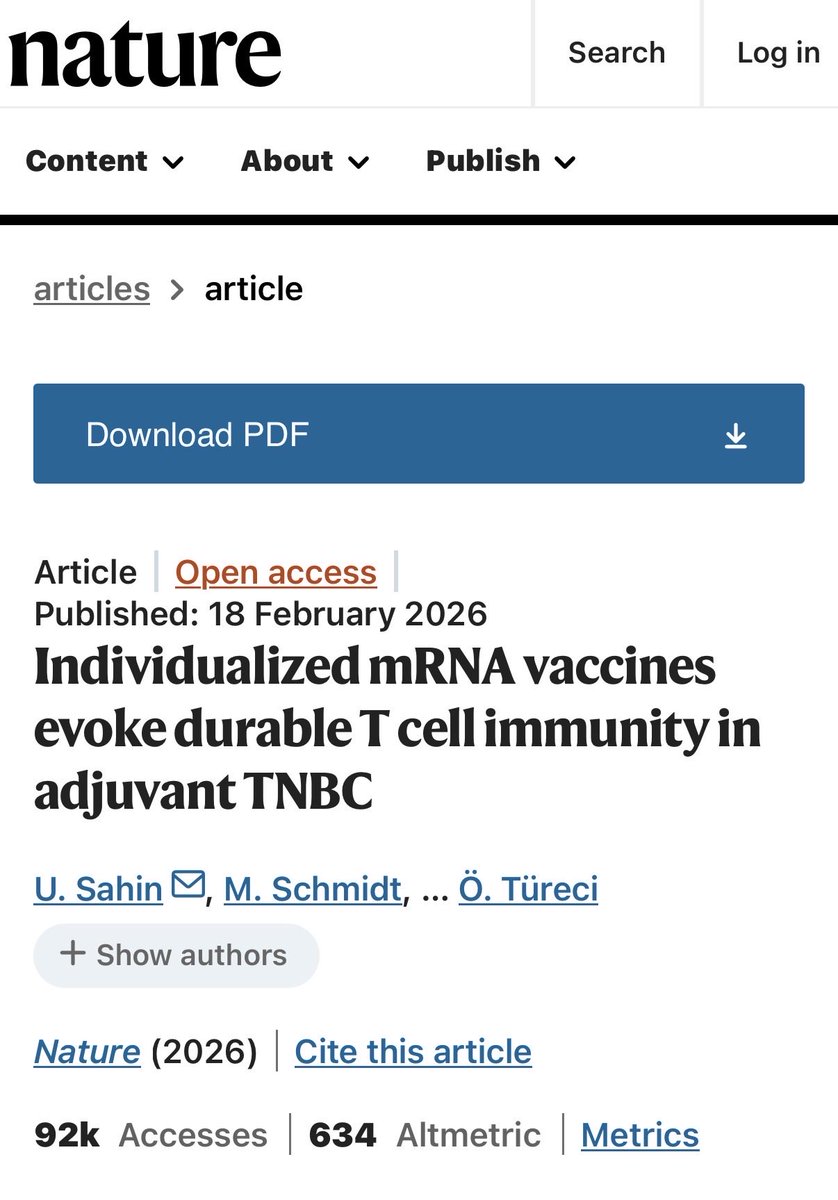
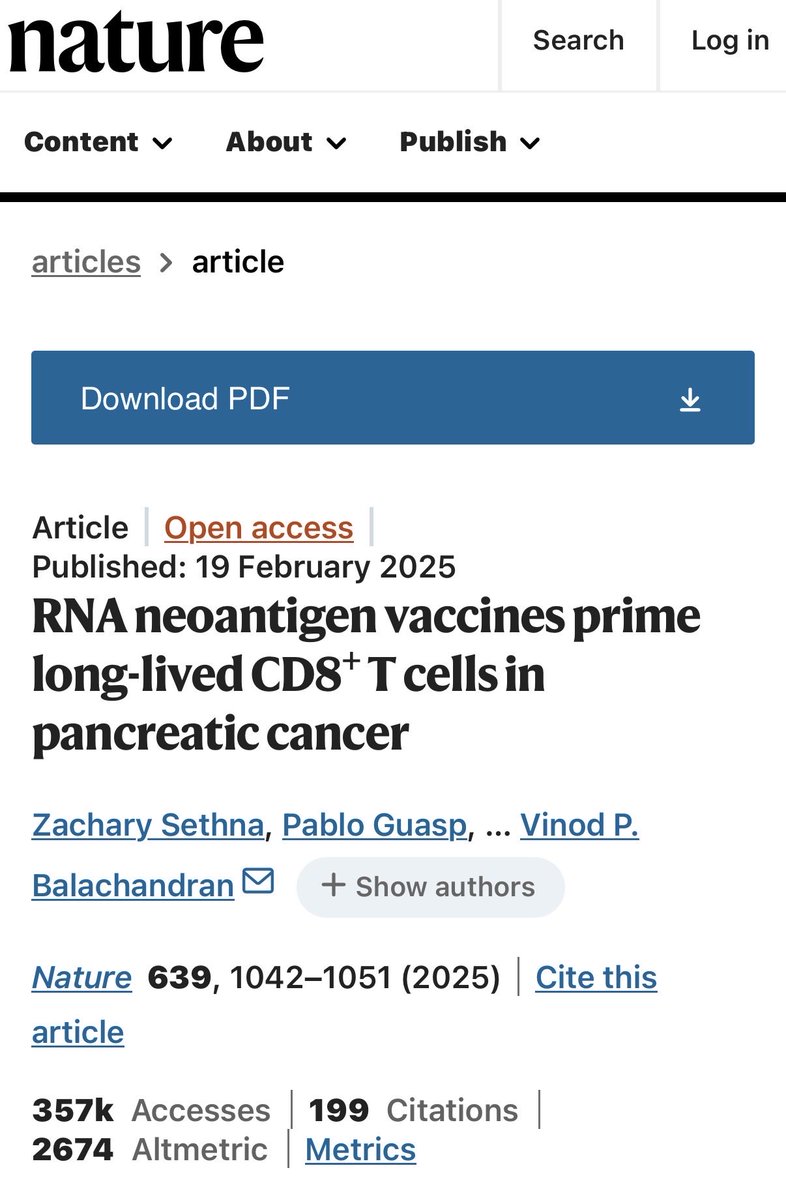
Everyone is talking about personalized mRNA cancer vaccines.
I want to share two recent Nature papers that cut through the excitement and reveal something the viral posts aren't telling you: the approach works — but only in patients whose immune system actually responds to the vaccine. In the PDAC trial, that was half.
Papers:
— TNBC-MERIT trial (Nature 2026): nature.com/articles/s4158…
— PDAC 3-year follow-up (Nature 2025): nature.com/articles/s4158…
Here's the exact number that explains why.
The PDAC trial: at 3.2 years median follow-up, vaccine responders had median recurrence-free survival that was never reached. Non-responders: 13.4 months. HR = 0.14. The T cell memory is real — some clones are projected to persist for over a decade.
The TNBC trial: 10 of 14 patients remained relapse-free at 5 years. One patient has been in remission for over 6 years, with neoantigen-specific T cells still circulating at ~2% of her CD8 repertoire.
So what separates responders from non-responders?
Across both trials: only 41 of 251 neoantigens actually triggered a T cell response. That's 16%.
Each vaccine encodes up to 20 neoantigens — the algorithm's best guess at which tumor mutations will be immunogenic. Most don't work. Half the PDAC patients didn't respond — not because they couldn't mount an immune response (they responded fine to concurrent COVID vaccines) — but because their selected neoantigens happened to miss.
This is the core unsolved problem: predicting, from sequence alone, which mutations will produce peptides that a specific patient's immune system will actually recognize.
It sounds like an MHC binding problem. It isn't. Tools like NetMHCpan handle binding affinity reasonably well. What they miss is the full causal chain:
1. Proteasomal processing — will the protein actually be cleaved into this exact peptide?
2. TAP transport — will it reach the ER for MHC loading?
3. HLA-peptide stability — across the patient's specific HLA alleles (10,000+ variants in the population)
4. T cell repertoire availability — has central tolerance already deleted the clones that would recognize it?
5. Tumor clonal architecture — is this mutation in every tumor cell, or just 30%? Targeting subclonal neoantigens leaves most of the tumor untouched.
Every step is a filter. Current prediction stops at step one.
Compounding everything: average manufacturing time in the TNBC trial was 69 days (range: 34–125) from sample to vaccine release. For pancreatic cancer, where non-responders recur at 13.4 months post-surgery, that's not a footnote. It's a window closing.
The good news: the T cell biology is sound. The mRNA platform works. The immunology is spectacular — when it works.
The bottleneck is the first step: choosing which 20 neoantigens go in the vaccine. Get that prediction right, and the responder rate moves.
This is where AI in cancer immunotherapy has to go next. Not mRNA design. Not LNP formulation. Immunogenicity prediction — integrating mutation calling, HLA typing, T cell repertoire sequencing, and single-cell tumor expression simultaneously, as a causal inference problem, not a binding affinity lookup.
We don't have a model that does this well. That's the gap.
English
Abdullah Al Nahid retweetledi
Inspired by @JswLab, we generated a mini Genome-wide Perturb-seq, using just two 10x lanes (!).
Far too much data for one tweet (or one Figure), but it works beautifully.
The ability to assess the molecular function of every gene in an afternoon is mind-boggling

English
Abdullah Al Nahid retweetledi

i found this guy on youtube who films his cats with a 1999 sony camcorder and it's the most calming and soothing thing i've ever seen
English
Abdullah Al Nahid retweetledi

Cross-biobank catalogue of Gene-Environment (GxE) interactions🧬❎🍷🚬 - explains a significant part of current GWAS missing heritability. The project lead by @NambaShinichi is finally @Nature🎉
nature.com/articles/s4158…
English