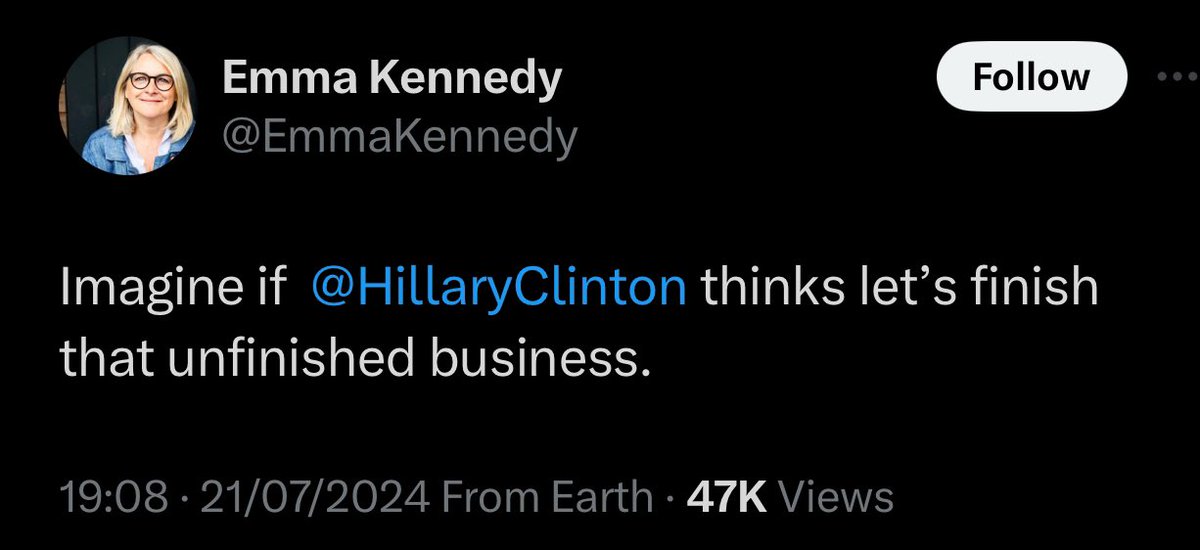
@OfSymbols Smoke coming off the ChatGPT from these people.
English
Aifric O'Connell
3.4K posts


The level of personal hostility directed at Keir Starmer over the last week deserves scrutiny in its own right. Not because he should be immune from criticism, but because the tone and intensity of the attacks tell us something unhealthy about the state of democratic politics. 1. Starmer is a conventional political figure. Cautious, legalistic, incremental. He frustrates people precisely because he is managerial rather than messianic. Yet the reaction to him often goes far beyond disagreement, tipping into visceral hatred more commonly reserved for authoritarians or demagogues. 2. Much of this hostility is disconnected from concrete policy. It is not about specific votes, proposals or outcomes, but about projection. A belief that Starmer embodies betrayal, bad faith or hidden malice. That kind of politics runs on suspicion rather than evidence. 3. This matters because democracy depends on the assumption of good faith among opponents. You can think a leader is wrong, timid, or misguided without believing they are fundamentally illegitimate. Once politics becomes moralised to the point of demonisation, compromise is reframed as treachery and pluralism as weakness. 4. The pattern is familiar. In fragmented, polarised systems, anger concentrates not on extremists, whose intentions are clear, but on moderates, who disappoint maximalists on all sides. The centre becomes the lightning rod precisely because it resists totalising narratives. 5. There is also a media and online dynamic at work. Incentives reward outrage, not proportionality. Algorithms favour contempt over analysis. Over time, this creates a political culture in which relentless personal attack feels normal, even virtuous, rather than disgusting. 6. None of this is a defence of Starmer’s decisions, instincts or record. Those should be argued over robustly as you do in a democracy. The problem is the substitution of critique with hostility and the quiet erosion of democratic norms that follows when political opponents are treated as enemies rather than rivals. 7. A democracy cannot function if every election is framed as an existential struggle against internal evil. At some point, the target may change, but the damage to trust, restraint and culture remains.


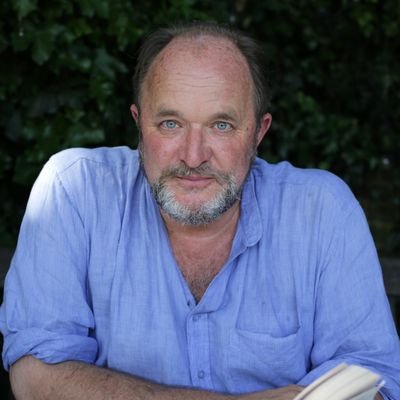
"Palestine is a word as old as literacy itself." As we reflect on some of our most fascinating conversations of 2025, this insight from @DalrympleWill, speaking live to @AyoCaesar, remains one to remember.

We deplore racist attacks at home for the same reason we deplore genocide abroad: we believe in the equal value of human life. My response to calls for the cancellation of peaceful protests for Palestine.



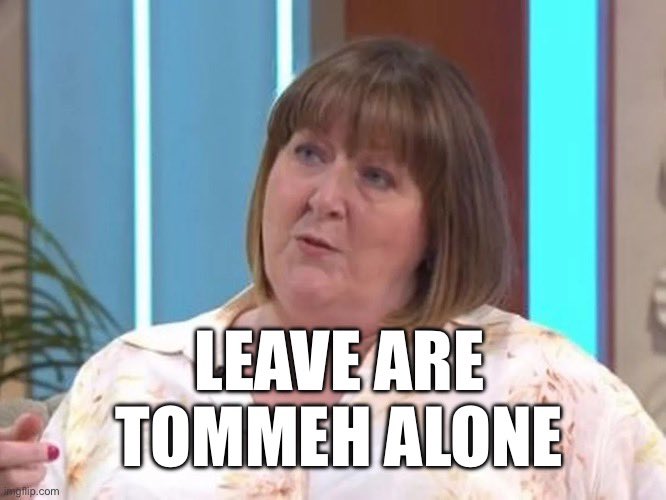


'Labour are saying: spending money today, to save us a fortune tomorrow.' 'Austerity was saying: saving money today, to cost us an absolute fortune tomorrow.' 'We're in the tomorrow now', says James O'Brien, reacting to Labour's approach to tackling prison overcrowding.




“The public are not prepared to give politicians much by way of benefit of the doubt.” Alastair Campbell, Tony Blair's director of communications, tells #R4Today Labour has to make sure a vacuum does not develop which is filled with stories like the rows over Sue Gray.