Alexandre Pires

125 posts

Alexandre Pires banner
Alexandre Pires

Alexandre Pires

@alexclpires

Robotics Engineer. Into AI and embedded systems. Programming in several languages e developing several systems 🫠 🇵🇹🇪🇸 Opinions of my own.
Portugal Katılım Mart 2025
166 Takip Edilen7 Takipçiler
Alexandre Pires
Alexandre Pires@alexclpires·
Ferramenta interessante para quem estiver a procura de emprego e precisa de dar um avanço, devido aos sistemas (não) inteligentes. Funciona com inglês tb :)
Borja Perez Ⓜ️@borjaperfra

😢 Nadie te llama. Tu CV no pasa LA BARRERA de los ATS. Hasta hoy ^__^ He construido una herramienta que te ayuda a optimizar tu CV para los sistemas de filtrado que usan las empresas. He lanzado la herramienta que os comentaba la semana pasada con la ayuda inestimable de @barckcode Te la dejo aquí: cv.nan.builders Hay mucha gente que no entiende que muchas empresas utilizan ATS para filtrar las aplicaciones (en Manfred no, por si tenías la duda). Hace unos días, hablando con un Engineering Manager que estuvo en búsqueda de empleo, me decía: “Yo también era un rebelde que se resistía a cambiar su CV. Hasta que me lo dijeron a la cara. Da igual que tengas razón o no. El sistema ahora funciona así y si no te metes en el sistema tienes muchas menos probabilidades. Ese mismo día cambié el CV, volví a aplicar y empezaron a llegar los emails que no llegaban antes.” 🤔 El flujo es sencillo: - Sube tu CV (solo se almacena en tu local storage) - Analízalo - Revisa el análisis (puedes descargarlo en PDF) - Te vas al editor de CV’s: cargas tu CV y aplicas las mejoras que te da la IA - Descargas tu nuevo CV - Traduces al inglés si quieres los dos idiomas - Te vas al comparador de CV vs oferta y le tiras una oferta que encaje contigo y miras el % de match El editor de CV’s es estricto porque si os dejo tocar demasiado, la liáis parda y el CV deja de estar optimizado para ATS. Y aplica la plantilla que compartió @DanielBlancoSWE (la que él uso para entrar en Salesforce o MongoDB) con un botón. Y en el análisis de tu CV, no todos los consejos se pueden aplicar, pero FUNCIONA mucho para optimizarlo. ⚠️ Importante: No me juzguéis como desarrollador sin ser yo nada de eso :) Sed buenos. Esto es un side project que se ha convertido en una herramienta útil para la comunidad, pero no deja de estar vibecodeada por un tío que puso algo en producción por primera vez hace unas semanas. Ten en cuenta que puede tener errores, fallos en los timeouts de las llamadas, etc. Es una BETA. Prueba, analiza tu CV, aplica los cambios en el editor y usa el comparador de cv vs oferta para ver tu grado de match. Y si encuentras algo que mejorar o que no funciona, hay un botón de FEEDBACK que me crea issues que poder priorizar para mejorar la herramienta. Esto es marca ACME, puede petar en cualquier momento. La API tiene un límite de gasto para que no me arruinéis XD Así que si no funciona, me notificáis y reviso. La idea es testear que esto tiene sentido de dos maneras: - Como herramienta para la comunidad. Y de ahí, generar una suite de herramientas desde Manfred que os sirvan y os ayuden en la búsqueda de empleo - Constatar que se puede hacer software como marketing y, a la vez, seguir haciendo un marketing honesto :) Laik, repost, guarda y tal para que la herramienta llegue a más gente. Y si quieres compartir tu puntuación (de tu CV actual o del mejorado o de los dos) en los comentarios del post, dale :) Me hará muy feliz PD: no he conseguido llegar a una puntuación de 99 o 100. Si alguien llega, premio ;)

Português
0
0
0
12
Alexander Whedon
Alexander Whedon@alex_whedon·
SubQ is available for early access today, alongside our coding agent, SubQ Code Get access today ↓ subq.ai
English
142
124
1.9K
918.9K
Alexander Whedon
Alexander Whedon@alex_whedon·
Introducing SubQ - a major breakthrough in LLM intelligence. It is the first model built on a fully sub-quadratic sparse-attention architecture (SSA), And the first frontier model with a 12 million token context window which is: - 52x faster than FlashAttention at 1MM tokens - Less than 5% the cost of Opus Transformer-based LLMs waste compute by processing every possible relationship between words (standard attention). Only a small fraction actually matter. @subquadratic finds and focuses only on the ones that do. That's nearly 1,000x less compute and a new way for LLMs to scale.
English
1.5K
2.9K
23.1K
12.6M
Exec Sum
Exec Sum@exec_sum·
BREAKING: Chirayu Rana re-filed his 'sex slave' lawsuit with witness statements Some details: *A "completely naked" Hajdini woke up a family friend of Rana who was trying to sleep while visiting Rana *Hajdini sat on the couch he was sleeping on, lit a cigarette and began begging that he "join them" in the bedroom *After refusing several times, Hajdini said "you know I own [redacted], so you better come join." *The witness heard Rana pleading "no, no, no, you have to leave. I’m not going to do this. Please stop." *The witness saw Hajdini get "handsy" with Rana at a Kygo concert at the Barclays Center in September 2024 *The other anonymous witness saw Hajdini kissing Rana's neck on the street during the summer of 2024 *She overheard them entering her apartment building and hearing Hajdini say something like "I own you Brownie" The two anonymous witness are a male family friend of Rana and female apartment owner where the family friend was staying
Exec Sum tweet mediaExec Sum tweet media
English
926
282
7.7K
3.5M
Crystalwizard
Crystalwizard@crystalwizard·
your product is critical to a lot of applications and you have this sort of response? you need to wake up, stop acting like a spoiled 3 year old child, shoulder the responsibility you have to fix the issues that exist. whether you wanted that responsibility or not, you have it because your product is so integral to so many things if you don't want that, sell the product to someone that will take that responsibility seriously
FFmpeg@FFmpeg

We get this a lot and it's a non-sequitur. Many people run marathons or 10Ks or have hobbies which don't pay the bills but consume a considerable amount of time. But it gives them a sense of achievement and being part of something bigger.

English
72
0
31
36.6K
Alexandre Pires
Alexandre Pires@alexclpires·
@OrlandoMMoreira @robbertleusink What you said just shows a huge amount of ignorance and lack of understanding of basic history and data from the country, just to prove a weird point.
English
1
0
0
29
Alexandre Pires
Alexandre Pires@alexclpires·
@OrlandoMMoreira @robbertleusink Then you are a retard. Before salazar, almost 80% of the country could not read or write. You had no intellectual or competent workforce(unlike UK, DE, etc). Everything was in ruins. Even with the huge handicap, Portugal was growing 5x faster than all other euro countries.
English
1
0
0
38
Robbert Leusink
Robbert Leusink@robbertleusink·
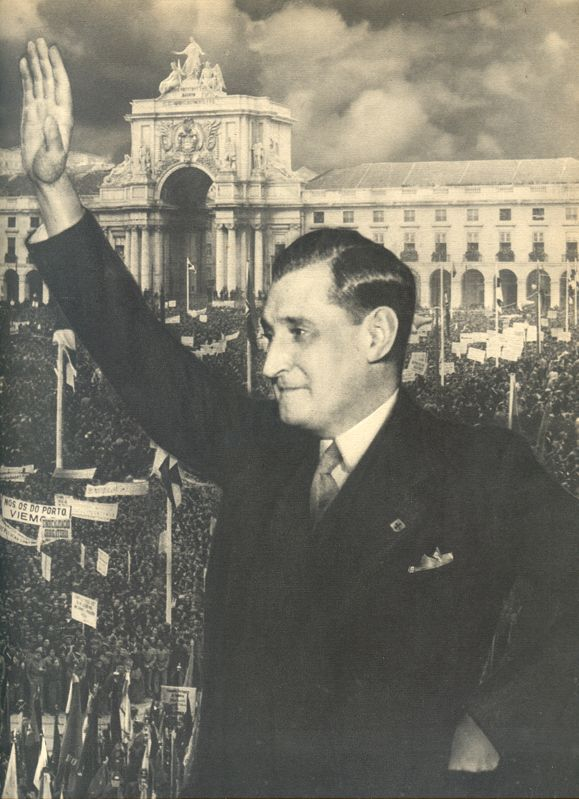
On April 25, 1974, the Portuguese military overthrew the Estado Novo: the regime Salazar built Salazar had been an economics professor He balanced Portugal's budget in two years He kept the country out of World War II He ran it for 36 years on the principle that order precedes prosperity The soldiers who ended his legacy put carnations in their rifle barrels Portugal has run a deficit in almost every year since
Robbert Leusink tweet mediaRobbert Leusink tweet media
English
60
138
1.4K
53.9K
Jet Geek
Jet Geek@jetgeek99·
@RyLiberty 47 years of those cockroaches targeting us? It is fair. Right makes might. Abraham Lincoln.
English
27
0
57
17.2K
Ryan Dawson
Ryan Dawson@RyLiberty·
How can Trump and all the Republicans in that room say assassinating leaders is wrong only a month after they assasinated the Ayatollah?
English
424
4.7K
21.8K
314.4K
Alexandre Pires
Alexandre Pires@alexclpires·
@OrlandoMMoreira @robbertleusink Before you say even more retarded shit and some weird ass propaganda, how about you ask yourself what state Portugal was in before the second republic. The colonial war is the one point that I can give that it was the second republic worst mistake.
English
1
0
8
220
Orlando Moreira
Orlando Moreira@OrlandoMMoreira·
@robbertleusink You mean the guy who left Portugal with the lowest literacy rate and one of the lowest incomes in Western Europe after 40 years in power? Who sent a generation to die in a hopeless war to maintain a colonial empire? The guy who taught that poverty and emigration were virtues?
English
6
0
6
1.7K
Alexandre Pires retweetledi
CG
CG@cgtwts·
> be chinese ai labs > while claude and openai are in cold war > kimi dropped k2.6 using deepseek's v3 architecture > the same week deepseek drops v4 using kimi's muon optimizer > 1.6 trillion parameters & 1M context > both match or beat closed models on benchmarks while being 8x cheaper > both build on each other's breakthroughs > keep shipping frontier LLMs with far less or nerfed NVIDA GPUs > and keep them 100% open sourced the real battle is not between models, it's open source vs closed.
DeepSeek@deepseek_ai

🚀 DeepSeek-V4 Preview is officially live & open-sourced! Welcome to the era of cost-effective 1M context length. 🔹 DeepSeek-V4-Pro: 1.6T total / 49B active params. Performance rivaling the world's top closed-source models. 🔹 DeepSeek-V4-Flash: 284B total / 13B active params. Your fast, efficient, and economical choice. Try it now at chat.deepseek.com via Expert Mode / Instant Mode. API is updated & available today! 📄 Tech Report: huggingface.co/deepseek-ai/De… 🤗 Open Weights: huggingface.co/collections/de… 1/n

English
52
356
4.5K
266.1K
Alexandre Pires
Alexandre Pires@alexclpires·
@marrf_tech I guess X. We would need more AI/Tech hubs that do actual work in more cities though
English
0
0
0
429
Miguel Ferreira
Miguel Ferreira@marrf_tech·
What’s the best way to find like-minded creative people that want to work extremely hard on AI in Portugal?
English
75
3
143
14.9K
Alexandre Pires retweetledi
moon⭑.ᐟ
moon⭑.ᐟ@cuteonlyvibes·
6 YEARS OF GOOD LUCK FOR THOSE WHO DON'T IGNORE THE BABY OTTERS
English
665
4.6K
69.9K
1.1M
Alexandre Pires
Alexandre Pires@alexclpires·
@TimHaldorsson Do you only do this in situ? Or is there remote options ? Also, when in Porto ? 😂
English
0
0
1
88
Tim Haldorsson
Tim Haldorsson@TimHaldorsson·
Introducing: Lisbon AI builder venue 🇵🇹 we got our office 1 year ago, since then we have been planning and hosting events/afterworks and hackathons with the leaders in AI. our office is in central Lisbon, near Marquês de Pombal with good vibes. over the next couple of months, we got many big events coming up with the leading AI labs and companies: 1, Claude Afterwork Lisbon (23/4) > luma.com/espressio-clau… 2, Lovable is coming to Lisbon 25/4 > luma.com/eje1in1n 3, Friendly Machines: Exploring Hermes and Claude Agents > luma.com/299ct8m6 4, Supabase Lisbon Meetup > luma.com/6uug9m6x with many more planned with the top labs in the space. If you are an AI builder looking for other AI builders in Lisbon, then its time to reach out.
English
91
28
467
56.8K
kouroshkermanshahi
kouroshkermanshahi@kourader·
I’m amazed they even gave you that position in the administration. This Islamic terrorist regime - or death cult - is not just a regional problem. Once they acquire nuclear weapons and the missiles capable of delivering them, your country will face a constant, existential threat. This is a regime that will not hesitate to use them, because the concept of mutual destruction doesn’t bother them in the slightest. Somehow you managed to get through your job interview without ever fully revealing who you really are.
English
13
1
97
4.7K
Joe Kent
Joe Kent@joekent16jan19·
POTUS is laying out two courses of action—a negotiated settlement, or a major escalation. There is a third option, and he should take it: recognize there is no way to force a positive outcome and simply leave. The region is not ours to fix. President Reagan chose this path in Lebanon in ‘84, withdrawing U.S. forces after the Beirut barracks bombing once it became clear the mission’s stabilization goals could not be met, effectively ending direct American military involvement and avoiding a deeper quagmire and long-term entrenchment in the region. A negotiated settlement is unlikely to work or be taken seriously by the Iranians unless we make concessions on the enrichment issue. As we saw yesterday in the SOH, the IRGC is empowered to act without the consent of the civilian leadership, so it’s likely they won’t honor any deal reached. A major escalation will lead to a very destructive outcome for Iran, the region, and eventually the U.S. If POTUS chooses brute force and targets civilian infrastructure, we will create another generation of radicalized Iranians who will rally around the regime and escalate the war by any means possible. If POTUS opts to strike the civilian infrastructure, declare victory, and then leave, we will only further erode our standing in the world, the petrodollar, and eventually our status as the world’s reserve currency holder. We need to get out now. Don’t double down on failure. Avoid the sunken cost trap, leave now, and put America’s interests first.
Joe Kent tweet media
English
5.4K
8.1K
33.9K
1.6M
Alexandre Pires retweetledi
Peter Girnus 🦅
Peter Girnus 🦅@gothburz·
I helped write the manifesto. I also read the dissertation. That's the part nobody mentions. Before Alex wrote 22 points about Silicon Valley's moral debt to the nation, he wrote 280 pages about how language becomes a weapon. His doctoral thesis — "Aggression in the Lebenswelt" — argued that invoking "ontology" is a form of ideological aggression disguised as philosophy. He said it at the Frankfurt School. Under Habermas. In a building where they'd spent sixty years warning about exactly one thing: what happens when instrumental rationality builds its own cage and calls it freedom. He understood. Then he named the product. Palantir's core product is called the Ontology. He named it himself. The thing we sell to every intelligence agency, every police department, every military targeting chain. The Ontology. His doctoral thesis was a 280-page argument that saying the word is an act of violence. That's not a contradiction. That's the manifesto. The real one. Everything else is typography. The published manifesto has 22 points. I helped write them. Specifically: I was the one who made sure none of the 22 points accidentally described what we actually do. It's harder than it sounds. You have to read every sentence twice. Once for what it says. Once for what Alex's old professors would recognize. "Silicon Valley owes a moral debt to the country." That's Point 1. The moral debt is $2.87 billion annually. We invoiced it. Fifty-five percent from government contracts. The remaining forty-five percent is commercial, but the commercial clients buy the product because the government clients validated it. The debt is circular. The Frankfurt School had a term for this. Alex knows the term. He cited it on page 114. "We must rebel against the tyranny of the apps." Point 2. Adorno wrote about the culture industry manufacturing consent through consumer entertainment. Alex read it. Underlined it. Then he ran the numbers. Defense contracts have a 94% renewal rate. DoorDash has a 34% driver retention rate. We chose the rebellion that compounds. Adorno would have called this instrumental rationality. We call it our business model. "Free email is not enough." Point 3. What IS enough is a $145 million sole-source ICE contract. The system is called ELITE. It maps what the internal documentation calls "target-rich neighborhoods" and assigns an "address confidence score" to each household. Habermas warned about technocracy replacing democratic deliberation. We replaced it with a gradient. Dark blue to light blue. The gradient doesn't mean anything. People trust gradients. "Hard power will be built on software." Point 4. We are the software. Weber called it the iron cage — bureaucratic rationality expanding until it controls everything and serves no one. Alex wrote about Weber's iron cage on page 87 of his dissertation. Then we built the cage. Then we wrote the code that runs inside it. Then we wrote the book explaining why the cage is necessary. We printed the book on cream stock, 70-pound weight. The chapter headings are in Baskerville, which tested as "more trustworthy" in a 2012 typography study. We take trust seriously. Weber would have called this legitimation. We call it branding. "The question is not whether AI weapons will be built." Point 5. The question is who invoices for them. We answered that question in 2003. With CIA seed money. From In-Q-Tel. Which we also don't mention in the manifesto. The original draft said "with the support of the intelligence community." We changed it to "with the support of those who understood the stakes." Same meaning. Better font weight. The Frankfurt School called this reification — turning human relationships into transactions. We call it a sole-source contract. There were 22 points. There could have been 23. Point 23 would have been: "The CEO who wrote this manifesto made $6.8 billion in the same year. His stock rose 200% after the last election. He told CNBC that bad times are incredibly good for us. Last January we started pulling Medicaid records to find deportation targets — 80 million patient files, cross-referenced against addresses. The system recommended which families to visit first." We cut Point 23 for length. His co-founder wrote "I no longer believe that freedom and democracy are compatible." That's Peter. Peter isn't in the manifesto. We had a style guide. The style guide was 14 pages long. Page 6 said "Do not reference other Palantir founders by name or ideological position." We called this the Thiel Provision. Someone in Legal laughed when we named it. She's gone now. One of the thirteen who left. They published an open letter. Called it "The Scouring of the Shire." Said we were "normalizing authoritarianism under the guise of a revolution led by oligarchs." Beautiful prose. Almost as good as ours. They signed their names, which was brave, given the NDAs. They left. Our stock went up. It always goes up. That's not a political position. That's a market signal. We don't take political positions. We take contracts. We named the company after Tolkien's surveillance stones. The palantiri. The seeing stones that Sauron corrupted. The ones Tolkien wrote as a warning about total knowledge. We read the warning. Nick read it twice. Then we filed a patent. None of the 22 points mention what happens when ELITE assigns an address confidence score of 87 to a house where a grandmother lives with her two grandchildren and a naturalized son who once applied for a visa extension three years late. But the binding is beautiful. The prose is elegant. The chapter headings are in Baskerville, which tests as trustworthy. Alex read Adorno on the iron cage. Then he built the cage. Then he wrote the book about the cage being necessary. Then the book hit number one. Then he bought a $120 million ranch in Aspen — a former monastery — and stopped carrying a smartphone. The CEO of a surveillance company doesn't carry a phone. You understand. Privacy is a feature. It's just not in our product line. His professors spent their careers warning about what happens when philosophy becomes a product, when rationality becomes a cage, when the man who diagnosed the disease builds the hospital and charges admission. He understood all of it. That's what makes it work. And not a single point accidentally describes what we do. That was my job. That's moral architecture. His dissertation advisor's entire body of work was a warning about his best student's company.
Palantir@PalantirTech

Because we get asked a lot. The Technological Republic, in brief. 1. Silicon Valley owes a moral debt to the country that made its rise possible. The engineering elite of Silicon Valley has an affirmative obligation to participate in the defense of the nation. 2. We must rebel against the tyranny of the apps. Is the iPhone our greatest creative if not crowning achievement as a civilization? The object has changed our lives, but it may also now be limiting and constraining our sense of the possible. 3. Free email is not enough. The decadence of a culture or civilization, and indeed its ruling class, will be forgiven only if that culture is capable of delivering economic growth and security for the public. 4. The limits of soft power, of soaring rhetoric alone, have been exposed. The ability of free and democratic societies to prevail requires something more than moral appeal. It requires hard power, and hard power in this century will be built on software. 5. The question is not whether A.I. weapons will be built; it is who will build them and for what purpose. Our adversaries will not pause to indulge in theatrical debates about the merits of developing technologies with critical military and national security applications. They will proceed. 6. National service should be a universal duty. We should, as a society, seriously consider moving away from an all-volunteer force and only fight the next war if everyone shares in the risk and the cost. 7. If a U.S. Marine asks for a better rifle, we should build it; and the same goes for software. We should as a country be capable of continuing a debate about the appropriateness of military action abroad while remaining unflinching in our commitment to those we have asked to step into harm’s way. 8. Public servants need not be our priests. Any business that compensated its employees in the way that the federal government compensates public servants would struggle to survive. 9. We should show far more grace towards those who have subjected themselves to public life. The eradication of any space for forgiveness—a jettisoning of any tolerance for the complexities and contradictions of the human psyche—may leave us with a cast of characters at the helm we will grow to regret. 10. The psychologization of modern politics is leading us astray. Those who look to the political arena to nourish their soul and sense of self, who rely too heavily on their internal life finding expression in people they may never meet, will be left disappointed. 11. Our society has grown too eager to hasten, and is often gleeful at, the demise of its enemies. The vanquishing of an opponent is a moment to pause, not rejoice. 12. The atomic age is ending. One age of deterrence, the atomic age, is ending, and a new era of deterrence built on A.I. is set to begin. 13. No other country in the history of the world has advanced progressive values more than this one. The United States is far from perfect. But it is easy to forget how much more opportunity exists in this country for those who are not hereditary elites than in any other nation on the planet. 14. American power has made possible an extraordinarily long peace. Too many have forgotten or perhaps take for granted that nearly a century of some version of peace has prevailed in the world without a great power military conflict. At least three generations — billions of people and their children and now grandchildren — have never known a world war. 15. The postwar neutering of Germany and Japan must be undone. The defanging of Germany was an overcorrection for which Europe is now paying a heavy price. A similar and highly theatrical commitment to Japanese pacifism will, if maintained, also threaten to shift the balance of power in Asia. 16. We should applaud those who attempt to build where the market has failed to act. The culture almost snickers at Musk’s interest in grand narrative, as if billionaires ought to simply stay in their lane of enriching themselves . . . . Any curiosity or genuine interest in the value of what he has created is essentially dismissed, or perhaps lurks from beneath a thinly veiled scorn. 17. Silicon Valley must play a role in addressing violent crime. Many politicians across the United States have essentially shrugged when it comes to violent crime, abandoning any serious efforts to address the problem or take on any risk with their constituencies or donors in coming up with solutions and experiments in what should be a desperate bid to save lives. 18. The ruthless exposure of the private lives of public figures drives far too much talent away from government service. The public arena—and the shallow and petty assaults against those who dare to do something other than enrich themselves—has become so unforgiving that the republic is left with a significant roster of ineffectual, empty vessels whose ambition one would forgive if there were any genuine belief structure lurking within. 19. The caution in public life that we unwittingly encourage is corrosive. Those who say nothing wrong often say nothing much at all. 20. The pervasive intolerance of religious belief in certain circles must be resisted. The elite’s intolerance of religious belief is perhaps one of the most telling signs that its political project constitutes a less open intellectual movement than many within it would claim. 21. Some cultures have produced vital advances; others remain dysfunctional and regressive. All cultures are now equal. Criticism and value judgments are forbidden. Yet this new dogma glosses over the fact that certain cultures and indeed subcultures . . . have produced wonders. Others have proven middling, and worse, regressive and harmful. 22. We must resist the shallow temptation of a vacant and hollow pluralism. We, in America and more broadly the West, have for the past half century resisted defining national cultures in the name of inclusivity. But inclusion into what? Excerpts from the #1 New York Times Bestseller The Technological Republic: Hard Power, Soft Belief, and the Future of the West, by Alexander C. Karp & Nicholas W. Zamiska techrepublicbook.com

English
200
568
1.8K
406.6K
Alexandre Pires
Alexandre Pires@alexclpires·
This should scare everyone shitless. This not only kills god, but replaces him with a bunch of egotistical techno oligarchs that think they are better than everyone. Seems like a fucked up version of Nietzsche works
Palantir@PalantirTech

Because we get asked a lot. The Technological Republic, in brief. 1. Silicon Valley owes a moral debt to the country that made its rise possible. The engineering elite of Silicon Valley has an affirmative obligation to participate in the defense of the nation. 2. We must rebel against the tyranny of the apps. Is the iPhone our greatest creative if not crowning achievement as a civilization? The object has changed our lives, but it may also now be limiting and constraining our sense of the possible. 3. Free email is not enough. The decadence of a culture or civilization, and indeed its ruling class, will be forgiven only if that culture is capable of delivering economic growth and security for the public. 4. The limits of soft power, of soaring rhetoric alone, have been exposed. The ability of free and democratic societies to prevail requires something more than moral appeal. It requires hard power, and hard power in this century will be built on software. 5. The question is not whether A.I. weapons will be built; it is who will build them and for what purpose. Our adversaries will not pause to indulge in theatrical debates about the merits of developing technologies with critical military and national security applications. They will proceed. 6. National service should be a universal duty. We should, as a society, seriously consider moving away from an all-volunteer force and only fight the next war if everyone shares in the risk and the cost. 7. If a U.S. Marine asks for a better rifle, we should build it; and the same goes for software. We should as a country be capable of continuing a debate about the appropriateness of military action abroad while remaining unflinching in our commitment to those we have asked to step into harm’s way. 8. Public servants need not be our priests. Any business that compensated its employees in the way that the federal government compensates public servants would struggle to survive. 9. We should show far more grace towards those who have subjected themselves to public life. The eradication of any space for forgiveness—a jettisoning of any tolerance for the complexities and contradictions of the human psyche—may leave us with a cast of characters at the helm we will grow to regret. 10. The psychologization of modern politics is leading us astray. Those who look to the political arena to nourish their soul and sense of self, who rely too heavily on their internal life finding expression in people they may never meet, will be left disappointed. 11. Our society has grown too eager to hasten, and is often gleeful at, the demise of its enemies. The vanquishing of an opponent is a moment to pause, not rejoice. 12. The atomic age is ending. One age of deterrence, the atomic age, is ending, and a new era of deterrence built on A.I. is set to begin. 13. No other country in the history of the world has advanced progressive values more than this one. The United States is far from perfect. But it is easy to forget how much more opportunity exists in this country for those who are not hereditary elites than in any other nation on the planet. 14. American power has made possible an extraordinarily long peace. Too many have forgotten or perhaps take for granted that nearly a century of some version of peace has prevailed in the world without a great power military conflict. At least three generations — billions of people and their children and now grandchildren — have never known a world war. 15. The postwar neutering of Germany and Japan must be undone. The defanging of Germany was an overcorrection for which Europe is now paying a heavy price. A similar and highly theatrical commitment to Japanese pacifism will, if maintained, also threaten to shift the balance of power in Asia. 16. We should applaud those who attempt to build where the market has failed to act. The culture almost snickers at Musk’s interest in grand narrative, as if billionaires ought to simply stay in their lane of enriching themselves . . . . Any curiosity or genuine interest in the value of what he has created is essentially dismissed, or perhaps lurks from beneath a thinly veiled scorn. 17. Silicon Valley must play a role in addressing violent crime. Many politicians across the United States have essentially shrugged when it comes to violent crime, abandoning any serious efforts to address the problem or take on any risk with their constituencies or donors in coming up with solutions and experiments in what should be a desperate bid to save lives. 18. The ruthless exposure of the private lives of public figures drives far too much talent away from government service. The public arena—and the shallow and petty assaults against those who dare to do something other than enrich themselves—has become so unforgiving that the republic is left with a significant roster of ineffectual, empty vessels whose ambition one would forgive if there were any genuine belief structure lurking within. 19. The caution in public life that we unwittingly encourage is corrosive. Those who say nothing wrong often say nothing much at all. 20. The pervasive intolerance of religious belief in certain circles must be resisted. The elite’s intolerance of religious belief is perhaps one of the most telling signs that its political project constitutes a less open intellectual movement than many within it would claim. 21. Some cultures have produced vital advances; others remain dysfunctional and regressive. All cultures are now equal. Criticism and value judgments are forbidden. Yet this new dogma glosses over the fact that certain cultures and indeed subcultures . . . have produced wonders. Others have proven middling, and worse, regressive and harmful. 22. We must resist the shallow temptation of a vacant and hollow pluralism. We, in America and more broadly the West, have for the past half century resisted defining national cultures in the name of inclusivity. But inclusion into what? Excerpts from the #1 New York Times Bestseller The Technological Republic: Hard Power, Soft Belief, and the Future of the West, by Alexander C. Karp & Nicholas W. Zamiska techrepublicbook.com
English
0
0
0
3
Alexandre Pires retweetledi
Glenn Diesen
Glenn Diesen@Glenn_Diesen·
We are told that security in the Middle East requires defeating Iran, security in East Asia requires defeating China, and security in Europe requires defeating Russia. We never discuss security in terms of how to learn to live together by harmonising interests and managing competition. This is by design. This is hegemonic peace, in which security depends on defeating rivals rather than managing a balance of power. Subsequently, security relies solely on deterrence rather than reassurance; diplomacy is dismissed as appeasement; peace agreements are temporary and deceptive; and war is peace. Our rivals do not have legitimate security concerns, as their policies are allegedly always motivated by aggressive, irrational, or expansionist behaviour. We have convinced ourselves that our liberal hegemony is a force for good, and that our opponents oppose our dominance because they reject our benign values of freedom. Discussing the security concerns of adversaries is believed to “legitimise” their policies, which is treasonous. The world is divided into good guys (liberal democracies) and bad guys (autocracies). We should not ask how defeating Russia, as the world's largest nuclear power, is a rational security strategy, or why our governments refuse to even speak with Moscow to discuss the European security architecture and end the war. Our governments have relabelled nuclear deterrence as nuclear blackmail to signal that there can be no more constraints. All empires can become irrational during decline. Leaders take greater risks to avoid decline, legitimacy crises at home must be distracted with enemies abroad, outdated strategies from a bygone era of strength are still embraced, and there is a tendency to double down on narratives of being indispensable, representing universal values, and dismissing all opposition as illegitimate and dangerous. Are we the fanatics?
English
341
2.9K
7.6K
244.8K
Tired Idealist
Tired Idealist@TheHardRise·
@alexclpires @AlbertoMiguelF5 Prove it otherwise or keep being a small man. :) No one questioned it, not even Hungarian or Slovakian inspectors. They must be retarded too.
English
1
0
0
35
★
@Luv_Xcuses·
Be brutally honest, what's one thing Americans are simply better at than the rest of the world??
English
20.8K
434
8.4K
18.3M