Adam Pohlmeier

327 posts

Adam Pohlmeier

Adam Pohlmeier

@apohlm14

Love family friends and all things ag. Agronomist at BioAg Solutions where we focus on soil health and efficiently growing a crop.

North Platte, NE Katılım Eylül 2017
727 Takip Edilen343 Takipçiler
Adam Pohlmeier
Adam Pohlmeier@apohlm14·
Corn Silage chopping is underway. New non gmo hybrid from Bass Hybrids is looking good. Vanessa is a tall dark green plant with great health here end of season. @BioAgSolutions
Adam Pohlmeier tweet media
English
0
1
1
168
Adam Pohlmeier
Adam Pohlmeier@apohlm14·
They need to make more trucks like this. Half a million miles and still going strong. Been a great pickup here at bio ag solutions. @Ford 2015 power stroke @BioAgSolutions
English
0
0
5
233
Adam Pohlmeier
Adam Pohlmeier@apohlm14·
@johnkempf I’ve got that. Need to make time to play with it the rest of the summer. Thanks
English
2
0
0
335
John Kempf
John Kempf@Johnkempf·
We tend to think of weed pressure suppressing yields because of competing for water and nutrients. We often miss thinking about how the presence of weeds indicates soil dysfunction that causes yield drag, even when the weeds are 'controlled'. Spraying the weeds doesn't change the underlying soil imbalances, or their associated yield drag.
English
19
28
211
15.2K
Adam Pohlmeier retweetledi
Aaron Jayjack
Aaron Jayjack@aaronjayjack·
The best 360 @insta360 reframe Timelapse known to man. Captures the full lifecycle of the Wallace/Wallfleet Nebraska tornado. 77 minutes of mind blowing footage condensed down to 1 minute. Streamed LIVE on the @RadarOmega app.
English
165
1.9K
10.3K
787K
BJ McNeil
BJ McNeil@McNeilBJ·
@HorFarms We have had it analyzed yes . Way too many bugs for me to remember that are in it. Just biology. Used Green Lighting for the water source. Apply at 5 gal per acre = 0.5 lbs
English
3
0
5
448
BJ McNeil
BJ McNeil@McNeilBJ·
Starting organic corn planting. Making extract from our compost to apply in furrow
English
5
1
77
10.7K
Adam Pohlmeier retweetledi
Blake Hadley
Blake Hadley@blakeahadley·
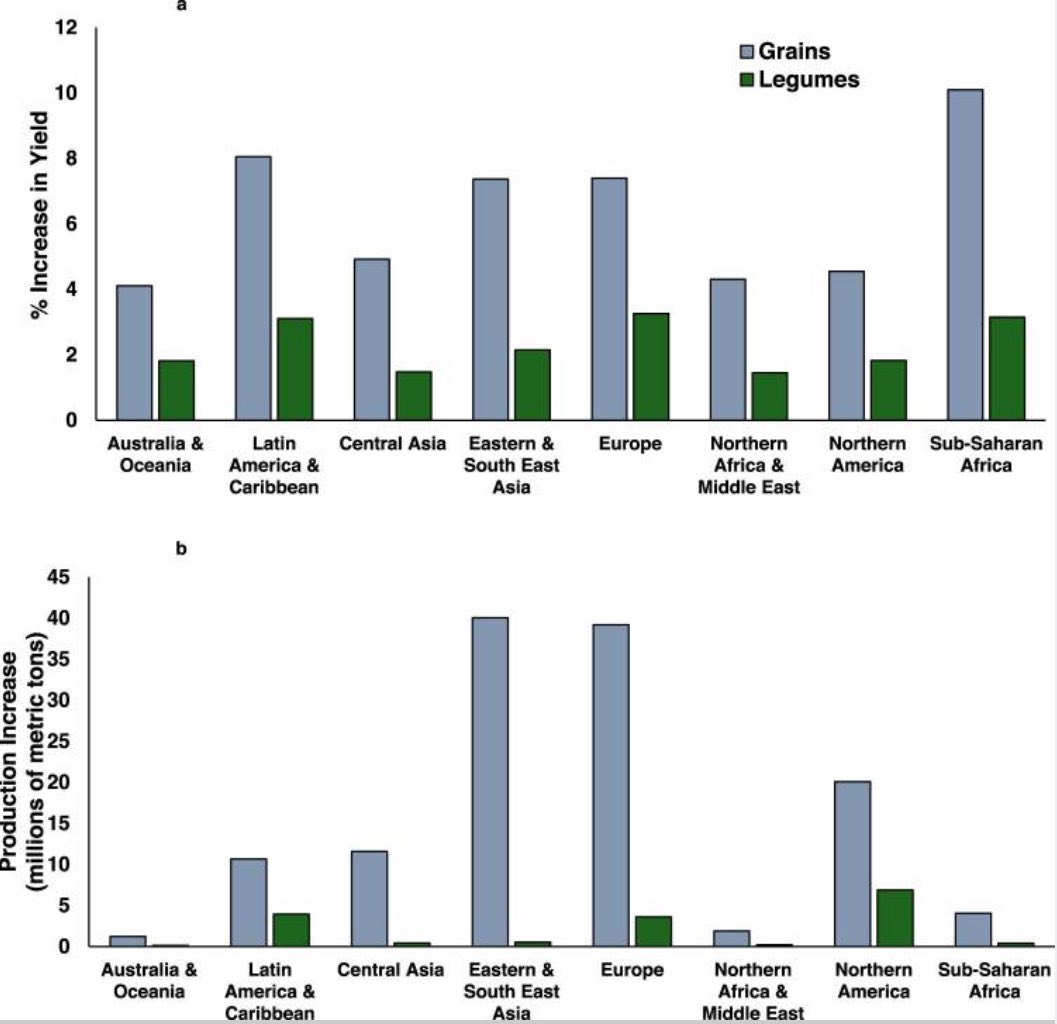
A recent paper on the importance of earthworms states, “earthworms contribute to roughly 6.5% of global grain (maize, rice, wheat, barley) production and 2.3% of legume production, equivalent to over 140 million metric tons annually.” The paper also states that, “less pronounced earthworm impacts in other regions are likely associated with low estimated earthworm abundance, higher rates of inorganic fertilizer use and/or soil properties that lessen the observed benefit of earthworm additions.” Pretty fascinating stuff. It’s hard to ignore the earthworm’s importance as well as biology’s importance in the soil. To see how these numbers were calculated, check out the paper in the comments.
Blake Hadley tweet mediaBlake Hadley tweet media
English
1
1
8
1.5K
Adam Pohlmeier retweetledi
Tyler Zimmerman
Tyler Zimmerman@TZimmermanfarms·
Made a load of compost extract from the JohnsonSu compost will be going down infurrow on some corn shortly.
English
5
7
76
8K
Adam Pohlmeier retweetledi
Jason Mauck
Jason Mauck@jasonmauck1·
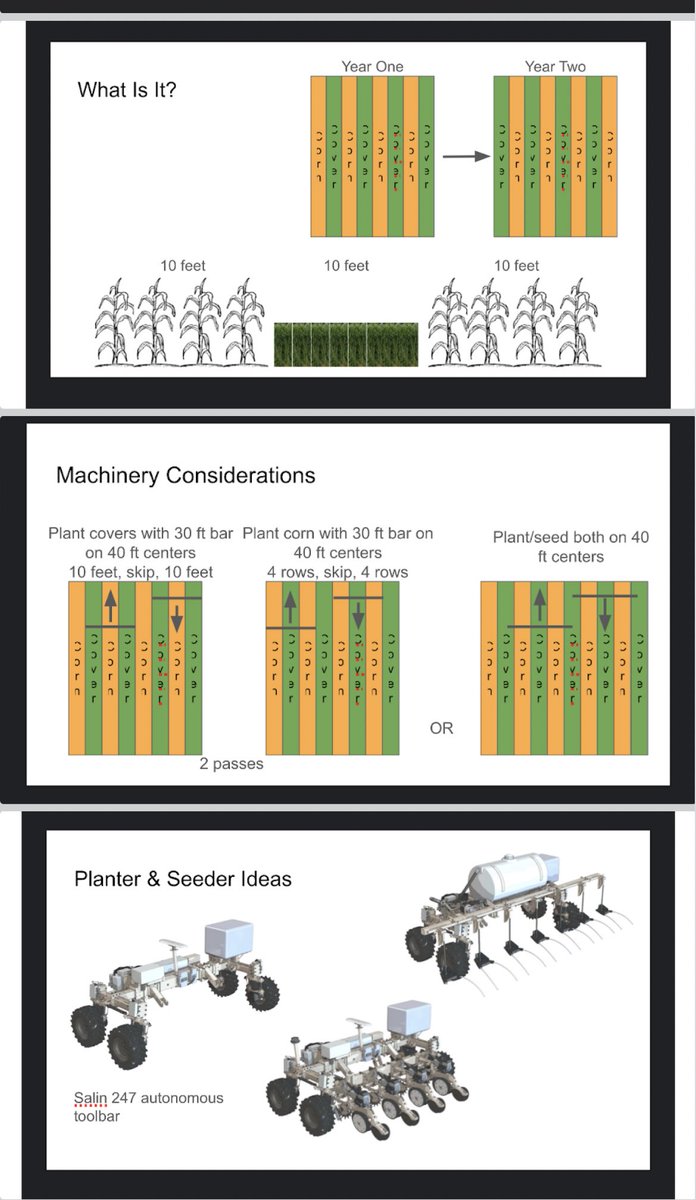
You all... and industry will think it's nuts but perpetual corn production looks better and better the lower the price of soybeans ... and the higher the costs of NPK The edge + 21 months of cover crop to grow a large % of N and biologically unlock soil fertility. Also summer manure applications. You can grow 80% the corn on 40% the footprint and portionalize all inputs to get more value out of... and graze it like a cowboy with more rain. Thank you @BobGunzy for the infographic and the future research endeavors.
Jason Mauck tweet media
English
7
5
83
11.9K
Adam Pohlmeier retweetledi
Blake Hadley
Blake Hadley@blakeahadley·
95% or more of a plant’s dry matter consists of Carbon, Hydrogen, and Oxygen. Next in line is Nitrogen at 1-5%. That’s part of the reason why there is such a focus on N in the ag industry. But, does a crop desire Nitrogen purely? Not so much. 80-85% of total N in green plant material is in the form of a protein. 10% is found as nucleic acids and 5% is found as amino acids. Rajendra Prasad notes that, “the term protein is derived from a Greek word meaning ‘of first importance’ in life. Truly speaking protein is the physical expression of life.” Proteins can be grouped up by their functions which are: •Enzymes: responsible for moving all of life’s processes in plants and animals. •Transport Proteins: carry things from one place to another inside of plants (think nutrition). •Regulatory Proteins: control different parts of cellular function like reproduction and metabolism. •Structural Proteins: makes up the outer covering of the plant. Also crucial part of DNA and RNA. Source: Crop Nutrition, Prasad One of the most important Nitrogen compounds in the plant are chlorophyll a and chlorophyll b. This is what carries out photosynthesis in the plant and what ultimately creates more WEOC (Water Extractable Organic Carbon). Most everything in crop management should come back to those two things: photosynthesis and WEOC. They go hand in hand and have a ripple effect on the whole plant-soil system.
Blake Hadley tweet media
English
2
8
35
5.4K
Adam Pohlmeier
Adam Pohlmeier@apohlm14·
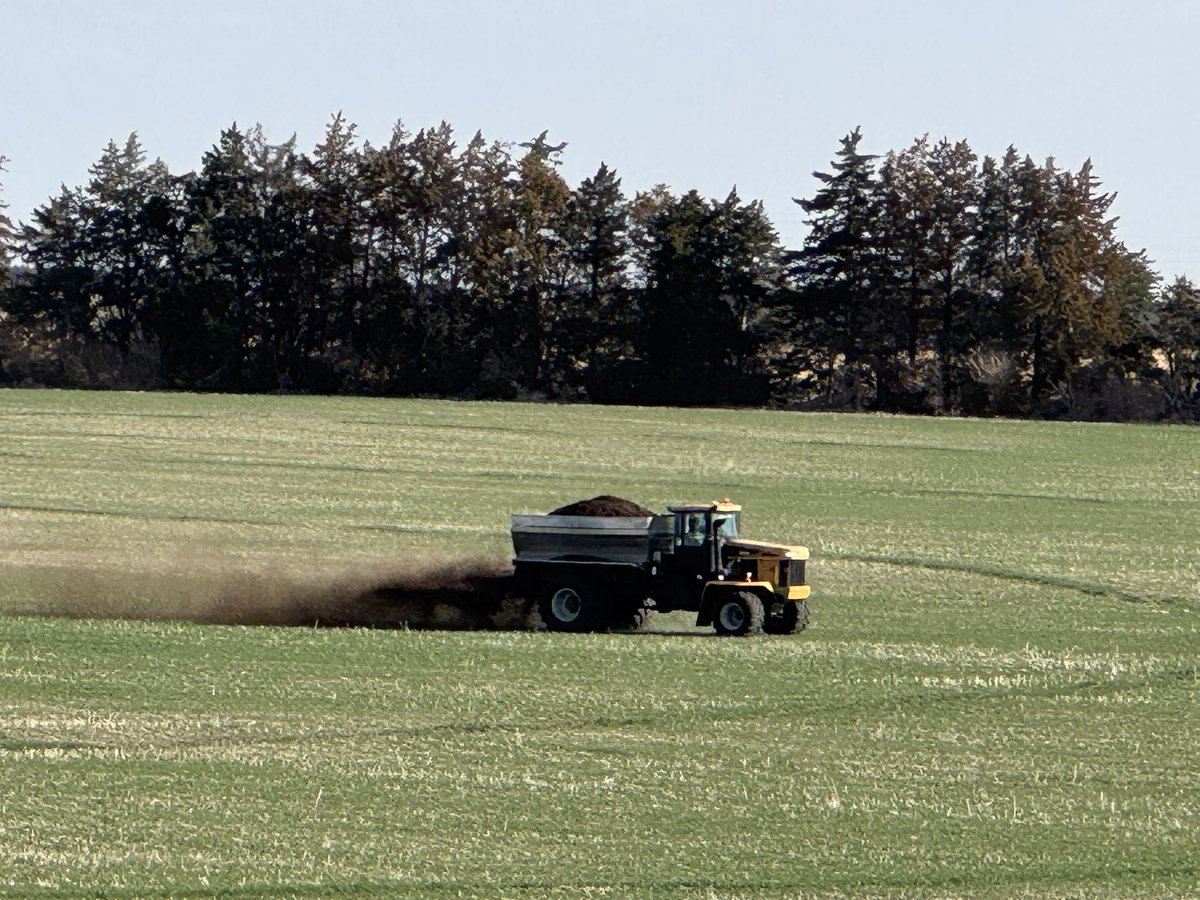
@ZoerbFarmsJr I was spreading a field with compost Friday and saw the same thing. Corn in 23, soybeans in 24, then drilled to wheat fall of 24. Can still see where 23 corn rows were. Corn was strip rolled with no fertilizer, nitrogen out back of planter with compost tea in furrow. 🤷‍♂️
English
0
0
2
101
Ethan Zoerb
Ethan Zoerb@ZoerbFarmsJr·
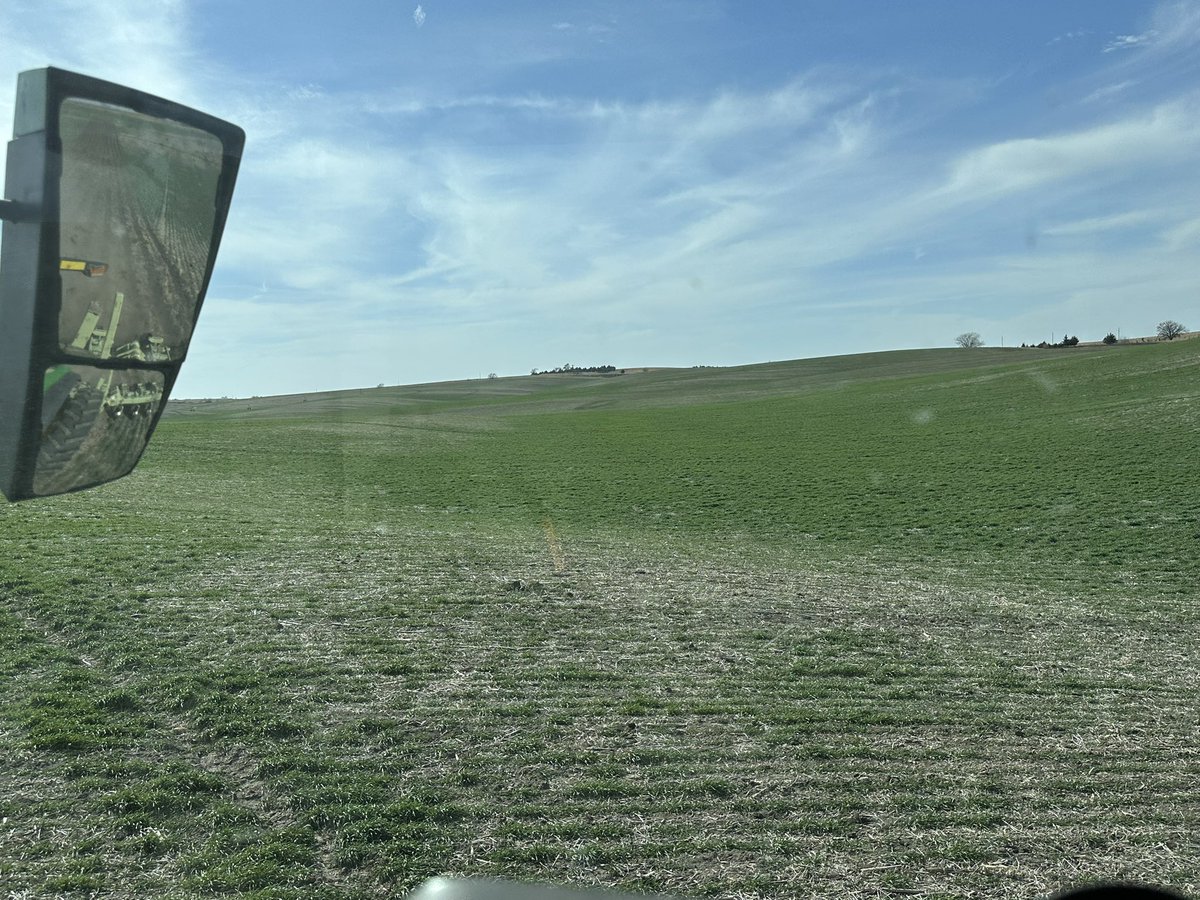
This field was corn in 23, disked at a 10deg angle then drilled to rye in the fall. It was then no tilled to soybeans in 24 with a rye cover again last fall. We are stripping it back to the same row direction as 23 and you can still see the old corn rows.
Ethan Zoerb tweet mediaEthan Zoerb tweet media
English
2
0
3
413
Adam Pohlmeier retweetledi
Zack Smith
Zack Smith@zebulousprime·
New season of Stock Cropper content kicks off this morning. I've been pretty quiet about things over the last 6 months...this video catches folks up to what's been going on and why I'm juiced for 2025. Will be dropping videos on X, Facebook and YouTube every Saturday morning at 7 AM for the 2025 season. Check it out.
English
5
12
131
22.8K
Adam Pohlmeier
Adam Pohlmeier@apohlm14·
@blakeahadley What steps would you recommend to increase weoc? Healthy plant, more exudates but what applications or management can a guy do to increase faster?
English
1
0
1
356
Blake Hadley
Blake Hadley@blakeahadley·
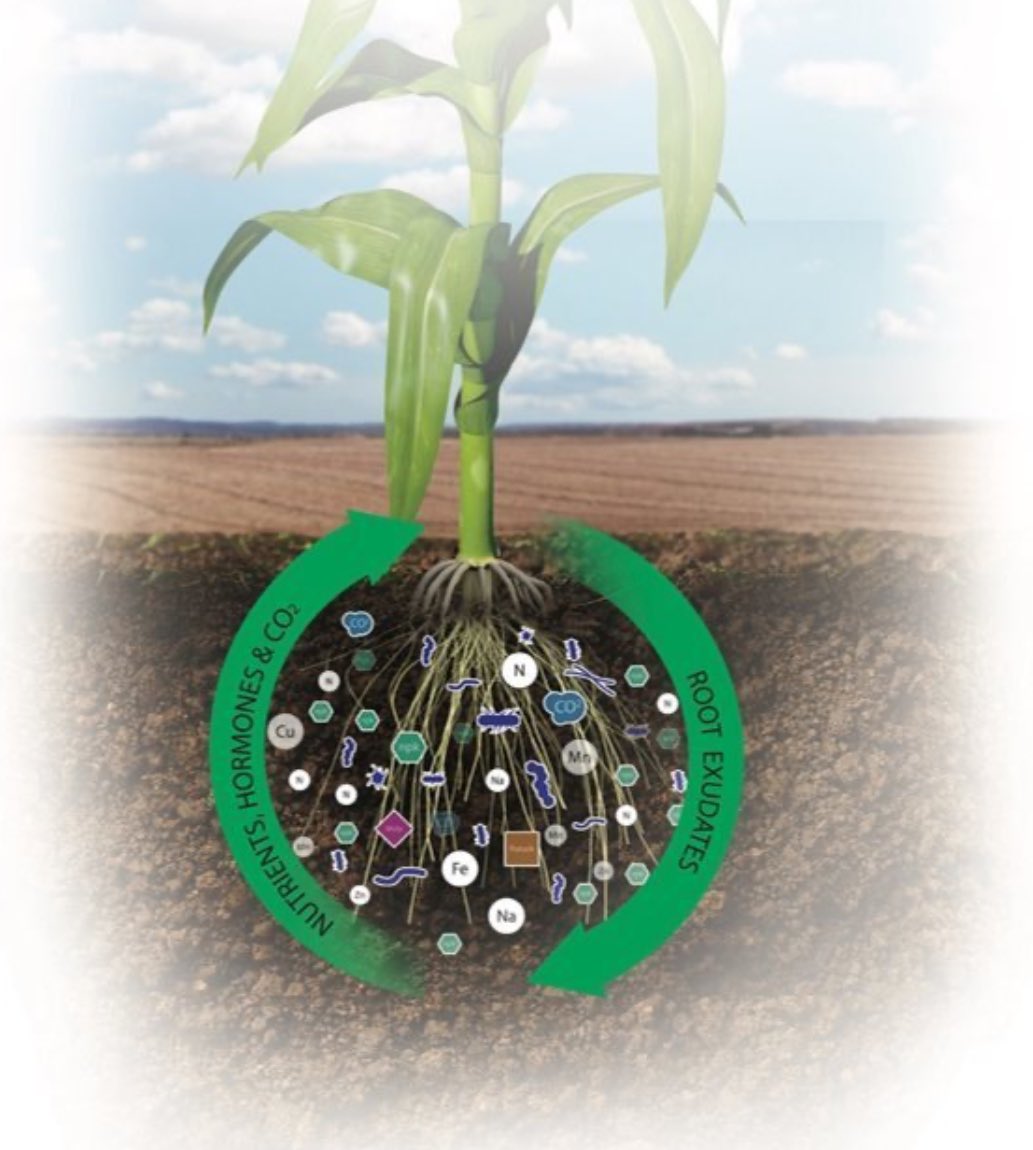
Why is WEOC (Water Extractable Organic Carbon) so important and why should it be the metric we’re most closely watching on a soil sample? WEOC is the driver of biological activity and thus drives nearly everything for our plants. In one way or another, everything goes back to WEOC. Whether it be N, P, K, S, Ca, Mg, etc., WEOC either directly or indirectly (via biological activity or aggregate stability as examples) affects how both soils and plants function. Healthy plants create more WEOC and more WEOC increases the opportunity for healthy plants. “Whereas rhizodeposition strongly influences the size and activity of microbial populations at the soil-plant interface, the activity of these microbial populations in turn affect plant health, and thus influence both the quality and quantity of rhizodeposition.” Pinton, Roberto, et al. The Rhizosphere: Biochemistry and Organic Substances at the Soil-Plant Interface, Second Edition. CRC Press, 2007.
Blake Hadley tweet media
English
3
9
56
4.5K
Bodie Kitchel
Bodie Kitchel@Bkitch1Bodie·
So @sean_nettleton and I are stuck sitting together on a flight. Ask us anything agronomy you want to know and we will do our best to answer it!
Bodie Kitchel tweet media
English
12
0
21
9.6K
Adam Pohlmeier
Adam Pohlmeier@apohlm14·
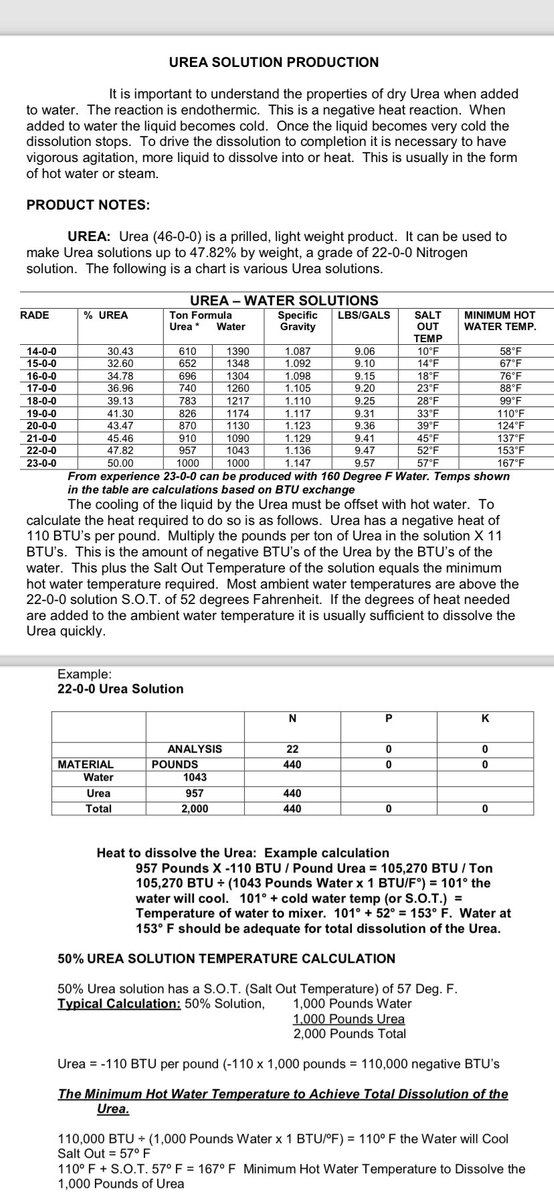
@TZimmermanfarms It’s tough to do much volume if you’re not set up to handle dry. Might be easiest to buy it already made. I’ve got a source if you’re interested. Not sure where you are.
Adam Pohlmeier tweet media
English
0
0
5
406
Tyler Zimmerman
Tyler Zimmerman@TZimmermanfarms·
I’m looking for anyone that has some good info on the process and ratios on melting urea for foliar applications.
English
8
0
20
3.9K
Adam Pohlmeier
Adam Pohlmeier@apohlm14·
@EzFarmsRegen @bioag_solutions Yes. We see some yield improvement but biggest benefits are to the soil. Increased water infiltration, better soil structure, earth worm numbers increasing, organic matter raising. Much more efficient with our commercial fertilizer.
English
0
1
4
108
EZEKIEL
EZEKIEL@EzFarmsRegen·
Love it! I just started my X farm profile and did a search for Regenerative and your post came up. Looking forward to connecting with other farmers that are Regenerative. I have been dabbling with fungal inoculants and worm compost teas, along with lots of nutrition sprays and injections. Are you getting good results from your teas?
English
1
0
1
26
Adam Pohlmeier
Adam Pohlmeier@apohlm14·
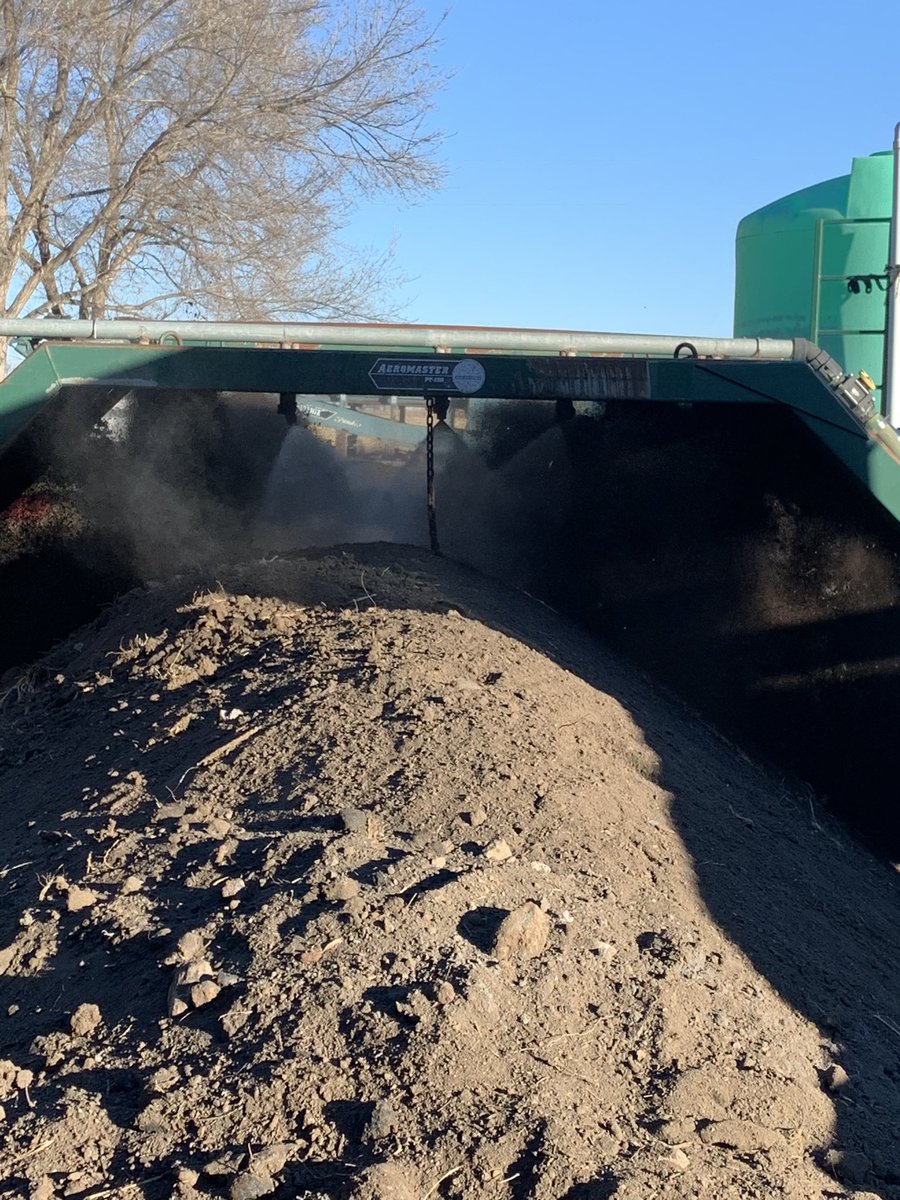
Inoculating compost for planting 2025. We’ll be making compost tea extract in a few months. Getting those bugs active and ready to go. Good heat in there. @bioag_solutions regenerative agriculture.
Adam Pohlmeier tweet mediaAdam Pohlmeier tweet media
English
2
1
9
386