
Arnoldo Matus Kramer

4.3K posts

Arnoldo Matus Kramer banner
Arnoldo Matus Kramer

Arnoldo Matus Kramer

@arnoldomatus

Co-founder Bios Sustainable Solutions; Lecturer Environment @UNAM_MX; former CDMX CRO @100ResCities; D.Phil @ecioxford

Ciudad de México Katılım Ekim 2009
1.4K Takip Edilen1.3K Takipçiler
Arnoldo Matus Kramer retweetledi

Naciones Unidas
Naciones Unidas@ONU_es·
Los árboles funcionan como aires acondicionados naturales. Si los plantamos en lugares estratégicos en nuestras ciudades podemos reducir la temperatura hasta en 8ºC. Hagamos de nuestras ciudades lugares más frescos, más verdes, más saludables y felices. Vía: @FAOenEspanol
Español

27
386
553
21.8K
Arnoldo Matus Kramer retweetledi
Civixplorer
Civixplorer@Civixplorer·
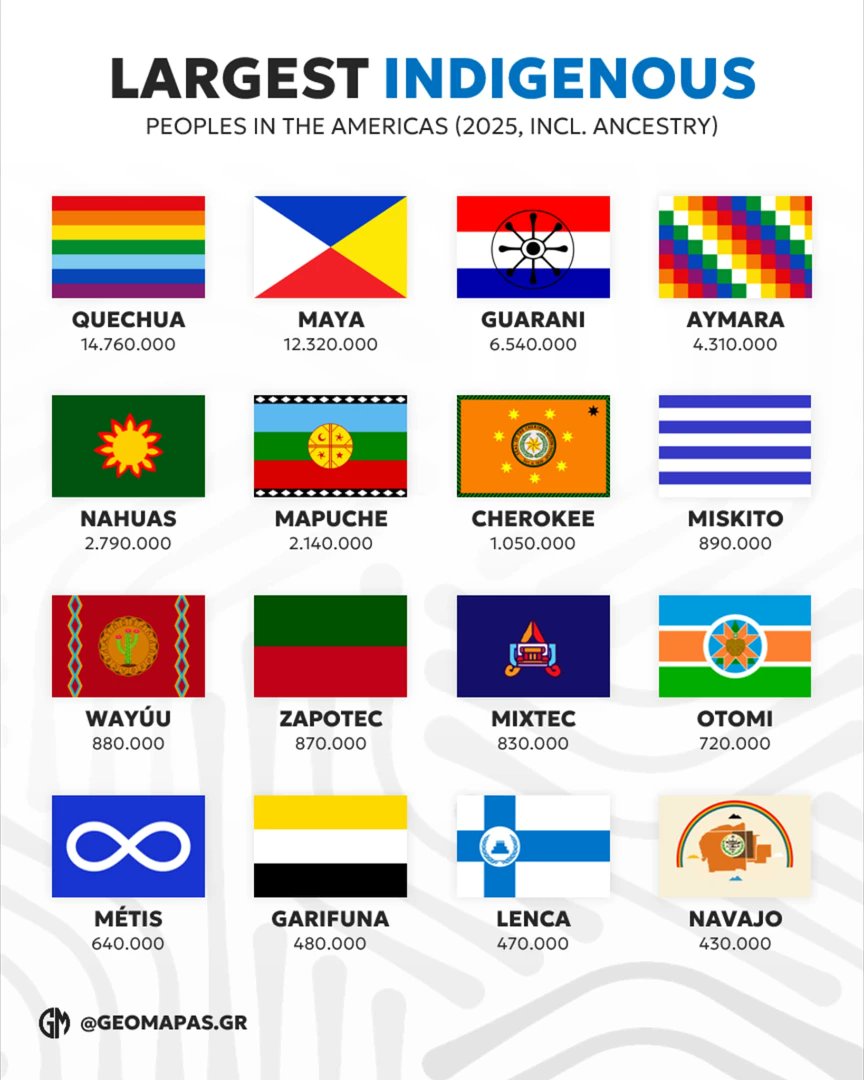
👥 The largest indigenous peoples in the Americas.
Civixplorer tweet media
English
11
83
453
25.7K
Arnoldo Matus Kramer retweetledi
World Resources Institute
World Resources Institute@WorldResources·
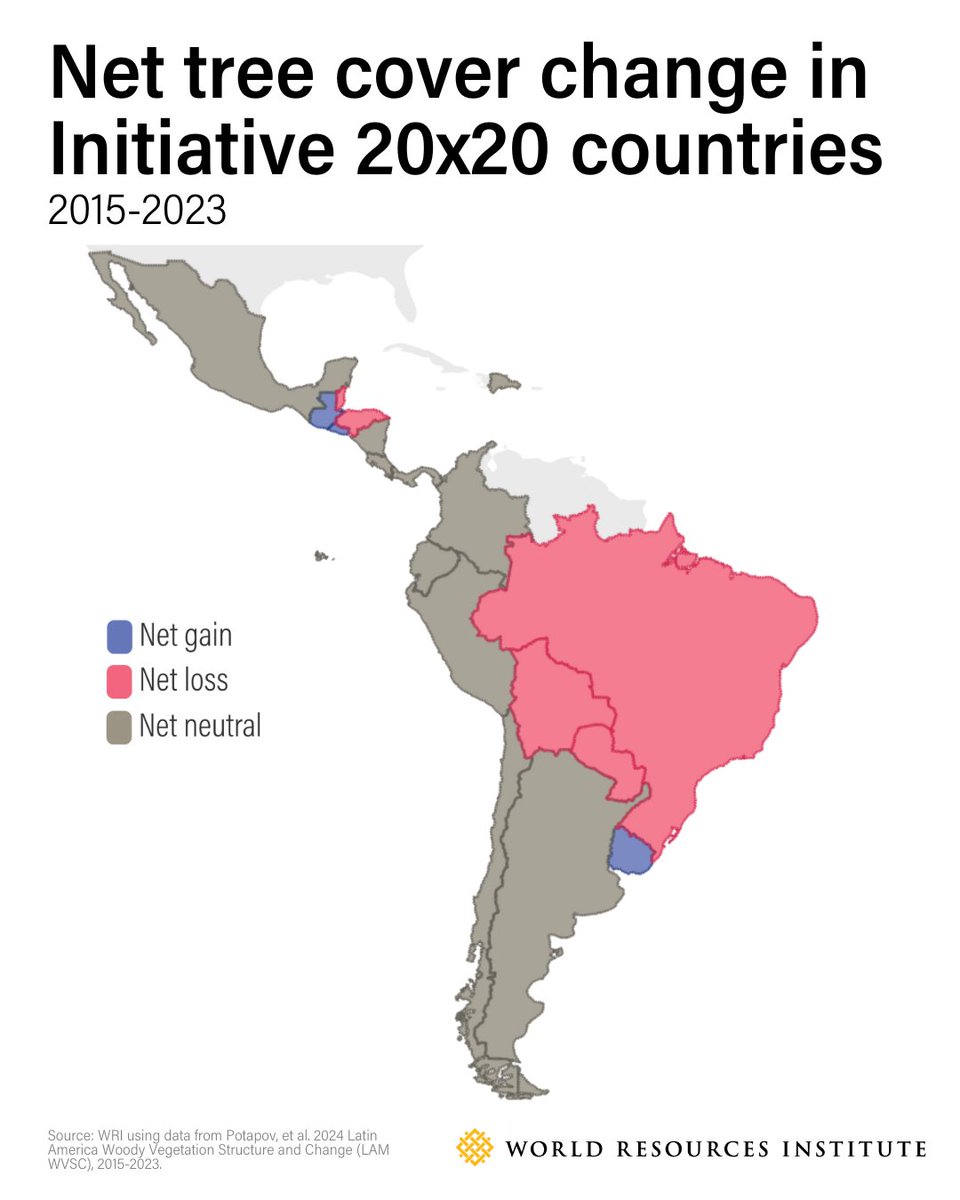
🔍NEW DATA: Although Latin America lost more tree cover than it gained from 2015 to 2023, progress is being made. 🌲But that's not the whole story. For example, some gains in tree cover were mainly from increased plantations, which don’t always benefit the environment. 👉Get five key insights from our experts: go.wri.org/latam-tree-gai…
World Resources Institute tweet media
English
1
22
29
2.3K
Arnoldo Matus Kramer retweetledi
World Resources Institute
World Resources Institute@WorldResources·
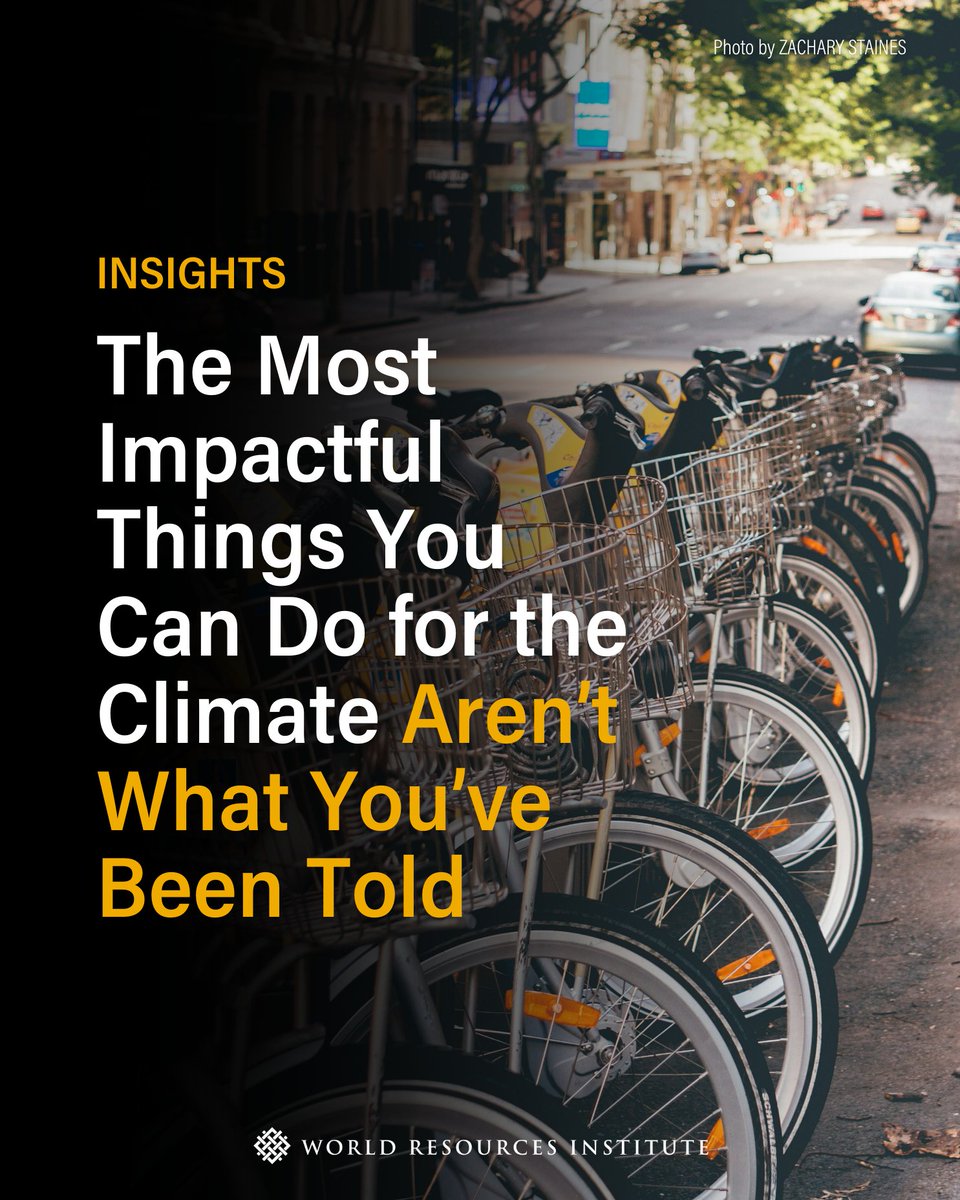
#DYK? 🚲 Giving up your gas car = 78x more emissions impact than composting 🌱 Eating less meat = 40% of the impact of full veganism 🏡 Solar + home energy upgrades = huge reductions Everyday sustainable choices matter – to an extent. Transformative change = Governments + industry making these choices easier, cheaper and more accessible. More from WRI: go.wri.org/climate-impact… #EarthDay
World Resources Institute tweet media
English
5
35
48
2.7K
Arnoldo Matus Kramer retweetledi
Our World in Data
Our World in Data@OurWorldInData·
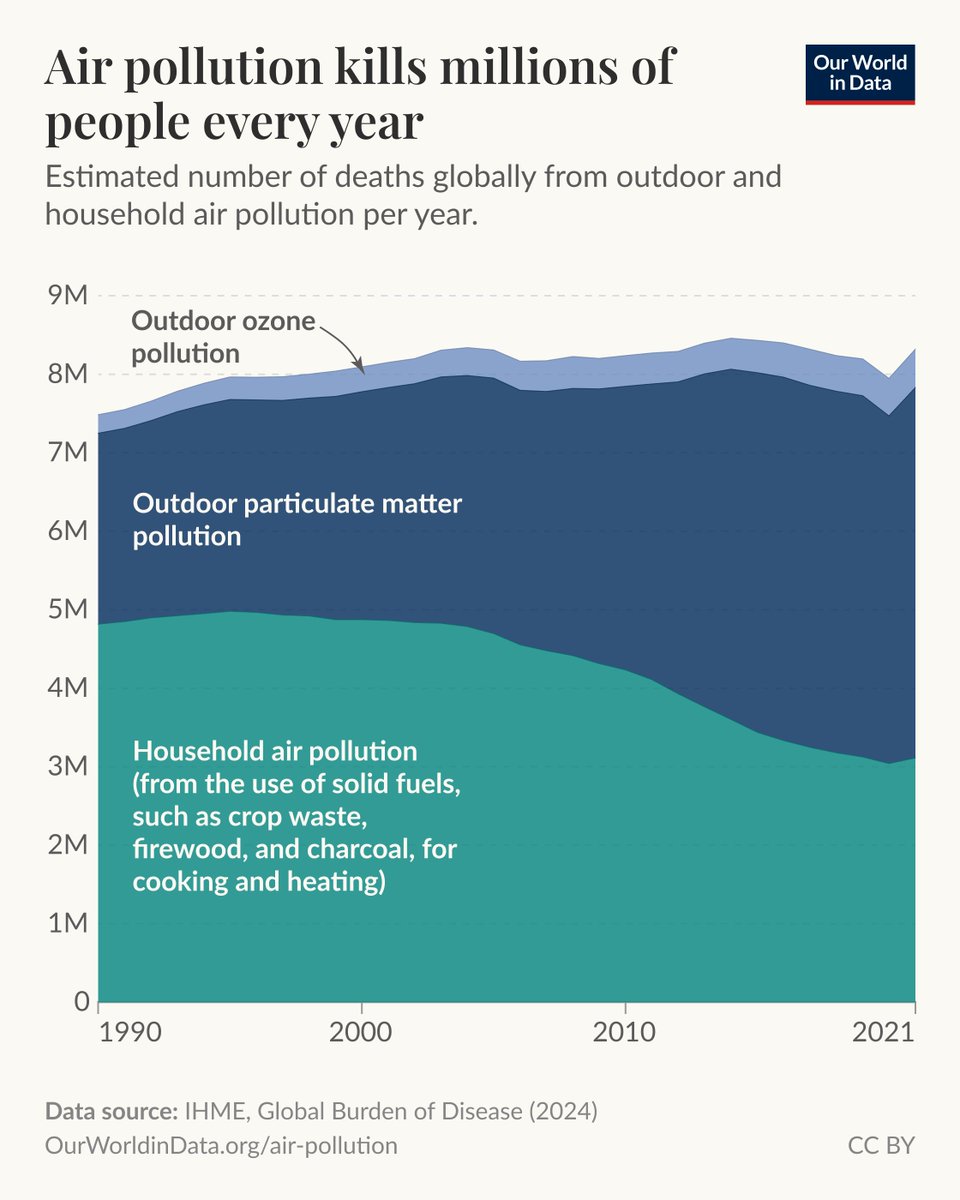
Millions of people die prematurely from air pollution every year, as you can see in the chart. This problem has existed since humans started burning materials for fuel — first wood and biomass, then fossil fuels. But it’s an environmental and public health problem that we can make progress on. We know this because the world has already been successful in reducing air pollutants, and many countries that used to be highly polluted now have much cleaner air than they used to. To tackle air pollution effectively — to focus our efforts on the interventions that will have the biggest impact — we need to understand where it’s coming from.
Our World in Data tweet media
English
15
56
166
24.8K
Arnoldo Matus Kramer retweetledi
Global Statistics
Global Statistics@Globalstats11·
World's Top 35 Largest Companies by Revenue (2024) 🔹 North America 🇺🇸 Walmart – $648B 🇺🇸 Amazon – $575B 🇺🇸 Apple – $383B 🇺🇸 UnitedHealth Group – $372B 🇺🇸 Berkshire Hathaway – $365B 🇺🇸 CVS Health – $358B 🇺🇸 ExxonMobil – $345B 🇺🇸 McKesson – $309B 🇺🇸 Alphabet – $307B 🇺🇸 Cencora – $262B 🇺🇸 Costco – $242B 🇺🇸 JPMorganChase – $239B 🇺🇸 Microsoft – $212B 🇺🇸 Cardinal Health – $205B 🇺🇸 Chevron – $201B 🇺🇸 Cigna – $195B 🔹 Asia 🇨🇳 State Grid Corporation – $546B 🇨🇳 Sinopec – $430B 🇨🇳 CNPC – $422B 🇨🇳 CSCEC – $320B 🇯🇵 Toyota – $312B 🇸🇬 Trafigura – $244B 🇨🇳 ICBC – $223B 🇨🇳 China Construction Bank – $200B 🇰🇷 Samsung – $198B 🇹🇼 Foxconn – $198B 🇨🇳 Agricultural Bank of China – $192B 🇨🇳 REG – $179B 🔹 Middle East 🇸🇦 Saudi Aramco – $495B 🔹 Europe 🇩🇪 Volkswagen – $348B 🇬🇧 Shell – $323B 🇫🇷 TotalEnergies – $219B 🇬🇧 Glencore – $218B 🇬🇧 BP – $213B 🇮🇹 Stellantis – $205B 🌎 Total Annual Revenue of Top 35 Companies: $10.7T 📌 Source: Fortune Note: Represents total revenues for company fiscal years ending on or before March 31, 2024.
Global Statistics tweet media
English
15
151
435
24.9K
Arnoldo Matus Kramer retweetledi
UN Biodiversity
UN Biodiversity@UNBiodiversity·
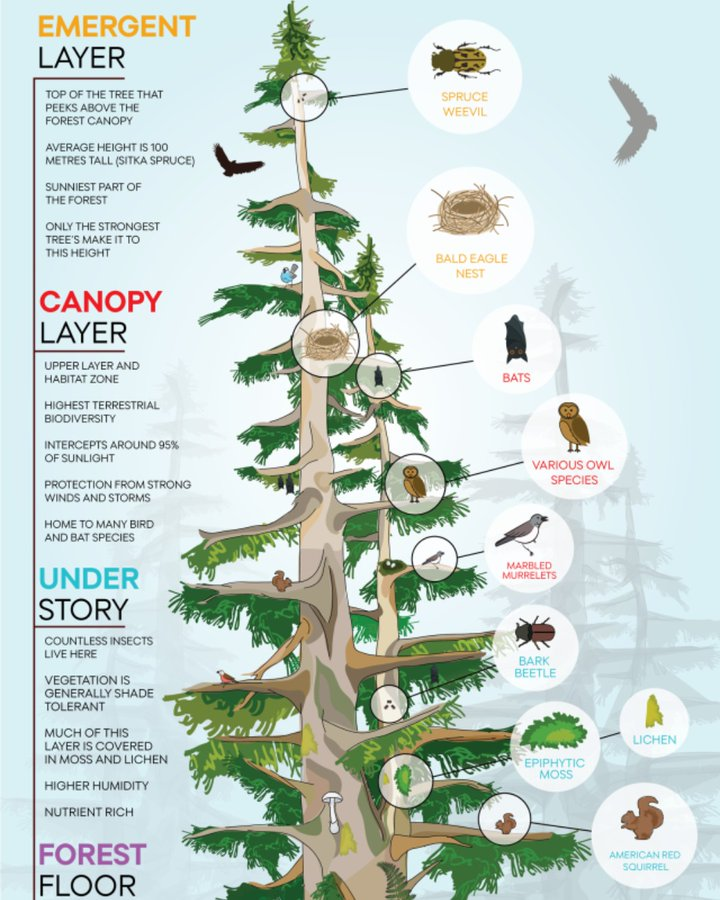
Learning about #biodiversity in your classroom? Check out this colourful infographic by @CanGeo about the layers of life found in an old growth forest. Find the full version here: bit.ly/3wJUUxR🌲
UN Biodiversity tweet media
English
2
153
356
11.2K
Arnoldo Matus Kramer retweetledi
Achim Steiner
Achim Steiner@ASteiner·
Strong National Adaptation Plans (NAPs) are built on strong partnerships. Collaboration is key to shaping climate resilience. By working together, we turn plans into action, protecting livelihoods, ecosystems & economies. Learn more in our NAP explainer: go.undp.org/3bk
English
0
4
12
772
Arnoldo Matus Kramer retweetledi
Global Covenant
Global Covenant@Mayors4Climate·
💡How can we unlock adaptation finance for sustainable cities? Discover the 🆕 @sust_coalition report "Engineering Climate Adaptation: A Cross-Sector Approach to Scaling Up Adaptation Finance", made possible in collaboration with GCoM & @ICE_engineers. 👉tinyurl.com/4wum4zh9
Global Covenant tweet media
English
0
2
2
168
Arnoldo Matus Kramer retweetledi
IPCC
IPCC@IPCC_CH·
The IPCC is the @UN body for assessing the science related to #climatechange. It provides policymakers with assessments on climate change, its impacts, risks, adaptation & mitigation options. By publishing new science, you can contribute to our assessment bit.ly/3FqA1zh
English
12
54
113
9.1K
Arnoldo Matus Kramer retweetledi
Jason Hickel
Jason Hickel@jasonhickel·
The core-periphery bifurcation of the world economy is not only real, but national governments are fully conscious of its reality. The North fights to maintain this violent system, which fattens their decrepit ruling classes, while the South fights to abolish it.
Jason Hickel tweet media
English
80
695
2.8K
101.7K
Arnoldo Matus Kramer retweetledi
Xavi Ruiz
Xavi Ruiz@xruiztru·
Pre-industrial forests vs. current forests 🌿
English
14
105
371
28.3K
Arnoldo Matus Kramer retweetledi
Jan Rosenow
Jan Rosenow@janrosenow·
Solar is quickly becoming the cheapest source of electricity & will fundamentally change the energy system. This paper argues that solar will be cheapest source of electricity around world. Surprisingly this is INCL short- & long-term storage costs. nature.com/articles/s4146…
Jan Rosenow tweet media
English
126
404
1.1K
375.6K
Arnoldo Matus Kramer retweetledi
Johan Rockström
Johan Rockström@jrockstrom·
Major carbon cycle feedbacks like permafrost thaw could amplify warming across this millennium. Even ‘safe’ emission paths may overshoot 2°C. The Paris goal is a physical limit, not a political choice. Today’s actions shape life on Earth for centuries. pik-potsdam.de/en/news/latest…
Johan Rockström tweet media
English
71
358
614
46.6K
Arnoldo Matus Kramer retweetledi
Urban Cycling Institute 🚲 
Urban Cycling Institute 🚲 @fietsprofessor·
🚨BREAKING🚨: #Paris🇫🇷 votes for people oriented streets. 🗳️ Referendum to pedestrianize another 500 streets. 🤸Turning another 10.000 🚗 parking spots into spaces for green🌳, play🛝 and leisure🏖️. 🙋 66% in favour, 34% against. ℹ️ Low turnout of 4% indicates low resistance.
English
13
217
775
49.8K
Arnoldo Matus Kramer retweetledi
Space 8K
Space 8K@uhd2020·
What we know is a drop, what we don't know is an ocean. – Isaac Newton
Space 8K tweet media
English
39
675
3.9K
116.3K
Arnoldo Matus Kramer retweetledi
UN-Habitat
UN-Habitat@UNHABITAT·
We know how to build cities that don't cost the Earth: ✅ Nature-Based Solutions (green roofs, wetlands) ✅ Urban Green Spaces (parks, tree canopies) ✅ Sustainable Transport (bike lanes, e-mobility) ✅ Smart Planning & Community Action Photo: Namba Parks, Osaka, Japan
UN-Habitat tweet media
English
17
92
226
12.4K
Arnoldo Matus Kramer retweetledi
UN Climate Change
UN Climate Change@UNFCCC·
New report by @WMO: 2024 was likely the warmest year of the past 175 years. While a single year above 1.5°C of warming does not mean that our temperature goals are out of reach, it is a wake-up call. 2025 is a critical year for climate action. 👉bit.ly/3DP5lXX
English
109
356
494
28.8K
Arnoldo Matus Kramer retweetledi
Our World in Data
Our World in Data@OurWorldInData·
Which countries have contributed the most to historical CO₂ emissions? When we emit carbon dioxide (CO₂) into the atmosphere, most of it stays there for centuries or millennia. This means that CO₂ emitted even a century ago has contributed to the rising temperatures we see today. In other words, how much the climate warms depends on how much cumulative CO₂ is emitted over time. The chart shows the ten countries with the largest share of the world’s historical emissions, based on cumulative emissions from fossil fuels and industry since 1750. The United States has contributed the most, accounting for almost one quarter. This is followed by China and Russia. (This Daily Data Insight was written by @_HannahRitchie.)
Our World in Data tweet media
English
232
472
1.2K
109K