The Air Whisperer

21.9K posts

The Air Whisperer banner
The Air Whisperer

The Air Whisperer

@arrowfoil

. 🛩️ 22nd Century Aerodynamics 🌪️ 74 years EARLY...! ✈️

⛏️At the Fog Face...📸 Katılım Haziran 2021
1.1K Takip Edilen534 Takipçiler
Sabitlenmiş Tweet
The Air Whisperer
The Air Whisperer@arrowfoil·
Here's a microblog about Aerodynamic Lift; from the paradoxes and anomalies that haunt the 'accepted' Theories-of-Flight to the Displacement Aerodynamics that will someday take their place. I'd love to read your comments about anything you see there...
GIF
The Air Whisperer@arrowfoil

This article makes the problem seem like a choice of two opposed positions. But how Lift happens really is a mystery - it's not just poorly explained. FOUR experts provide arguments for the piece - and each favours a DIFFERENT explanation of Lift... twitter.com/sciam/status/1…

English
2
0
1
2.4K
The Air Whisperer retweetledi
John M Powell
John M Powell@JohnMPowell1·
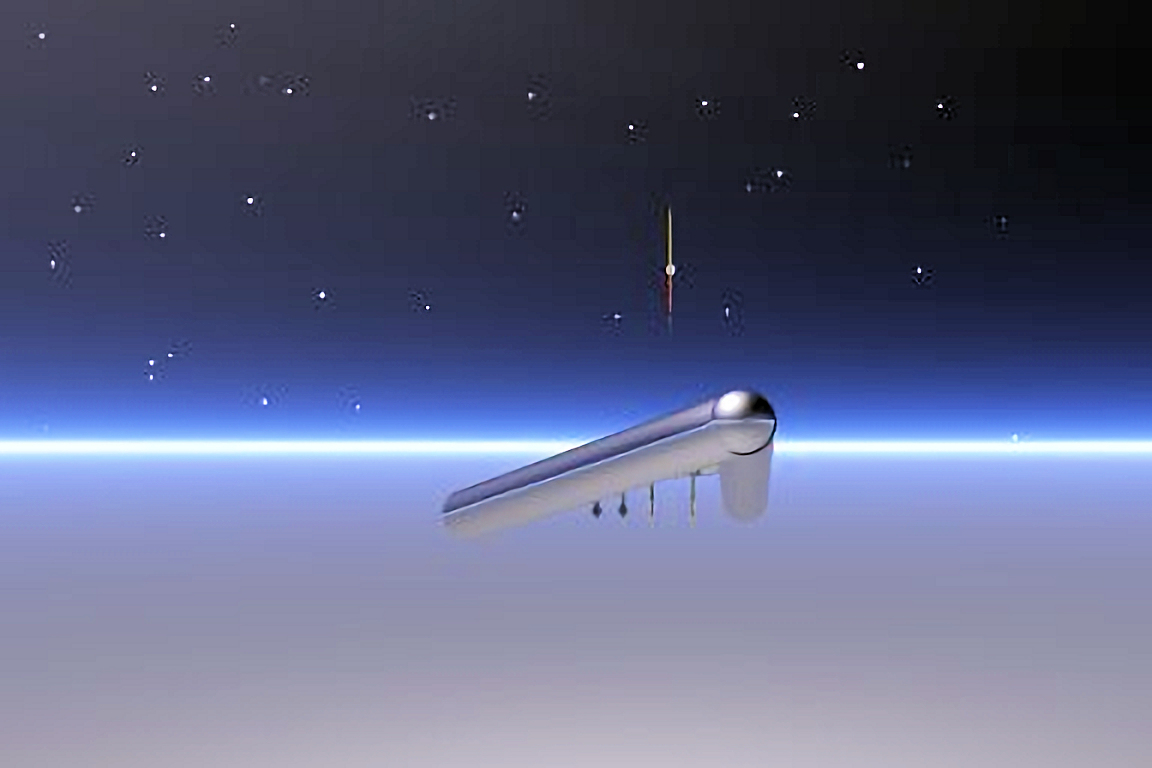
The ultimate rockoon?
John M Powell tweet media
English
1
4
20
665
The Air Whisperer retweetledi
John M Powell
John M Powell@JohnMPowell1·
The white box was an insulating housing and rocket launch rail. The 9 balloon train carried the rocket to 30k feet where it was launched and flew to 73,000 feet.
John M Powell tweet media
English
3
6
42
1.5K
The Air Whisperer retweetledi
FLYING Magazine
FLYING Magazine@FlyingMagazine·
Company until now had conducted testing using developmental and preproduction prototype aircraft. vist.ly/4uqij
English
0
2
3
696
The Air Whisperer retweetledi
The Air Whisperer
The Air Whisperer@arrowfoil·
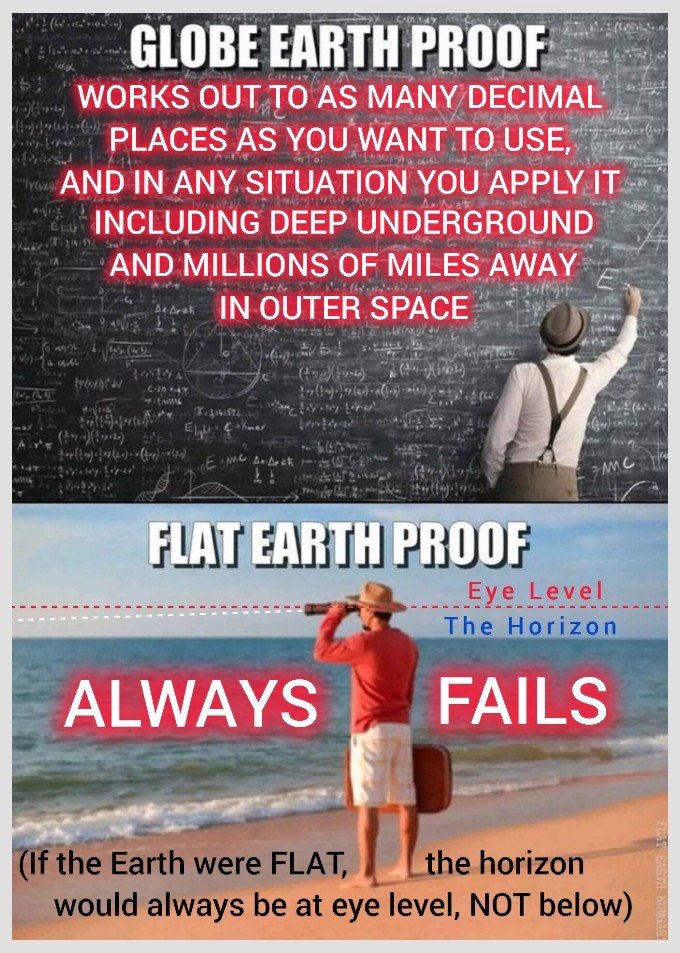
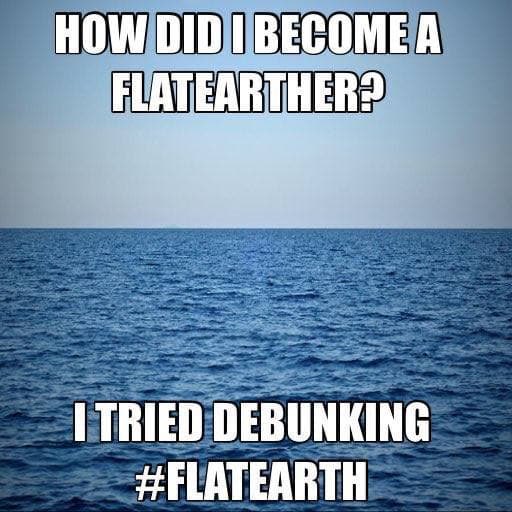
'Flerfs' keep posting GLOBE PROOFS, and claiming they provide evidence that the planet's FLAT, because they don't understand how UBIQUITOUS the genuine evidence is - and how RECENTLY the fashion for IGNORING it started.
The Air Whisperer tweet media
English
2
1
1
56
The Air Whisperer retweetledi
Vertical Aerospace
Vertical Aerospace@VerticalAero·
Ever wondered how many suitcases fit in Valo's luggage compartment? Valo features the largest cargo hold within its class, allowing passengers to travel comfortably, and without compromise. #verticalaerospace #futureofflight #aviation
English
7
38
394
22.6K
The Air Whisperer retweetledi
NASA Aeronautics
NASA Aeronautics@NASAaero·
2025 was a big year for the Quesst mission! After years of design, development, and testing, NASA’s X-59 quiet supersonic research aircraft took to the skies for the first time October 28, marking a historic moment for the field of aeronautics research and the agency’s Quesst mission. Watch these highlights from our series, 59 seconds on the X-59, and see NASA test pilot Nils Larson give a behind the scenes look at what it took to fly the one-of-a-kind experimental aircraft for the first time!
English
5
34
149
6.2K
The Air Whisperer retweetledi
Ioana 🏕️
Ioana 🏕️@IoanaLogafatu·
Y’all going to be hearing a lot about my ospreys this year. 🦅 Nest no.2 webcam is now online. youtube.com/live/dpO7HMPsd…
YouTube video
YouTube
English
2
1
6
214
Emma Steuer 🧚🤖
Emma Steuer 🧚🤖@emmysteuer·
I didn’t realize how many flat earthers there are. I shouldn’t have to live among these people
English
550
46
1.3K
39.8K
The Air Whisperer retweetledi
Air Journal
Air Journal@airjournal·
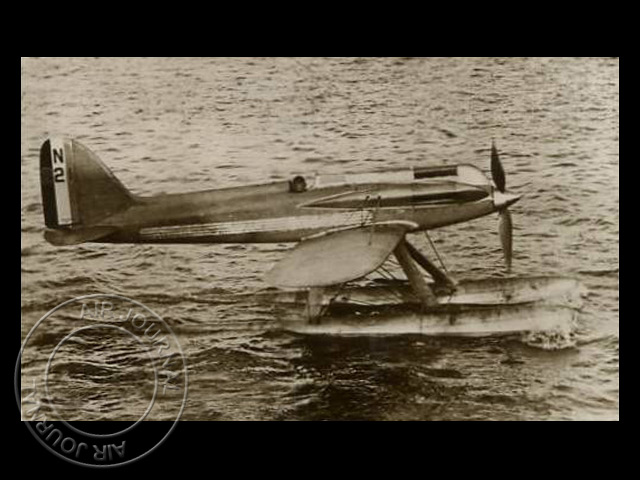
Le 12 mars 1928 dans le ciel : Samuel Kinkead périt en mer dlvr.it/TRRKkM
Air Journal tweet media
Français
0
1
3
496
The Air Whisperer retweetledi
GB1
GB1@GB1Racing_·
Ben Cornish joins GB1 for AC38. Ben is signing on for his third America’s Cup campaign with the British Challengers 🇬🇧
English
1
3
11
1.7K
The Air Whisperer retweetledi
Aviation Archive - Tim Farmer
Aviation Archive - Tim Farmer@aviationarchive·
The Miles M.57 Aerovan first flew on January 26, 1945 — a quirky British twin-engine transport built secretly during WWII without Air Ministry approval, getting production halted until VE Day. It featured a boxy fuselage with clamshell rear doors that could swallow a small family car or up to 10 passengers plus cargo, operated from rough fields on modest power, and saw 48 built before Miles went bankrupt in 1947. Interesting to note that the newly formed Israeli Air Force acquired a single Aerovan G-AJWI from Britain, which entered service during June 1948. Able to use relatively short landing strips, it was repeatedly flown into settlements and Jerusalem airport in the face of defensive rifle fire. On 17 July 1948, the aircraft made a forced landing south of Tel Aviv and was destroyed by Palestinians.👀
English
13
55
429
24.9K
The Air Whisperer retweetledi
Mr PitBull
Mr PitBull@MrPitbull07·
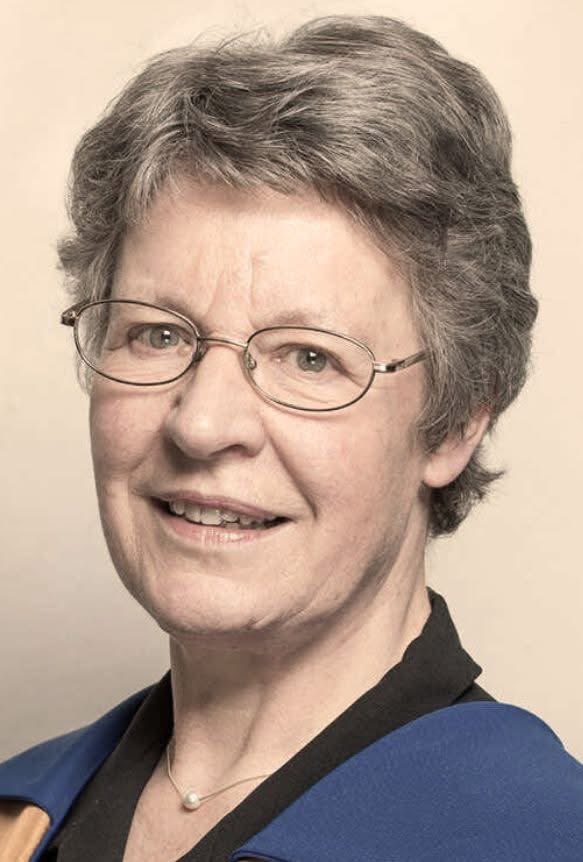
She kept finding women in laboratory photographs from the 1800s. Then she read the published papers—and every single woman had vanished. Someone had erased them from history. Yale University, 1969. Margaret Rossiter was a graduate student studying the history of science. She was one of very few women in her program. Every Friday afternoon, students and faculty gathered for beers and informal conversation. One week, Margaret asked a simple question: "Were there ever any women scientists?" The faculty answered firmly: No. Someone mentioned Marie Curie. The group dismissed it—her husband Pierre really deserved the credit. Margaret didn't argue. But she also didn't believe them. So she started looking. She found a reference book called "American Men of Science"—essentially a Who's Who of scientific achievement. Despite the title, she was shocked to discover it contained entries about women. Botanists trained at Wellesley. Geologists from Vermont. There were names. There were credentials. There were careers. The professors had been wrong. But Margaret's discovery was just the beginning. Because as she dug deeper into archives across the country, she found something far more disturbing. Photograph after photograph showed women standing at laboratory benches, working with equipment, listed on research teams. But when she read the published papers, the award citations, the official histories—those same women had disappeared. Their names were missing. Their contributions erased. It wasn't random. It was systematic. Women who designed experiments watched male colleagues publish results without giving them credit. Women whose discoveries were assigned to supervisors. Women listed in acknowledgments instead of as authors. Women passed over for awards that went to male collaborators who contributed far less. Margaret realized she was witnessing a pattern that stretched across centuries. Women had always been present in science. The record had simply pushed them aside. She needed a name for what she was documenting. In the early 1990s, she found it in the work of Matilda Joslyn Gage—a 19th-century suffragist who had written about this exact phenomenon in 1870. In 1993, Margaret published a paper formally naming it: The Matilda Effect. The term captured something that had been hidden in plain sight for generations. Once you knew the term, you saw it everywhere. Her dissertation became a lifelong mission. For more than 30 years, Margaret researched and wrote her landmark three-volume series: Women Scientists in America. She examined letters, institutional policies, individual careers. She gathered undeniable evidence that women in science had been consistently under-credited and structurally excluded. Her work faced resistance. Many dismissed women's history as political rather than academic. Others insisted she was exaggerating. Margaret didn't argue emotionally. She presented data. Documented cases. Patterns repeated across decades and institutions. Eventually, the evidence became undeniable. Her research helped restore recognition to scientists who had been erased: Rosalind Franklin, whose X-ray work revealed DNA's structure—credit went to Watson and Crick. Lise Meitner, who explained nuclear fission—omitted from the Nobel Prize. Nettie Stevens, who discovered sex chromosomes—received little credit. Cecilia Payne-Gaposchkin, who discovered stars are made of hydrogen—initially dismissed. And countless others whose names had nearly vanished. Margaret changed the narrative. Science was no longer just the story of solitary male geniuses. It became a story of collaboration that included women who had been written out. The Matilda Effect became standard terminology. Scholars used it to examine how credit is assigned, how authors are listed, who receives awards, who gets left out.
Mr PitBull tweet media
English
119
3.6K
9.2K
154K
The Air Whisperer retweetledi
Aerospace America
Aerospace America@AeroAmMag·
Lockheed Martin last month publicly shared details of AI-piloted flights conducted with the U.S. Air Force Test Pilot School. We spoke to project leaders about this Have Remy initiative. aerospaceamerica.aiaa.org/lockheed-marti…
English
1
3
2
422
The Air Whisperer
The Air Whisperer@arrowfoil·
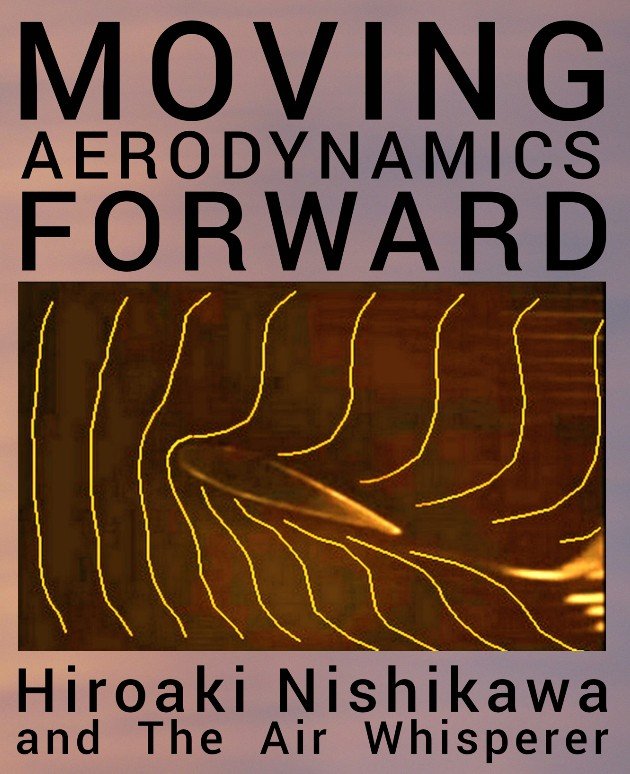
@HiroNishikawa Doing things faster doesn't help if you're looking at the problem from the wrong angle; faster Phlogiston wouldn't have helped in finding out how combustion works. Similarly, adding AI to Airflow Theory is never going to help you discover Displacement Aerodynamics...
The Air Whisperer tweet media
English
0
0
0
11
Hiroaki Nishikawa
Hiroaki Nishikawa@HiroNishikawa·
Computers are much faster than humans; speed is the main reason for using computers and mathematical software in my research. I believe the same applies to AI. I would not rely entirely on AI (I still take the lead), but I think it can help me code much faster.
Dongyue@Dongyue12

@HiroNishikawa I would like to hear your opinion about AI coding. I've been coding CFD for more than 10 years. In the past, I am highly suspicious of AI's capability. These days, I witness AI's huge improvment and for the easy or medium CFD algorithm, AI does it in several mins.

English
3
2
33
2K
The Air Whisperer retweetledi
John M Powell
John M Powell@JohnMPowell1·
We've been learning how to use heat sealed materials for internal structures of the airships. What better way to get experience then building a kayak with them!
English
2
3
54
4.2K