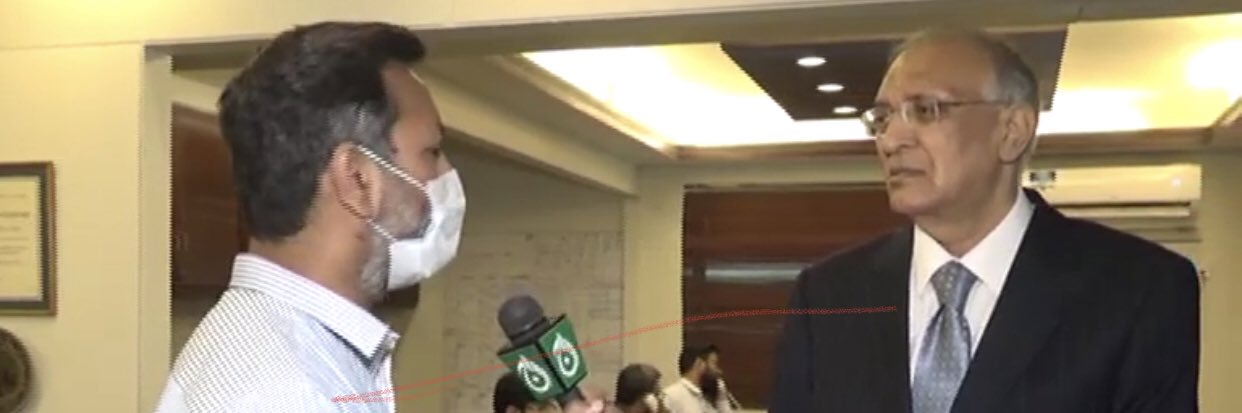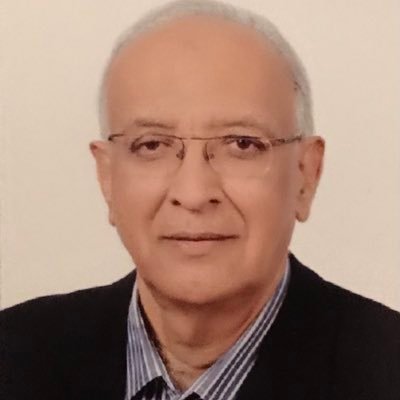
Asad Rizvi

17.2K posts

Asad Rizvi banner
Asad Rizvi

Asad Rizvi

@asadcmka

Former TREASURY Head-CHASE MANHATTAN Bank. ANCHORED Business Talk Shows on AAJ tv... Present-CEO-CMKA. https://t.co/qI5sTo3UxX
Katılım Nisan 2010
142 Takip Edilen33.6K Takipçiler
Asad Rizvi
Asad Rizvi@asadcmka·
#GOLD @ $ 4727 (Asian Morning Update) 1 hr ago patreon.com/posts/15621567… We might see another turbulent day because of the ongoing unresolved issues between the USA and Iran. The market will continue to seek positive developments, or the situation could deteriorate further. Key resistance levels to monitor on the upside are $ 4770 and $ 4810. On the downside, a drop below $ 4680 could lead to a test of $ 4608. Discipline will be the key to success. Apply stops. More later...
English
0
1
8
547
Asad Rizvi
Asad Rizvi@asadcmka·
#GOLD @ $ 4805 4 hrs ago patreon.com/posts/15613338… Gold is probably close to the day's low before the recovery, but it should hold $ 4792-95. Otherwise sharp losses. More later..,
English
0
0
2
565
Asad Rizvi
Asad Rizvi@asadcmka·
In 2006, I was doing a live television talk show where I posed a question to the finance minister at the time. I asked why we didn't opt for a larger sum, especially since our bonds were oversubscribed by more than $ 2 billion, and instead chose to go for $ 300 million at a rate of 7.874% over 30 years. I argued that taking a larger amount would have provided the country with much-needed relief and extended breathing room. He replied that our target was $ 300 million and that accepting more could send the wrong message to the global community, it's a matter of credibility. The rest is history.
English
0
1
2
498
Moeed Pirzada
Moeed Pirzada@MoeedNj·
Possible? Needs a debate @AtifRMian
Atif Mian@AtifRMian

Petrol at Rs 30/litre in Pakistan sounds crazy. It is not. What is crazy is the policy failure that prevents it. Petrol is around Rs 300/litre today, excluding government levy, here's how it can effectively be Rs 30/litre. People do not consume petrol for its own sake; they use it to travel. The average Pakistani rides a motorbike. A fuel-efficient motorbike can travel about 60 km on one litre. An efficient electric scooter can travel about 30 km per kWh, so it needs only 2 kWh to cover the same 60 km. What should 2 kWh cost in Pakistan? Pakistan is one of the best places in the world for solar, with an all-in LCOE cost of around 5 cents per kWh. The electricity cost is 10 cents, or Rs 30/litre of distance travelled! The Rs 30/litre calculation remains the same for cars. The 300-versus-30 gap is the cost of bad policy. It reflects billions of dollars of saving that could instead finance EV infrastructure: charging, distribution, battery swapping, and smart pricing software etc. - boosting much-needed domestic investment. Since solar is highly modular. You do not need massive scale to get reasonable efficiency. That creates business and employment opportunities for small domestic power producers. Instead, Pakistan leaned into large fossil-fuel plants financed by dollar-denominated borrowing and guaranteed returns. Local firms face credit constraints, but solar creates a natural collateralizable cash flow through electricity sales to the grid. With the right regulatory framework, this could have unlocked large private domestic investment, and employment. Battery swapping is another area where small local businesses could have emerged and scaled. Electricity enables smart pricing. When solar supply is abundant, prices can fall, and poor households and firms can shift usage to cheaper hours - automatic demand stabilization Better air quality would mean longer, healthier lives and higher productivity. That is a growth multiplier Green technology industries could be developed domestically with the right industrial policy, easing balance-of-payments pressure while raising employment and investment. Instead, Pakistan chose imported-fuel power plants, protected a backward-looking domestic auto sector, and raised electricity prices by burdening them with the fixed costs of those plants and heavy taxation, slowing EV adoption. Then came the net-metering fiasco, all to keep zombie power plants alive. Pakistan’s energy policy may be the clearest example of a broken nervous system. I hope someone fixes it, because people are paying the price, 300-versus-30
English
12
19
159
18.2K
Asad Rizvi
Asad Rizvi@asadcmka·
#GOLD @ $ 4824.50 (Asian Morning Update) 1 hr ago patreon.com/posts/15612723… Today marks another day of volatility, as the market keeps an eye on the developments in discussions between the USA and Iran in Islamabad. Much will hinge on the information reported from different sources. Key levels to monitor include support around $ 4795 and $ 4730. At the same time, there is potential for upward movement as well. A breach of $ 4855 could lead to $ 4888. In early Asia strategy of buying the dips is preferable. Make sure to trade with a strategy and implement stop-loss orders. More later...
English
0
0
7
697
Asad Rizvi
Asad Rizvi@asadcmka·
#GOLD @ $ 4830.50 (Asian Morning Update) 18.20 GMT 19-4-26 patreon.com/posts/15602308… During the early hours in Asia, I perceive a significant risk for a decline in both gold prices and the stock market. Oil prices could rise. For gold to maintain its upward momentum, it must decisively break $ 4860 and $ 4885 in order to continue its rise to the next benchmark. I fear that if gold slips below $ 4765, it could potentially drop to the $ 4710-20 range. It is important to stay alert, exercise discipline, and approach trading with caution. More later....
English
2
1
9
1.7K
Asad Rizvi
Asad Rizvi@asadcmka·
These are estimated number. Error of margin 10%. + or - -I agree that we have the advantage of solar revolution. -25 million registered motorcycles -Annual sales: 2 million petrol bikes. -6000 public station needed -Rough total investment $ 15 billion -Realistic timeline 10-15 years Let's focus on practical matters and utilise numerical data. For instance, Pakistan requires one-third of its foreign exchange to acquire raw materials for $ 28 billion worth of exports. This indicates that we need to have about $ 9 billion annually to achieve our export goals. Given the current situation, where external debt and liabilities total $ 138 billion (as of Q2 FY26), with an IMF debt of $ 7.3 billion, and more importantly our yearly deficit financing is well over $ 30 billion. Meanwhile our foreign exchange reserves standing at $ 20 to $21 billion, what funding options are available ? Are you looking to provide any corrections or guidance on this ?
Atif Mian@AtifRMian

Petrol at Rs 30/litre in Pakistan sounds crazy. It is not. What is crazy is the policy failure that prevents it. Petrol is around Rs 300/litre today, excluding government levy, here's how it can effectively be Rs 30/litre. People do not consume petrol for its own sake; they use it to travel. The average Pakistani rides a motorbike. A fuel-efficient motorbike can travel about 60 km on one litre. An efficient electric scooter can travel about 30 km per kWh, so it needs only 2 kWh to cover the same 60 km. What should 2 kWh cost in Pakistan? Pakistan is one of the best places in the world for solar, with an all-in LCOE cost of around 5 cents per kWh. The electricity cost is 10 cents, or Rs 30/litre of distance travelled! The Rs 30/litre calculation remains the same for cars. The 300-versus-30 gap is the cost of bad policy. It reflects billions of dollars of saving that could instead finance EV infrastructure: charging, distribution, battery swapping, and smart pricing software etc. - boosting much-needed domestic investment. Since solar is highly modular. You do not need massive scale to get reasonable efficiency. That creates business and employment opportunities for small domestic power producers. Instead, Pakistan leaned into large fossil-fuel plants financed by dollar-denominated borrowing and guaranteed returns. Local firms face credit constraints, but solar creates a natural collateralizable cash flow through electricity sales to the grid. With the right regulatory framework, this could have unlocked large private domestic investment, and employment. Battery swapping is another area where small local businesses could have emerged and scaled. Electricity enables smart pricing. When solar supply is abundant, prices can fall, and poor households and firms can shift usage to cheaper hours - automatic demand stabilization Better air quality would mean longer, healthier lives and higher productivity. That is a growth multiplier Green technology industries could be developed domestically with the right industrial policy, easing balance-of-payments pressure while raising employment and investment. Instead, Pakistan chose imported-fuel power plants, protected a backward-looking domestic auto sector, and raised electricity prices by burdening them with the fixed costs of those plants and heavy taxation, slowing EV adoption. Then came the net-metering fiasco, all to keep zombie power plants alive. Pakistan’s energy policy may be the clearest example of a broken nervous system. I hope someone fixes it, because people are paying the price, 300-versus-30
English
1
0
5
1.8K
Asad Rizvi
Asad Rizvi@asadcmka·
These are estimated number. Error of margin 10%. + or - -I agree that we have the advantage of solar revolution. -25 million registered motorcycles -Annual sales: 2 million petrol bikes. -6000 public station needed -Rough total investment $ 15 billion -Realistic timeline 10-15 years Let's focus on practical matters and utilise numerical data. For instance, Pakistan requires one-third of its foreign exchange to acquire raw materials for $ 28 billion worth of exports. This indicates that we need to have about $ 9 billion annually to achieve our export goals. Given the current situation, where external debt and liabilities total $ 138 billion (as of Q2 FY26), with an IMF debt of $ 7.3 billion, and more importantly our yearly deficit financing is well over $ 30 billion. Meanwhile our foreign exchange reserves standing at $ 20 to $21 billion, what funding options are available ? Are you looking to provide any corrections or guidance on this ?
English
1
1
4
1.3K
Azaz Syed
Azaz Syed@AzazSyed·
عاطف میاں امریکہ میں مقیم ہیں اور جانے مانے ماہر معیشت بھی ہیں ۔ انہوں نے پاکستان میں پیٹرول 30 روپے لٹر ممکن بنا دیا ہے اس ٹویٹ میں۔۔ ضرور پڑھیے اور نہ صرف جانیے کہ ہم اس سے فائدہ کیسے اٹھا سکتے ہیں بلکہ ہماری پالیسی کہاں ناکام ہوئی ہے ۔ ٹویٹ کا ترجمہ : پاکستان میں 30 روپے فی لیٹر پیٹرول سن کر بات عجیب لگتی ہے۔ مگر حقیقت میں ایسا نہیں ہے۔ اصل عجیب بات وہ پالیسی ناکامی ہے جو اسے ممکن نہیں ہونے دیتی۔ آج پیٹرول تقریباً 300 روپے فی لیٹر ہے، سرکاری لیوی کے بغیر۔ آئیے دیکھتے ہیں کہ یہ مؤثر طور پر 30 روپے فی لیٹر کیسے ہو سکتا ہے۔ لوگ پیٹرول خود اس کے لیے استعمال نہیں کرتے، بلکہ سفر کے لیے کرتے ہیں۔ ایک اوسط پاکستانی موٹر سائیکل استعمال کرتا ہے۔ ایک ایندھن بچانے والی موٹر سائیکل ایک لیٹر میں تقریباً 60 کلومیٹر چل سکتی ہے۔ ایک مؤثر الیکٹرک اسکوٹر تقریباً 30 کلومیٹر فی کلو واٹ آور چلتا ہے، یعنی اسی 60 کلومیٹر کے لیے اسے صرف 2 کلو واٹ آور درکار ہیں۔ پاکستان میں 2 کلو واٹ آور بجلی کی قیمت کیا ہونی چاہیے؟ پاکستان دنیا کے بہترین سولر ممالک میں شمار ہوتا ہے، جہاں بجلی کی مجموعی لاگت (LCOE) تقریباً 5 سینٹ فی کلو واٹ آور ہے۔ اس حساب سے بجلی کی قیمت تقریباً 10 سینٹ، یعنی سفر کے لحاظ سے 30 روپے فی لیٹر کے برابر بنتی ہے۔ یہی 30 روپے فی لیٹر کا حساب گاڑیوں پر بھی لاگو ہوتا ہے۔ 300 اور 30 کے درمیان فرق دراصل ناقص پالیسی کی قیمت ہے۔ یہ اربوں ڈالر کی اس بچت کی عکاسی کرتا ہے جو الیکٹرک وہیکل انفراسٹرکچر—جیسے چارجنگ، تقسیم، بیٹری سوئپنگ اور اسمارٹ پرائسنگ سافٹ ویئر—پر خرچ ہو سکتی تھی، اور جس سے ملکی سرمایہ کاری کو فروغ ملتا۔ چونکہ سولر ٹیکنالوجی بہت لچکدار (modular) ہے، اس لیے مناسب کارکردگی کے لیے بڑے پیمانے کی ضرورت نہیں۔ یہ چھوٹے مقامی بجلی پیدا کرنے والوں کے لیے کاروبار اور روزگار کے مواقع پیدا کر سکتی تھی۔ اس کے برعکس، پاکستان نے بڑے فوسل فیول پاور پلانٹس کا انتخاب کیا، جو ڈالر میں قرض لے کر اور گارنٹی شدہ منافع کے ساتھ لگائے گئے۔ مقامی کمپنیوں کو قرض کی مشکلات کا سامنا ہوتا ہے، مگر سولر توانائی بجلی کی فروخت کے ذریعے ایک قدرتی اور قابلِ ضمانت کیش فلو پیدا کرتی ہے۔ درست ریگولیٹری فریم ورک کے ساتھ یہ بڑے پیمانے پر نجی مقامی سرمایہ کاری اور روزگار پیدا کر سکتی تھی۔ بیٹری سوئپنگ بھی ایک ایسا شعبہ ہے جہاں چھوٹے مقامی کاروبار جنم لے سکتے تھے اور ترقی کر سکتے تھے۔ بجلی اسمارٹ پرائسنگ کی سہولت دیتی ہے۔ جب سولر سپلائی زیادہ ہو، تو قیمتیں کم ہو سکتی ہیں، اور غریب گھرانے اور کاروبار اپنی کھپت کو سستے اوقات میں منتقل کر سکتے ہیں، جس سے طلب خود بخود متوازن رہتی ہے۔ بہتر فضائی معیار کا مطلب طویل، صحت مند زندگی اور زیادہ پیداواری صلاحیت ہے، جو معیشت کے لیے ایک بڑا فائدہ ہے۔ درست صنعتی پالیسی کے ساتھ گرین ٹیکنالوجی کی صنعتیں مقامی سطح پر ترقی پا سکتی تھیں، جس سے بیرونی ادائیگیوں کا دباؤ کم اور روزگار و سرمایہ کاری میں اضافہ ہوتا۔ مگر اس کے برعکس، پاکستان نے درآمدی ایندھن پر مبنی پاور پلانٹس کو ترجیح دی، ایک فرسودہ مقامی آٹو سیکٹر کو تحفظ دیا، اور بجلی کی قیمتوں میں اضافہ کیا کیونکہ ان پر ان پلانٹس کے مقررہ اخراجات اور بھاری ٹیکس ڈال دیے گئے، جس سے الیکٹرک وہیکلز کا فروغ سست پڑ گیا۔ پھر نیٹ میٹرنگ کا مسئلہ بھی سامنے آیا، صرف اس لیے کہ غیر فعال پاور پلانٹس کو چلایا جا سکے۔ پاکستان کی توانائی پالیسی شاید ایک ناکام نظام کی واضح ترین مثال ہے۔ امید ہے کوئی اسے درست کرے گا، کیونکہ اس کی قیمت عوام ادا کر رہے ہیں — 300 بمقابلہ 30۔
Atif Mian@AtifRMian

Petrol at Rs 30/litre in Pakistan sounds crazy. It is not. What is crazy is the policy failure that prevents it. Petrol is around Rs 300/litre today, excluding government levy, here's how it can effectively be Rs 30/litre. People do not consume petrol for its own sake; they use it to travel. The average Pakistani rides a motorbike. A fuel-efficient motorbike can travel about 60 km on one litre. An efficient electric scooter can travel about 30 km per kWh, so it needs only 2 kWh to cover the same 60 km. What should 2 kWh cost in Pakistan? Pakistan is one of the best places in the world for solar, with an all-in LCOE cost of around 5 cents per kWh. The electricity cost is 10 cents, or Rs 30/litre of distance travelled! The Rs 30/litre calculation remains the same for cars. The 300-versus-30 gap is the cost of bad policy. It reflects billions of dollars of saving that could instead finance EV infrastructure: charging, distribution, battery swapping, and smart pricing software etc. - boosting much-needed domestic investment. Since solar is highly modular. You do not need massive scale to get reasonable efficiency. That creates business and employment opportunities for small domestic power producers. Instead, Pakistan leaned into large fossil-fuel plants financed by dollar-denominated borrowing and guaranteed returns. Local firms face credit constraints, but solar creates a natural collateralizable cash flow through electricity sales to the grid. With the right regulatory framework, this could have unlocked large private domestic investment, and employment. Battery swapping is another area where small local businesses could have emerged and scaled. Electricity enables smart pricing. When solar supply is abundant, prices can fall, and poor households and firms can shift usage to cheaper hours - automatic demand stabilization Better air quality would mean longer, healthier lives and higher productivity. That is a growth multiplier Green technology industries could be developed domestically with the right industrial policy, easing balance-of-payments pressure while raising employment and investment. Instead, Pakistan chose imported-fuel power plants, protected a backward-looking domestic auto sector, and raised electricity prices by burdening them with the fixed costs of those plants and heavy taxation, slowing EV adoption. Then came the net-metering fiasco, all to keep zombie power plants alive. Pakistan’s energy policy may be the clearest example of a broken nervous system. I hope someone fixes it, because people are paying the price, 300-versus-30

اردو
172
209
901
234.2K
Atif Mian
Atif Mian@AtifRMian·
Petrol at Rs 30/litre in Pakistan sounds crazy. It is not. What is crazy is the policy failure that prevents it. Petrol is around Rs 300/litre today, excluding government levy, here's how it can effectively be Rs 30/litre. People do not consume petrol for its own sake; they use it to travel. The average Pakistani rides a motorbike. A fuel-efficient motorbike can travel about 60 km on one litre. An efficient electric scooter can travel about 30 km per kWh, so it needs only 2 kWh to cover the same 60 km. What should 2 kWh cost in Pakistan? Pakistan is one of the best places in the world for solar, with an all-in LCOE cost of around 5 cents per kWh. The electricity cost is 10 cents, or Rs 30/litre of distance travelled! The Rs 30/litre calculation remains the same for cars. The 300-versus-30 gap is the cost of bad policy. It reflects billions of dollars of saving that could instead finance EV infrastructure: charging, distribution, battery swapping, and smart pricing software etc. - boosting much-needed domestic investment. Since solar is highly modular. You do not need massive scale to get reasonable efficiency. That creates business and employment opportunities for small domestic power producers. Instead, Pakistan leaned into large fossil-fuel plants financed by dollar-denominated borrowing and guaranteed returns. Local firms face credit constraints, but solar creates a natural collateralizable cash flow through electricity sales to the grid. With the right regulatory framework, this could have unlocked large private domestic investment, and employment. Battery swapping is another area where small local businesses could have emerged and scaled. Electricity enables smart pricing. When solar supply is abundant, prices can fall, and poor households and firms can shift usage to cheaper hours - automatic demand stabilization Better air quality would mean longer, healthier lives and higher productivity. That is a growth multiplier Green technology industries could be developed domestically with the right industrial policy, easing balance-of-payments pressure while raising employment and investment. Instead, Pakistan chose imported-fuel power plants, protected a backward-looking domestic auto sector, and raised electricity prices by burdening them with the fixed costs of those plants and heavy taxation, slowing EV adoption. Then came the net-metering fiasco, all to keep zombie power plants alive. Pakistan’s energy policy may be the clearest example of a broken nervous system. I hope someone fixes it, because people are paying the price, 300-versus-30
Atif Mian@AtifRMian

Should petrol be 30 rupees a litre in Pakistan?
English
172
877
2.9K
647.4K
Asad Rizvi
Asad Rizvi@asadcmka·
'Pakistan’s key macroeconomic indicators have improved faster than anticipated at the beginning of the fiscal year' This is the most insightful part of the interview, suggesting a potential future trajectory.
English
0
0
3
926
SBP
SBP@StateBank_Pak·
'Pakistan’s key macroeconomic indicators have improved faster than anticipated at the beginning of the fiscal year'; says Governor #SBP Mr. Jameel Ahmad while addressing foreign investors on the sidelines of the IMF–World Bank Spring Meetings. He emphasized that a prudent monetary and fiscal policy mix had helped bring down and stabilize inflation within the target range, while strengthening the country’s fiscal and external buffers. For details: sbp.org.pk
English
7
38
308
17.8K
Asad Rizvi
Asad Rizvi@asadcmka·
@ABDULWHABQAHTA I posted this on Twitter back in September 2025. I am glad to see you're thinking the same way.
Asad Rizvi@asadcmka

If the #Arab nation genuinely aims to be a powerful and impactful strategic and military ally, it ought to extend an invitation to #Pakistan to join the Arab #alliance and become a force and eventually permit other Muslim countries to join as associates, if not as full members. Roughly well over 25% of people in Pakistan have read the #Quran and over 40% adult pray five times daily, likely placing Pakistan among the top countries in this regard. Additionally, a survey indicates that there are more than one million Hafiz e Quran in Pakistan. This rationale is sufficient to support Pakistan's qualification for membership in the #Arab #League & #GCC.

English
0
0
2
222
Asad Rizvi
Asad Rizvi@asadcmka·
#GOLD @ $ 4837 4 hrs ago patreon.com/posts/15573005… As anticipated, after a brief correction, gold bounced back from $ 4820/21 If you have gone long on the dips, book your profit between $ 4937-43. Failing to move above the next key resistance $ 4848-53 risks another drop before the up move.
English
0
0
4
911
Asad Rizvi
Asad Rizvi@asadcmka·
Absolutely ! I brought it up in my weekly review. Lastly, the most pressing question that the suffering global community must address, having already incurred losses in the billions of dollars with even larger losses on the horizon if a peace agreement is not achieved, is how the world will acknowledge and support Pakistan’s economy. Following Pakistan’s remarkable and unprecedented efforts to prevent the world from sliding into a disastrous situation and foster a new normal in geopolitical relations, what steps will be taken to compensate for these efforts and foster goodwill towards the ailing economy of Pakistan ? brecorder.com/news/40416039
English
0
0
4
338
Bella Morris
Bella Morris@Bellorris·
Pakistan actually deserves waiver of its all debts for what they are doing for world peace. Am I right?
English
1.4K
2.2K
10.4K
391.8K
Atif Mian
Atif Mian@AtifRMian·
Should petrol be 30 rupees a litre in Pakistan?
English
71
15
110
278.4K
Asad Rizvi
Asad Rizvi@asadcmka·
USD per litre (lowest) 1. Iran — $ 0.03 = Rs 8.40 2. Libya — $ 0.03 = Rs 8.40 3. Venezuela — $ 0.05 =Rs 14 4. Angola — $ 0.33 =Rs 92 5. Kuwait — $0.34 =Rs 95 I am really taken aback and can't grasp the reasoning behind your tweet. A more relevant question would be whether Pakistan can raise its tax-to-GDP ratio to 20% or whether banks can double their private sector lending that is, increase the Advance to Deposit Ratio to 80%, in order to boost the economy. I can challenge that this is the primary obstacle impeding economic recovery, while the others are relatively minor. This is at the heart of our issue and is rarely addressed or mentioned at any level. Sir, given your stature, I anticipate that in the future you will provide the public with a more professional valuable and knowledgeable perspective.
English
1
1
13
2.8K