Andrew Scarborough

11.7K posts

Andrew Scarborough

Andrew Scarborough

@ascarbs

Long term brain cancer survivor, writer, researcher. Interest in metabolic therapies. Follow @cancermetstudy for more info.

England Katılım Aralık 2009
3.4K Takip Edilen5.4K Takipçiler
Sabitlenmiş Tweet
Andrew Scarborough
Andrew Scarborough@ascarbs·
I’m delighted to share our latest paper — and my first as lead author: Restoring Homeodynamics: Autophagy, Ageing and the Metabolic Correction of Disease techscience.com/biocell/online…
English
4
7
54
16K
Stefan Moore ★
Stefan Moore ★@2StefanMoore·
In a remarkable medical breakthrough, a Belgian boy named Lucas Jemeljanova has become the first known Child in the world to achieve complete, long term remission from diffuse intrinsic pontine glioma (DIPG), one of the most aggressive & deadly pediatric brain cancers. Diagnosed at age 6 with this brainstem tumor, which typically offers a survival of just 9–12 months & a 2 year survival rate under 10%, Lucas & his family traveled from Belgium to France to enroll in the BIOMEDE clinical trial at Gustave Roussy Cancer Center. This international study tested targeted drugs combined with radiotherapy, using tumor biopsies to analyze molecular profiles and guide treatment. Lucas was randomly assigned everolimus, an oral targeted therapy (mTOR inhibitor) already approved for other cancers like kidney & breast, but never before successful against DIPG. From the start, he responded exceptionally well. Over successive MRI scans, his tumor gradually shrank & eventually disappeared completely, a world first for full remission in DIPG. His doctor, Jacques Grill (head of the brain tumor program), described watching the tumor vanish as unprecedented: “I don’t know of any other case like him in the world.” Seven other Children in the trial achieved longer than expected survival, but only Lucas experienced total tumor disappearance, likely due to a rare genetic mutation in his tumor that made it hypersensitive to the drug. Lucas is now a teenager (around 13–14 as of recent reports) & considered officially cured, with no trace of the cancer returning even after he independently stopped the medication over a year prior (something his doctor continued cautiously at first). Scans confirm long term remission lasting years. While this outcome is deeply inspiring & has ignited hope in pediatric oncology, experts stress it’s an exceptional, one of a kind response tied to Lucas’s unique tumor biology, not a general cure. #DIPG remains highly lethal for most Children & everolimus is not an immunotherapy (it targets cancer cell growth pathways, not immune cells). The case highlights the power of precision medicine & biomarker driven trials, paving the way for future research, including lab models to replicate his tumor’s vulnerabilities & test new therapies. This real story shows how innovation in clinical trials can sometimes rewrite the odds, even for the toughest diseases, offering genuine optimism for ongoing progress in #BrainCancer care.
Stefan Moore ★ tweet media
English
143
682
4.8K
115K
Andrew Scarborough
Andrew Scarborough@ascarbs·
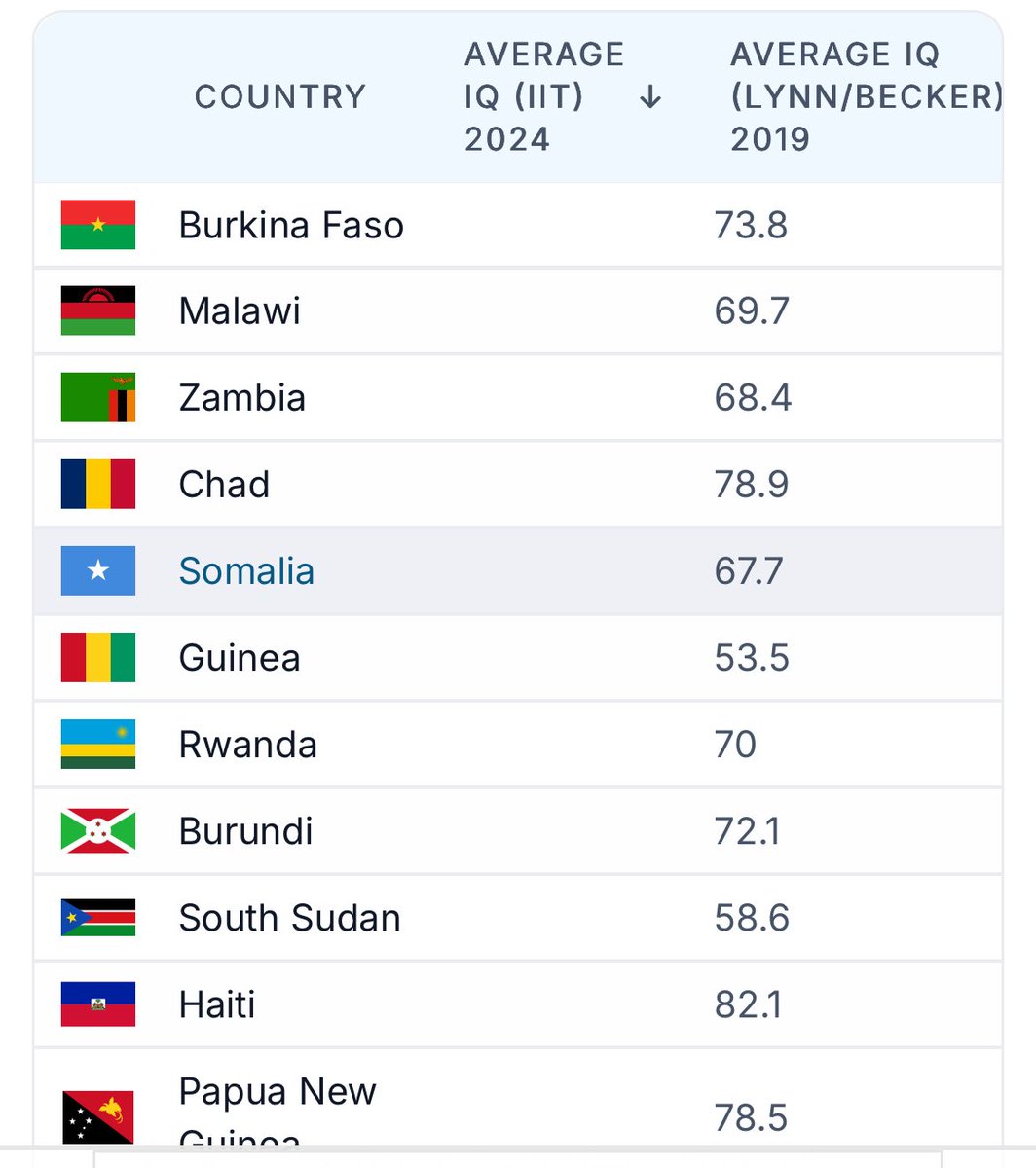
@LeilaniDowding @AidanCTweets @jk_rowling You're both wrong. This figure doesn’t originate from original IQ testing in Somalia. It represents a compiled estimate based on other datasets that have been heavily criticised. It's not accepted as reliable scientific data.
English
0
0
0
32
Andrew Scarborough
Andrew Scarborough@ascarbs·
@LeilaniDowding @PeterSchof1415 This figure doesn’t originate from original IQ testing in Somalia. It represents a compiled estimate based on other datasets that have been heavily criticised. It's not accepted as reliable scientific data
English
0
0
3
23
leilani dowding 🌸🚜 ☮️
leilani dowding 🌸🚜 ☮️@LeilaniDowding·
Given Somalis have average IQ of 68. Did they set this up themselves or is someone else the mastermind and they are just carrying out the orders. Where is the money going up to… ?
English
68
55
818
18.9K
Andrew Scarborough
Andrew Scarborough@ascarbs·
@Kin83060King @LeilaniDowding There’s no reliable national IQ testing for Somalia. The “68” figure is an estimate from small, indirect samples under extreme conditions, not a measured population average.
English
0
0
0
14
Cassius King
Cassius King@Kin83060King·
@LeilaniDowding People from a low IQ nation would not be able to commit fraud on this scale without inside assistance.
English
1
0
1
111
Andrew Scarborough retweetledi
🔬 RicardoMontes
🔬 RicardoMontes@_MCRicardo_·
Ultra-processed foods as a possible culprit for the rising prevalence of inflammatory bowel diseases Non-nutritive ingredients & additives in UPFs can negatively affect the intestinal barrier & therefore play a role in IBD pathogenesis doi.org/10.3389/fmed.2… @DrRPalmquist
🔬 RicardoMontes tweet media
English
4
63
153
9K
Andrew Scarborough retweetledi
Isabella Cooper
Isabella Cooper@I_mitochondria·
Temozolomide-Induced Renal Impairment and Metabolic Strategies for Recovery Temozolomide (TMZ) acts as an alkylating chemotherapeutic agent that methylates DNA and disrupts the replication of rapidly dividing cells. While this mechanism is essential in the treatment of glioblastoma and astrocytoma, it extends to non-malignant cells with high mitotic turnover, including renal tubular epithelial cells. These cells sustain nephron integrity through continuous renewal, and any inhibition of cell-cycle progression or interference with DNA repair undermines this regenerative capacity. TMZ exposure impairs DNA replication fidelity and causes accumulation of strand breaks, leading to tubulointerstitial nephropathy with inflammation and oxidative stress. This pattern of renal injury, recently documented in a case of nephrogenic diabetes insipidus (NDI), demonstrates that TMZ compromises renal concentrating ability by damaging tubular epithelium and reducing aquaporin-2 expression (Fargouche et al., 2025). Renal impairment associated with TMZ represents an extension of its primary cytotoxic mechanism. Persistent DNA injury and mitochondrial dysfunction within tubular cells produce elevated reactive oxygen species (ROS), activating pro-inflammatory cascades and apoptotic signalling. Even after drug withdrawal, the regenerative capacity of renal tissue remains reduced because damaged mitochondria inhibit bioenergetic recovery. The result is a state of tubular dysfunction, characterised by polyuria, electrolyte imbalance, and partial or complete NDI. These findings underline the importance of monitoring renal function, serum sodium, and urinary output during TMZ therapy, particularly in the context of combination treatments that may further enhance nephrotoxicity (Fargouche et al., 2025). During TMZ administration, basal glucose levels frequently rise, accompanied by glucose-rise-induced insulin suppression of ketogenesis. This reflects a compensatory increase in insulin secretion, leading to metabolic conditions of hyperinsulinaemia. Insulin activates anabolic and pro-inflammatory signalling within renal cells, including pathways that heighten oxidative stress and mTOR phosphorylation. By inhibiting hepatic ketone production, insulin also removes the protective and reparative actions of β-hydroxybutyrate (BHB), which functions as a direct antioxidant and regulator of mitochondrial integrity. The absence of ketones therefore perpetuates renal inflammation, creating a feedback loop between raised insulin, suppressed autophagy, and impaired mitochondrial recovery. Evidence from nutritional interventions demonstrates that restoring ketosis can reverse this pattern of metabolic injury. In a two-year trial by Athinarayanan et al. (2025), adults with type 2 diabetes who adopted a ketogenic nutritional programme showed a measurable increase in estimated glomerular filtration rate (eGFR), reversing the typical decline seen in diabetic nephropathy. The improvement correlated with sustained nutritional ketosis, where mean circulating BHB levels around 1 mmol/L yielded the greatest rise in eGFR. These findings identify BHB both as a biomarker of therapeutic adherence and as an active mediator of renal repair. Mechanistically, BHB reduces mTOR activation, suppresses the NLRP3 inflammasome, and stabilises mitochondrial redox balance, improving ATP generation per oxygen molecule consumed. The reno-protective effect of ketosis arises through the reduction of insulin-driven metabolic stress and the restoration of mitochondrial efficiency. Chronic hyperinsulinaemia activates mTOR and PI3K signalling in renal tissues, promoting glomerular hypertrophy and fibrosis. In contrast, therapeutic ketosis lowers insulin exposure, enhances fatty acid oxidation and ketolysis, and stimulates autophagy and mitophagy. BHB supports proximal tubular cell energetics and limits ROS formation, promoting recovery of tubular architecture. Inflammatory biomarkers such as high-sensitivity C-reactive protein (hsCRP) and neutrophil-to-lymphocyte ratio (NLR) decline significantly under sustained ketosis, aligning with improvements in renal function (Athinarayanan et al., 2025). Further recovery after TMZ-induced renal damage requires targeted modulation of mTOR activity. Excessive mTOR signalling inhibits autophagy and mitophagy, preventing clearance of damaged mitochondria. BHB naturally attenuates mTOR activity, and lowering circulating insulin strengthens this effect. Additional support can be achieved through ursolic acid (UA), a triterpenoid that inhibits mTOR phosphorylation and stimulates mitochondrial biogenesis. UA is abundant in Lavandula angustifolia and Rosmarinus officinalis cineole chemotypes. Topical application of these essential oils, diluted in medium-chain triglyceride (MCT) oil and applied over the kidney region, enables transdermal UA delivery that contributes to local anti-inflammatory and mitochondrial restorative effects (Limami et al., 2023). Combining therapeutic ketosis (>2 mmol/L), exogenous bio-identical BHB, and topical UA application provides a coordinated strategy to restore renal cell homeodynamics following TMZ-induced injury. This integrated approach reduces insulin-mTOR signalling, and reduces the risk of NDI induced hypoketonaemia, reactivates autophagy and mitophagy, and promotes mitochondrial regeneration, thereby enhancing renal resilience and long-term function. References Athinarayanan, S.J., Roberts, C.G.P., Phinney, S.D., Weimbs, T., Friedman, A.N. and Volek, J.S. (2025). Effects of a continuous remote care intervention including nutritional ketosis on kidney function and inflammation in adults with type 2 diabetes: a post-hoc latent class trajectory analysis. Frontiers in Nutrition, 12, 1609737. doi.org/10.3389/fnut.2… Fargouche, Z., Manderlier, M., Meert, A.P., Wolff, L. and Ilzkovitz, M. (2025). Nephrogenic diabetes insipidus associated with temozolomide therapy in a patient with grade IV astrocytoma. European Journal of Case Reports in Internal Medicine, 12. doi.org/10.12890/2025_… Limami, Y.; Pinon, A.; Wahnou, H.; Oudghiri, M.; Liagre, B.; Simon, A.; Duval, R.E. Ursolic Acid’s Alluring Journey: One Triterpenoid vs. Cancer Hallmarks. Molecules 2023, 28, 7897. doi.org/10.3390/molecu…
English
0
5
23
1.8K
Andrew Scarborough
Andrew Scarborough@ascarbs·
@LilithStuff at times, yes. In these instances I just eat a bit more. I make my own yoghurts and sauerkraut.
English
1
0
1
28
lilith stuff
lilith stuff@LilithStuff·
@ascarbs Dear Andrew, I want to ask you about blood sugar and if you have any issues with keeping yours so low. Mine is very low but I also have symptoms of low BG....carnivore 5 years, stage 4 breast cancer.
English
1
0
1
26
Andrew Scarborough
Andrew Scarborough@ascarbs·
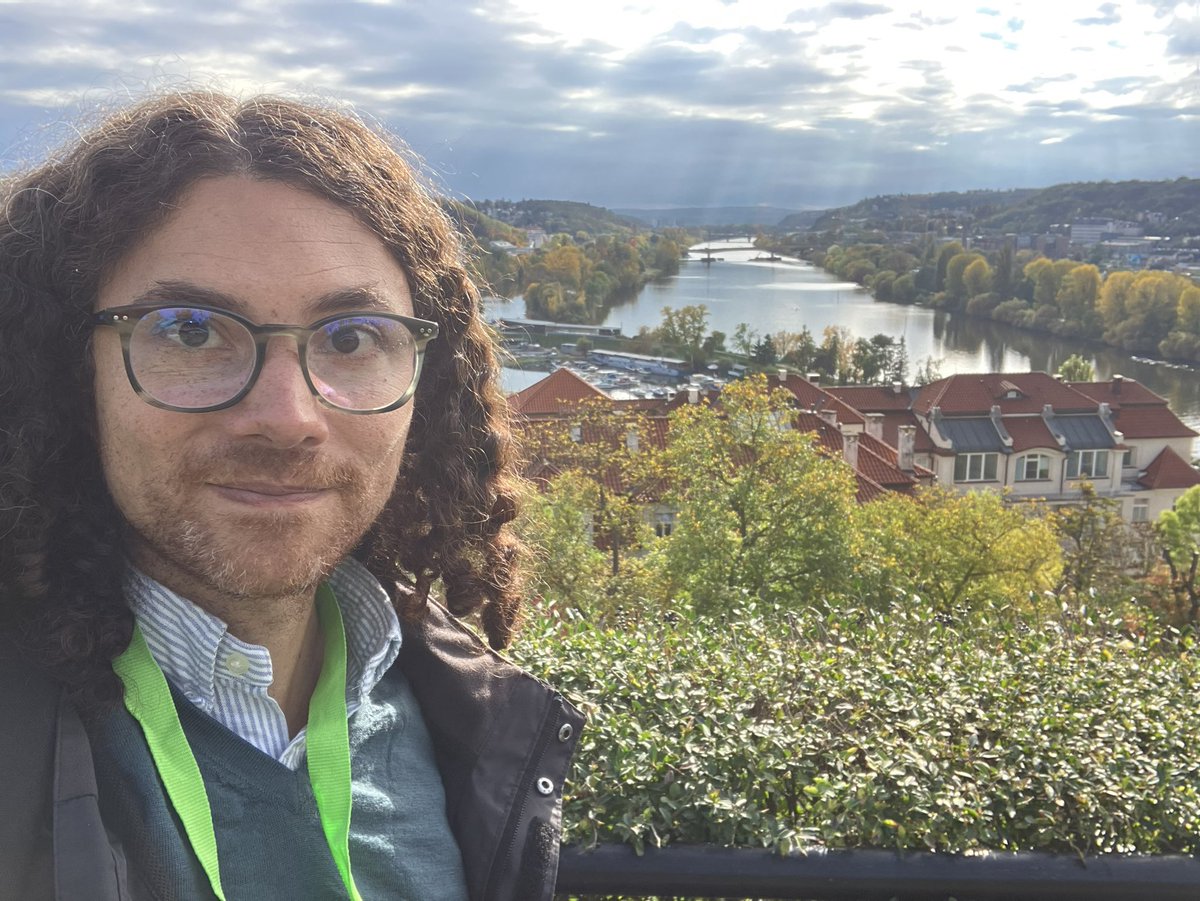
EANO 2025 in Prague has been a great conference. I took some time out today to make the most of being in beautiful surroundings.
Andrew Scarborough tweet media
English
1
0
10
302
Andrew Scarborough retweetledi
Isabella Cooper
Isabella Cooper@I_mitochondria·
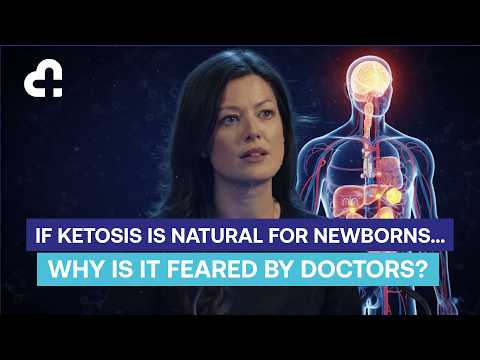
I had the pleasure to speak at the PHC conference, on ketogenic endocrine metabolic oncology (KEMO) therapy and how it works based on cancer pathophysiology and evidence from the KetoSAge trial. Euketonaemia is the metabolic state that humans spent most of their time in as they evolved. It is a natural healthy state that sustains a healthier blood profile associated with lower rates of chronic diseases of ageing, such as cancer, cardiovascular and neurodegenerative diseases. youtu.be/TSVUnS8zrZA
YouTube video
YouTube
Public Health Collaboration@PHCukorg

Why is ketosis treated like a health risk? This clip from Dr. Isabella Cooper (@I_mitochondria) might change how you see it. To watch the full talk: youtu.be/TSVUnS8zrZA
English
8
60
245
41.5K
Brain Cancer Justice
Brain Cancer Justice@BrainCancerJust·
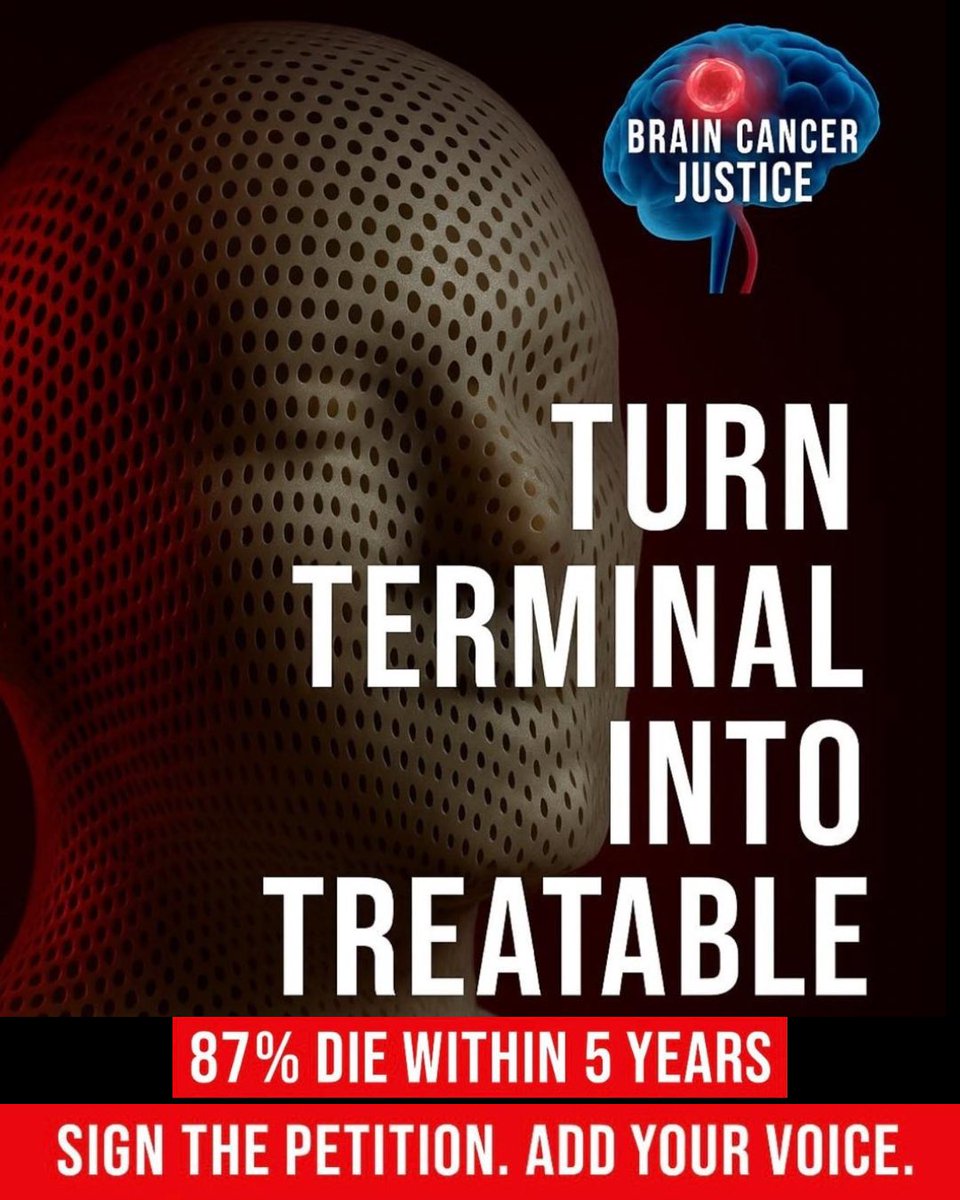
Brain cancer kills more children and adults under 40 than any other cancer - yet it’s had just 1% of research funding since 2002 - that’s 23 years. Sign our petition now calling for Justice for Brain Cancer patients and families➡️ petition.parliament.uk/petitions/7388…
Brain Cancer Justice tweet media
English
17
14
25
16.8K