BAJADOBE (QUICKLIME MAXIMALIST)

680 posts

BAJADOBE (QUICKLIME MAXIMALIST) banner
BAJADOBE (QUICKLIME MAXIMALIST)

BAJADOBE (QUICKLIME MAXIMALIST)

@bajadobe

Traditional earthen construction in Mexico and beyond

La Paz, Baja California Sur Katılım Nisan 2025
193 Takip Edilen1.8K Takipçiler
ashley
ashley@rabcyr_alt·
people absolutely love to put plastic in their food garden. landscape fabric, grow bags, etc etc. i don’t get it. if you want microplastics in your food the grocery store has plenty!
English
1
0
13
230
Romanoi
Romanoi@murexromano·
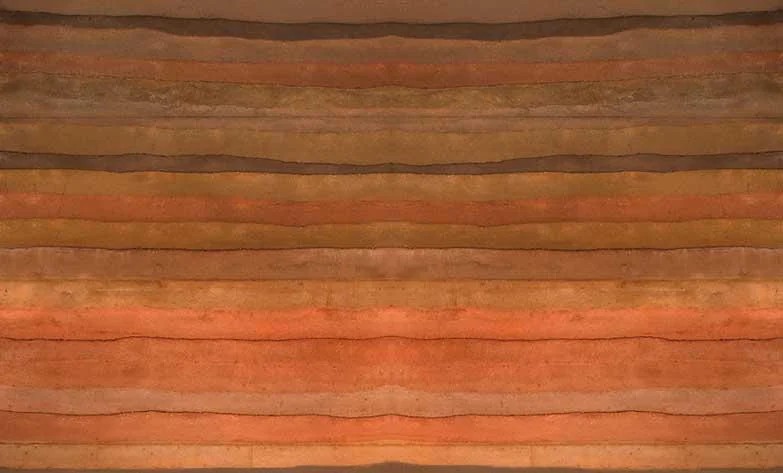
@bajadobe @DickBuffett Indeed you have to build a second structure, form, just to take it out, however the resulting walls last forever and can look pretty striking
Romanoi tweet media
English
2
0
1
13
BAJADOBE (QUICKLIME MAXIMALIST)
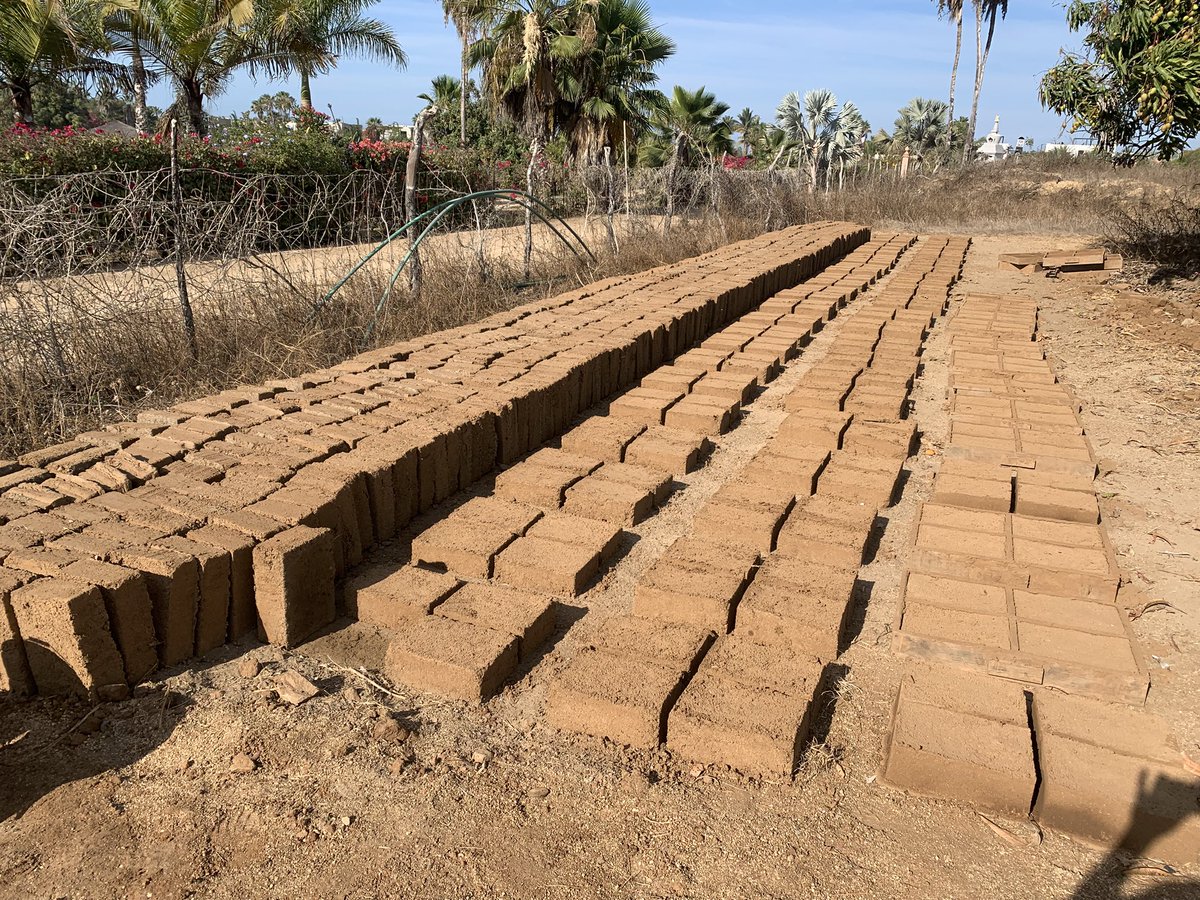
This is one full dump truck worth of bricks. ~1000 bricks or 11.5 cubic meters. This is enough to build a tiny house. It took about 80 man hours but our next 1000 should go a bit faster
BAJADOBE (QUICKLIME MAXIMALIST) tweet media
English
7
2
151
3.9K
BAJADOBE (QUICKLIME MAXIMALIST)
@DickBuffett Straw bale seems cool but kind of silly in my region. The closest grain producing area is like 6 hours away. I might do a strawbale build soon for a very specific reason, it will be a recording studio and the acoustic insolation of strawbale is supreme
English
0
0
1
13
Bubbba Buffett
Bubbba Buffett@DickBuffett·
@bajadobe Strawbale construction? This also seems fast and low work but building codes got crazy on them here.
English
1
0
0
8
Bubbba Buffett
Bubbba Buffett@DickBuffett·
@bajadobe Do you use mud or cement in between your bricks? Mashed potatoes is different than the packed adobe I was familiar with. Seems like it would be better for heat but worse for structural integrity. Compressed brick is overkill for one story in most cases. Are you familiar with
English
2
0
0
13
Hawkeye Spirit
Hawkeye Spirit@World_All_Alive·
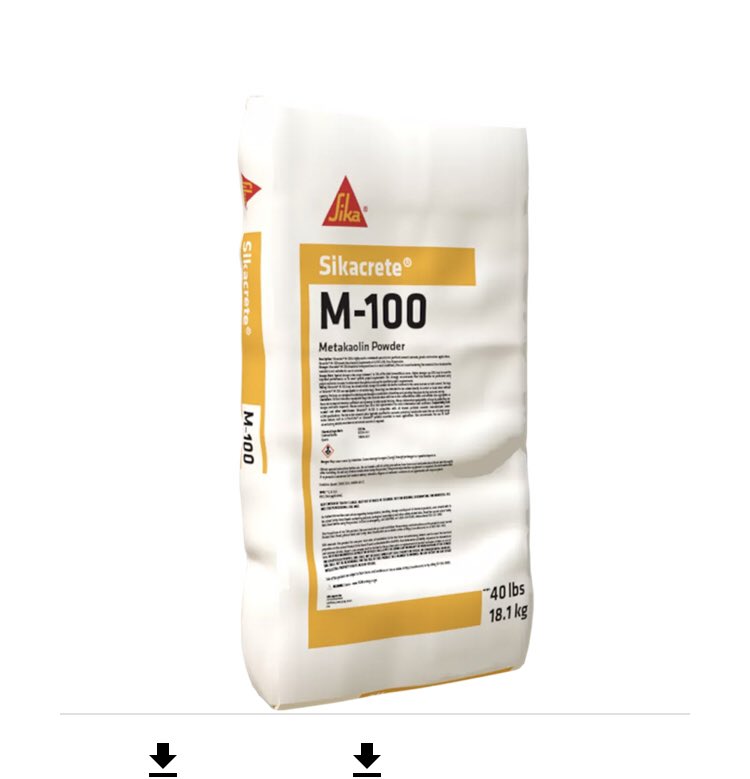
@bajadobe I want to experiment adding this to Adobe bricks or a “dustcrete” material or even just a plaster for my next project. it’s thermally activated kaolin clay. It May be similar to what the Romans and others used in ancient concrete.
Hawkeye Spirit tweet media
English
1
0
1
108
BAJADOBE (QUICKLIME MAXIMALIST)
@murexromano @DickBuffett I guess cob. At the end of the day building with earth is just moving a tonnnnof mass from one place to another. The fewer amount of moves the better. So by that standard cob would be the least effort. Im not a huge fan of cob but maybe im gonna try and build termite style
English
0
0
2
5
Romanoi
Romanoi@murexromano·
@DickBuffett @bajadobe What would be the absolute lowest labor easiest way? Provided you have a lot of clay that is easy to dig up, coarse cob? stacking lumps like a termite or a nesting bird
English
1
0
1
14
Gift of Trees of Draught of Barrel
Confessional poast: I'm falling in love with lime. First used last year for a woodstove platform made of antique bricks. Used it two days ago in a historic whitewash mix for apple tree trunks that will benefit the soil as it wears away. I love this material!
Austin Tunnell@AustinTunnell

People often say, “I hate when people paint brick! It ruins it.” But we’ve built some beautiful painted brick buildings at Building Culture. The key is knowing what kind of paint to use. Drop a dry brick into a bucket of water, and it will soak up moisture like a sponge. Brick is porous; it naturally absorbs water and releases it. The problem with typical paint, latex or oil-based, is that it forms a coating that essentially seals the brick. What happens when the brick gets wet? The water can’t get out. It’s trapped. This can ultimately damage the brick, particularly in climates where it freezes, and especially with historic, multi-wythe masonry buildings. The brick needs to breathe. But beyond the masonry's durability, it’s also an aesthetic issue. Peeling paint is ugly. The right answer is a mineral stain, and the three options are limewash, potassium silicate, and sol silicate. Mineral stains don't sit on top of the brick; they penetrate the surface and fuse with it. They are breathable, colored with earth pigments, highly alkaline – making them mold resistant – and, depending on which one you choose, can be far more durable. A well-applied sol silicate can last over 50 years. Limewash, on the other hand, washes away over time. Literally. But it doesn’t look like peeling paint. It looks weathered. It’s actually the look people are often going for, but they try to achieve it with a faux-aged finish. But if you just use the right material and then let time do its thing? You can get a beautiful outcome. See the pictures below. These were built in 2018, so the limewash is now 7+ years old. When first applied, it’s a solid white. But after seven years, the limewash is wearing away – in a natural way. If you want this look, use limewash. If you want a solid paint that will last for decades, use potassium silicate or sol silicate. The Germans actually invented potassium silicate in the 19th century because limewash wouldn’t hold up in their harsh climates. Sol silicate is a newer invention and very impressive. I think the reason people often hate on painted brick in the US is because 95% of the time, it’s the wrong paint. The rubber-like coating from oil-based, latex, and even many “masonry paints” smooths out all the texture of the brick. You lose a lot of character. Mineral stains don’t do this. It still feels like a real brick building. The texture comes through. People don’t go to Europe and hate the painted masonry buildings. They’re beautiful and charming. It’s because they’re using the right paint. One more key (and nerdy) fact for why people love European painted brick, but not US painted brick: mineral stains have a characteristic called “double refraction”. One light wave hits it, and it splits off two. It gives it this soft glow. But NOT glossy. It’s actually a chalky look – but doesn’t look flat (as we think of flat paint in the US, which reflects very little light). It’s chalky AND glows. That’s the double refraction. You simply can’t replicate this with petroleum-based products. It’s a chemical thing. Don’t get me wrong: I love natural brick buildings, and we do a lot of those. But, with the right paint, and for the right project, painted brick can be absolutely stunning. You can check out mineralstains dot com if you are looking for a supplier of quality mineral stains. Have had the owner on the podcast and he's extremely knowledgeable.

English
7
2
93
4K
Bubbba Buffett
Bubbba Buffett@DickBuffett·
@bajadobe Almost looks like less work than lumber built homes. Learned about tadlact for interior which polishes and adds vegetable oil for water protection.
English
1
0
0
13
BAJADOBE (QUICKLIME MAXIMALIST)
@DickBuffett No worries! My bricks are not compacted. We just fill the molds with a wet mud abojt the consistency of mashed potatoes. IMO (im biased) traditional adobe is the cheapest and easiest of any of the earthen building techniques
English
0
0
2
10
Bubbba Buffett
Bubbba Buffett@DickBuffett·
@bajadobe Sorry for my ignorance. It's something I am looking into to build. Don't you have to compact the bricks before drying then you have to blend mortar? Bag method takes very little compaction (couple tamps per foot per 3-6 inches of height) Form method takes more tamping and straw.
English
3
0
0
18
0xKraken
0xKraken@8Kraken8·
@bajadobe Man now I want to really buy some land next to you and learn Adobe brick making from you n build a pad while jamming Gucci 😆
English
1
0
1
15
Bubbba Buffett
Bubbba Buffett@DickBuffett·
@bajadobe Why not do rammed earth in place? Might save some time and labor.
English
1
0
0
24
Architetto Polemico
Architetto Polemico@polemicarc·
@bajadobe Can you make a loadbearing vault with them or will they change shape (deform) with time?
English
1
0
0
13
Jarne
Jarne@Jarneoffgrid·
@bajadobe That's not bad at all. How long does stacking them to a house take?
English
1
0
0
23
BAJADOBE (QUICKLIME MAXIMALIST)
@cerv3ra Im in Mexico. Average wage here is 500 pesos a day. My guys make 1000 pesos per 8 hr day. Thats about 10 pesos a brick in labor. Materials is another 3 or 4 pesos. My cost is 13-14 pesos per adobe. Cinderblocks here cost 22 to 26 pesos each
English
0
0
1
20
Cerv3ra
Cerv3ra@cerv3ra·
@bajadobe For half a month salary, i guess real, but not very capital efficient. But you said this was cheaper than aireated concrete blocks!!
English
1
0
0
23
Akshobya
Akshobya@albustime·
@bajadobe Man i do t know what you’re doing but leep it up. I’ve done 300 corrugated houses in post-flood desert scrub villages. Here is a devastating fact. 100% of those houses got trashed by the beneficiaries, the entire village scrapped and sold. Architecture for the poor
English
1
0
1
26
BAJADOBE (QUICKLIME MAXIMALIST)
HASSAN FATHY APPRECIATION POST! His book “architecture for the poor” entirely changed my worldview (and made me cry) One day his vision will live on through my work in Baja California Sur, Mexico
English
2
1
42
925