Bala Parthasarathy

503 posts

Bala Parthasarathy banner
Bala Parthasarathy

Bala Parthasarathy

@balap

Director, People+AI; Chairman, Freo (MoneyTap); Founding partner Prime Ventures (Angelprime);Co-founder, Snapfish;

Bengaluru, India Katılım Temmuz 2008
277 Takip Edilen2.8K Takipçiler
Bala Parthasarathy retweetledi
Pratyush Kumar
Pratyush Kumar@pratykumar·
Drop 9/14: Today we are introducing Sarvam Studio, our product to help creators go multilingual. One piece of content, every corner of India. With AI video dubbing, Studio generates high-fidelity dubs in 11 Indian languages. In an expert study, participants preferred Sarvam Studio for overall quality and production readiness. With agentic document translation, Studio excels in contextually translating long-form content across genres. Our evaluations demonstrate that readers strongly preferred the output from Studio across different genres.
English
83
341
1.8K
253.8K
Bala Parthasarathy retweetledi
Augadh
Augadh@AugadhBhudeva·
India’s Sovereign Move - Sarvam Vision Cracks the Code across 22 Indian languages Sarvam Vision is an AI model from Sarvam AI that excels in optical character recognition (OCR) for 22 Indian languages, outperforming global models like Gemini and GPT-4o on Indic benchmarks. This achievement supports India's push for sovereign AI by digitizing real-world documents and archives in local scripts. ​ Sarvam Vision, a 3-billion-parameter model, handles "messy" scanned paperwork across languages like Hindi (95.91% accuracy), Bengali (92.61%), Tamil (93.42%), Marathi (93.13%), and even low-resource ones like Santali and Dogri (over 80%). ​ It structures data natively without relying on English translation layers, enabling applications in cultural recovery and document intelligence. ​ The model powers India's sovereign AI infrastructure under the IndiaAI Mission, where Sarvam was selected to build a national LLM. This launch fits Sarvam's broader stack, including prior models like Sarvam-Translate (also for 22 languages) and audio models for code-mixed speech. By focusing on Indic challenges ignored by Western AI, it unlocks centuries of knowledge in non-English archives. ​ Recent demos, like digitizing historical texts, highlight its real-world impact beyond benchmarks. Credit : AIM Network.
English
17
288
789
20.5K
Bala Parthasarathy
Bala Parthasarathy@balap·
@WHOOP please fix your Indian service. You are charging global prices with such poor service
English
0
0
0
51
Bala Parthasarathy
Bala Parthasarathy@balap·
@OfficialHypeFly I have to return the Whoop 5.0 and get a replacement, due to a defect. I have messaged on Whatsapp. Is there a phone number to call? It is a REALLY frustating experience. This is my second Whoop and a gift and so even more painful to see such a bad service.
English
2
0
0
59
Bala Parthasarathy retweetledi
asif
asif@theonlysif·
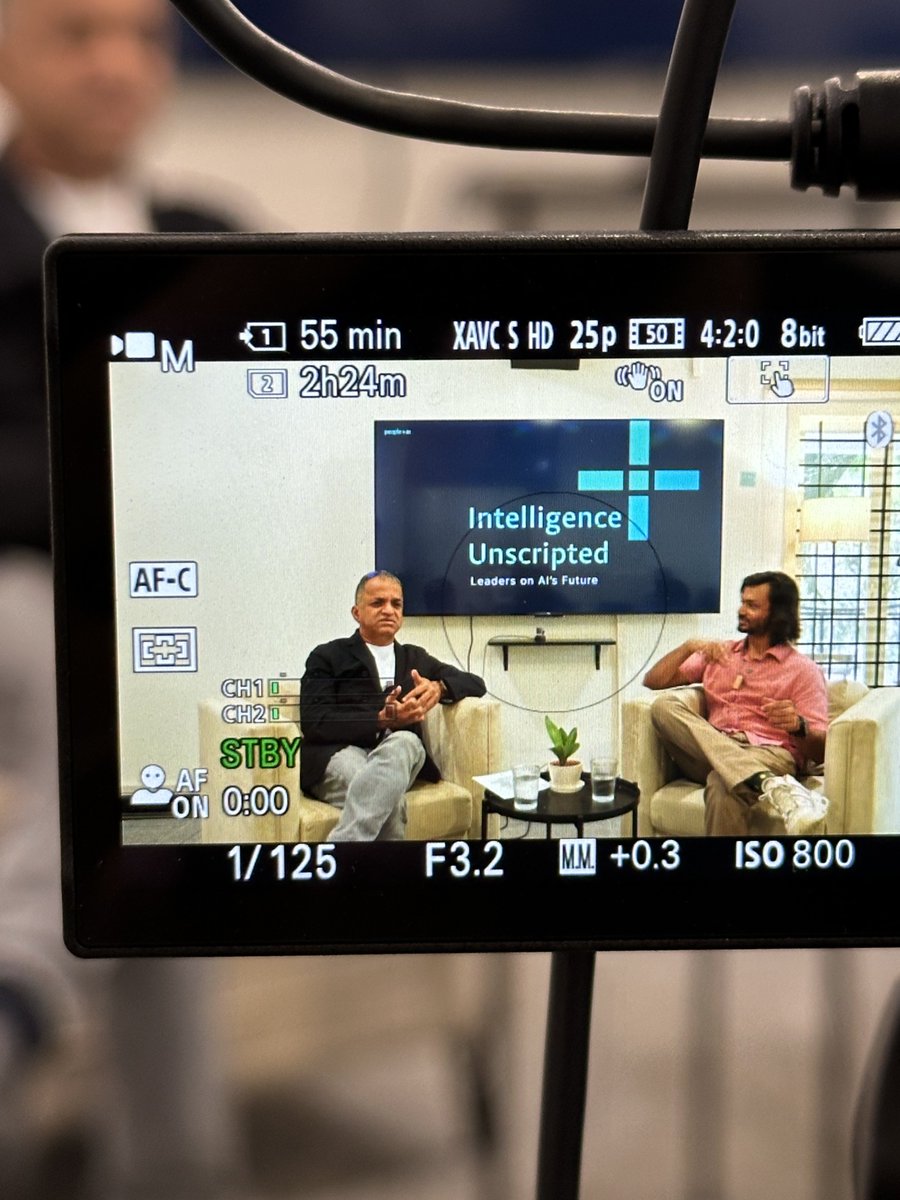
happening now! (@balap x @imDhananjay) 🎙️
asif tweet mediaasif tweet media
English
4
2
12
2.3K
Bala Parthasarathy retweetledi
Hemant Mohapatra
Hemant Mohapatra@MohapatraHemant·
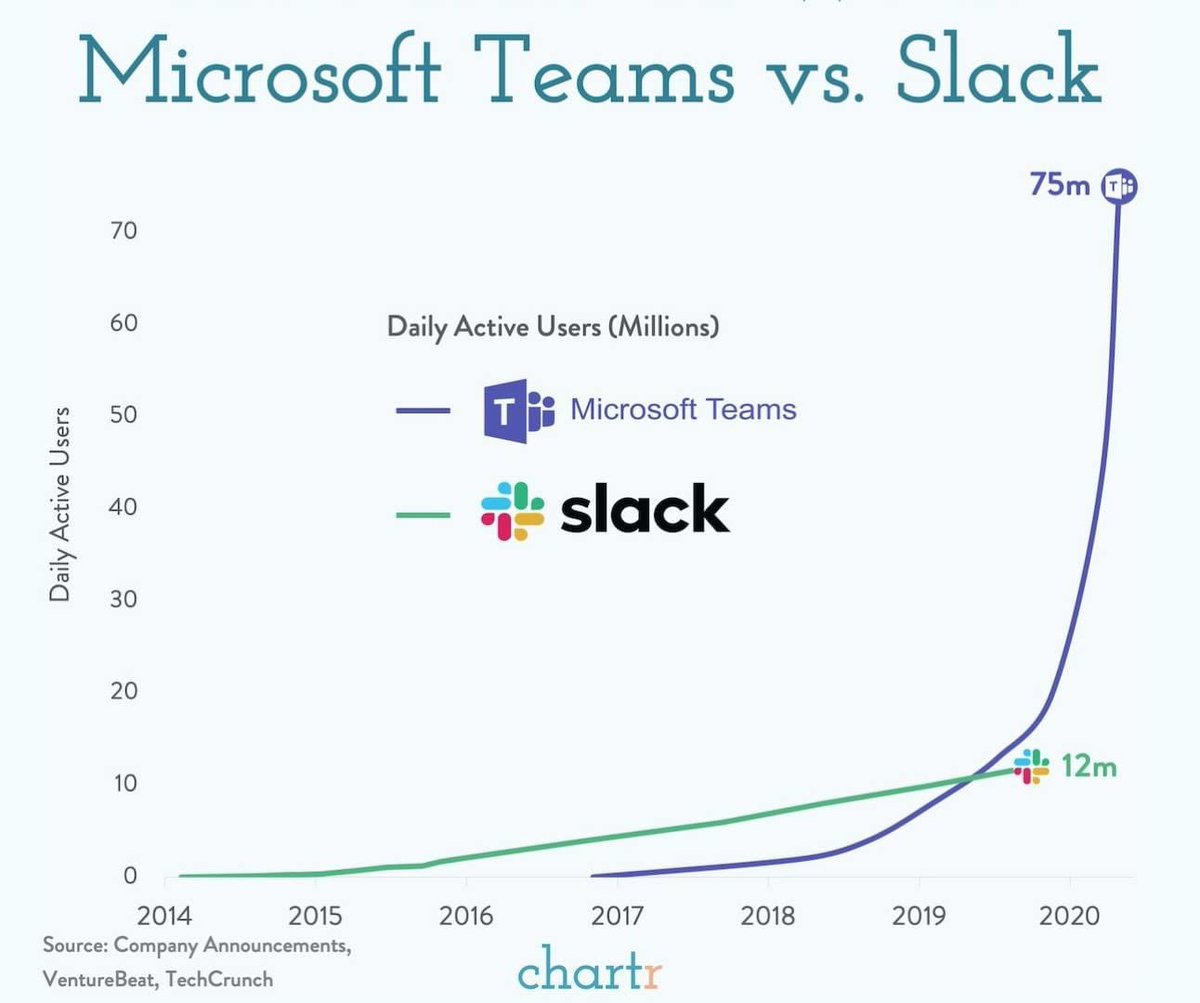
Now that Google is finally starting to impress on their product, their distribution advantage will kick in shortly. A good reminder: when distribution is proprietary, distribution wins (Comcast vs Netflix), when distribution is commoditized, best product wins (chrome vs IE), when product is commoditized, best service wins (Amazon vs others), when service is commoditized, best network wins.
Hemant Mohapatra tweet media
English
47
248
2.1K
415.3K
Bala Parthasarathy retweetledi
OpenAI Developers
OpenAI Developers@OpenAIDevs·
The @healthifyme team built Snap using GPT-4 Turbo with Vision to give users nutrition insights through photo recognition of foods from around the world.
GIF
English
15
62
501
197.7K
Bala Parthasarathy retweetledi
Uday Kotak
Uday Kotak@udaykotak·
My year end musings. A Financial Sector Model for India’s dream: 9% annual growth, $30 trillion GDP by 2047. India is transforming from a nation of savers to investors. The tussle between the saver/ borrower and issuer/ investor model is underway. In the early 80s, the Indian saver had low confidence in financial assets versus gold and land. Slowly the saver moved some part to bank deposits, UTI and LIC. Even in the 90s, investing in equities was considered “speculative”. Hence companies looking for capital went to the foreign institutional investor (FII). FIIs saw potential and bought into companies while the Indian saver stayed away. Companies raised capital through the less known Luxembourg stock exchange. India’s capital market was being exported. Some of us highlighted this phenomenon to SEBI. That began the private placement market (QIP) in early 2000s. Hence FIIs could also buy on Indian markets. The Indian saver’s interest in markets improved after the global financial crisis. That saver is now savouring the joys of investing. Mutual fund platforms, cash equities and derivatives markets, insurance funds, global private equity in India, other platforms like AIFs, lower tax regime for equity, have all converted a saver to an investor. How do we create a sustained growth story hereon? 1.Many investors have joined post Covid. They have mainly seen upside. While the situation is not comparable at present, we need to keep Japan of the 80s at the back of our mind. Its Nikkei Index peak was 1989. 34 years later with near zero interest rates, the Nikkei is still below its 1989 peak. We must avoid bubbles through policy, regulation, education, and supply of quality paper. Companies should raise equity at lower cost of capital for productive use. 2.While we must avoid tax arbitrage in debt, unless debt markets grow it will be a one legged race. The current gap on highest marginal tax rate between debt and equity of 39% and 10% is perhaps too wide. 3.Double taxation on dividends needs relook. A shareholder is like a partner. There is no additional tax when money is moved from the partnership to the partners capital account. Same principle applies to shareholders. 4. Low cost leverage through derivatives can distort financial markets. This needs attention. 5.As savers become investors the banking sector faces challenges on its deposits and cost of funds. The large corporate sector has to meaningfully move to capital markets (debt and equity) and away from banks. Banks will become distributors of corporate debt rather than storage houses. They will need to penetrate mid sized corporates, MSMEs and consumers. 6. We should avoid a retrospective tax and regulatory regime. We will need to balance developmental and regulatory role. 7. Two areas which need urgent focus for India’s aspiration are acquisition financing and streamlining of the IBC/ NCLT process. As India aspires, the financial sector will be the key engine for delivery. Impact of technology is a separate subject of discussion for a future date. The saver/ borrower and the issuer/ investor models will coexist. It is time for a wholistic financial sector view.
English
357
1.2K
4.9K
717.8K