Brittany Cheng
1.5K posts

Brittany Cheng
@bcheng42
Product @Seesaw, @Yelp | Alumni @YCoreNetwork | @UCBerkeley @Cal_Engineer | SF Bay Area local | Likes steep things 🍵🧗♀️


Early on it is better to prefer suboptimal operations but optimal insights so later you can enjoy the luxury of optimal operations with suboptimal insights. And those asking “why not both” must note that in real life arguing for both takes zero skill vs. optimizing one of these.

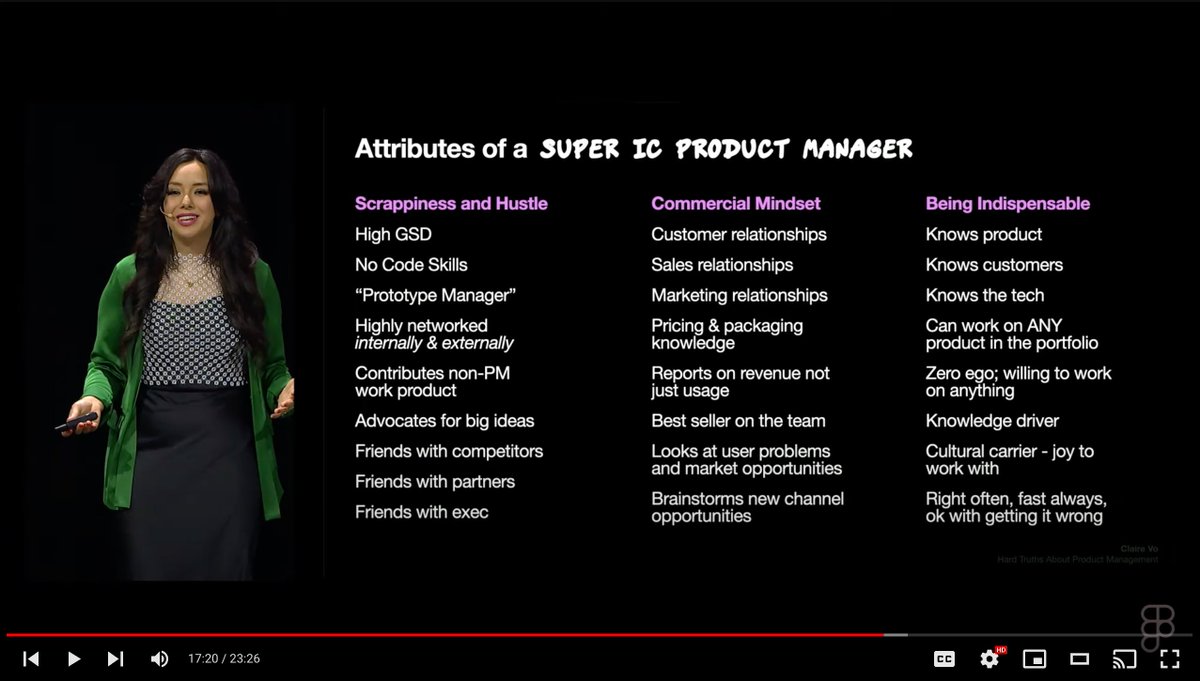
I believe the future of product management looks like @talraviv. Tal is an individual contributor (IC) PM who leverages AI tools and a suite of productivity systems to get more done with fewer resources (and management layers). Tal has chosen to stay an IC throughout his 10+ year PM career, and over this time has honed a set of productivity practices that give him tremendous leverage and impact—beyond what many traditionally believe ICs can achieve. In other words, he’s become a “super-IC.” In today's post, Tal shares seven of the unique productivity tactics that have gotten him to where he is today—and might help you become a super-IC too. Product manager is an unfair role. So work unfairly: 1. Get out of tasks before they even reach your to-do list (or anyone else’s) 2. Cheat your way out of meetings with “59-second Looms” 3. Hide, ignore, and automate Slack 4. Cultivate a team that operates without you 5. Get a head start on discovery with product scrapbooking 6. Let AI write for you (but don’t let it read for you) 7. PM your own brain’s freshness Don't miss this one 👇 lennysnewsletter.com/p/product-mana…

Hey @linear do u have any tips for writing great PRDs?

Always awesome to learn from product leaders who’ve gone from 0-1 and beyond Tonight’s @Work_Bench NY Enterprise Tech Meetup breaks down how Ramp and Figma have built world class products and expanded to become full fledged platforms Lucky to host the inimitable @geoffintech, vp of product @tryramp @mihikapoor, product lead @figma Lots of 🌶️ takes too!


Week before launch, I hit this roller coaster of feelings — stress as we finalize things, excitement seeing things all together, and appreciation for so many people sprinting to make it happen. This year has been *busy*


Last night, we at @linear hosted a design leadership event. We invited about ~25 design leaders from top companies to join @lil_dill and me to discuss b2b design, quality, and craft. There were many good comments and questions that came out of this. I'll try to see if I can share them somehow, but first, I wanted to share why I was interested to do this event: I often hear design talked about generally or in the abstract, but I haven’t really seen people highlight how design and practices differ between b2b vs b2c design. Traditionally, design hasn’t been prioritized in the enterprise, but I believe design can be much more important there than on the consumer side. Enterprise or professional software often provides tools or solutions to someone to create or generally do their job or do it better. The bar for the solution can be very high, and the user is very discerning of that solution. If the design tool the designer uses isn’t that good, the quality isn’t there, and it’s very apparent. Since people are relying on the service to do their job or run their business, the stakes and need for reliability are also higher. If you constantly A/B test random things, it can cause disruption to the workflow, and therefore in the operations of the company. Design choices and changes should be considered and validated with beta programs. Almost all companies serving other companies are in retention and usually also in net retention business. Ideally, you keep your customer forever, and you want the account to grow over time so their net dollar retention goes over 100% year after year. Design can have a huge impact on building loyalty. One main reason companies churn from products is when the product quality and design speed drop. Customers get frustrated, so they start looking for other options. Good design has the power to do the opposite. If you consistently delight the customer, you build up that loyalty and trust. I think landing customers can be a finicky process. There might be many people in the process trying to evaluate your product against some other product. Usually, customers cannot inspect your code, or even fully grasp the product strategy, but one thing they can do is experience the product experience. Good design (and obviously the quality of the product execution) can really elevate that experience and be the thing that gets the customer excited about your tool. But it's not all roses. The reason why design is hasn't been traditionally prioritized in the enterprise is that enterprise software has buyers and users. The buyers often don't use the product or even try it. If you work in a company that gives you janky tools, it's probably because the buyers had other goals and the product experience inconsequential to those goals. But I don't this is practice is going to sustain. The pressure and demand for well working and well designed enterprise tools will continue to rise and eventually buyers will realize why they are there – to elevate their teams with the best tools available.