
Bill
24 posts




Want to thank our friends for coming out to Preconvene Wednesday night at Rochambeau in Boston's lovely Back Bay neighborhood.
Met a ton of interesting people doing everything from aggregating experiential hotels to short-to-medium-term furnished rentals to adaptive reuse of old, New England mill buildings into lofts.
Also want to thank our friends at Citizens Private Bank for sponsoring.
Want to hear about future events? Join my mailing list at moseskagan.com


English
@moseskagan Yes or adjacent. No shade, rochambeau is serviceable for this type of thing. Could up level next time to south end. Petit Robert has a side room+outdoors and is not next to pru.
English
@belowdaline Is that the name of the building where Rochambeau is?
English

who is this generation's Rene Russo? Foxy, sexy af without going full spring break? I'll watch anything that she's in, and she's been in some stinkers

English
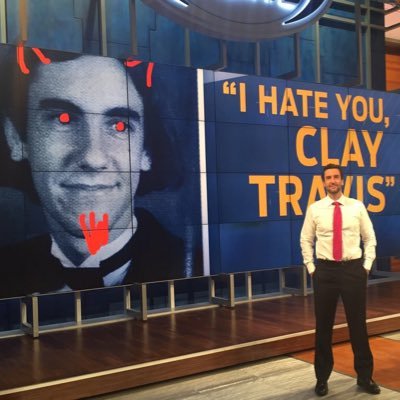
Nice work. The tickets will soon sell for well over a thousand dollars each on StubHub. Ticket prices have gone much higher because dynamic pricing puts money in concert performer or team/athlete’s hands instead of scalpers.
Polymarket@Polymarket
JUST IN: New York City mayor, Zohran Mamdani, secures 1,000 $50 tickets to World Cup games at MetLife Stadium for NYC residents.
English
@GoodGuyGuaranty Saw a few nice watches at nysafa too. Flat circle etc
English

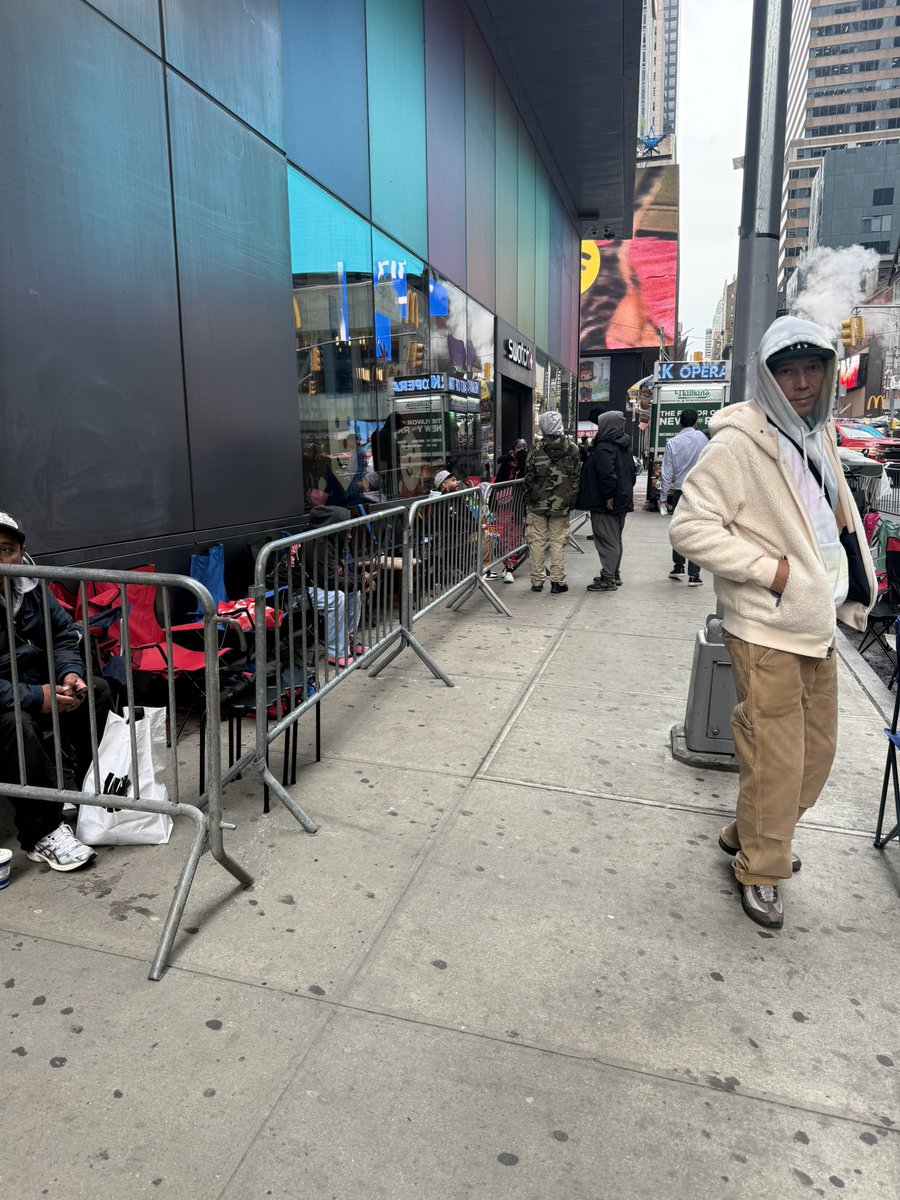
Some of the crustiest folks in NYC set up a quasi-tent city to buy and resell the new Swatch/Audemars Piguet watches this morning. Ironically in the same building hosting the NY Affordable Housing Conference just a few floors above. The circular economy.
English
@FCNightingale Any office building that peaks at $37psf is also worth $4psf and is also worth zero
English
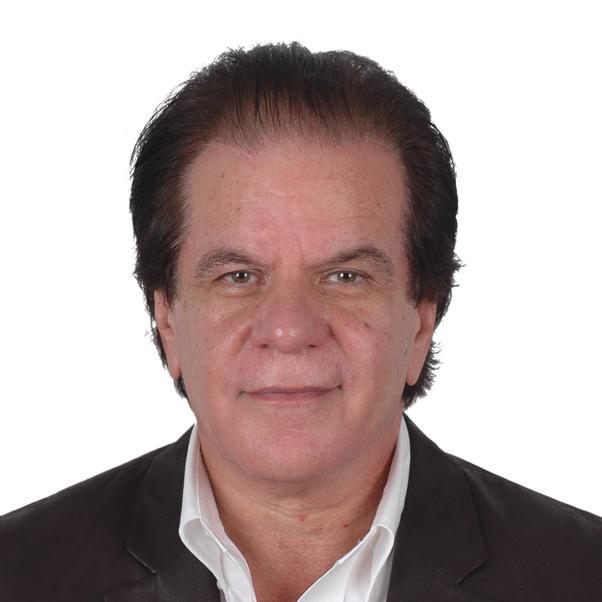
St. Paul, Minnesota office buildings sell at 90% and 95% discounts.
St. Paul’s historic First National Bank Building was sold for $3.8 million, 10% of the $37 million paid for the building in 2015. Less than $4 per square foot.
“There’s probably $7 million or $8 million in deferred maintenance.” "Chillers, elevators, escalators and other mechanicals all need overhauling." buyer Jamie Rand said.
It consists of three interconnected buildings with more than a million square feet of space.
Last month Jamie Rand purchased the 668K SF Great Northern Building in St. Paul for $1.92 million, 5% of its $40 million purchase price in 2014. Less than $3 per square foot.
--startribune / twin cities pioneer press
#commercialrealestate

English
Thankfully we’re past the millennial pastiche phase of ‘white hipsterdom’. (Mason jars, roll-up garage doors, etc.)
In its place we have craftsmen working on meticulous replicas of dying vernacular bars.
The Peek Inn, in Greenpoint, is a fine example of the form.

Eric Weatherholtz@iononrecourse
We used to be a proper country.
English
@DallasAptGP I ain’t readin all dat but I assume the crazy tax idea is to invest in stab 2-cap garden deals which will trade for 7s to avoid paying taxes when he can just borrow for cheaper
English

A crazy tax idea for Elon Musk.
He could become the biggest OZ investor in history.
The IPO is the trigger.
SpaceX goes public June 12 under the ticker SPCX and the valuation might go to $2 trillion. The largest IPO ever.
Insider lockup runs 180 days. It expires around December 15.
The day it ends, insiders can sell. Every share sold throws off a capital gain. For Elon, holding billions in SpaceX paper, the gain is staggering.
Under the new Opportunity Zone rules that take effect January 1, 2027, any capital gain rolled into a Qualified Opportunity Fund within 180 days of the sale earns a five-year tax deferral.
Sell in late December 2026. Invest in early 2027. The tax bill is not due until 2032.
If the QOF investment is held for ten years, the entire appreciation comes out tax-free. No capital gains. No depreciation recapture. Zero.
But Elon isn't going to suddenly start investing in apartments or hotels in low income areas. He is going to remain obsessed with investing in his core businesses.
Good news.
The town of Starbase, Texas sits inside an Opportunity Zone census tract. Grimes County, where Musk is building a $55 billion semiconductor fab called Terafab, has three OZ tracts of its own.
Elon could sell SPCX shares after lockup. Roll the gain into his own Qualified Opportunity Fund. Use that fund to build infrastructure at Starbase or finance the Terafab site.
Then lease the asset back to the public company.
SpaceX pays the rent. The rent is deductible to SpaceX. The depreciation flows to Elon and offsets his other income for a decade.
Then he sells the QOF interest in 2037.
No tax on the appreciation. No recapture on the depreciation. The original gain that funded it all was deferred to 2032.
The IPO funds the infrastructure. The infrastructure runs the company. The taxpayer pays nothing for ten years and almost nothing forever.
This is the crazy idea.
The mechanics are real. The zones are real. The IPO is real.
I am glad to advise his tax team. 🤠
English

The rent in Providence is too high and we need real solutions to bring down costs for families. And I understand why rent control sounds compelling, but the reality is that it has consistently been shown to hurt those it is meant to help. In Cambridge, in Berkeley, in Portland, in St. Paul and more, rents actually went up under rent control and new construction plummeted. My plan provides direct rent relief now and lowers costs long-term through continued new construction. I look forward to working with the City Council to continue addressing the root cause of our housing shortage and bring down costs for all our neighbors.
English
@EllliotttB I have a guy. Nova based leasing broker who reps owners on leases to govt entities nationwide. Philly sports fan but otherwise quality dude. Lmk if that fits bill
English

If anyone out there with meaningful scif experience and wants to volunteer some time in my DMs….
English
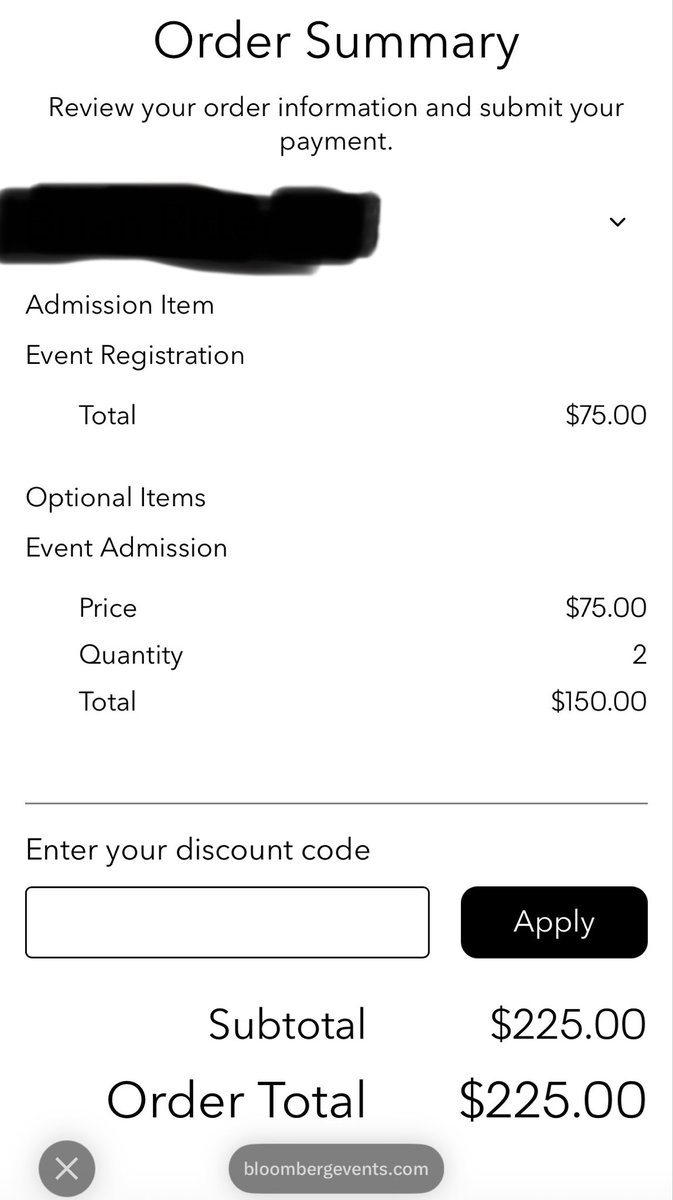
@TheStalwart Joe, flagging tickets are listed $75 each but I’m getting dinged another $75 for some reason. Is that right or am I a dummy ?
English

The night is shaping up to be something of a "future of trading" theme, and we'll be announcing more guests next week. But get yours now, while there are still a few left.
English
BOOM. We have two great guests to announce for our Odd Lots live show in two weeks.
We have Jeremy Maletz, who is leading the Prediction Markets desk at Susquehanna International Group.
And then also pod-favorite @iaindunning of @WeAreHRT
Tickets here: events.bloombergevents.com/event/Odd-Lots…

English
@iononrecourse These are not comparable companies but setting that aside: name on the door is for legacy and generational business. Vague and esoteric names are for fundraising and avoiding community organizers.
English

Real estate companies used to put the principal owners' names/family on the door:
Buzz Oates
Fisher Brothers
Schostak Brothers
Hines Interests
Silverstein Properties
Trammell Crow Co.
Cousins
The John Buck Company
Now the names are more vague and esoteric:
Greystar
Rialto
Cortland
Northwood
Blackstone
Starwood
Spear Street
Ideas on why that changed?
English
@somehotelguy Fine. Take it to an 8 with term and reasonable credit. Thats a real taking cap. Would ask 7.5. Lean in if u must
English
@belowdaline STNL on a hard corner in an A location in midtown?
English
Anybody have a (somewhat) recent Manhattan retail cap rate study they could share?
English

Since you asked where the money is going Assemblymember I’ll tell you.
30% of it is going back to the city to pay for every pet project your colleagues can dream up and still demand more money for.
20%-30% of it is going to insurance companies to pay liability premiums because you and your colleagues refuse to address New York’s absurd liability laws. Also because the laws you support have made the buildings worthless. Not rhetorically. Actually worthless. Insurance companies are pulling out of the market all together leaving the remaining carriers to demand high premiums.
5% is going to the city for water which was increased by 9% last year alone.
10% is going to other utilities like fuel which skyrocketed this year because of the coldest winter in a decade and the war in Iran.
8% to labor costs which have also increased substantially in the last five years.
8-10% is just to keep the building running properly. Not improve it. Run it. Most buildings don’t have violations and open holes in ceilings. That’s where that money goes every time someone overflows a toilet, breaks a door, a window, a mirror, strips a faucet, etc.
20% not even factored by the RGB is any mortgage on the building. And you may say well borrowing is a choice. Not if the rents don’t cover repair costs. Taking a loan is literally the only way to pay for repairs even when there is an offsetting subsidy because those programs require the work be done in advance.
By the RGBs own math without accounting for interest and lending which is a quarter of all costs a property only has 10 cents of every dollar left over after collecting rent.
In reality because of interest and lending it’s closer to 3-5 cents.
5 cents profit.
If the government was forced to operate on those margins our republic would have ended decades ago.
Claire Valdez@claireforny
We’re not letting landlords price us out. We’re going to stand up and fight.
English