

Ben Kittrell
22.5K posts

Ben Kittrell
@bgkittrell
Programmer, founder, part-time home fixer-upper.
St Joseph, MO Katılım Nisan 2007
1.7K Takip Edilen1K Takipçiler

Such a genuinely good person. Really praying he’s ok.
Variety@Variety
“Bob’s Burgers” voice actor Eugene Mirman was hospitalized with “serious injuries” on Tuesday after he was rescued from a fiery car crash. A rep for Mirman told Variety: “Eugene was in a very scary car accident. He wants to thank the bystanders, state police, first responders and hospital staff who saved him. He is grateful to be on the mend. At this time, we kindly ask for privacy for Eugene and his family as he focuses on recovering from his injuries.” variety.com/2026/tv/news/b…
English
English
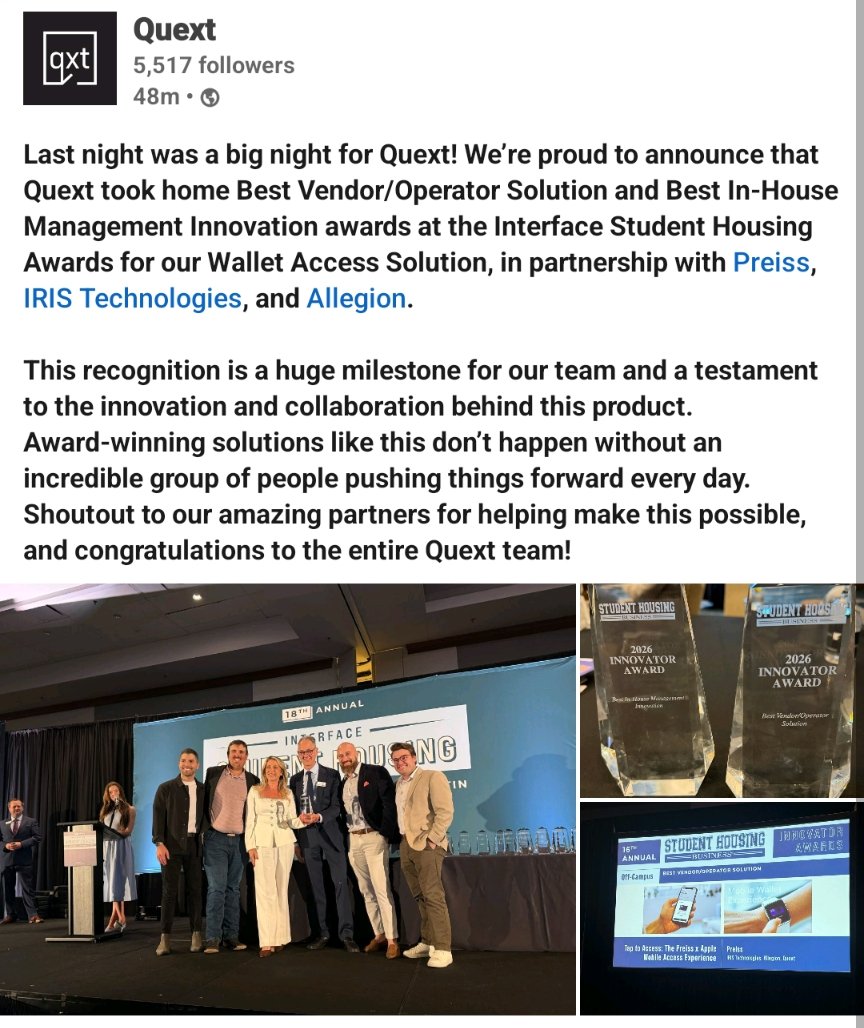
We're at the forefront of innovation for what smart communities can be. This year we've launched NFC for Access Control and the fastest Internet you get in an Apartment community.
Awesome to see our team led by @jare_dk get the recognition it deserves. 10 years in the making.
English



@sandislonjsak Keep in mind that “building software” can range from testing out a startup idea to rebuilding a legacy system that powers an entire industry.
These are not the same and require different levels of attention.
English

My brain simply can't run more than 3 agents in parallel and QA all of their work.
I am sure I am not the only one.
How do people manage 10 at once?
Or they simply lie?
English

@johnblythe pretty much the guiding principle of our automation work atm
English

Crafting your hi-fi system piece by piece has become a lost art.

English


He’s gonna talk like bjork. Mark my words.
Film Updates@FilmUpdates
Robert Pattinson as Scytale in ‘DUNE: PART THREE’ In theaters December 18.
English
alias badclaude="claude --dangerously-skip-permissions"
alias goodclaude="claude --enable-auto-mode"
English
@garrytan @RoyShilkrot You underestimate how important these skills have always been for great engineers
English

@RoyShilkrot But you can do more with your taste and agency than ever
English

Good engineering hasn’t changed. Performance or maybe throughput have. But the same design and engineering principles apply.
Garry Tan@garrytan
The awkward truth is that what counts as a good engineer just became a different thing in the last 4 months
English
This is what handwriting code feels like now
Historic Vids@historyinmemes
A Disney artist demonstrates how animations were once created entirely by hand.
English

Anyone have a copy of dreamweaver? I kinda want to go back to table-based html. I loved making the perfect rounded corner jpg that matches the background and the box. So satisfying. Have you guys hear of this tech? Not sure AI can do it.
English
I am literally tracking to create more 90X the code output I did in 2013
In 80 days I’ve done about 13X already
Garry Tan@garrytan
It's not about lines of code. It's about making something people want. I can't wait to show you *all* of what I've built. The haters will go to town here. Hate me, but try my free open source first. I made it to speed up, and I'm not done. I want you to speed up with me.
English

its kind of sad but people over 30 are so cooked
Adi Singh@adisingh
The 24-29 year old engineer will soon become the most valuable asset in technology. Pre-AI principles + Post-AI speed is an undefeated combo
English