
Bruce Levine, Ph.D. 🇺🇦🥼🔬🧬🧪💉

14.2K posts

Bruce Levine, Ph.D. 🇺🇦🥼🔬🧬🧪💉 banner
Bruce Levine, Ph.D. 🇺🇦🥼🔬🧬🧪💉

Bruce Levine, Ph.D. 🇺🇦🥼🔬🧬🧪💉

@BLLPHD

Professor @Pennmedicine We create #CellTherapy #Genetherapy - @TmunityTx & @CapstanTx CoFounder, Past President @ISCTGlobal, @PNASNexus AE

Philadelphia, PA Katılım Kasım 2010
473 Takip Edilen9.7K Takipçiler
Bruce Levine, Ph.D. 🇺🇦🥼🔬🧬🧪💉 retweetledi
Will Saletan
Will Saletan@saletan·
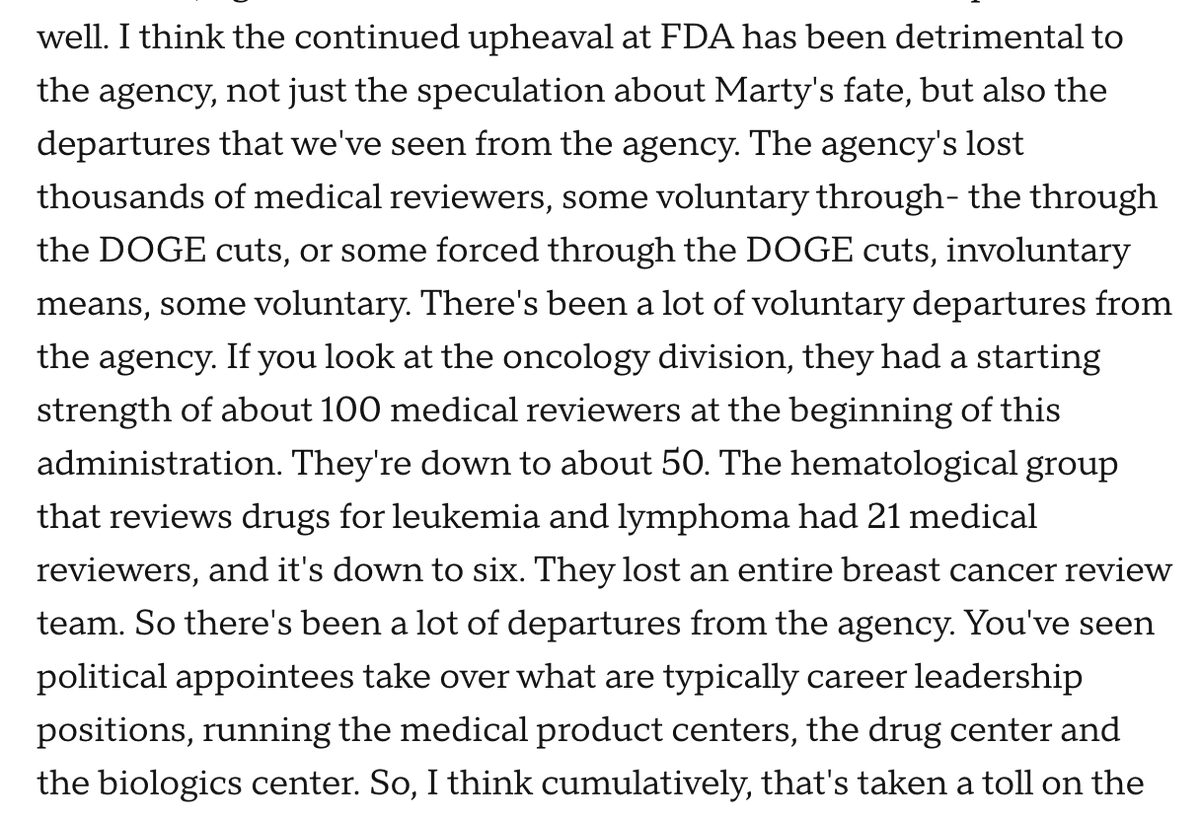
Brutal numbers here from @ScottGottliebMD on how thoroughly DOGE has gutted the FDA teams that are supposed to review drugs for serious diseases. On the bright side, it's not like there's a new viral outbreak or anything. 😬 cbsnews.com/news/scott-got…
Will Saletan tweet media
English
8
207
433
31.7K
Bruce Levine, Ph.D. 🇺🇦🥼🔬🧬🧪💉 retweetledi
Dr. Catharine Young
Dr. Catharine Young@DrCatharineY·
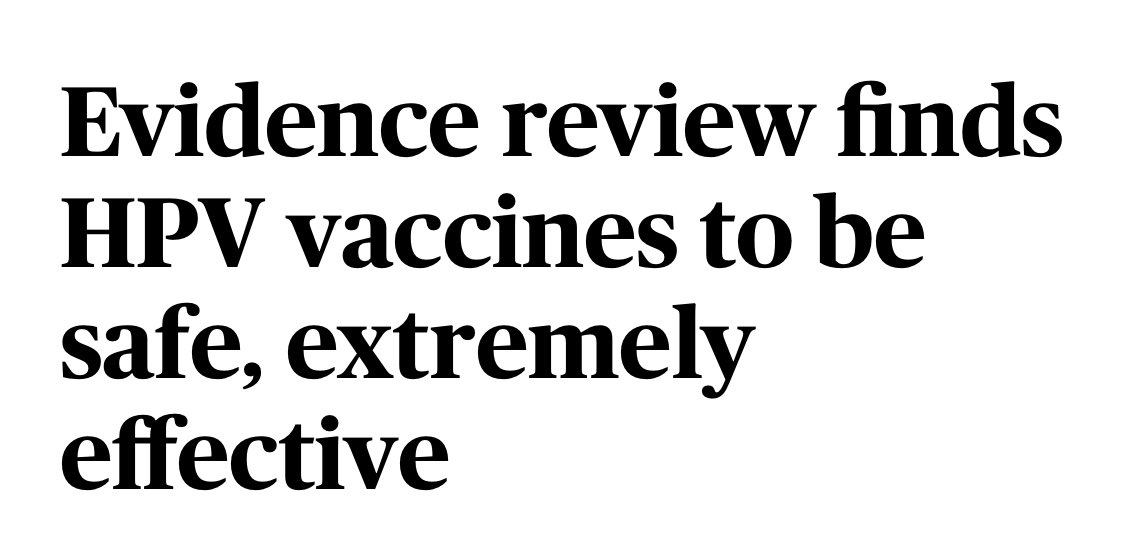
RFK Jr. has called the HPV vaccine “the most dangerous vaccine ever invented.” A staggering new review covering 274 studies found the opposite (again). HPV vaccines, without a doubt, remain one of the greatest cancer prevention tools in modern medicine.
Dr. Catharine Young tweet media
English
159
619
2K
54.6K
Bruce Levine, Ph.D. 🇺🇦🥼🔬🧬🧪💉 retweetledi
NBC News
NBC News@NBCNews·
New results published in the New England Journal of Medicine finds Moderna’s mRNA flu vaccine gave more protection against illness than the standard flu shot in a Phase 3 clinical trial. nbcnews.com/health/health-…
English
163
1K
3.6K
384.2K
Bruce Levine, Ph.D. 🇺🇦🥼🔬🧬🧪💉 retweetledi
The New York Times
The New York Times@nytimes·
Breaking News: The FDA has blocked publication of research that found widely used Covid-19 and shingles vaccines were safe. nyti.ms/49dtF24
English
900
11.5K
25K
3.2M
Bruce Levine, Ph.D. 🇺🇦🥼🔬🧬🧪💉 retweetledi
Bruce Levine, Ph.D. 🇺🇦🥼🔬🧬🧪💉
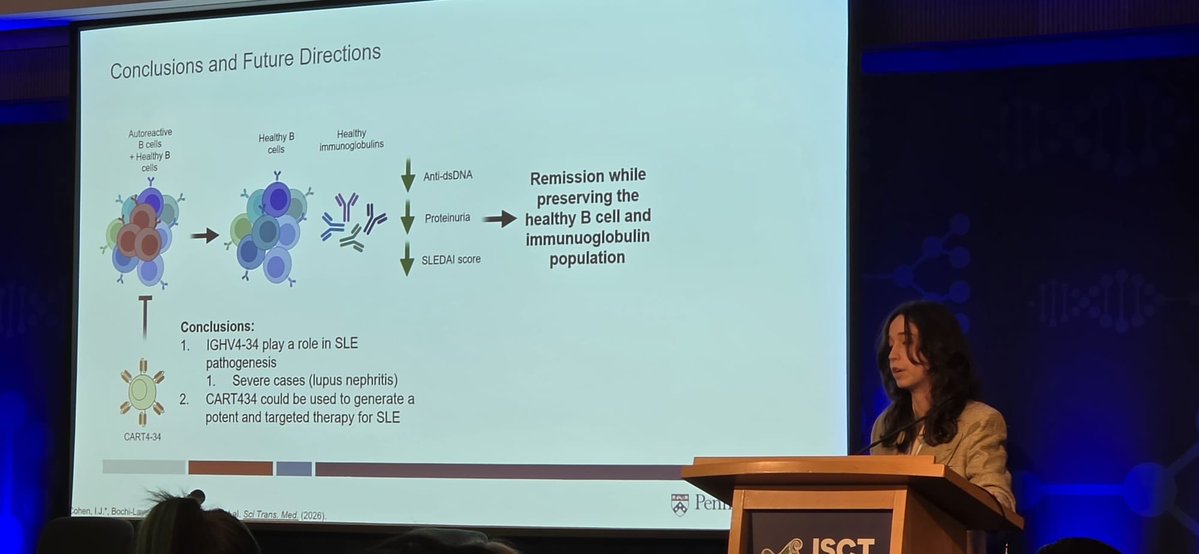
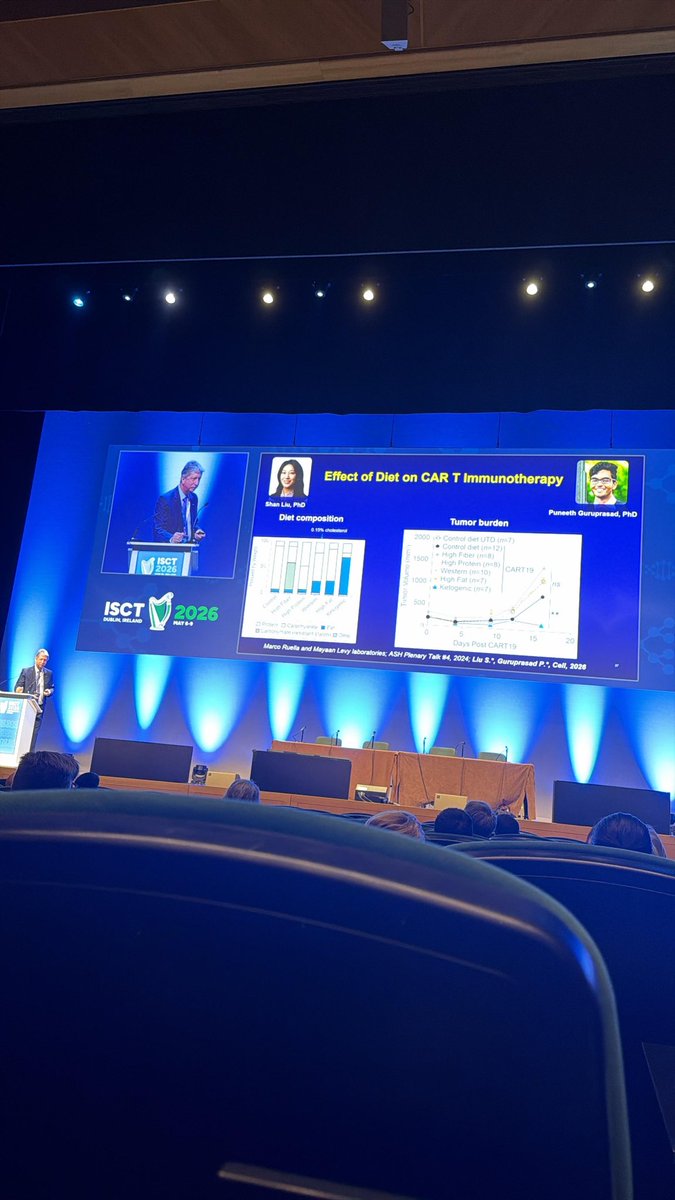
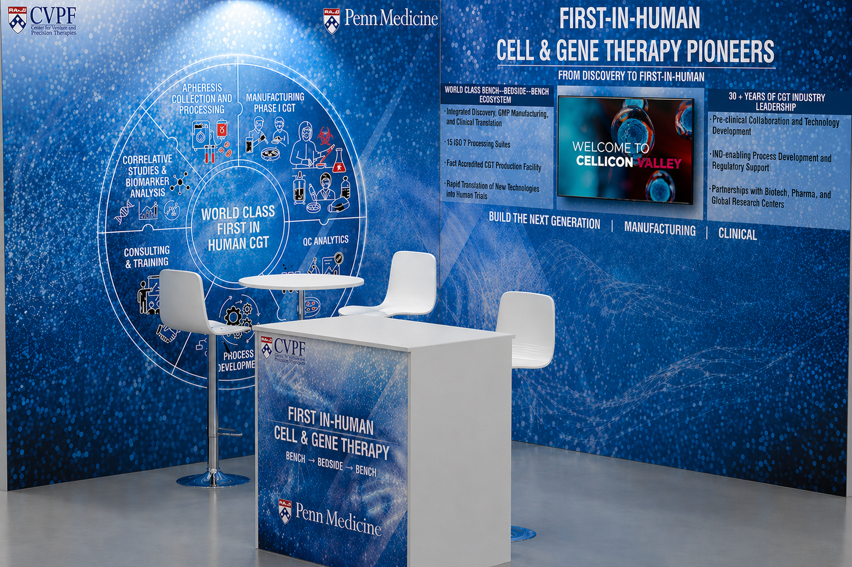
Heading to the @ISCTglobal Annual Meeting in Dublin? Come visit us at the Penn Medicine Clinical Cell and Vaccine Production booth 2505 1st Floor The Liffey across from ISCT Hub and meet our Facilities, Analytics, Operations, Regulatory and Manufacturing Experts. We’ve built an integrated platform designed to move programs from discovery into first-in-human studies with rigor, speed, and quality. What differentiates this model is not a single capability, but the integration: • cGMP Phase I manufacturing in 15 ISO 7 suites • Process development and scale-up for complex cell therapies • End-to-end QC analytics and FACT-aligned quality systems • Advanced correlative science, including multiparameter flow, molecular assays, and spatial biology • Deep experience translating across oncology and immune diseases We are actively looking to partner with biotech, pharma, and academic groups in three areas: • Manufacturing: early-phase and first-in-human CGT production • Process development: improving robustness, scalability, and comparability • Analytics and correlative studies: biomarker strategies that inform mechanism, response, and durability If you are advancing a program and need a partner who understands both the science and the realities of clinical translation, we should connect to build the next generation of cell and gene therapy together. #celltherapy #genetherapy #innovation #immunotherapy
Bruce Levine, Ph.D. 🇺🇦🥼🔬🧬🧪💉 tweet media
English
2
4
12
1.1K
Bruce Levine, Ph.D. 🇺🇦🥼🔬🧬🧪💉 retweetledi
Paul Knoepfler
Paul Knoepfler@pknoepfler·
My new @statnews.com column. Did Kennedy just stack the deck on FDA oversight of peptides? It sure looks like it statnews.com/2026/04/29/rfk… Don't expect new PCAC to be independent/ focused on trial data. It's also really RFK Jr. in control of some key decisions at FDA. What's next?
English
1
2
1
908
Bruce Levine, Ph.D. 🇺🇦🥼🔬🧬🧪💉
The case for heritable human genome editing (HHGE) assumes unmet medical need, but current data argue otherwise. Preimplantation genetic testing (PGT-M) already enables most at-risk couples to avoid transmitting monogenic disease with high success rates (Treff et al., Fertil Steril 2019; Girardi et al., Hum Reprod Update 2020). In parallel, somatic gene editing is now clinical reality, including CRISPR therapies for hemoglobinopathies and in vivo editing for ATTR (Frangoul et al., NEJM 2021; Gillmore et al., NEJM 2021). When effective, non-heritable options exist, the rationale for HHGE becomes minimal. Even proposed future indications for HHGE do not withstand scrutiny. True edge cases with no viable unaffected embryos are exceptionally rare, and emerging reproductive technologies may further reduce them (NASEM 2017, 2020). For common diseases, polygenic risk is not a tractable editing target due to small effect sizes and population variability (Torkamani et al., Nat Rev Genet 2018; Mostafavi et al., eLife 2020). The trajectory of innovation is moving toward somatic, not heritable intervention.
English
4
0
0
228
Bruce Levine, Ph.D. 🇺🇦🥼🔬🧬🧪💉
The safety barrier to HHGE is not incremental risk but fundamental uncertainty. Embryo editing still produces unintended outcomes, including off-target edits, large deletions, and chromosomal alterations. (Kosicki et al., Nat Biotechnol 2018; Zuccaro et al., PNAS 2020). Mosaicism remains common, meaning edited embryos contain mixed cell populations with unpredictable biology (Liang et al., Protein Cell 2015; Egli et al., Nature 2018). Each unintended outcome affects many cells, potentially entire lineages. These are intrinsic limitations of current technology, not rare exceptions. Risks extend beyond sequence changes to development and inheritance. DNA repair in embryos is poorly controlled (Ihry et al., Nat Med 2018), epigenetic programming may be disrupted (Greenberg & Bourc’his, Nat Rev Mol Cell Biol 2019), and any adverse effect could propagate across generations. There is no feasible way to establish multigenerational safety before clinical use (WHO 2021; NASEM 2020). Even considering non human primate models, 3-4 generations (15-20 years) would be needed. By that time improvements in pre-implantation genetic diagnosis and somatic cell gene editing makes the use case much much smaller than now. Not a business model for smart investing. Experience to date reinforces this: even simple targets produce complex outcomes (Cyranoski, Nature 2019; Wei & Nielsen, Cell 2019). HHGE does not meet a threshold for clinical readiness
English
2
0
0
240
Bruce Levine, Ph.D. 🇺🇦🥼🔬🧬🧪💉
Current technology is in no way sufficient to ensure the safety of human heritable genome editing (HHGE) of embryos, eggs, sperm. HHGE provokes fundamental questions related to the nature of the human person and the future of humanity. Companies acting without transparency, regulatory oversight or societal consensus, should not decide the timing and conditions for any potential HHGE application. #ethics #bioethics #genetherapy #geneediting
Emily Mullin@emilylmullin

Two companies that launched last year with plans to make gene-edited babies have already shut down. Bootstrap Bio's CEO told WIRED: "We ran out of money... I couldn’t get enough investors interested for us to keep our operation going." wired.com/story/designer…

English
5
2
6
1.9K