

Bob Hardt
21.7K posts
Bob Hardt
@bobhardt
New York Political Director for Spectrum News, Rockaway booster, big fan of lost causes including opera, horse racing, and the Buffalo Bills
Rockaway Beach Katılım Nisan 2010
3.6K Takip Edilen11.8K Takipçiler
@AnthonyDabbundo I love Chuck but his whole take on horse racing not being popular because people don’t own horses anymore is seat-of-the-pants thinking and ignores history. Do you think that anyone in “Guys and Dolls” had ever been to a farm?
English

When Klosterman started his USMNT take with “after the communist revolution in China,” I lost it
Bill Simmons@BillSimmons
New BS Podcast w/ @CKlosterman — we went for two hours, topics were covered, things were discussed, points were made. open.spotify.com/episode/2hTtLO…
English
Is the Spain-France semifinal match the real final, the way the NFC Championship game between 49ers and Cowboys were in the 90s?
English

Down with the King! @kingdmc. Always an honor to meet and parlay with legends and pioneers. Thank you to @standtogether for doing God’s work in helping the community and for the invitation to an incredible event with great people. #Love

English
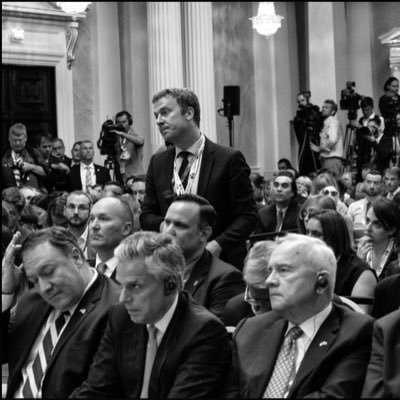

Where is this beautiful soccer pitch that Mayor Mamdani and Errol Louis are trampling without their cleats? @insidecityhall @errollouis @ny1
English
Bob Hardt retweetledi

Yeah, I’m going to watch Erling Haaland lead the Viking Row after leading Norway to the World Cup quarters about 732 more times today.
English
Bob Hardt retweetledi
T, it’s done. Balogun’s red card ain’t gonna be a problem no more

Adam Crafton@AdamCrafton_
BREAKING @TheAthleticFC Folarin Balogun will be available to play the USMNT’s round of 16 match against Belgium with his one-game red-card ban suspended. Extraordinary development. Story with @Dan_Sheldon_ nytimes.com/athletic/74234…
English
Bob Hardt retweetledi
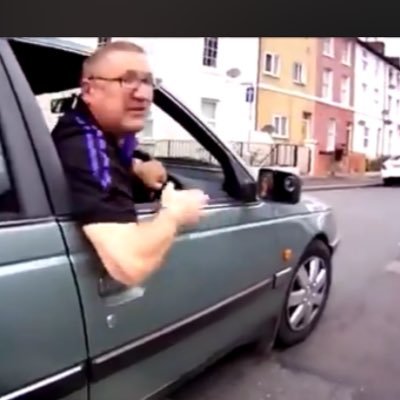
This July 4th clip will live on in infamy:
English
Bob Hardt retweetledi

Bob Hardt retweetledi

General Eisenhower wept in 1952 while discussing soldiers who had died under his command:

English
Bob Hardt retweetledi


two ridiculously good R16 doubleheaders now
Sunday
Brazil vs. Norway 4pm ET
Mexico vs. England 8pm ET
Monday
Spain vs. Portugal 4pm ET
USA vs. Belgium 8pm ET
English

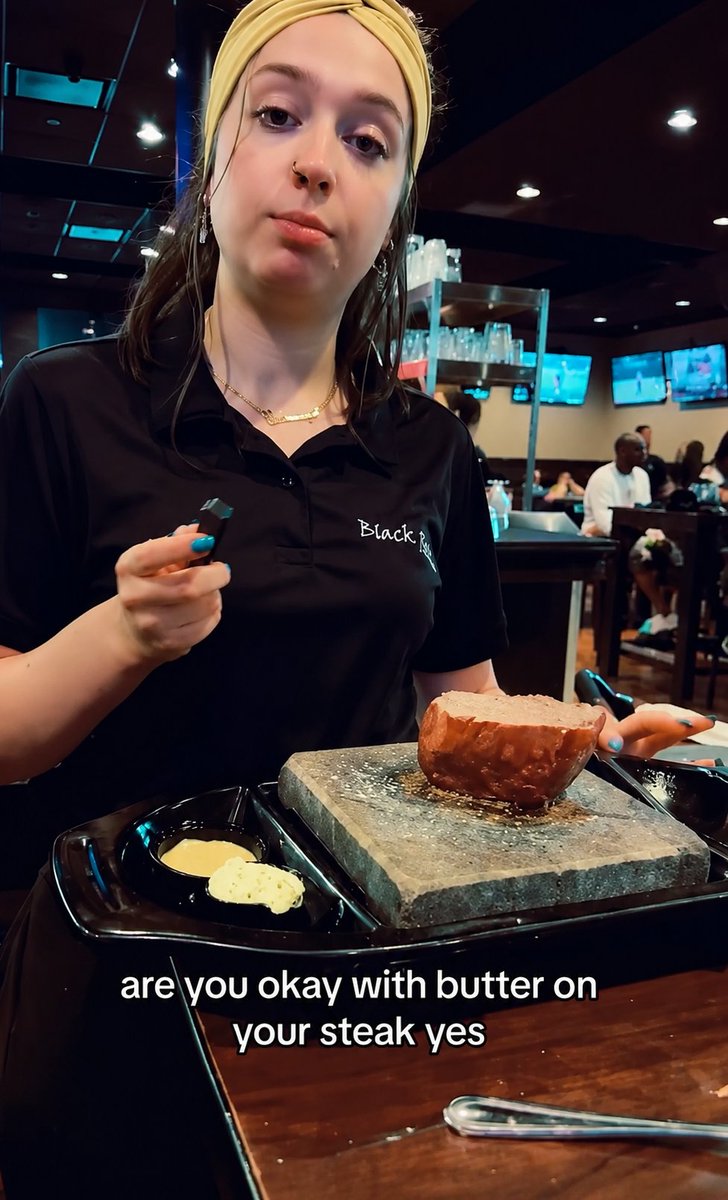
First thing I get asked when I walk into the Taylor Swift wedding
English

Which NFL player would you invite to your 4th of July BBQ? 🌭🍔
English
I love having a burner account on this platform.
Noah Wesley Parks 📝👨🏫🌽@noahwparks
@bobhardt spitting BARS about the promise of NY and America. @NY1 should give him a raise.
English
Bob Hardt retweetledi

"But a goal will not count if a player is offsides."
"When is a player offsides?"
"Whenever anything exciting happens."

English