Bram Stein

2.1K posts

Bram Stein banner
Bram Stein

Bram Stein

@bram_stein

Author of the Webfont Handbook: https://t.co/goF51MSiS7 Tweets on web typography and front-end development.


Copenhagen, Denmark Katılım Eylül 2009
312 Takip Edilen2.6K Takipçiler
Bram Stein retweetledi
Mark Simonson Studio
Mark Simonson Studio@marksimonson·
For the first time since 2007, you can buy fonts directly from my website again. Also, live, editable font previews. At last! marksimonson.com/fonts
English
0
4
32
3.9K
Bram Stein
Bram Stein@bram_stein·
Variable font usage has grown to an impressive 29% (up from 13%). About 97% of variable font usage is from @GoogleFonts; only 3% from self-hosting and other services. Most people use variable fonts for performance and not for their typographic potential. #variable-fonts" target="_blank" rel="nofollow noopener">almanac.httparchive.org/en/2022/fonts#…
English
3
16
63
0
Nick Sherman
Nick Sherman@NickSherman·
@bram_stein @davelab6 @justvanrossum @googlefonts The other tricky thing is how all the moving parts for any given project can swing results. I even see surprising differences in file sizes for fonts exported from the same sources, to the same target format, but using different tools (Fontmake, AFDKO, etc).
English
1
0
1
0
Bram Stein
Bram Stein@bram_stein·
@NickSherman @davelab6 @justvanrossum @googlefonts Me too! There are 189 CFF2 fonts used on the web compared to 9 million glyf and nearly a million CFF fonts, so not a fair comparison. Based on the spec I don't expect a huge difference: CFF2 will be slightly smaller, but not a strong reason for picking one format over the other
English
1
0
0
0
Nick Sherman
Nick Sherman@NickSherman·
@bram_stein @davelab6 @justvanrossum @googlefonts I’d be curious to see comparisons between TTF and CFF2 equivalents, with WOFF2 compression, across a varied range of different type families. I’m happy to share data for my own fonts, but they are decidedly less extensive than things like Roboto, so the results will surely vary.
English
1
0
0
0
Bram Stein
Bram Stein@bram_stein·
@NickSherman @davelab6 @justvanrossum @googlefonts One small correction the data shows CFF (not CFF2) vs. glyf sizes. Over the entire dataset the difference is negligible (and should not be a reason for picking one over another). There insufficient data on CFF2 for a conclusion (though I doubt there will be a large difference).
English
1
0
1
0
Nick Sherman
Nick Sherman@NickSherman·
@davelab6 @justvanrossum @bram_stein @googlefonts TTFs are much bigger going in, so they benefit more from WOFF2 compression, percentage-wise. But as this article explains (if I’m reading it correctly), the CFF2 WOFF2s are still often smaller than TTF WOFFs equivalents, especially for smaller fonts.
English
2
0
0
0
Bram Stein
Bram Stein@bram_stein·
@justvanrossum @NickSherman @googlefonts Only about 25% of the fonts on Adobe Fonts are CFF based (source: the WOFF2 evaluation report). It's probably a combination of all the things mentioned. I agree that the statement in the article is too simplistic.
English
0
0
0
0
Just van Rossum
Just van Rossum@justvanrossum·
@NickSherman @bram_stein @googlefonts “Type designers can choose the outline format they prefer” — not if you publish with Google Fonts. Maybe the apparent bias towards TTF has something to do with this.
English
1
0
2
0
Bram Stein
Bram Stein@bram_stein·
@simoncozens I think the hidden surface removal can be baked into the animation axis using intermediate regions, but it is a little awkward. Tying compositing modes to variable axes would simplify a lot!
English
1
0
0
0
Bram Stein
Bram Stein@bram_stein·
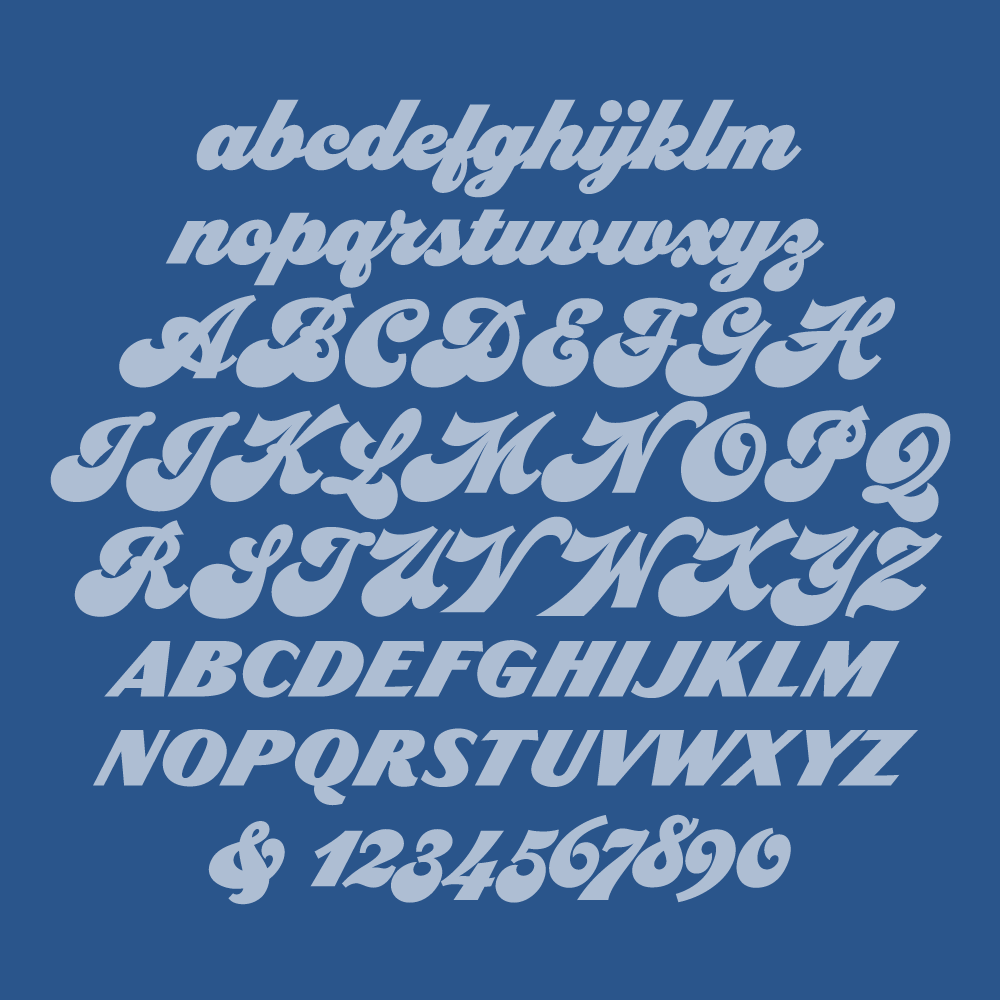
@simoncozens Yea, I was hoping for something that works as you transform (i.e. a front-facing surface becomes a back-facing surface). For example, if I wanted to spin this glyph around.
Bram Stein tweet media
English
0
0
0
0
Bram Stein
Bram Stein@bram_stein·
@simoncozens Nice! I've been working on converting arbitrary 3D models into variable/colr by projecting them into the 2D plane using outline based triangles. Haven't quite figured out hidden surface removal yet, but getting there.
English
0
0
1
0
Bram Stein
Bram Stein@bram_stein·
@KhaledGhetas I agree. With only a handful of CFF2 fonts in existence, and the only tangible benefit of CFF2 being cubic beziers, wouldn't it make more sense to stop investing in CFF2, mark it as deprecated and move on?
English
0
0
1
0
Khaled Hosny
Khaled Hosny@KhaledGhetas·
@bram_stein I totally agree, but a new glyf version is not going to magically fix any of the issues preventing CFF2 adoption.
English
1
0
0
0
Bram Stein
Bram Stein@bram_stein·
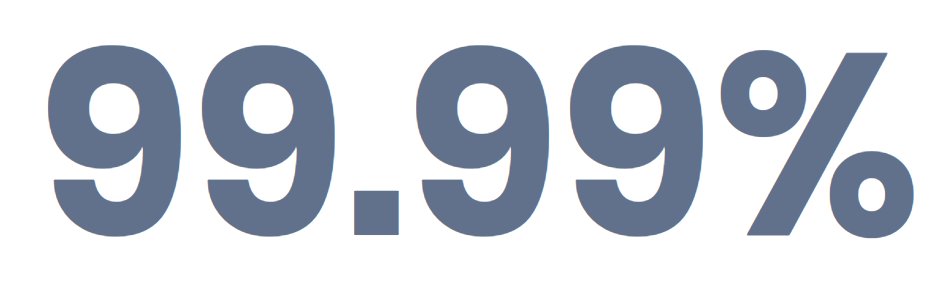
Slightly over 99.99% of variable fonts use TrueType glyph outlines. Not a good look for the CFF2 format six years after it was standardized. Perhaps time to deprecate it? #variable-fonts" target="_blank" rel="nofollow noopener">almanac.httparchive.org/en/2022/fonts#…
Bram Stein tweet media
English
2
0
12
0
Bram Stein
Bram Stein@bram_stein·
@KhaledGhetas I think that's one of the reasons: lack of tooling, implementations, etc. With usage this low, I wonder if resources wouldn't be better spent on other things (like adding cubic bezier support to glyf).
English
1
0
1
0