B Webb

3.2K posts

B Webb

B Webb

@bratwebb

Permanently addicted

Katılım Aralık 2010
285 Takip Edilen25 Takipçiler
Ash Jogalekar
Ash Jogalekar@curiouswavefn·
I am always annoyed when people compare AI to nuclear energy. Even accounting for the fact that nuclear power does a lot of good and nuclear weapons don't, AI is much more like electricity, wending its way through every part of our lives.
Dustin@r0ck3t23

Emily Chang asked Bill Gates how confident he is that AI’s promise will outweigh the perils. Gates: “I’m not confident.” The man who built the personal computing industry. Who has spent fifty years thinking about technology’s effect on civilization. Who has more information about this transition than almost anyone alive. Not confident. Gates: “Just like nuclear energy, nuclear weapons, it’ll challenge us.” That is not a throwaway comparison. Nuclear technology is the only invention in human history that introduced the possibility of civilizational extinction as a realistic outcome. Gates is not reaching for a dramatic metaphor. He is reaching for the most accurate one he has. The part that should concern people more than the comparison itself is what he said before it. Gates: “That’s why I was surprised AI wasn’t really an issue in the last election. It’s definitely got to be shaped.” The most consequential technological transition in human history passed through a national election without registering as a serious issue. No policy debate. No framework proposed. No candidate who made it central to anything. Gates is not arguing against AI. He is arguing against the assumption that the people building it are automatically the right people to decide how it gets used. Gates: “I don’t think it should just be the people who know the technology, because there’s a lot of choices about how it gets used.” That is the gap nobody wants to talk about. The engineers understand what the technology can do. That is a different question from what it should do. Who it should serve. And what happens to the people it displaces in the process. We did not let the physicists who built the atomic bomb decide nuclear policy alone. We are currently making that exact mistake with something Gates believes will challenge us at the same scale. And the last election came and went without anyone in power treating it that way.

English
3
2
13
1.9K
Lambda Strength
Lambda Strength@LambdaStrength·
This lines up with what I see working in emergency medicine. The cardiac events in younger patients almost never have sky-high LDL as the story. It's usually insulin resistance, chronic inflammation, and sedentary lifestyles that nobody screened for. Fasting insulin and hs-CRP should be standard labs for anyone over 35. The fact that they're not is costing lives.
English
2
0
5
260
B Webb
B Webb@bratwebb·
@John_Hempton While excluding many costs incurred and including the hundreds of billions being asked for, the costs already dwarf that of other useful things for all Americans. 'A justified war' is in the eyes of the beholder.
B Webb tweet media
English
0
0
0
116
John_Hempton
John_Hempton@John_Hempton·
An obvious comment on US Foreign Policy: US foreign policy is self-defeating. a. spend a year beating up on allies, threatening to take land (Greenland) from a NATO ally b. wage a trade war against your allies. Sure the tariffs were illegal - but the beggar-thy-neighbour policy did not engender friends c. start a war of choice in the Middle East. This may or may not have been justified (I lean towards justified) and it may or may not have been wise and winnable (I really do not have an opinion) d. ask your allies for help and e. get upset when they do not oblige - whilst forgetting about a and b above. The geopolitical realignment is astonishing. All my life Australia has had one foreign policy - which is to internationalise the corpses in all American wars. If America asks us to go to war we go. And we go fast. This time the Australian Government (to general approval) has refused to send a ship to the Gulf. (They have not been formally asked - but they made clear a rejection was coming.) After a) and b) above aligning yourself with America is becoming political poison in a democracy. I think this is VERY bad. The world has been well served by the American alliances that won the cold war and mostly kept a functional global order. Those alliances have been sacrificed to Trump's egotistical whims. The world is a less safe place now. And it is less safe not just for America's (former?) allies but also for America.
English
33
11
137
24.5K
B Webb
B Webb@bratwebb·
@drjasonfung (a) Time periods are different. There's a trend flattening after 2011 (b) Populations and outcomes being compared are different (average LDL in total population vs hospitalized subgroup under 55 with the specific outcome of death). ourworldindata.org/data-insights/…
English
0
0
0
27
B Webb
B Webb@bratwebb·
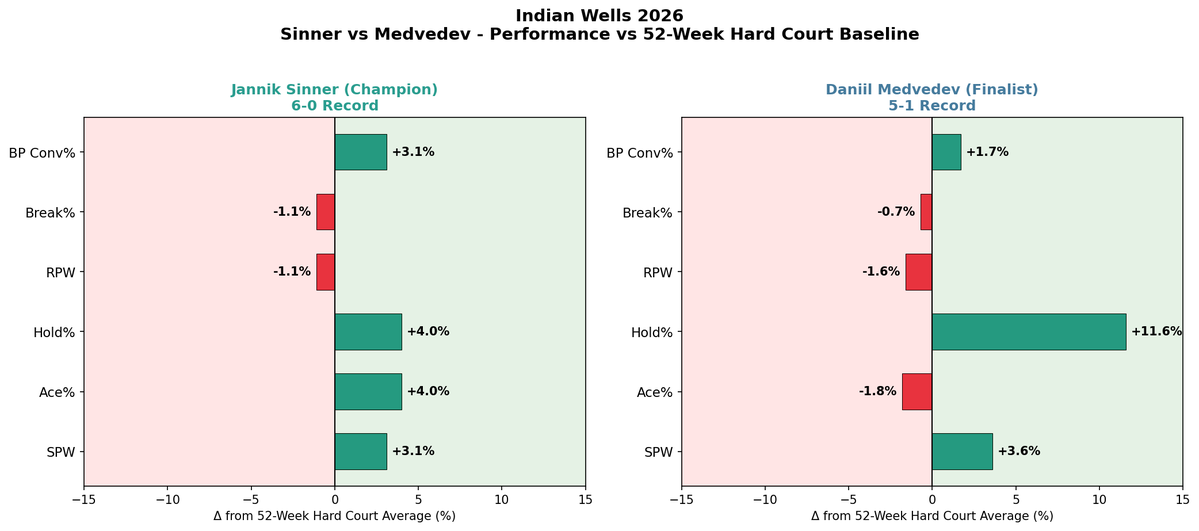
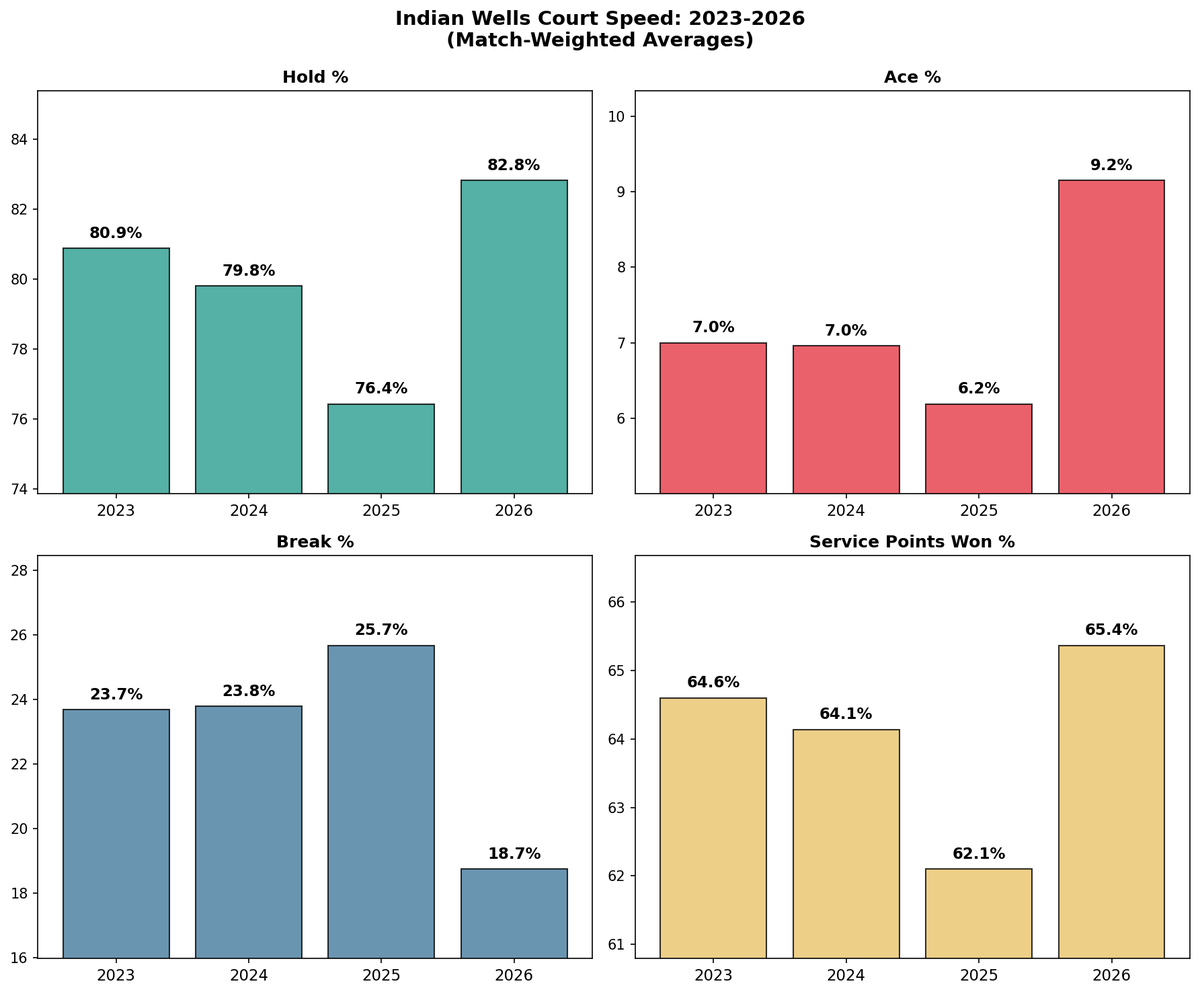
@faultorfiction I'm curious otherwise because the indications were that the court was supposedly redone to be the same (?) and Dunlop balls (IMO) suck as much as Penn.
English
1
0
1
30
B Webb
B Webb@bratwebb·
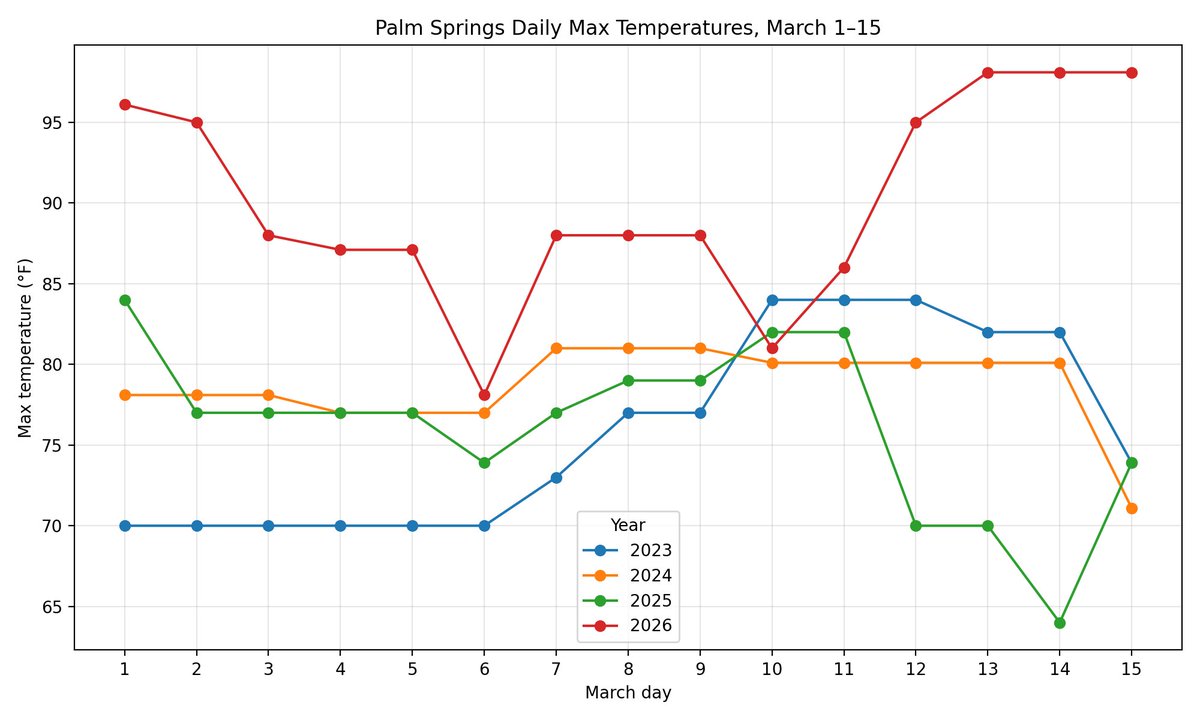
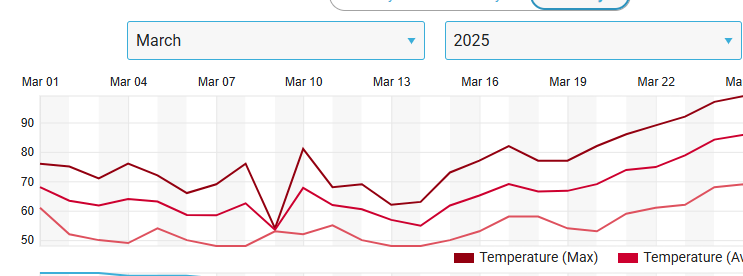
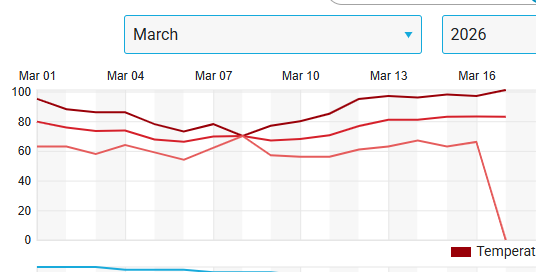
@faultorfiction Here you go, got the bot to plot from weatherspark for Palm Springs, haven't verified the data.
B Webb tweet media
English
1
0
1
28
B Webb
B Webb@bratwebb·
@faultorfiction Max temperatures were about 10 degrees higher though in 2026 compared to 2025
English
1
0
1
35
B Webb
B Webb@bratwebb·
@EconomPic Interesting. Just read the excerpt so far. There are also eastern philosophical traditions which advocate for detachment from outcomes as opposed to longing for agency.
B Webb tweet media
English
0
0
0
59
Jake
Jake@EconomPic·
As someone who struggles with "faith" but still holds onto "belief" I found this podcast incredibly insightful. It makes a compelling case for the power of prayer, regardless of one’s certainty. theringer.com/podcasts/plain…
English
4
0
20
3.8K
B Webb retweetledi
Dr. Jebra Faushay
Dr. Jebra Faushay@JebraFaushay·
Saturday Night Live occasionally makes me laugh. Welcome to MAHAspital. Where emergencies are treated with beef tallow and raw eggs.
English
439
3.6K
24.9K
4.4M
B Webb
B Webb@bratwebb·
@Ayjchan "more" lab-based pandemics, more desperation for relevance.
English
0
0
0
17
Alina Chan
Alina Chan@Ayjchan·
I hope Congress passes the bipartisan Risky Research Review Act to regulate federally-funded dangerous gain-of-function research. It would be the first lasting change made by US government since Covid-19 (1M+ in US dead, $16T loss to US) to prevent more lab-based pandemics.
Senator Rand Paul@SenRandPaul

This week marks 6 years since the WHO declared COVID-19 a global pandemic. Since then, I have: Exposed Fauci's inconsistencies under oath on NIH-funded gain-of-function research at the Wuhan lab. Subpoenaed 14 federal agencies for records on COVID origins & risky research. Referred Fauci for criminal prosecution (multiple times) for allegedly lying to Congress. Uncovered evidence of Fauci deleting official records and obstructing investigations. Exposed the intelligence community's longstanding ties to coronavirus, including a January 2020 briefing on possible Wuhan lab origin. Introduced and advanced the bipartisan Risky Research Review Act to create an independent board overseeing—and blocking if needed—dangerous gain-of-function experiments. Introduced the Royalty Transparency Act to require government scientists to disclose what Pharma companies are paying them royalties to avoid conflicts of interest. Criticized mandates/coercion, highlighted risks like myocarditis in youth, and introduced the End the Vaccine Carveout Act to remove Big Pharma liability immunity for injuries. Led broader probes into COVID waste, royalties, and agency reforms to rebuild public trust. Six years later, the fight for truth and prevention goes on.

English
4
18
142
5.9K
B Webb
B Webb@bratwebb·
@TheStalwart @SteveStricklan6 In this case, you just need space coordinates. Another e.g. with birds: tail length, beak shape, plumage, habitat
English
0
0
0
108
Joe Weisenthal
Joe Weisenthal@TheStalwart·
I still don’t get extreme multidimensional space. How could there be more than three dimensions. Ok time. Fine that’s four. But more than that? Come on.
English
260
15
1K
158.7K
B Webb
B Webb@bratwebb·
A new tool that may distinguish natural outbreaks from lab manipulated ones and what it says about various epidemics including Covid. nytimes.com/2026/03/09/sci…
English
0
1
1
55
Howard Luks MD
Howard Luks MD@hjluks·
We lose many abilities as we age. One is the ability to change direction and remain stable. This drill, done once a week, helps. This isn’t about speed. The cones are only 12-15’ apart. This is about the transition from one movement to the next.. The goal is not to exhaust... the goal is to relearn movement patterns.
English
18
16
219
41.9K
B Webb retweetledi
Zeke Hausfather
Zeke Hausfather@hausfath·
@JeromeFosterII Thanks for sharing my figure (and paper)! I also like this version that puts it in a longer context – and shows why early models were not just curve-fitting but actually making a pretty bold projection:
Zeke Hausfather tweet media
English
2
12
101
2.1K
Ed Whelan
Ed Whelan@EdWhelanEPPC·
Back in 2010, in the aftermath of Obama’s demagogic criticism of the Court in his State of the Union address, I proposed that the justices abandon the silly tradition of attending those gaseous affairs. Now would be a good time. nationalreview.com/bench-memos/su…
English
11
13
50
5.4K
B Webb retweetledi
Iñigo San Millán
Iñigo San Millán@doctorinigo·
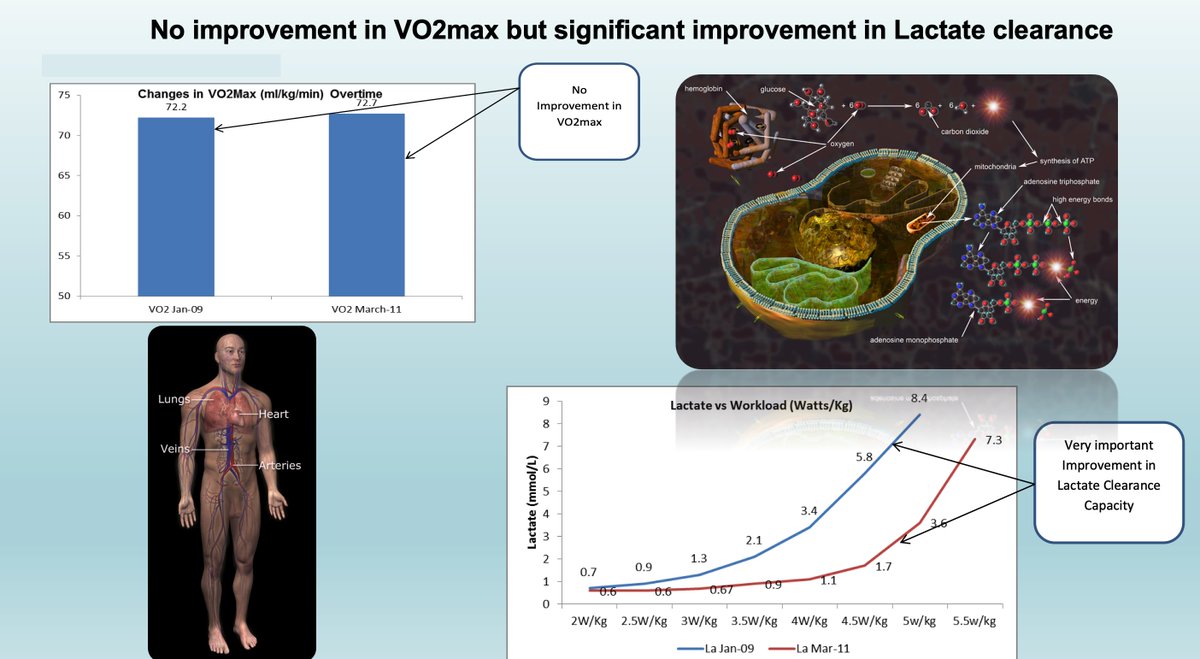
VO₂max is not the whole story. I’ve been showing this slide for the last 15 years. Same athlete, 2 years apart. VO₂max? Essentially unchanged. Performance? From average to one of the best. What changed was lactate!. VO₂max reflects cardiorespiratory adaptations to exercise, the size of the engine: heart, lungs, and oxygen delivery. Lactate reflects how efficiently that engine runs: mitochondrial function, cellular metabolism, substrate utilization, and metabolic flexibility. At the same workload, markedly lower lactate indicates greater mitochondrial efficiency and improved lactate clearance capacity. In other words, better metabolism. In elite sport, we’ve known for decades that VO₂max does not discriminate among top performers. Many athletes share similar VO₂max values, yet those with superior mitochondrial function are the ones who win. That difference is metabolic efficiency, and we assess it through lactate testing, not VO₂max testing. Suddenly VO₂max is being crowned as the gold standard for longevity. But metabolic health is one of the main focuses of longevity. If that is the case, the most meaningful marker should also be metabolic and Lactate provides a more precise window into mitochondrial function. Furthermore, unlike VO₂max, Lactate allows us to individualize and prescribe exercise with accuracy, something we’ve been doing with athletes for decades #lactate #metabolichealth #longevity
Iñigo San Millán tweet media
English
14
141
862
78.4K
B Webb
B Webb@bratwebb·
@hjluks What do you recommend to prevent plantar fasciitis? Or its recurrence?
English
0
0
0
106
Howard Luks MD
Howard Luks MD@hjluks·
Yesterday’s post about heart rate and base building triggered a number of responses from experienced runners saying, “But I run at 145+ HR, and I’m fine.” That reaction actually highlights how poorly understood the distinction between cardiovascular fitness and aerobic fitness still is, even among dedicated endurance athletes. Let's explore this a bit... Most runners run too fast on their slow days and too slow on their fast days. Cardiovascular fitness refers to the delivery system. It reflects how effectively the heart pumps, how well blood flow is distributed, and how efficiently oxygen is transported to working tissues. Aerobic fitness, however, is primarily about utilization. It reflects how well the muscles use the oxygen delivered through oxidative metabolism, including mitochondrial function, fat oxidation capacity, lactate handling, and overall metabolic efficiency. These are related systems, but they are not interchangeable, and one can be well developed without the other being optimized. It is entirely possible to have strong cardiovascular fitness and still operate with relatively high metabolic cost during steady-state efforts. This is particularly common among recreational runners and even among experienced non-elite endurance athletes who have spent years training at moderate intensities. They are durable, consistent, and capable, but their “easy” work often occurs at a higher fraction of their physiological capacity than they realize. When an athlete reports that their easy runs consistently sit in the mid-140s (above 75% of maxHR), it does not reflect poor fitness. In many cases, it reflects a well-trained cardiovascular system paired with a habitual training intensity that sits near or above the first lactate threshold. The effort may feel subjectively easy due to years of adaptation, but metabolically, it is not truly low-intensity work. The body relies more on glycolytic pathways than on oxidative metabolism, even during easy runs. This matters because the full development of the aerobic system is driven by sustained training below the first lactate threshold. While higher intensities absolutely stimulate mitochondrial biogenesis, the adaptations associated with metabolic efficiency—improved fat oxidation, expanded capillary density, lower lactate production at submaximal workloads, and reduced sympathetic strain—are most robust when a significant portion of training occurs at genuinely low intensities. In other words, intensity can build fitness, but extensive low-intensity volume refines efficiency. When most training time is spent at or above LT1, athletes often become very good at tolerating moderate metabolic stress rather than minimizing the cost of aerobic work. At elevated hr intensity, oxidative stress per session is higher, sympathetic activation remains elevated, and the recovery burden accumulates over time, even if the athlete feels subjectively comfortable. RPE can remain low while physiological strain remains moderate, particularly in experienced runners who have adapted psychologically to that level of effort. In my office, it is clear that there is also a practical clinical layer that becomes increasingly relevant in midlife. The cardiovascular system adapts relatively quickly to the stress of training. Connective tissues—tendons, fascia, cartilage, and bone—adapt much more slowly. When moderate-to-high metabolic load is layered onto repetitive impact before true aerobic efficiency and tissue resilience are established, the total recovery demand rises. This pattern is reflected in the training errors I see routinely in clinic: Achilles pain, plantar fasciitis, patellofemoral symptoms, and lateral hip or gluteal tendinopathy. They are usually mismatches between the distribution of training intensity and our recovery capacity. This changes with age... and it will catch up to you. None of this means that running at higher heart rates is inherently harmful, nor does it suggest that intensity should be avoided. Threshold work, tempo runs, and even high-heart-rate sessions are valuable tools. The issue is distribution. If most weekly mileage is performed at a moderate metabolic intensity, the athlete maintains cardiovascular fitness but sacrifices some metabolic flexibility and efficiency. Easy days are no longer truly low-cost, and recovery between harder sessions is less complete. What is often given up is range. An athlete with a well-developed aerobic base can run at a lower heart rate for the same pace, oxidize more fat, produce less lactate at submaximal intensities, and accumulate more total training volume with less physiological strain. Their easy runs are genuinely easy at a metabolic level, allowing higher-quality work when intensity is introduced. They are not just fit; they are efficient and durable. Base training, therefore, is not about avoiding effort or running unnecessarily slowly. It is about lowering the physiological cost of work so that training becomes more repeatable, recovery becomes more predictable, and long-term durability improves. The heart remains strong, performance is preserved, and the metabolic system becomes more efficient. For lifelong runners, especially after forty, efficiency and recovery capacity often become the true limiting factors rather than motivation or discipline.
English
66
93
913
271.1K
B Webb
B Webb@bratwebb·
@tennisabstract Will you be updating your github atp_matches.csv for 2025? I'm curious to see what Novak's dominance ratio has been for the last 5 slams.
English
0
0
0
20
Jeff Sackmann
Jeff Sackmann@tennisabstract·
Ha! I just noticed this. All that talk about how Djokovic won the semi-final, and then he posted the exact same Dominance Ratio in the final (tpw% was a little lower: 47.3% to 47.9%)
Jeff Sackmann tweet media
English
4
4
87
16.6K