When the war ended, survival was mistaken for resolution.
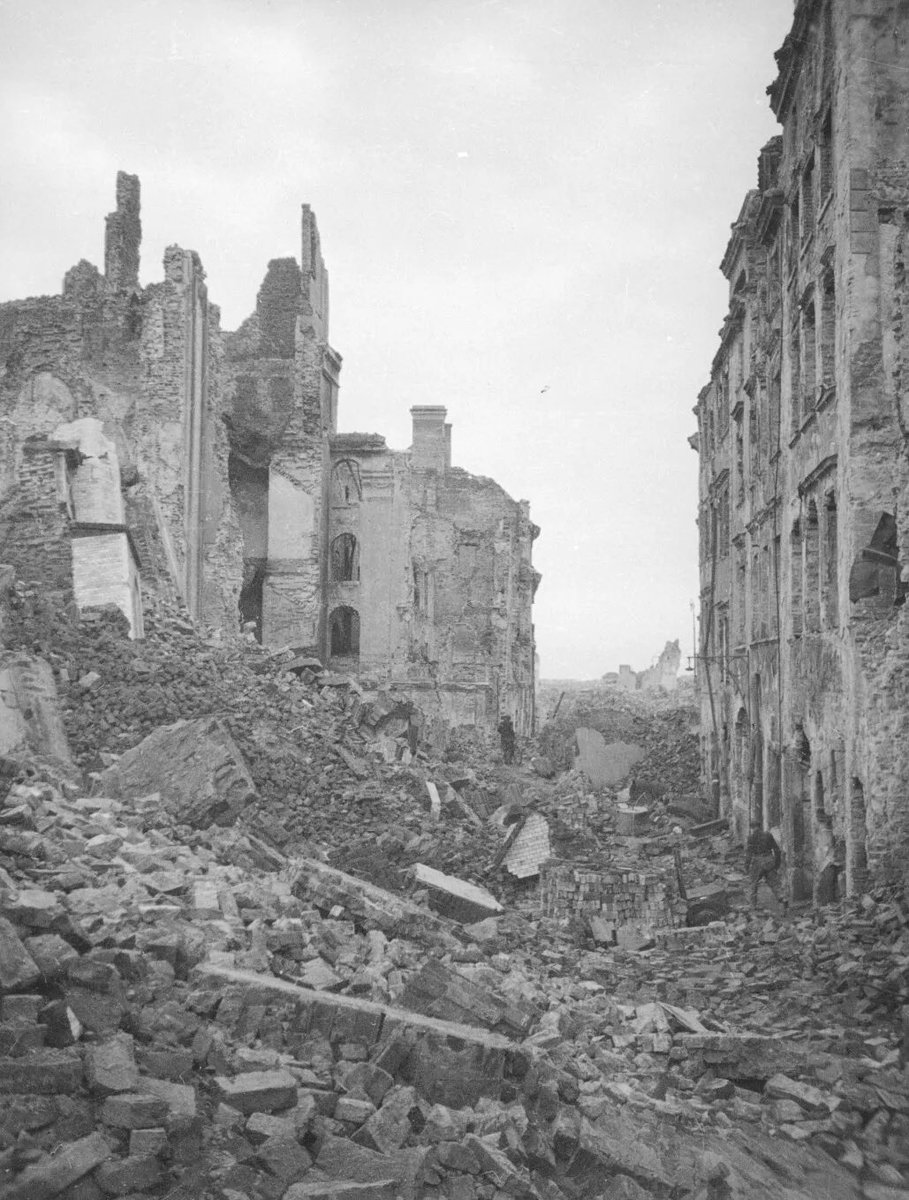
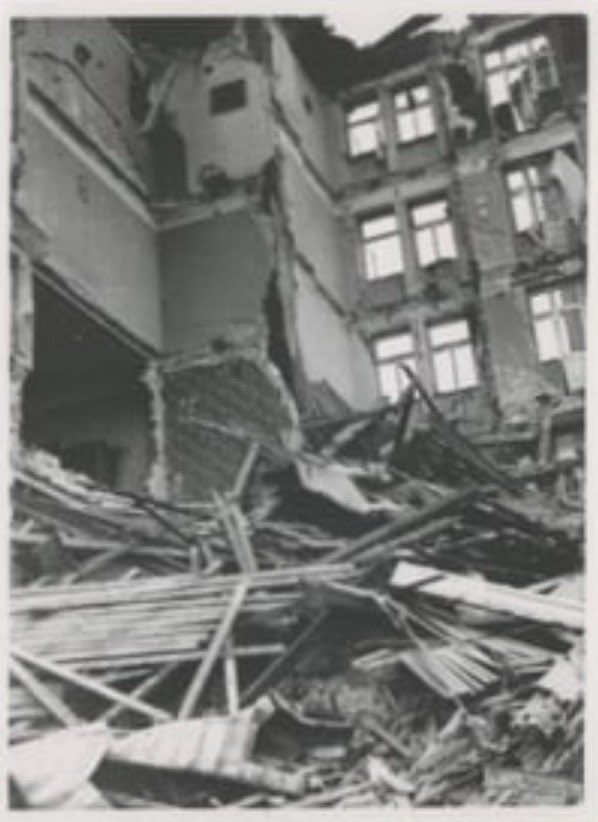
For millions of Polish families, liberation did not mean return. Homes had been seized, farms absorbed, workshops dismantled, furniture burned, land reassigned, records destroyed. What had taken generations to build vanished in a few years of occupation, and when people came back, if they came back at all, there was often nothing to come back to. No house, no business, no savings, no documents that could prove ownership, sometimes not even a grave to mark who had been lost.
Unlike many Western European countries, there was no meaningful restitution process that made Polish civilians whole. The state itself had been obliterated and then replaced by a regime that had little interest in compensating victims of German crimes and none in revisiting Soviet ones. Property nationalized once stayed nationalized. Loss became permanent. Silence became policy.
This absence matters because material loss shapes memory. Poverty after trauma limits who can publish memoirs, fund museums, hire lawyers, or preserve archives. Families focused on survival do not become narrators of history, they raise children, rebuild walls by hand, keep stories private, and move forward without recognition. Over time, their suffering does not disappear. It simply goes undocumented.
Restitution is not about money alone. It is about acknowledgment that something real was taken and that survival does not erase theft. When losses are never addressed, they harden into mistrust and a sense that one’s pain exists outside the moral ledger of history. This is one reason Polish memory often sounds insistent. It is not denial. It is the voice of people who were never compensated, never fully heard, and rarely centered.
When I speak of restitution, it is not to reopen old wounds. It is to explain why they never closed. Memory without justice becomes brittle. History without repair becomes selective. A Europe rebuilt on unaddressed loss carries fractures that still shape how nations speak, remember, and protect themselves.
Poland’s story after the war is not only about ruins cleared and cities rebuilt. It is about what was never returned and how that absence continues to echo across generations.
Looking to tell the world your story in a larger than life way? Our team has modernized out of home (OOH) advertising such as billboards: if you can launch a PPC campaign, you can launch an AdQuick campaign. Check out our new ad to find out more about the future of OOH.
This is inexcusable.
A truly wild moment yesterday from the House Financial Services Committee, where they laugh about the revolving door from Congress to the banks.