capisce capital
313 posts

capisce capital
@capiscecapital
Individual investor, knows very little, understands less, and never takes himself too seriously. Oddly passionate about various stocks, but always learning


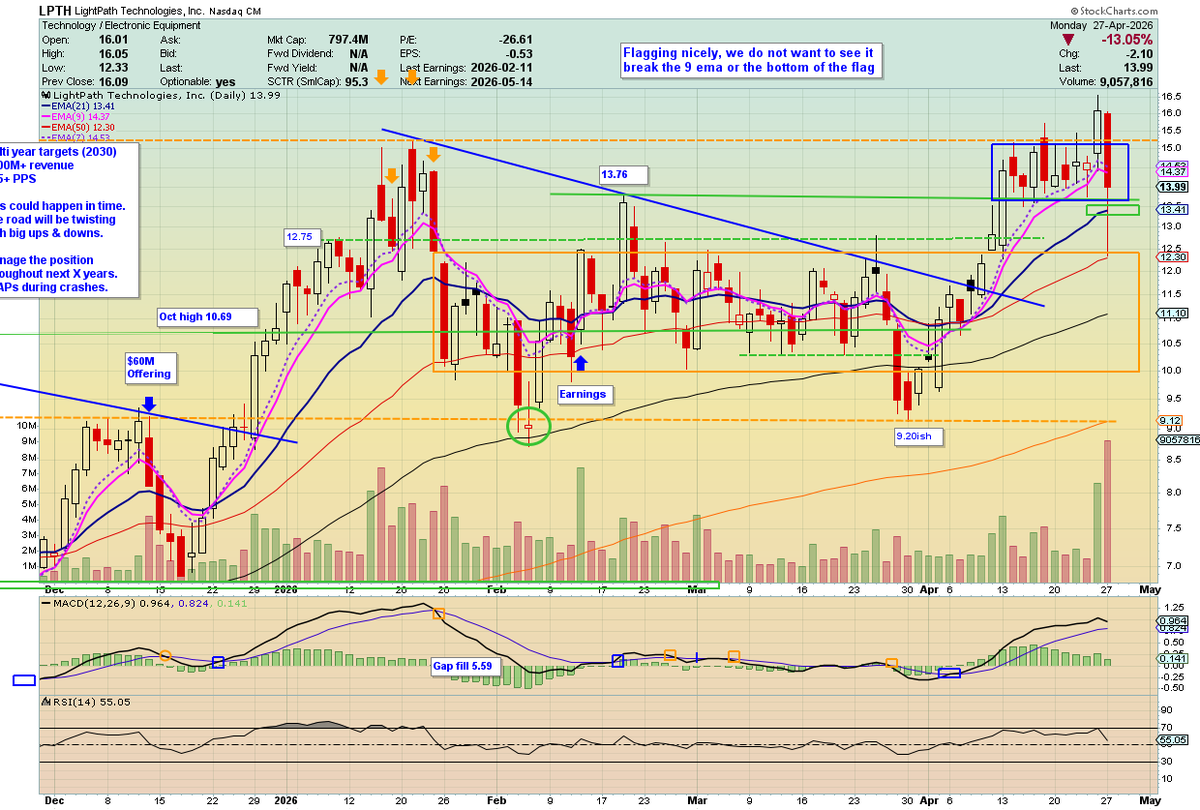
$LPTH back above 21 ema Now if it recovers next day or two, we can just photoshop away that bottom half of the candle and pretend it never happened


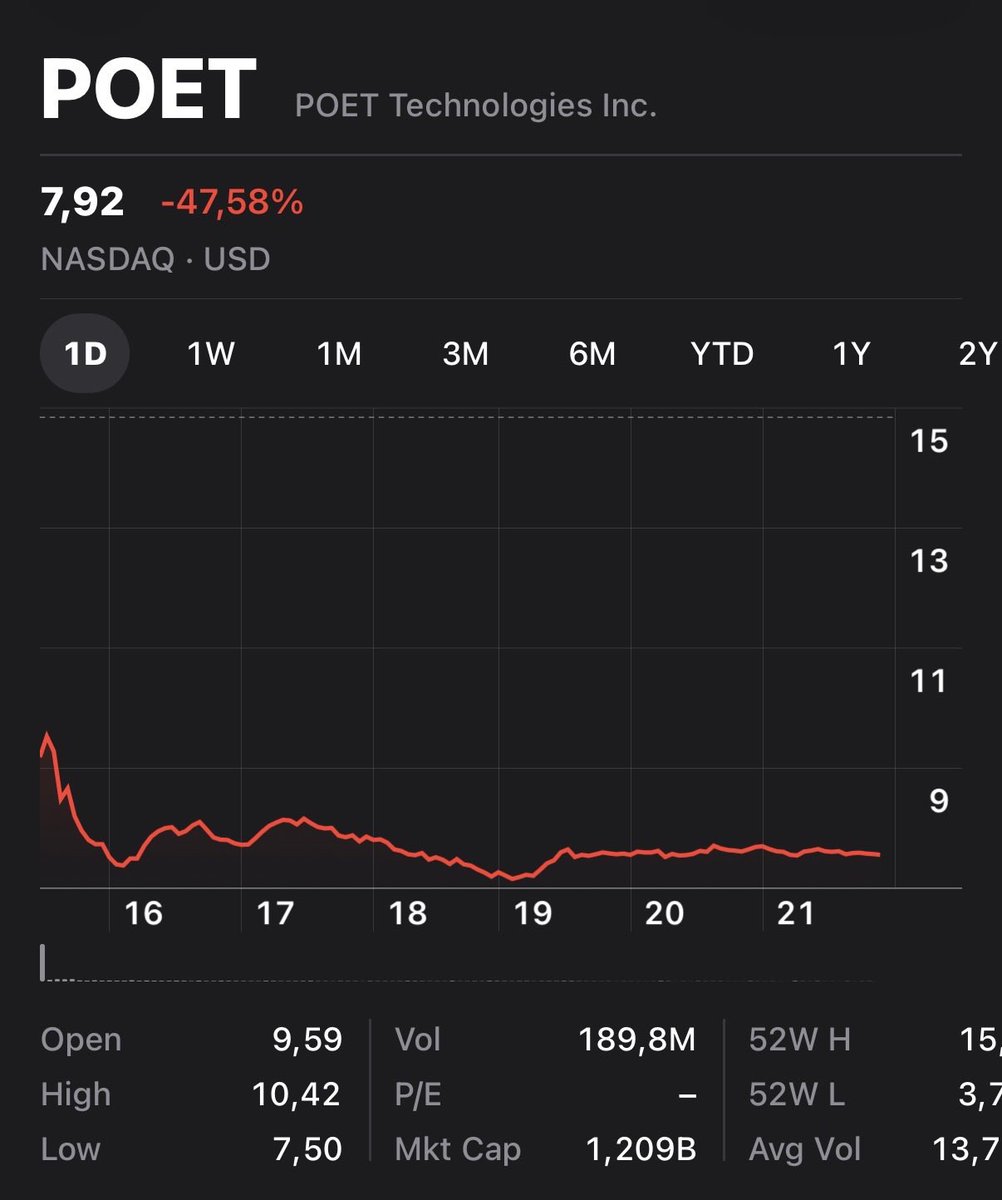
Not the best way to start my Monday. $POET down almost 50% after $MRVL cancelled all the orders for Celestial AI. The reason? POET breached the NDA last week. The NDA is a confidentiality agreement between both parties to keep the cooperation secret. After the short report, the POET management tried to appease investors by confirming the purchase order of Marvell. One of the most stupid decisions, certainly if you know you have an NDA. The only positive here is that the cancellation is not about the technology. On the other hand, the fact that they pusher POET aside so quickly, means that they believe they have other solutions available imo. I need to let this sink in for a minute. Not selling my shares atm.


$POET implosion wow! -43% It's like a biotech ------------------ POET TECHNOLOGIES PROVIDES PURCHASE ORDER UPDATE POET TECHNOLOGIES INC - CANCELS ALL PURCHASE ORDERS RECEIVED FROM CELESTIAL AI POET TECHNOLOGIES: MARVELL CITED CO MADE DISCLOSURES OF INFORMATION "IN CONTRAVENTION OF ITS CONFIDENTIALITY OBLIGATIONS"


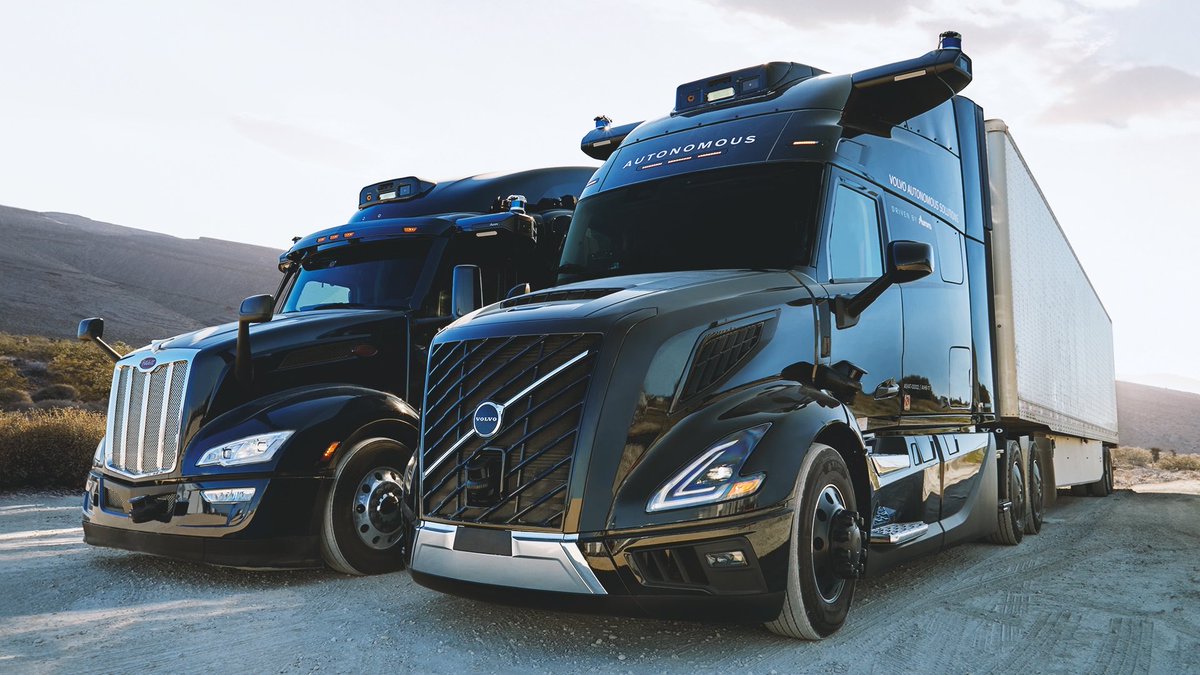
US trucking costs are rapidly rising: The per-mile cost to hire a truck to move goods is up to $2.97 per mile, the highest since June 2022. At the same time, the dry-van rate, the most common truck type used for general freight like retail and packaged goods, is up to $2.50 per mile, the highest since May 2022. Both rates have risen roughly +30% since September 2025. This comes as diesel prices have spiked nearly +50% since the start of the Iran war, forcing haulers to raise weekly per-mile fuel surcharges. Meanwhile, truck transportation payrolls are down to 1.46 million, the lowest since September 2020, which was already tightening the supply of available drivers and pushing rates higher even before the war. Fewer drivers and surging fuel costs are now being passed directly to shippers, raising inflation pressures across the economy. Inflation will soon follow.