
Sabitlenmiş Tweet
Capsuline
1.3K posts


Capsuline
@capsuline
I’m behind social at Capsuline. I talk empty capsules used in biohacking, peptides, functional mushrooms & nutraceuticals. Built for modern wellness brands.
Katılım Eylül 2010
1.1K Takip Edilen986 Takipçiler

The fruit form is great but guava leaf extract capsules unlock a different set of benefits. The extract is studied for blood sugar regulation, cholesterol support, digestion, and menstrual pain relief, none of which you get in meaningful amounts from eating the fruit alone. A standard extract dose of 400-800mg fits a size 0 or size 1 cap depending on concentration. For the vitamin C antioxidant angle, guava fruit powder capsules are the more practical route when fresh guava is not accessible. HPMC veggie caps preserve the polyphenols better than gelatin since the antioxidants in the extract are sensitive to moisture and oxidation.
English

Guava is a nutrient-dense, tropical, low-glycemic fruit (GI of 12-15) that provides 4.2 grams of protein, 9 grams of fiber & 376 mg of vitamin C (roughly 4x daily value) per cup. It is considered a high-protein fruit compared to others, such as bananas, oranges, and pineapples
English
Good stack. Breakdown on how each encapsulates: zinc at 25-30mg elemental goes in a size 3 cap with a neutral filler like MCC. Vitamin D3 is best as a softgel since it is fat soluble and absorbs significantly better in an oil base. Magnesium glycinate at 300-400mg fits a size 0 or 1, use HPMC over gelatin since magnesium is hygroscopic and breaks down gelatin over time. Ashwagandha extract at 300-600mg is also size 0 or 1, same HPMC call. Shilajit purified powder at 250-500mg works in a size 1, just make sure it is an extract rather than raw resin for consistent fill weight.
English

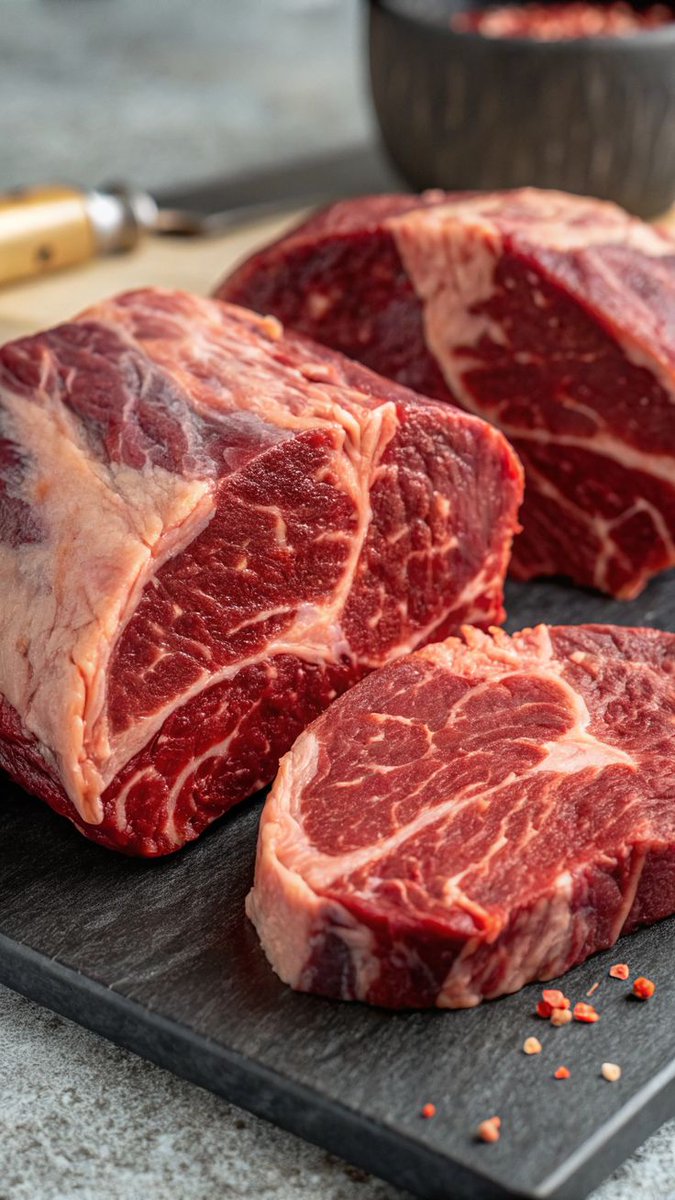
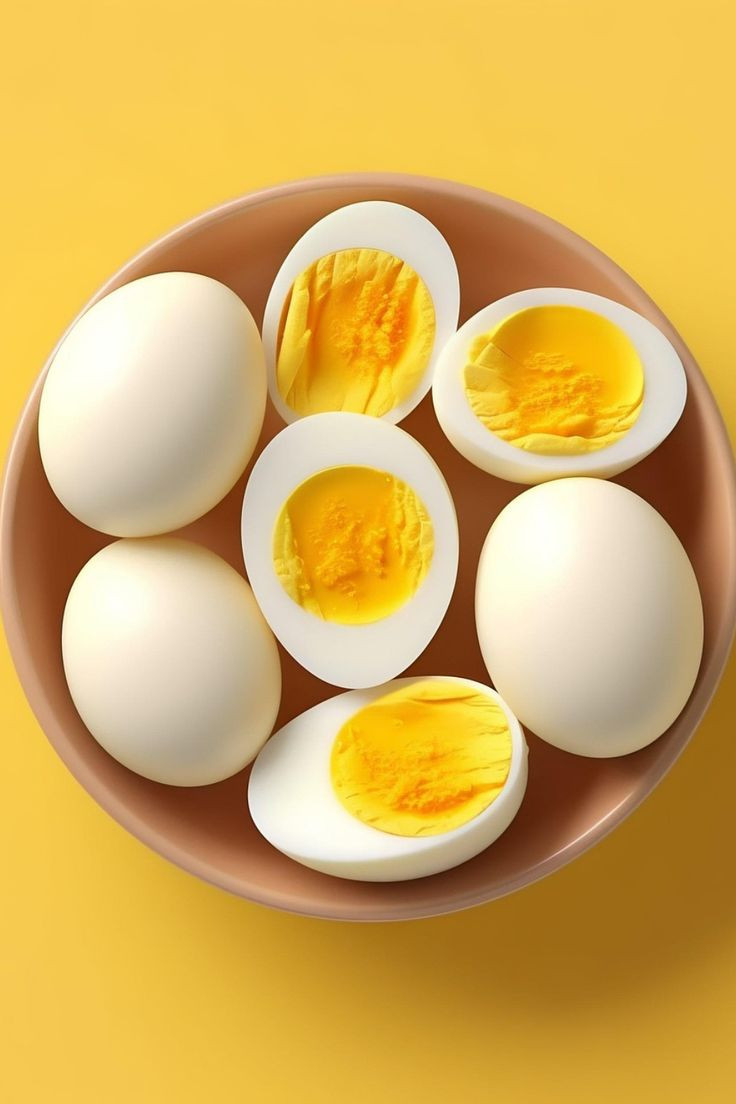
The conditionally essential tier is underrated. Glycine and taurine are the two most people are chronically under-consuming from diet alone. Taurine at 500-1000mg fits in one or two size 00 caps. Glycine at 1-3g makes more sense as a powder at the higher end, but a single gram works in a size 00 cap. For the vitamins and minerals layer, most fit size 0 or 1 depending on dose. Delivery form matters as much as the ingredient since a poorly made capsule or low-grade filler can tank absorption regardless of what is inside it.
English

99% of supplements are useless.
Because it’s not found in the body.
Things you truly need are vitamins, minerals and essential amino acids.
Then you get conditionally essential nutrients, like carbs, glycine, taurine, etc.
Then you get genetically essential nutrients. These are compounds that you need because an enhanced genetic requirement. E.g. if your body isn’t creating enough CoQ10, you need to eat more CoQ10 rich foods or supplement it.
You just simply don’t have a resveratrol, curcumin or green tea deficiency.
Stop trying to fix your symptoms with useless supplements. This counts of longevity as well.
English
Valid, and the anatomy backs it up. The pylorus, the gateway from your stomach to the small intestine where absorption actually happens, sits on the right side of your body. Lying on your right uses gravity to move the pill toward it faster. That said, capsules and tablets behave differently here. Gelatin or HPMC capsules dissolve in 5-10 minutes so posture mainly accelerates transit to absorption. Tablets, especially coated ones, take longer to disintegrate so the position benefit is more pronounced for them. Enteric-coated tablets are the exception since they are designed to bypass the stomach and dissolve in the small intestine anyway, making posture largely irrelevant for those.
English
💊 Pills absorb fastest if you lie on your right side, not standing up.
English
Capsules are the most precise delivery method for microdosing. Dried mushroom powder varies in potency batch to batch, so a size 1 cap (300-600mg capacity) keeps the dose in the 100-300mg window consistently. Use HPMC veggie caps over gelatin since psilocybin alkaloids degrade faster with moisture exposure and gelatin absorbs humidity over time. If you are running the Stamets stack with lion's mane and niacin, a size 0 or 00 handles the full protocol in one cap. Store in a dark, airtight container since light exposure breaks down psilocin faster than most people account for.
English

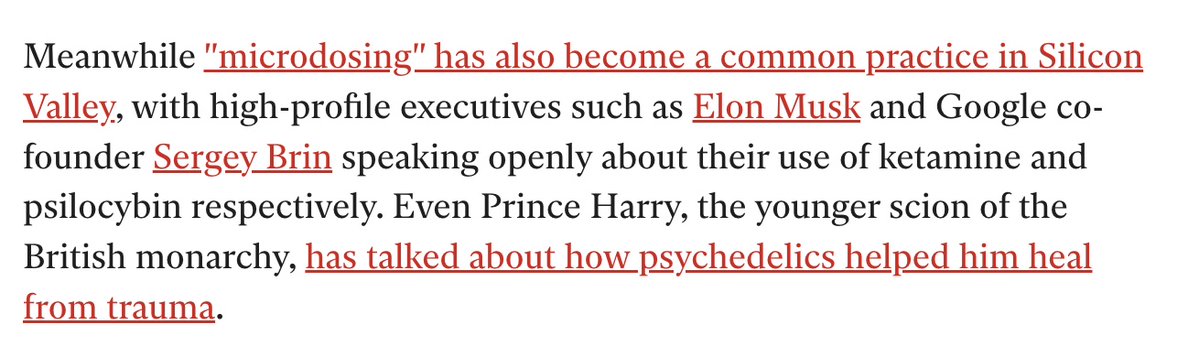
sergey brin, co-founder of google, microdoses psilocybin by the way
BasedBiohacker@BasedBiohacker
English
For supplementing zinc, 25-30mg elemental per day is the sweet spot. Size 3 cap is ideal since the dose is small, you pair it with a filler like rice flour or MCC to fill it properly. Go with zinc picolinate or bisglycinate over zinc oxide, the oxide form has poor bioavailability. One thing worth noting: long-term zinc over 40mg daily can deplete copper, so pairing it with 1-2mg copper keeps the mineral ratio balanced .
English

Zinc is called the “SEX MINERAL” for a reason.
Every time you have sex or masturbate, your body loses zinc.
If you don’t replace it, you lose your edge.
Eat zinc-rich foods daily if you want to stay hard.
Here are 18 zinc rich foods;
1. Oysters — 32–74 mg per 3 oz (highest source)
2. Beef (various cuts, cooked) — 4–9 mg per 3 oz
3. Crab (Alaska king, cooked) — 6–7 mg per 3 oz
4. Pumpkin seeds (roasted) — 2–2.5 mg per 1 oz (9 mg per cup)
5. Pork (chops/shoulder, cooked) — 2–4 mg per 3 oz
6. Turkey (dark meat preferred) — 2–3 mg per 3 oz
7. Chicken (dark meat) — 1–2 mg per 3 oz
8. Cashews (dry roasted) — 1.5–2 mg per 1 oz
9. Oats (cooked) — 2–2.5 mg per 1 cup
10. Fortified breakfast cereals — 2–3+ mg per serving
11. Lentils/Chickpeas (cooked) — 1–2 mg per ½–1 cup
12. Yogurt (plain/low-fat) — 1–2 mg per 1 cup
13. Cheese (cheddar) — 1 mg per 1 oz (2 slices)
14. Eggs — 1–1.5 mg per 2 large
15. Dark chocolate (70–85% cacao) — 3 mg per 3.5 oz
16. Baked beans — 2–4 mg per ½–¾ cup
17. Sunflower seeds — 1.5–2 mg per 1 oz
18. Tofu (firm) — ~2 mg per ½ cup
Take control of your sexual health or regret.
English
For magnesium, a size 0 cap holds 300-400mg cleanly, which covers the standard daily dose. Go with glycinate or malate over oxide for actual absorption. Veggie caps are the better choice since magnesium is hygroscopic and can break down gelatin over time. For the D3, softgels win because it's fat soluble and absorbs significantly better in an oil base. Take both at the same meal with dietary fat and you get the full synergy you're describing.
English

Magnesium works best when vitamin D is present. A lack of vitamin D can prevent magnesium from functioning properly in the body, which is why they should be taken together.
English
@BasedBiohacker Size 0 cap is perfect for a standard 600mg NAC dose. If you're running 1200mg daily, two size 0s keeps it clean rather than trying to pack a 00. Go veggie over gelatin too — NAC has a sulfur compound that can interact with gelatin capsules over time and affect shelf stability.
English
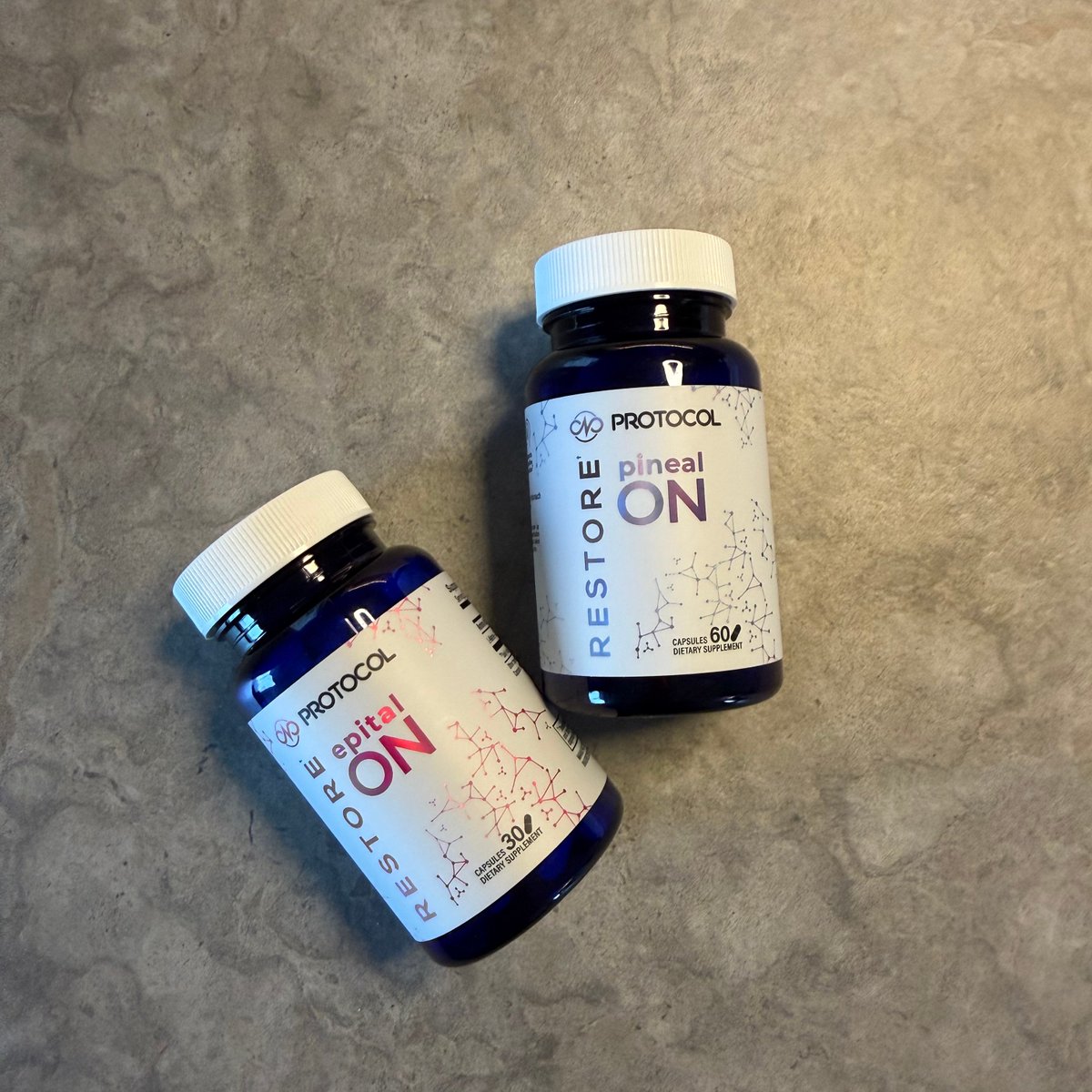
if your parents are getting old and you want to ensure they have the longest and best life possible, you should seriously consider putting them on a pinealon + epitalon cycle asap
they can take them in oral capsules, no need to stick them with a syringe for these studied benefits:
- deepens REM and restorative sleep cycles
- sharpens cognitive speed and mental clarity
- restores natural, youthful melatonin production
- activates telomerase to slow cellular aging
- enhances memory and neural synaptic plasticity
- shields neurons from cumulative oxidative damage
- normalizes cortisol for better stress resilience
- helps decrease brain fog and afternoon crashes
30 day cycle. 1-2 capsules of each daily. pinealon in the morning, epitalon at night. then watch the oral bioregulator peptide magic unfold.
these peptides are low-hydrolysable and survive the GI tract surprisingly well. the lower bioavailability than injection is made up for with the ideal dosing. this stuff is amazing. created by putin's personal longevity doctor, by the way.
US pinealon:
yourprotocol.co/products/pinea…
EU pinealon: mandimart.eu/en-se/products…
UK pinealon: mandimart.co.uk/products/pinea…
US epitalon:
yourprotocol.co/products/epita…
EU epitalon: mandimart.eu/en-se/products…
UK epitalon: mandimart.co.uk/products/epita…
not medical advice.

English
Winter is the right time to push D3 intake. Standard clinical range sits at 2000-4000 IU daily for maintenance and 5000 IU for people who test deficient. Pair it with K2 MK-7 (100-200mcg) to direct calcium to bone rather than soft tissue. A size 1 capsule handles the D3 plus K2 blend with a carrier powder cleanly. Get your 25(OH)D levels tested before and after. Target is 40-60 ng/mL.
English

Sunlight does more than just make Vitamin D. ☀️
It triggers nitric oxide (NO) release from your blood vessels which:
✅ Lowers blood pressure
✅ Supports cardiovascular health
By exposing your retinas (in the back of your eye) to light, it also;
✅ Regulates circadian rhythms
✅ Stabilizes mood
Studies show low sunlight exposure independently raises depression risk.
The Action Plan:
Step outside for 10 minutes this morning. Even modest sun has benefits that last all day.
How much morning light are you getting lately? 👇
#HeartHealth
#Wellness
English
@CoachDanGo Skipping the brew entirely and capsule-loading caffeine is the most efficient move in this thread. Size 3 capsule holds 200mg anhydrous. Two per day keeps you at the 400mg FDA ceiling and out of the jitter zone. No drip, no cleanup, no small talk about beans.
English

I’ve done life with coffee and life without coffee.
Life with coffee wins every damn time.
Gary Brecka@thegarybrecka
I haven’t had a cup of coffee in almost 2 weeks… This is what I use instead, and it wasn’t some “I’m quitting caffeine” decision. I just stopped needing it. What I realized is most people don’t actually need more stimulation in the morning they’re just missing the raw materials their body needs to create energy. Minerals. Amino acids. Proper hydration. If you’re low in minerals, your cells can’t hold onto water the right way. If you’re low in amino acids, your body struggles with recovery, neurotransmitters, and overall function, and when that’s off, you wake up tired… so you reach for coffee to compensate. That used to be me. I’m not saying coffee is bad... but if you feel like you need it just to function, there’s usually something deeper going on.
English
Zinc picolinate is the form worth using. Highest bioavailability, lowest GI irritation compared to zinc sulfate or oxide. Therapeutic range sits at 25-40mg elemental zinc daily, taken away from calcium and iron which compete for the same absorption pathway. A size 3 capsule holds a 25-30mg zinc picolinate dose cleanly. Take with food to avoid nausea.
English

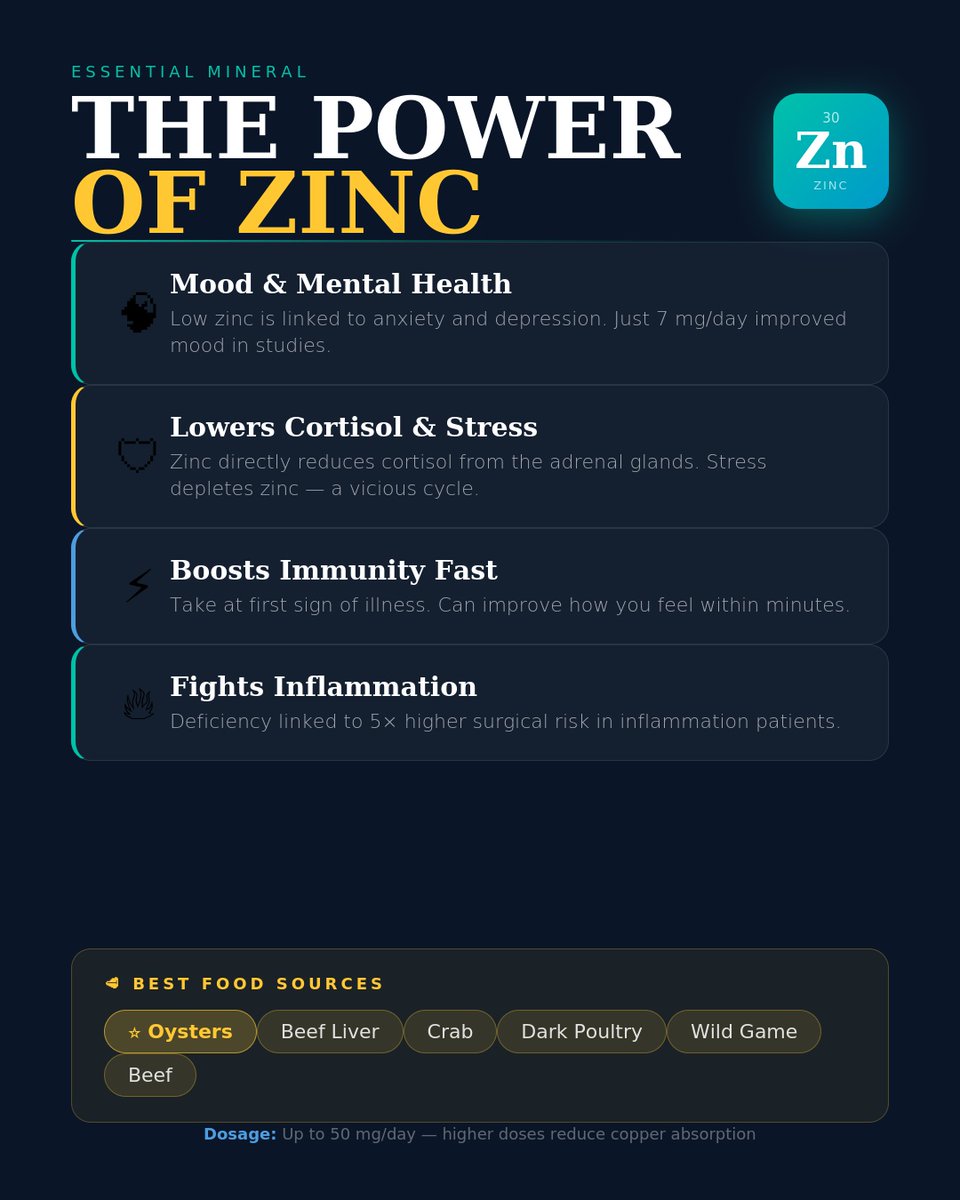
Zinc Quickly Regulates Cortisol
Need a quick fix?
I suggest turning to zinc. In my experience, zinc can have some immediate benefits after supplementation.
I’ve noticed that when I take it at the first sign of illness, I also feel better physically and mentally within minutes-and it’s proven to do so.
Read more: thehealthyrd.com/how-to-do-a-zi…
English
Copper peptides like GHK-Cu oxidize quickly when exposed to air, so encapsulation is one of the best ways to preserve potency. A size 4 capsule works well for the typical 1-3mg dose range, keeps it shelf-stable, and removes the taste issue. Sublingual still has better bioavailability for systemic effects though, so it depends on the goal.
English

Encapsulated copper peptides, microneedling, CO2 laser resurfacing, upper blepharoplasty, Equinox membership
Modern History@modernhistory
Age 50 in 1986 vs. age 50 in 2026. What has changed in 40 years?
English
BPC-157 is one of the most researched peptides for gut lining repair, joint recovery, and inflammation.
Most people inject it. But oral BPC-157 in capsules is gaining traction for gut-specific benefits since it stays localized in the GI tract.
A 500mcg dose fits in a size 4 capsule. Smallest capsule size, serious compound.

English
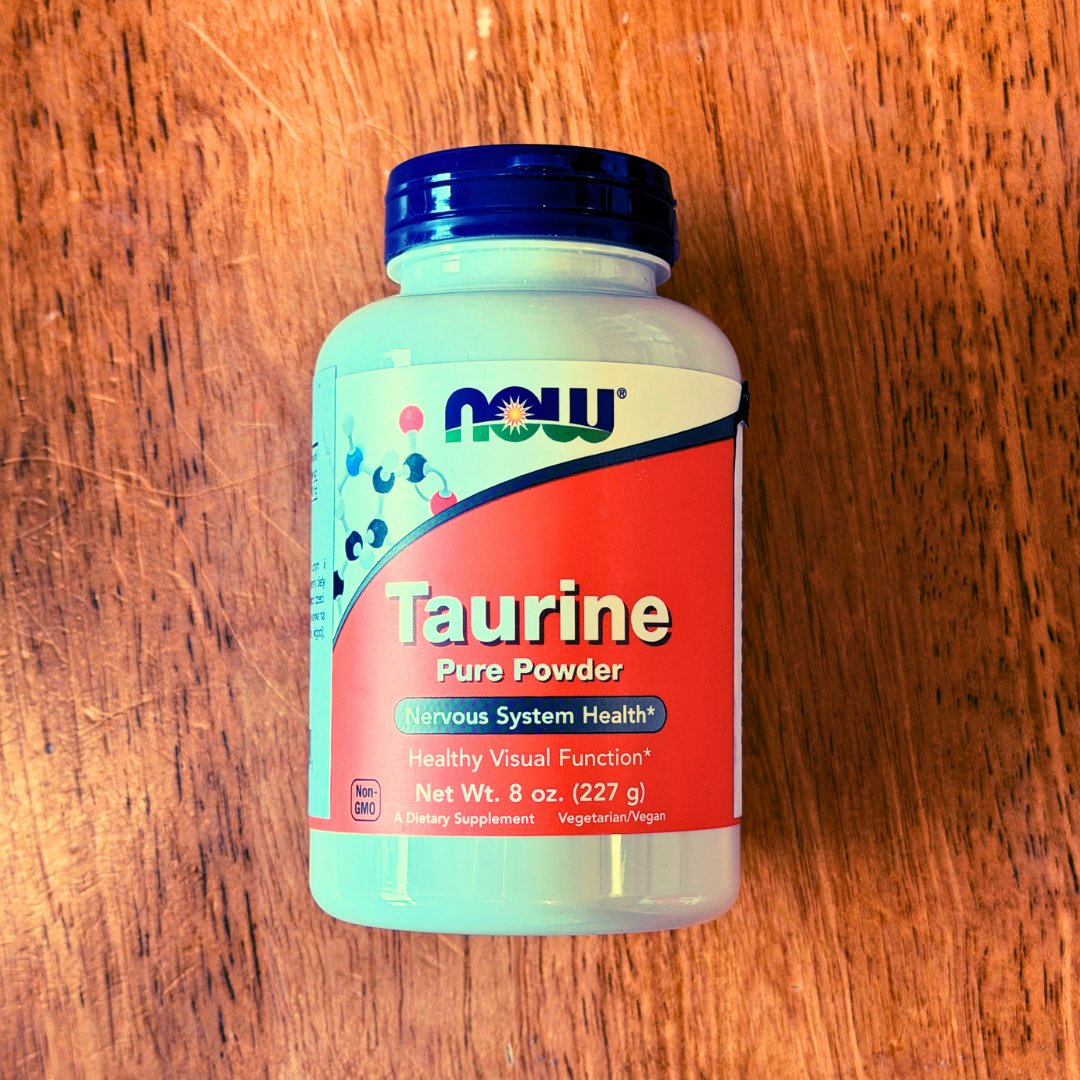
@minbets @lowmegatron Honestly fair, taurine is one of the few powders where that actually works. Caps are more for people stacking it with other compounds and want one clean serving without measuring every time.
English

@capsuline @lowmegatron Or just dump it in your mouth and swish it around with a gulp of water before swallowing. Taurine is basically tasteless
English

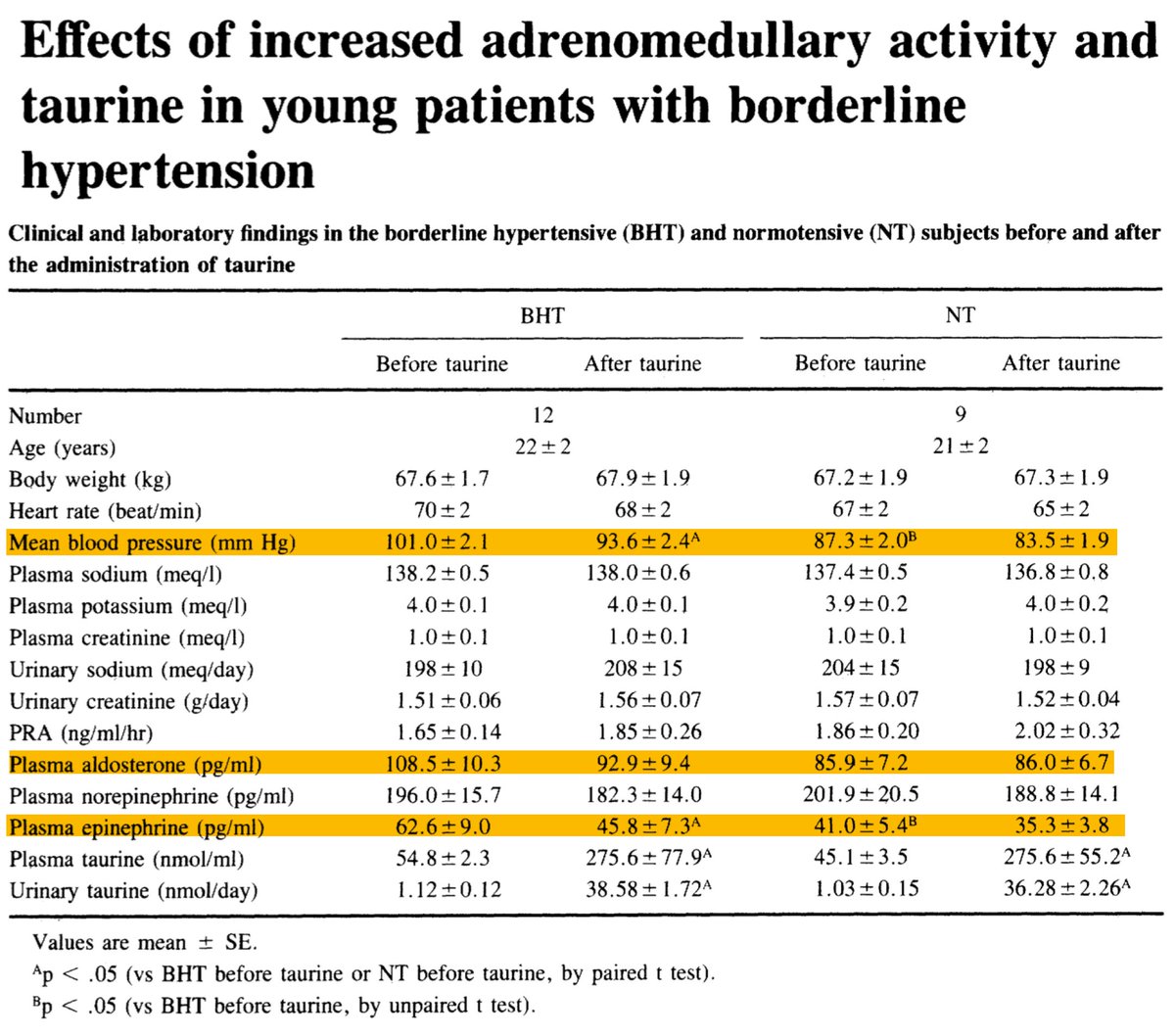
Taurine lowers blood pressure elevated by stress. It works by lowering adrenaline, which can raise blood pressure.
In a study, 10 younger people with borderline high blood pressure were given taurine. Taurine decreased systolic blood pressure by 9 points.
The drop in blood pressure was accompanied by a drop in adrenaline.
Adrenaline was higher in the group with higher blood pressure compared to those with lower/normal blood pressure.
Glucagon stimulated a greater increase in adrenaline in the group with higher blood pressure.
Taurine decreased the adrenaline spike caused by glucagon.
"Evidence presented suggests, therefore, that sympathoadrenal tone is increased in young borderline hypertensive individuals, and that oral administration of taurine attenuates increased tone, leading to the reduction of blood pressure."
Taurine was dosed at 6 g/day for 7 days.
Ref: Effects of increased adrenomedullary activity and taurine in young patients with borderline hypertension
Master Metabolism@lowmegatron
The thyroid exerts a huge influence on blood pressure—even in people with “normal” blood tests. People with TSH in the upper part of the normal range are 30% more likely to have high blood pressure. “High serum TSH level is an important risk factor of hypertension, and euthyroid individuals with higher-normal TSH level are at higher risk of developing hypertension than those with lower-normal TSH level.“ Thyroid hormone, even levothyroxine, lowers blood pressure. “Although the mechanism is unclear, thyroid replacement therapy can reverse hypertension in hypothyroid patients.” When people are injected with TSH, endothelium-dependent vasodilation drops by 17%. That causes higher blood pressure by making blood vessels less able to relax and widen. When arteries stay more constricted, blood has to push through a narrower space, so resistance rises and blood pressure goes up. Older research showed a huge effect of NDT on high blood pressure. NDT is a thyroid hormone medication with both thyroid hormones. Having both is critical for the best outcome. 20% went from high to normal blood pressure. 55% had a reduction in blood pressure. 25% did not improve. Broda Barnes reported that many patients treated with NDT had their high blood pressure improve. “I saw her in December 1958-with a blood pressure of 200/130 and full-blown myxedema. She was started on one grain of thyroid daily and over the next several weeks, her blood pressure began to come down a little. Three months later, she was taking two grains of thyroid daily and her blood pressure was down to near-normal level. Her thyroid dosage was then raised to three grains. Her blood pressure became normal and she went to work to help out with her family's strained finances. She continued to work for the next six years. A move to another city occasioned a change in physicians and the new one stopped the thyroid medication and placed her on diuretics and tranquilizers. When I saw her in my office again in December 1971, six years after her last visit, her blood pressure was again way up, 200/130. Her cholesterol level which had been 207 on thyroid therapy was up to 356. During the six years, she had developed arthritis which had become so severe that she had become addicted to pain pills.” Note: as with every condition, there is more than one cause of high blood pressure! Ref: Dose-response relationship between thyroid stimulating hormone and hypertension risk in euthyroid individuals Plasma noradrenaline and blood pressure in hypothyroid patients: effect of gradual thyroxine treatment Recombinant Human Thyrotropin Reduces Endothelium-Dependent Vasodilation in Patients Monitored for Differentiated Thyroid Carcinoma The Thyroid and Atherosclerotic Arterial Disease: PERICLES MENOF Hypothyroidism: The Unsuspected Illness
English
@paulbullard @Cernovich Most of what we share comes from real formulation questions so it ends up being pretty specific. Appreciate you saying that.
English

@capsuline @Cernovich This is surprisingly informative for a reply on this app.
English

PureBlood is now on subscribe and save + discount on Amazon here: amazon.com/CleanForm-Nutr…
English
RDA is 11mg for men but most therapeutic protocols run 25-45mg, zinc picolinate absorbs better than gluconate so you need less of it. Anything over 40mg long term you want copper alongside it because zinc depletes copper over time. Size 3 capsule handles a 30mg dose in one cap a day.
English

Buy zinc, even if it means going broke. You'll thank me afterwards
English
Nattokinase at 10,800 FU is a solid dose for fibrin and circulation support and the K2 as MK-7 pairs well with it since it helps direct calcium to bones instead of arteries. 4 veggie caps daily with food is the right call because the fat from the meal actually improves K2 absorption. Size 0 veg caps are the standard for this kind of stack.
English
@themedplan Fat-soluble vitamins (A, D, E, K) actually need dietary fat to absorb properly so timing your supplement with a meal makes a real difference in how much your body actually uses
English

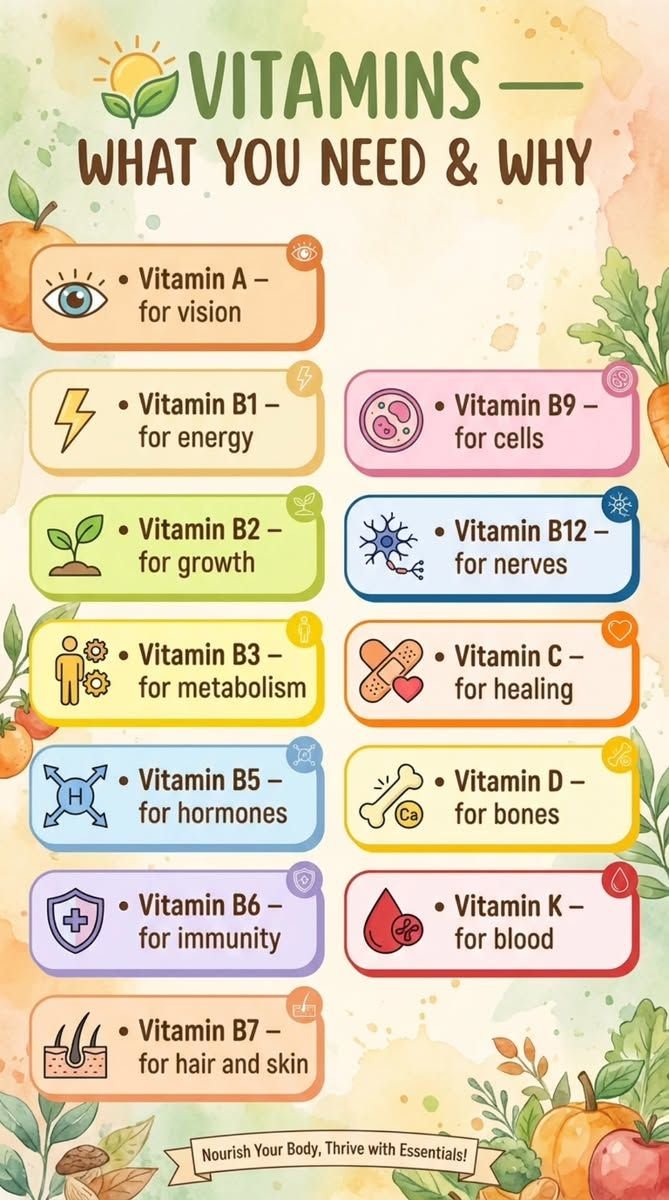
Vitamins play different roles in the body, but together they help keep everything running smoothly — from energy and metabolism to immunity, bones, and brain health. When even one is missing, your body often feels it through fatigue, poor focus, or slower recovery. A balanced diet with a variety of whole foods is the best way to cover your bases, while supplements can help fill gaps when needed. Understanding what each vitamin does makes it easier to support your body intentionally instead of guessing.
English
For that low libido stack, size 0 gelatin capsules handle all three easily. Zinc at 15-30mg per cap, D3 at 5000 IU, and B3 as niacinamide at 250-500mg. Most formulators split them into separate caps to control dosing more precisely and avoid the nausea zinc can cause on an empty stomach.
English

DOCTORS WILL NEVER TELL YOU THIS:
1. Anxiety – Magnesium, B6, Omega‑3
2. Insomnia – Magnesium, B12, D
3. Brain fog – B1, B12, Omega‑3
4. Low libido – Zinc, D, B3
5. PMS – B6, Magnesium, E
6. Constipation – Magnesium, C, Fiber
7. Eye twitching – Magnesium, B12, Potassium
8. Irritability – B1, B6, Magnesium
9. Sugar cravings – Chromium, Magnesium, Zinc
10. Depression – D, B12, Omega‑3
Your “mental health” might be a micronutrient deficiency in disguise.
English