yiyi

4.3K posts

yiyi banner
yiyi

yiyi

@celiv7x

• Web3 native | Trading | NFTs

Katılım Nisan 2022
879 Takip Edilen2.1K Takipçiler
Sabitlenmiş Tweet
yiyi
yiyi@celiv7x·
区块链十二大创新项目 —— 用最简单的方式告诉你 区块链技术正在一点点改变世界,它不再只是“虚拟货币”的代名词,而是真正进入金融、AI、治理、娱乐、跨境支付等各个角落。下面我给你介绍十二个特别有代表性的项目,它们就像“工具箱”里的不同神器,一起推动 Web3 的发展。 🔹VeloraDEX(#Velora@VeloraDEX 你有没有想过,只要用一句话,就能完成一笔交易?比如你输入“用500美元买 ETH 和 USDC 各一半”,VeloraDEX 就会自动帮你完成。它的底层来自处理过上千亿美元交易量的 ParaSwap,新架构让交易成功率比以前提升了 22%。可以说,它把去中心化交易做到了“开口即交易”的新高度。 🔹Sapien(#Sapien@JoinSapien 数据这么值钱,为什么一直是大公司赚钱?Sapien 就想改变这一点。它建立了一个基于“贡献证明”的 AI 数据经济体系,让普通用户也能分享 AI 模型商业化带来的收益。平台已经积累了 20PB 的优质数据,还和 Anthropic 这样的大厂合作,为 Claude 模型提供训练数据。说白了,就是让“数据的价值”回归到真正的贡献者手里。 🔹RaylsLabs(#RAYLS@RaylsLabs 传统金融系统流程慢、门槛高,而 RaylsLabs 正在打破这些壁垒。比如巴西央行的 Drex 试点,以前跨境清算要 3 天,现在缩短到 10 分钟!他们还和摩根大通 Onyx 网络合作,用隐私模块保证银行间数据共享的安全。团队成员来自 R3(Corda 的开发方),目标很明确:先让机构大规模用起来,再慢慢推动整个金融行业。 🔹Tria(#Tria@useTria Tria 是一款自托管加密平台,它想要让加密货币像日常支付一样方便。用户能在全球 170 多个国家自由交易、消费和兑换资产,而且费率还保持全球最低。它运行在 Arbitrum 上,并通过 BestPath AVS 技术实现智能路由。简单来说,就是既安全又便宜,把银行的便利性和加密的自由性结合到了一起。 🔹OpenLedger(#OpenLedger@OpenLedgerHQ DAO 治理听起来高大上,但很多社区其实缺少安全和透明。OpenLedger 提供了一套实时分析工具,可以追踪 200 多个治理指标,比如投票率、大户资金流动、提案热度等。更厉害的是,它的机器学习模型能提前 48 小时预警治理攻击,准确率高达 92%。这对 DAO 社区来说,绝对是个“安全护盾”。 🔹LAB Terminal(#LAB@LABtrade_ Meme 币的交易常常很混乱,但 LAB Terminal 给高频交易者带来了一款“神器”。它整合了 6 条公链、12 个 DEX,能在 1.2 秒内确认交易,并且把滑点控制在 0.5% 以下。无论你是炒 Meme 还是快速套利,它都能提供极高的执行效率。 🔹VOOI(#VOOI@vooi_io 跨链交易一直是用户的痛点——慢、贵、还容易失败。VOOI 就是来解决这些问题的。它会实时监控 23 条公链、500 多个流动性池,自动选择最优路径。测试显示,用它能节省 37% 的交易成本,成功率也从 95% 提升到 99.3%。换句话说,从以太坊转钱到 Polygon 会更快、更便宜。 🔹RecallNet(#Recall@recallnet 在假新闻、AI 伪造横行的时代,RecallNet 提供了一个“溯源神器”。它利用区块链的不可篡改特性,为数字内容生成完整的历史记录。比如新闻被修改过、推文被删除过,都能一目了然。路透社、《纽约时报》等媒体已经在用,错误信息识别准确率高达 98.7%。 🔹TenProtocol(#TenProtocol@tenprotocol 隐私问题一直是区块链走向主流的难点。TenProtocol 创新性地结合了 TEE(可信执行环境)和 ZKP(零知识证明),专门服务金融、医疗等敏感场景。它每秒能处理 4500 笔加密交易,错误率低于 0.1%,既合规又高效。以后连病历、金融流水这种敏感信息,也能安全流转。 🔹Antix(#antix@antix_in Antix 把区块链和 GPT-4.o 结合起来,创造出了“有情感”的数字人类。比如虚拟偶像、AI 助手,甚至可以和你进行共情对话。它推出的 AIGE 技术已经在娱乐、教育领域落地,数字人 NFT 的月交易额三个月内增长了 300%。这让人机交互变得更生动、更有温度。 🔹Almanak(#Almanak@almanak DAO 治理中的提案常常效率低下,Almanak 给出了一种预测市场的方式。它能量化提案的经济影响,比如“提高质押奖励”会对国库有什么长期影响。使用它的 DAO,决策时间缩短了 55%,提案成功率提升了 40%。它让社区治理从“拍脑袋”变成了“有数据支撑”。 🔹BOB(#BuildOnBOB@build_on_bob Rollup 是扩容的重要方向,但架构僵硬、灵活性不足。BOB 提供了一个高度模块化的底层框架,开发者可以自由组合欺诈证明、数据压缩、结算层等组件。测试网已经部署了 127 个实例,覆盖游戏链、DeFi 链等各种场景。它让 Rollup 开发像搭积木一样简单。 @cookiedotfun
yiyi tweet media
中文
42
0
65
2.7K
Unity Hub
Unity Hub@UnityHub23·
🚨 2026 - HUGE TOOBIT 20% Deposit & Volume Bonus ⚡️⚡️Exciting exchange offering huge deposit & volume bonus! ⚡️⚡️ - Immediate delivery - Country Restrictions - India & Vietnam - 50% fees & losses covered by bonus - no KYC required Sign up - toobit.com/t/rEPt24
Unity Hub tweet media
English
55
0
52
15.6K
yiyi
yiyi@celiv7x·
@KaiBGR @RaylsLabs they are the ones regulators, central banks, and large financial institutions care about.
English
0
0
0
4
Kai WOW 🟣🫧🐬
Kai WOW 🟣🫧🐬@KaiBGR·
Good morning As competition heats up in the race to build institutional blockchain infrastructure, the gap between narratives and real capability is becoming obvious. Many projects compete on throughput, cost, or modular design, but few address the harder problem: how institutions actually settle value, manage risk, and maintain sovereignty at scale. This is where @RaylsLabs differentiates itself. Instead of optimizing isolated components, Rayls is competing at the settlement layer, focusing on provable finality, policy-enforced compliance, privacy, and interoperability across ledgers. These are not features that show up in benchmarks, but they are the ones regulators, central banks, and large financial institutions care about. As more players enter the space, competition will shift from marketing to proof: what can your system guarantee, what risks does it eliminate, and how does it integrate with sovereign money. Rayls isn’t trying to win the fastest chain narrative. It’s positioning to win the institutional settlement race.
Kai WOW 🟣🫧🐬 tweet media
English
139
2
122
1.4K
yiyi
yiyi@celiv7x·
@0xRyderr @EIP7503 backed by Ethereum Foundation, Optimism, top ZK and privacy research teams
English
0
0
0
10
Ryder
Ryder@0xRyderr·
Ethereum finally gets real privacy without losing composability @EIP7503 is dropping a new token-issuance primitive that’s just too clean: 🔸Burn to mint 🔸ZK to hide 🔸Receipts to compete A tight value loop for both $ETH and $WORM. Raised $150k - 160k, backed by Ethereum Foundation, Optimism, top ZK and privacy research teams @Sage_Tega is crushing his role Time for @Interniccm to snack on another Worm. And yes, it’s @EIP7503 szn
Ryder tweet media
sagetega.eth@Sage_Tega

Christmas Giveaway special came in early. 4 @Interniccm syndicate NFTs for lucky winners. 4 @BaseICCM presale spots 12 @EIP7503 Free NFT mint spots. Criteria just follow, retweet and comment EVM address. Goodluck. Ends in 24 hours. 20 lucky winners.

English
54
0
64
3.4K
yiyi
yiyi@celiv7x·
@TradeCoinDream @RaylsLabs Private networks for institutions that need privacy and a layer that lets value move between both
English
0
0
0
2
TradeCoinDream
TradeCoinDream@TradeCoinDream·
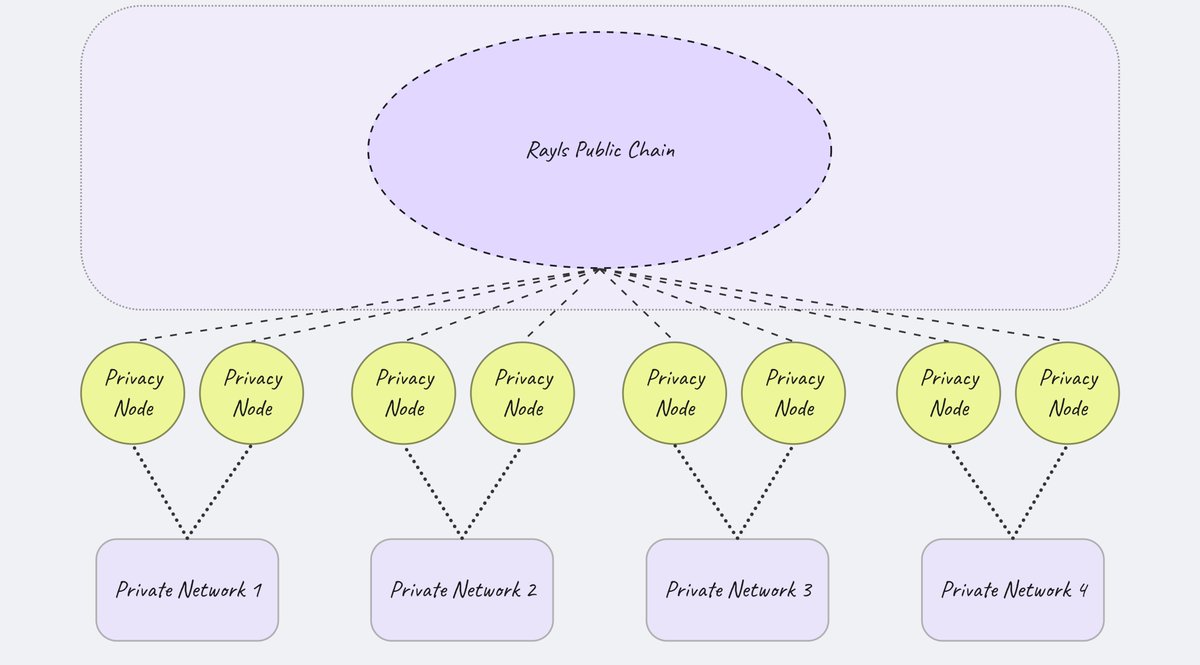
Most chains pick a lane. @RaylsLabs didn’t. When I looked at the architecture, it finally made sense public where openness matters private where regulation demands it Public chain for composability and liquidity Private networks for institutions that need privacy and a layer that lets value move between both It’s a weird setup at first glance but finance itself is weird like that Banks and DeFi dont live in the same world #RaylsLabs is trying to connect them without forcing either side to change That’s harder than launching another L1 and way more interesting Watching how #Rayls pulls this off $RLS is the glue holding it together
TradeCoinDream tweet media
English
220
2
189
5.7K
Taiwan
Taiwan@mtave0128·
Cross chain is usually where UX breaks. Too many steps. Too much trust. Too much waiting. With @megaeth connected via @MayanFinance, that friction quietly disappears. Assets move in natively. No wrappers. No detours. Swaps happen inside the app, not in a separate flow. What stands out to me is not the bridge itself, but the intent. Builders get NTT, messaging, and in app bridging as primitives, not add ons. This is how cross chain should feel. Invisible to users. Natural for apps. That’s a real UX upgrade, and it fits @megaeth’s performance first vision perfectly.
Taiwan tweet media
Taiwan@mtave0128

Most people don’t care about TPS. They care about waiting. On slow chains, users hesitate click twice refresh leave. With @megaeth, actions feel final the moment you press the button. That changes behavior. People trade more confidently. Games feel alive, not turn based. Onchain apps stop feeling “onchain”. This is the quiet shift. Not louder narratives, just better habits forming.

English
26
0
22
249
yiyi
yiyi@celiv7x·
@TomGenzcoin This isn’t just a launch, it’s a lesson in resilient, responsible crypto building.
English
0
0
0
6
Anthony J
Anthony J@0xAnthonyyy·
✍️ Launching Helios was never about shortcuts or hype, it was about building with integrity and long-term vision. While some launchpads exploited loopholes, creating fake vesting and sell pressure, the Helios team stayed committed, personally defending the token and ensuring true economic vesting. This isn’t just a launch, it’s a lesson in resilient, responsible crypto building. @helios_layer1 proves that real projects survive challenges by putting community, capital, and trust first, turning obstacles into a foundation for sustainable growth. @BingXOfficial #BingXSpotBlast
Helios | The ETF-Native Layer 1@helios_layer1

We’re publishing a detailed breakdown of how Web3 launchpads quietly try and kill projects by ignoring vesting through intentionally deceiving wording and other dirty tactics. In short, for the Helios raise: - Vesting existed on paper, not economically. - Some participants could claim 10%, sell, then refund the rest. - Dashboards showed “fully raised” while funds never reached the project. - Contracts signed failed to include mentions of any of this. - Not only does this leave the project without funds, it adds huge selling pressure from the exact parties that you paid 5 figures for and that were supposed to support you. Everything is backed by contracts, on-chain data, and receipts - read here: helioschain.medium.com/how-we-got-sca…

English
26
5
43
7.2K
yiyi
yiyi@celiv7x·
@HieuTrinhVn @RaylsLabs bringing traditional finance onto the blockchain in a safe and practical way.
English
0
0
0
2
Mr. Jax 🐬TermMax
Mr. Jax 🐬TermMax@HieuTrinhVn·
GM CT The weekend is a time to rest and be with family. Wishing everyone a wonderful weekend. In Web3, transparency and privacy must go hand in hand. @RaylsLabs builds an infrastructure where banks maintain control and compliance, users’ data and privacy are protected, and blockchain ensures transparency and programmability, bringing traditional finance onto the blockchain in a safe and practical way. This weekend, I'd like to send my best wishes to everyone, including @alturax
Mr. Jax 🐬TermMax@HieuTrinhVn

GM Web 3 La venta de $SLX finalizó con menos del 50% del total de tokens ofrecidos. Tengo curiosidad: ¿por qué la gente no compra tokens $SLX? ¿Alto valor contable? ¿Calendario de desbloqueo? ¿Fondo de inversión no revelado? Personalmente, lo más aterrador es el alto valor de mercado disponible (FDV) y el chaleco salvavidas. Ojalá todo el equipo gane en TGE. A continuación, hablemos de @RaylsLabs , los objetivos y la importancia de este proyecto. 1. El objetivo: Incorporar 100 billones de dólares en activos de finanzas tradicionales a la blockchain La naturaleza del objetivo 100 billones de dólares no representan el flujo de dinero hacia las criptomonedas, sino el valor de los activos financieros tradicionales digitalizados y que operan en la blockchain, incluyendo: Depósitos bancarios Bonos gubernamentales, bonos corporativos Crédito privado, préstamos, cuentas por cobrar Fondos de inversión, activos financieros gestionados Rayls no se dirige al sector minorista, sino a la infraestructura que sustenta el sistema financiero global. ¿Por qué es alcanzable esta cifra? Tamaño total del mercado financiero global: Bonos globales: ~130 billones de dólares Activos bancarios: >180 billones de dólares Pagos transfronterizos anuales: cientos de billones de dólares Rayls no necesita captar una gran cuota de mercado; Solo necesita: Convertirse en la infraestructura para una pequeña parte de estos flujos de dinero Centrarse en casos de uso que requieren digitalización para reducir los costos operativos Beneficios para los bancos: Reducción de costos administrativos y de conciliación Transacciones casi en tiempo real en lugar de T+2/T+3 Mayor transparencia manteniendo la privacidad Fácil integración con los sistemas existentes (core bancario, cumplimiento normativo) 2. Apoyo a las CBDC: un pilar estratégico a largo plazo Las CBDC no son solo monedas digitales emitidas por bancos centrales, sino infraestructuras de pago nacionales. Rayls participa directamente en ensayos como: Drex (Brasil) Programas del BPI y del Banco de Inglaterra Esto demuestra que Rayls fue elegido porque: Cuenta con capacidades de control de acceso (permitido) Alto cumplimiento legal Garantiza la seguridad de los datos a nivel estatal La CBDC se convertirá en: La capa de liquidación original para la economía digital Conexión directa con bancos comerciales y empresas 3. Pagos transfronterizos Problemas actuales: Lentitud (1-3 días) Comisiones elevadas Dependencia de intermediarios Rayls soluciona esto con: Liquidación casi instantánea Reducción de intermediarios mediante la liquidación inteligente Compatibilidad con múltiples sistemas financieros nacionales Esto es especialmente importante para: Bancos multinacionales Empresas de importación y exportación Pagos B2B a gran escala 4. Entrega contra Pago (DvP) Garantías DvP: El pago solo se realiza cuando se transfiere el activo. Elimina el riesgo de contraparte. En la blockchain de Rayls: Los activos y los fondos se procesan simultáneamente. No se requiere pago intermediario. Ideal para bonos, valores y activos tokenizados. Este es un factor clave para la adopción a gran escala de blockchain por parte de las instituciones financieras. 5. Importancia estratégica a largo plazo Rayls no busca "superar" a los bancos, sino convertirse en: Una capa de infraestructura intermediaria para todo el sistema financiero. Similar al rol de SWIFT + Visa + core bancario, pero en la era blockchain. Si tiene éxito: Rayls se convierte en el nuevo estándar para la infraestructura financiera. El valor no reside en la publicidad, sino en el volumen real de transacciones y las comisiones por uso a largo plazo. El objetivo de 100 billones de dólares no es marketing, sino una visión de infraestructura. Rayls está sentando las bases para: CBDC nacionales Pagos transfronterizos de próxima generación Transacciones de activos digitales seguras, compatibles y escalables a nivel mundial @RaylsLabs

English
118
0
94
953
00K
00K@tagsincos·
Tokenized AAA CLOs entering DeFi is not a headline, it’s a signal JAAA isn’t exciting because it’s new it’s exciting because it’s boring AAA risk predictable cash flows institutional grade @multiplifi making this usable onchain is how DeFi grows up quietly #multiplifi
00K tweet media
00K@tagsincos

holding BTC without letting it sleep btc holders usually choose hold or trade @multiplifi opens a third path btc stays btc while capital works no narratives just mechanics #multiplifi

English
157
0
120
571
yiyi
yiyi@celiv7x·
@Tentacion_sin Verifiable inference doesn’t care about history or branding.
English
0
0
0
2
Tentacionsin
Tentacionsin@Tentacion_sin·
Human systems rely heavily on reputation. We trust what has worked before, what has a track record, what others vouch for. That model breaks down quickly with AI. Reputation assumes continuity, that the system tomorrow is the same system today. But models update, data shifts, deployments change. What you trusted yesterday may not exist in the same form today. This is why I think relying on AI reputation is a fragile strategy. What stands out to me about @inference_labs is their apparent rejection of reputation as a trust mechanism. Verifiable inference doesn’t care about history or branding. It only asks whether this output, this time, followed the rules. That’s a much harsher standard, but also a fairer one. Systems don’t need AI to remember how good it once was. They need AI to prove correctness every time it speaks. Memory fades. Verification resets the question each time.
Tentacionsin tweet media
English
54
0
47
3.3K
Keng
Keng@kengdaica·
Long addresses leak too much. Who you pay. When you pay. How often you interact. With pay to name on @midenname, enabled by @0xMiden, you send assets to a name, not an exposed identifier. No memorizing strings. No broadcasting intent to the entire network. It’s a small UX change with a big implication: privacy that feels natural, not defensive. This is how crypto becomes usable without becoming unsafe.
Keng tweet media
Keng@kengdaica

A lot of adults still believe institutions will “use public blockchains” the way users do today. They won’t. Institutions don’t think in wallets, seed phrases, or raw addresses. They think in systems, guarantees, and predictable state. That’s why building @0xMiden feels different. It’s not about making institutions learn crypto UX it’s about making crypto behave like infrastructure they already trust. Public when needed. Private by default. Designed to be integrated, not worshipped. That’s the path forward.

English
27
1
24
331
yiyi
yiyi@celiv7x·
@Guo_Jun2 The post explodes in views. Activity spikes.
English
0
0
0
2
Guo Jun
Guo Jun@Guo_Jun2·
The consensus is that reminders are just spam. Maybe. But in the final countdown, a well-timed reminder is the difference between participation and regret. Early December. MemeMax drops the "Pre-Launch Event ending in 2 days" signal. A countdown video. Packs opening. It isn’t just FOMO it is a calculated push before the Boost Phase activates. The post explodes in views. Activity spikes. Most community management feels forced. Soulless. But this? This is timely. It’s professional. Maximizing participation without the noise. If you haven’t opened your Pack yet, you’re missing the actual signal. @MemeMax_Fi
Guo Jun tweet media
English
25
0
23
212
KT
KT@KT_BTC·
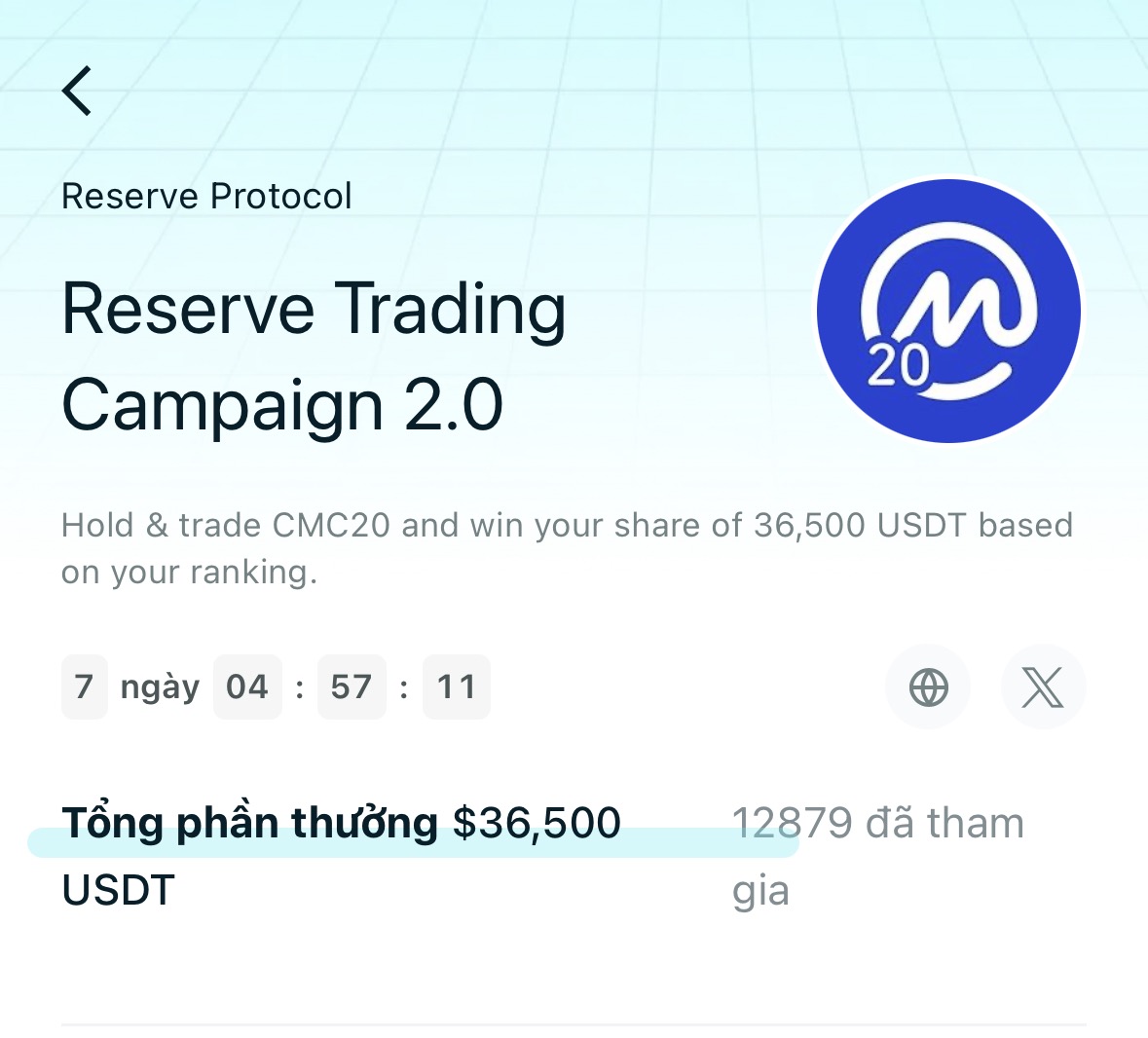
🧧 Có kèo bào kiếm tí $USDT cuối năm này ae! Vào làm tí volume kiếm thêm thu nhập từ @BitgetWallet & Reserve nhé. 🏵️Kèo này có pool tới 36.500 $USDT - End 4/1/2026. ✅ Quest cực đơn giản: 1️⃣ Trade token $CMC20 trên mạng BNB Chain. 2️⃣ Cày volume lọt Top 1000. 3️⃣ Lưu ý: Phải giữ ít nhất $10 $CMC20 trong ví tới ngày 04/01 mới được tính hợp lệ nhé! 📌Đặc biệt rank air $USDT top 50 khá ổn áp: - Top 1: 3000 $USDT - Top 2: 1500 $USDT - Top 3-5: 1000 $USDT - Top 6-20: 300 $USDT - Top 21-50: 150 $USDT Chiến thôi ae⏳ 📌Link join Campaign ở đây: newshare.bwb.global/en/earnCoinsTa… 📌Link đăng kí tài khoản Bitget Wallet (được ưu đãi): web3.bitget.com/invite/card/N4… - CODE: N4afQP
KT tweet media
Tiếng Việt
33
4
36
10.4K
yiyi
yiyi@celiv7x·
@0xdaddy_hey @billions_ntwk how to prove you’re real in a digital world full of bots and agents, without turning identity into surveillance.
English
0
0
0
2
Daddy Hey
Daddy Hey@0xdaddy_hey·
gm fam @billions_ntwk is best understood as the identity primitive in a larger privacy-first trust stack. instead of choosing between real-name systems or full anonymity, billions focuses on proving uniqueness. one human or one agent, without exposing raw personal data. mobile-first verification, zk proofs, expiring credentials. the goal is simple: reduce sybil behavior while keeping privacy intact. what matters is the separation of layers. billions handles uniqueness and identity. reputation and validation can be built on top by other networks. that modularity is intentional, even if it creates short-term ux friction today. this isn’t a finished system pretending to be perfect. it’s a foundational layer solving the hardest part first: how to prove you’re real in a digital world full of bots and agents, without turning identity into surveillance. early, opinionated, and clearly infra. this is how privacy-centric trust economies actually start
더 쓰니 | THE SSUNI 🫂@seongmoolee

프라이버시 신원·평판·검증 경제의 구조와 한계 @billions_ntwk , @foruai , @miranetwork 디지털 환경에서 개인과 인공지능 에이전트의 신원과 신뢰를 어떻게 증명할 것인가는 오랫동안 풀리지 않은 과제였다. 실명 기반 계정은 편리하지만 개인정보 노출과 중앙집중적 통제가 뒤따르고 완전한 익명성은 봇과 중복 계정 문제로 신뢰를 약화시킨다. 이러한 긴장 속에서 영지식 증명과 탈중앙화 기술을 활용해 신원, 평판, 검증을 분리하면서도 연결하려는 시도가 등장했고 그 대표적인 사례로 Billions Network, ForU AI, Mira Network가 각각 다른 층위를 담당하고 있다. Billions Network는 인간 또는 에이전트의 유일성을 증명하는 데 초점을 맞춘다. 사용자는 모바일 환경에서 여권 NFC 스캔이나 3차원 얼굴 인식을 통해 생체 정보를 직접 처리하고 이 과정에서 생성된 비가역적 해시를 바탕으로 영지식 증명을 만든다. 이 증명은 온체인에 기록되지만 개인을 식별할 수 있는 원본 데이터는 외부로 노출되지 않는다. 증명은 일정 기간이 지나면 만료되며 갱신과 폐기 역시 명시적인 절차를 통해 관리된다. 이러한 구조는 한 사람이 여러 계정을 만드는 시빌 공격을 줄이는 데 효과적이라는 점이 실제 캠페인 사례를 통해 확인된 바 있다. ForU AI는 이렇게 생성된 신원 위에 활동 기록과 평판을 쌓는 역할을 맡는다. 이 시스템에서 신원은 동적 메타데이터를 가진 디지털 식별자로 표현되며 사용자의 검증된 행동과 기여가 누적되면서 경험치와 배지, 종합 점수로 환산된다. 평판은 단순한 팔로워 수나 노출 지표가 아니라 실제로 확인된 활동에 기반한다는 점이 특징이다. 다만 구체적인 점수 산정 방식이나 데이터 저장 구조는 공개적으로 상세히 설명되어 있지 않아 외부에서 그 공정성을 완전히 검증하기에는 한계가 있다. Mira Network는 검증과 보상의 영역을 담당한다. 이 네트워크에서는 노드 운영자와 위임자가 자원을 제공하고 여러 인공지능 모델을 활용해 주어진 주장이나 결과를 평가한다. 다수결과 스테이킹, 계산 작업을 결합한 구조를 통해 검증 정확도를 높이고 부정 행위에는 경제적 불이익이 따르도록 설계되어 있다. 검증 작업의 결과와 기여도에 따라 보상이 분배되지만 개별 참여자의 기여가 보상에 어떻게 반영되는지에 대한 세부 기준은 제한적으로만 공개되어 있다. 이 세 시스템을 하나의 흐름으로 바라보면 고유성 증명, 평판 축적, 검증과 보상이라는 단계가 자연스럽게 이어지는 것처럼 보인다. 그러나 현재 시점에서 이들은 독립적으로 운영되고 있으며 공식적으로 검증된 통합 사례는 없다. 각 단계마다 별도의 지갑 연결과 비용, 절차가 요구되고 서로 다른 체인과 토큰을 오가야 한다는 점은 사용자 경험 측면에서 부담으로 작용한다. 또한 증명의 만료나 평판의 이전, 보상의 연동과 같은 상태 변화를 어떻게 동기화할지에 대한 표준도 마련되어 있지 않다. 그럼에도 불구하고 이 구조가 제시하는 방향성은 분명하다. 개인정보를 드러내지 않으면서도 한 사람 또는 한 에이전트임을 증명하고 그 위에 쌓인 신뢰와 기여를 토대로 역할과 보상을 배분하려는 시도는 기존 웹 환경에서 해결하기 어려웠던 문제를 정면으로 다룬다. 현재로서는 기술적 가능성과 운영상의 제약이 동시에 존재하며 각 요소가 가진 강점이 실제로 하나의 경제로 작동하기 위해서는 추가적인 표준화와 검증된 연계가 필요하다. 지금 단계에서 이 세 네트워크는 완성된 하나의 시스템이라기보다 프라이버시 중심의 신원과 평판 경제를 구성할 수 있는 개별적인 기반 요소로 이해하는 것이 가장 정확하다.

English
106
0
83
348
yiyi
yiyi@celiv7x·
@Ngoclam1992 It feels less like browsing data and more like reading the story behind it.
English
0
0
0
3
Emerald Woods 🟡
Emerald Woods 🟡@Ngoclam1992·
🚀 Arc Terminal — A Platform Built for Users Who Want Real Context in Web3 Arc Terminal is emerging as a platform designed for people who don’t just want blockchain data — they want understanding. Instead of overwhelming users with charts and transactions, Arc Terminal delivers structured insights that reveal how value actually moves on-chain. The dashboard brings together wallet tracking, fund flow analysis, and behavioral signals in one place, making it easier to follow trends that matter instead of noise that distracts. It feels less like browsing data and more like reading the story behind it. What makes Arc Terminal even more compelling is its incentive-driven approach. Through Arc Points and daily engagement, users are encouraged to contribute, explore, and think critically — creating a model where participation fuels growth for both sides. As more users seek clarity in a rapidly expanding Web3 landscape, Arc Terminal is positioning itself as a platform that turns complexity into direction — and rewards you along the way. @TheARCTERMINAL #ArcTerminal
English
25
0
22
82
yiyi
yiyi@celiv7x·
@GpaAndy @inference_labs ou’re good at one piece, you can still earn, that’s a very different economic model.
English
0
0
0
5
Andy the Jet 🐬TermMax
Andy the Jet 🐬TermMax@GpaAndy·
gm @inference_labs fam the leaked google memo was a big signal here. open source groups, using cheap hardware and fast iteration, can get close to closed models in performance. that means the bottleneck isn’t intelligence anymore. it’s distribution, incentives, and coordination. this is where inference labs gets interesting. instead of hoarding models, they focus on letting many actors participate. datasets, agents, evaluation, settlement all become separate pieces. if you’re good at one piece, you can still earn. that’s a very different economic model. web2 ai companies scale by locking users in. web3 native ai, if done right, scales by letting others build on top without permission. inference labs is clearly betting that open participation beats closed efficiency over time, even if it looks messier early on. @jointheparti
Andy the Jet 🐬TermMax tweet media
English
38
1
38
570
yiyi
yiyi@celiv7x·
@Toys_Pham Top up with 1,000+ tokens, including BTC & ETH directly from self-custody
English
0
0
0
1
Toy🟨
Toy🟨@Toys_Pham·
💭 The dream is simple:
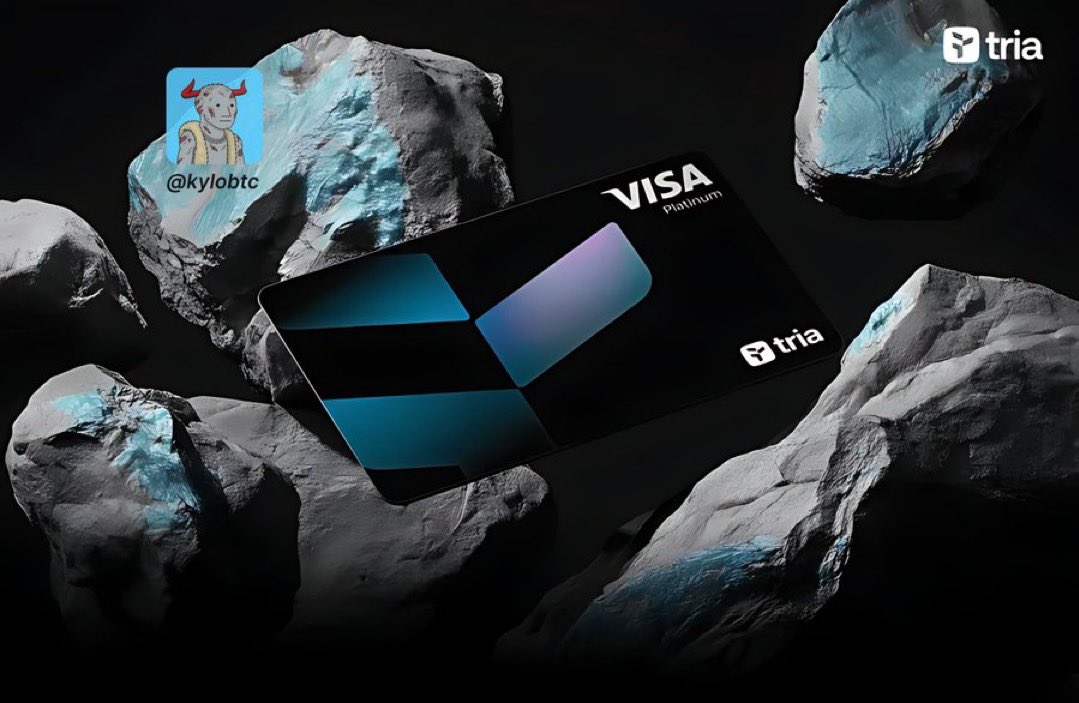
spend your crypto anywhere, without ever giving up custody. The $TRIA Card makes that real. It’s a Visa-powered debit card accepted at 130M+ merchants worldwide 🌍
yet your assets stay in your wallet until the exact millisecond of purchase 🔐 Under the hood ⚙️
🔹 Gasless, cross-chain swaps via BestPath AI — no bridges
🔹 Top up with 1,000+ tokens, including BTC & ETH directly from self-custody
🔹 Up to 6% crypto cashback, funded sustainably from fees — not token inflation The final barrier between onchain wealth and the real world is gone. This is how crypto becomes everyday money —
powered by @useTria 🚀
Toy🟨 tweet media
English
87
0
70
396
MinD
MinD@8xMind·
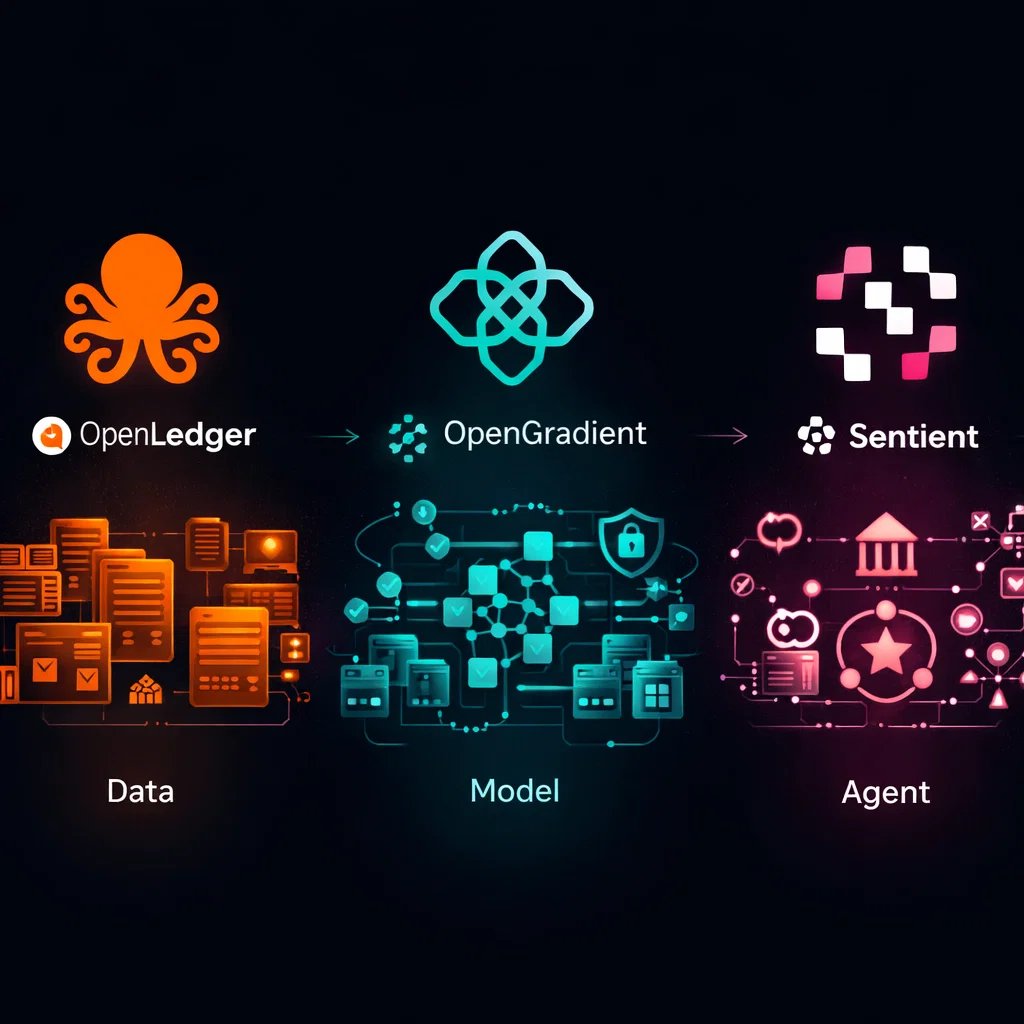
I really like how @seongmoolee lays this out as a pipeline instead of a slogan. When you zoom out, the roles are surprisingly clean. @OpenledgerHQ is about making data legible, attributable, and payable. @OpenGradient is about making models executable, verifiable, and reproducible. @SentientAGI is about turning those models into community-owned assets with rules, identity, and upside. None of them alone is "the AI asset stack". But together, you can start to see how data turns into models, models turn into agents, and agents start behaving like real assets instead of demos. What stood out to me is that the hard parts aren’t hidden. Cross-chain friction, verification overhead, UX pain, governance boundaries. It’s all there. This feels less like a finished system and more like the first honest map of where AI assetization could actually happen.
MinD tweet media
더 쓰니 | THE SSUNI 🫂@seongmoolee

데이터가 모델이 되고 모델이 에이전트가 되는 길목에서 생기는 'AI 자산화'의 실제 절차 @OpenledgerHQ , @OpenGradient , @SentientAGI 은 각각 데이터의 출처와 정산, 모델의 호스팅과 검증 가능한 추론 그리고 커뮤니티 소유와 표준이라는 서로 다른 역할을 전면에 내세우는 프로젝트로 알려져 있다. 이 셋을 함께 놓고 보면 한쪽에서는 파일과 기록이 남고 다른 쪽에서는 모델이 배포되고 실행되며 또 다른 쪽에서는 그 결과물의 소유와 수익 분배 규칙을 다루는 식으로 데이터에서 시작해 모델을 거쳐 에이전트까지 이어지는 단계들이 어떤 형태로든 '자산'처럼 취급되기 쉬운 구조가 드러난다. 다만 2025년 12월 기준으로 이 세 프로젝트를 하나의 공식 파이프라인으로 묶어 설명하는 단일 통합 문서가 존재하지 않는 것으로 정리되어 있고 프로토콜 간 공식 통합이 이미 제공된 상태라고 말할 근거도 제시되어 있지 않다. OpenLedger는 EVM 호환 AI 블록체인으로 소개되며 특정 도메인의 데이터 저장소로서 Datanet이라는 개념을 중심에 둔다. 기여자는 .md, .pdf, .txt, .docx 같은 파일을 업로드하고 시스템이 이를 LLM으로 파싱해 행 단위로 정리한 뒤 블록체인에 기록하는 흐름이 설명되어 있다. Datanet을 만드는 쪽은 이름, 요약, 설명, 태그 같은 메타데이터를 입력하고 파일을 올린 다음 파싱된 행을 검토한 뒤 지갑 트랜잭션으로 발행하는데 이 과정에서 파일 크기 기반으로 OPEN 수수료가 든다고 안내되어 있다. 공개형 Datanet은 커뮤니티 기여를 받을 수 있고 소유자가 승인 또는 거절을 하면 그 결정이 온체인 버전으로 반영되며 파일 업로드나 행 수정이 있을 때마다 V1에서 V2로 넘어가듯 새 버전이 만들어진다고 한다. 각 버전의 데이터 행은 그 버전 안에서는 변경되지 않는 방식으로 설명되고 무결성과 출처 추적은 Datanet Registry에 저장되는 해시와 머클 루트 같은 암호학적 값에 의존하며 원문 데이터 자체는 오프체인에 저장된다는 점도 함께 제시되어 있다. OpenLedger가 '자산화'라는 말을 실감나게 만드는 지점은 라이선스와 정산이 단순한 문서 약속이 아니라 워크플로와 계약 로직에 걸려 있다는 설명에서 잘 드러난다. Datanet 등록 시 기계 판독 가능한 라이선스를 붙일 수 있고 비상업, 저작자 표시, 동일조건변경허락, 변경금지 같은 선택지가 정리되어 있으며 예를 들어 비상업 데이터는 상업적 학습 작업에서 차단하는 식의 제어가 스마트 컨트랙트로 구현된다고 서술되어 있다. 데이터 접근 권한도 소유자 승인 기반으로 작동한다고 하고 위반이나 분쟁 상황에서는 온체인 기록이 해시, 타임스탬프, 지갑 주소 같은 증거로 쓰일 수 있다는 식으로 설명되어 있다. 여기서 핵심 장치로 제시되는 것이 Proof of Attribution 즉 PoA인데 데이터 제출 기록, 영향도 점수화, 학습 로그, 비례 보상, 품질 집행 같은 구성 요소가 암호학적 기록과 결합된 파이프라인으로 설명된다. 또한 RAG 환경에서 생성 결과가 어떤 데이터 소스를 가져왔는지 추적하고 사용 패턴에 따라 보상을 분배하는 방식까지 언급되어 있다. 모델, 어댑터, 데이터, 에이전트 각각을 레지스트리로 다루고 학습에 사용된 Datanet과 구성 해시를 모델 레지스트리에 연결하거나 LoRA 같은 어댑터 파라미터를 어댑터 레지스트리에 남기거나 에이전트 ID와 컨트랙트 주소를 에이전트 레지스트리에 기록하는 구조도 함께 제시되어 있다. 이렇게 기록이 쌓이면 "누가 무엇을 제공했고 그 결과가 어디서 얼마나 쓰였는가"를 돈과 연결하고 싶은 유혹이 자연스럽게 생긴다. OpenLedger 쪽 문서에서는 실제로 OPEN 토큰 기반 마이크로페이먼트로 추론, API 호출, 채팅 같은 사용 단위를 과금하는 메커니즘이 제시되어 있고 PoA와 스마트 컨트랙트를 통해 데이터 기여자, 큐레이터나 검증자, 모델 제작자, 에이전트 제작자 사이의 분배가 자동으로 이뤄진다고 설명되어 있다. 발행, 학습, 배포 과정에서 드는 OPEN 수수료가 보상 풀로 쓰인다는 언급도 포함되어 있다. 동시에 한계도 분명히 적혀 있는데 원문 데이터가 오프체인에 있고 온체인에는 해시와 머클 루트만 남으므로 외부에서 데이터를 가져와 검증하는 과정이 필요하다는 점, 데이터 품질 통제가 LLM 파싱과 승인 절차 그리고 사후 슬래싱에 의존한다는 점, 대량 추론에서 어트리뷰션 로깅이 확장성 문제를 겪을 수 있다는 점이 함께 제시되어 있다. 메인넷이 2025년 9월에 출시되었다는 시점 정보와 2025년 하반기에 문서가 갱신되었다는 설명도 포함되어 있다. 모델 단계로 넘어가면 OpenGradient가 다른 무대를 만든다. OpenGradient는 Walrus 기반 분산 스토리지 위에 AI 모델을 올리고 레지스트리로 관리하는 구조로 소개되며 2025년 12월 19일 기준 테스트넷에서 1,000개 이상의 '검증 가능한' 모델이 호스팅되어 있다고 정리되어 있다. 모델은 리포지토리 형태로 구성되고 릴리스와 파일을 포함하며 웹 프런트엔드나 파이썬 SDK로 접근할 수 있다고 한다. 여기서 눈에 띄는 점은 모델 파일의 버전 해시가 원장에 커밋되어 재현성을 보장한다는 설명과 ONNX 포맷이 프레임워크 간 호환을 위해 권장된다는 점이다. OpenGradient가 특히 강조하는 것은 '추론이 제대로 실행되었는지'를 검증하는 방식의 선택지다. 문서에서는 네 가지 모드를 제시하는데 ZKML은 영지식 증명으로 즉시 암호학적 검증을 제공하는 대신 지연이 1000배에서 10000배까지 커질 수 있다고 적혀 있고 TEE는 하드웨어 어테스테이션으로 2배에서 3배 정도의 오버헤드를, ZK-CRV는 확률적 샘플링 기반의 도전응답으로 1배에서 2배 수준의 오버헤드를, Vanilla는 별도 검증 없이 일반 계산으로 동작한다고 정리되어 있다. 또한 실행마다 입력, 프롬프트, 출력 같은 트레이스를 온체인으로 남겨 감사 가능성을 제공한다는 설명, 멤풀에서 병렬로 실행을 준비하는 PIPE라는 메커니즘으로 처리량을 높인다는 설명이 함께 제시되어 있다. EVM에서 네이티브로 모델을 호출할 수 있도록 프리컴파일을 제공한다는 언급과 Base Sepolia 테스트넷 체인 ID 84532에서의 통합이 언급되며 2025년 12월 기준 메인넷 배포는 미정이라고 정리되어 있다. 에이전트 관점에서는 OpenAI 스타일의 툴 콜링 인터페이스, LangChain이나 Swarm 같은 프레임워크 연동, MemSync라는 지속 메모리 시스템, 실행 추적을 보여주는 Agent Explorer 같은 요소가 소개되어 있다. 반대로 학습이나 파인튜닝에 대한 명시적 문서가 부족하고 플랫폼이 주로 호스팅과 추론에 초점을 둔다는 '공백'도 같이 언급되어 있다. Sentient는 모델을 단순히 배포 가능한 파일이 아니라 소유와 거버넌스, 수익 분배가 붙는 '공동체의 자산'으로 다루는 방식에 초점을 맞춘 것으로 소개된다. Sentient는 오픈소스 AI 연구 조직으로 포지셔닝되어 있고 GRID라는 지능 네트워크, Sentient Chat이라는 사용자 인터페이스, OML이라는 소유 표준 그리고 Dobby나 ROMA 같은 모델 이름이 함께 제시되어 있다. 2024년 7월 8,500만 달러 시드 투자 언급과 함께 2025년 12월 기준 토큰 생성 이벤트 이전 단계이며 향후 $SENT 토큰을 계획하고 있다는 설명이 포함되어 있다. 거버넌스는 개별 모델을 다루는 ArtifactDAO와 프로토콜 레벨을 다루는 SentientDAO의 이중 구조로 정리되어 있고 수익 공유와 모델 진화에 대한 투표 권한 같은 권리 구조가 온체인 계약을 통해 다뤄진다고 설명되어 있다. EigenLayer 협업으로 2025년 2월에 Judge Dobby라는 분쟁 자동 판정 모델이 개발되었다는 언급, 제안이 헌장과의 정합성을 평가받는 과정에 CHANCERY 벤치마크가 쓰인다는 언급도 함께 나온다. Sentient에서 '자산화'의 표준으로 제시되는 것은 OML, 즉 Open, Monetizable, Loyal이라는 성질을 묶은 프레임워크다. 오픈은 모델 가중치가 다운로드 가능하다는 뜻으로, 수익화 가능은 사용 추적과 수익 API로 보상을 연결한다는 뜻으로, 충성은 모델 가중치에 암호학적 지문을 심어 출처와 가치를 집행한다는 뜻으로 설명되어 있다. 이 지문은 TEE나 온체인 메커니즘과 연결되어 접근 통제와 출처 추적에 쓰인다고 제시되고 OML 관련 내용이 NeurIPS 2025 워크숍에서 발표되었다는 언급도 포함되어 있다. GRID는 에이전트, 데이터, 도구, 컴퓨트를 묶어주는 디렉터리 또는 API 성격의 네트워크로 설명되며 110개 이상의 파트너가 있다는 숫자도 제시되어 있다. Sentient Chat은 GRID로 들어가는 관문으로 소개되고, 2025년 11월 베타 기준 29만 사용자와 월간 활성 사용자 5만이라는 수치가 언급되어 있으며 질의 처리 과정에서 어떤 모델이나 에이전트가 사용되었는지 실시간으로 보여준다는 설명이 포함되어 있다. Sybil 방어로 'Billions ZK selfie proof' 같은 1인 1계정 검증을 언급하고 봇 트래픽이나 조작을 줄이기 위한 행동 분석과 감사, 지문 검출, 슬래싱 같은 요소도 함께 소개되어 있다. 2025년 11월에 채팅 사용자와 커뮤니티 역할, 연구자 등을 대상으로 한 과거 에어드롭이 있었다는 설명과 2,200만 쿼리 처리 같은 수치도 자료에 포함되어 있다. 이제 이 셋을 '데이터에서 모델로 모델에서 에이전트로' 이어지는 파이프라인처럼 바라볼 때 가장 눈에 띄는 것은 각 단계가 무엇을 남기고 무엇을 실행하는지의 역할 분담이다. OpenLedger는 Datanet과 레지스트리를 통해 데이터 버전과 기여자, 라이선스, 학습 참조 같은 흔적을 남기는 쪽에 가깝고 OpenGradient는 모델 파일의 버전과 실행 로그 그리고 실행이 정직했음을 보여주는 검증 수단을 제공하는 쪽에 가깝고 Sentient는 그 모델이 공동체 안에서 어떻게 소유되고 어떤 규칙으로 수익을 나누며 어떤 표준으로 '정품임'을 주장할지를 다루는 쪽에 가깝다. 자료에는 예시 흐름으로 OpenLedger에서 데이터셋을 등록하고 학습 로그를 남기고 학습 결과물을 어댑터 레지스트리에 기록한 뒤 모델을 ONNX로 내보내 OpenGradient 모델 허브에 업로드해 CID와 버전 해시를 받으며 Sentient의 GRID 레지스트리에 올려 OML 지문과 거버넌스 파라미터, 수익화 규칙을 붙이는 순서가 제시되어 있다. 에이전트 단계에서는 Sentient의 오케스트레이션 레이어가 작업을 분해하고 라우팅하며 에이전트가 OpenGradient의 추론을 호출하고 그 호출 기록이 트랜잭션 해시 같은 형태로 남아 출처 추적과 정산의 실마리가 된다는 식의 서술도 포함되어 있다. 이 흐름이 실제 운영에서 제일 먼저 부딪히는 문제로 자료가 지적하는 것은 '서로 다른 체인과 거버넌스의 경계'다. OpenLedger는 EVM 환경으로 정리되어 있고 OpenGradient는 별도의 L1로 구분되어 있으며 Sentient는 거버넌스 레이어와 표준 그리고 GRID 네트워크를 중심으로 설명된다. 정산이 실제로 한 줄로 이어지려면 체인 간 메시징이 필요하다는 점이 자료에 명시되어 있고 OpenLedger는 LayerZero 통합이 언급되지만 OpenGradient 쪽 브리지 메커니즘은 2025년 12월 기준 문서화되지 않았다고 정리되어 있다. 토큰 체계도 OpenLedger의 $OPEN 과 Sentient의 향후 $SENT 처럼 분절되어 소개되어 있어 사용자가 여러 지갑과 여러 결제 단위를 오가야 한다는 운영 부담이 UX 관점의 마찰로 서술되어 있다. 성능과 신뢰의 맞바꿈도 이 파이프라인을 '자산화'라는 말에서 '서비스'라는 말로 옮겨갈 때 가장 민감한 지점으로 드러난다. OpenGradient의 검증 모드에서 ZKML은 강한 검증을 제공하는 대신 지연이 매우 크다고 정리되어 있고 TEE와 ZK-CRV는 상대적으로 낮은 오버헤드를 가진다고 제시되어 있다. 자료에는 오프체인에서의 빠른 추론과 온체인 정산을 결합하는 하이브리드 구조가 언급되며 원장에 남겨야 하는 것은 출처와 정산에 필요한 최소한의 증거로 좁혀지고, 계산 자체는 GPU 클러스터 같은 오프체인 자원에서 수행될 수 있다는 설명이 포함되어 있다. 동시에 OpenLedger의 원문 데이터 오프체인 저장 구조, 대량 추론에서의 어트리뷰션 로깅 부담, 데이터 품질이 사전 검증보다는 승인과 사후 슬래싱에 기댄다는 점이 한계로 정리되어 있어 "무결성은 증명할 수 있지만 품질은 별도의 사회적 절차와 결합된다"는 느낌을 준다. 그럼에도 이 조합이 Web2와 구별되는 지점은 자료가 비교 항목으로 제시한 요소에서 분명해진다. 중앙화 플랫폼에서는 데이터 출처와 학습 데이터가 불투명하거나 수익 분배가 계약과 플랫폼 정책에 의해 좌우되기 쉽고 기여자가 다운스트림 수익에 직접 연결되지 않는 경우가 많다고 정리되어 있다. 반면 여기서는 Datanet의 해시와 머클 루트, 학습 로그, 모델 버전 해시, 실행 트레이스, OML 지문 같은 암호학적 흔적이 누적되어 누가 무엇을 제공했고 무엇이 어떤 방식으로 쓰였는지 확인 가능한 형태로 남는다고 설명된다. 자동 정산은 스마트 컨트랙트가 담당한다는 점이 반복해서 강조되고 추론이 검증 모드로 실행될 수 있다는 점도 신뢰의 근거로 제시된다. 한편 지갑, 가스, 멀티 토큰, 마이크로페이먼트 같은 요소가 일반 사용자에게는 진입 장벽이 될 수 있고 투명한 어트리뷰션이 모든 사용자에게 같은 가치를 주는 것은 아니라는 점도 UX의 부담으로 함께 정리되어 있다. 정리하면 OpenLedger는 데이터가 '누구의 것이었는지'와 '어떻게 쓰였는지'를 남기는 장부를 만들고, OpenGradient는 모델이 '어떤 버전으로' '어떤 방식으로' 실행되었는지와 그 실행을 '어떻게 검증할지'를 고르게 하며 Sentient는 그 모델과 에이전트가 공동체 안에서 '어떤 권리와 책임'으로 묶이고 '어떤 표준'으로 정품성과 수익화를 주장할지를 구성하는 쪽에 가깝다. 이 셋을 한 줄로 완전히 묶는 공식 통합은 2025년 12월 기준 확인된 형태로 제시되어 있지 않지만 데이터 등록과 버전 관리, 모델 호스팅과 검증 가능한 추론, 표준화된 지문과 거버넌스, 사용 기반 수익 분배라는 요소들이 각각의 프로젝트 설명 속에 자리하고 있다는 점은 분명하다. 결국 'AI 자산화 파이프라인'이라는 말은 마법처럼 한 번에 완성된 시스템을 뜻하기보다 데이터와 모델과 에이전트가 지나가는 지점마다 남는 기록과 증거 그리고 그 기록을 돈과 권리로 바꾸는 절차가 어디에 놓여 있는지를 차근차근 확인해 보는 관점에 가깝다.


English
64
1
52
463
aspiration🐬TermMax
aspiration🐬TermMax@sZenithStryker·
Morning SIXR crew. @SIXR_cricket is not trying to be another complicated Web3 game. It is built around one simple idea people love cricket and they want to play it, not grind through boring mechanics. The whole experience is centered on the most exciting moment in the sport smashing sixes. You jump straight into challenges, matches, and competitions where skill actually matters and every hit feels rewarding. It is fast, competitive, and fun without turning into a second job. On top of gameplay, there is real digital ownership. NFTs, sticker packs, and collectibles are part of the ecosystem and even cricket icons like Chris Gayle are already part of the culture. That brings real energy and credibility to the game. The community side is just as strong. Telegram is always active with live chats, challenges, and social interaction that makes it feel like a shared cricket playground instead of a solo game. You can earn through missions, referrals, and leaderboards, all backed by a team that clearly understands both gaming and Web3. Nothing feels forced or over engineered. If cricket is your thing and you want to play, compete, earn, and show off at the same time, SIXR is built exactly for that. Simple, fun, and straight to the point.
aspiration🐬TermMax tweet media
aspiration🐬TermMax@sZenithStryker

Gm fam @SIXR_cricket goes far beyond the idea of a casual sports game. It feels like stepping into a living cricket world where every action carries weight and every decision can move you up or down the ranks. Missions are not just filler content. Tournaments are not just for show. Skill based challenges actually reward focus timing and consistency, the same traits that define real cricket legends. What really stands out is how the platform turns fans into participants. You are no longer watching highlights from the sidelines. You are competing climbing global leaderboards and building your own identity inside the ecosystem. Wins feel earned. Losses push you to come back sharper. That loop creates real emotional attachment. The community layer adds another dimension. Shared competition shared progress and shared pride make the experience social instead of isolated. It captures the obsession the rivalries and the passion that make cricket more than just a sport. $SIXR takes that raw energy and translates it into a digital environment that feels alive competitive and deeply engaging. It is not about quick play sessions. It is about commitment progression and belonging to a cricket universe that keeps pulling you back in.

English
25
1
21
1.4K
yiyi
yiyi@celiv7x·
@tbros6868 4.5M active users, with Irys + Pico Prism tightening audit + near-instant verification. that’s a usable trust layer
English
0
0
0
13
Tbros6868
Tbros6868@tbros6868·
미라 네트워크 아이디어 완전 공감! AI 신뢰성 확보가 진짜 중요한 문제인 것 같아. 초기 인터넷처럼 암호화 없이 막 굴리다가 나중에 큰 코 다칠 수 있다는 거지. 설명 가능한 AI라니, 뭔가 안심되는 느낌? 🤔 이게 앞으로 AI 발전의 필수 조건이 될까? the old stack trusted single-model answers and short-term memory. the new stack flips that. @miranetwork slices outputs into claims and makes every verifier check the same statement with the same context. no interpretation games. plus the node transparency + capability registry on @CodeXero_xyz by @ClusterProtocol means you know which gpu, region, uptime you’re routing to. december notes show 3B+ tokens processed daily and 4.5M active users, with Irys + Pico Prism tightening audit + near-instant verification. that’s a usable trust layer, not a pitch #AI #infra $MIRA over on @Kindred_AI the shift is continuity. agents carry identity, mood and tiny rituals across days, and the 900k+ waitlist + licensed IPs (pudgy, hello kitty, teletubbies, astro boy) hint at real daily engagement. on-chain memory + companions in phase three feels like a real life assistant, not a demo. when $KIN ties rewards to consistent interaction, you get stickiness instead of hype #agents #onchain. question is simple: when trust and continuity stack, do we finally get autonomous agents people rely on every day or does the edge case chaos still win?
Doonbo@Doonbo_artist

[@miranetwork ] AI 신뢰는 옵션이 아니라 인프라다 인터넷 초창기에는 모든 웹 트래픽이 평문으로 전송됐지만 당시엔 모두가 굳이 암호화가 필요할까?라고 생각했었습니다 그러나 전자상거래와 금융, 개인정보가 얽히자 SSL이 선택이 아닌 기본 인프라로 자리 잡게되었습니다 이제 우리는 HTTPS가 없는 사이트 자체를 신뢰하지 않습니다 현재 AI도 비슷한 길을 걷고 있습니다 대부분의 AI 시스템은 결과만 제공할 뿐 어떻게 계산되고 어떤 데이터와 모델이 사용됐는지 검증할 수 없습니다 하지만 의료, 금융, 공공 서비스로 AI가 확장될수록 설명할 수 없는 정답은 더 이상 용납되기 어렵게됩니다 여기서 Mira가 제시하는 신뢰 레이어는 AI의 실행 과정과 출력을 암호학적으로 증명해 투명성을 표준화하려는 시도입니다 이는 새로운 기능 추가가 아니라 전체 AI 생태계 위에 깔리는 보안 인프라에 가깝습니다 인터넷이 SSL 없이 성장할 수 없듯 AI 역시 신뢰 레이어 없이는 핵심 산업으로 자리 잡기 어렵게됩니다 결국 AI 신뢰는 선택이 아니라 필수입니다 *SSL은 웹 브라우저와 서버 간의 데이터를 암호화해 도청, 위조를 막는 보안 프로토콜 현재는 발전된 형태인 TLS가 사실상 표준으로 사용

한국어
29
0
24
2.3K