Chris Findley

2.1K posts

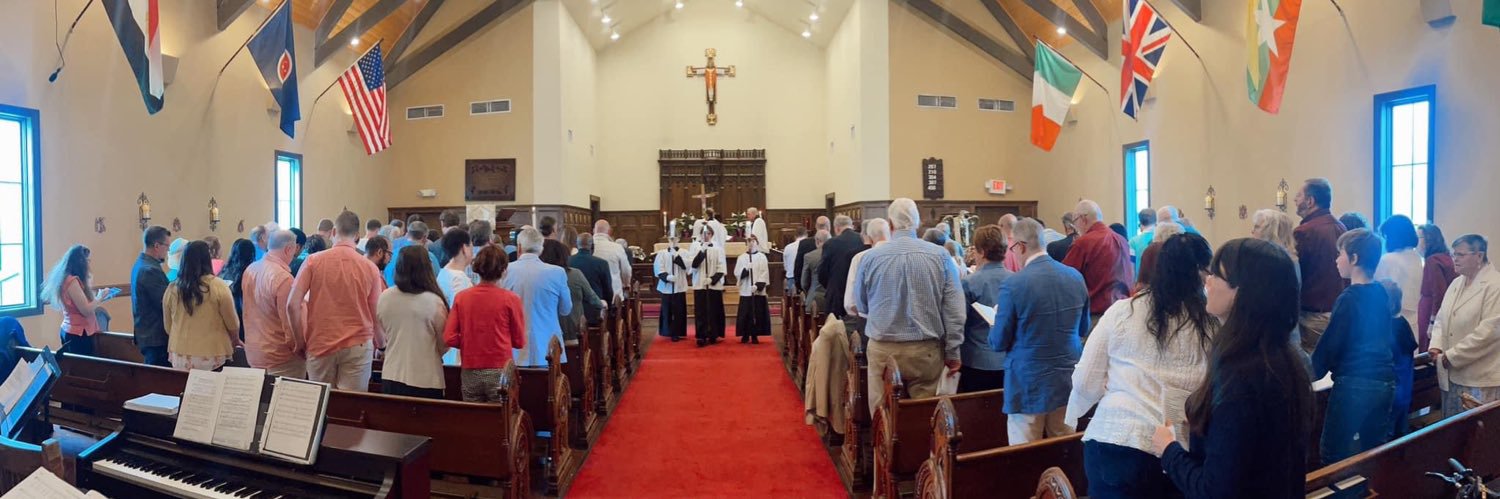
Chris Findley banner
Chris Findley

Chris Findley

@cgfindley

Anglican Priest, Writer, Speaker, Pilot, Husband and Father.
Smyrna, TN Katılım Mart 2014
344 Takip Edilen674 Takipçiler
Trevin Wax
Trevin Wax@TrevinWax·
I’ve been told by many an aspiring author they’ve got a book brewing inside them. More often than not, they’ve got a chapter. Or a blog post. Sometimes it’s other people who’ve told them they should write a book. Someone has given them a great book idea. Still, this doesn’t mean there’s a book there. Maybe that’s you. There’s something about the idea or practice of writing that’s appealing. You wonder if you’ve got something to say, maybe a book to write or an article that shares an insight you’ve not seen elsewhere. How do you know if you should write? I’ve been in these conversations many times. When I sit down with writers, I either put on my publishing hat or my author hat. Sometimes, I switch between the two, having been on both sides of the conversation. I try to help them understand what goes into the writing process so they can uncover whether their idea would make sense as a book or perhaps as a good column, essay, or blog post. 1. Writing Starts with Reading If you want to write and publish a book, you need to realize you’re entering a new world. That world must begin with a terrific proposal. And a proposal begins with other books. Writing starts with reading. If you’re going to write well, you have to read, a lot. Samuel Johnson said, “The greatest part of a writer’s time is spent in reading, in order to write; a man will turn over half a library to make one book.” Once you read up on a topic of interest, you may start to see the outline of a book coming together. It’s not enough to see it in your mind though—you’ve got to see it mapped out in a proposal. And this is where you discover if you have enough content to fill a book. For many, the book idea goes away at the proposal development stage. You find you’re not ready to write a book yet. But don’t fret. The growth you’ve experienced—the capacity you’ve cultivated in working on a proposal—isn’t wasted. Keep reading. Keep thinking. 2. The Platform Question Most people I talk to aren’t interested in writing a book for their own sake. They want to write a book people want to read. The problem is, people are highly unlikely to pick up a book from someone they don’t know, someone without a track record. That’s why, especially these days, most writers have to go through the hard work of building a platform or establishing credibility before entering into a publishing agreement. Like it or not, publishers look for a platform or for credibility for an in-demand topic. This can be the most discouraging aspect for a first-time writer, but it’s also where developing a rhythm of writing can make a difference. If you engage the habit of writing and start publishing your work to a blog or on social media, it’s possible you’ll serve a small audience. You may make connections with other writers or perhaps branch out to other online platforms. Your motivation, however, has to be service to others, not getting published. 3. Get Started; Keep Going When I talk to aspiring authors, I never want to discourage them from writing. But I do want them to know what they’re getting into. I want to help them see if they have a good book idea or maybe an article instead. I also want them to understand the stamina required. When a writer asks me about starting a blog or website, or posting brief thoughts on Facebook or Instagram, I respond with the same advice: plan out your first month prior to the launch. If you want to write three times a week, remember consistency is what matters. For a blog create 9-12 posts, two or three for each week of that launch month. Create your posts and schedule them as drafts before you launch a website. For other sites, create at least 15-20 examples of what you are hoping to do, long-term. I could count on one hand the number of people who have actually gone through with this. Most find they have a couple of good articles in them, or a couple of Facebook or Instagram reflections, not the 10–12 articles a month they’d hoped for. Oftentimes, writers start out with big aspirations for a big project. They want to blog twice a week from now on. Or they want to write a book in a couple months. They come to the work like first-time runners who set their sights on running a marathon before they’ve tried running a mile or two. It’s true in writing as well: you must walk before you run. To write well, you’ll first write poorly, and you’ll write a lot. Training is required. Regular rhythms of writing matter. Let’s face it: most of the time, writing is a slog. If you don’t see great metrics on your posts, you may get discouraged. Remember this: the point of writing regularly is the discipline, not the audience. It’s what it does for you as a writer that matters over the long haul. The point isn’t to go viral (bad writing can do that) but to grow in your skill. It’s like trying to run a marathon—you can’t hit the major goal without hitting a bunch of smaller goals first. You’ll become a better writer the more you practice and try to improve your craft. 4. Leverage Your Learning Nobody sets the pace for your writing. Don’t compare yourself to the more prolific person you see over there. You’ll always find someone who writes better, or more frequently, or for more people than you do. Not everyone has to fulfill the same calling in writing frequency or length. Don’t normalize one writer’s output. Some are like Alexander Hamilton (“Why do you write like you’re running out of time?”), while others make one or two contributions and yet may still change people’s lives through what they’ve put on paper. To sum up then, if you’re an aspiring author: (1) read everything you can on the subject that interests you; (2) begin writing often, even if few are reading your work; and (3) develop a full proposal with chapter outlines, summaries, and knowledge of other books in the same field. See where your discoveries take you. Keep honing your craft and remember: writing is learning. So don’t stop.
English
12
18
198
46.4K
Cody Bockelkamp 🛋️
Cody Bockelkamp 🛋️@praximtheology·
This may seem small to some but… I didn’t grow up in a liturgical tradition or in a house that took personal prayer time seriously. I’ve been following along a Daily Office podcast. But today was the first day praying the office without a guide. It was really wonderful.
Cody Bockelkamp 🛋️ tweet media
English
6
1
56
8.8K
SouthernAnglo
SouthernAnglo@AngloSouthern·
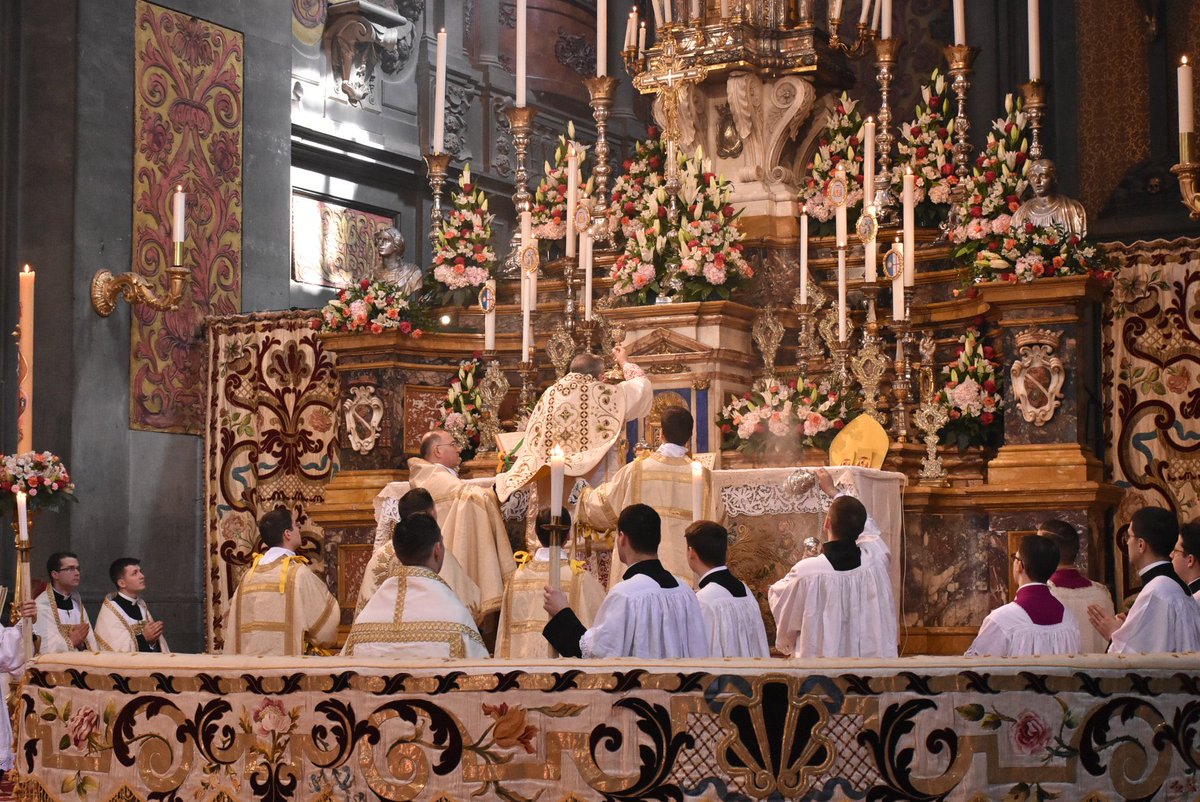
What traditional Anglicanism actually looks like:
SouthernAnglo tweet mediaSouthernAnglo tweet media
English
4
3
43
941
SouthernAnglo
SouthernAnglo@AngloSouthern·
What certain Anglicans think “traditional Anglicanism” looks like:
SouthernAnglo tweet mediaSouthernAnglo tweet media
English
7
1
140
6.1K
Chris Findley
Chris Findley@cgfindley·
Do not buy from @TrustedJerseys. I ordered two XL jerseys, both Adidas. One fit great. One fit like a medium. After explaining the situation twice, was told they couldn’t (wouldn’t) do anything to remedy.
English
0
0
0
129
Chris Findley
Chris Findley@cgfindley·
@HOMAGE I’m not a verified user, so it won’t let me message you. I’m a there an email I can send it to?
English
1
0
0
17
Chris Findley
Chris Findley@cgfindley·
@HOMAGE hey guys, order placed July 8. As of now, no update. No apparent movement. Great shirts, but really disappointed in the lack of follow thru or communication.
English
1
0
0
19
Chris Findley
Chris Findley@cgfindley·
Caelyn and her friend have started an online business to sell their paintings (on canvas) Check it out and share. If you see something you like, feel free to order. If you have questions, email: wolfcopaintings@gmail.com They want to learn about business. wolfco.webnode.page
Chris Findley tweet media
English
0
0
0
126
Chris Findley
Chris Findley@cgfindley·
@lukeappleton Sad. But not surprising given the CoE’s trajectory. Lord, have mercy.
English
0
0
1
101
𝕷𝖚𝖐𝖊 𝕬𝖕𝖕𝖑𝖊𝖙𝖔𝖓 ♱
So the Synod has voted to restrict democratic processes in the appointment of English bishops. There is now a quota of female clergy that will likely exclude ANY male clergy from Canterbury diocese being involved in appointing of the next Archbishop of Canterbury #synod
English
8
6
15
1.9K
Chris Findley retweetledi
J.C. Ryle
J.C. Ryle@JCRyle·
J.C. Ryle tweet media
ZXX
30
259
2.7K
85.3K
Chris Findley
Chris Findley@cgfindley·
@jackmat100 Good to hear. As an alum ('02), it is heartening to see your report.
English
0
0
0
93
Chris Findley
Chris Findley@cgfindley·
@monkofjustice We chant the appointed Psalm during Sunday worship each week. Our congregation loves it and sees it as a wonderful feature of our liturgical tradition. Many of them are new Anglicans and really appreciate it.
English
1
0
2
36
Will ⚓
Will ⚓@monkofjustice·
ACNA folks - any thoughts? I think the ACNA Psalter would be a more significant achievement if typical ACNA parishes used it more regularly in worship and encouraged the use of the Daily Office. Neither really happening in the local ACNA ecosystems.
Andrew Loran Raines@Make_it_Raines

Do people like the ACNA’s New Coverdale translation of the Psalter better than the 1979’s? I don’t usually mind 1979’s, but every now and again it’s obviously fudging. But I feel like I’m opposed to the de-LXXing of the Coverdale/not sure modernizing it would work well
English
18
1
24
6.8K
Chris Findley
Chris Findley@cgfindley·
Stay the course with the Gospel of Jesus Christ.
English
0
1
4
334
Chris Findley retweetledi
Jeff Walton
Jeff Walton@jeffreyhwalton·
A 12% growth in @The_ACNA attendance in 2023 (+9,211) is noteworthy. Not only has denomination recovered from COVID, attendance has now surpassed 2019 (84,310). All this as overall church attendance rates have dropped across most denominations that publicly report statistics.
Jeff Walton tweet media
English
2
7
63
3.1K
Chris Findley
Chris Findley@cgfindley·
Whatever other problems we as a society face right now, at the root, it is spiritual.
English
1
0
5
333