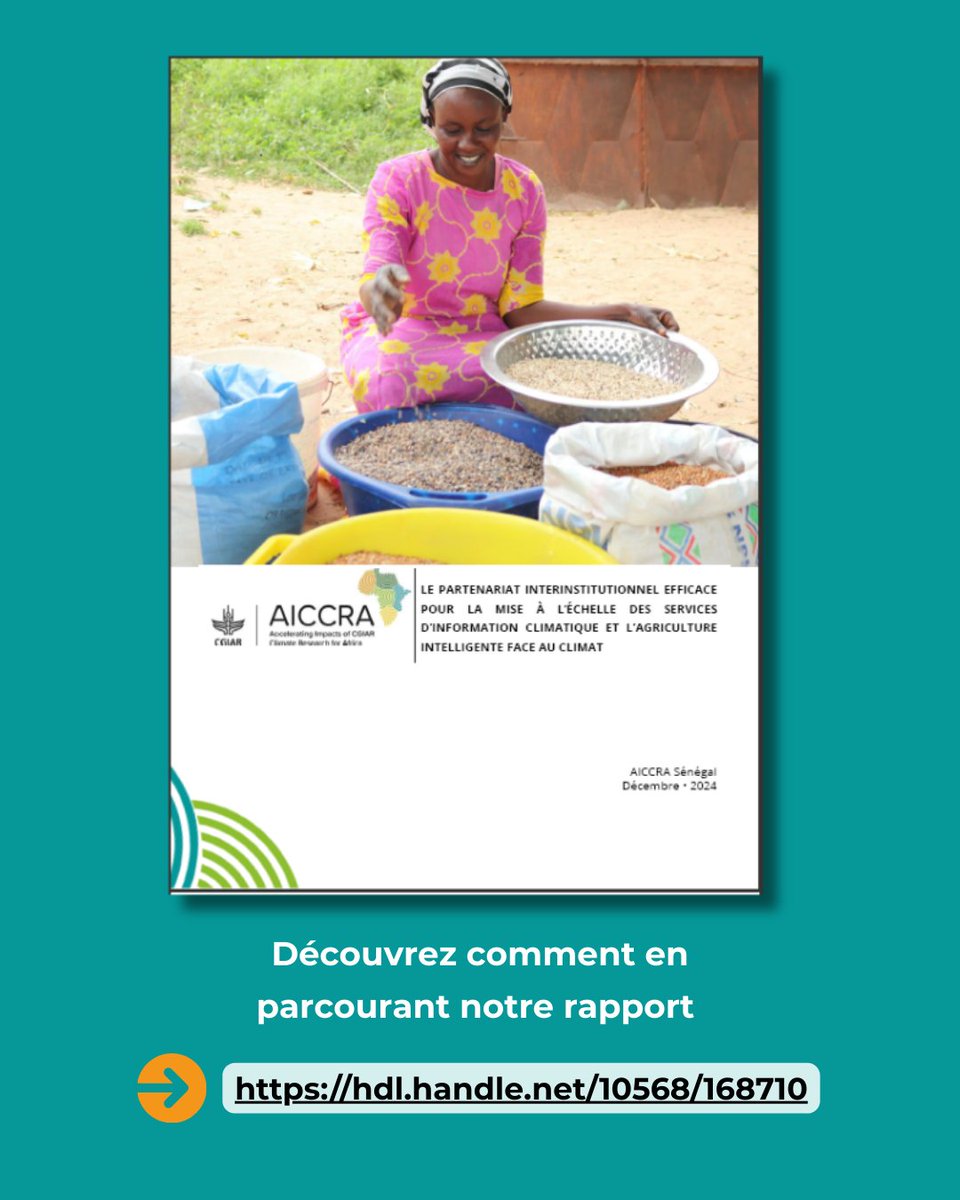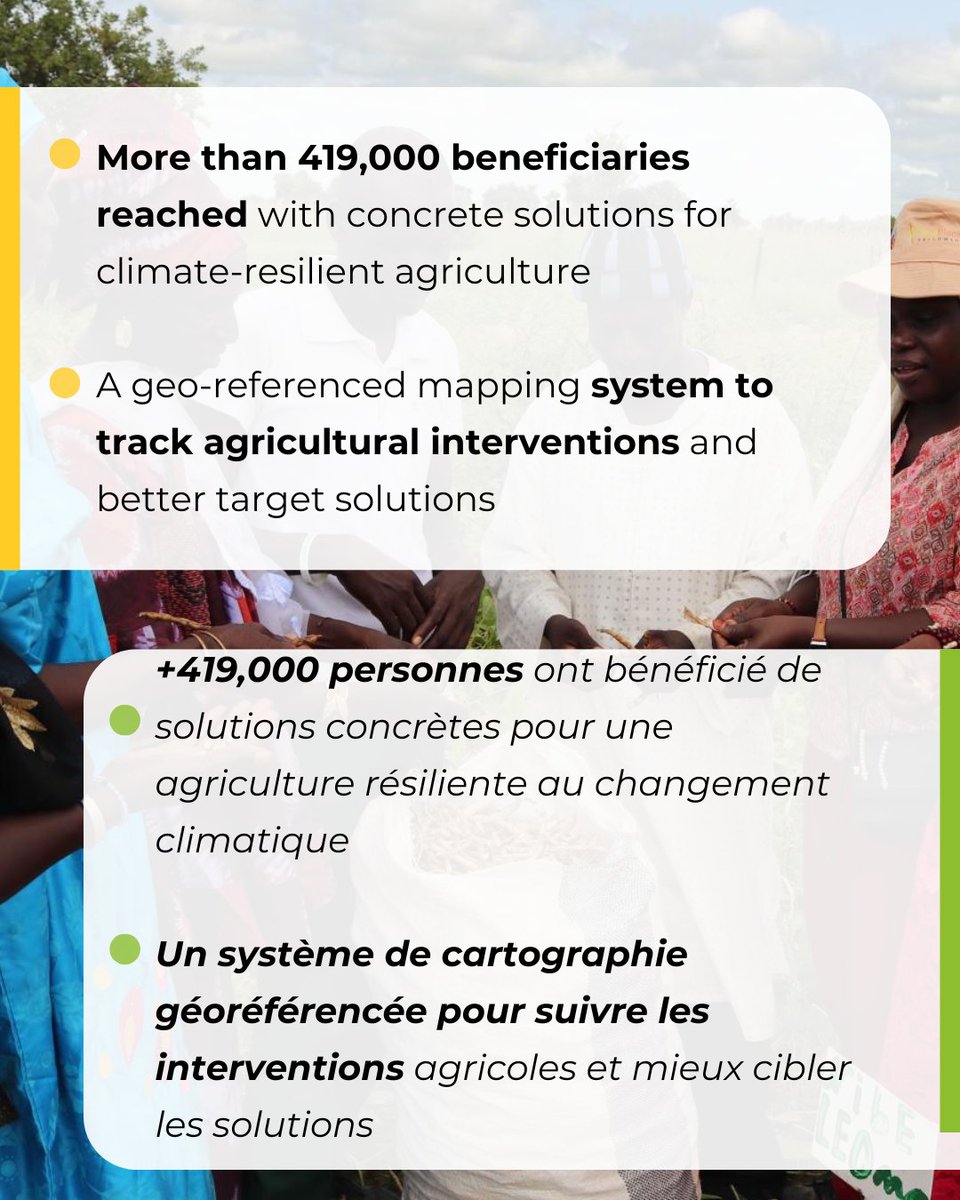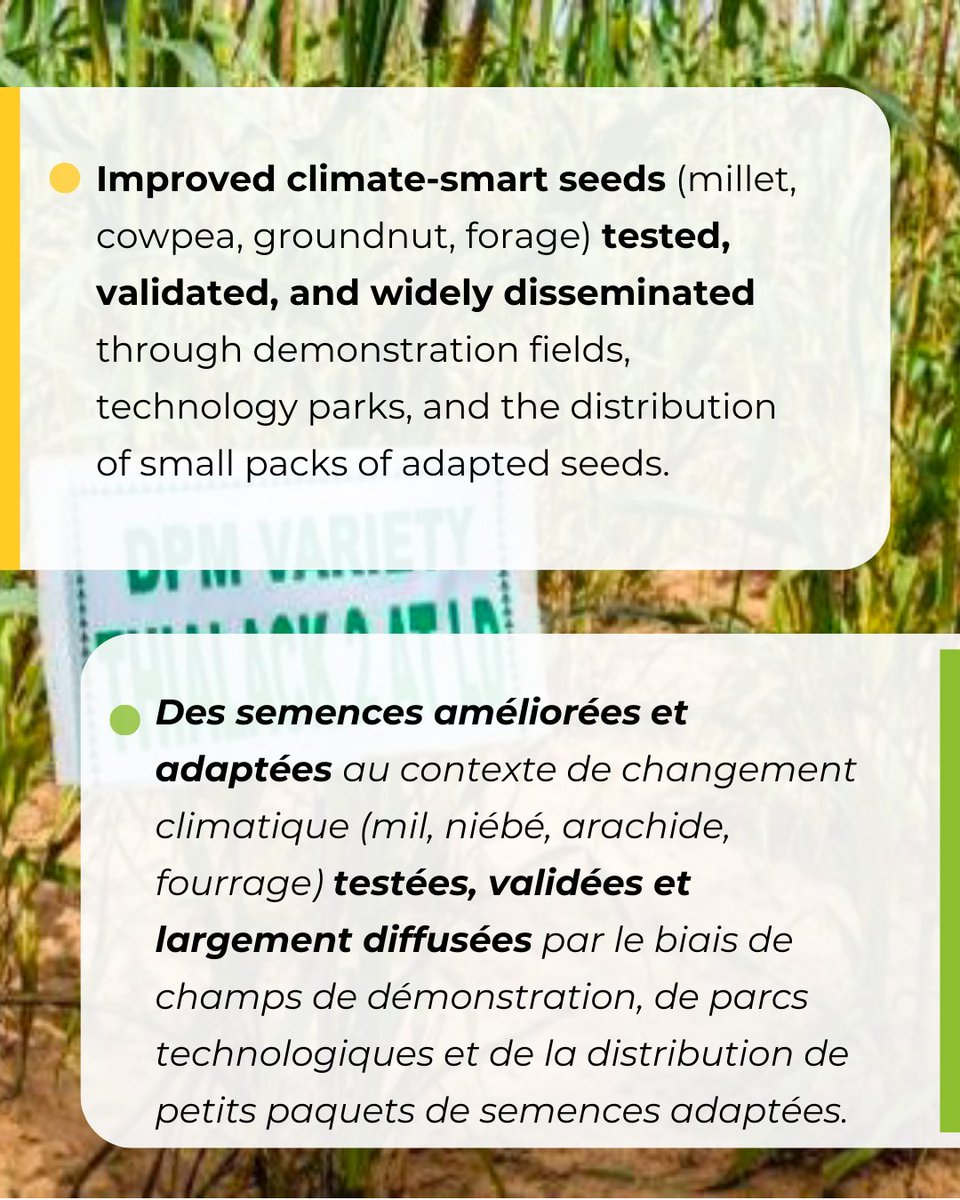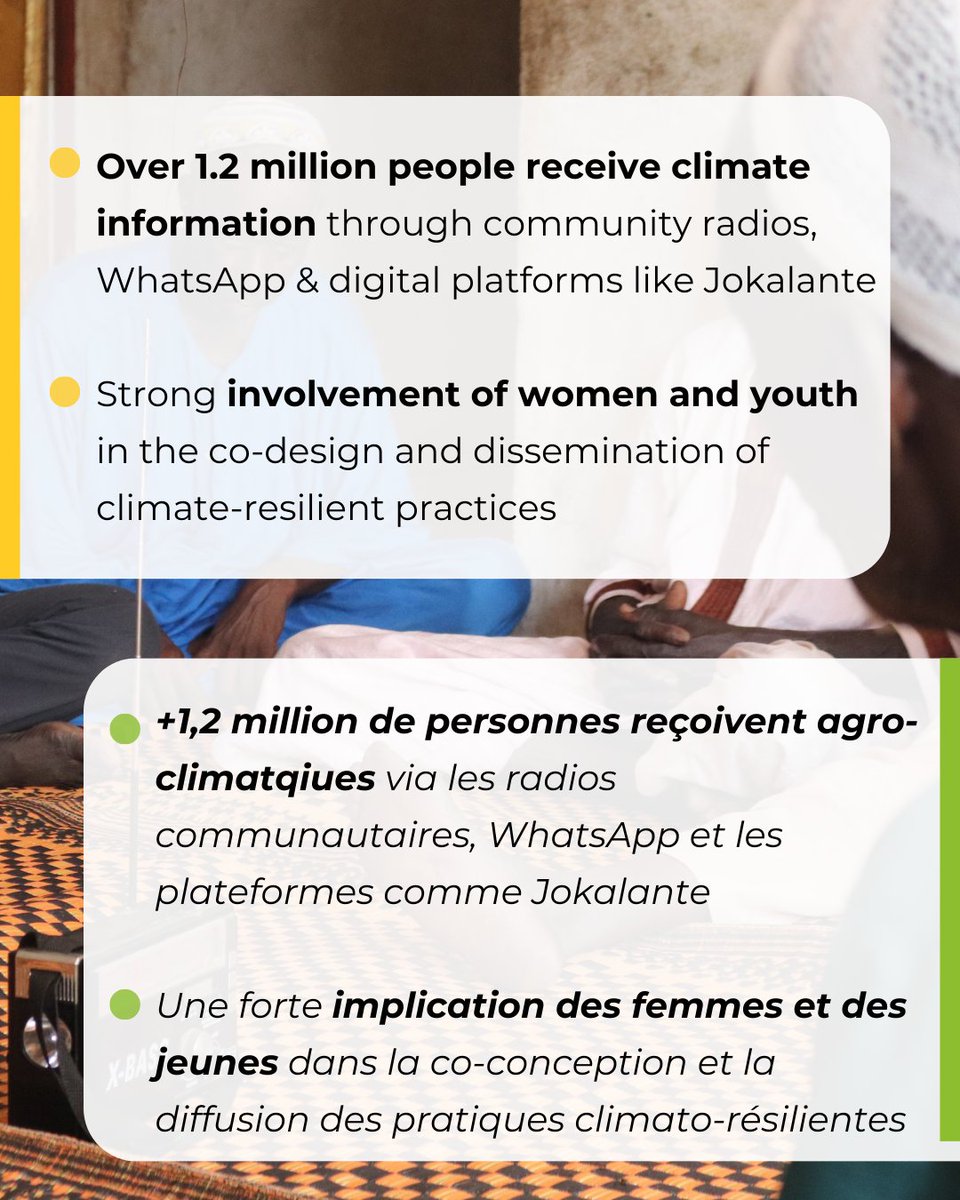

AICCRA en Français
1.1K posts

@cgiarclimate_WA
Nouvelles et actualités du project 'Accélération des impacts de la recherche climatique du CGIAR pour l'Afrique' (AICCRA) - @cgiarafrica


📍🇸🇳 Lamine Diedhiou, Communications lead for AICCRA In Senegal shared an update from #AFSForum2025. There's more to come! Join us this week for: >> Future-proofing West African food systems >> Celebrating women leaders in agribusiness >> Risk and impact measurement for African SMEs >> Unlocking climate finance À bientôt! Details: aiccra.cgiar.org/events/aiccra-…

👋🇸🇳 Bonjour Sénégal, nous sommes là ! #AFSForum2025 started today in and the AICCRA team is on the ground and ready to engage with colleagues and partners as we put a spotlight on Africa’s youth & agri-food systems. 📍 If you're in Dakar, we'd love to see you in person at our events! Details here: aiccra.cgiar.org/events/aiccra-… 📲 If you're not in Dakar, follow along with us on social media for updates throughout the week.

Don't miss @CGIARAfrica at #AFSForum2025! They're hosting four exciting sessions on: future-proofing West African food systems, women in agribusiness, and masterclasses in impact measurement & climate finance. Details: on.cgiar.org/45XKHia #OneCGIAR #OurFoodOurFuture


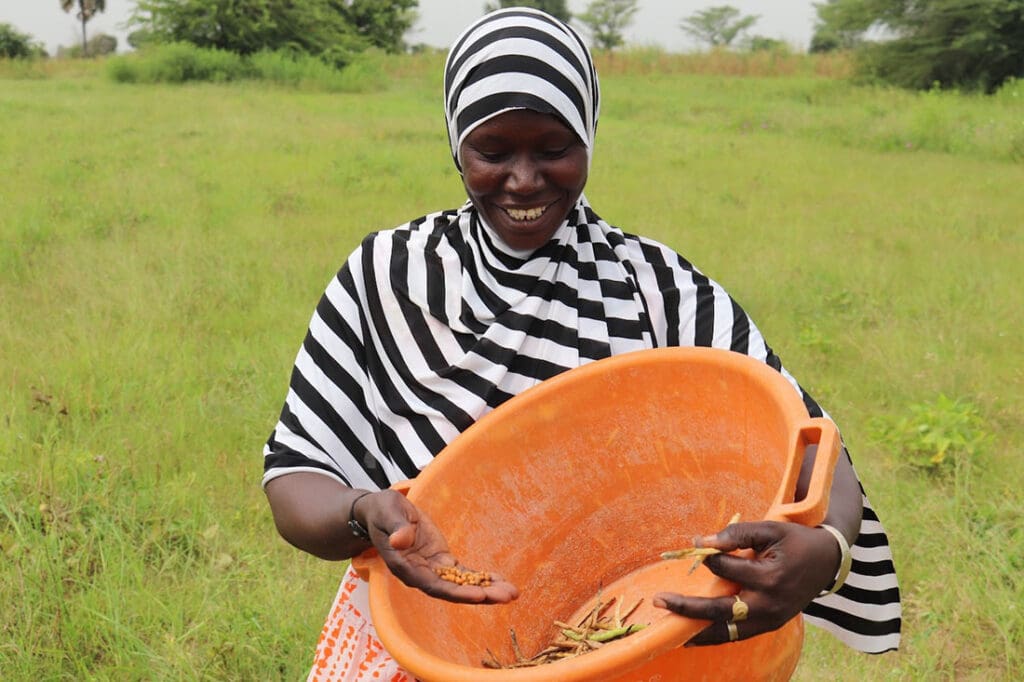
Targeting women with climate-smart innovations amplifies resilience in places like Mabo, #Senegal where women's participation in farmers cooperatives has historically been low. Read more in a new story by @as_grossi in @foodtank: foodtank.com/news/2025/04/h…

𝐏𝐫𝐨𝐦𝐢𝐬𝐢𝐧𝐠 𝐧𝐞𝐰 𝐩𝐮𝐛𝐥𝐢𝐜𝐚𝐭𝐢𝐨𝐧 𝐟𝐨𝐫 𝐚𝐠𝐫𝐢𝐜𝐮𝐥𝐭𝐮𝐫𝐞 𝐢𝐧 #𝐒𝐞𝐧𝐞𝐠𝐚𝐥! We are excited to share our recently published study on the evaluation of climate-smart practices for pearl millet cultivation in Senegal using the DSSAT-CERES-Millet model! 🌾📈 This research highlights the impact of climate change on millet productivity and evaluates adaptation strategies, particularly optimizing fertilization practices and millet varieties. The aim is to enhance the resilience of farmers to increasing climate variability. Key Insights: 🌾 Dual-purpose millet varieties outperformed the Souna-3 variety in terms of yield, despite significant climate variability over the years. 🌱 Fertilization practices with micro-dosing (especially fertilization level 3) resulted in higher and more stable yields, reducing risks associated with climate variability. 📅 Long-term simulations confirmed the potential of varietal combinations and fertilization strategies to improve millet productivity in Senegal’s semi-arid regions. This paper provides practical solutions to help farmers better prepare for climate challenges and improve their long-term food security. If you haven’t had the chance to read it yet, check out the full article here: [cabidigitallibrary.org/doi/10.1079/ab…]

🌾👏 Dr. Elliott Dossou-Yovo, AICCRA Mali lead, has won the Japan International Award for Young Agricultural Researchers for his contributions to water management solutions for smallholder rice farmers in sub-Saharan Africa. With over 40 publications, his work is shaping climate-resilient rice farming and helping farmers adapt to climate change. Through AICCRA’s work in Mali, we’re scaling these innovations for greater impact. Join us in celebrating this achievement! 🇲🇱🌱 🔗 Read more: africarice.org/post/dr-elliot…

NEW OPPORTUNITY | AICCRA 🇸🇳, in partnership with the Africa Rice Center (AfricaRice), is looking for a Specialist in Monitoring, Evaluation, Learning, and Impact Assessment to join its team in Dakar. 📚 What we are looking for: ➡️ Strong experience in agricultural economics and data management to support large-scale agricultural projects. ➡️ Proficiency in econometric tools like Stata or R, as well as digital platforms for data collection (ODK, CSPro). ➡️ A good understanding of resilient agricultural practices and climate issues in Africa. 📅 Application deadline: February 21, 2025 👉 To apply and learn more, click here: jobs.africarice.org #ClimateSmartAfrica #Senegal2050 #opportunities

OPPORTUNITY | AICCRA, in collaboration with the Africa Rice Center (AfricaRice), is recruiting a Social Inclusion and Gender Expert to strengthen its team in Dakar🇸🇳. 📚 Required Skills: ➡️ Expertise in gender integration in agricultural technologies and development projects. ➡️ In-depth knowledge of climate issues and their impact on women in agriculture. ➡️ Strong commitment to promoting gender equality and empowering rural women. 📅 Application deadline: February 21, 2025 👉 To apply and get more details, click here: jobs.africarice.org #ClimateSmartAfrica #Senegal

𝐎𝐏𝐏𝐎𝐑𝐓𝐔𝐍𝐈𝐓𝐘 | AICCRA, through AfricaRice, is recruiting a Policy and Institutional Strengthening Specialist based in Dakar, Senegal🇸🇳, to join its dynamic team and contribute to the development of sustainable and resilient agricultural solutions to address climate challenges. Details and to apply: [jobs.africarice.org] 🔴Deadline: February 21, 2025🔴 📲 Please share with your network! #opportunities #Senegal #climatesmartagriculture


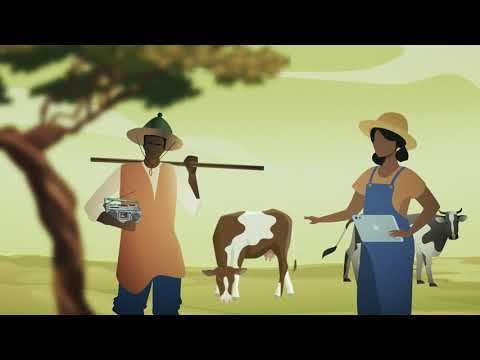
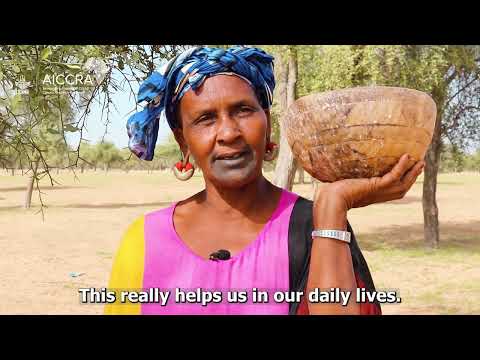
🎥 Watch our video about the Community of Practices (CoP) for climate services in Senegal! This video highlights the impact of the CoP, a key innovation of the AICCRA project, which connects livestock farmers, agro-breeders, and local institutions to better manage climate risks. You will discover : 👉 The poignant testimonies of the beneficiaries, 👉 The strategic transfer of the CoP to the Ministry of Agriculture, Food Sovereignty and Livestock, 👉 Innovative synergies with projects such as SERVIR-AO of @Csesenegal to strengthen climate resilience. An inspiring dive into an ecosystem where research, innovation and rural communities work together for a sustainable future. 📽️ Watch the video here: EN Subtitles[lnkd.in/e3K7UWCA] FR [lnkd.in/eVJAZkms]


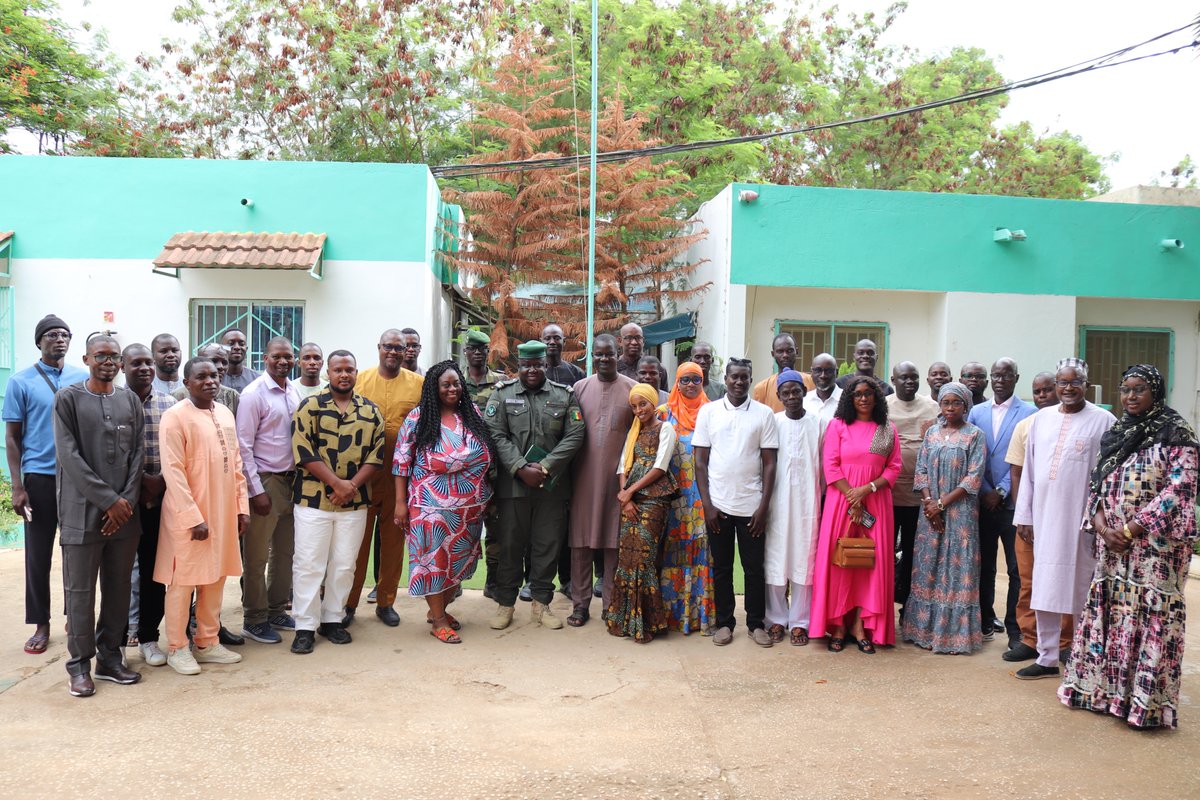
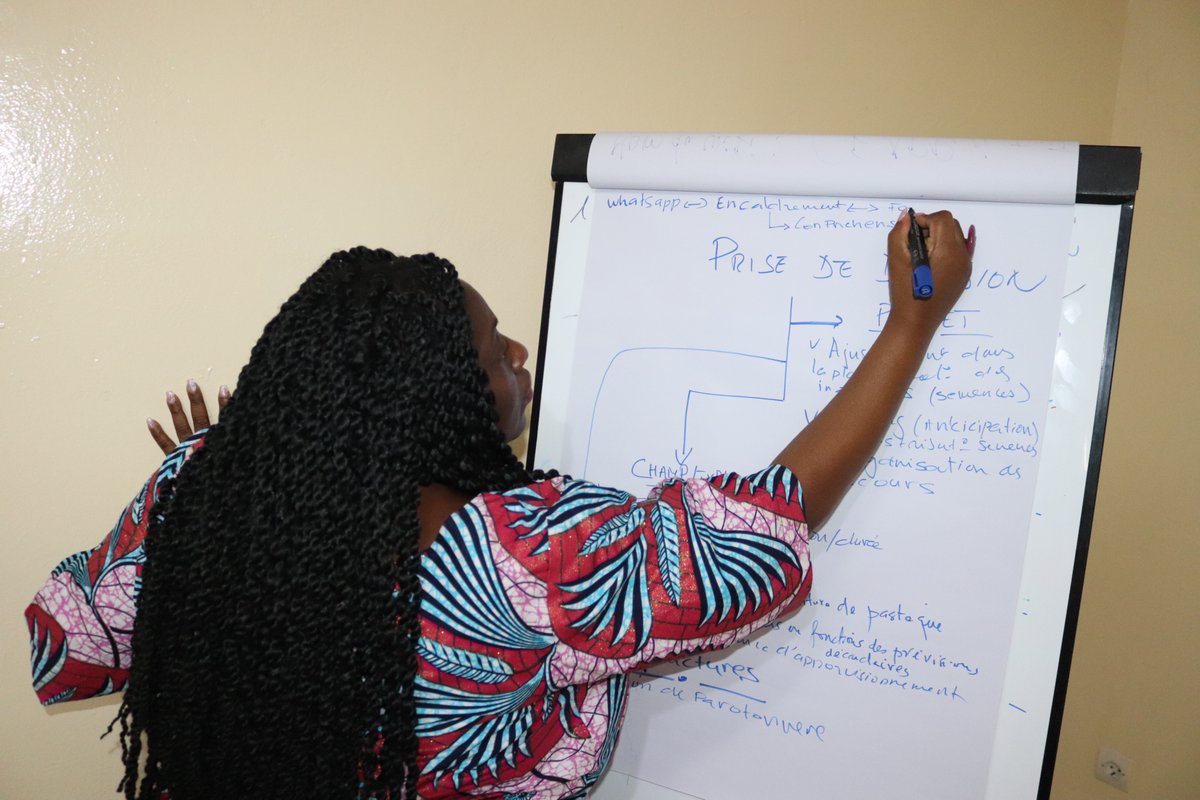
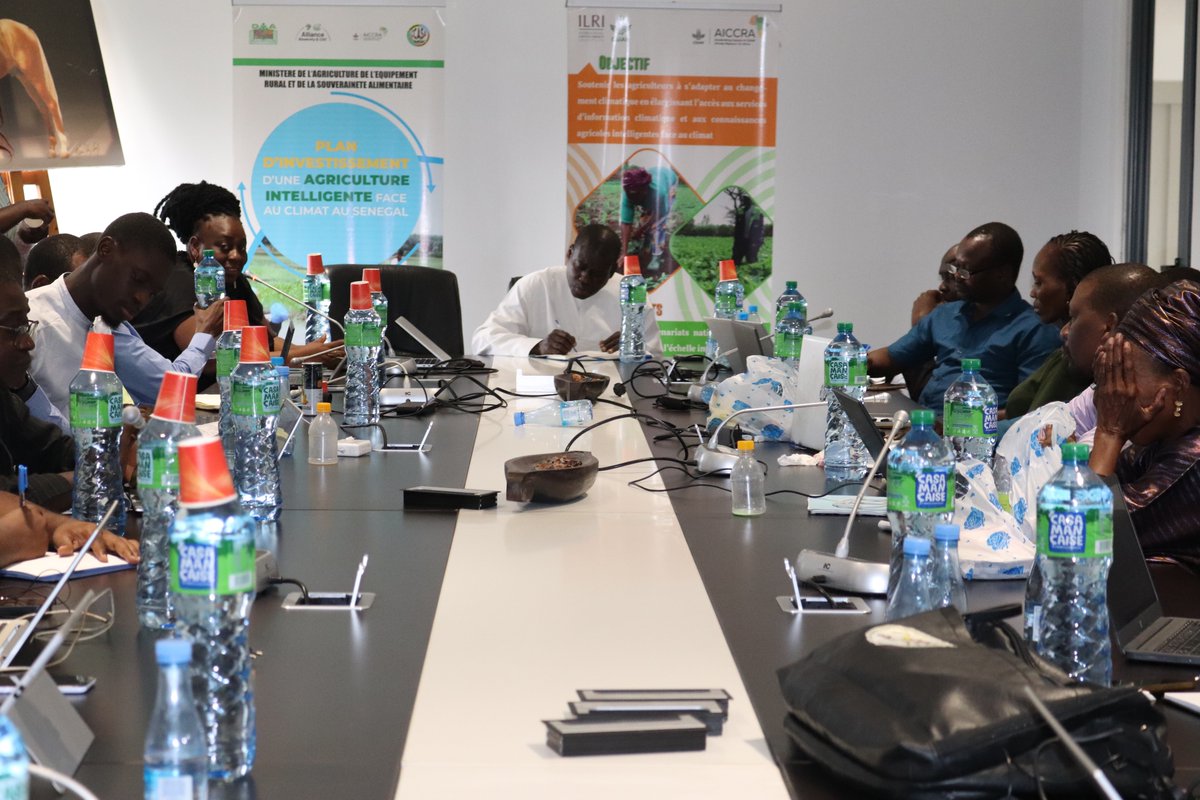
𝗜𝗻 𝗦𝗲𝗻𝗲𝗴𝗮𝗹, 𝘁𝗵𝗲 𝗖𝗼𝗺𝗺𝘂𝗻𝗶𝘁𝘆 𝗼𝗳 𝗣𝗿𝗮𝗰𝘁𝗶𝗰𝗲 (𝗖𝗼𝗣) 𝗳𝗼𝗿 𝗰𝗹𝗶𝗺𝗮𝘁𝗲 𝘀𝗲𝗿𝘃𝗶𝗰𝗲𝘀 𝘁𝗮𝗸𝗲𝘀 𝗮 𝗻𝗲𝘄 𝘀𝘁𝗲𝗽 𝘁𝗼𝘄𝗮𝗿𝗱𝘀 𝗴𝗿𝗲𝗮𝘁𝗲𝗿 𝗶𝗺𝗽𝗮𝗰𝘁! Since 2023, AICCRA Senegal has set up a Community of Practice (#CoP), bringing together stakeholders in agriculture, livestock farming and climate to co-produce and disseminate agro-climatic advice for pastoralists, through climate information services (CIS) and the promotion of climate-smart agriculture (CSA). After several months of rich activities - monthly meetings, decadal agro-climatic advice, and collaboration between public and private institutions and community radio stations - a key advance has just been made: the transfer of the management of the CoP to the Direction de l'Élevage (DIREL) and its integration into the Comité Pastoral supported by the PRAPS (Regional Support Project for Pastoralism in the Sahel) and the PDEPS (Project for the Development of Pastoral Exploitation in the Sahel). 𝗪𝗵𝘆 𝗶𝘀 𝘁𝗵𝗶𝘀 𝘁𝗿𝗮𝗻𝘀𝗳𝗲𝗿 𝗮 𝘀𝘁𝗿𝗮𝘁𝗲𝗴𝗶𝗰 𝘁𝘂𝗿𝗻𝗶𝗻𝗴 𝗽𝗼𝗶𝗻𝘁? The CoP has shown its potential through the production and provision of advice to livestock farmers thanks to AICCRA Senegal and scaled up with the SERVIR programme, a joint initiative of NASA and USAID. But the project's objective does not stop there: the aim is to ensure the sustainability and effectiveness of this system for years to come by: 👉 Institutional strengthening: DIREL, with its expertise and legitimacy, is better placed to guarantee the continuity of services and the sustainable adoption of CIS. 👉 Alignment with national priorities: This transfer is in line with Senegal's strategic policies for climate resilience and food sovereignty. 👉 A digital transformation: An automated digital platform will enable the continuous dissemination of reliable information to agro-pastoralists, making it easier for them to adapt to climate challenges. 𝗖𝗼𝗣'𝘀 𝗶𝗺𝗽𝗮𝗰𝘁: ✔️ Networking of key players in agriculture, livestock farming and climate to co-construct appropriate solutions. ✔️ Practical advice for livestock farmers to build their resilience to climate shocks. 𝗪𝗵𝗮𝘁 𝗵𝗮𝗽𝗽𝗲𝗻𝘀 𝗻𝗲𝘅𝘁? 🔹 Strengthened capacities for meetings that are even better adapted to the needs of agri-breeders. 🔹 A digital platform at the service of agro-pastoralists for autonomous and reliable access to climate information. 🔹 Increased appropriation of digital tools for local and sustainable solutions. This transition marks a turning point to perpetuate AICCRA's achievements and amplify the impact of climate services in Senegal.