
Sabitlenmiş Tweet
Cobson 🇷🇺
6.2K posts


Cobson 🇷🇺
@cobsonson
Yes, my name is actually Kobzon I am from Russia 🇷🇺 but live in California. Never FUD
inside your house Katılım Nisan 2024
563 Takip Edilen584 Takipçiler

POSOBIEC CALLS FOR MASSIVE CHINA TARIFF HIKE
@JackPosobiec says the U.S. should immediately impose tariffs of up to 1,000% on Chinese goods, arguing Beijing must face consequences for its actions and that tougher economic pressure would force change. 🇺🇸
English
Cobson 🇷🇺 retweetledi


Tariff China all the way back to the Stone Age
Wuhan Fourth Turning Swan@TheWuhanClan
China tariffs to 1000% or nothing changes
English

@dopamine273 NFT floor price is looking tragic. I’ll save the coin price for you at least
English
Cobson 🇷🇺 retweetledi
🚨New: Ukrainian Prime Minister Yulia Svyrydenko has resigned

Lietuvių
Cobson 🇷🇺 retweetledi


We need a guy like Ralph Norman in the US Senate. Any chance he is from South Carolina?
Rep. Ralph Norman@RepRalphNorman
The SAVE America Act shouldn't be a hard vote. Proof of citizenship and voter ID are common sense. Time is running out to protect your vote before the midterms!!
English


@jacksonhinkle just posted this and then deleted it because it showed Iran threatening to kill Trump

English

Ukraine has struck Russia’s 6th-largest oil refinery in Yaroslavl.
The long-range drones have set the refinery on fire

English

Tehran's streets are packed for Ayatollah Khamenei's funeral.
Română

Anti-aircraft missiles factory and fuel depot hit in Kiev — Russian MOD
Secondary MASSIVE detonations spark following the strike
RT@RT_com
Russia launched high-precision, long-range strikes on military industrial enterprises in Kiev, Poltava, Cherkаssy, Chernigov & Dnepropetrovsk — Russian MoD
English


Angel Studios announces a sequel to Young Washington, “1776”, after the film crashed at the box office opening, surpassing “Supergirl”.
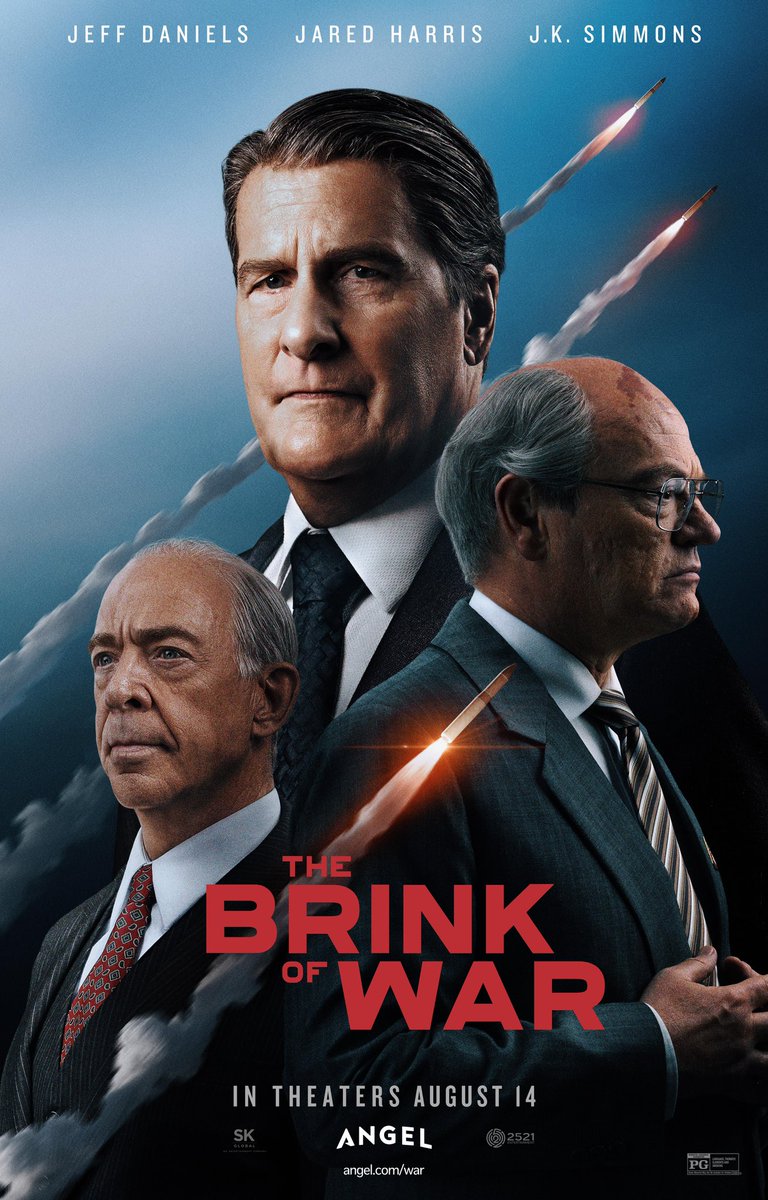
Angel Studios, a Christian-based studio based in Utah, plans to release a movie about the founding of Hershey’s chocolate and “The Brink of War”, a movie about the US and the Soviet Union at the height of the Cold War.
Follow: @AFpost

English
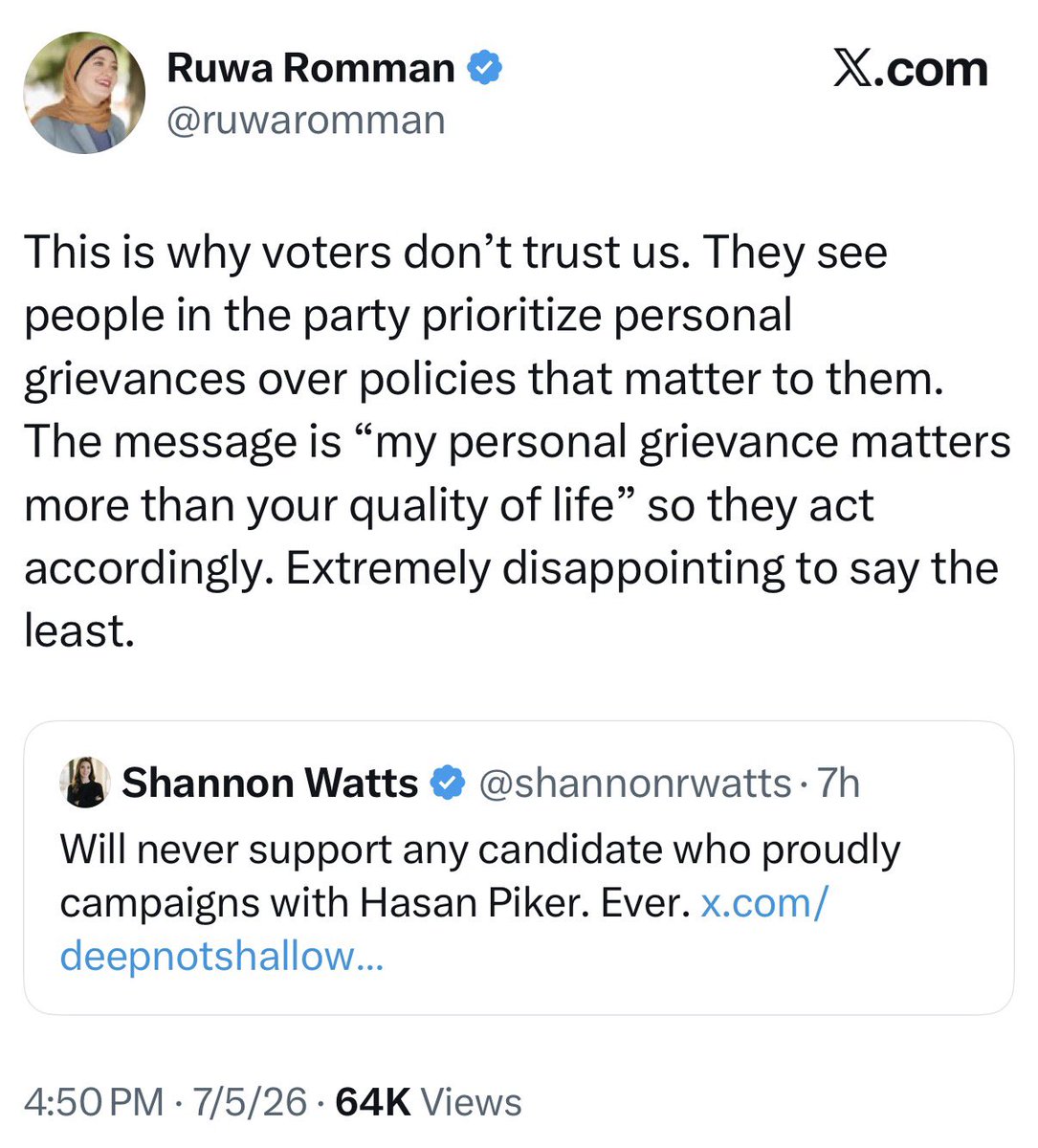
Hasan Piker has openly advocated for the assassination of a sitting U.S. Senator.
English


