
Sabitlenmiş Tweet
Conor
6K posts


Conor
@conorgallagh
Building agencies & brands. @conorgallagh all platforms. BFCM Guide: https://t.co/vUtyJGd9JX
Ireland Katılım Ağustos 2017
820 Takip Edilen2.9K Takipçiler
I get that electric cars need to look different to normal ones for differentiation
But I've yet to see a single example of an electric car getting this right.
Looks like a Hasbro interpretation of a sports car.
Just make it look like an F40 and stick a battery in it
FearBuck@FearedBuck
Ferrari has officially unveiled its first-ever all-electric car, the Ferrari Luce. Deliveries begin Q2 2027. • Starting price: $640,000 • 1,050 HP, 0-60 mph in 2.4s • Four electric motors with 800V architecture • 122 kWh battery, 280-mile EPA-est. range • 350kW peak charging speed • Four-door, four-seater design • OLED screens + 5-level paddle shifter torque control • Simulated “musical” motor sounds inside & outside the car
English
@conortrains Some places you find, others feel like the find you
Hala Madrid - most underrated European capital, hopefully it remains that way
English

Por qué me fui de Dubái y me mudé a Madrid (el inicio de mi Madridmaxxing)
Recibí un montón de preguntas después de un tweet de ayer, así que os cuento la historia rápido
En marzo de 2023 me mudé a Dubái con @conorgallagh desde Cork, con la idea de hacer crecer KMH y conocer a lo mejor de lo mejor del sector
Al principio mola por la novedad - las cenas, la pasta, el porcentaje de gente haciendo cosas interesantes, y todo eso
Vivía en la Marina, pagando 5 veces mi alquiler de Irlanda y sintiéndome como que había subido un nivel enorme
Incluso en ese momento ya empecé a ver una de las razones por las que acabaría marchándome: la infraestructura empresarial en Dubái es mucho peor de lo que te imaginas
Bancos, pasarelas de pago, burocracia... un auténtico coñazo. Abrir una cuenta bancaria fue un proceso de la hostia
La "carga administrativa" en Dubái durante todo el tiempo que estuve allí fue para volverse loco
Pero más allá de eso, el juego social en Dubái puede ser muy raro
Hice amigos para toda la vida como @liamottley_, con quien luego viví en Medellín y en Madrid, pero cuando la mayoría de la gente en tu ciudad no vive allí todo el año, todo se convierte en un dilema del prisionero a corto plazo
Las interacciones sociales se vuelven más de "agarra y corre": "¿qué me puedes dar TÚ AHORA?"
Y eso se queda viejo muy rápido
He tenido un montón de conversaciones en TK MMA donde parece que dos perros se están olisqueando el culo intentando saber qué puede sacarle el uno al otro...
No mola nada
Dubái se pone insoportable en abril para mi piel irlandesa y decidimos ir a Medellín un tiempo, que siempre habíamos tenido ganas de conocer
Medellín estuvo muy bien, pero también se quedó corto rápido por el huso horario y la infraestructura
Así que @conorgallagh y yo decidimos volver a Europa
¿El único vuelo directo desde Medellín? Madrid
Teníamos pensado ir a Marbella, un sitio donde habíamos vivido antes (las calles del money Twitter no van a olvidar al crew de la villa de Marbella de noviembre de 2021 con otros personajes notables de aquí - eso fue una película)
@leoncastillosm nos dijo que le diéramos una semana a Madrid, y así lo hicimos
Día 1: "¡Qué guay este sitio!"
Día 2: "Tío, esto está brutal..."
Día 3: "La energía aquí es una pasada..."
Día 7: "No me quiero ir"
Aun así fuimos a Marbella, donde @adampower21 y @roblipsett montaron su primer Marbella Mastermind, pero hacia el final de la semana Marbella ya no se sentía igual, por mucho que siga queriéndola
Estuvimos 6 semanas en Madrid y en todo momento sentí una calma y una tranquilidad que no esperaba
La ciudad lo tenía todo
Volví a Dubái en septiembre de 2023 después de un verano en Londres
Aunque técnicamente seguía "viviendo" en Dubái, esa sensación fue creciendo. Algo faltaba. Esa chispa que había sentido en Madrid simplemente no estaba
La infraestructura, la gente, el tiempo... todo empezó a sacarme de quicio
Incluso la calidad del aire y de la comida son tan malas en Dubái que no merece ninguna cantidad de dinero vivir allí para mí
Empecé a llamarle 'Trubái' por lo mucho que se parece a The Truman Show vivir allí (muy buena peli, por cierto)
Igual escribo sobre los puntos negativos con más detalle si la gente tiene interés, pero la lección principal que me llevo de Dubái es que tener pasta no significa que no seas un NPC
Hay MUCHAS variedades de NPC (podría dedicar un post entero a las variedades específicas de Dubái si la gente quiere leerlo lol)
Según avanzaba el invierno me puse a buscar vídeos aleatorios sobre mudarse a España y todo lo que conlleva, y simplemente me "sonaba" bien hacerlo
También me fui un fin de semana a Ámsterdam por mi cumpleaños justo después de la legendaria fiesta en yate de @adampower21 con Nelk, y me confirmó que Europa siempre va a tener mi corazón, con todos sus problemas evidentes
Aunque la historia tenía aún alguna vuelta de tuerca...
Me fui a Buenos Aires todo el primer trimestre de 2024 y me encantó (ciudad increíble - id a visitarla)
Allí conocí a varios amigos irlandeses míos que viven normalmente en Barcelona, y quise echarle un ojo para ver si podía ser incluso mejor que Madrid
Así que me fui dos meses a BCN al volver de Buenos Aires
Ciudad guay, pero no es para mí (podría ser otro post)
Luego me fui un fin de semana improvisado a Madrid a ver a alguien, y en cuanto llegué a la estación de tren sentí que exhalaba un suspiro de alivio
Mientras caminaba por las calles, volvieron todos los sentimientos de antes y supe al instante que era donde tenía que estar
A veces simplemente sabes algo con total certeza
Y así me volví, y no he mirado atrás desde entonces
Supongo que hay varias lecciones aquí:
Escúchate a ti mismo y no seas un borrego
Vive las cosas por ti mismo - no seas negativo desde la distancia, ve a verlas antes de opinar
El instinto casi siempre tiene razón
Dubái es obviamente un sitio increíble, pero que no te encasillen en creer que es el siguiente paso lógico solo porque hayas empezado a irte bien
Cualquier pregunta hacédmela - respondo todas 🤝

Español
@jforjacob No one on twitter has given more free game.
Fuck em all brotha
English

Let’s set a few things straight
No, we do not run any ripped creatives
No, none of our top ads are ripped
Anyone who knows the brand can go check our ad library. You will see nothing but our original work. We literally work with multiple of the top creative agencies in the space as well as have a full internal creative team.
Shoutout @aaronmtrx @harrydelmege_
I have also given full access to our internal creative system and helped multiple 9 figure guys on here with their creatives for free. All of who could vouch
I have no issue admitting we ripped a few videos when we started the brand back in June to test the product, and have talked about publicly before. Some people don’t like that, and I get it. But it is what it is
No, we do not run black hat MRR. Anyone could go buy a product from our brand right now and either go straight to the portal and cancel or email our customer service team where you will be emailed a direct link to cancel your subscription within 1 minute. We don’t ask questions, we don’t try to persuade to stay etc and it has been this way for a long time
Our subscriptions are setup the exact same way other brands that people dick ride here on Twitter are, and I can post examples if anybody wants. The only difference is we make it easy to cancel
We also run on shopify payments and use PayPal. You think any BH operation is able to do that at scale? No is the answer
Yes, our Trustpilot got fucked and our public display rating isn’t available because of a breach of guidelines. My mistake, you live and you learn
Our Trustpilot score is 3.1 (not amazing but not bad) go check our reviews on shop (I think it’s 3.9 or 4 atm) again, not amazing but also not bad. Also, shop reviews are a far better judge of a business than Trustpilot
Are we 100% white hat? Probably not but show me a brand that is. And I’m ok with that but I’m not ok with people that know nothing about our business spreading lies
Also, we try to keep our brands private for a reason (like almost everyone on here) I would expect people with any decency to respect that. So any mention of any of my brands from now on, you will be blocked and forgotten about
I know pretty much everyone’s brand who is on Twitter (even you anons who think nobody does) and will never publicly try to doxx. It’s just crazy to try and fuck with someone that way, can literally ruin families
All of the stuff I tweet about is designed to help people, and it comes from the stuff we implement ourselves directly. Not some made up bs
I don’t sell anything, don’t take sponsored post opportunities etc. literally just here to help
If you think I’m talking bullshit about anything or don’t like me please just unfollow me and just focus on your own business, it’s really that simple
To anyone else, I will continue tweeting out stuff we see working and trying to help everyone here make more money and provide for their family
God bless
English

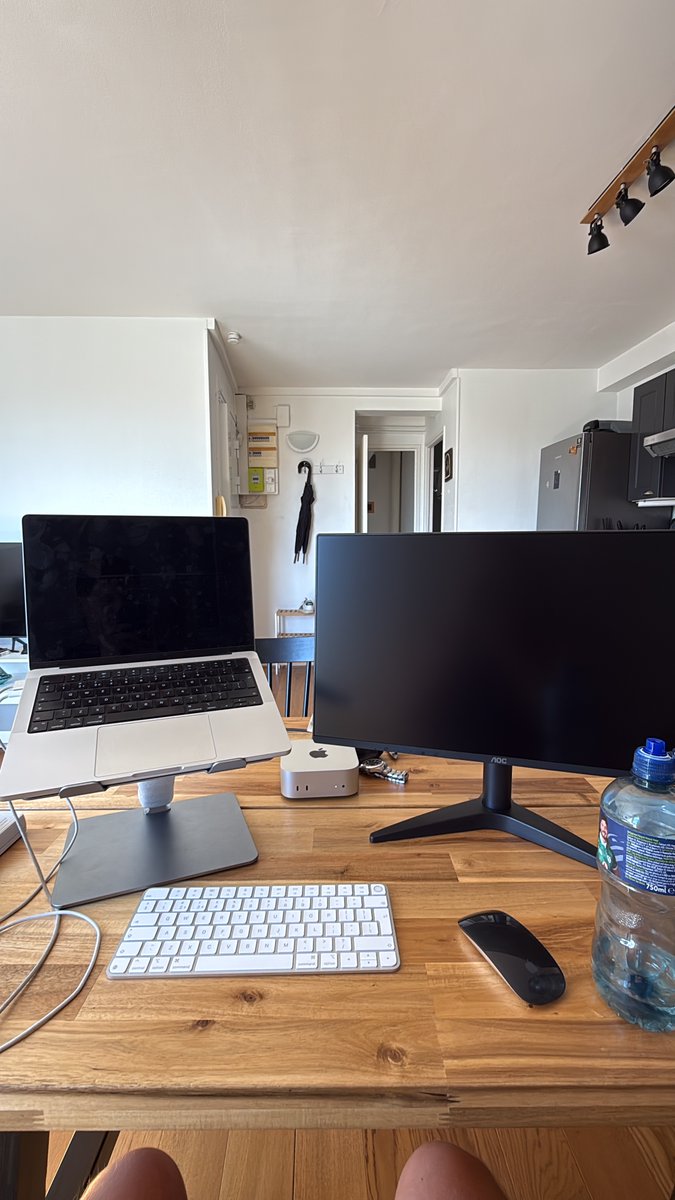
@conortrains jump over firewall, hack into mainframe, eat the cookies
easy
English
I find it hilarious that someone like me is now an active GitHub user since Manus & Claude Code became a thing
Brave new world where marketers and creators have now miraculously become technical
English

@conorgallagh Not super useful, I’d rather use Hermes with peekabo for Mac OS automation.
Not a huge fan of the entire Claude ecosystem except their models judgement and taste for design
English

@conorgallagh haven't been using it myself but i could see setting it up on a separate pc or a virtual machine to run admin work or other low leverage tasks to be a solid use case
English

I’m sure this can all be done via code but I ain’t playing w all that at C level (and I’m former Unix programmer)
- automated daily briefing posted to Slack every morning showing everything across calendar, email, Fathom transcripts, Slack channels etc
- automated summaries of podcasts
- weekly email newsletter summary
- automated competitive intelligence on email campaigns
- automated research brief on what’s trending in X area on X and Reddit I’m tracking
Value to me is scheduling these off hours to avoid token burn and that I’m not in terminal. Would love to do via cloud or better interface to manage everything so open to suggestions.
English
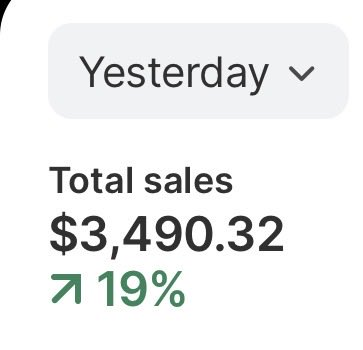

@conorgallagh Haha
I had a client doing $900k/mo ask what CPA is 😂
English
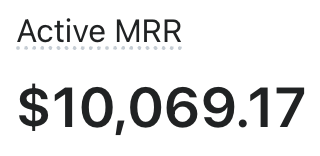


32 and only 450k NW dreaming of retirement to the extent his wife and him are wasting their youth.
Truly depressing.
Ramit Sethi@ramit
"Is pushing for a 60% savings rate destroying my marriage?" Yes
English