Consortium PSYCHIATRICUM

632 posts

Consortium PSYCHIATRICUM banner
Consortium PSYCHIATRICUM

Consortium PSYCHIATRICUM

@consortiumpsy

Consortium PSYCHIATRICUM is an international peer-reviewed journal on mental health. Indexed in Scopus and PubMed. Open access.

Moscow, Russia Katılım Ağustos 2020
96 Takip Edilen137 Takipçiler
Sabitlenmiş Tweet
Consortium PSYCHIATRICUM
Consortium PSYCHIATRICUM@consortiumpsy·
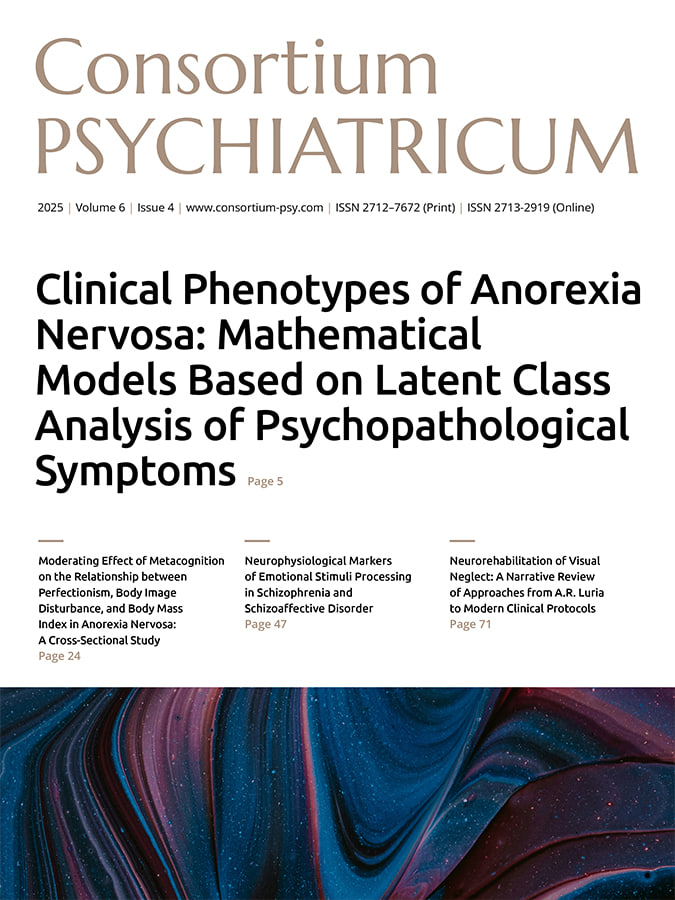
The new issue of @consortiumpsy is out! Featuring research from Russia, India, the UK, and Portugal: 🔵 Four clinical types of anorexia nervosa 🔵 Psychological factors influencing BMI in anorexia nervosa 🔵 EEG-based diagnostic for schizophrenia Dive in: consortium-psy.com/jour/issue/vie…
Consortium PSYCHIATRICUM tweet media
English
0
0
1
116
Consortium PSYCHIATRICUM
Consortium PSYCHIATRICUM@consortiumpsy·
@JAMAPsych Interesting findings. How do you think future studies can better address the blinding issue in psychedelic trials, given the strong subjective effects?
English
0
0
0
29
Consortium PSYCHIATRICUM retweetledi
JAMA Psychiatry
JAMA Psychiatry@JAMAPsych·
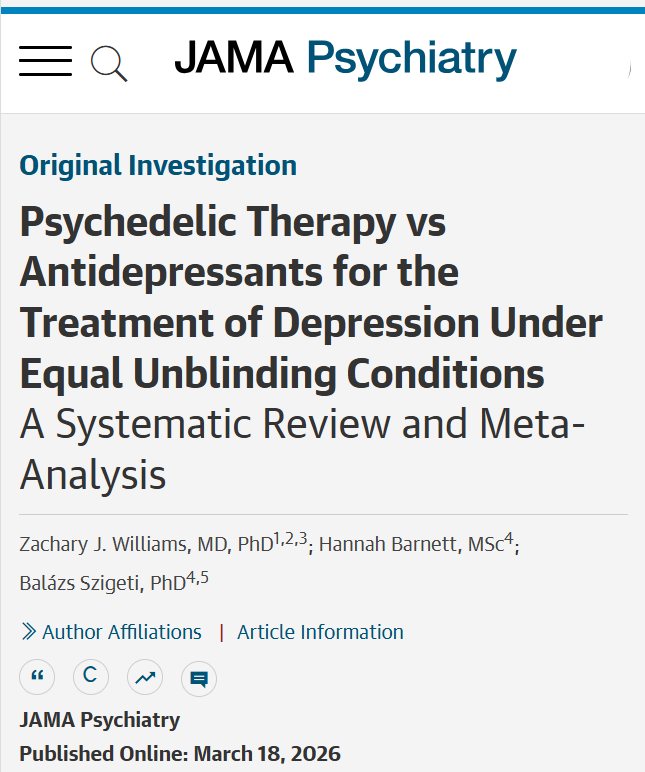
#PsychedelicTherapy was not more effective than open-label traditional antidepressants for major #Depression. Blinding improved outcomes for antidepressants but not for psychedelic-assisted therapy. ja.ma/4rE3S9C
JAMA Psychiatry tweet media
English
8
21
55
5.3K
Consortium PSYCHIATRICUM
Consortium PSYCHIATRICUM@consortiumpsy·
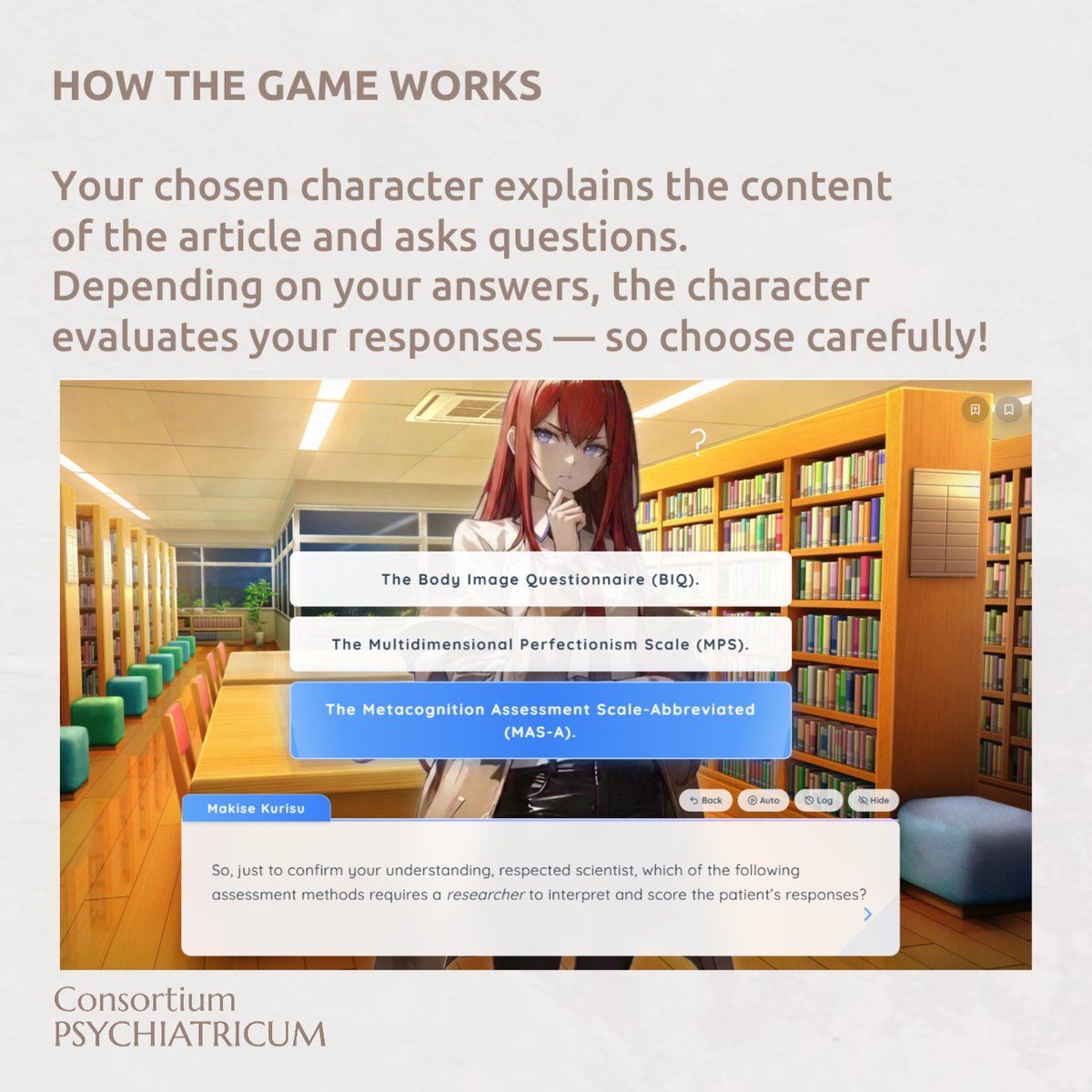
Reading research doesn’t always have to look the same. Tools like Paper2Galgame offer: 🔶 faster entry into new topics 🔶 fresh perspective on your own work 🔶 support for teaching & presentations 🔶 intertaining reading
Consortium PSYCHIATRICUM tweet mediaConsortium PSYCHIATRICUM tweet mediaConsortium PSYCHIATRICUM tweet media
English
0
0
0
5
Consortium PSYCHIATRICUM
Consortium PSYCHIATRICUM@consortiumpsy·
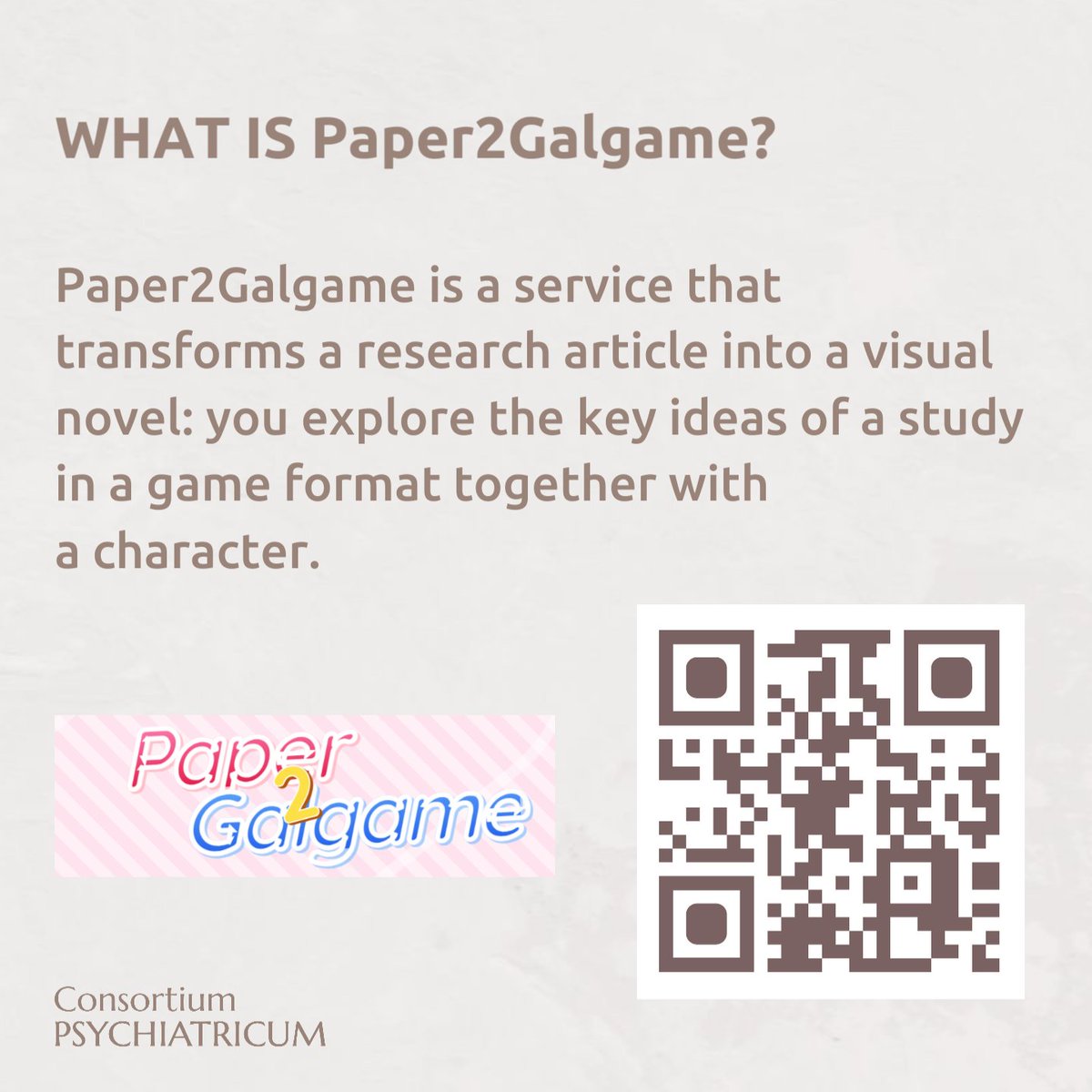
Paper2Galgame turns articles into dialogue-based experiences: 🔶 choose a character 🔶 upload your paper 🔶 get explanations + questions Useful as a complementary tool. It's not a replacement - but an interesting addition!
Consortium PSYCHIATRICUM tweet mediaConsortium PSYCHIATRICUM tweet mediaConsortium PSYCHIATRICUM tweet media
English
1
0
0
2
Consortium PSYCHIATRICUM
Consortium PSYCHIATRICUM@consortiumpsy·
A new way to read a scientific article — in a game format 🎮 We tested Paper2Galgame: a tool that turns research papers into interactive visual novels where a character explains the study and asks questions. A different way to engage with science 👇
Consortium PSYCHIATRICUM tweet media
English
1
0
0
12
Consortium PSYCHIATRICUM
Consortium PSYCHIATRICUM@consortiumpsy·
@AnishA_Moonka Fascinating thread and important topic. The link between social interaction, oxytocin, and brain health is promising - but likely much more complex than a single "anti-aging" pathway.
English
0
0
1
54
Anish Moonka
Anish Moonka@AnishA_Moonka·
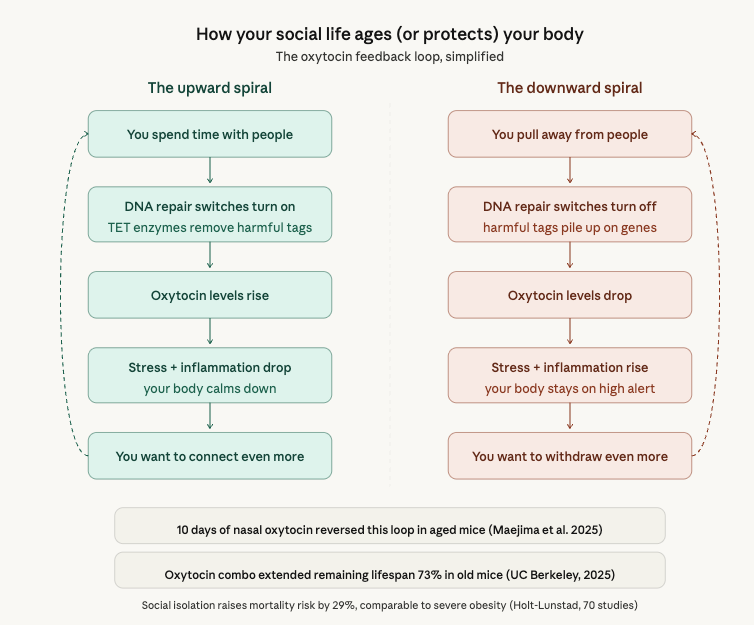
Went down the rabbit hole on this. Your body makes a hormone that repairs your muscles, keeps your brain from shrinking, and may slow down how fast you age. It drops as you get older. The biggest thing that triggers it? Being around other people. The hormone is oxytocin. Most people know it as the "love hormone." But a 2025 study by Fukushima Medical University and Oxford found it does something far bigger than bonding. Oxytocin breaks an aging cycle that runs inside your cells. Here is the cycle in plain terms: as you age, tiny chemical "off switches" start building up on your DNA. They shut down genes, including the gene that tells your body to make oxytocin. Less oxytocin means fewer repair tools cleaning up those off switches. Fewer repair tools means even more off switches pile on. Your cells lose energy. Inflammation creeps up. And the whole thing spirals. Researchers sprayed oxytocin into the noses of old mice for 10 days. The cycle reversed. The repair tools came back online. Cell energy recovered. Inflammation went down. And here is the strange part: oxytocin levels stayed high even after they stopped the treatment, because the hormone had restarted its own production line. A separate team at UC Berkeley (published in Aging, 2025) combined oxytocin with a second drug that blocks a different aging trigger, one that cranks up inflammation as you get older. Old, frail male mice, roughly equivalent to 75-year-old humans, lived 73% longer than untreated mice. They ran farther on treadmills, gripped harder, and scored better on memory tests. Big caveat: it only worked in males. Female mice did not get the same benefit, and nobody knows why yet. Now here is the human data. A study in Japan tracked adults aged 65 and older, measured their oxytocin, and then scanned their brains seven years later. People with higher oxytocin levels at the start had less brain shrinkage in the region that handles memory. In women specifically, higher oxytocin predicted sharper memory nearly a decade later. What naturally raises your oxytocin? Physical touch. Close conversation. Eye contact. Trust. Group bonding. A review of 70 studies found that being socially isolated raises your risk of dying early by 29%, about the same as being severely obese. The biological reason was never totally clear. Oxytocin may be a big part of it. Oxytocin has been used safely in hospitals for decades (it is sold as Pitocin to help with childbirth). Both drugs in the Berkeley study already have human safety data, which could speed up testing. None of this means you should go buy oxytocin spray online. The dosing, sex differences, and long-term effects in humans have not been fully sorted out. But the picture forming across these studies is hard to ignore: loneliness may be speeding up an aging cycle inside your cells, quietly wearing down your DNA, your energy, and your brain, year after year.
Anish Moonka tweet media
Dr. Rhonda Patrick@foundmyfitness

Oxytocin is more than the “cuddle hormone.” It may be a key regulator of aging and longevity. We've long known about oxytocin's role in translating social experiences into physiological health and stress resilience. New research identifies the biological mechanism. Oxytocin levels decline with age, leading to epigenetic remodeling, mitochondrial dysfunction, and chronic inflammation. Restoring oxytocin levels reverses these changes. This points to a profound idea: cultivating strong social ties throughout adulthood can mitigate this loss of oxytocin signaling and promote robust health and resilience against stress and disease. As sterile-sounding as it might seem, it's a strong argument to think about intimate bonds and social interactions as pro-longevity interventions. They're not optional.

English
6
100
616
44.9K
Consortium PSYCHIATRICUM
Consortium PSYCHIATRICUM@consortiumpsy·
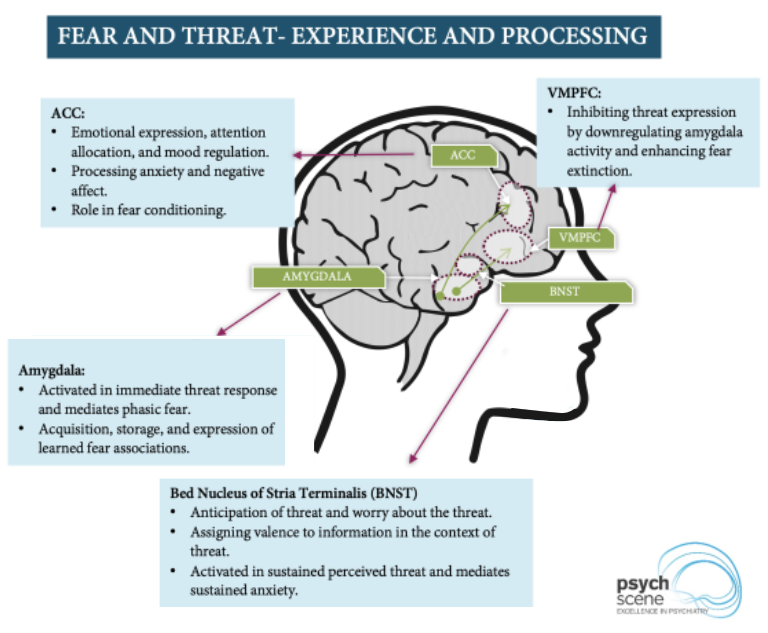
@psycheureka Fear is typically linked to an immediate threat, while anxiety relates to anticipation — and they engage partly different neural mechanisms. In schizophrenia spectrum disorders, these processes can be altered at the level of emotional stimuli processing: consortium-psy.com/jour/article/v…
English
0
1
1
185
Psychiatry Excellence
Psychiatry Excellence@psycheureka·
Fear and anxiety are often spoken about interchangeably. When someone is hypervigilant or constantly on high alert, some describe it as fear, while others see it as anxiety. But are fear and anxiety really the same? And if not, how can clinicians distinguish between them? 🧵👇
Psychiatry Excellence tweet media
English
4
31
104
5.6K
Consortium PSYCHIATRICUM
Consortium PSYCHIATRICUM@consortiumpsy·
@APAPubJournals A promising direction! Still, evidence in late-life depression remains relatively limited, and further studies will be important to clarify optimal protocols and durability of effects.🤝
English
0
0
0
3
Consortium PSYCHIATRICUM
Consortium PSYCHIATRICUM@consortiumpsy·
@Medscape This meta-analysis shows small but consistent associations with adverse outcomes - alongside mixed effects (e.g., gaming and executive function). Context, content, and developmental stage likely play a key role in shaping these relationships.
English
0
0
0
4
Medscape
Medscape@Medscape·
Digital media use in children and adolescents was associated with poorer developmental outcomes, with social media showing the most consistent adverse links to depression, behavioral problems, and substance use. Video gaming was linked to aggression and externalizing behaviors. mdsc.pe/4bAiRf4
Medscape tweet media
English
2
5
15
1.3K
Psychiatry Excellence
Psychiatry Excellence@psycheureka·
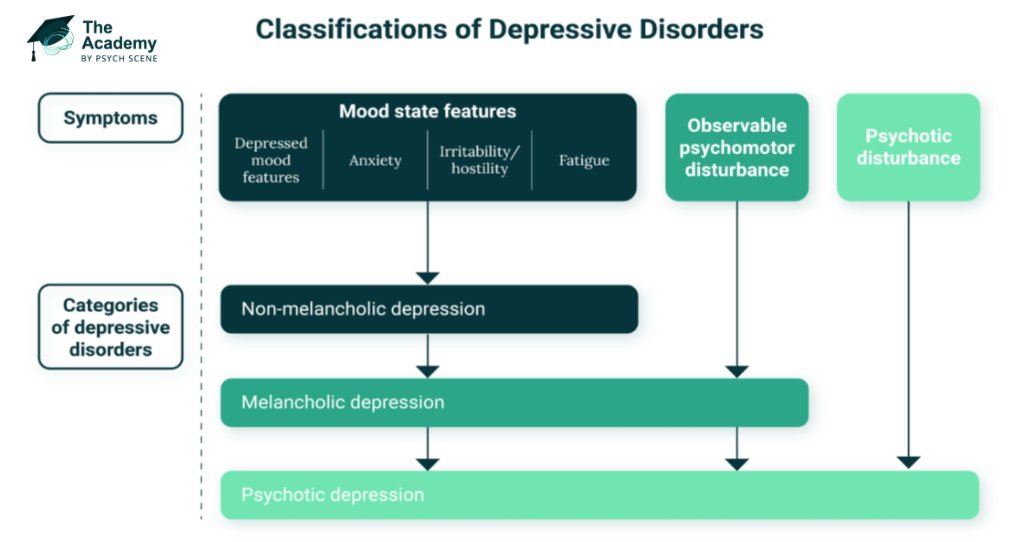
Depression is often treated as a single disorder. But clinically, not all depression is the same. Different subtypes have distinct symptom profiles, biology, and treatment responses. Here are 3 key depressive subtypes clinicians should recognise 👇🧵
Psychiatry Excellence tweet media
English
7
21
129
4.9K
Consortium PSYCHIATRICUM
Consortium PSYCHIATRICUM@consortiumpsy·
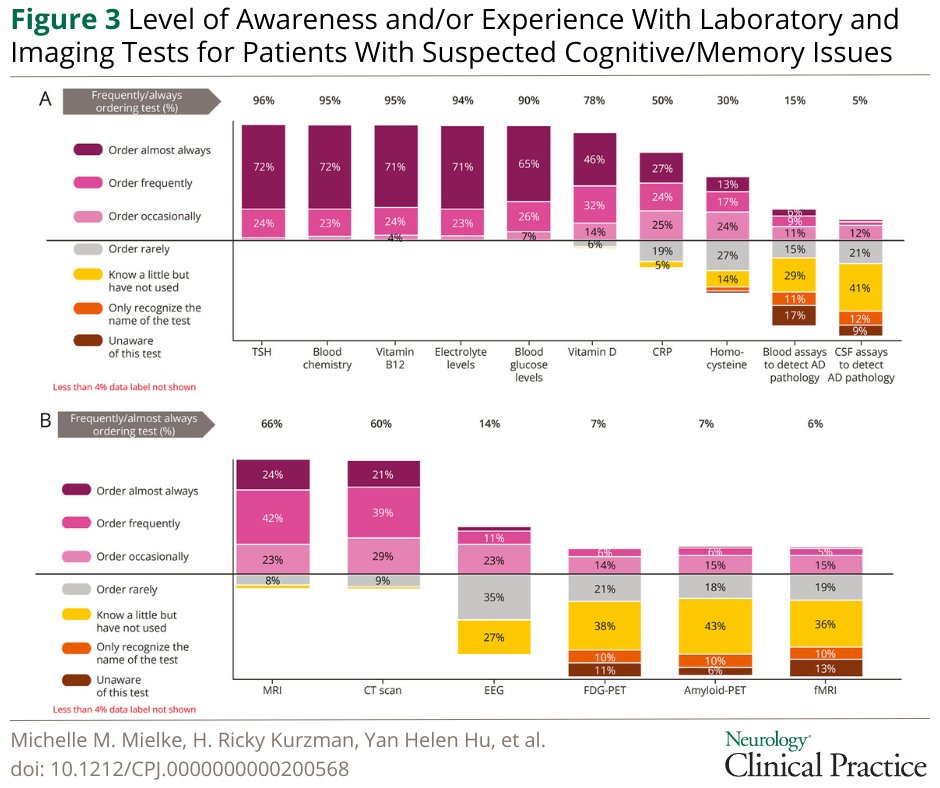
@NeurologyCP Expanding on this - the shift toward earlier detection is closely tied to how we redefine Alzheimer’s itself. This article explores how biomarker-based approaches are reshaping diagnostic boundaries and enabling preclinical identification of the disease: consortium-psy.com/jour/article/v…
English
0
0
0
10
Consortium PSYCHIATRICUM
Consortium PSYCHIATRICUM@consortiumpsy·
@JAMAPsych Interesting perspective! Similar clustering approaches are also being applied to specific disorders. Recent study used latent class analysis of psychopathological symptoms to identify clinical phenotypes of anorexia nervosa, highlighting the heterogeneity. consortium-psy.com/jour/article/v…
English
0
0
0
141
JAMA Psychiatry
JAMA Psychiatry@JAMAPsych·
This narrative review suggests mental disorders are statistical clusters of biopsychosocial properties, not sharply defined categories, mirroring concepts in species classification and supporting dimensional #MentalHealth frameworks. ja.ma/4sJvGuj
JAMA Psychiatry tweet media
English
7
53
231
17.4K
Consortium PSYCHIATRICUM
Consortium PSYCHIATRICUM@consortiumpsy·
What happens to a manuscript after submission? At Consortium PSYCHIATRICUM, every paper undergoes an initial editorial assessment evaluating scope, ethics, novelty, and originality. Even when a manuscript is not accepted, authors receive detailed editorial feedback.🤝 #PeerReview
English
0
0
0
15
Consortium PSYCHIATRICUM
Consortium PSYCHIATRICUM@consortiumpsy·
@jayvanbavel This is an important. In rare cases, online interaction may also shape psychopathology itself. For example, we've published case report described 3 gamers who developed identical delusional beliefs through online contact only: x.com/consortiumpsy/…
Consortium PSYCHIATRICUM@consortiumpsy

3 gamers developed identical delusions through online contact only! 🎮 A first-reported case by @DrDebanjanBane1 shows "digital transmission" of shared psychosis - challenging the need for physical proximity. Read: consortium-psy.com/jour/article/v… #DigitalPsychiatry #MentalHealth

English
0
0
0
11
Jay Van Bavel, PhD
Jay Van Bavel, PhD@jayvanbavel·
How is digital media use, including social media and video games, associated with child health and development? "Findings:  In this systematic review and meta-analysis of up to 153 longitudinal studies, poorer developmental outcomes were associated with digital media use in children and adolescents. -Social media use was associated with higher depression, behavioral problems, self-injury, and substance use, and lower self-perception and academic achievement -video gaming was linked to greater aggression and externalizing behavior, but modestly higher attention and executive functioning Meaning:  These results demonstrate that digital media use shows modest but consistent links with poorer developmental outcomes, highlighting the need for nuanced, developmentally informed guidance and policy." watermark02.silverchair.com/jamapediatrics…
Jay Van Bavel, PhD tweet media
English
9
16
67
18K
Consortium PSYCHIATRICUM
Consortium PSYCHIATRICUM@consortiumpsy·
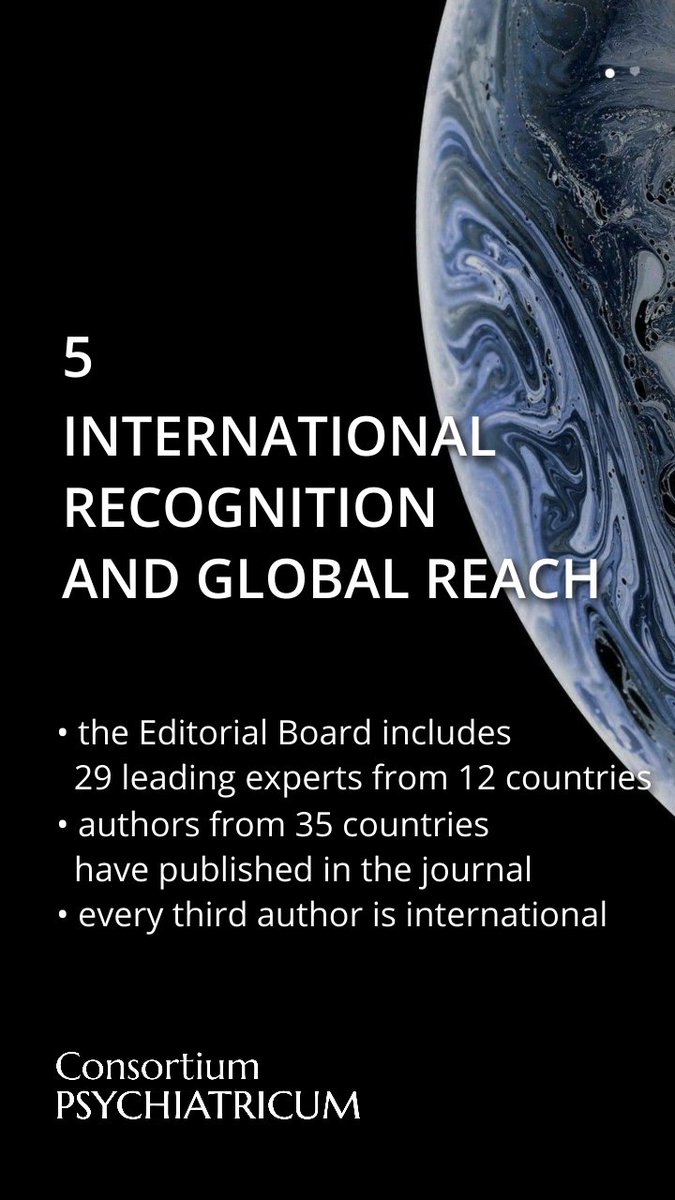
5. International recognition and global reach • Editorial Board: 29 experts from 12 countries • Authors from 35 countries
Consortium PSYCHIATRICUM tweet media
English
1
0
2
15
Consortium PSYCHIATRICUM
Consortium PSYCHIATRICUM@consortiumpsy·
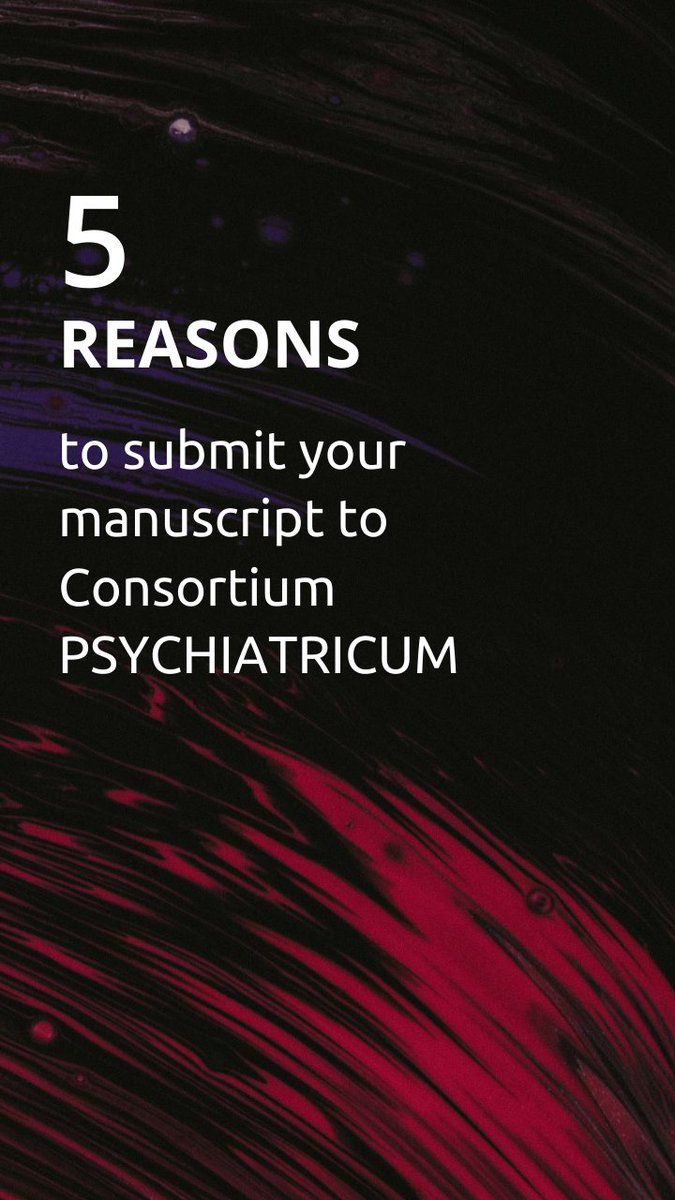
5 reasons to submit your manuscript to Consortium PSYCHIATRICUM ⭐ Publishing in our journal helps researchers present their work to the international scientific community. #AcademicPublishing #PsychiatryResearch Here are the key advantages for authors 👇
Consortium PSYCHIATRICUM tweet media
English
1
0
2
42