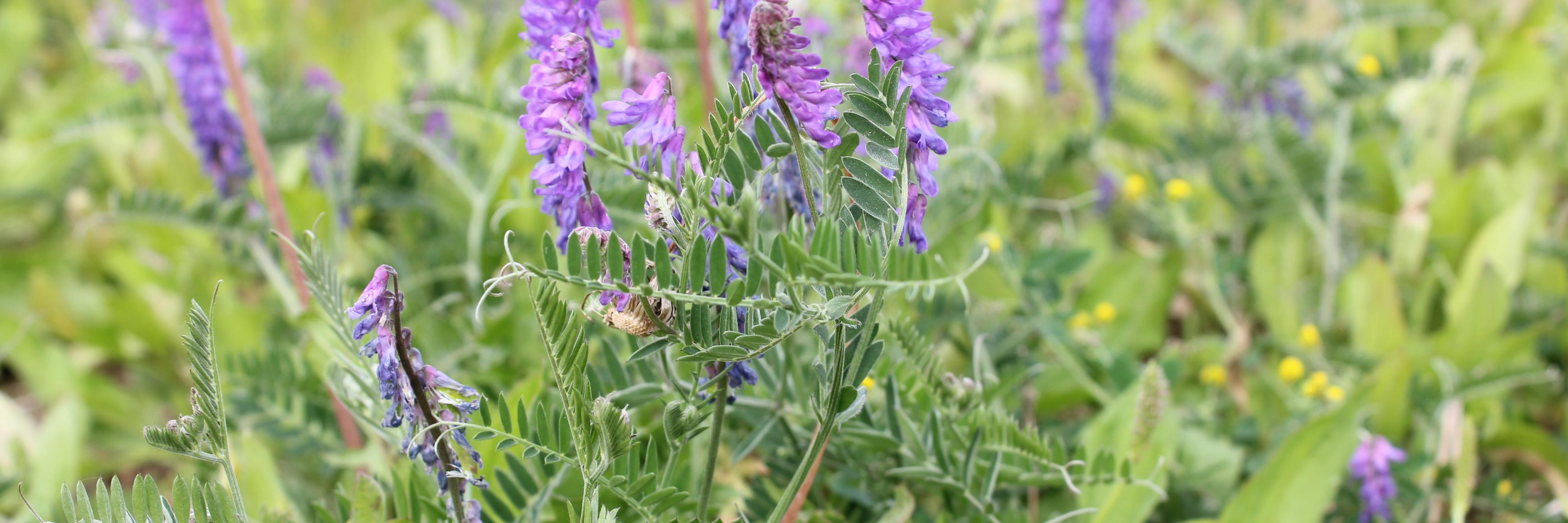
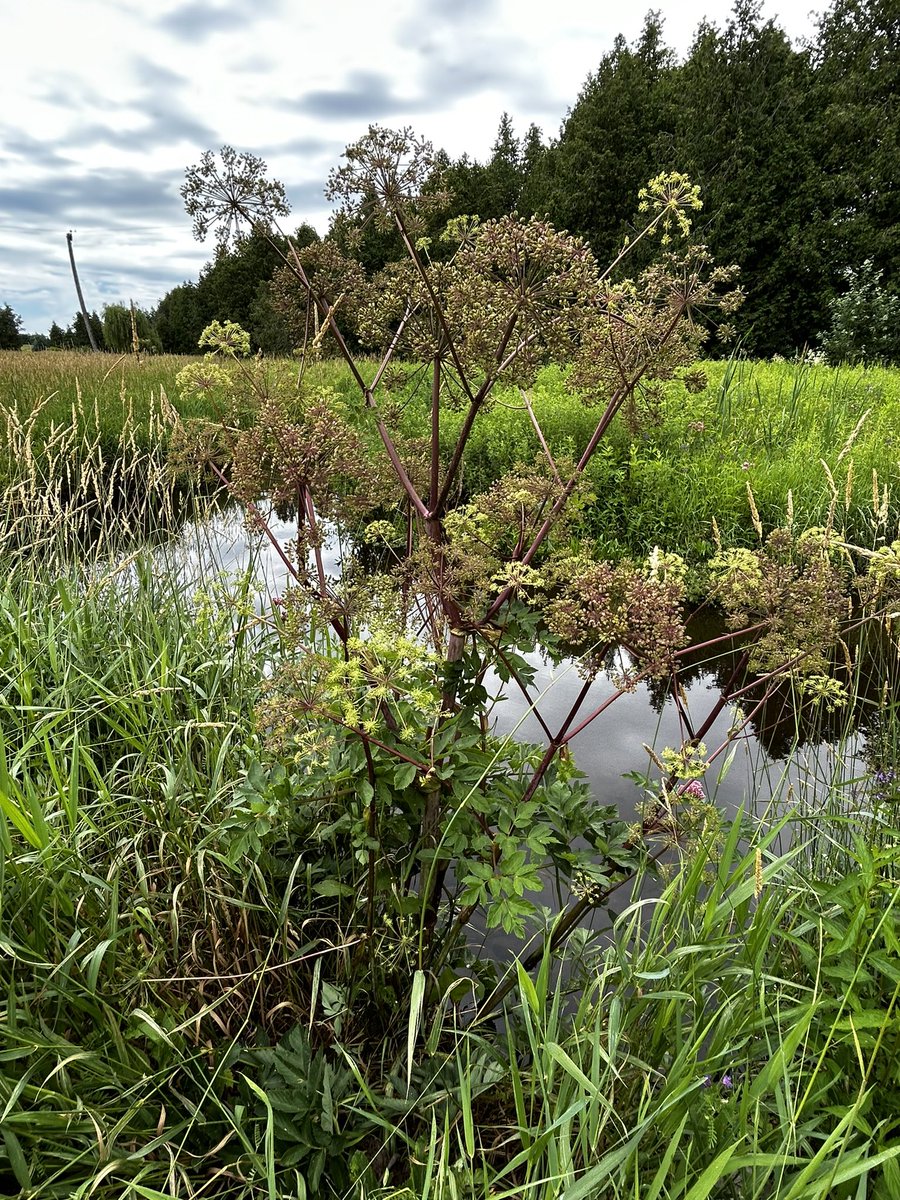
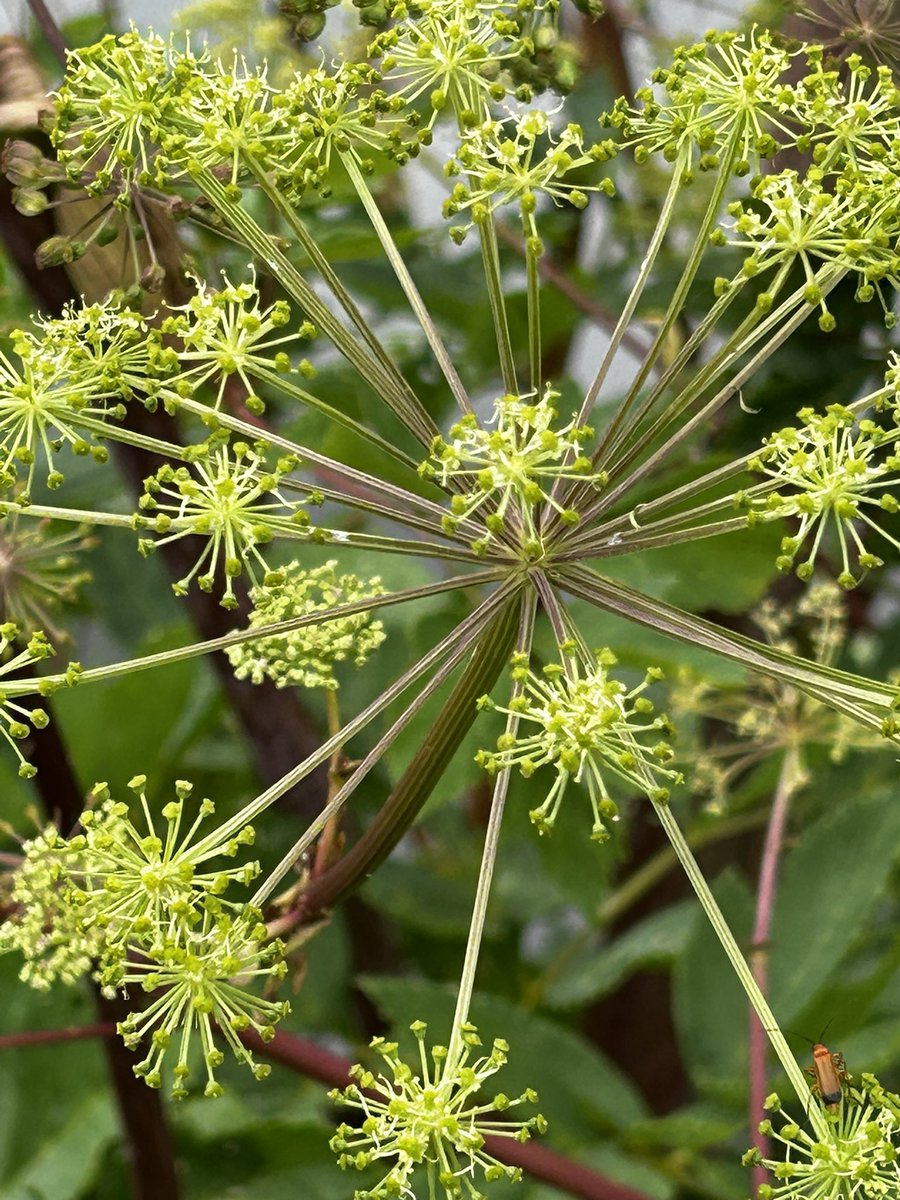
@dejongcropcare@WheatPete Others have made good suggestions here. @FJTardif has done multi-year study’s but in non crop areas. The group 4 herbicides (dicamba) stunt growth and prevent flowering. Glyphosate is effective at high rates and multiple applications. It’s a tough one for sure.
@SflJim@WheatPete@psikkema1@FtardifUofG You won’t get any meaningful residual control to deal with weeds that germinate and emerge in the spring…ragweed being the most significant.
Anybody growing cereal silage, or has some in the silo already? If you are willing to work with @RuminantFID, your feed advisor & the lab normally used, we'd like to have a physical sample of your feed + analysis for Nov 2 event @BeefGuelph@DairyFacility DM me, pls?
We are back in person July 20th & 21st in Ridgetown! We have combined Southwest, Elora & Eastern Ontario into one provincial event (Ontario Crop Diagnostic Days)! You will not want to miss this! Register soon, as space is limited to 200/day! bit.ly/3QKJhzr#OCDD22
Finishing up IP resprays on the holiday weekend 👇#IYKYK Contact @livnoorenberghe to get yourself one of these great tees in support of the OAC Weeds Team! #mykindahumour
Horsetail control trial in E3 soybeans…interesting differences so far in the top growth control with 2,4-D choline on its own (1st pic) compared to the combo of glyphosate + 2,4-D choline. This is 4 days after application.
@gblairfarms@islandviewag@MdMcLean1@cheekyfarmgirl There are a bunch of theories, but the plant is so adaptive that you can usually find a population that thrives in soil conditions that are supposed to be inhospitable…
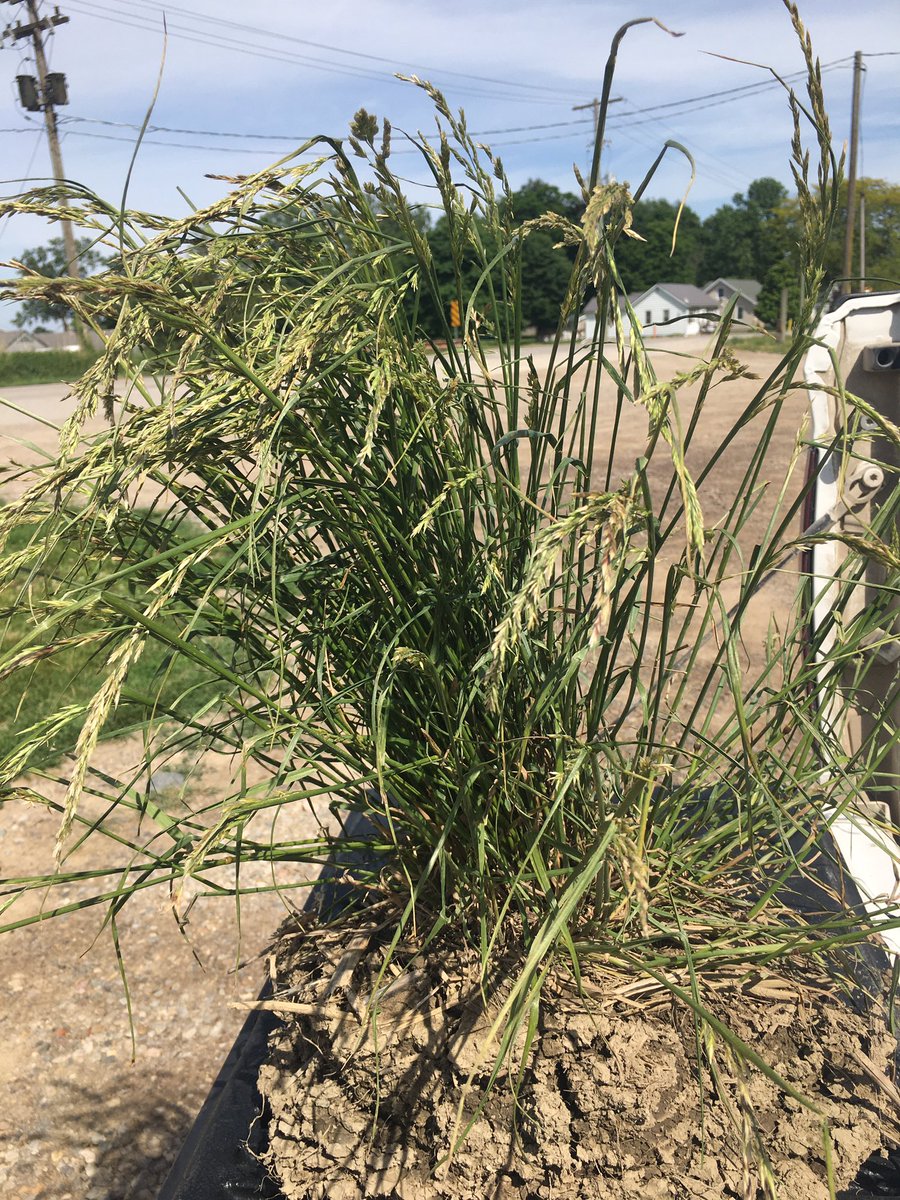
@farmertorrey@swagronomy@Adam4Bent You’re welcome to send me a sample and I’ll take it to herbarium to ID…these are not easy grasses to ID without a key and microscope.
@swagronomy Trying to ID that very same grass today in a field of winter wheat. Dark nodes and somewhat zig-zag stem. Not downy brome as far as I can tell. I’m stumped @Adam4Bent
@Dan_Foster_ My guess is a Festuca species. I sent two to the OAC herbarium this week that were Tall Fescue…that genus appears to have some decent natural tolerance to glyphosate