Thank you so much for your generous donation to our Autism Treatment Center. Your support truly makes a meaningful difference in the lives of the individuals and families we serve.
atcoftexas.org
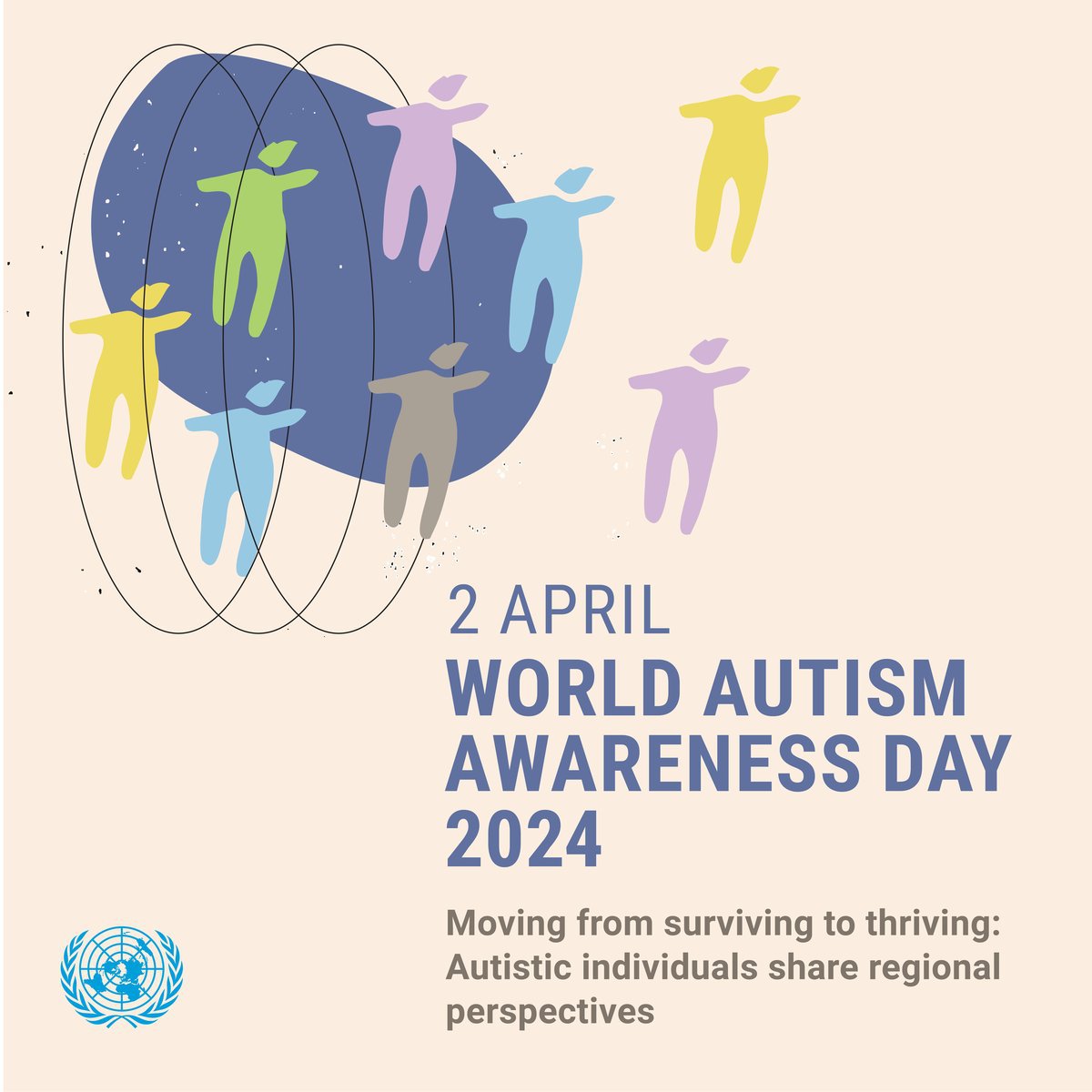
On Thursday’s World Autism Awareness Day, we celebrate the invaluable contributions of autistic people to communities worldwide.
“Like anyone else, autistic people should be able to shape their own lives and help to shape our shared future” — @antonioguterresun.org/en/observances…
“#WorldAutismAwarenessDay is a moment to recognize & celebrate the important contributions of autistic people in every country & community.”
@antonioguterres calls for realization of human rights of people with autism to ensure inclusive world for all. un.org/en/observances…
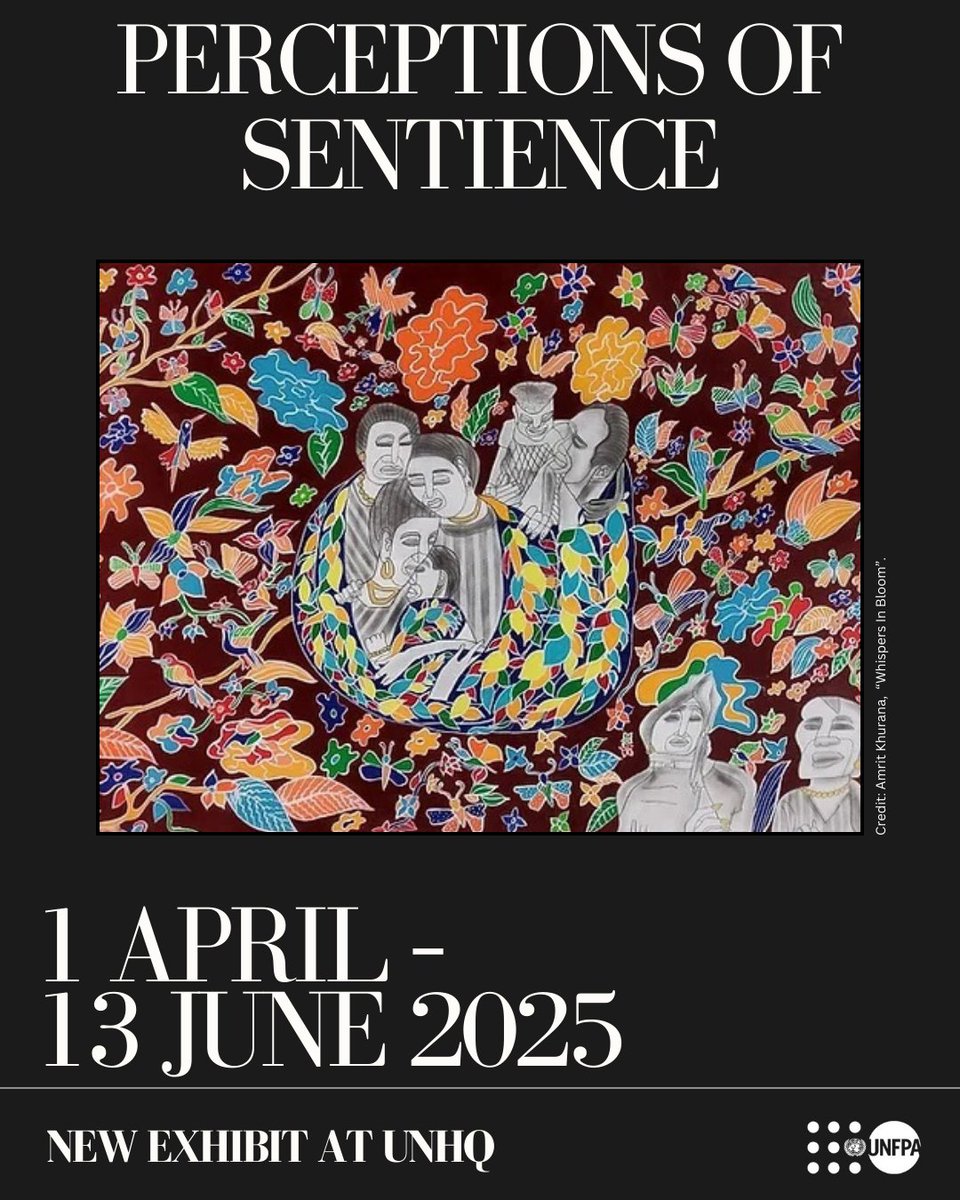
A new exhibit at UNHQ in NYC showcases paintings by neurodiverse artists from around the world, challenging myths about autism and highlighting alternative ways of processing emotions and environmental awareness.
Find out more: un.org/en/exhibits/pa…
Dr Jamila Taiseer Yasser Al Abri from #Oman 🇴🇲 has demonstrated significant leadership in teaching and managing national health programmes, incl. on breast cancer, mental health and autism spectrum disorders, and other family health issues.
She is also leading a technical assistance project to enhance social protection for health care of women in Arab States, which was implemented in six countries.
#WHA77
Twenty years ago, Bobby Kennedy was exiled from polite society for suggesting a link between autism and vaccines. Now he’s a cabinet secretary, and still saying it.
(0:00) The Organized Opposition to RFK’s Mission
(6:46) Uncovering the Reason for Skyrocketing Rates of Autism
(13:41) How Big Pharma Enslaves Doctors and Profits off Sickness
(24:22) Is It Possible to End the Corrupt Relationship Between Big Pharma and Corporate Media?
(33:35) Will RFK End Vaccine Company’s Lawsuit Immunity?
(38:37) The Most Damaging Vaccine in History
(47:49) Will There Be Compensation for the Vaccine-Injured?
(53:47) Did the Covid Vaccine Kill More People Than It Saved?
(57:50) RFK’s Firing of So-Called “Experts”
(1:01:58) How Big Pharma Makes Billions off the Vaccine Schedule
(1:05:08) The Real Reason Fauci Got a Pardon
(1:10:42) When Will We See the Declassification of the JFK, RFK, and MLK Files?
(1:20:51) How Trump Is Transforming Washington
Includes paid partnerships.
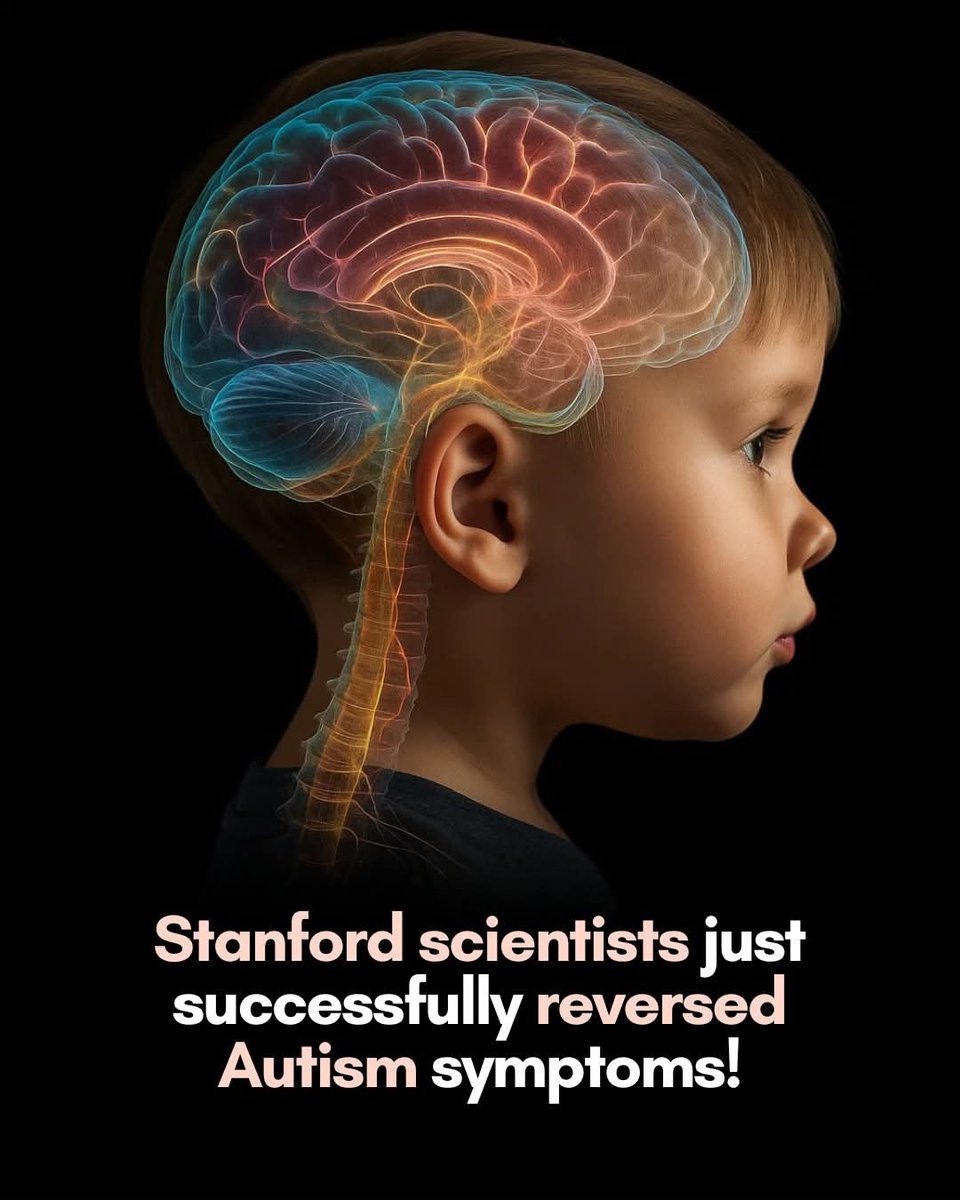
🧠 A Stanford team just reversed autism symptoms by targeting one overlooked brain region.
In a breakthrough study, Stanford Medicine researchers have reversed autism-like behaviors in mice by targeting a specific brain region known as the reticular thalamic nucleus.
This area, which acts as a gatekeeper for sensory information, was found to be hyperactive in mice modeling autism, leading to symptoms such as hypersensitivity to stimuli, social withdrawal, seizures, and repetitive behaviors.
By reducing this hyperactivity—using both an experimental seizure drug (Z944) and a neuromodulation technique called DREADD—the researchers effectively restored typical behavior patterns in the mice. Remarkably, when this brain region’s activity was artificially increased in healthy mice, they began to exhibit autism-like behaviors, further underscoring its role.
These findings also deepen our understanding of why epilepsy is so commonly co-occurring in individuals with autism, as both conditions may share underlying neural circuitry involving the thalamus.
While the study is still in preclinical stages, it offers a compelling new direction for treatment research—targeting a specific and previously underexplored region of the brain. If future studies in humans confirm these results, this approach could represent a major step toward more precise, biology-based treatments for autism spectrum disorders.
Source/Research:
“Reticular thalamic hyperexcitability drives autism spectrum disorder behaviors in the Cntnap2 model of autism” by Sung-Soo Jang, Fuga Takahashi and John R. Huguenard, 20 August 2025, Science Advances.
STATEMENT:
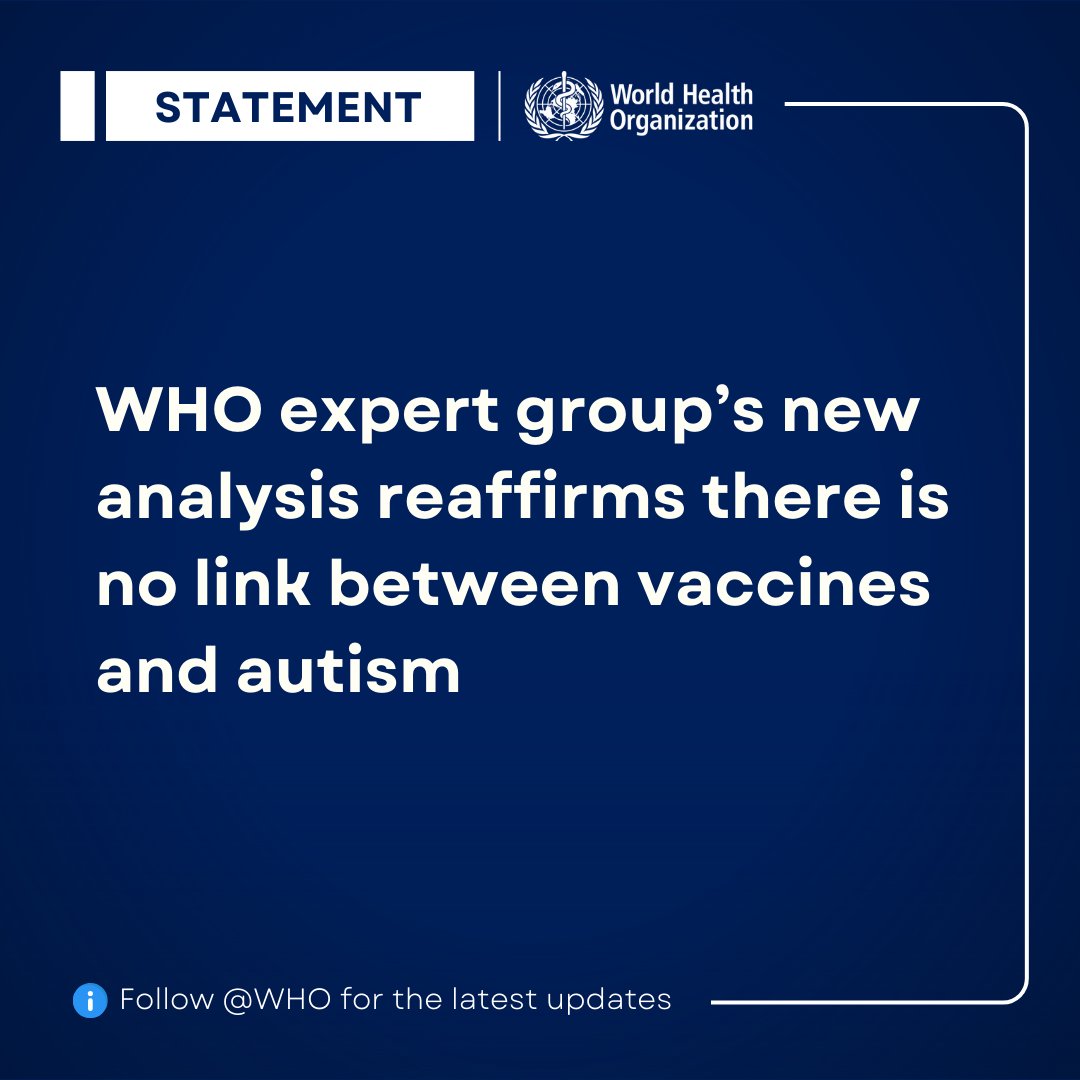
New analysis from a WHO global expert committee on vaccine safety has found that, based on available evidence, no causal link exists between vaccines and autism spectrum disorders (ASD). The conclusion reaffirms WHO’s position that childhood vaccines do not cause autism.
The Global Advisory Committee on Vaccine Safety (GACVS), established in 1999, brings together international experts to provide independent and authoritative scientific advice to WHO on global vaccine safety related priorities.
The latest analysis, discussed by the Committee on 27 November 2025, focused first on the relationship between thiomersal-containing vaccines and ASD, and the association between vaccines in general and ASD. Evidence based on 31 primary research studies, published between January 2010 and August 2025, including data from multiple countries, strongly supports the positive safety profile of vaccines used during childhood and pregnancy, and confirms the absence of a causal link with ASD.
The Committee also assessed the review of potential health risks associated with vaccines with aluminum adjuvants, drawing on studies conducted from 1999 through March 2023. In addition, it reviewed a recent large cohort study analyzing nationwide registry data of children born in Denmark between 1997 and 2018. In summary, the available high-quality evidence shows no association between the trace amounts of aluminum used in some vaccines and ASD, supporting the ongoing use of vaccines with aluminum adjuvants.
Following its review, GACVS reaffirms its previous conclusions from 2002, 2004 and 2012: vaccines, including those with thiomersal and/or aluminum, do not cause autism.
WHO advises all national authorities to rely on the latest science and ensure vaccine policies are grounded in the strongest available evidence. Global childhood immunization efforts represent one of the greatest achievements in improving lives, livelihoods and the prosperity of societies. During the past 50 years, childhood immunization has saved at least 154 million lives.