

Criptocubano ⚡☕
60 posts

Criptocubano ⚡☕
@criptocubano
Cubano amante a la tecnología, las criptomonedas y sobre todo al buen café #Bitcoin
Cuba Katılım Şubat 2023
138 Takip Edilen25 Takipçiler


@StarkPrivacy @Tails_live Que OS usas para tu día a día ?
Español

Tu sistema operativo privado, siempre contigo
Con solo tener un almacenamiento USB/DVD puedes llevar contigo tu sistema operativo dónde quieras y además no uno cualquiera, uno enfocado en la privacidad, hablo de @Tails_live
Sigue leyendo que te cuento:
En primer lugar voy a explicarte que es Tails y luego como puedes usarlo en cualquier lugar.
¿Qué es Tails?
A diferencia de los sistema operativos más conocidos, Tails es una distribución de Linux, enfocada en la privacidad y en poder llevarlo en cualquier lugar.
Con tan solo un almacenamiento USB/DVD de 8GB y un ordenador donde conectarlo.
¿Cómo puedo instalarlo? (3 pasos)
1. Necesitas el software BalenaEtcher de @balena_io o cualquier otro instalador de software en almacenamientos USB como rufus.
2. Descargar TailsOS y flashearlo en el almacenamiento.
Simplemente tienes que abrir BalenaEtcher, seleccionar el sistema operativo y seleccionar un almacenamiento, luego simplemente debes darle a "Flash!"
3. Una vez hecho esto solamente tienes que cerrar la aplicación e iniciar desde el USB apagando y arrancando el ordenador ¿Cómo puedes hacerlo? Te explico:
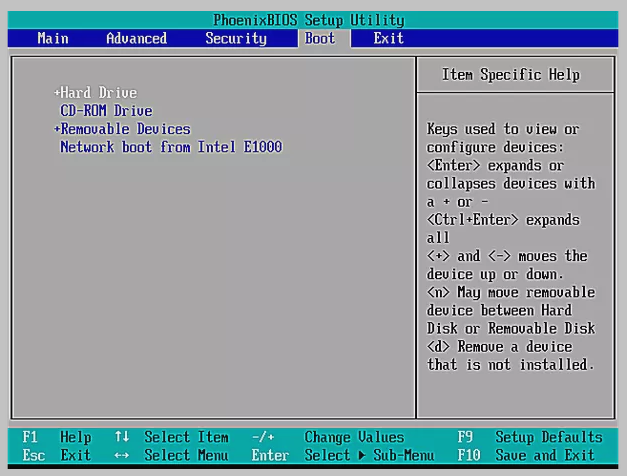
Dependiendo del ordenador puede aparecer al arranque que presiones "X tecla" para cambiar la prioridad de arranque o acceder a la BIOS.
Aunque se ve algo "tosco" que no te asuste, no tiene nada, simplemente ve a la pestaña de "Boot" y cambia la prioridad de arranque para que arranque desde donde tienes TailsOS.
Puedes encontrar tutoriales para cada ordenador en internet pero a groso modo, todos son iguales.
Una vez inicias el sistema te aparecerá una ventana de bienvenida parecida a la de la imagen de abajo.
Pero en la que encontrarás pequeños ajustes.
Por ejemplo, la carpeta "Persistente".
Esta carpeta permite guardar los archivos que dejes en ella, cada vez que desconectas el almacenamiento TODO se borra, excepto lo que tengas ahí.
Todo lo que pasa por aquí va mediante TOR pero además el sistema trae aplicaciones que cuidan tu privacidad, por ejemplo:
Electrum para Bitcoin, LibreOffice para la escritura, Thunderbird para el correo, Audacity para grabar y editar audio, KeepassXC como gestor de contraseñas...
Tenemos un sistema con muchas herramientas que nos cuidan en términos de privacidad y que podemos llevar en el bolsillo a cualquier lugar (O que quizás justamente queremos tener bien guardado).
Sea como sea recuerda proteger tu privacidad en el ciberespacio.
Un saludo.



Español
@decubba @_Li_te_ral @walletofsatoshi @getAlby Lo es :( , aún así para LN es la más usada , para una solución autocustodia de LNURL hay que correr un nodo 😶🌫️
Español

@criptocubano @_Li_te_ral @walletofsatoshi @getAlby Super ! 🙏
Walletofsatoshi sabemos que es bastante popular, pero tenemos una duda, es custodial?
Español
📱 Esta semana queríamos lanzar una solución para facilitar el uso de pagos digitales, pero lamentablemente surgieron varios imprevistos y decidimos postergarlo para la próxima semana.
De todas formas, para ir entrando en calor, aquí te dejamos una captura. ¿Qué te parece? 😉

Español
@decubba @_Li_te_ral @walletofsatoshi @getAlby En el caso de GetAlby es una estación de navegador pero se puede configurar para @bluewalletio y @ze
Español
Criptocubano ⚡☕ retweetledi

Una excelente oportunidad (₿⚡️) para muchos negocios en Cuba 🇨🇺
Espero y deseo que se replique a muchos más...😀💪
⚡edenisgrafic@getalby.com
@Cuba_BTC @MyfirstBitcoin_ #Bitcoin #Cuba
criptonoticias.com/comunidad/adop…
Español
Criptocubano ⚡☕ retweetledi


Criptocubano ⚡☕ retweetledi

Hoy culminó #MiPrimerBitcoin en #Cuba @Cuba_BTC, vea una breve reseña en @hivecuba #HIVE @ecency_official
@ertytux/la-educacion-bitcoin-se-abre" target="_blank" rel="nofollow noopener">ecency.com/hive-10053/@er…
Español
@decubba @_Li_te_ral No se podría implementar en lightning para una direcciones estáticas como una LNURL o una lightning address ?
Español
@_Li_te_ral 😍😍
Hive ya lo logramos implementar 💯
Lighting nos encantaría agregarlo, pero es un problema, hay que montar un nodo obligatoriamente para hacer eso y el alcance de esta app no llega hasta allá :(
Español
Criptocubano ⚡☕ retweetledi


@StarkPrivacy Lo mejor es montar tu propio servidor de VPN :)
Español
Escoge la mejor VPN, protégete en internet🌐
Hablaremos de VPNs comerciales de las que alguna vez seguro has visto en internet, ¿Que son? , su funcionalidad y criterios para escoger la mejor.
🟡¿Que son?
VPN son las siglas de Virtual Private Network (Red Privada Virtual).
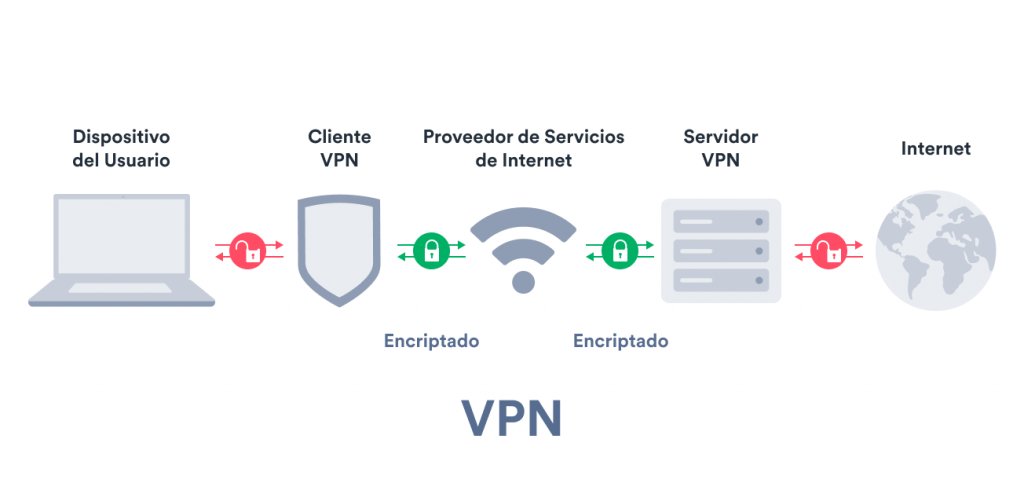
Es una conexión cifrada a Internet desde un dispositivo a una red.
Que la conexión sea cifrada permite la transmisión segura de datos y evita que las personas no autorizadas espíen el tráfico de la red.
Dije segura, que no es lo mismo que privada. Nadie fuera de esa VPN puede espiarte directamente, pero quizás sí la propia empresa de la VPN. (Aquí tienes que valorar que buscas en una VPN).
Una VPN permite conectar 2 dispositivos (o varios), un dispositivo a una red, un servidor permanente al cual acceder con varios dispositivos, conectar redes entre sí... Sin tener que estar cerca geograficamente.
🟡¿Para que sirven?
¿Solo es para cambiar mi ubicación?
No, también permite poder interactuar con otros equipos sin tener que estar en la misma red físicamente. (Aunque no son las que analizaremos).
¿Me dará anonimato?
No necesariamente, de hecho podrías usar la mejor VPN y podrían saber quién eres.
¿La VPN me hace al menos más privado?
Puede, al igual que en una carpintería, una herramienta por sí sola no te monta un armario y de poco sirve el mejor destornillador si no sabes leer ni las instrucciones...
¿Entonces para que quiero una VPN?
Ahora mismo te lo explico:
· Para lo que fueron creadas, conectar dispositivos a una red sin tener que exponerlo a todo internet.
· Incrementará tu seguridad en redes publicas.
· Hará que tu ISP no conozca lo que haces.
· Poder ver contenido de otros países.
· Ocultará tu IP real a las páginas webs.
· Acceder a contenido bloqueado por tu proveedor de internet.
Por ejemplo aquí podemos ver lugares donde se ha bloqueado Youtube: h.ttps://en.wikipedia.org/wiki/Censorship_of_YouTube
Muchas webs por diversos motivos, desde políticos a presiones de empresas son bloqueadas, con una VPN se puede llegar a evitar muchos de estos bloqueos.
🟡REQUISITOS MÍNIMOS PARA ESCOGER UNA VPN
· Kill Switch: Permite que si nuestra vpn falla o se desconecta nuestro internet también se desconecte evitando una fuga de datos fuera de nuestra conexión
· Auditorías: realizadas por terceras empresas de prestigio.
· Permitir OpenVPN y Wireguard: Protocolos VPN opensource y por lo tanto auditable por cualquier persona.
· Multihop: Hace que tu información pase por más de un servidor antes de llegar a su destino y si uno quedase comprometido, sigues protegido.
· Aplicación Opensource: Es importante poder auditar el código de la aplicación, proporciona una mayor transparencia de cara a los usuarios.
· Pago en Criptos y/o efectivo
· No usar google ads ni similares.
· Política de No Logs
· Fuerte encriptación: como AES256 y RSA4096
· Login con ID, como mínimo user/pass, que no se inicie sesión con terceras plataformas.
🟡¿QUÉ OPCIONES TENEMOS?
@ivpnnet , @mullvadnet y @ProtonVPN
Reputadas VPNs con un tiempo a sus espaldas.
¿Y el precio?
ProtonVPN es el único en ofrecer un plan gratuito.
Comparemos a 2 años (La opción más económica) quedaría de la siguiente manera:
ProtonVPN y Mullvad: 120€
iVPN: 160$ (Con multihop), 100$ (Sin Multihop).
Pero si pagamos Mullvad con BTC/XMR/BCH tendremos un 10% de descuento, siendo la opción más económica mensualmente con un precio de 4.50€, 5€ Proton y 6$/10$ iVPN.
(Cabe destacar que comprando todo el paquete de servicios de Proton sale más rentable)
¿Cómo lo pago?
· Proton: Tarjeta | PayPal | BTC | Efectivo | GiftCard
· Mullvad: Tarjeta | PayPal | XMR | BTC | BCH | Efectivo | GiftCard | Transferencia | (Otros métodos poco relevantes)
· iVPN: Tarjeta | PayPal | BTC | XMR | Efectivo
🟡¿Cuál es la mejor de todas?
Depende. Ahora que hemos visto las principales opciones y los estándares establecidos sigamos con más comparaciones:
Legislaciones:
· ProtonVPN entre otras cosas porque está en Suiza, que está fuera de los 14 Ojos y en un país que protege de base tu privacidad.
· Mullvad está en Suecia, estando en los 14 ojos y pudiendo tener problemas más fácilmente que Proton de cara a la privacidad en términos legales.
· iVPN están en Gibraltar, colonia Británica y con un fuerte servicio de inteligencia (Estando también en los 14 ojos) sin embargo Gibraltar no sigue las reglas específicas de retención de datos de UK.
(Aquí te explico que son los 14 ojos: x.com/StarkPrivacy/s… )
Servidores:
· Mullvad: 617 servidores en 40 países
· ProtonVPN: 3033 servidores en 69 países
· iVPN: 89 servidores en 37 países
A destacar:
· Mullvad: Tiene servidores "DiskLess" los cuales la información que tienen están en memoria RAM en vez de en discos de almacenamiento, esto hace que si el servidor es desconectado o se trata de trasladar la información se borre.
· ProtonVPN: Su legislación le brinda una capa de seguridad extra primordial.
· iVPN: No encuentro algo a destacar frente a los otros, sin embargo esto no tiene que ser negativo, lo que hace lo hace bien.
No se podría llegar a determinar cual es la mejor, sin embargo podemos acotarlo a las 3 anteriormente mencionadas por todo lo dicho.
¿Oye y mi VPN que te parece?
Existen muchas, he destacado las que se toman más en serio la privacidad, quizás puedan cumplir otras funciones pero para mí lo indispensable es que sea buena en privacidad. Si su página web utiliza analíticas de Google o inicio de sesión con Google (NordVPN / SurfShark entre otras) podemos ver que quizás la privacidad no es su principal foco.
🔴OJO:
Quiero destacar unas VPNs en concreto:
CyberGhost, ExpressVPN, ZenMate, PIA o Intego.
Estas VPNs pertenecen a "Kape technologies" antes conocida como "Crossrider", puedes comprobar por tí mismo como una empresa de malware y adware compró Cyberghost y ahora se llama "Kape".
También tienen en posesión páginas de reviews de VPNs.
Detrás de todo esto también tenemos a "Ted Sagi", magnate Israelí, su socio "Kobi Menachemi" un espía Israelí que pertenecía al unit 8200, un servicio de inteligencia de Israel y para finalizar Ido Elrichman, que fue capitán en las fuerzas de la defensa de Israel y que trabajó en el ministerio de finanzas de Israel.
Israel tiene de los servicios de inteligencia más temidos del mundo, no me fío de Kape, puedes investigar todo lo que hay detrás de ellos.
Para finalizar decirte que yo utilizo ProtonVPN, me parece la mejor VPN actualmente por todo lo comentado, aunque iVPN y Mullvad también son muy buenas puedes utilizar el enlace que encontrarás en mi perfil si también te gusta ProtonVPN y apoyarme a seguir creando contenido.
Recuerda protegerte en el ciberespacio.
Un saludo.


Español
@manuphotos_ Eso es tan bien pero cuando los que buscan conectar con los otros hacen ruido mientras están las ponencias es una falta de respeto ( yo estaba entre esos).
Español

@criptocubano Toda la razón bro pero no aplica a un evento donde la gente busca conectar, relacionarse. ¿Como se puede pensar siquiera en limitar lo que uno habla?
Español
El culto a una tecnología es una cosa de locos.
Se puede ser pasional pero no al punto de convertir esa pasión en religión.
Español
@hiro_hive but I think they are the way to go, of course as long as their foundations are solid.
English
@hiro_hive For me, stablecoins governed by a company are the CBDC of the moment, they don't make sense. It also happens that people are afraid of algorithmic stablecoins because of what happened with Terra and losing parity against the USD at certain times,
English

Hive’s HBD: Decentralized Stablecoins Done Right
In Response to @tbr90' Call for Decentralized Stables
Tyler,
Your recent tweet succinctly pointed out the core of a brewing issue in the crypto sphere: the urgent need for truly decentralized #stablecoins. In an ecosystem where centralized control and premined tokens are common, your call to action is both timely and critical. However, while many projects are still grappling with the issue, Hive has already paved a sustainable path forward with its decentralized stablecoin, HBD.
The Rise of Centralized Stables: A Threat to Crypto’s Ethos
Centralized stablecoins have their advantages: they're stable, reliable(claim to be reliable), and widely recognized. But, at what cost? The very premise of cryptocurrency was to break away from centralized control. By placing trust in centralized entities for the stability of our assets, aren’t we betraying the foundational ethos of the crypto movement?
Hive’s HBD: Decentralization Embodied
Enter HBD (Hive Backed Dollars). This isn’t just another stablecoin in the market. It’s a statement, an embodiment of true decentralization, owned by the people, for the people.
1. No Premine, No Central Entity: Unlike many other projects, HBD wasn’t premined by an elite few, nor is it governed by a centralized entity. Its creation and circulation are organic, governed by market forces and community consensus. In essence, it’s a democratized stablecoin.
2. By the People, For the People: HBD stands out because it's genuinely decentralized. There's no high-command dictating terms or manipulating its value. Its stability is ensured by a vast community, making it resilient to single points of failure or control.
3. Built on Hive’s Legacy: Hive’s commitment to decentralization isn’t new. Born out of the desire to ensure user autonomy and community-driven growth, Hive has always prioritized decentralization over everything else. HBD is just a continuation of this legacy, a stablecoin on a platform where decentralization isn't just a buzzword, but a way of life.
Why HBD Matters More Than Ever
Tyler, your call for decentralized stables comes at a pivotal time. As the crypto market matures, there's a palpable hunger for assets that are both stable and truly decentralized. Hive’s HBD serves as a blueprint, a beacon showcasing that this delicate balance is not only achievable but sustainable.
Moreover, the wider acceptance of HBD signifies a shift in user sentiment. It's no longer enough for a token to just be stable. It needs to align with the core principles of decentralization, ensuring that its control isn't concentrated in a few hands. With HBD, Hive has set a gold standard, proving that stablecoins can thrive without sacrificing their decentralized essence.
In conclusion, as the crypto community pushes for more decentralized solutions, platforms like Hive and stablecoins like HBD stand as torchbearers. They remind us of the broader vision of cryptocurrency and prove that it's possible to merge stability with decentralization. Tyler, the future you envision is already taking shape on Hive. And it's a future where decentralization isn’t compromised.
Cheers to a decentralized tomorrow.

English
@hiro_hive I have little time in #hive and still know little, but I am very struck by how Hive emerged from the fight against centralization that Justin Sun achieved in Steem.
English
Why the Downfall of #Steem will bring $Hive to the new heights
Since 2017, I have been a witness to the ebbs and flows of the Steem platform. The platform promised decentralization and a new era of content monetization. However, over time, its journey took a turn that many of us did not anticipate, especially with the entry of @justinsuntron into the scene.
The Downfall of Steem: Why it can be a Good News for Hive
It's common knowledge that the majority of Steem's active community migrated to Hive post the contentious hard fork. This migration wasn't merely a shift in platform; it was a migration of values, ethics, and beliefs in the power of genuine decentralization.
The impending failure of Steem is more than just its diminishing value or lack of active development. The downfall is symbolic of a broader narrative. When you look closely, it's a story of how even deep pockets and influential backing can't stand against genuine community spirit and true decentralization. The message? Decentralization wins, always.
Moreover, the fact that Justin Sun's involvement with Steem could eventually lead to its decline might deter future centralized entities from exerting undue influence on truly decentralized platforms. It's a testament to the resilience and the power of community-led platforms.
Hive's Edge: Decentralization and Active Development
Hive's main edge over Steem, or any other platform for that matter, is its unwavering commitment to the community. Just a glance at Steem's GitHub page since the Hive community moved on showcases a glaring lack of development.
Contrast this with Hive's ongoing advancements and enhancements, and the picture becomes crystal clear. When you invest in a community, they invest right back. This active development, driven by passionate community members, ensures the platform's resilience and adaptability in an ever-evolving digital space.
Steem's Decline: A Blessing in Disguise for Hive?
With Steem's potential downfall, many on the fence about Hive may soon realize what we've known all along: Hive's power lies in its unwavering decentralization. This isn't just about tech; it's about philosophy. Hive is decentralized not because of how it's coded, but because of the people who breathe life into it.
This realization could lead to a surge of trust in Hive's governance and possibly even a boost in the Hive token's value. More importantly, it can act as a beacon for those who truly believe in the principles of decentralization.
Hive's Future: Thriving and Empowering
Envisioning Hive in the coming years, I see it not just as a platform but as an ecosystem. An ecosystem where social media apps flourish, where content creators find their voice, and where every single user has a say. Hive will not just exist; it will thrive and become a paradigm of how community-driven platforms should operate.
In Conclusion
While it's not about celebrating the downfall of one to uplift another, it's essential to recognize the inherent strengths of Hive. The platform's journey, resilience against centralized powers, and unwavering commitment to its community is what sets it apart. As Steem's chapter seems to be coming to a close, Hive's story is just beginning. And it's a story we all are crafting together.
The lessons from Steem and Hive go beyond the realms of cryptocurrency. They're a testament to the timeless power of community, decentralization, and genuine passion. And as we move forward, these are the values that will guide Hive to newer heights.


English
Criptocubano ⚡☕ retweetledi
Hive: The Antidote to Ethereum's Centralization Concerns
An Open Letter to @evan_van_ness on Twitter
Dear Evan,
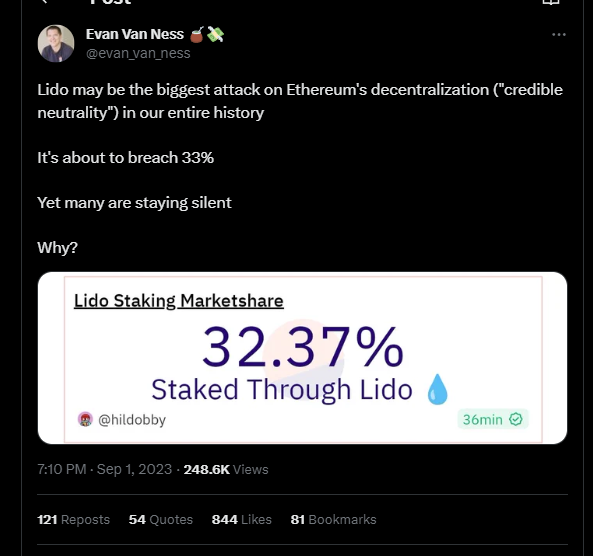
Your recent tweet caught my attention, and I couldn’t help but resonate with your concerns about Ethereum's potential centralization. The threat that Lido poses, inching ever closer to breaching the 33% threshold, is undoubtedly alarming for anyone passionate about decentralization and the core values that Ethereum initially championed. However, while Ethereum faces challenges, there's a protocol out there that's already addressed these issues.
The Centralization Dilemma:
Ethereum's promise of "credible neutrality" is at risk. When a single entity or consortium approaches controlling a significant fraction of the network, it not only threatens security but also the foundational principle of decentralization. The deafening silence from influential figures and teams, as you've rightly pointed out, only amplifies the issue.
Enter Hive: The Beacon of Decentralization:
Hive operates on the principle of true decentralization. It ensures that no single entity has the overpowering authority to control or influence the network disproportionately. This decentralization isn't just technical; it's deeply ingrained in Hive's governance, tokenomics, and community culture.
1.Decentralized Governance: Hive's decision-making process involves a widespread community of stakeholders. Proposals are vetted and voted on by the community, ensuring that no single party can unduly influence the platform's direction.
2. Data Ownership: Hive guarantees that every user, big or small, has unequivocal rights to their account and content. This isn't a marketing promise; it's a foundational principle coded into Hive's DNA.
3. Resilience to Centralization: Hive's structure, both technically and in terms of governance, offers a resistance to centralization efforts. Attempts to control significant portions of Hive, be it through token holdings or witness positions, are challenging due to the broad and active participation of its community.
A Lesson From The Past:
Hive's existence is, in itself, a testament to its commitment to decentralization. Born out of a disagreement with the centralized decisions of its predecessor, Steemit Inc., Hive's community-driven fork demonstrated that when values are threatened, decentralization prevails. This act reaffirmed the power of collective, decentralized decision-making over singular, centralized control.
Your Voice Matters, So Does Your Choice:
Evan, while your concerns for #Ethereum are valid, projects like Hive stand as living proof that genuine decentralization is achievable and sustainable. Hive doesn't just talk the talk; it walks the walk. It's a beacon for all blockchain communities, showing the path towards true decentralization, even when faced with challenges.
I wholeheartedly agree with your call to action: "Don't be an NPC." We must not be passive players in the evolving blockchain narrative. By supporting platforms like Hive and championing their achievements, we can make a stand for what we believe in: a decentralized, equitable, and transparent digital future.
Ethereum is indeed worth defending, but it's also essential to recognize and learn from platforms that have already overcome the challenges Ethereum faces. Hive is not just a platform; it's a statement, a testament, and a beacon of hope for true decentralization.
With utmost respect and optimism for a decentralized future, Evan


English