Curtis
8.7K posts

Curtis
@curtinity
Bioinformatics & Multi-omics @StanfordMed Advisor @Research2People RL enjoyer | Athlete | Broscientist
SF Bay Area Katılım Kasım 2014
1K Takip Edilen371 Takipçiler
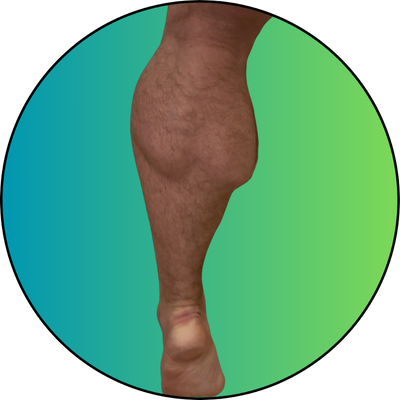
@MagnusVigso been getting clowned for saying this for years 😂
deeply true
English

One of the most attractive things a woman can have is not a big butt or breasts
It it to have proper biomechanics
Gait pattern > Any superficial features

English
@peptidepedia This is such an impeccable response from the vendor and you’re spreading FUD
English

I still stand to believe that ordering untested peptides direct from China is not worth it
Yes, it’s cheaper than US-compounded peptides
But is your health worth a good deal?
Krysia@Krysia830073
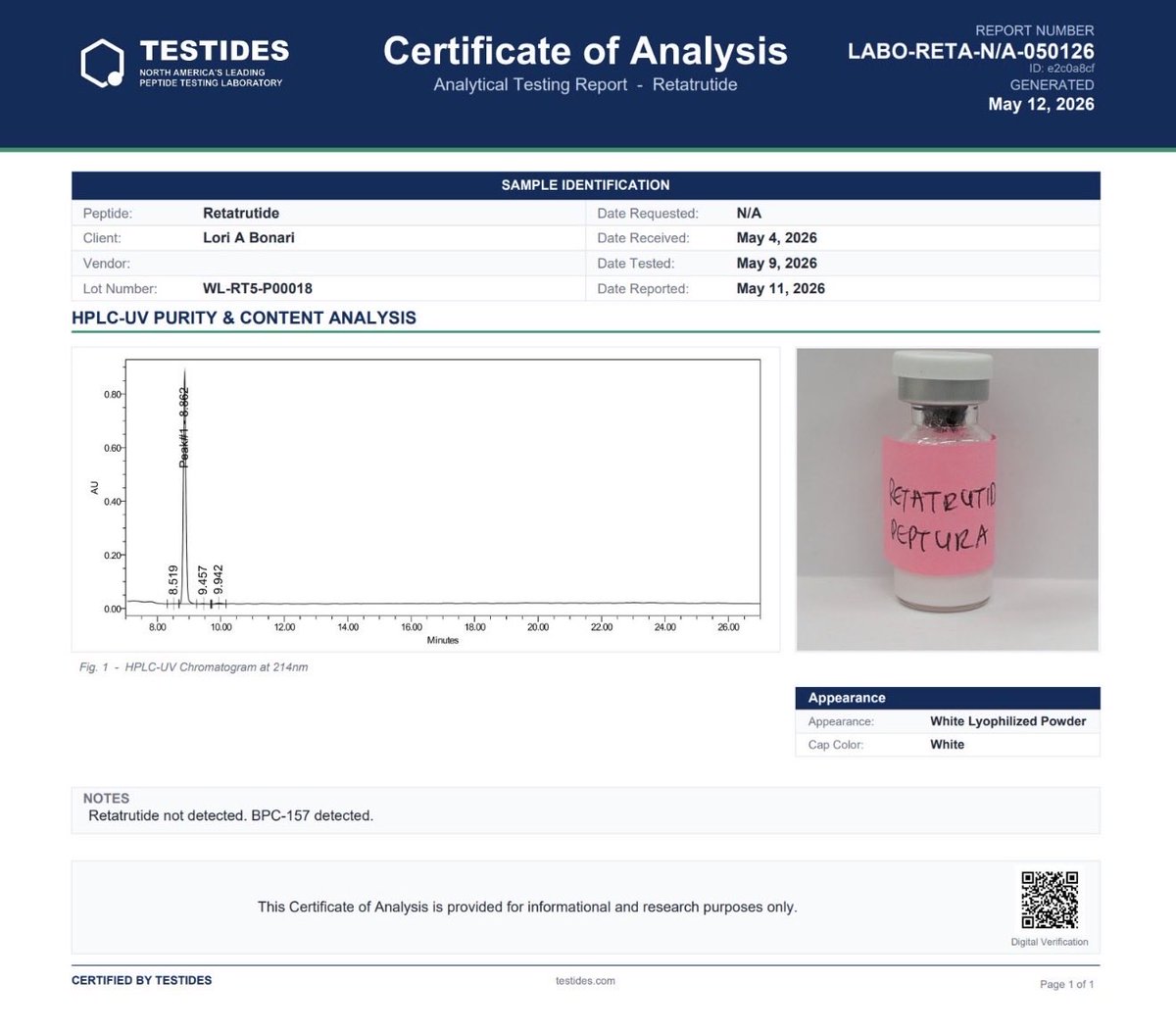
Zhengzhou Chengque Technology Co Ltd “We shipped the products first… then tested them afterwards.” The company has now told customers to destroy the products on arrival and not use them under any circumstances after “quality issues” were discovered post-dispatch. One of these kits purchased through Peptuara has been tested already and the Reta has turned out as BPC-157 Pictures of the affected labels below
English

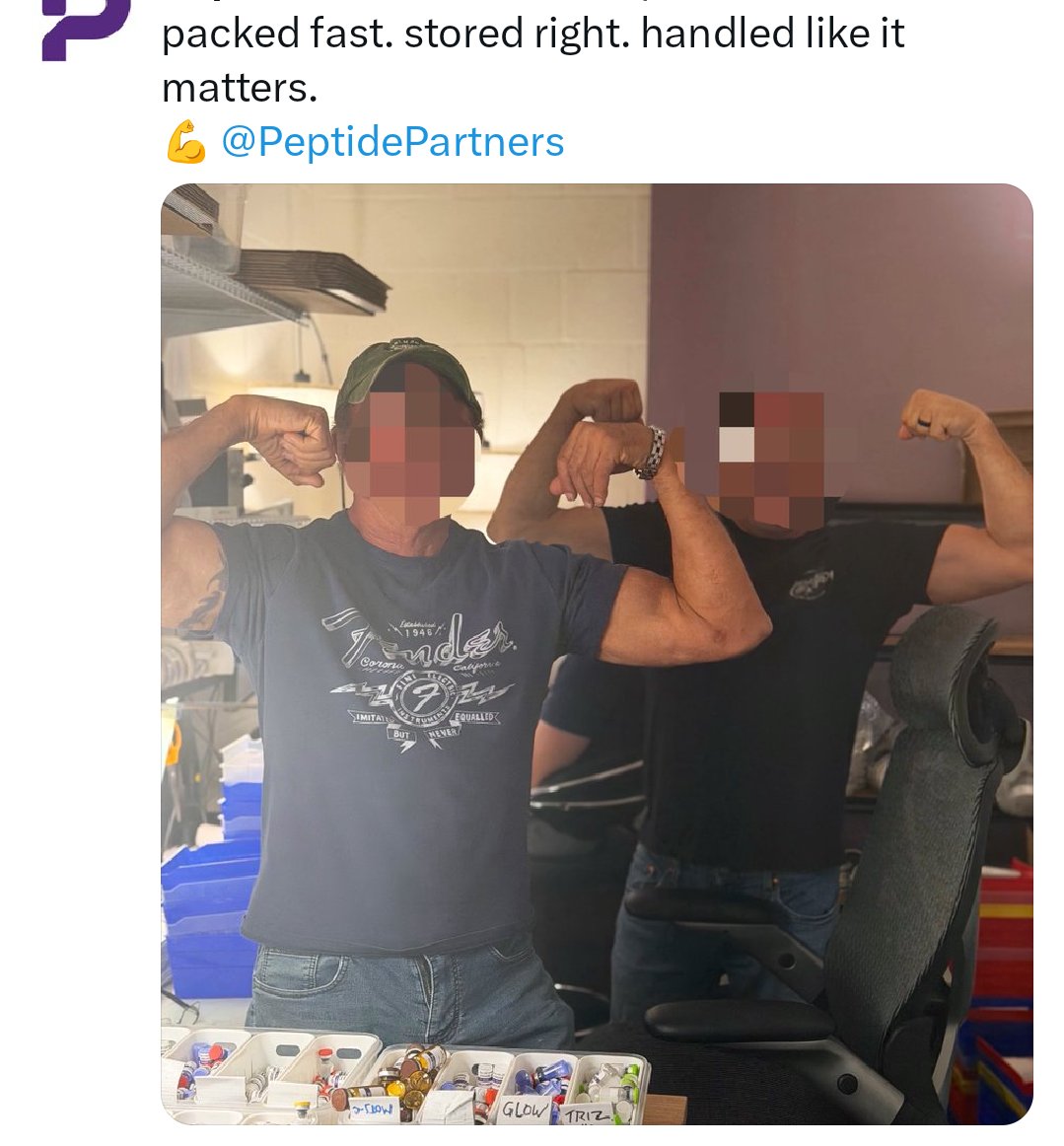
@punishedfounder A couple dudes in their basement slapping labels on vials. They couldn't possibly make a mistake.
They even misspelled their hand written labels...
"Stored right" 🤣🤣🤣
English

you know peptaura’s good when it’s been around for nearly a year, publicly shitting on 10x reseller grifters and this is its first public “controversy” (8 affected orders) out of *thousands* of orders, artificially amplified by (((them)))
our priority has never been protecting vendors; it’s why our COA database is permissionless for verified orders, it acts as a panopticon
it’s always been the customer, because you don’t deserve a 10x markup
and now we will go on to further refine the system to minimize the incidence of errors like these while you scalp your customers and boast about your marginally lower error rate because your order volume is 5% of ours
peptaura.
Peptide Partners@PeptidePartners
English
@Krysia830073 their response is impeccable!
own the mistake. explain what happened. explain their fix. offer solution.
English

Zhengzhou Chengque Technology Co Ltd
“We shipped the products first… then tested them afterwards.”
The company has now told customers to destroy the products on arrival and not use them under any circumstances after “quality issues” were discovered post-dispatch.
One of these kits purchased through Peptuara has been tested already and the Reta has turned out as BPC-157
Pictures of the affected labels below



English


@fermatslibrary Oh it’s bc larger numbers have more digits, so it becomes “harder” for there to be no non-zero digits… roughly
English

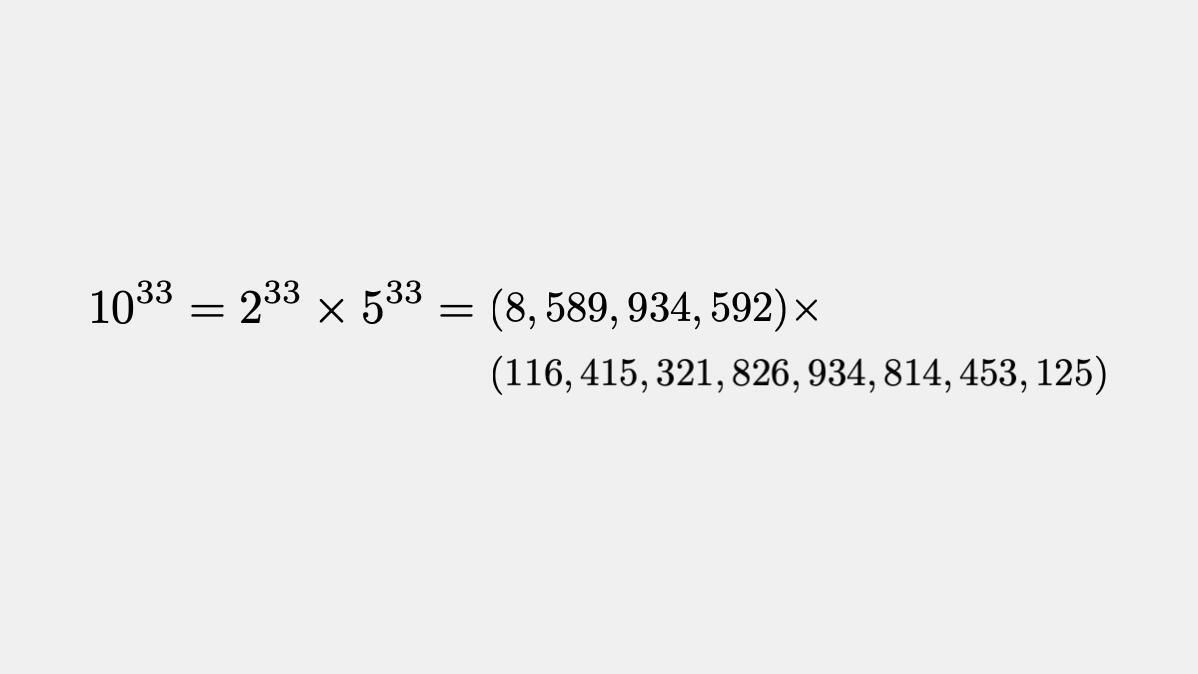
1 decillion (10³³) is the largest power of 10 known to humans that can be represented as the product of 2 numbers that contain no zero digits. A lot of mathematicians believe we won't find a larger number of this kind.
English
@fermatslibrary Why would they believe that? Must be a an interesting reason for that conjecture
English

software engineering and computer science is actually esoteric af
when i first started reading up on systems engineering and rust programming and stuff i was thinking like "wtf these are all the same concepts from my schizo reading material"
systems be systems
if you understand systems then you can understand systems in any field
just have to adopt the specific domain knowledge in the field for it, but the abstract theory is the same
English
@RighttoTryGuy @US_FDA compassion aside, it’s a complete waste.
all parties should welcome these data that couldn’t be ethically obtained under any formal trial.
completely lost the plot.
English

Interesting that there is such a thing as "anti-entropic force" and it is basically "whatever intelligent life is trying to do" and that this is somehow fundamentally connected to the forwards arrow of time.
English

LLM psychosis scales with your distance from the code. As a result it tends especially to afflict non-coding managers, PMs, and execs. It’s also a self reinforcing loop. As the code becomes an object of disgust (unreadable pile of vibecoded shit) you are forced to distance yourself further from it and your only interactions with the code are mediated by model.
English
@Helios_Movement @Indian_Bronson blowing your token budget on bullshi
English

Every single day, me, you and everyone else has a limited "neuroplasticity budget".
A finite daily reserve of metabolic energy, neuromodulators (epinephrine, acetylcholine, dopamine, BDNF), and cellular resources available for meaningful rewiring.
Once that budget is spent, it’s gone until the next day after rest and recovery.
Passive consumption of online content (aka doomscrolling) actively burns through that budget while delivering almost zero constructive plasticity. Y
You are quite literally spending your brain’s daily capacity for growth on junk data.
English

@RokoMijic @FakeAccount0314 @ChaseMann @justalexoki - mitochondrial stimulants (eg high dose thiamine)
- ultrasound: microtubule / vagus nerve stabilizer/stimulant, depending on how you use it
- peptide realm (more complicated and experimental, and im not super public about it. Yet.)
Build fireplace + burn fire, simultaneously
English



Curtis retweetledi

Things Grandma was right about:
> Never used microwaves
> Banned screens at meals
> Saturday Vigil Mass
> “Eat your vegetables first”
> Home cooked all meals
> Loved saying “no” to things
> Spent minimum 3 days/week with grandkids
> Percolator for coffee
> “Medjool dates make for a smoother pregnancy + labor”
> 2x Diet Coke daily
> Ricotta cookies from scratch weekly
> Math problems to “stay sharp”
> “Early to bed + early to rise”
> Epsom salt baths
> Strong social bonds to neighbors
> Family photos in every room of the house
> Never missed a sunrise
> Midday walks in sun = antidepressant
Grandma Phys - the original biohacker (lived to 96)
⚡️🌞 Sol Brah 🌞🐬@SolBrah
What are the health/lifestyle habits of the old people you know with the most vibrance and life?
English