Devanshi Agarwal

41 posts

Devanshi Agarwal

Devanshi Agarwal

@dagarwal99

PhD candidate @UCSanDiego studying rhomboid proteins @Neal_lab | Previously at @cytokinetics | @UCLA biochemistry alum

Katılım Kasım 2022
226 Takip Edilen76 Takipçiler
Devanshi Agarwal retweetledi
Sonya Neal
Sonya Neal@Neal_Lab·
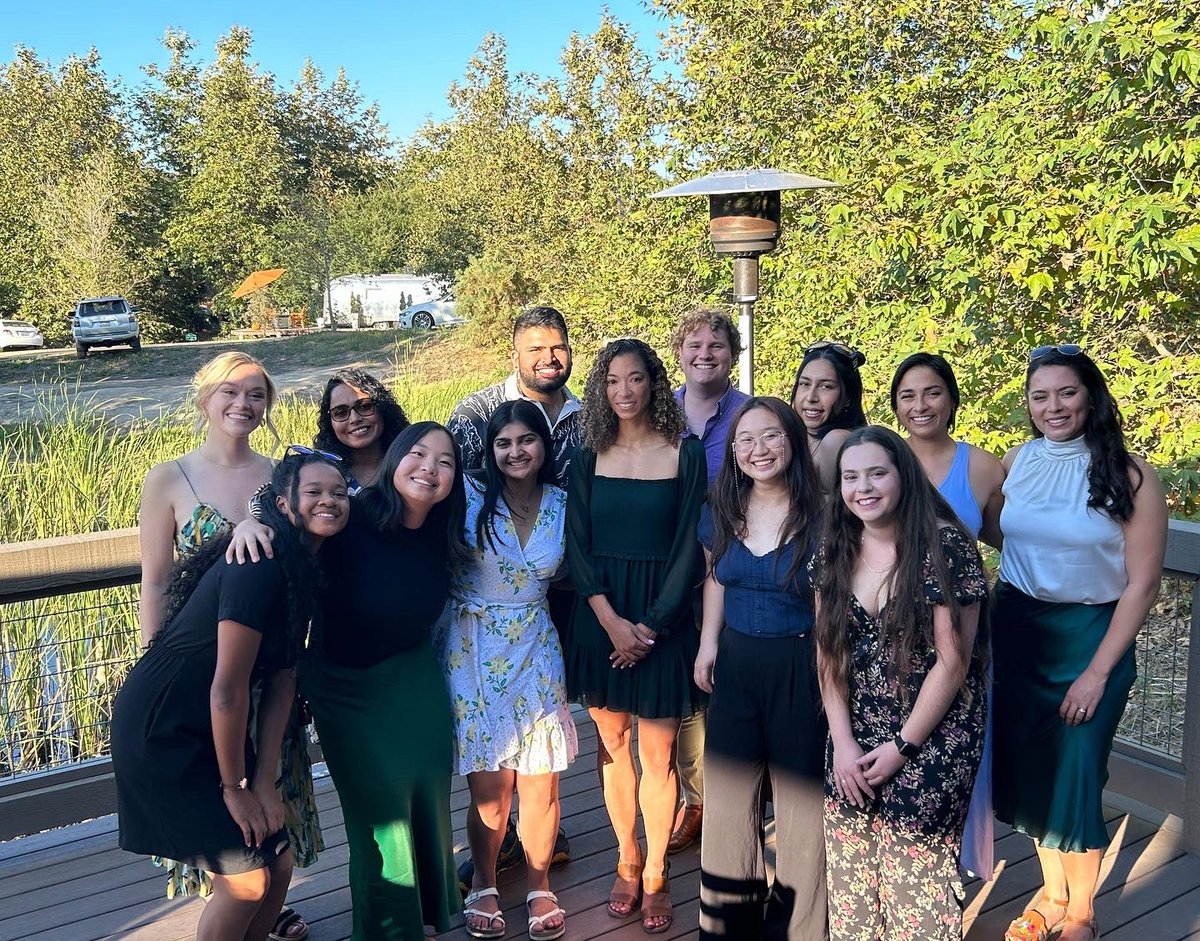
Thrilled to share two amazing grad students @eric_jordahl and @dagarwal99 have advanced to candidacy! Milking these moment for all they’re worth…pure joy radiating through the Neal lab today🎊🙌🏽
Sonya Neal tweet mediaSonya Neal tweet mediaSonya Neal tweet media
English
0
1
42
1.6K
Devanshi Agarwal retweetledi
Sonya Neal
Sonya Neal@Neal_Lab·
As a leader in my lab & various initiatives, I’ve made my stance clear—my commitment to DEI is unwavering. I won’t back down or shy away, even as others do. I’ll continue to uphold and advocate for these values.
English
5
29
205
13.9K
Devanshi Agarwal retweetledi
Kenny Workman
Kenny Workman@kenbwork·
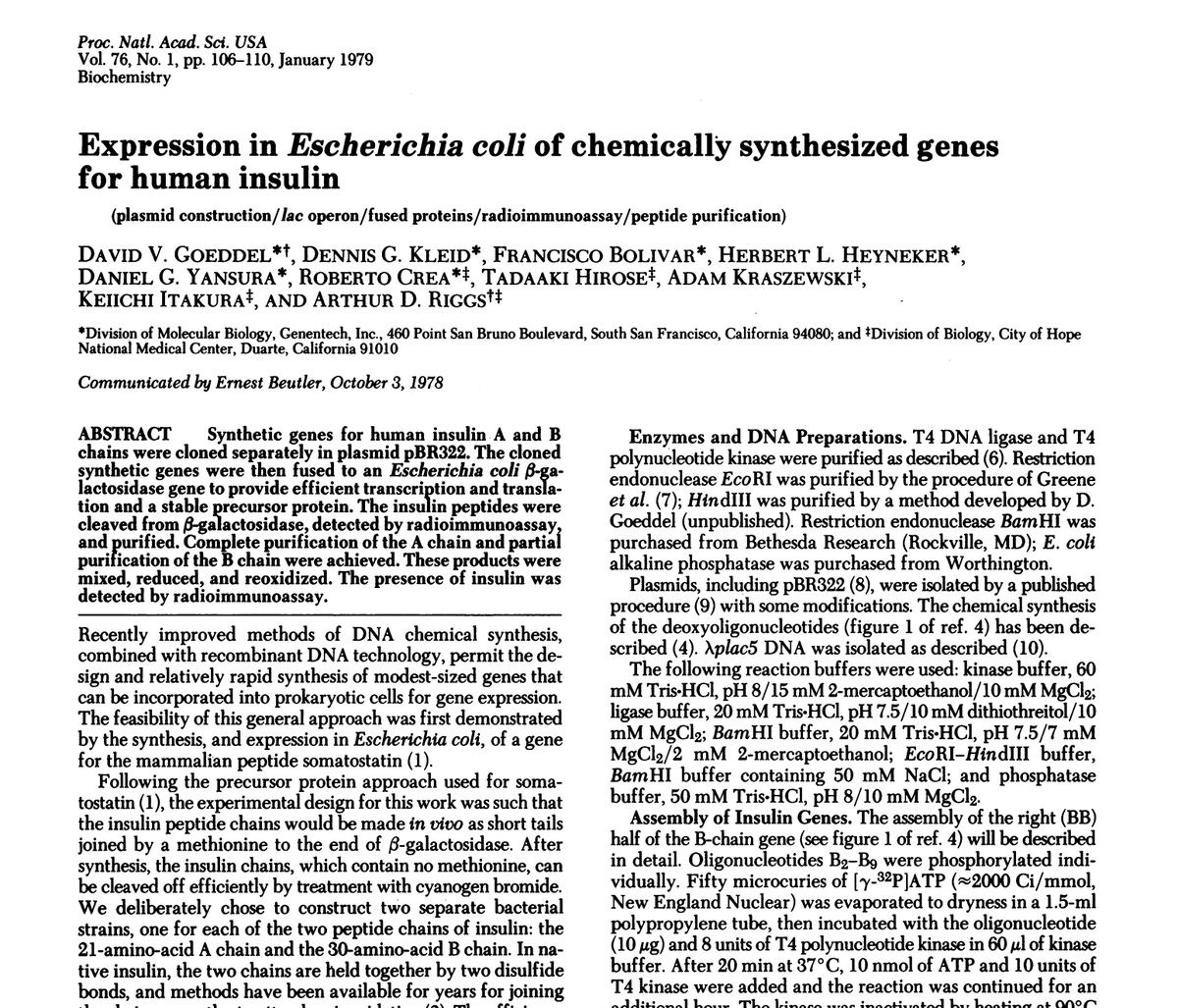
Genentech is the flagship example of an industrial research organization. Their culture of open science and free flowing publication is rooted in a strong contrarian foundation we should all remember. In the 1980s, secrecy, siloes, zero sum IP fear was far more rampant in biotech than today: Kary Mullis discovered PCR at Cetus in 1983 (tripping on acid) but it remained unpublished for two years until patents were secured. Amgen's recombinant EPO, a blockbuster candidate for the enormous anemia market, was filed secretly in 1983, partially published in 1985 and fully described on patent approval in 1987. Genentech was a startup of scrappy scientists (and a single brother of finance) and dead by default. The lore is riddled with the usual heroics: regular all night cloning sessions sustained with coffee, pizza and lots of beer (they called this "pizza and plasmids"). In competition with global scientific talent, they were the first to clone human insulin with recombinant DNA. They succeeded in 1978 and filed a patent. What is often glossed over is they then immediately published a detailed description of how they did this in a now legendary paper. Enough information for anyone to copy it. Well before their patent was approved and sabotaging their lead commercializing the tech. It seems kind of stupid to give every enormous and well-capitalized pharma juggernaut an actual blueprint to cannibalize your product. Sure the founding team achieved eternal scientific fame with this discovery but they could have met the same fate in the capital markets as our friend Kary Mullis: a $10K bonus from Cetus, a nobel prize (very nice) and a later life surfing in sunny La Jolla coping hard on the $300M sale of his PCR patent by Cetus (of which he received not one penny). The resources, clinical expertise and odds were stacked against Genentech and they just gave up their hand. Why? I think two big reasons. The first is very B2B SAAS coded: Boyer and Swanson needed to create a market for this new technology or their company would fail. Skepticism, from both Wall Street and the ivory tower, around recombinant cloning as a viable way to treat actual people of disease, was very high. This is a strange thing to think about with a hard science venture, where success seems purely contingent on fighting nature and making a working drug. But the mechanics of drug development are much more intertwined with normative value and human perception than one would think. From the obvious (who decides to fund you so you can live and not die) to the less obvious (great scientists need to believe in the technical viability of your mission to join your team) to the 4D chess (convincing regulators to even allow FIH trials and approve an IND before you run out of cash, convincing PIs + hospitals to then enroll their patients in trials and of course selling big pharma on the concept to manufacture + distribute the drug throughout this process) Publication in a prestigious journal like Nature created a scientific market. They raised $10M in 1979, established their young team as world leaders in arguably the most important biotechnological revolution to date and put their company on the map of every bright-eyed bioengineer hungry to change the world. This brings us to reason number two (the bigger one). When you think of the dominant technology industries today - semiconductor manufacturing, enterprise software, "AI" - their culture and structure looks very different from the siloed and paranoid biotech sector of the late 1900s. Speed and execution matter more than IP. Tacit knowledge of process and methods cannot be copied without ripping out the mesh of humans that defines the org. A competitor could steal every single blueprint, process instruction, and piece of equipment from TSMC and be hopelessly unable to fab 2nm chips. Talent and accumulated tacit knowledge is the scarce resource. Nowhere was this more true than the emerging field of recombinant protein therapies. It ran on a cottage industry of artisanal talent in molecular cloning. Hand two researchers the same bacterial pellet and one will extract high-quality, high-yield plasmid DNA, while the other gets degraded crap. The same talent might transform cells with 1 ng of plasmid DNA and get 100,000 colonies, while the other gets barely 100. Same DNA, same protocol. A company could copy a lab’s exact plasmid, bacterial strain, and IPTG induction protocol but still fail to express a functional protein. They don't know to tweak growth temperature, induce at lower OD600, or switch to a different expression host. You can't put this in a patent. You can't copy this. Boyer somehow saw the writing on the wall. It was a competition for people and a first mover advantage to build a moat of compounding process knowledge. The smartest people wanted to work with the best scientists. Those scientists were at Genentech, not Merck or Pfizer. After all, they published THE paper that established molecular cloning as a legitimate method in great detail. You have to trust them. They told you exactly how they did it. Those scientists trained the next generation, embedding even more tacit knowledge inside Genentech. This compounded over time, making the expertise impossible to replicate externally. This flywheel ended up working really, really well. They expanded their lead by tackling the next hardest problem - human growth hormone - just a year later in 1979. They followed that with two more bangers in the 1980s: recombinant interferons (cancer/antiviral therapy) and tissue plasminogen activator (tPA, a clot-busting drug for heart attacks and strokes), moving recombinant proteins past metabolic hormones into tx proteins with bigger markets. By the late 1980s, they were global leaders in mAB therapy, which would eventually revolutionize oncology and autoimmune disease treatment. And the culture of open and free publication continues to capture the best talent in the world. I stood in a standing-room only seminar in Boston last Fall where Aviv Regev described the scale and complexity of their emerging research platform. Aviv herself is a great example of continued talent capture: a world renowned researcher who picked up her lab from MIT to join gRED in 2020. She has attracted top tier machine learning and software engineers to work in tight integration with wet lab data generation at a mind boggling scale. Genentech is now a juggernaut. One of the "pharmas". But their origin, and DNA, could not be more different from Bayer or AstraZeneca. They bet on innovation, told the world exactly what they were doing without fear and moved quickly to engineer + industrialize technology. Lesson in there. Check out the OG paper, linked below, about recombinant insulin. What do you notice about the author list? Boyer isn't on there. At Genentech, researchers owned their discoveries.
Kenny Workman tweet media
English
13
52
495
46K
Devanshi Agarwal retweetledi
Sonya Neal
Sonya Neal@Neal_Lab·
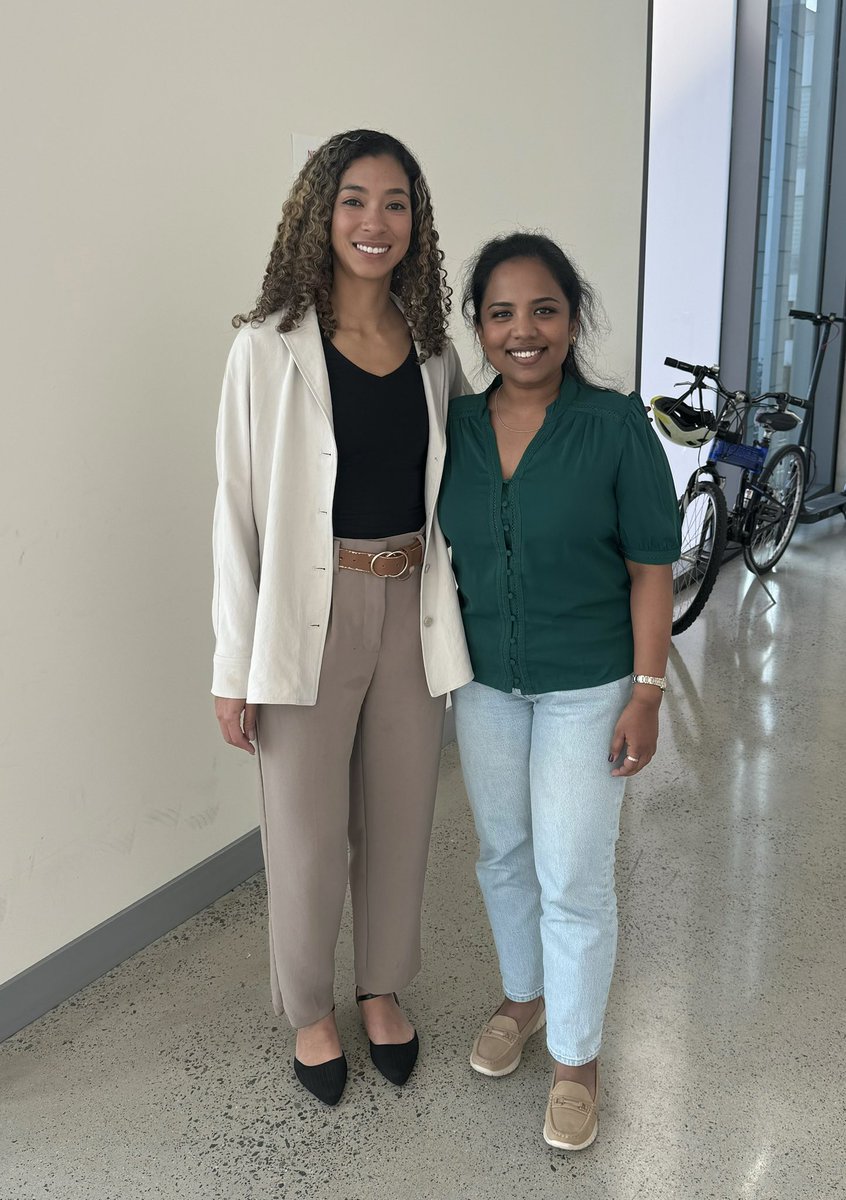
Exciting day as we welcome new postdoctoral fellow Gayathri Ramakrishnan to the @Neal_Lab 🎉🎉 Cheers to exciting science where we take on a new direction in lab🎉🎉
Sonya Neal tweet media
English
2
5
120
4.5K
Devanshi Agarwal retweetledi
Sonya Neal
Sonya Neal@Neal_Lab·
The @Neal_Lab is heading to @ASCBiology ! Thrilled to deliver this year's mentoring keynote on Saturday at 8:15 AM. Plus, 6 of our amazing trainees will be presenting their work on the diverse membrane-related roles of rhomboid proteins. Looking forward to seeing everyone there!
Sonya Neal tweet media
English
0
12
63
6.7K
Devanshi Agarwal retweetledi
UCSD BioSciences
UCSD BioSciences@ucsdbiosciences·
Attending #ABRCMS2024? Stop by the UC San Diego School of Biological Sciences booth, number 629. We’ll be here through Saturday and look forward to saying hello. See you there!
UCSD BioSciences tweet mediaUCSD BioSciences tweet mediaUCSD BioSciences tweet media
English
0
2
3
882
Devanshi Agarwal retweetledi
Sonya Neal
Sonya Neal@Neal_Lab·
The special DEI issue @JCellularPhys is out featuring our front cover of the @bummp_ucsd program, which perfectly captures the essence and spirit of this transformative program. Thank you Neng Vu for making our vision come to life with your artwork and
Journal of Cellular Physiology@JCellularPhys

The Journal of Cellular Physiology is proud to publish this important special issue titled “How to increase diversity in Science” Please check it out! Journal of Cellular Physiology | Cell Biology Journal | Wiley Online Library

English
1
7
26
3.9K
Devanshi Agarwal retweetledi
Sonya Neal
Sonya Neal@Neal_Lab·
Please share! Here's our latest preprint on the university-wide mentorship program @bummp_ucsd, highlighting its profound impact on biology students from all backgrounds. In 4 years, this pioneering initiative has served over 1,350 mentees!!! biorxiv.org/content/10.110…
English
3
69
178
49.5K
Devanshi Agarwal retweetledi
Sonya Neal
Sonya Neal@Neal_Lab·
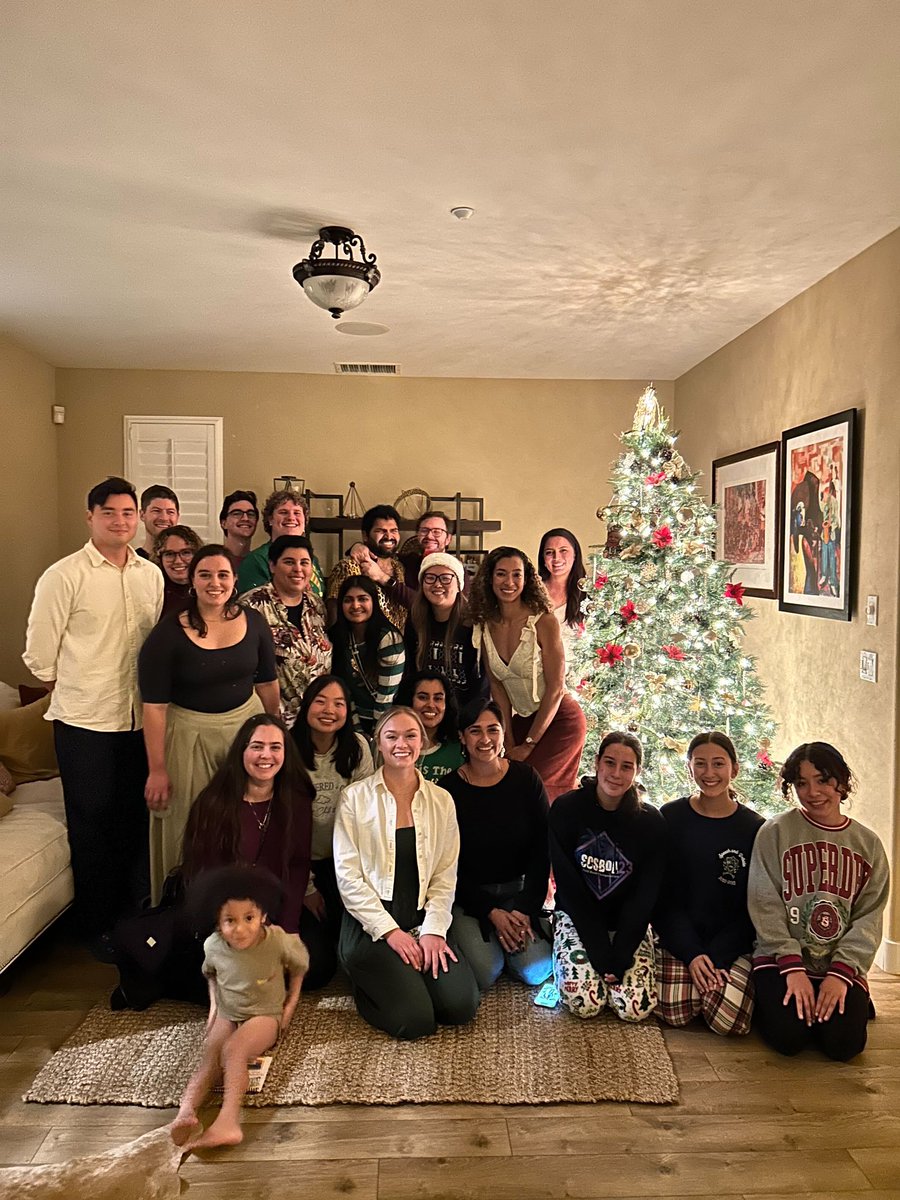
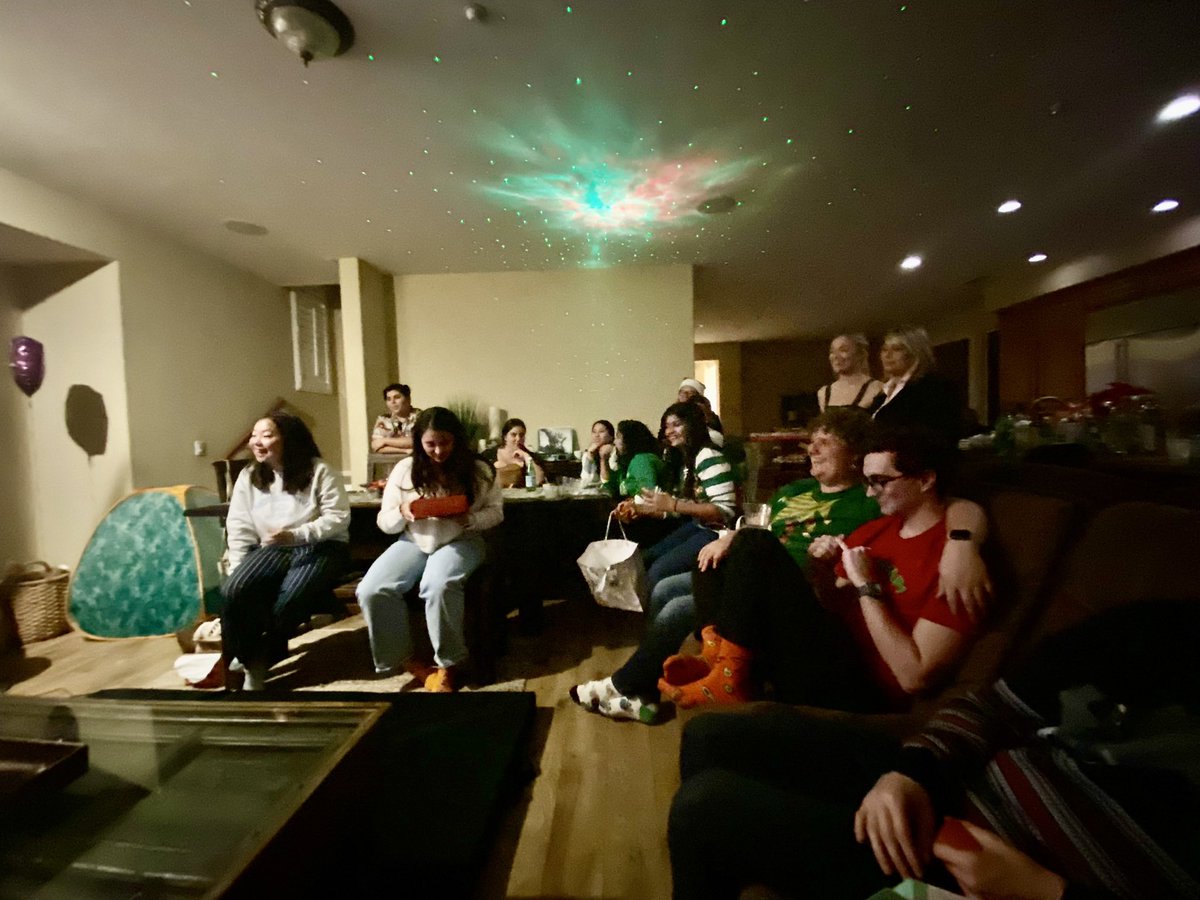
The @Neal_Lab wishes you all a happy holiday♥️ Ending the year Neal lab style with karaoke 🎤 and white elephant gift exchange! Love you all to the 🌙
Sonya Neal tweet mediaSonya Neal tweet mediaSonya Neal tweet mediaSonya Neal tweet media
San Diego, CA 🇺🇸 English
2
4
57
4.7K
Devanshi Agarwal retweetledi
BUMMP at UC San Diego
BUMMP at UC San Diego@bummp_atucsd·
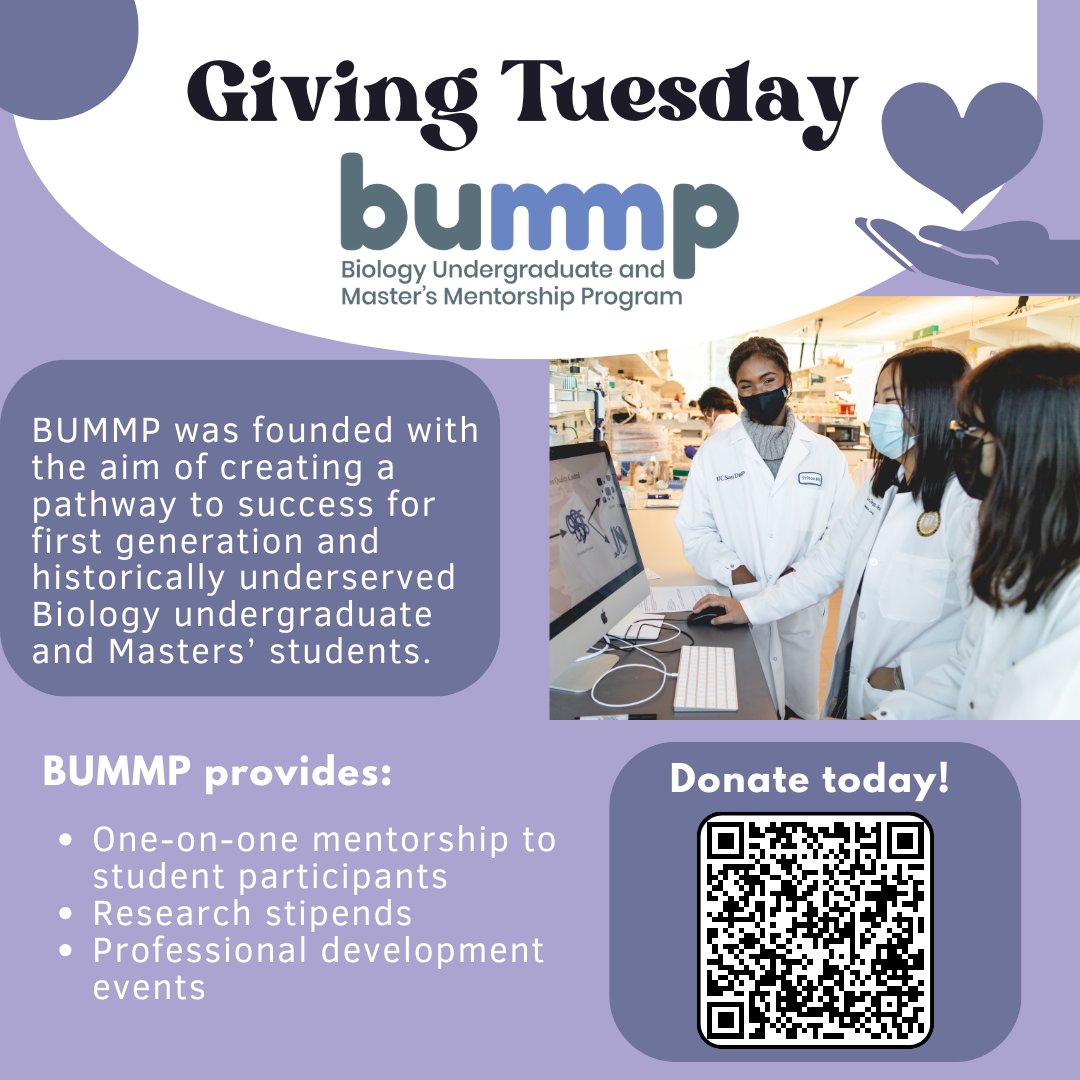
For this Giving Tuesday, please consider donating to BUMMP. This year alone we have over 350 students participating in the program! All donations will go towards events and research stipends. Donations can be made at: giveto.ucsd.edu/giving/home/gi…
BUMMP at UC San Diego tweet media
English
0
4
6
562