Dane6258_

366 posts

Dane6258_ banner
Dane6258_

Dane6258_

@dane6258_

I'm Dane and wow I suck at writing Bio's

Melbourne, Victoria Katılım Mart 2018
121 Takip Edilen34 Takipçiler
Dane6258_ retweetledi
Maryne ✨
Maryne ✨@MaryneeLahaye·
Artemis crew, starting re-entry: "And we have a great view of the moon out the window too. Looks a little smaller than yesterday :)" Houston: "Guess we'll have to go back :)" #ArtemisII
GIF
English
31
7.5K
76.6K
590.2K
Dane6258_ retweetledi
Moon
Moon@moondailys·
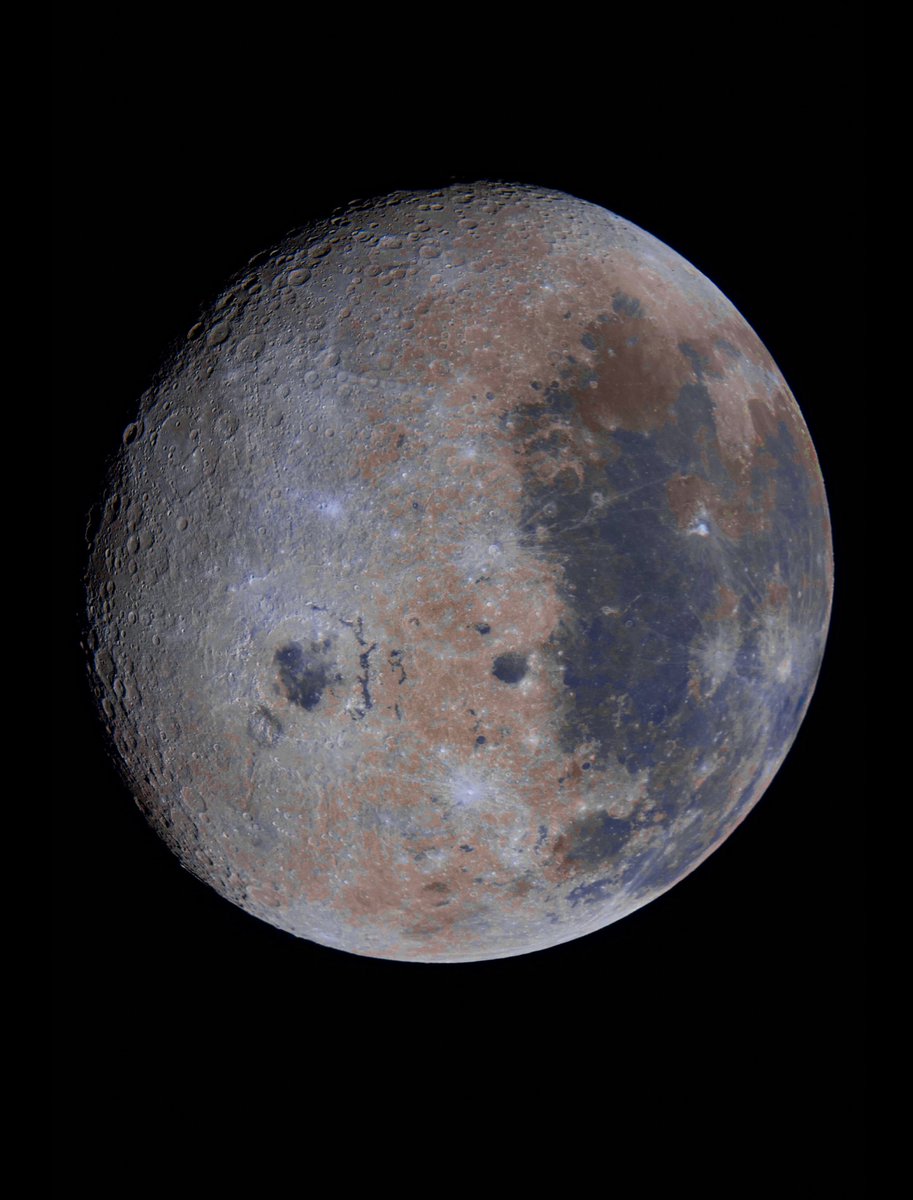
Moon tweet media
ZXX
309
30K
337.6K
5M
Dane6258_ retweetledi
MOON
MOON@DailyMoonX·
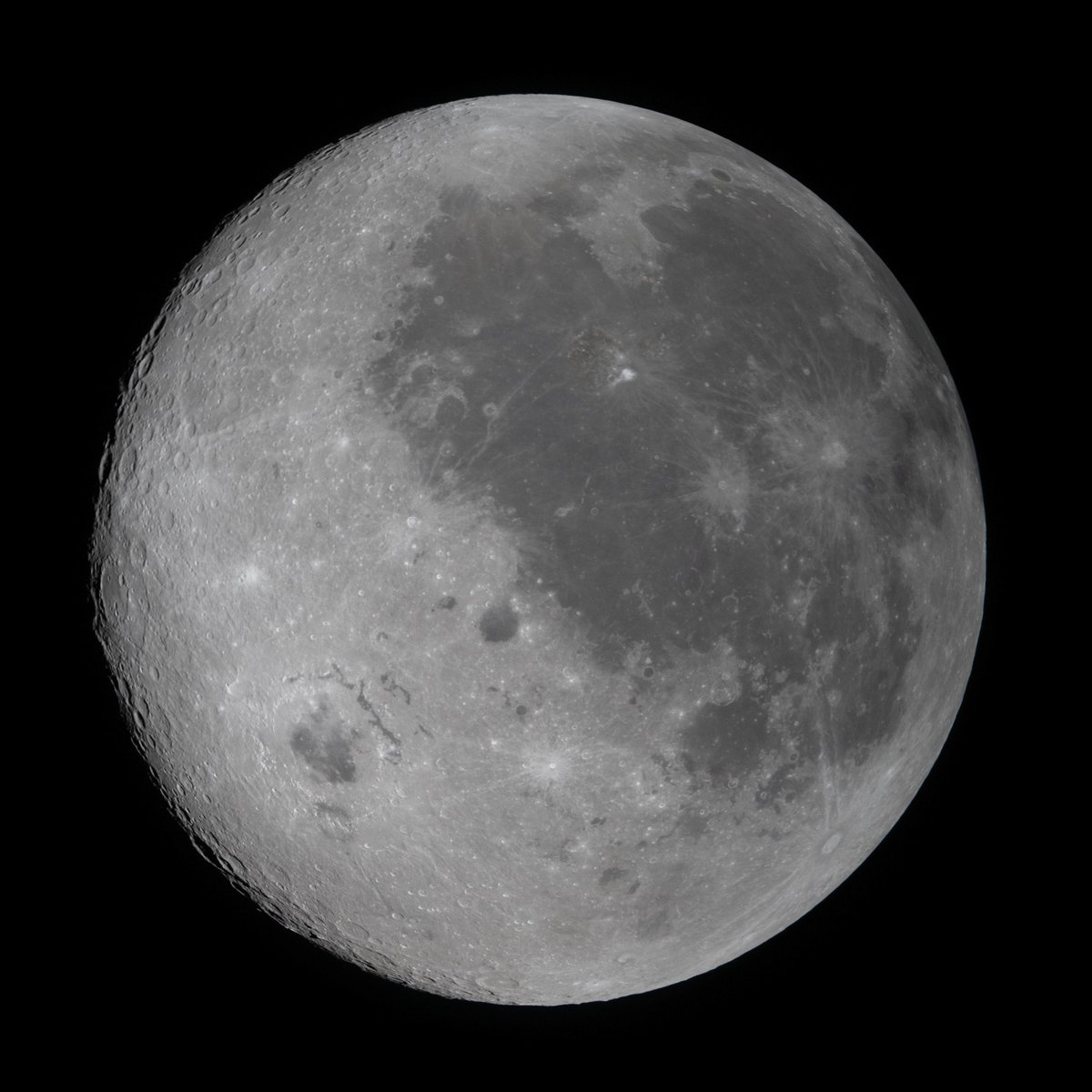
🌕 My other half… finally revealed. @NASA
MOON tweet media
English
322
11.6K
131.7K
1.2M
Dane6258_ retweetledi
NASA Artemis
NASA Artemis@NASAArtemis·
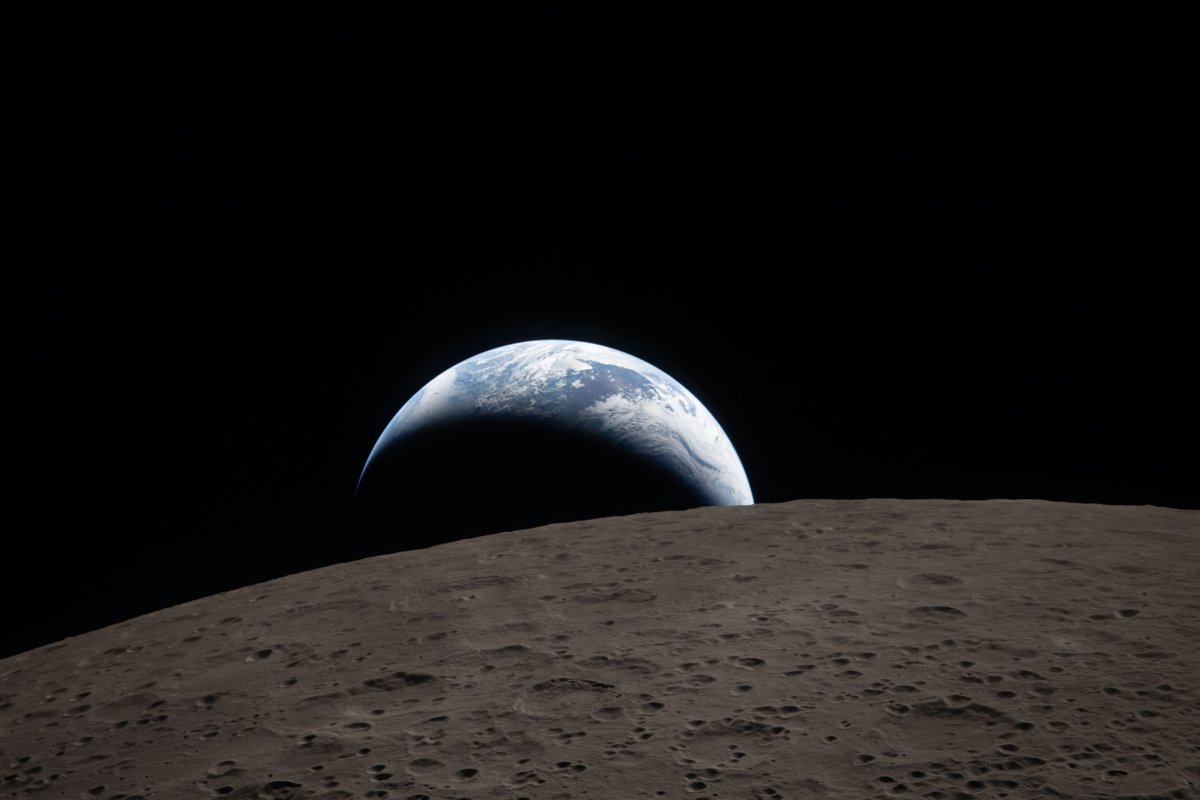
Earthset. The Artemis II crew captured this view of an Earthset on April 6, 2026, as they flew around the Moon. The image is reminiscent of the iconic Earthrise image taken by astronaut Bill Anders 58 years earlier as the Apollo 8 crew flew around the Moon.
NASA Artemis tweet media
English
993
27.5K
117.6K
8M
Dane6258_ retweetledi
Max Evans
Max Evans@_MaxQ_·
Left: photo I took of the moon with a 1200mm lens two nights ago Right: photo captured by the Artemis II crew with a 400mm lens through the windows of Orion *this morning* The crew's view of the Orientale basin is remarkable - we can't see most of it here on Earth! But it's also kind of alarming(?!) to see the moon FILLING THE FRAME at only 400mm... guess that tends to happen when you're only 32,000 miles away compared to us being around 238,000 miles away on average 🤣 Absolutely FROTHING for what they're able to capture during their closest approach this evening!!! NSF Live Coverage: youtube.com/live/Fbpd2YB8s…
YouTube video
YouTube
Max Evans tweet mediaMax Evans tweet media
English
126
1.1K
12.4K
1M
Dane6258_ retweetledi
Maryne ✨
Maryne ✨@MaryneeLahaye·
context: The crew asked for a lunar crater to be named Integrity & another to be named Carroll, after Reid Wiseman's late wife. He started crying, so all of them hugged him. After a silence, Houston simply answered "Integrity and Carroll crater, loud and clear. Thank you."
Maryne ✨@MaryneeLahaye

hey so i’m bawling my eyes out #ArtemisII

English
15
4K
37K
445K
Dane6258_ retweetledi
Aakash Gupta
Aakash Gupta@aakashgupta·
NASA pays $100M for Microsoft 365 licensing across the agency. They standardized every system on Microsoft. They put Microsoft Surfaces on the Orion spacecraft as the crew's personal computing devices. And the first technical crisis of humanity's return to the Moon was Reid Wiseman radioing Houston to say he has two Microsoft Outlooks and neither one works. Mission Control's response? "With your go, we can remote in and take a look." The same exact workflow your company's IT helpdesk uses when you submit a ticket on a Monday morning. Except the user is traveling at 4,275 mph, 30,000 miles from Earth, and the Wi-Fi situation is considerably worse. This spacecraft survived hydrogen leaks, helium leaks, a faulty heat shield, and a broken toilet. Outlook broke anyway. The toilet actually got fixed faster. The real story here is that Microsoft has achieved something no other software company in history can claim: a support ticket from lunar transit. Their enterprise sales team should frame this. "Battle-tested in space" is a positioning statement most B2B companies would mass murder for, and Microsoft accidentally earned it because Outlook crashes everywhere, including orbit. Outlook remains the only software in human history that performs identically whether you're in a cubicle in Redmond or aboard a spacecraft bound for the Moon. Universally, reliably broken. And we keep buying it anyway.
Polymarket@Polymarket

JUST IN: Artemis II crew experiences issues with Microsoft Outlook on their way to the Moon, asks ground crew for assistance.

English
662
3.9K
24.3K
2.4M
Dane6258_ retweetledi
Anish Moonka
Anish Moonka@anishmoonka·
Christina Koch was a firefighter at the South Pole at -111°F before she ever applied to be an astronaut. That was maybe the fourth most interesting line on her resume. She grew up in North Carolina, got three degrees from NC State, and her first real job was building deep-space instruments at NASA. Then she left for Antarctica. Spent three and a half years bouncing between the Arctic and Antarctic as a research scientist, including a full winter at the South Pole base. That means going months without sunlight or fresh food, with a crew of about 50 people and no way out until flights resume. While she was down there, she also joined the glacier search-and-rescue team. After coming back, she went to Johns Hopkins and built instruments for two NASA missions (one of them is still orbiting Jupiter right now). She figured out how to start a tiny vacuum pump that NASA designed for a future Mars rover. Johns Hopkins nominated it for their Invention of the Year in 2009. Then she went back to the field. More time in Antarctica and a stretch up in Greenland. A government research station in northern Alaska, near the top of the world. Then she ran another one in American Samoa, near the equator. In 2013, NASA selected her from 6,300 applicants. Eight people got in. Her first space mission was supposed to be a normal rotation on the International Space Station, but NASA extended it. She ended up staying 328 straight days and orbiting Earth 5,248 times, covering about 139 million miles (roughly 291 round trips to the Moon). Up there, she ran over 210 experiments, including tests of cancer drugs in zero gravity and 3D printers that can build structures close to human tissue. Six spacewalks, 42 hours floating outside the station. She learned Russian for the training. She flies supersonic jets. Right now, Koch is on Artemis II, heading for a flyby behind the far side of the Moon. The crew launched on April 1 and is on track to travel about 252,000 miles from Earth, which would break the all-time human distance record of 248,655 miles set by Apollo 13 in 1970. That record has stood for 56 years, and it was set during a disaster that nearly killed the crew. Fred Haise, one of the Apollo 13 astronauts, is 92 now. He told Koch: "I heard you're going to break our record." Nobody had left Earth's neighborhood since December 1972. Koch and her three crewmates are the first in 53 years, and they are coming home at about 25,000 mph. That is faster than any crewed spacecraft has ever come back through the atmosphere.
All day Astronomy@forallcurious

BREAKING🚨: Artemis II astronaut Christina Koch officially becomes the farthest any woman has ever traveled from Earth.

English
335
6.3K
39K
2M
Dane6258_ retweetledi
NASA
NASA@NASA·
These two images were taken by @astro_reid only minutes apart. The stark difference is the result of camera settings. In the first, a longer shutter speed let in much more light from Earth, while the shorter shutter speed in the second emphasizes our planet's nighttime glow.
NASA tweet mediaNASA tweet media
English
639
7.9K
51.4K
2.5M
Dane6258_ retweetledi
Andy Saunders - Apollo Remastered
Andy Saunders - Apollo Remastered@AndySaunders_1·
The first image was captured on film, manually exposed, and physically brought back to Earth. The second was transmitted digitally across space, almost instantly. And that might not even be the biggest difference.
Andy Saunders - Apollo Remastered@AndySaunders_1

Left - Apollo 17, 1972 Right - Artemis II, 2026 Two photographs taken by one of us, of all of us, over half a century apart. What's changed?

English
16
425
5.5K
190.1K
Dane6258_ retweetledi
Exzie044🎴
Exzie044🎴@mightbejell0·
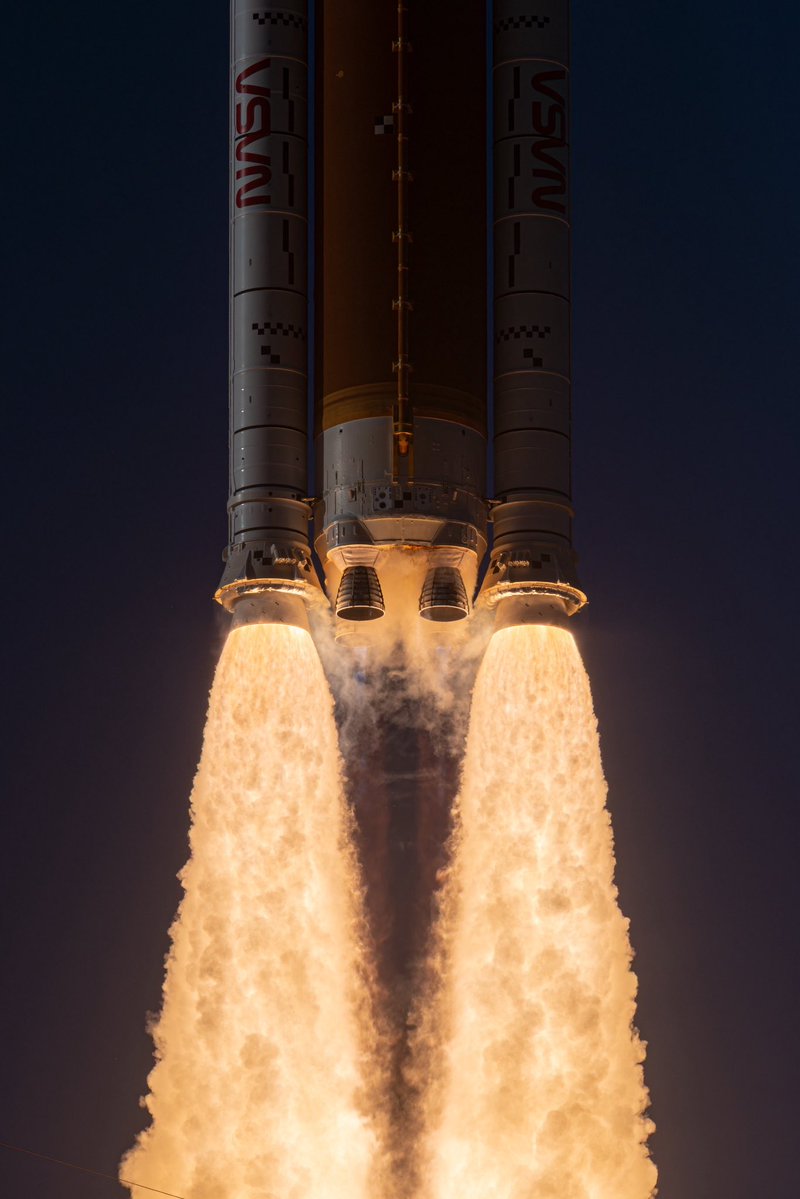
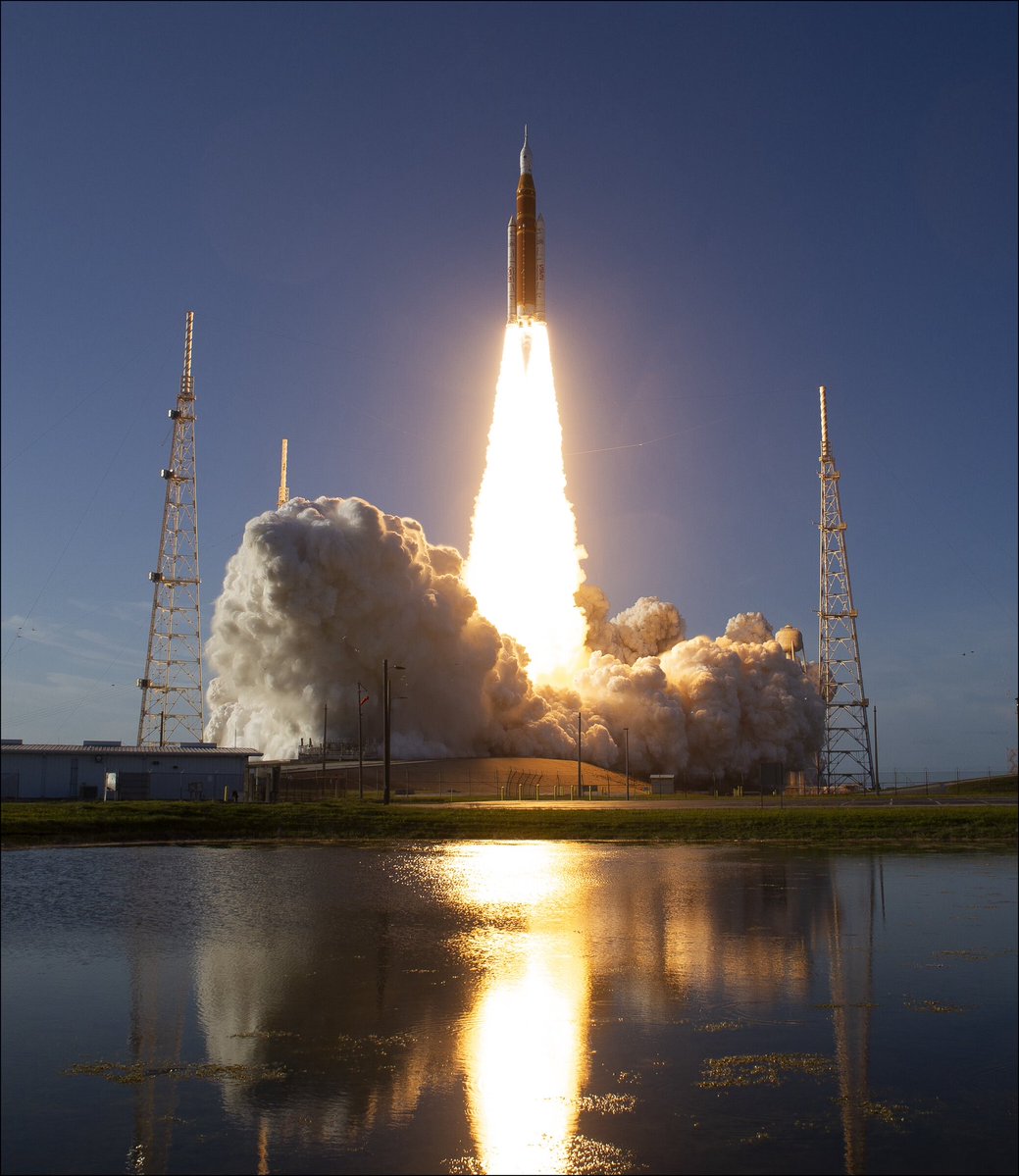
We are seeing what shuttle would have looked like with modern cameras. Spectacular.
Exzie044🎴 tweet mediaExzie044🎴 tweet mediaExzie044🎴 tweet mediaExzie044🎴 tweet media
English
15
1.4K
13K
175.1K