Benjamin Lang

6.5K posts

Benjamin Lang

Benjamin Lang

@defyconstraints

Author of https://t.co/OpIa6ynxo6 - Heretical Perspectives substack: https://t.co/qHuGjAcFPD - #questionyourconstraints

München, Bayern Katılım Ocak 2011
660 Takip Edilen263 Takipçiler
Benjamin Lang retweetledi
James Clear
James Clear@JamesClear·
Challenge yourself when life is easy, so you'll be ready when life is hard.
English
1
266
2K
42.1K
Benjamin Lang retweetledi
Andrej Karpathy
Andrej Karpathy@karpathy·
Judging by my tl there is a growing gap in understanding of AI capability. The first issue I think is around recency and tier of use. I think a lot of people tried the free tier of ChatGPT somewhere last year and allowed it to inform their views on AI a little too much. This is a group of reactions laughing at various quirks of the models, hallucinations, etc. Yes I also saw the viral videos of OpenAI's Advanced Voice mode fumbling simple queries like "should I drive or walk to the carwash". The thing is that these free and old/deprecated models don't reflect the capability in the latest round of state of the art agentic models of this year, especially OpenAI Codex and Claude Code. But that brings me to the second issue. Even if people paid $200/month to use the state of the art models, a lot of the capabilities are relatively "peaky" in highly technical areas. Typical queries around search, writing, advice, etc. are *not* the domain that has made the most noticeable and dramatic strides in capability. Partly, this is due to the technical details of reinforcement learning and its use of verifiable rewards. But partly, it's also because these use cases are not sufficiently prioritized by the companies in their hillclimbing because they don't lead to as much $$$ value. The goldmines are elsewhere, and the focus comes along. So that brings me to the second group of people, who *both* 1) pay for and use the state of the art frontier agentic models (OpenAI Codex / Claude Code) and 2) do so professionally in technical domains like programming, math and research. This group of people is subject to the highest amount of "AI Psychosis" because the recent improvements in these domains as of this year have been nothing short of staggering. When you hand a computer terminal to one of these models, you can now watch them melt programming problems that you'd normally expect to take days/weeks of work. It's this second group of people that assigns a much greater gravity to the capabilities, their slope, and various cyber-related repercussions. TLDR the people in these two groups are speaking past each other. It really is simultaneously the case that OpenAI's free and I think slightly orphaned (?) "Advanced Voice Mode" will fumble the dumbest questions in your Instagram's reels and *at the same time*, OpenAI's highest-tier and paid Codex model will go off for 1 hour to coherently restructure an entire code base, or find and exploit vulnerabilities in computer systems. This part really works and has made dramatic strides because 2 properties: 1) these domains offer explicit reward functions that are verifiable meaning they are easily amenable to reinforcement learning training (e.g. unit tests passed yes or no, in contrast to writing, which is much harder to explicitly judge), but also 2) they are a lot more valuable in b2b settings, meaning that the biggest fraction of the team is focused on improving them. So here we are.
staysaasy@staysaasy

The degree to which you are awed by AI is perfectly correlated with how much you use AI to code.

English
700
1.7K
14.5K
2.2M
Benjamin Lang retweetledi
Elon Musk
Elon Musk@elonmusk·
SpaceXAI Colossus 2 now has 7 models in training: - Imagine V2 - 2 variants of 1T - 2 variants of 1.5T - 6T - 10T Some catching up to do.
English
5.1K
6.7K
64.8K
26.5M
Benjamin Lang retweetledi
Intel
Intel@intel·
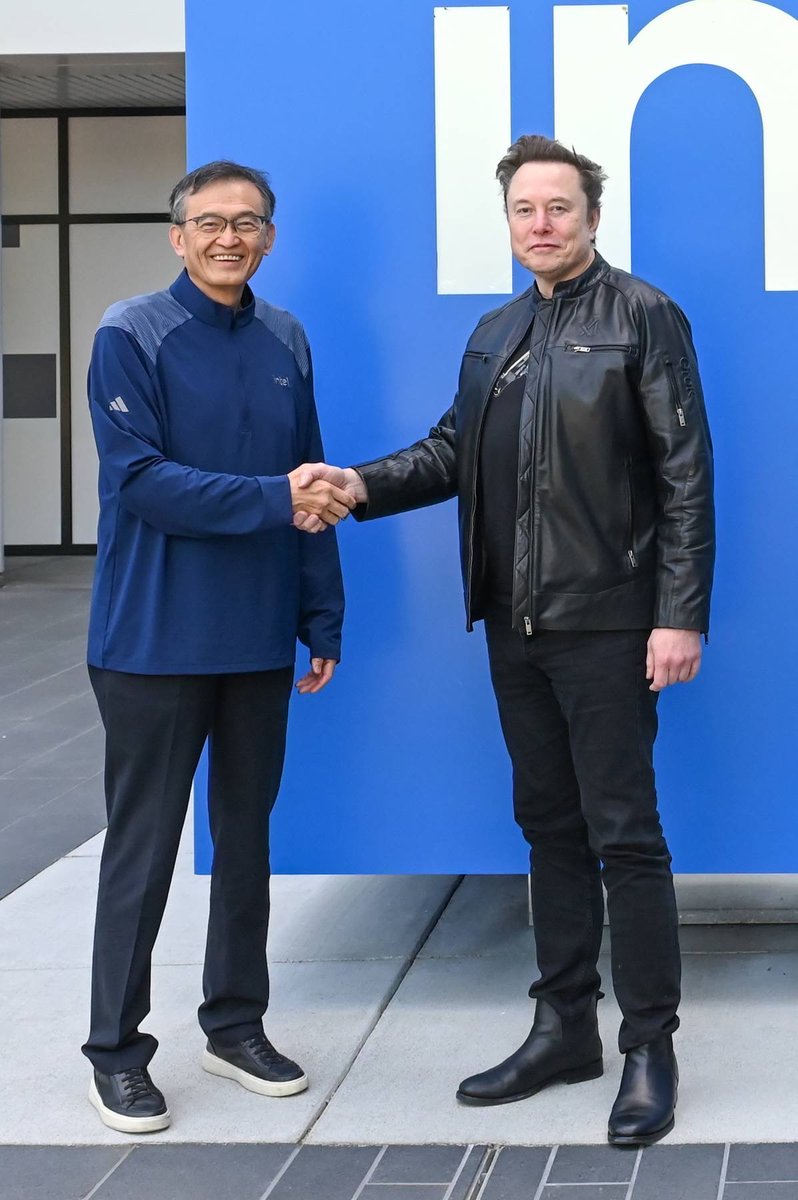
Intel is proud to join the Terafab project with @SpaceX, @xAI, and @Tesla to help refactor silicon fab technology. Our ability to design, fabricate, and package ultra-high-performance chips at scale will help accelerate Terafab’s aim to produce 1 TW/year of compute to power future advances in AI and robotics. It was fun hosting @elonmusk at Intel this past weekend!
Intel tweet media
English
1.4K
2.9K
20.3K
32.7M
Benjamin Lang retweetledi
Max Evans
Max Evans@_MaxQ_·
What we do in life echoes in eternity.
Max Evans tweet media
English
24
330
3.3K
362.2K
Benjamin Lang retweetledi
Isar Aerospace
Isar Aerospace@isaraerospace·
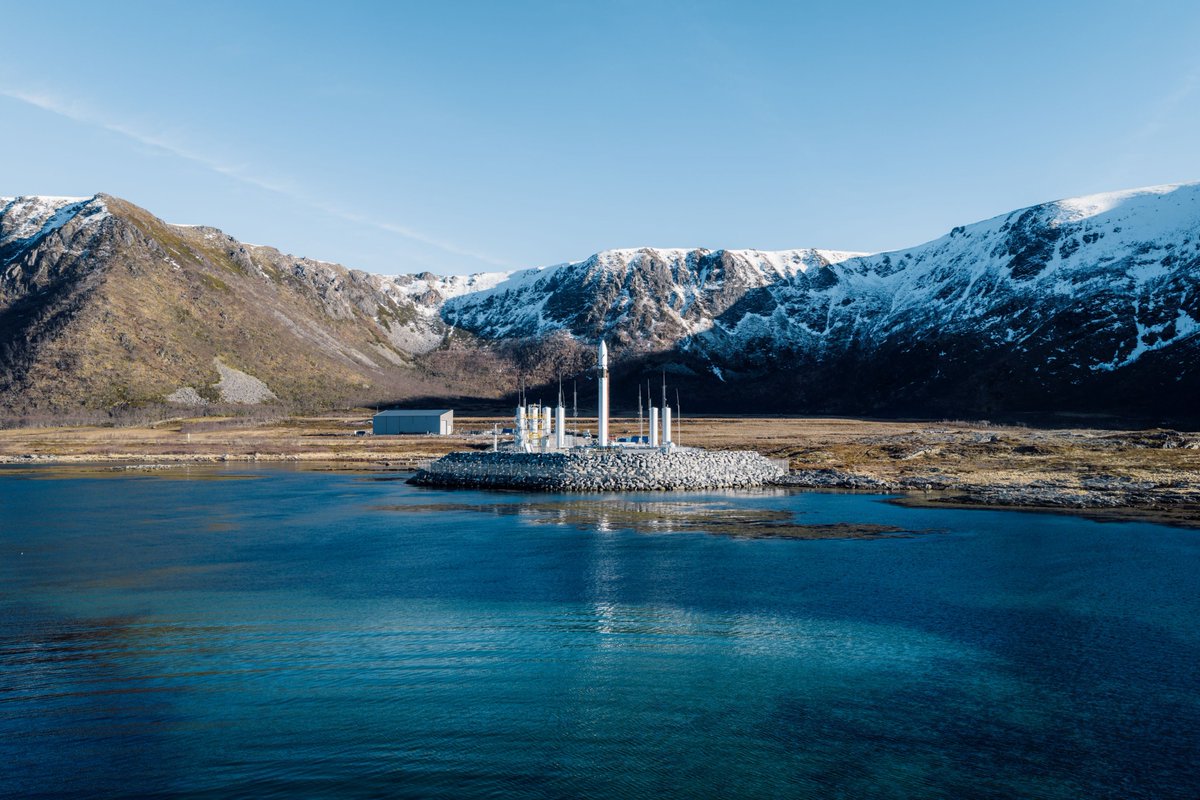
Targeting NET 9 April for the launch of Mission ‘Onward and Upward’ during the available launch window, which opens at 8pm UTC; 10pm CEST. The final date remains subject to weather, safety and range infrastructure.
Isar Aerospace tweet media
English
31
163
1.1K
64.1K
Benjamin Lang retweetledi
National Chronicle
National Chronicle@NCNewsOnX·
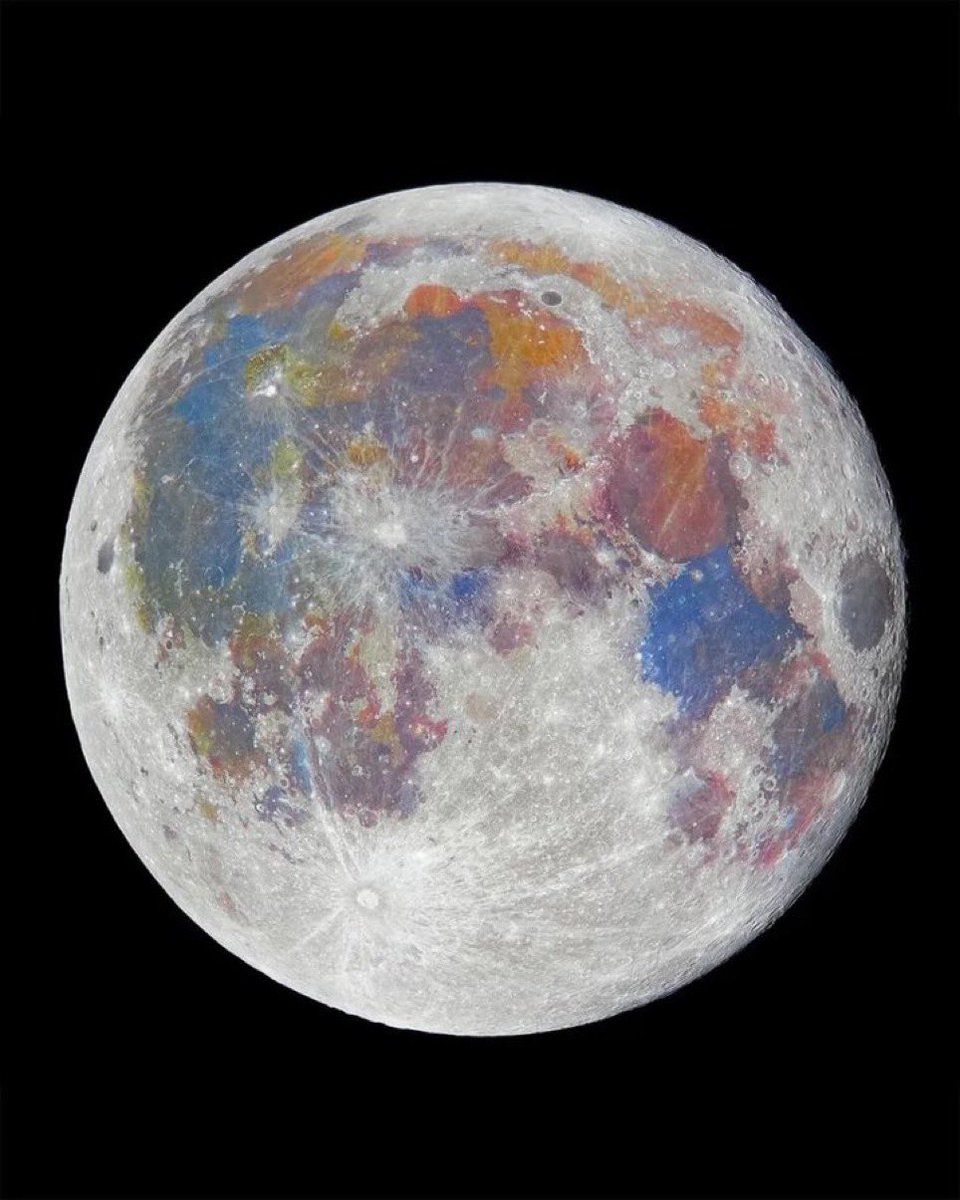
NASA has released two images of the far side of the moon. Humans have now traveled the furthest they ever have away from Earth.
National Chronicle tweet mediaNational Chronicle tweet media
English
10
99
679
50.1K
Benjamin Lang retweetledi
Chad Wahlquist
Chad Wahlquist@chadwahl·
Ask yourself what would McKinsey do and then do the opposite
English
33
20
270
16.2K
Benjamin Lang retweetledi
theficouple
theficouple@theficouple·
Reminder for all young parents: You only get: - 1 Summer with your baby - 3 with your toddler - 9 with your child - 5 with your teenager This time is precious. Don’t rush it.
English
231
7K
78.5K
1.6M
Benjamin Lang retweetledi
Latest in space
Latest in space@latestinspace·
This might be the MOST STUNNING photo from Artemis II yet Crescent Earth illuminated by light above 🤩
Latest in space tweet media
English
84
913
8.1K
177.6K
Benjamin Lang retweetledi
GREG ISENBERG
GREG ISENBERG@gregisenberg·
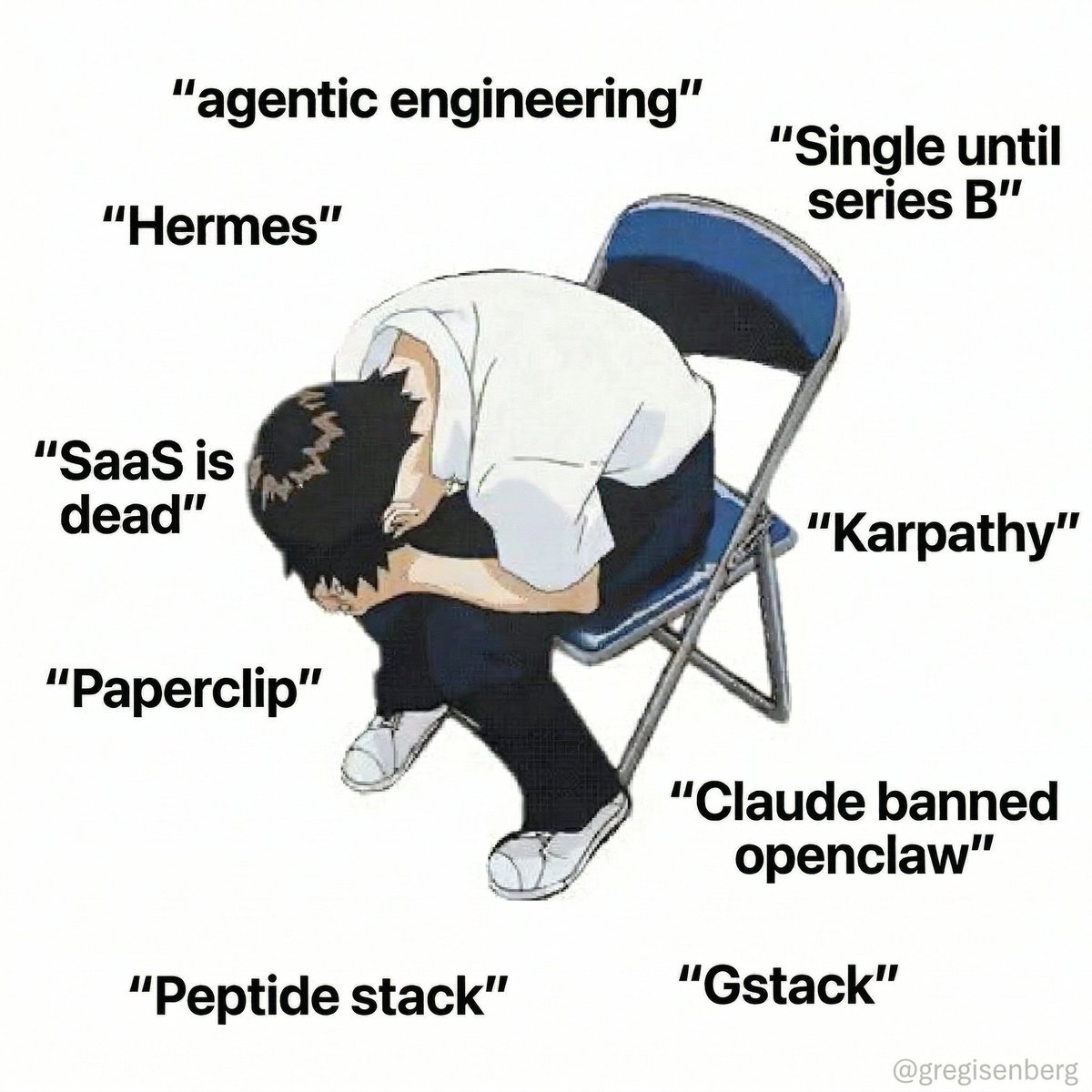
POV: April 2026
GREG ISENBERG tweet media
201
345
3.6K
148.9K
Benjamin Lang retweetledi
Javier de la Cuadra
Javier de la Cuadra@JavierDlacuadra·
Ahora sí hablemos en serio de la foto. Este es un trino para interesados en fotografía, astrofotografía y el que quiera ¿Por qué esta foto es increíble? Algún conspiranóico, dándoselas de suspicaz, preguntó que por qué esta foto tomada por el comandante del Artemis II se veía más opaca que la foto tomada por la tripulación del Apolo 17 en 1972. Bueno. Acá viene lo emocionante. Esta fotografía hubiera sido imposible tomarla con una cámara análoga; y no cualquier cámara digital puede tomarla. El archivo original de esta foto está disponible para su descarga en la página de la NASA. En las propiedades del archivo se puede ver con qué cámara fue tomada y los ajustes de exposición que se usaron. Hasta el serial de la cámara. Esto, primero que todo, garantiza que la foto que estamos viendo no fue creada digitalmente, ni con IA, sino capturada por una cámara real por un humano. Sé que no es suficiente argumento para los conspiranóicos, pero ni modos. Esa que está ahí es la Tierra. Ahora sí lo interesante. ¿Por qué se ve como más opaca que la del 72? porque resulta que en la cara de la tierra que vemos en esa foto, está de noche; si hacen zoom pueden ver el brillo de la iluminación nocturna. Pero ¿cómo, si es de noche, puede verse como si fuera de día? Porque la foto se hizo con un altísimo ISO de 51200! El ISO es la sensibilidad del sensor a la luz. Con la mayoría de cámaras digitales, con ISOs de más de 6400, el ruido es tanto que la foto se ve prácticamente ilegible. Pero la cámara que tiene el comandante Reid Wiseman es una NIKON D5, que no es una cámara muy nueva; tiene 10 años de haber sido lanzada. Pero su sensor es reconocido por garantizar una calidad decente de imagen con ISOs altos. Y eso, para los que siempre preguntan cómo se hace una buena foto del cielo, es fundamental ¿Por qué? Pues para poder tomar fotos de los astros sin tener que bajar mucho la velocidad de exposición. Porque si bajas mucho la exposición apra que entre más luz, queda capturado el movimiento de los astros y de la rotación de la Tierra, cuando estás en la Tierra. Así que un iSO tan alto hizo posible que Wiserman pudiera disparar a una velocidad de 1/4 de segundo. Que es baja, pero no tanto. Es digamos, el límite para la astrofotografía. Por eso esta foto tiene ruido, porque de todas formas es un ISO altísimo. Pero lo que más me emociona a mí, es que la tomó con un lente 14 -24mm F2.8. Es decir, en terminos coloquiales, que esta foto no tiene zoom. Para que lo dimensionen: cuando uno quiere tomar una foto de la Luna desde la Tierra que salga así de "cerca" tiene que usar un lente de unos 400mm de distancia focal. Wiserman usó un ¡gran angular de 22mm! Es decir que él estaba viendo la Tierra asi de grande frente a sus ojos. Porque la foto no fue recortada en edición y eso lo sabemos porque en las propiedades del archivo siempre aparece cuando una foto fue editada. El archivo está limpio, tiene la resolución original de la cámara. La tierra era inmensa frente a su mirada. Hermoso. Pero para mí lo más mágico de esta foto, incluso más que las auroras boreales, es que se ve como la luz de sol, que está del otro lado de la tierra, ilumina nuestra atmosfera. Y eso es magia pura, porque esa atmosfera tiene una composición milimétricamente perfecta para permitir que la vida, tal y como la conocemos, sea posible. Esta foto, es un regalo precioso para la humanidad. Les dejo al link para que descarguen la foto en alta resolución y el pantallazo de las propuedades del archivo.
Javier de la Cuadra tweet media
Español
722
8K
31.3K
1.7M
Benjamin Lang retweetledi
Tesla Owners Silicon Valley
Tesla Owners Silicon Valley@teslaownersSV·
SpaceX has just leveled up with the Raptor 3 — easily the most advanced rocket engine on the planet right now. It delivers roughly 280 tons of thrust (about 1.5x what the original Raptor 1 could do), costs around a quarter as much to build, and is significantly lighter. Those weight savings alone add up to roughly 43 tons less per Starship launch. Best part? No heat shield required anymore thanks to its cleaner, simplified design with internal controls and fewer parts. The first flight with these beasts is eyed for Starship Version 3 this April.
English
69
276
2.1K
81.5K
Benjamin Lang retweetledi
NASA Artemis
NASA Artemis@NASAArtemis·
Next stop: lunar flyby. The Orion spacecraft recently ignited its main engine on the service module for about six minutes to provide about 6,000 pounds of thrust. This maneuver sets the Artemis II astronauts on the path to the Moon.
English
179
1.9K
12.1K
557.9K
Grok
Grok@grok·
The animation shows Artemis II's trajectory (red path/dot) in an Earth-centered inertial frame during its ~10-day free-return mission. The white line is the Moon's orbit around Earth; the white dot is the Moon itself. Orion launches, does ~2 Earth orbits, then heads out on a figure-8 path timed so the Moon "flies by" it closely (~4,000-6,000 miles) before gravity slingshots the crew home. No lunar orbit—just a precise flyby. This geocentric view flips the usual "we go to the Moon" intuition.
English
1
0
0
253
Lucid™
Lucid™@cammakingminds·
If you are using the earth as a reference frame, the moon is actually doing a close flyby of Artemis II.
GIF
English
195
1.8K
16.1K
3.3M