GAZA

77.4K posts

GAZA banner
GAZA

GAZA

@dngaru

InputTech Reggae Vibes Rastafarian Zimbo|#Zanupfmustgo|CITIZEN| Father
Katılım Nisan 2011
1.7K Takip Edilen1.9K Takipçiler
GAZA retweetledi
Nick Mangwana
Nick Mangwana@nickmangwana·
The criminal prosecution of Wicknell Chivayo is imminent as ZPC, ZACC and police are finalising building evidence against him. “We cannot say much because we are dealing with a very cunning person and we have to be very careful on every step we take.” Mrs Tsomondo
Nick Mangwana tweet media
English
89
322
478
0
GAZA retweetledi
Rutendo Matinyarare
Rutendo Matinyarare@matinyarare·
𝗛𝗢𝗪 𝗖𝗔𝗡 𝗧𝗛𝗘𝗥𝗘 𝗕𝗘 𝗔 𝗧𝗘𝗥𝗠 𝗟𝗜𝗠𝗜𝗧 𝗪𝗛𝗘𝗡 𝗧𝗛𝗘 𝗧𝗘𝗥𝗠 𝗜𝗧𝗦𝗘𝗟𝗙 𝗗𝗢𝗘𝗦𝗡’𝗧 𝗘𝗫𝗜𝗦𝗧? The argument by Jonathan Moyo that the length or years in a TERM do not constitute a term limit, but he accepts that the number of TERMs are limited, is a logical fallacy. Why? Because there can be no term without a limit on the number of years one serves in a term that is then limited to two terms. In other words, how would the nation agree and accept to a limit of two terms if the number of years that constitute a term were not defined and limited in the first place? Surely, a term would have run indefinitely if it was not limited to five years. So how did the whole nation accept that a term is five years if it was not defined and limited to five years? Both the number of years in a term and the number of terms permissible in Zimbabwe are defined and LIMITED. Changing any term limit requires a referendum.
Rutendo Matinyarare@matinyarare

𝗪𝗛𝗔𝗧 𝗜𝗦 𝗔 𝗧𝗘𝗥𝗠 𝗟𝗜𝗠𝗜𝗧 𝗕𝗬 𝗟𝗔𝗪? You are calling a TERM a LENGTH to try and differentiate it from a term, but the Constitution expressly refers to it as a term, not a length—and for good reason. In legal terms, a political term limit includes both the number of terms and the duration (years) a person can serve. There can be no term without defining how many years constitute that term. As such if we have a limit on the number of terms one serves, we automatically have a limit of the duration too, because you can’t have a term without a defined limit on the duration of the term. According to our Constitution, a person is deemed to have served a term when they are in office for at least three years, with the full term being five years. This is expressed and unequivocally. It not only defines a term, but also establishes its duration and limit. In other words, this is a term with a defined limit or cap as you put it. The drafters did not merely refer to the “life of Parliament.” They specifically stated that the President’s and Vice President’s time in office is five years and coterminous with the life of Parliament. This means the five-year presidential term sets the boundary for Parliament as well. In effect, the term served by the President and Vice President determines the lifespan of Parliament. That is why there is no separate, explicitly defined term limit for MPs—their tenure is tied to Section 95(2)(b), which limits the President and Vice President to a five-year term, thereby setting the same boundary for Parliament. Therefore, it is not the undefined duration of Parliament that determines how long the President serves; rather, it is the President’s defined term that determines how long MPs serve. You argue that a new law is required to extend the term from five years to seven years because the current Constitution CAPS it at five years. But a definitive cap on the duration of a term is, by definition, a term limit. A term limit does not have to explicitly say “serve only five years” as Jonathan Moyo says. It simply needs to establish a clear and unequivocal cap or boundary on the time a person can hold office. ZANU PF is attempting to introduce a law to change the current term from five years to seven years precisely because it is limited to five years. That is, by definition, a term limit—one that can only be altered through a referendum.

English
10
15
27
2.9K
GAZA retweetledi
ZimNewsUpdates
ZimNewsUpdates@ZimNewsUpdates·
MDC President Douglas Mwonzora has dismissed Paul Mangwana’s assertion that the proposed constitutional amendments do not require a referendum, calling it incorrect and misleading. @zanupf_patriots
English
7
60
135
8.8K
GAZA retweetledi
mudiwa Mwarire
mudiwa Mwarire@mwarire95490·
A must read for upcoming political chameleons! Pamberi na #BHIRI3 @Bete263 . .
mudiwa Mwarire tweet media
English
2
3
13
1.5K
Hopewell Chin’ono
Hopewell Chin’ono@daddyhope·
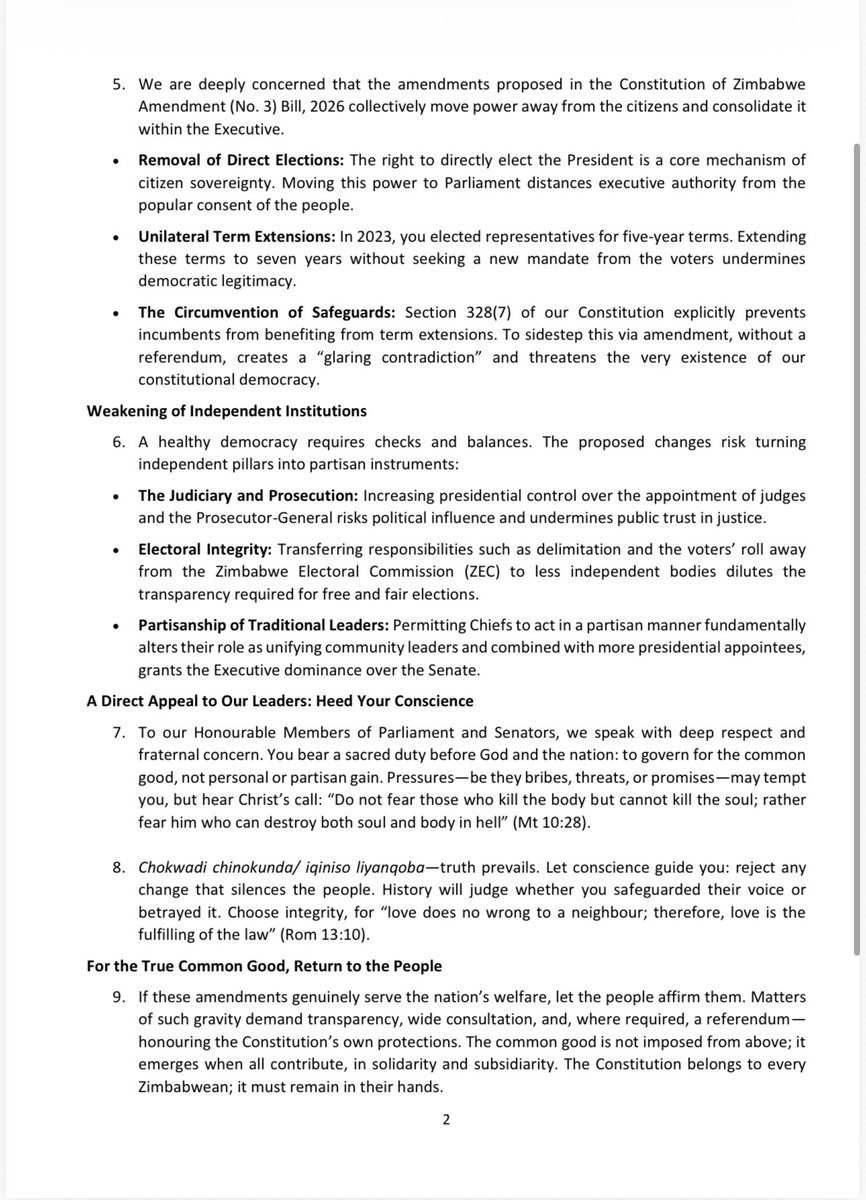
Zimbabwe’s Catholic bishops have issued a pastoral letter warning that the proposed Constitutional Amendment No. 3 could undermine democratic governance by concentrating power in the Executive and weakening the role of citizens in choosing their leaders. The proposed Constitutional Amendment No. 3 seeks to make significant changes to Zimbabwe’s governance framework by shifting the power to elect a president away from the electorate to Members of Parliament. Among its central provisions is the extension of elected officials’ terms beyond the current five-year mandate without a fresh vote. In a statement dated 19 March 2026, the Zimbabwe Catholic Bishops’ Conference said the amendment raises “profound questions about governance, trust, and the common good,” and cautioned against changes that would shift authority away from voters. The bishops expressed concern over provisions that could remove direct presidential elections, extend the terms of elected officials without a fresh mandate, and bypass constitutional safeguards such as referendums. They said such measures would “diminish” the principle that all legitimate authority flows from the people. The statement also warned that the proposed changes could weaken independent institutions, including the judiciary and electoral bodies, by increasing executive influence over appointments and key electoral processes. It said this risked undermining public confidence in the fairness and transparency of elections. Addressing Members of Parliament and Senators, the bishops urged lawmakers to act in the national interest and resist pressure to support measures that could erode democratic accountability. They called on legislators to be guided by conscience and to prioritise the common good over political considerations. The bishops said that if the proposed amendments are intended to benefit the country, they should be subjected to broad public consultation and, where necessary, a referendum. They emphasised that the Constitution “belongs to every Zimbabwean” and should remain under the authority of the people. The message concludes with a call for citizens to remain informed, engage peacefully, and uphold principles of justice and accountability as the debate over the amendment continues. The Pastoral Letter👇🏿 Pastoral Message on Constitutional Amendment No. 3 “In Defence of Truth, Justice, and the Voice of the People” 19 March 2026 “For what does it profit a man to gain the whole world and forfeit his life?” (Mk 8:36) Dear brothers and sisters, 1. At this critical juncture in our nation’s history, we, your shepherds, call for calm reflection, moral courage, and unwavering honesty. The proposed Constitution of Zimbabwe Amendment (No. 3) Bill, 2026, challenges the very foundation of our shared life together. It raises profound questions about governance, trust, and the common good—the conditions that enable every person and community to flourish in dignity and peace. Our Constitution is more than law; it is a solemn covenant, born from the overwhelming will of Zimbabweans in 2013, embodying our collective hopes for justice, unity, peace, and prosperity. The Voice of the People Must Remain Supreme 2. All legitimate authority flows from the people. This truth, rooted in our humanity and echoed in sacred wisdom, was reaffirmed in the 2023 elections, when citizens entrusted leaders with a five-year mandate ending in 2028. As Scripture teaches, governing powers are “instituted by God” to serve the good of all, not themselves. Yet proposals that shift power from the electorate to a few—such as weakening direct presidential elections, extending terms without fresh consent, or bypassing safeguards like referendums—diminish this sacred trust. 3. President Mnangagwa has often said, “the voice of the people is the voice of God” (vox populi, vox Dei). We hold dear this wisdom. To sideline it risks fracturing the bonds of ubuntu/unhu, where true leadership builds up the whole community, not just a part. The common good demands that citizens actively participate in decisions affecting their future, through principles like subsidiarity—empowering lower levels of society—and solidarity—sharing responsibility for all. When the people’s role fades, so too does the legitimacy of rule. Strong Institutions: Pillars of National Life 4. Peace endures not by force, but through fair, transparent, and independent institutions. Elections, justice, and reconciliation bodies must serve every citizen equally, fostering healing in our divided land. Weakening electoral oversight, judicial appointments, or commissions for peace erodes public confidence and deepens wounds. As the Psalmist proclaims: “Happy is the nation whose God is the Lord, the people whom he has chosen as his heritage” (Ps 33:12)—a blessing realised when leaders prioritise righteousness and justice. Proverbs urges: “Speak out for those who cannot speak, for the rights of all the destitute. Speak out, judge righteously, defend the rights of the poor and needy” (Prov 31:8–9). Institutions aligned with the common good unite us; those captured by narrow interests divide. The Erosion of Democratic Sovereignty 5. We are deeply concerned that the amendments proposed in the Constitution of Zimbabwe Amendment (No. 3) Bill, 2026 collectively move power away from the citizens and consolidate it within the Executive. • Removal of Direct Elections: The right to directly elect the President is a core mechanism of citizen sovereignty. Moving this power to Parliament distances executive authority from the popular consent of the people. • Unilateral Term Extensions: In 2023, you elected representatives for five-year terms. Extending these terms to seven years without seeking a new mandate from the voters undermines democratic legitimacy. • The Circumvention of Safeguards: Section 328(7) of our Constitution explicitly prevents incumbents from benefiting from term extensions. To sidestep this via amendment, without a referendum, creates a “glaring contradiction” and threatens the very existence of our constitutional democracy. Weakening of Independent Institutions 6. A healthy democracy requires checks and balances. The proposed changes risk turning independent pillars into partisan instruments: • The Judiciary and Prosecution: Increasing presidential control over the appointment of judges and the Prosecutor-General risks political influence and undermines public trust in justice. • Electoral Integrity: Transferring responsibilities such as delimitation and the voters’ roll away from the Zimbabwe Electoral Commission (ZEC) to less independent bodies dilutes the transparency required for free and fair elections. • Partisanship of Traditional Leaders: Permitting Chiefs to act in a partisan manner fundamentally alters their role as unifying community leaders and combined with more presidential appointees, grants the Executive dominance over the Senate. A Direct Appeal to Our Leaders: Heed Your Conscience 7. To our Honourable Members of Parliament and Senators, we speak with deep respect and fraternal concern. You bear a sacred duty before God and the nation: to govern for the common good, not personal or partisan gain. Pressures—be they bribes, threats, or promises—may tempt you, but hear Christ’s call: “Do not fear those who kill the body but cannot kill the soul; rather fear him who can destroy both soul and body in hell” (Mt 10:28). 8. Chokwadi chinokunda/ iqiniso liyanqoba—truth prevails. Let conscience guide you: reject any change that silences the people. History will judge whether you safeguarded their voice or betrayed it. Choose integrity, for “love does no wrong to a neighbour; therefore, love is the fulfilling of the law” (Rom 13:10). For the True Common Good, Return to the People. 9. If these amendments genuinely serve the nation’s welfare, let the people affirm them. Matters of such gravity demand transparency, wide consultation, and, where required, a referendum—honouring the Constitution’s own protections. The common good is not imposed from above; it emerges when all contribute, in solidarity and subsidiarity. The Constitution belongs to every Zimbabwean; it must remain in their hands. A Call to All Citizens. 10. This is a moment for prayerful responsibility, not fear or strife. Stay informed, speak wisely, and act peacefully. Embody truth, justice, and mutual respect—values that transcend creed and unite us as one people. Conclusion 11. Our choices today shape tomorrow. Future generations will ask: Did we defend the people’s voice? May we answer with conviction: yes, we stood for truth and the common good. 12.We commend Zimbabwe to Almighty God: Grant our leaders, wisdom to serve justly, strengthen us in unity, peace, and courage. May Your steadfast love be upon us, even as we hope in You (Ps 33:22). The peace of Christ be with you all. ✠ Rt. Rev. Raymond Mupandasekwa, C.Ss. R., Bishop of Masvingo & Administrator of Chinhoyi Diocese – ZCBC President ✠ Rt. Rev. Rudolf Nyandoro, Bishop of Gweru – ZCBC Vice President ✠ Rt. Rev. Raphael M. M. Ncube, Bishop of Hwange — ZCBC Secretary & Treasurer ✠ Most Rev. R. C. Ndlovu, Archbishop of Harare ✠ Most Rev. Alex Thomas, S.V.D., Archbishop of Bulawayo ✠ Rt. Rev. Paul Horan, O. Carm., Bishop of Mutare ✠ Rt. Rev. Eusebius J. Nyathi, Bishop of Gokwe
Hopewell Chin’ono tweet mediaHopewell Chin’ono tweet mediaHopewell Chin’ono tweet media
English
19
78
288
18.8K
Embassy of Japan in Zimbabwe /在ジンバブエ日本国大使館
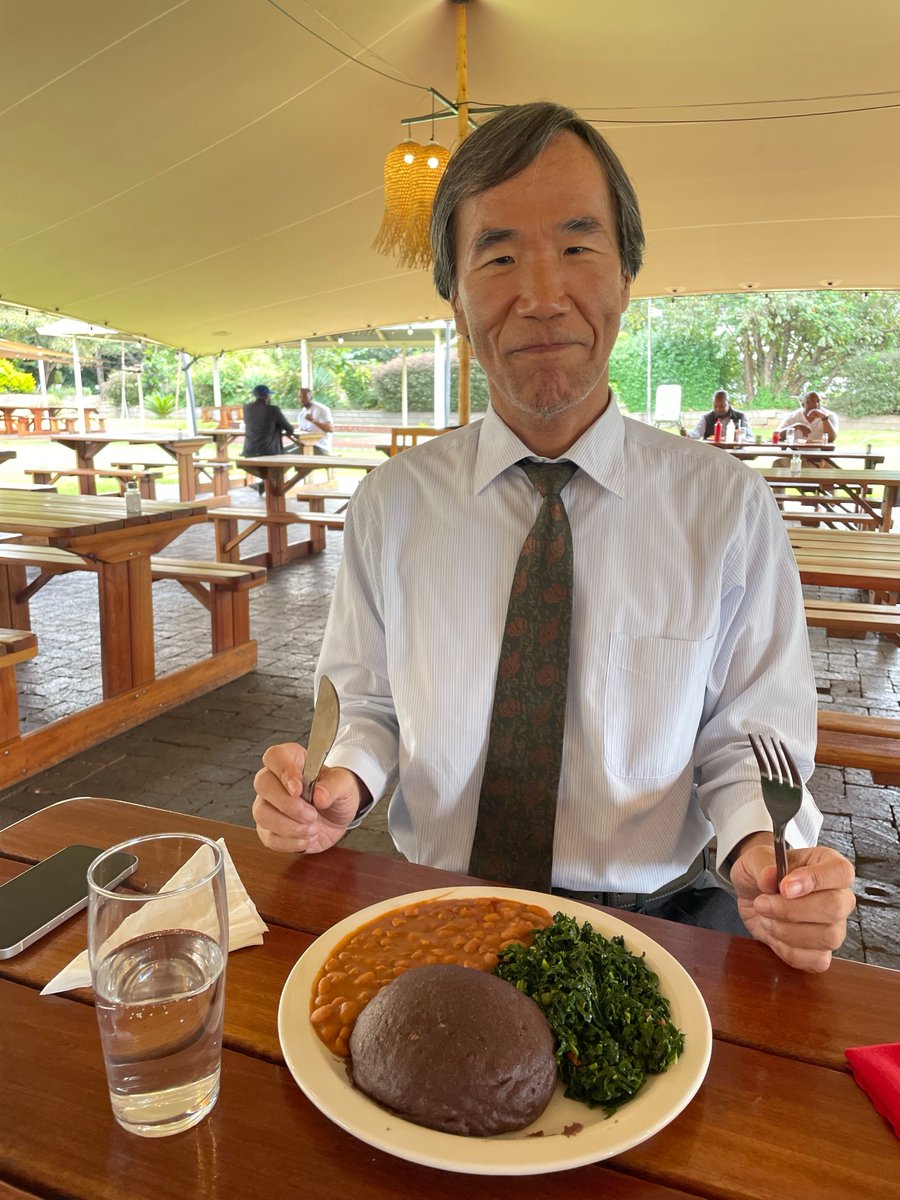
Ambassador Maekawa enjoyed an authentic Zimbabwean highly nutritious meal of small grain brown sadza, kale and beans. It was a first trial and liked the wholesome natural taste that comes with it. Ambassador Maekawa will put the fork and knife aside next time.
Embassy of Japan in Zimbabwe /在ジンバブエ日本国大使館 tweet media
English
58
68
461
18.7K
GAZA retweetledi
Sky News
Sky News@SkyNews·
BREAKING: A joint statement has been released by the UK, France, Germany, Italy, the Netherlands and Japan condemning "recent attacks by Iran on unarmed commercial vessels in the Gulf". Sky's @JonCraig reports ⬇️ Read more 🔗 trib.al/Dj53j28 📺 Sky 501 and Virgin 602
English
1.1K
641
2.9K
770.8K
GAZA
GAZA@dngaru·
@shumbaz_2 After removing Mugabe through coup detat? Grace is there to protect loot!
English
0
0
0
196
GAZA retweetledi
Thabani Mpofu
Thabani Mpofu@adv_fulcrum·
Find a Catholic Bishop and kiss them on the cheek. If they are too shy, kiss them on the lips. This, good people, is what people who affect to lead people and speak on behalf of God must do. Straight as an arrow and as principled as a compass. Thank you Bishops for speaking with clarity, conviction and for speaking in defence of the hearth and the altars of your God.
Thabani Mpofu tweet mediaThabani Mpofu tweet mediaThabani Mpofu tweet media
English
56
257
574
27.7K
GAZA retweetledi
Zimviral 𝕏
Zimviral 𝕏@ZimViral·
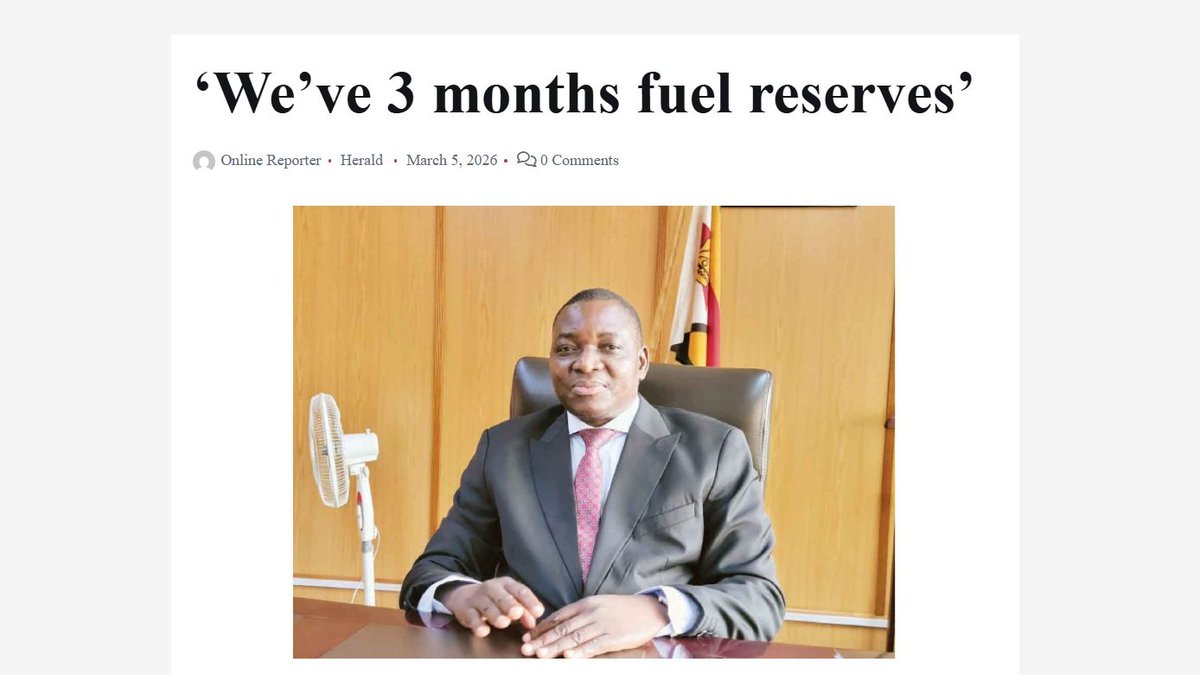
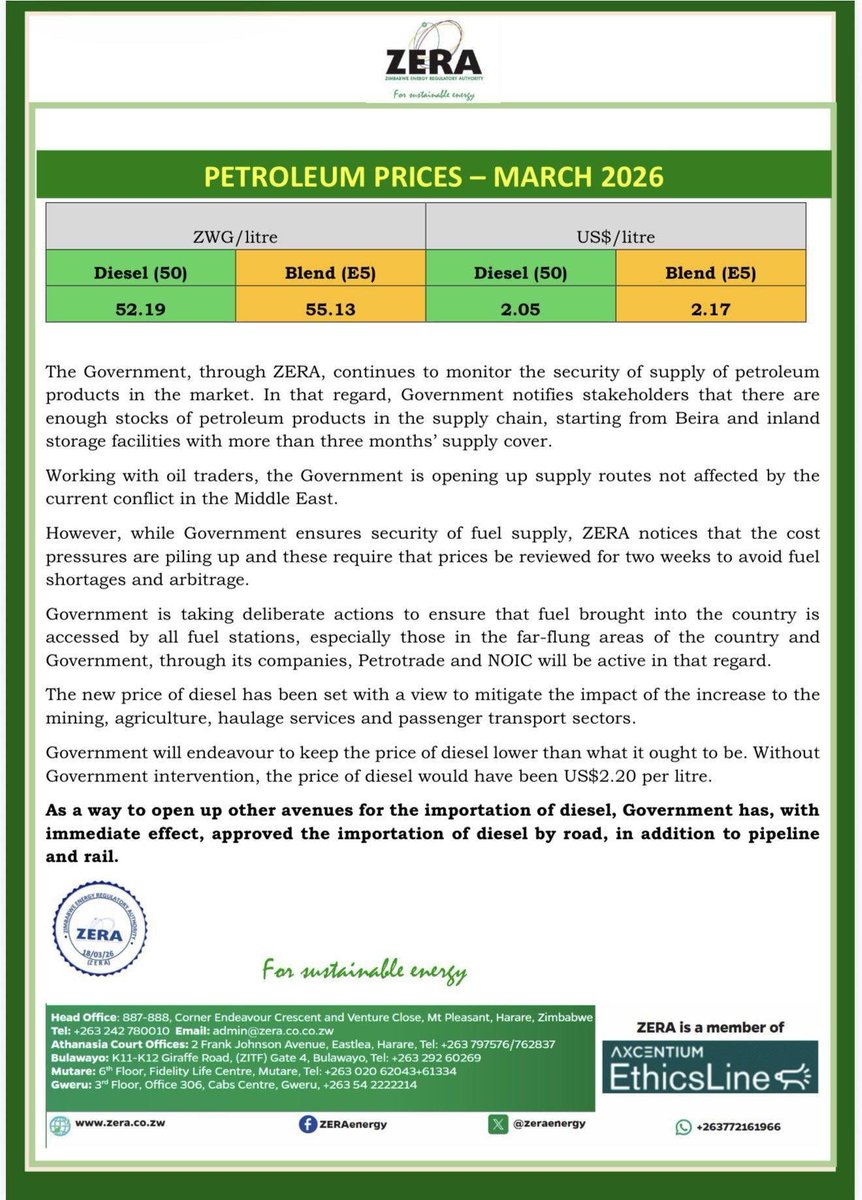
This is the current situation in Zimbabwe. Cars are fainting after seeing the fuel prices.
Zimviral 𝕏 tweet media
English
18
101
752
21.3K
GAZA
GAZA@dngaru·
@nickmangwana Mugabe refused to be buried by Gukurahundist. Grace is just protecting looted assets.
English
0
0
1
702
GAZA
GAZA@dngaru·
@CrimeWatchZW This thug must be sent to jail. Zanu Pf behaviour must not be tolerated in Zimbabwe.
English
0
0
7
680
𝐂𝐫𝐢𝐦𝐞 𝐖𝐚𝐭𝐜𝐡 𝐙𝐖
WATCH | A City Bus marshal was caught on video attacking a TTI parking enforcement officer. After the incident, he was identified and arrested using this footage. He spent the night in police custody and is expected to appear in court tomorrow. 📹Ezra Tshisa Sibanda
English
30
8
51
10.5K
GAZA retweetledi
Prof Jonathan Moyo
Prof Jonathan Moyo@ProfJNMoyo·
After the death of ally John Bredenkamp of the DRC infamy, who used to say the embattled ZanuPF leader is "clueless"; Mnangagwa's corruption deals are now fuelled by his longtime benefactor Billy Rautenbach at Green Fuels & Kuda Tagwirei, his "Peter" & cash frontman at Sakunda!
Prof Jonathan Moyo tweet mediaProf Jonathan Moyo tweet mediaProf Jonathan Moyo tweet media
Beneath A Rising Sun@ResurrectZim

Godfrey Tsenengamu reveals ZANU politicians and staff are on Billy Rautenbach’s payroll saying that he was being paid US$8000 a month.


English
18
114
194
0
Nick Mangwana
Nick Mangwana@nickmangwana·
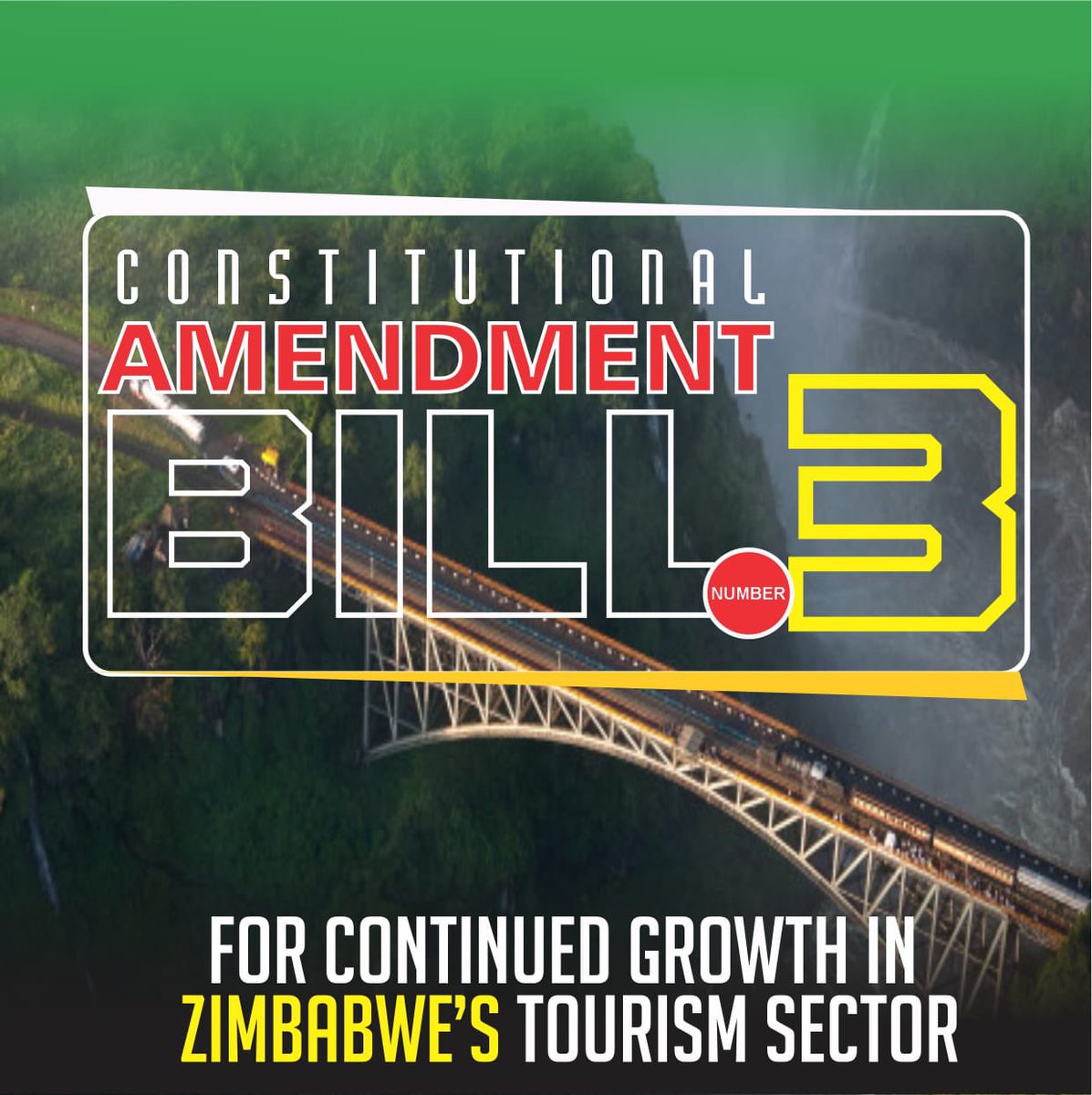
Constitutional Amendment 3 for Continued Growth. #CAB3
Nick Mangwana tweet media
English
121
16
39
10.9K