


Olajide Sobande
2.4K posts

@drsobande
Public Health Physician with a flair for Health Service Research| Citizen of Zion


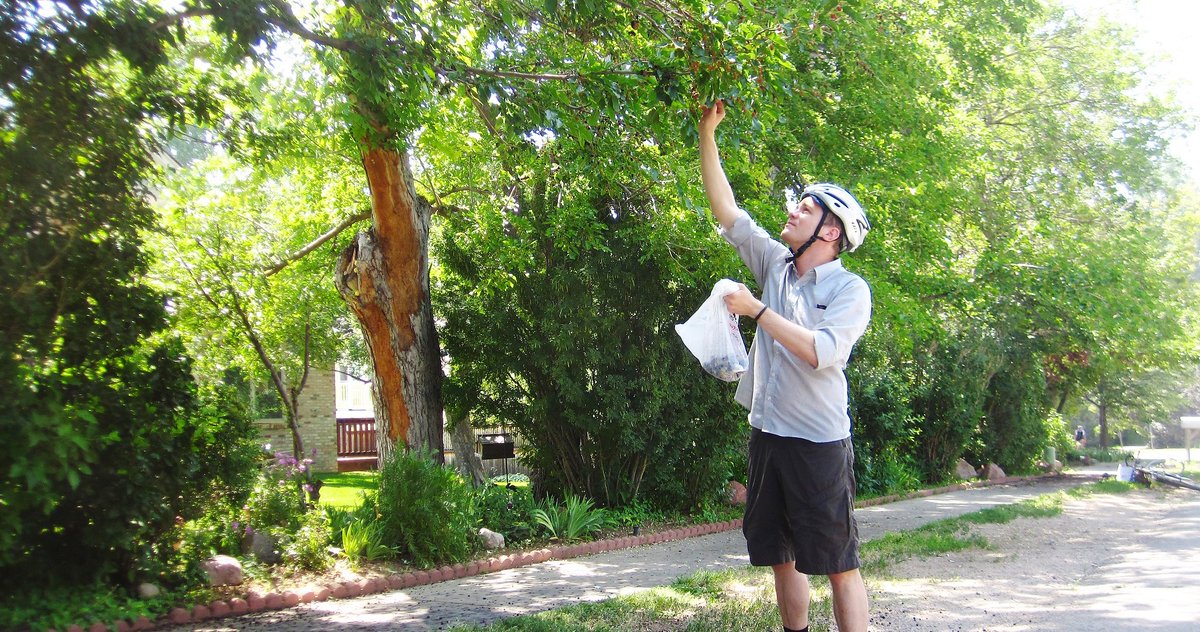
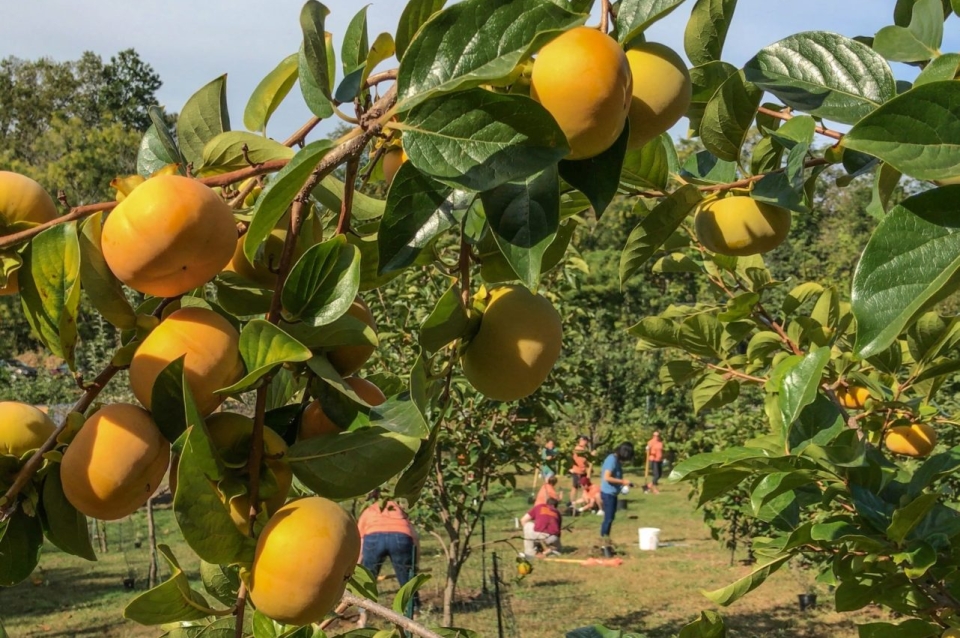
people need to understand the science behind fermentation


NEW: 🇩🇪🇨🇳 German Chancellor Merz says Germans need to work more in order to match China: “We are simply no longer productive enough. Each individual may say, “I already do quite a lot.” And that may be true. But when you return from China, ladies and gentlemen, you see things more clearly. With work-life balance and a four-day week, long-term prosperity in our country cannot be maintained. We will simply have to do a bit more.”

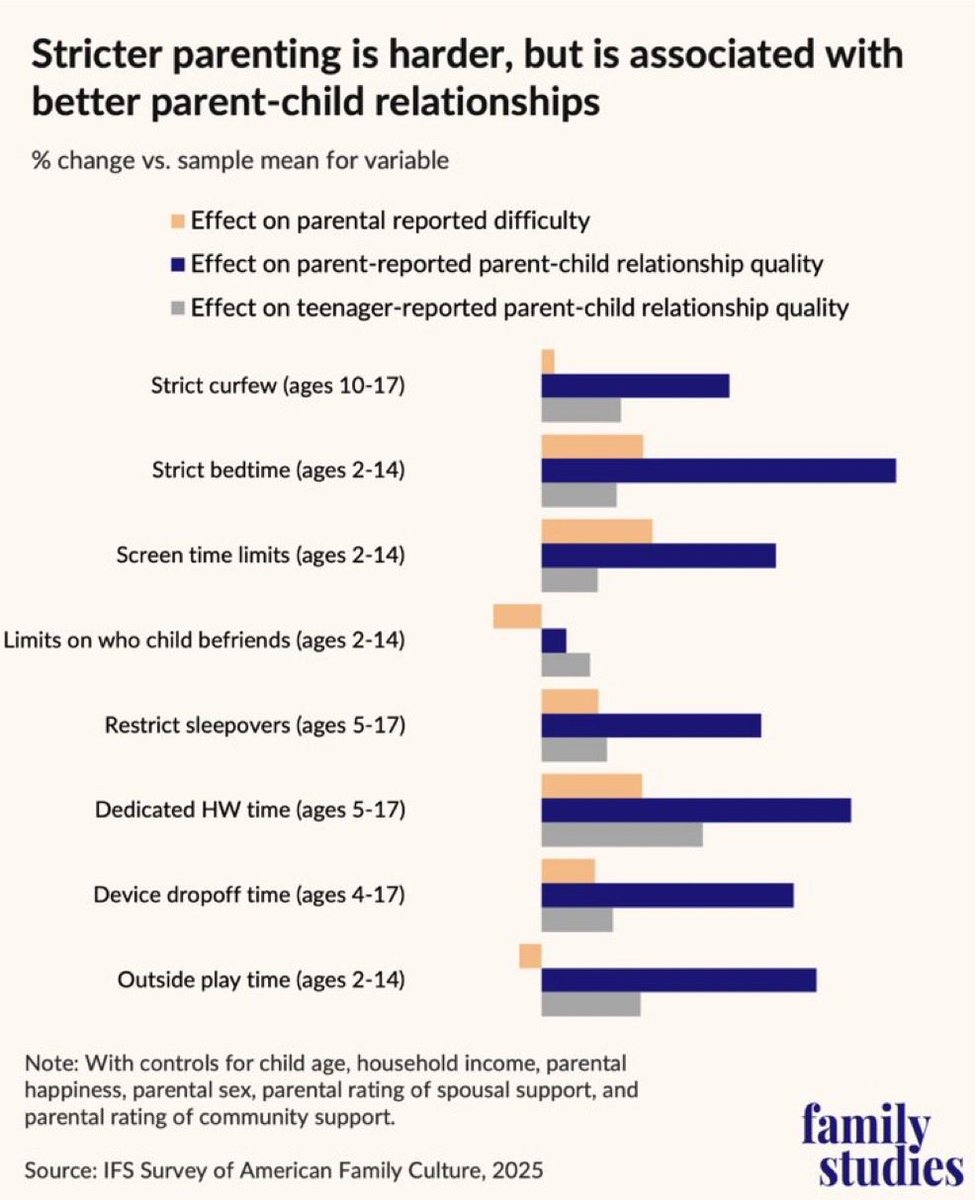
We now have evidence that gentle parenting doesn’t work. Here’s an uncomfortable truth about parenting no one wants to say out loud: The data is not kind to gentle parenting. According to teenagers, strict curfews. strict bedtimes, screen limits, device drop off times, dedicated homework blocks, and sleepover restrictions IMPROVE higher relationship quality. And yes, parenting difficulty goes up. Of course it does. Leadership is harder than appeasement. For the past decade we have been sold a watered down, Instagram friendly version of “gentle parenting” that often collapses into boundary avoidance, endless negotiation and emotional processing without enforcement. Parents terrified of saying no because they do not want to rupture connection. But connection without authority is not connection. It is dependency. When parents impose structure, the relationship improves. Teenagers report better parent child relationship quality in homes with curfews and rules. Younger kids report better relationships in homes with screen limits and bedtimes. Even device drop off times correlate positively. Why? Because structure is not cruelty. Structure is love made visible. A bedtime says: your brain matters more than your entertainment. A screen limit says: your dopamine system is not fully developed and I will guard it until it is. A curfew says: your safety matters more than your social standing. That is not authoritarianism. That is caring. Boundaries create friction. Friction creates growth. The parent absorbs the short term discomfort so the child does not pay the long term cost. Children do not experience well calibrated limits as rejection. They experience them as stability. The human brain craves predictability. Predictability reduces anxiety. Reduced anxiety strengthens attachment. That is why relationship quality goes up. Notice something else in the data. The strongest effects are around time structure. Bedtime. Homework. Devices. Outside play. These are environmental constraints. They scaffold executive function. The winning formula is not tyranny. It is high warmth plus high structure. The modern failure mode is high warmth plus low structure. That is just abdication of responsibility wrapped in empathy. Children need leadership, not negotiation. They need adults who can tolerate their anger. They need boundaries that do not move every time emotions spike. They need someone whose prefrontal cortex is fully myelinated. The harder path produces the stronger bond. Because when a child feels that someone is strong enough to hold the line, they relax. And relaxed nervous systems build durable relationships.


An idea I’m implementing in my life: The 1-6-4 Method. Popularized by entrepreneur and author Jesse Itzler, it’s a foolproof way to make sure you always have fun planned throughout the year. 1. Plan one big “year-making” event This is inspired by the Japanese concept of Misogi (a challenging annual endeavor). Pick one massive defining challenge or event for the year that pushes you to grow past your limits: • A long endurance event (like a marathon) • A big personal project (like finally starting that side business) • Something transformative (like a multi-day solo backpacking trip) This’ll act as the anchor for your year. 2. Schedule 6 mini-adventures for every other month Lock in one small, exciting experience every other month (6 per year): • Going camping at a national park • Traveling on vacation to a place you’ve never been • Attending a music festival where your favorite artist is performing • Hosting a group of friends for a dinner party and game night • Explore a new part of your city that you’ve always wanted to visit 3. Implement a winning habit every quarter Add one positive, compounding habit every 3 months (4 per year). It could be drinking more water, walking 10k steps per day, meditating, being on time, or any small routine that improves your life. These are your building blocks for long-term growth. — We’ve become bad at leisure. The digital world isn’t bringing as much joy to our lives. Having alternative choices (using the 1-6-4 Method) to look forward to throughout the year makes life so much more enjoyable. And remember: Put these on your calendar so they actually happen rather than staying as ideas. Cheers to more joy this year and beyond. 🥂 ♻️ Retweet to share this with your network. ➕ Follow @SystemSunday for more content like this.