Noe Hernandez

791 posts

Noe Hernandez banner
Noe Hernandez

Noe Hernandez

@elinformaticomx

Soy un Amante de la Tecnología, Programación, Web Development, Cloud, Finanzas Personales y Herramientas de Inteligencia Artificial.

Katılım Ekim 2010
487 Takip Edilen198 Takipçiler
Noe Hernandez retweetledi
Julián Campos
Julián Campos@juliancamposes·
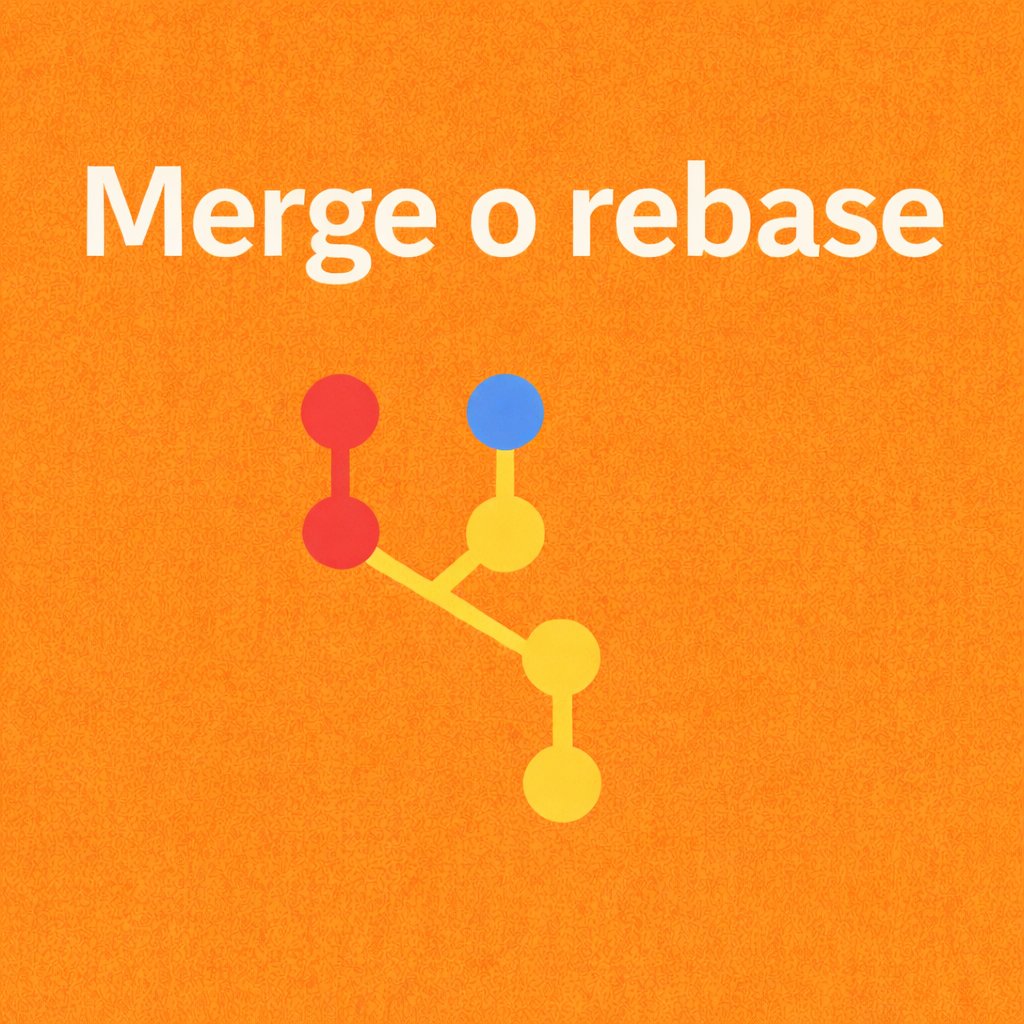
Merge VS Rebase Si eres programador junior y cada vez que ves esa decisión en Git copias el comando y cruzas los dedos, este hilo es para ti. Te explico cuándo usar cada uno de forma muy fácil 🧵👇
Julián Campos tweet media
Español
9
94
735
70.1K
Noe Hernandez retweetledi
Maikolll
Maikolll@MZora0419·
7 límites que establecen las personas con más éxito 🧵
Maikolll tweet media
Español
28
59
257
46.6K
Noe Hernandez retweetledi
Google en español
Google en español@googleespanol·
"¿Mensajes que parecen otro idioma?😅 Toma una foto o comparte tu pantalla con Gemini Live y dile: “Gemini, ayúdame a traducir lo que quiso decir mi hija en este mensaje” Comenta Gemini + lo más raro que te haya escrito tu hijo alguna vez."
Español
2
11
461
1.2M
Noe Hernandez retweetledi
Tiger Mindset
Tiger Mindset@yosoyhonor·
Déja de hacerte el pobrecito: 1.
Tiger Mindset tweet media
Español
16
398
2K
167.6K
Noe Hernandez retweetledi
Miguel Ángel Durán
Miguel Ángel Durán@midudev·
50 acrónimos y términos técnicos que cualquier programador debería conocer. De SPA a CI/CD pasando por SOLID y TDD. Los vas a ver en PRs, reuniones y documentación. Guárdalo. Te vas a cruzar con todos:
Miguel Ángel Durán tweet media
Español
4
124
947
40.5K
Noe Hernandez retweetledi
Miguel Ángel Durán
Miguel Ángel Durán@midudev·
Artículo para aprender Clean Architecture con ejemplos. ✓ Casos de Uso, Servicios, Repositorios... ✓ Entiende las capas de la arquitectura ✓ Sin usar clases, sólo funciones ✓ Con TypeScript dev.to/bespoyasov/cle…
Miguel Ángel Durán tweet media
Español
4
96
777
26.6K
Noe Hernandez retweetledi
Dhanian 🗯️
Dhanian 🗯️@e_opore·
How Java's JVM Executes Bytecode You write Java source code in a .java file. The Java compiler (javac) translates your code into platform-independent bytecode, stored in .class files. The Java Virtual Machine (JVM) then loads these bytecode files into memory for execution. At runtime: → The Class Loader loads bytecode into the JVM and ensures classes are available when needed. → The Bytecode Verifier checks the code for security and type safety before execution. → The Interpreter starts executing bytecode instructions line by line. → The Just-In-Time (JIT) Compiler identifies frequently executed code (hotspots) and compiles them into optimized machine code for faster performance. → The Garbage Collector (GC) automatically manages memory by removing unused objects from the heap. → The Runtime Environment provides essential libraries, thread management, and exception handling for smooth execution. The result: your Java program runs efficiently across all platforms using the JVM, combining portability with runtime optimization and automatic memory management. Want to go deeper? Check out this ebook: Mastering Java: From Fundamentals to Advanced Concepts codewithdhanian.gumroad.com/l/vqwdte
Dhanian 🗯️ tweet mediaDhanian 🗯️ tweet mediaDhanian 🗯️ tweet mediaDhanian 🗯️ tweet media
English
8
49
335
16.9K
Noe Hernandez retweetledi
Tech with Mak
Tech with Mak@techNmak·
My System Design - Cheat sheet System design is about creating applications that can handle real-world demands. 𝐒𝐲𝐬𝐭𝐞𝐦 𝐃𝐞𝐬𝐢𝐠𝐧 𝐂𝐨𝐦𝐩𝐨𝐧𝐞𝐧𝐭𝐬 📌 𝐍𝐞𝐭𝐰𝐨𝐫𝐤𝐢𝐧𝐠 DNS - Domain Name System (resolvers, nameservers, records) Load Balancers - Hardware, software, Layer 4, Layer 7 CDNs - Content Delivery Networks (caching, edge servers) Proxies - Forward, reverse, transparent, anonymous VPNs - Virtual Private Networks (tunneling protocols) Firewalls - Packet filtering, stateful inspection NAT - Network Address Translation Gateways - Connect different networks Routers - Direct traffic between networks 📌 𝐒𝐭𝐨𝐫𝐚𝐠𝐞 Databases - SQL, NoSQL (key-value, document, columnar, graph), NewSQL Object Storage - Amazon S3, Google Cloud Storage, Azure Blob Storage Block Storage - Network-attached storage (NAS), storage area networks (SAN) File Systems - Distributed file systems (HDFS, Ceph), Network File System (NFS) Caching - Redis, Memcached, Varnish, CDN edge caches 📌 𝐂𝐨𝐦𝐩𝐮𝐭𝐞 Servers - Bare metal, virtual machines (VMs) Containers - Docker, Kubernetes, container orchestration Serverless - AWS Lambda, Azure Functions, Google Cloud Functions FaaS - Function-as-a-Service PaaS - Platform-as-a-Service 📌 𝐂𝐨𝐦𝐦𝐮𝐧𝐢𝐜𝐚𝐭𝐢𝐨𝐧 APIs - REST, GraphQL, SOAP, gRPC Message Queues - RabbitMQ, Kafka, ActiveMQ, Amazon SQS WebSockets - Real-time, full-duplex communication RPC - Remote Procedure Call, XML-RPC, JSON-RPC Pub/Sub - Publish-subscribe messaging pattern Service Mesh - Istio, Linkerd 📌 𝐀𝐫𝐜𝐡𝐢𝐭𝐞𝐜𝐭𝐮𝐫𝐚𝐥 𝐏𝐚𝐭𝐭𝐞𝐫𝐧𝐬 Microservices - Domain-driven design (DDD), service discovery, API gateways Monolithic - Layered architecture, MVC, MVP Event-driven - Event sourcing, CQRS Serverless - FaaS, BaaS (Backend-as-a-Service) 📌 𝐒𝐜𝐚𝐥𝐚𝐛𝐢𝐥𝐢𝐭𝐲 & 𝐑𝐞𝐥𝐢𝐚𝐛𝐢𝐥𝐢𝐭𝐲 Horizontal Scaling - Load balancers, auto-scaling groups Vertical Scaling - Larger instances, more resources Replication - Master-slave, master-master Sharding - Partitioning data across multiple databases Redundancy - Multiple instances, failover mechanisms Fault Tolerance - Graceful degradation, circuit breakers Disaster Recovery - Backups, replication, geo-redundancy 📌 𝐒𝐞𝐜𝐮𝐫𝐢𝐭𝐲 Authentication - Multi-factor authentication (MFA), single sign-on (SSO), OAuth, OpenID Connect Authorization - Role-based access control (RBAC), Attribute-based access control (ABAC) Encryption - Symmetric, asymmetric, hashing algorithms Security Protocols - TLS/SSL, HTTPS, SSH Web Application Firewalls (WAF) - Protect against web attacks Intrusion Detection Systems (IDS) - Identify malicious activity 📌 𝐎𝐛𝐬𝐞𝐫𝐯𝐚𝐛𝐢𝐥𝐢𝐭𝐲 Monitoring - Prometheus, Grafana, Datadog, New Relic Logging - ELK Stack (Elasticsearch, Logstash, Kibana), Splunk Tracing - Distributed tracing (Jaeger, Zipkin) Metrics - Counters, gauges, histograms, summaries APM - Application Performance Monitoring (Dynatrace, AppDynamics) 📌 Follow - @techNmak
Tech with Mak tweet media
English
31
121
531
37.6K
Noe Hernandez retweetledi
Dhanian 🗯️
Dhanian 🗯️@e_opore·
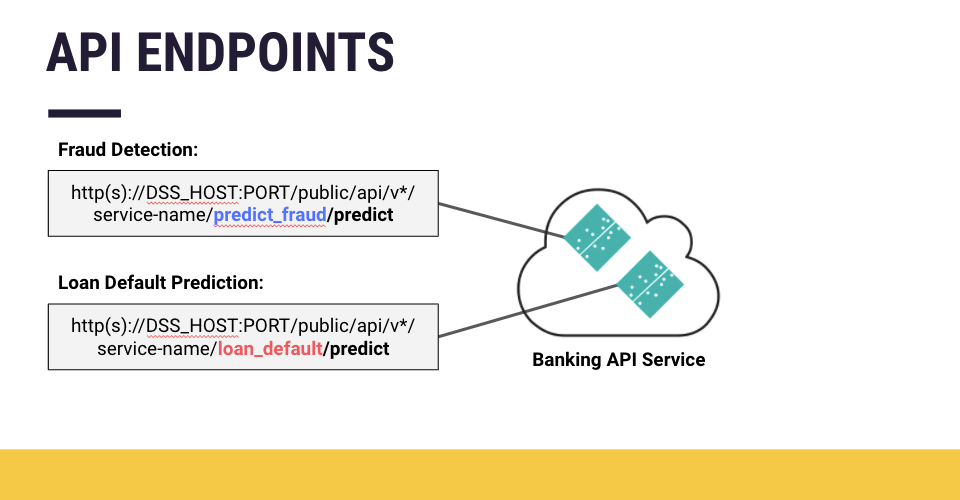
API Endpoint Structure 1. Overview → An API endpoint is a specific URL where a client interacts with the server. → Each endpoint represents a resource, such as users, products, or orders. → A well-structured endpoint follows logical and predictable naming conventions. 2. Basic Structure → General format: api.domain.com/resource → Example: api.example.com/users → Components: ✓ Protocol: `https` ensures secure communication. ✓ Domain: Identifies the API’s host. ✓ Resource Path: Defines which data or functionality the client is accessing. 3. Resource Naming Conventions → Use nouns instead of verbs. ✓ Correct: `/users`, `/products`, `/orders` ✓ Avoid: `/getUsers`, `/createUser` → Use plural nouns for collections. ✓ `/users` for all users ✓ `/users/{id}` for a specific user → Keep lowercase letters and separate words with hyphens. ✓ `/user-profiles` instead of `/userProfiles` 4. CRUD Operations Example → `GET /users` → Retrieve all users → `GET /users/{id}` → Retrieve a specific user → `POST /users` → Create a new user → `PUT /users/{id}` → Update user information → `DELETE /users/{id}` → Delete a user 5. Nested Resources → Represent relationships between entities using subpaths. ✓ Example: GET /users/{id}/orders → Meaning: Retrieve all orders for a specific user. 6. Query Parameters → Use query parameters for filtering, sorting, and pagination. ✓ Example: GET /products?category=electronics&sort=price&page=2 → Common uses: ✓ `filter` → Limit results by condition ✓ `sort` → Order data by attribute ✓ `page` and `limit` → Handle pagination 7. Versioning → Include versioning to manage API updates. ✓ Example: api.example.com/v1/users → Ensures backward compatibility for clients using older API versions. 8. Response Format → Use consistent data representation (commonly JSON). → Example response: json { "id": 101, "name": "John Doe", "email": "john@example.com" } 9. Tip ✓ Endpoints represent resources using predictable structures. ✓ Follow consistent naming and HTTP methods. ✓ Use query parameters for filtering and pagination. ✓ Version your API to support long-term maintenance. Grab this Ebook to Master APIs: codewithdhanian.gumroad.com/l/vrzagk
Dhanian 🗯️ tweet mediaDhanian 🗯️ tweet media
English
19
43
234
14.8K
Noe Hernandez retweetledi
Dr Milan Milanović
Dr Milan Milanović@milan_milanovic·
𝗪𝗵𝗮𝘁 𝗮𝗿𝗲 𝘁𝗵𝗲 𝗸𝗲𝘆 𝗽𝗿𝗶𝗻𝗰𝗶𝗽𝗹𝗲𝘀 𝗼𝗳 𝗵𝗶𝗴𝗵-𝗾𝘂𝗮𝗹𝗶𝘁𝘆 𝗰𝗼𝗱𝗲 𝗦𝗢𝗟𝗜𝗗 𝗽𝗿𝗶𝗻𝗰𝗶𝗽𝗹𝗲𝘀 are a cornerstone of object-oriented programming that guide developers in creating maintainable, scalable, and robust software architectures. They were introduced by Robert C. Martin (Uncle Bob), though they were influenced by earlier work. Here is the list: 𝟭. 𝗦𝗶𝗻𝗴𝗹𝗲 𝗥𝗲𝘀𝗽𝗼𝗻𝘀𝗶𝗯𝗶𝗹𝗶𝘁𝘆 𝗣𝗿𝗶𝗻𝗰𝗶𝗽𝗹𝗲 (𝗦𝗥𝗣) Each class should have a single focus or responsibility, making the system modular and easier to manage. This means a class should have only one reason to change. When a class encapsulates a single responsibility, changes to the specification are likely to affect fewer components, making maintenance simpler. It also reduces coupling between different components. For example, we can create a 𝚄𝚜𝚎𝚛𝙼𝚊𝚗𝚊𝚐𝚎𝚛 class to handle user-related operations, including authentication, database interactions, and email notifications. If we change, e.g., the e-mail notification logic, it could affect other areas, such as user authentication. Such classes are sometimes called God classes. 𝟮. 𝗢𝗽𝗲𝗻/𝗖𝗹𝗼𝘀𝗲𝗱 𝗣𝗿𝗶𝗻𝗰𝗶𝗽𝗹𝗲 (𝗢𝗖𝗣) Software entities (classes, methods, etc.) should be open to extension but closed to modification, promoting stability and extensibility. This means you can add a new functionality to a class without changing its existing code. 𝟯. 𝗟𝗶𝘀𝗸𝗼𝘃 𝗦𝘂𝗯𝘀𝘁𝗶𝘁𝘂𝘁𝗶𝗼𝗻 𝗣𝗿𝗶𝗻𝗰𝗶𝗽𝗹𝗲 (𝗟𝗦𝗣) Subtypes should be substitutable for their base types, ensuring seamless integration and robustness. This means that if a class inherits from another class, you should be able to use it in the same way as the base class. 𝟰. 𝗜𝗻𝘁𝗲𝗿𝗳𝗮𝗰𝗲 𝗦𝗲𝗴𝗿𝗲𝗴𝗮𝘁𝗶𝗼𝗻 𝗣𝗿𝗶𝗻𝗰𝗶𝗽𝗹𝗲 (𝗜𝗦𝗣) A class should not be forced to implement interfaces it does not use. This means creating specific interfaces for each class rather than a single, all-encompassing one. 𝟱. 𝗗𝗲𝗽𝗲𝗻𝗱𝗲𝗻𝗰𝘆 𝗜𝗻𝘃𝗲𝗿𝘀𝗶𝗼𝗻 𝗣𝗿𝗶𝗻𝗰𝗶𝗽𝗹𝗲 (𝗗𝗜𝗣) High-level modules should not depend on low-level ones; both should depend on abstractions, encouraging a decoupled architecture. Also, abstractions should not rely on details; details should depend on abstractions. We should also note that these rules should not be followed blindly. We should know the rules so we know when to break them.
Dr Milan Milanović tweet media
English
7
83
489
28K
Noe Hernandez
Noe Hernandez@elinformaticomx·
Excellent roadmap to be a good Java Developer
Dhanian 🗯️@e_opore

Modern Java Roadmap. Java Foundations & Core Concepts ├── Java Fundamentals │ ├── JVM Architecture & Bytecode │ ├── Data Types & Variables │ ├── Operators & Control Flow │ ├── Methods & Scope │ └── Memory Management (Heap vs Stack) ├── Object-Oriented Programming │ ├── Classes & Objects │ ├── Inheritance & Polymorphism │ ├── Encapsulation & Abstraction │ ├── Interfaces & Abstract Classes │ └── Design Patterns (Singleton, Factory, Builder) └── Advanced Language Features ├── Generics & Type Erasure ├── Annotations & Reflection ├── Lambda Expressions ├── Method References └── Records & Sealed Classes Modern Java Development (Java 8-21+) ├── Functional Programming │ ├── Stream API │ ├── Optional Class │ ├── Functional Interfaces │ ├── Collectors & Reduction │ └── Parallel Streams ├── Concurrency & Multithreading │ ├── Thread Management │ ├ Executor Framework │ ├── CompletableFuture │ ├── Synchronization & Locks │ └── Concurrent Collections └── Performance Optimization ├── JIT Compilation ├── Garbage Collection Tuning ├── JVM Performance Monitoring ├── Microbenchmarking (JMH) ├── Project Loom (Virtual Threads) Enterprise Java & Frameworks ├── Spring Framework Ecosystem │ ├── Spring Boot │ ├── Spring MVC │ ├── Spring Data │ ├── Spring Security │ └── Spring Cloud ├── Jakarta EE (formerly Java EE) │ ├── JAX-RS (RESTful Web Services) │ ├── CDI (Contexts and Dependency Injection) │ ├── JPA (Java Persistence API) │ ├── Bean Validation │ └── MicroProfile └── Alternative Frameworks ├── Micronaut ├── Quarkus ├── Vert.x ├── Play Framework └── Framework Comparison & Selection Microservices & Cloud-Native Development ├── Microservices Architecture │ ├── Service Decomposition │ ├── API Gateway Pattern │ ├── Service Discovery │ ├── Configuration Management │ └── Distributed Tracing ├── Cloud Integration │ ├── AWS SDK for Java │ ├── Azure Java SDK │ ├── Google Cloud Java Client │ ├── Serverless Java (AWS Lambda) │ └── Containerization (Docker & Kubernetes) └── Communication Patterns ├── REST APIs ├── gRPC ├── Message Brokers (Kafka, RabbitMQ) ├── WebSocket ├── Event-Driven Architecture Data Persistence & Database Integration ├── SQL Databases │ ├── JDBC │ ├── JPA & Hibernate │ ├── Spring Data JPA │ ├── Connection Pooling (HikariCP) │ └── Transaction Management ├── NoSQL Databases │ ├── MongoDB │ ├── Redis │ ├── Cassandra │ ├── Elasticsearch │ └── Spring Data NoSQL └── Database Migration & Tools ├── Flyway ├── Liquibase ├── Query Optimization ├── Database Design Patterns ├── Data Caching Strategies Testing & Quality Assurance ├── Unit Testing ├── Integration Testing └── Quality Tools Build Tools & Dependency Management ├── Build Automation ├── Continuous Integration └── Artifact Management Security & Performance ├── Application Security ├── API Security └── Performance Engineering Modern Development Practices ├── DevOps Integration ├── API Development └── Code Quality Innovation & Emerging Technologies ├── AI & Machine Learning ├── Big Data & Analytics └── Future Java Technologies Real-World Projects & Case Studies ├── E-commerce Platform ├── Financial Trading System ├── Healthcare Application └── IoT Platform Career Development & Community ├── Professional Growth ├── Industry Trends └── Community Engagement ☕ Java Unleashed: Master Modern Programming Become a Java expert with our complete eBook: codewithdhanian.gumroad.com/l/vqwdte
English
0
0
0
9
Noe Hernandez retweetledi
Dhanian 🗯️
Dhanian 🗯️@e_opore·
Modern Java Roadmap. Java Foundations & Core Concepts ├── Java Fundamentals │ ├── JVM Architecture & Bytecode │ ├── Data Types & Variables │ ├── Operators & Control Flow │ ├── Methods & Scope │ └── Memory Management (Heap vs Stack) ├── Object-Oriented Programming │ ├── Classes & Objects │ ├── Inheritance & Polymorphism │ ├── Encapsulation & Abstraction │ ├── Interfaces & Abstract Classes │ └── Design Patterns (Singleton, Factory, Builder) └── Advanced Language Features ├── Generics & Type Erasure ├── Annotations & Reflection ├── Lambda Expressions ├── Method References └── Records & Sealed Classes Modern Java Development (Java 8-21+) ├── Functional Programming │ ├── Stream API │ ├── Optional Class │ ├── Functional Interfaces │ ├── Collectors & Reduction │ └── Parallel Streams ├── Concurrency & Multithreading │ ├── Thread Management │ ├ Executor Framework │ ├── CompletableFuture │ ├── Synchronization & Locks │ └── Concurrent Collections └── Performance Optimization ├── JIT Compilation ├── Garbage Collection Tuning ├── JVM Performance Monitoring ├── Microbenchmarking (JMH) ├── Project Loom (Virtual Threads) Enterprise Java & Frameworks ├── Spring Framework Ecosystem │ ├── Spring Boot │ ├── Spring MVC │ ├── Spring Data │ ├── Spring Security │ └── Spring Cloud ├── Jakarta EE (formerly Java EE) │ ├── JAX-RS (RESTful Web Services) │ ├── CDI (Contexts and Dependency Injection) │ ├── JPA (Java Persistence API) │ ├── Bean Validation │ └── MicroProfile └── Alternative Frameworks ├── Micronaut ├── Quarkus ├── Vert.x ├── Play Framework └── Framework Comparison & Selection Microservices & Cloud-Native Development ├── Microservices Architecture │ ├── Service Decomposition │ ├── API Gateway Pattern │ ├── Service Discovery │ ├── Configuration Management │ └── Distributed Tracing ├── Cloud Integration │ ├── AWS SDK for Java │ ├── Azure Java SDK │ ├── Google Cloud Java Client │ ├── Serverless Java (AWS Lambda) │ └── Containerization (Docker & Kubernetes) └── Communication Patterns ├── REST APIs ├── gRPC ├── Message Brokers (Kafka, RabbitMQ) ├── WebSocket ├── Event-Driven Architecture Data Persistence & Database Integration ├── SQL Databases │ ├── JDBC │ ├── JPA & Hibernate │ ├── Spring Data JPA │ ├── Connection Pooling (HikariCP) │ └── Transaction Management ├── NoSQL Databases │ ├── MongoDB │ ├── Redis │ ├── Cassandra │ ├── Elasticsearch │ └── Spring Data NoSQL └── Database Migration & Tools ├── Flyway ├── Liquibase ├── Query Optimization ├── Database Design Patterns ├── Data Caching Strategies Testing & Quality Assurance ├── Unit Testing ├── Integration Testing └── Quality Tools Build Tools & Dependency Management ├── Build Automation ├── Continuous Integration └── Artifact Management Security & Performance ├── Application Security ├── API Security └── Performance Engineering Modern Development Practices ├── DevOps Integration ├── API Development └── Code Quality Innovation & Emerging Technologies ├── AI & Machine Learning ├── Big Data & Analytics └── Future Java Technologies Real-World Projects & Case Studies ├── E-commerce Platform ├── Financial Trading System ├── Healthcare Application └── IoT Platform Career Development & Community ├── Professional Growth ├── Industry Trends └── Community Engagement ☕ Java Unleashed: Master Modern Programming Become a Java expert with our complete eBook: codewithdhanian.gumroad.com/l/vqwdte
Dhanian 🗯️ tweet mediaDhanian 🗯️ tweet media
English
28
197
1.3K
70.1K
Noe Hernandez retweetledi
Jorge Sánchez
Jorge Sánchez@xurxodev·
¿Qué quieres?, ¿ser desarrollador de software a los 40? 🧵 👇
Jorge Sánchez tweet media
Español
64
49
944
105.5K
Noe Hernandez retweetledi
John Crickett
John Crickett@johncrickett·
15 ways to learn Java: 1. Read: The Official Java Developer Tutorials and Training from Oracle - oracle.com/java/technolog… 2. Code: Use Exercism’s Java Track - exercism.org/tracks/java 3. Read: Learning Java: An Introduction to Real-World Programming with Java - oreilly.com/library/view/l… 4. Build Projects: Build some real-world applications in Java - codingchallenges.fyi/challenges/int… 5. Read Code: Explore the Java solutions to the Coding Challenges - github.com/CodingChallege… 6. Read: Learn Java with Projects: A concise practical guide to learning everything a Java professional really needs to know - packtpub.com/en-us/product/… 7. Read: Java in a Nutshell - oreilly.com/library/view/j… 8. Read: Java Concurrency in Practice - jcip.net 9. Read: Java Performance 2e: In-depth Advice for Tuning and Programming Java 8, 11, and Beyond - oreilly.com/library/view/j… 10. Read: Java Cookbook, 4e: Problems and Solutions for Java Developers - oreilly.com/library/view/j… 11. Watch: Intro to Java Programming - Course for Absolute Beginners by freeCodeCamp - youtube.com/watch?v=GoXwIV… 12. Read: The JDK Documentation - docs.oracle.com/en/java/javase… 13. Course: Object Oriented Programming in Java Specialization - coursera.org/specialization… 14. Course: Java Programming: Solving Problems with Software - coursera.org/learn/java-pro… 15. Courses: JetBrains Academy Java Tutorials - academy.jetbrains.com/?tag=Java
YouTube video
YouTube
John Crickett tweet media
English
10
94
323
31.1K
Noe Hernandez retweetledi
El Programador Senior
El Programador Senior@5eniorDeveloper·
Así se ejecuta el comando: git merge Así funciona:
Español
8
86
683
17.8K
Noe Hernandez retweetledi
Adrián Trader
Adrián Trader@IamAdrianTrader·
15 Verdades que te van a levantar cuando estés a punto de tirar la toalla . 1.
Adrián Trader tweet media
Español
22
451
3K
117.2K
Noe Hernandez retweetledi
Future Stacked
Future Stacked@FutureStacked·
Ok Google NanoBanana is insane. People are unlocking new creative ways to use it. 10 wild examples:
Future Stacked tweet media
English
114
656
7.9K
1.7M